Email: info@mggpacking.com | Tel: +86-13510174848 ( Mr. Yao)


When it comes to storing life-saving samples, precision isn't just a requirement—it's a promise. For pharmaceutical labs, biotech firms, and research institutions, the difference between a successful trial and a costly mistake often lies in the tools they trust. That's where barcoded cryogenic tubes come in: more than just containers, they're guardians of sample integrity, designed to keep your most critical materials safe, traceable, and ready when you need them most.
Let's start with the basics: cryogenic tubes are the workhorses of low-temperature storage. Whether you're preserving vaccines, cell cultures, or drug compounds, these small but mighty containers face extreme conditions—down to -196°C in liquid nitrogen. But in the fast-paced world of pharmaceutical research, "just storing" isn't enough. Labs need tubes that can keep up with strict regulatory demands, reduce human error, and adapt to unique project needs. That's why modern cryogenic tubes are evolving, and barcoded, writable options are leading the charge.
Think about a typical day in a pharma lab: hundreds of samples move through storage units, each with its own data—batch numbers, storage dates, researcher initials. A single mix-up could derail months of work. Traditional tubes, reliant on handwritten labels that smudge or fade in freezing temperatures, leave too much room for error. Barcoded tubes change that. By combining machine-readable codes with durable, writable surfaces, they create a dual-layer tracking system that's both high-tech and hands-on—because sometimes, you just need to jot a quick note before sliding a tube back into the freezer.
Not all cryogenic tubes are created equal. The best ones are built with the unique challenges of pharmaceutical work in mind. Let's break down the features that set barcoded, writable options apart:
Imagine scanning a tube and instantly pulling up its entire history—from production to every time it was accessed. That's the power of integrated barcodes. These aren't just any stickers; they're etched or printed directly onto the tube, using inks and materials that withstand extreme cold, moisture, and repeated handling. Unlike adhesive labels that peel off or become unreadable, these barcodes stay intact, ensuring seamless integration with your lab's LIMS (Laboratory Information Management System). The result? Faster inventory checks, fewer data entry mistakes, and full compliance with regulatory audits.
Technology is amazing, but even the most advanced labs need flexibility. That's why the best cryogenic tubes feature writable surfaces. These aren't your average marker-friendly areas—they're treated to resist smudging, even when exposed to ethanol (for disinfection) or freezing temperatures. Whether you prefer permanent markers or specialized cryo-safe pens, you can quickly add initials, batch codes, or urgent notes without worrying about the info fading mid-experiment. It's the perfect blend of digital precision and analog convenience.
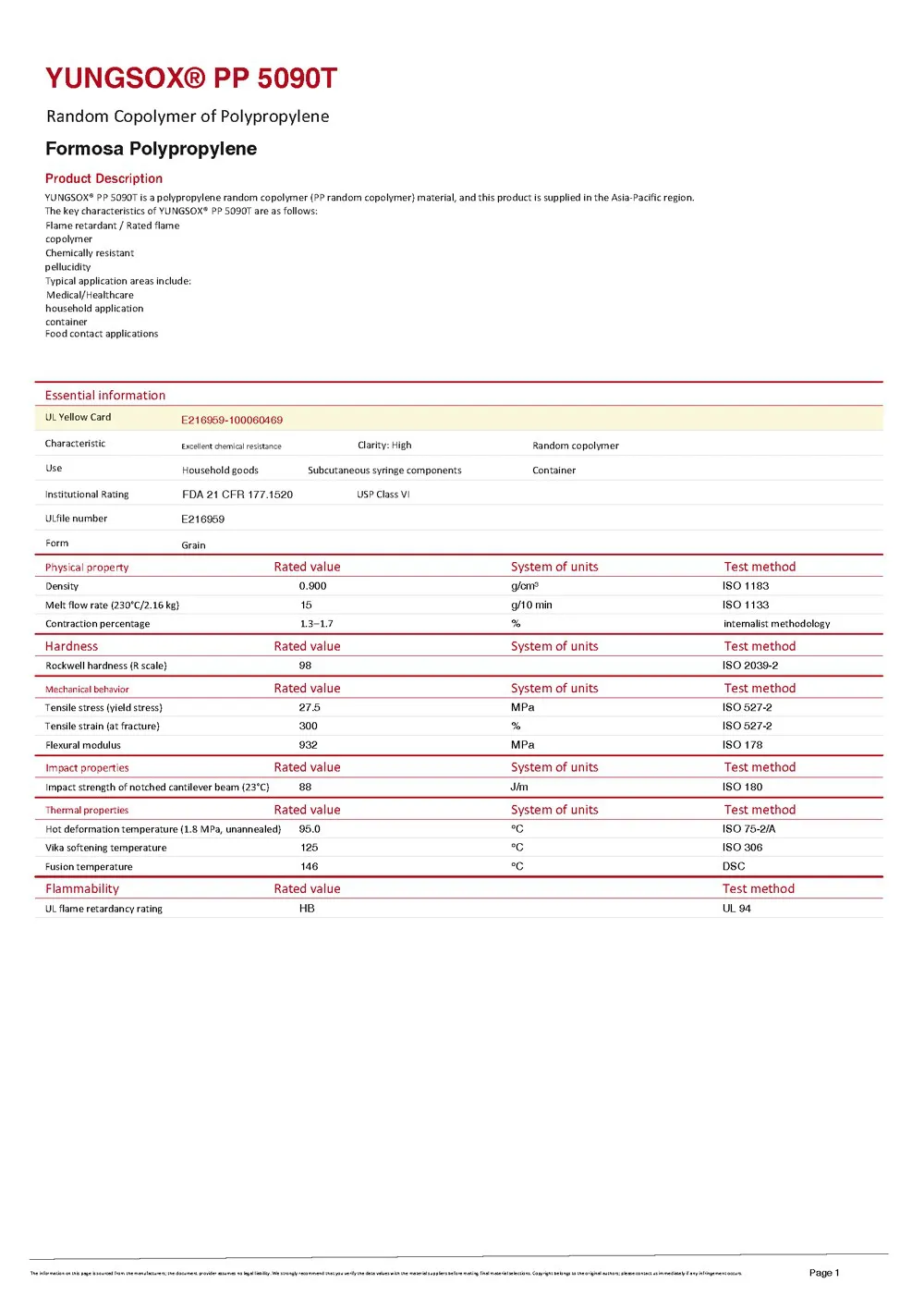
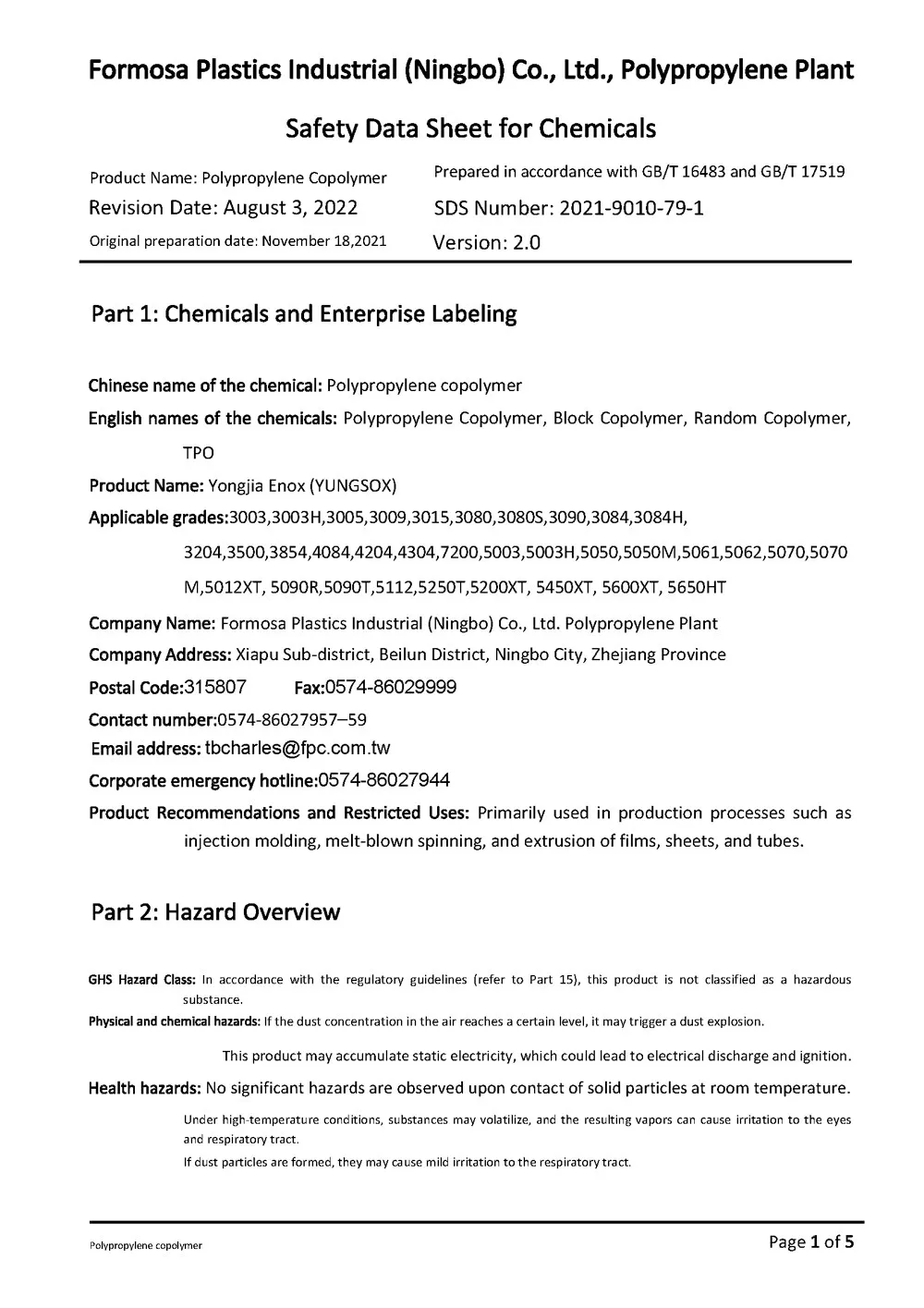
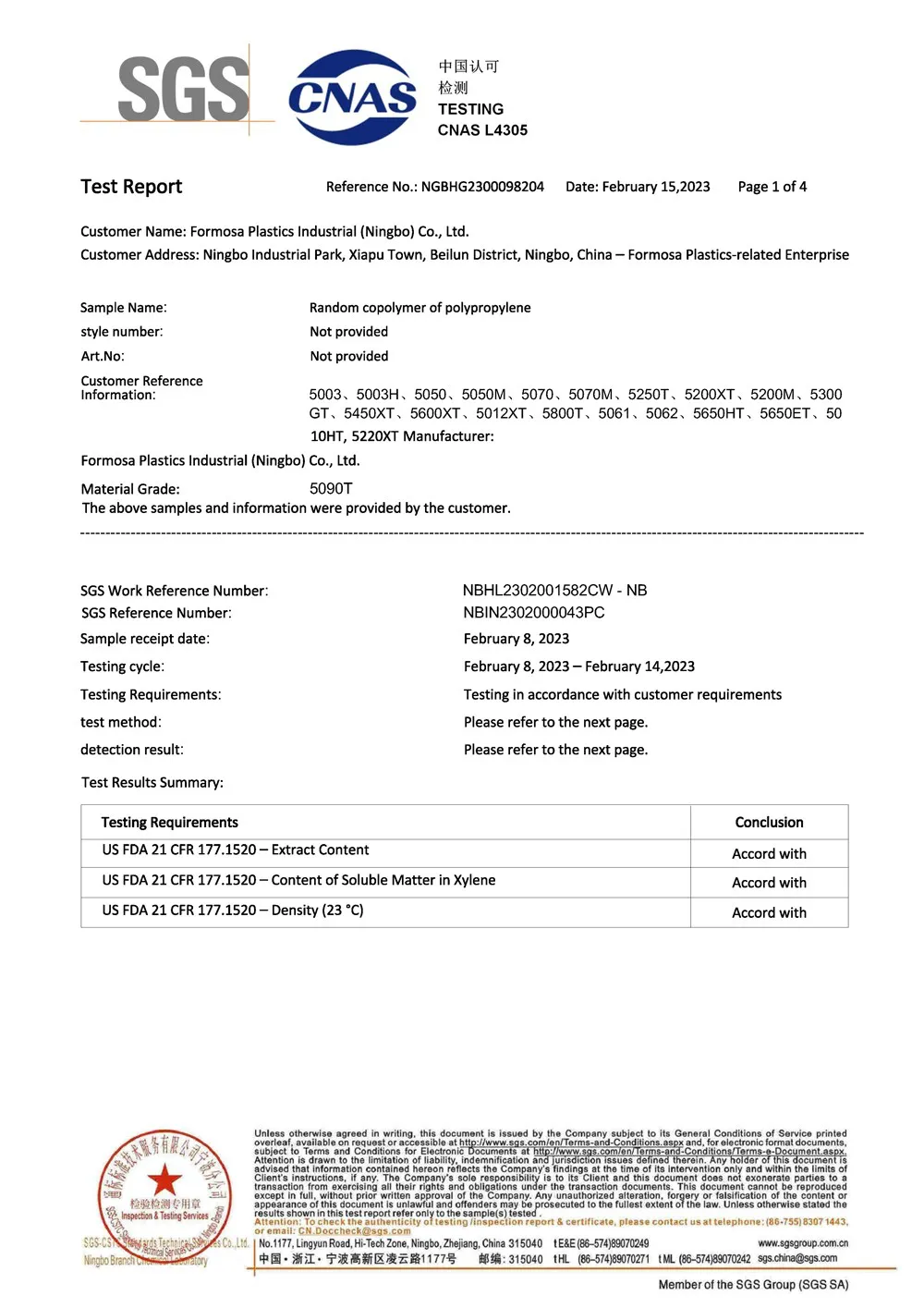
At the end of the day, a tube is only as good as what it's made of. That's why leading manufacturers use medical-grade polypropylene (PP) for cryogenic tubes. PP isn't just durable—it's chemically inert, meaning it won't react with your samples, and it stands up to the extreme thermal shock of repeated freezing and thawing. For pharmaceutical applications, where purity is non-negotiable, this matters. You need to trust that your tube won't leach harmful substances or degrade over time, compromising the very samples you're working to protect.
There's nothing more stressful than opening a cryo storage unit to find a tube has leaked. Not only does it risk sample loss, but it can contaminate neighboring tubes, turning a small issue into a major problem. That's why attention to sealing detail is critical. Look for tubes with silicone gaskets and precision-threaded caps—designs that create a tight, reliable seal every time. Some even come with o-ring closures for extra security, ensuring your samples stay where they belong, no matter how rough the freezer ride.
Pharmaceutical projects come in all shapes and sizes. A vaccine manufacturer might need 5ml tubes for large batch storage, while a cell therapy lab could require 0.5ml micro-tubes for delicate stem cell samples. Off-the-shelf options rarely cover every need, which is where custom mold design for plastic bottles and tubes becomes a game-changer.
"We don't just sell tubes—we solve problems. If your lab needs a specific volume, a unique barcode layout, or even a custom color to code different sample types, we'll design a solution that fits. No project is too niche."
Customization starts with mold design, and the best partners offer end-to-end support here. Whether you have a 3D model ready or just a sketch on a napkin, experienced teams can turn your vision into a functional mold—with free test runs to ensure it works before full production. Need tubes with your lab's logo embossed on the cap? Or barcodes formatted to match your existing LIMS? It's all possible. And because the process is collaborative, you're involved every step of the way, ensuring the final product aligns with your workflow, not the other way around.
Take, for example, a recent project with a pharmaceutical client developing a new cancer treatment. They needed 2ml cryogenic tubes with dual barcodes—one for internal tracking and one for regulatory reporting—and a writable strip that could withstand autoclaving. By working closely with the client's team, the manufacturer adjusted the mold to include extra space for the second barcode and tested three different surface coatings before finding the one that held ink through sterilization. The result? A tube that didn't just meet the client's needs but made their daily operations smoother.
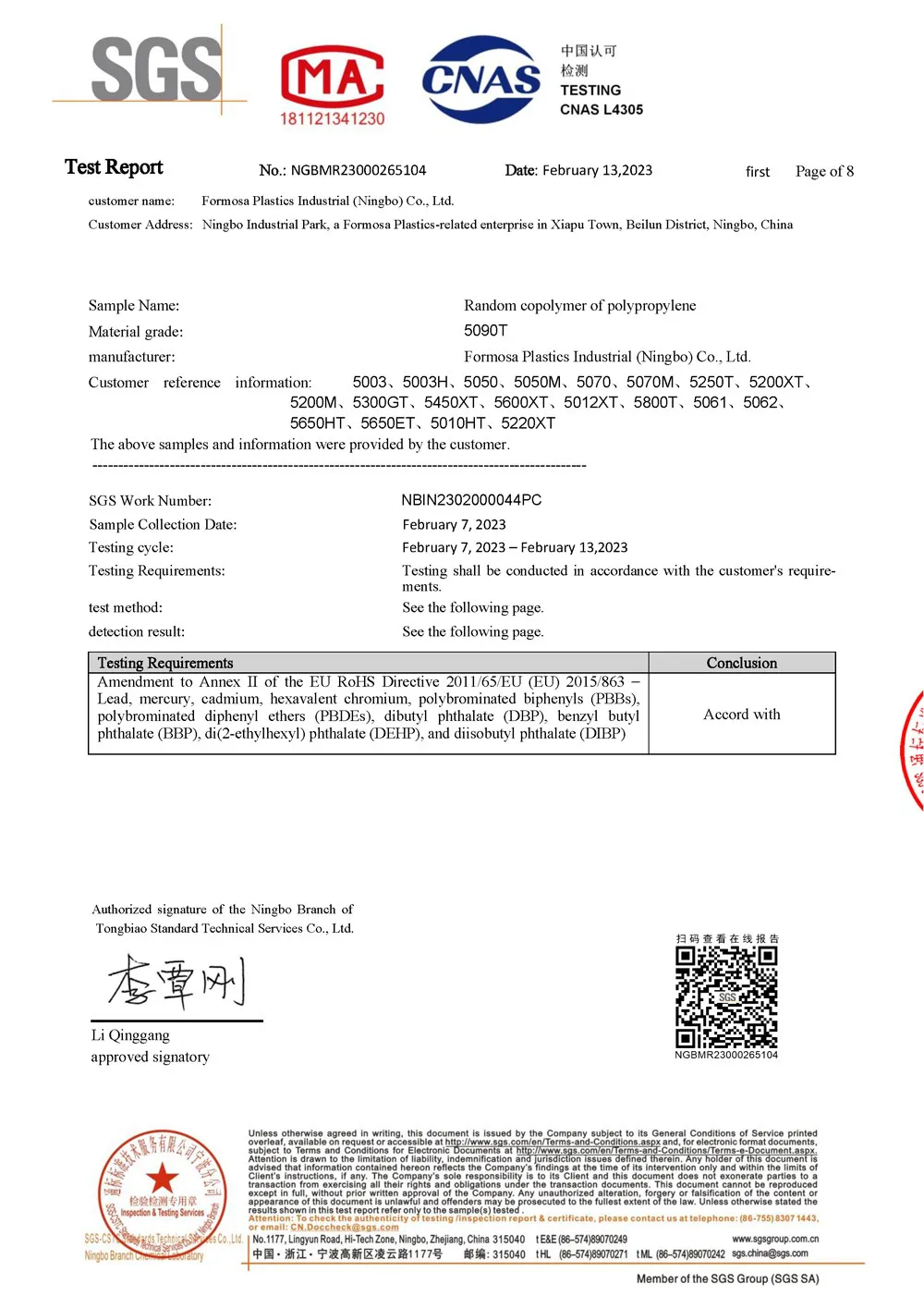
In pharma, trust is earned through transparency. That's why choosing a manufacturer with rigorous quality standards isn't optional—it's essential. Look for an ISO 9001 certified packaging factory, a stamp of approval that ensures consistent processes from raw material sourcing to final inspection. But for medical-grade products, even that isn't enough. A dust-free GMP compliant workshop takes quality to the next level, minimizing contamination risks in every tube produced.
What does GMP compliance look like on the ground? Think filtered air systems, strict employee gowning protocols, and regular environmental monitoring to keep particle counts low. Every batch of tubes undergoes multiple checks: visual inspections for defects, leak testing under pressure, and material analysis to confirm medical-grade purity. It's not just about meeting regulations—it's about giving you peace of mind, knowing your tubes are made in an environment as committed to quality as you are.
And because documentation is king in pharma, reputable manufacturers provide full traceability reports with each order. Want to know the lot number of the polypropylene used? Or the results of the last leak test? It's all there, ready for your audits. This level of transparency isn't just about checking boxes; it's about building a partnership based on reliability.
Cryogenic tubes might seem like simple tools, but their impact ripples through the entire pharmaceutical pipeline. Let's look at a few scenarios where the right tubes make all the difference:
During the COVID-19 pandemic, labs raced to develop vaccines, relying on cryogenic tubes to store viral strains and candidate formulations. Barcoded tubes allowed researchers to track thousands of samples across global labs, ensuring consistency in trials. Writable surfaces meant quick notation of thaw cycles, a critical factor in vaccine stability testing.
For CAR-T cell therapies, where each patient's cells are a unique "drug," traceability is life-or-death. Barcoded tubes with patient-specific codes ensure no mix-ups during storage, while leak-proof design protects these irreplaceable samples during transport between manufacturing and treatment centers.
Pharmaceutical companies must prove their drugs remain effective over time. Cryogenic tubes store stability samples at various temperatures, with barcodes logging storage conditions automatically. Writable surfaces let technicians mark when samples are removed for testing, creating a clear chain of custody for regulatory review.
| Tube Type | Capacity | Key Features | Common Pharma Applications |
|---|---|---|---|
| 0.5ml Micro-Tube | 0.5ml | Internal thread, conical bottom, barcoded | Small-volume cell cultures, genetic samples |
| 1.8ml Standard Tube | 1.8ml | External thread, round bottom, writable surface | Vaccine strains, drug compound storage |
| 2ml Premium Tube | 2ml | Dual barcode, silicone gasket, autoclavable | Clinical trial samples, stability testing |
| 5ml Large-Volume Tube | 5ml | Wide mouth, stackable design, tamper-evident cap | Bulk reagent storage, industrial-scale pharma production |
With so many suppliers out there, why focus on a manufacturer that specializes in medical-grade plastic bottles and cryogenic storage? Simple: experience matters. General plastic manufacturers might offer cryo tubes as an afterthought, but specialized teams live and breathe the unique demands of pharma and biotech. They understand that a tube for shampoo packaging isn't held to the same standards as one storing a life-saving drug—and they build their processes accordingly.
Specialization also means faster innovation. When a lab comes with a new challenge—like tubes that can withstand repeated freeze-thaw cycles for mRNA vaccines—a specialized manufacturer has the in-house expertise to adapt quickly. They're already plugged into industry trends, from sustainable materials to smart tracking technologies, so you don't have to reinvent the wheel.
And let's not overlook customer support. When you're on a tight deadline to ship samples, you need more than a supplier—you need a partner who answers the phone, provides rush orders when possible, and troubleshoots issues before they become crises. Specialized manufacturers prioritize these relationships, knowing that your success is their success.
Pharma isn't just about innovation—it's about responsibility. Today's labs are increasingly looking for ways to reduce their environmental footprint, and sustainable plastic packaging solutions are part of that shift. While cryogenic tubes are often single-use (for sterility), manufacturers are finding ways to minimize waste: using PCR (post-consumer recycled) plastics where possible, optimizing mold designs to reduce material usage, and offering recycling guidance for used tubes.
It's a small step, but an important one. By choosing a manufacturer committed to sustainability, you're not just protecting your samples—you're contributing to a greener future for the industry. And as regulations around environmental impact tighten, early adoption of these practices puts your lab ahead of the curve.
At the end of the day, barcoded cryogenic tubes are more than products—they're a commitment to the work you do. Every time you place a sample into one of these tubes, you're trusting it to protect something valuable: a breakthrough in treatment, a key to a new vaccine, or a step forward in scientific knowledge. That trust shouldn't be taken lightly.
Whether you need standard tubes with reliable barcodes, custom-designed solutions for unique projects, or a partner who understands the ins and outs of GMP compliance, the right manufacturer will meet you where you are. They'll listen to your challenges, adapt to your needs, and deliver tubes that don't just store samples—they safeguard your legacy.
So, as you look for your next cryogenic tube supplier, remember: precision, customization, and quality aren't extras. They're the foundation of good science. And when it comes to your work, nothing less will do.