Email: info@mggpacking.com | Tel: +86-13510174848 ( Mr. Yao)


Walk down any beauty aisle, and you'll notice something immediately: the bottles on the shelves are talking. Not with words, but with shape, color, and texture. For shampoo and conditioner brands, that conversation is make-or-break. Your customers don't just pick a product—they pick a story, a feeling, a promise of what's inside. And in that split-second decision, the pump bottle holding your formula might be the first thing that catches their eye. But here's the thing: not all pump bottles are created equal. The difference between a generic plastic container and one that screams "premium" often comes down to the details—like an embossed logo that adds texture, personality, and that unspoken "this brand gets it" vibe.
At its core, a shampoo or conditioner pump bottle is more than just a vessel. It's a brand ambassador. Every time a customer reaches for it in the shower, every time they set it down on the bathroom counter, it's reinforcing who you are. That's why cosmetic brands—from indie startups to established names—are turning to custom solutions that go beyond basic packaging. They're asking: How can this bottle tell our story? How can it make our customers feel seen? And how can we turn a simple pump into a memorable part of their daily routine?
If you've ever wondered how to elevate your shampoo or conditioner packaging from "functional" to "iconic," you're in the right place. We're diving into the world of branded pump bottles, focusing on one detail that's game-changing: embossed logos. We'll break down why they matter, how they're made, and why partnering with a manufacturer that understands both craftsmanship and cosmetic branding can turn your packaging into your strongest marketing tool.
Let's start with a scenario we've all lived through: you're at the store, staring at a wall of shampoo bottles. They all claim to make hair shinier, softer, or stronger. The ingredients lists blur together. So what do you do? You grab the one that looks "right." Maybe it's the color that matches your bathroom decor. Maybe the bottle feels sturdy in your hand. Or maybe—just maybe—it's that little raised logo on the front that makes it feel more trustworthy, more intentional, more… yours .
In the beauty industry, packaging is the bridge between your product and your customer's emotions. Studies show that 72% of consumers admit that packaging design influences their purchasing decisions (and that number jumps even higher for premium beauty products). For shampoo and conditioner, which are used daily, the bottle becomes part of the ritual. A clunky, generic pump that sticks or leaks? It turns a self-care moment into a frustration. A sleek, well-designed one with a logo that catches the light? It turns that moment into a mini celebration of your brand.
But here's the mistake too many brands make: they focus on the formula (which is crucial!) but skimp on the packaging. They opt for off-the-shelf bottles with a basic label, thinking, "It's just a container." But in a market where 80% of new beauty brands fail within the first two years, those "just a container" moments are often the difference between being forgotten and being repurchased. Your pump bottle isn't just holding shampoo—it's holding your brand's reputation.
So what makes a pump bottle "stand out"? It's the details that show you care. The weight of the bottle in your hand. The smoothness of the pump action. The way the logo doesn't fade after a few showers. And yes—those embossed logos that add a tactile, premium feel. They're not just decoration; they're a silent promise that you've invested in every part of the customer experience.
Let's talk about embossed logos—what they are, why they work, and why they're worth the investment. An embossed logo is a design (your brand name, symbol, or tagline) that's raised above the surface of the bottle. Unlike printed logos, which sit flat, embossed ones add depth and texture. Run your finger over them, and you can feel the brand. It's a small detail, but it creates a big emotional impact.
But not all embossed logos are created equal. The quality depends on two things: the design itself and the manufacturer's craftsmanship. A poorly executed emboss can look cheap—blurry edges, uneven depth, or logos that feel more like a bump than a deliberate design. That's why partnering with a manufacturer that specializes in cosmetic packaging and custom mold design is non-negotiable.
So you've decided: "I want an embossed logo on my shampoo pump bottles." Great choice! Now, how does that actually happen? Let's pull back the curtain and walk through the process—because understanding the steps will help you appreciate why working with a manufacturer that prioritizes precision is so important.
It all starts with your logo. Maybe you have a rough sketch, or maybe you're still refining the design. Either way, the first step is translating that 2D logo into a 3D model that can be embossed onto a bottle. This is where custom mold design comes in. A good manufacturer will work with you to adjust the logo for embossing—because what looks great on paper might not translate perfectly to plastic. For example, tiny, intricate fonts might get lost in the embossing process, so the design team might suggest slightly thicker lines or adjusted spacing to ensure clarity.
Most manufacturers (like ours) use advanced 3D modeling software to create a digital prototype of the embossed logo. You'll get to review this prototype and make tweaks—ensuring the logo is the right size, depth, and position on the bottle. This is also where you can experiment with placement: Do you want the logo front and center? On the neck of the bottle? Subtle enough to feel exclusive, but bold enough to be noticed?
Once the 3D design is approved, it's time to create the mold. The mold is the tool that shapes the plastic into your custom bottle—and it's where the embossed logo is "carved" into the plastic. This is the most critical step. A high-quality mold ensures the logo is consistent across every bottle (no wonky logos in batch #5!) and that the plastic flows evenly, creating sharp edges and smooth textures.
Here's where many manufacturers cut corners: they use cheap, low-quality molds that wear out quickly or produce inconsistent results. But the best ones (like ours) invest in precision mold-making. We use CNC machining to carve the logo into the mold with micrometer-level accuracy. And here's a perk you should look for: free mold testing. Before full production, we'll create a test batch of bottles using the mold to check the logo's depth, clarity, and feel. If something's off? We adjust the mold—no extra cost, no delays. Because getting it right the first time matters more than rushing to production.
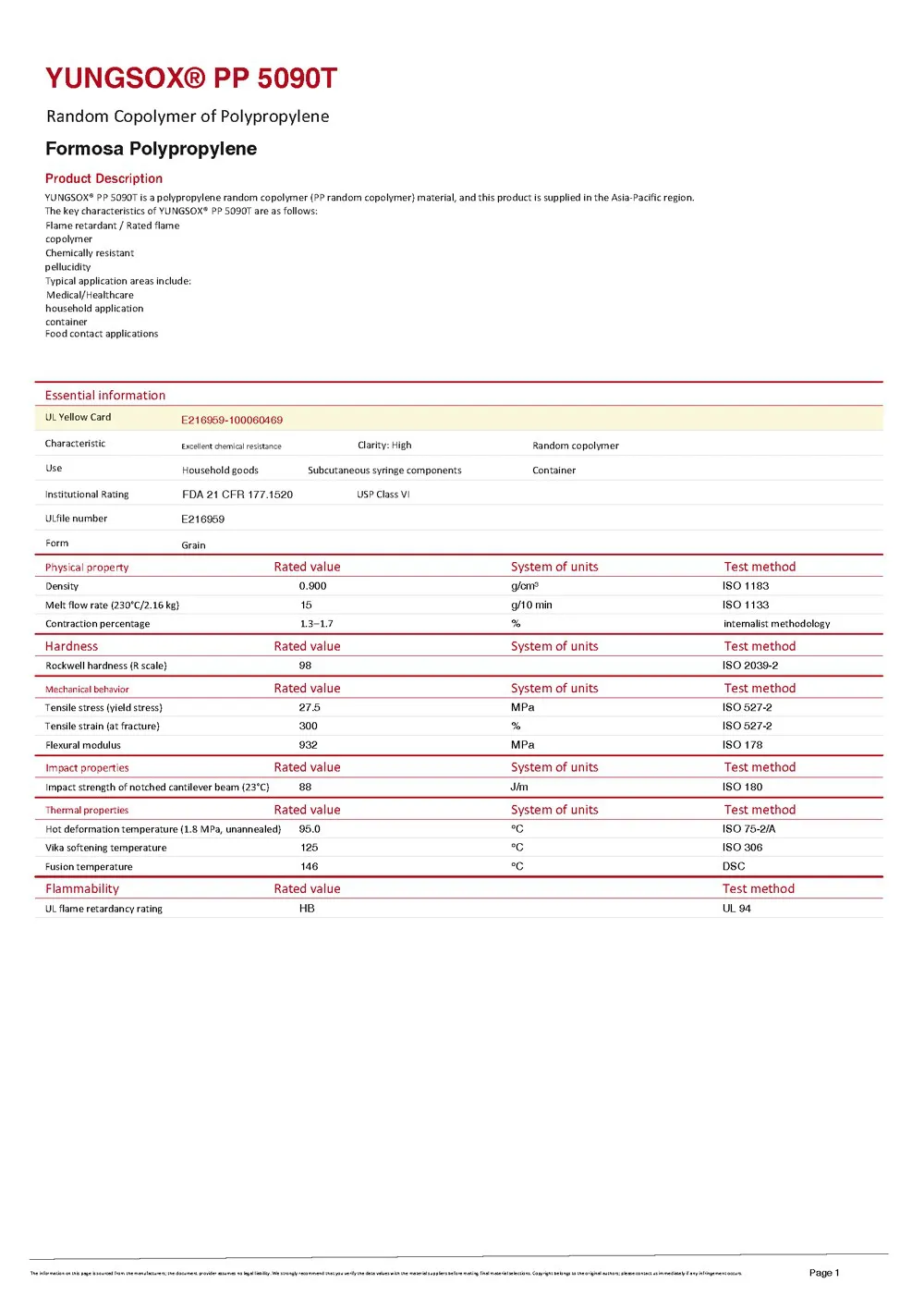
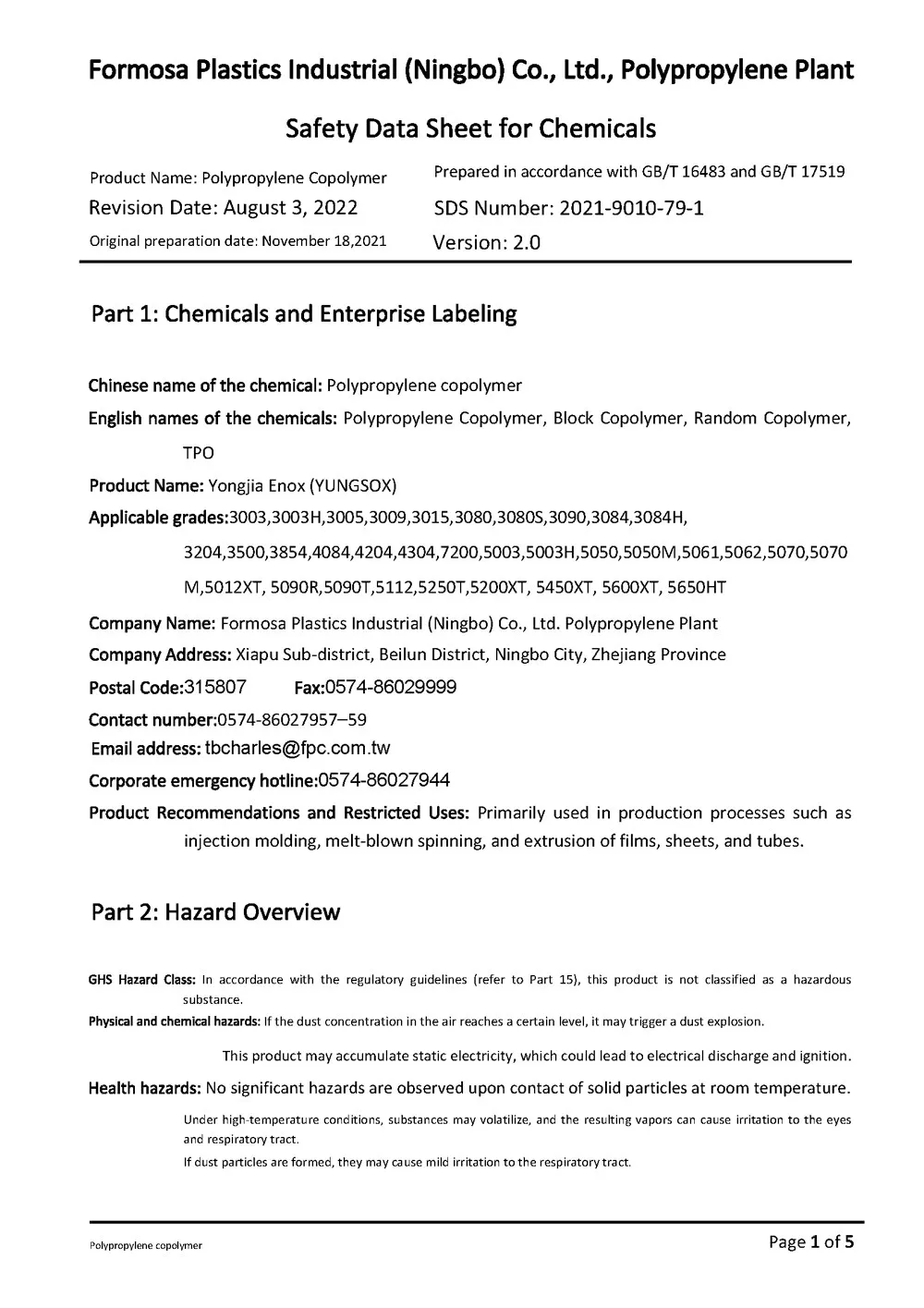
Not all plastic is created equal, and the material you choose for your shampoo bottle will affect how your embossed logo looks and feels. For shampoo and conditioner, two materials stand out: HDPE (High-Density Polyethylene) and PET (Polyethylene Terephthalate). Let's break down which one might be right for your brand:
| Material | Best For | Embossed Logo Performance | Key Benefits |
|---|---|---|---|
| HDPE | Thick, creamy formulas (conditioners, sulfate-free shampoos) | Deep, bold embossing with a matte texture; holds detail well even with frequent use | Durable, chemical-resistant (won't react with ingredients), lightweight but sturdy |
| PET | Clear or colored formulas (clarifying shampoos, oil-based conditioners) | Sleeker, more subtle embossing with a glossy finish; catches light to highlight logo edges | Glass-like clarity (shows off formula color), recyclable, excellent for premium branding |
Your manufacturer should help you choose based on your formula, brand aesthetic, and target audience. For example, if you're a clean beauty brand focusing on sustainability, PCR (Post-Consumer Recycled) HDPE is a great choice—it's eco-friendly and still holds embossed logos beautifully. If you're a luxury brand with a clear, golden shampoo, PET's clarity will make your formula (and logo) shine.
Once the bottles are molded, there are a few extra steps to ensure your embossed logo looks its best. Maybe you want the logo in a different color than the bottle? Some manufacturers offer two-tone molding, where the logo is a contrasting color (think: a white logo on a black bottle). Or maybe you want a glossy finish on the logo and matte on the rest of the bottle? That's possible too, with specialized molding techniques.
Then there's the pump itself. A beautiful embossed logo won't matter if the pump is terrible. Look for pumps with "smooth action" (no sticking!) and "consistent dosage" (so customers don't waste product). For shampoo and conditioner, a 2cc output per pump is standard—enough product for one use, not so much that it spills. And don't forget the closure: a secure cap that keeps the pump clean and prevents leaks during shipping (because nothing kills a first impression like a bottle that arrives half-empty).
Okay, so you're sold on embossed logos, and you understand the process. Now, how do you choose the right manufacturer? Here's the truth: not all plastic bottle manufacturers are the same. A generalist who makes everything from detergent bottles to toy parts might get the job done, but they won't understand the nuances of cosmetic branding. A specialist who focuses on cosmetic packaging solutions ? They'll speak your language—and that makes all the difference.
Let's break down the non-negotiable qualities to look for:
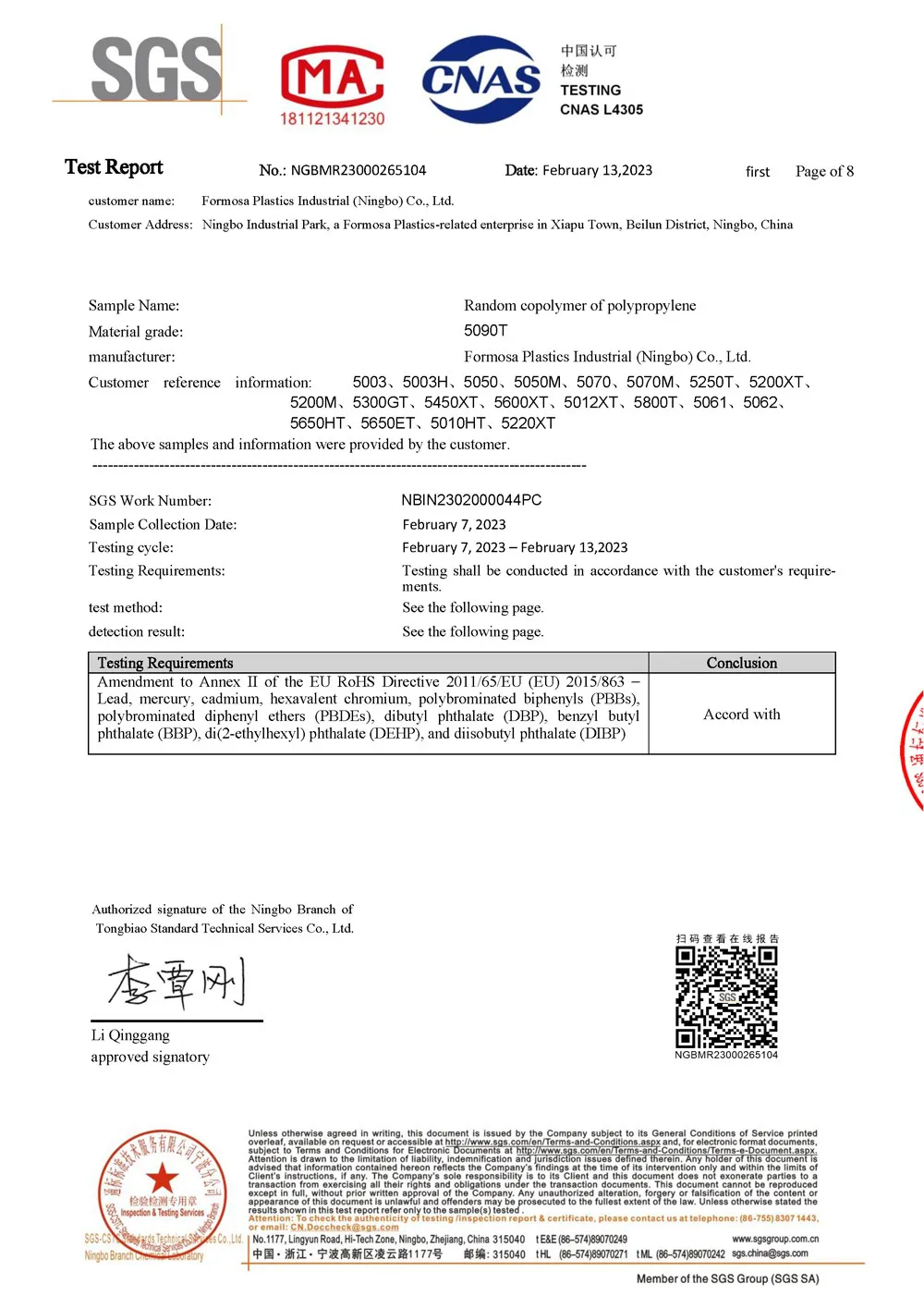
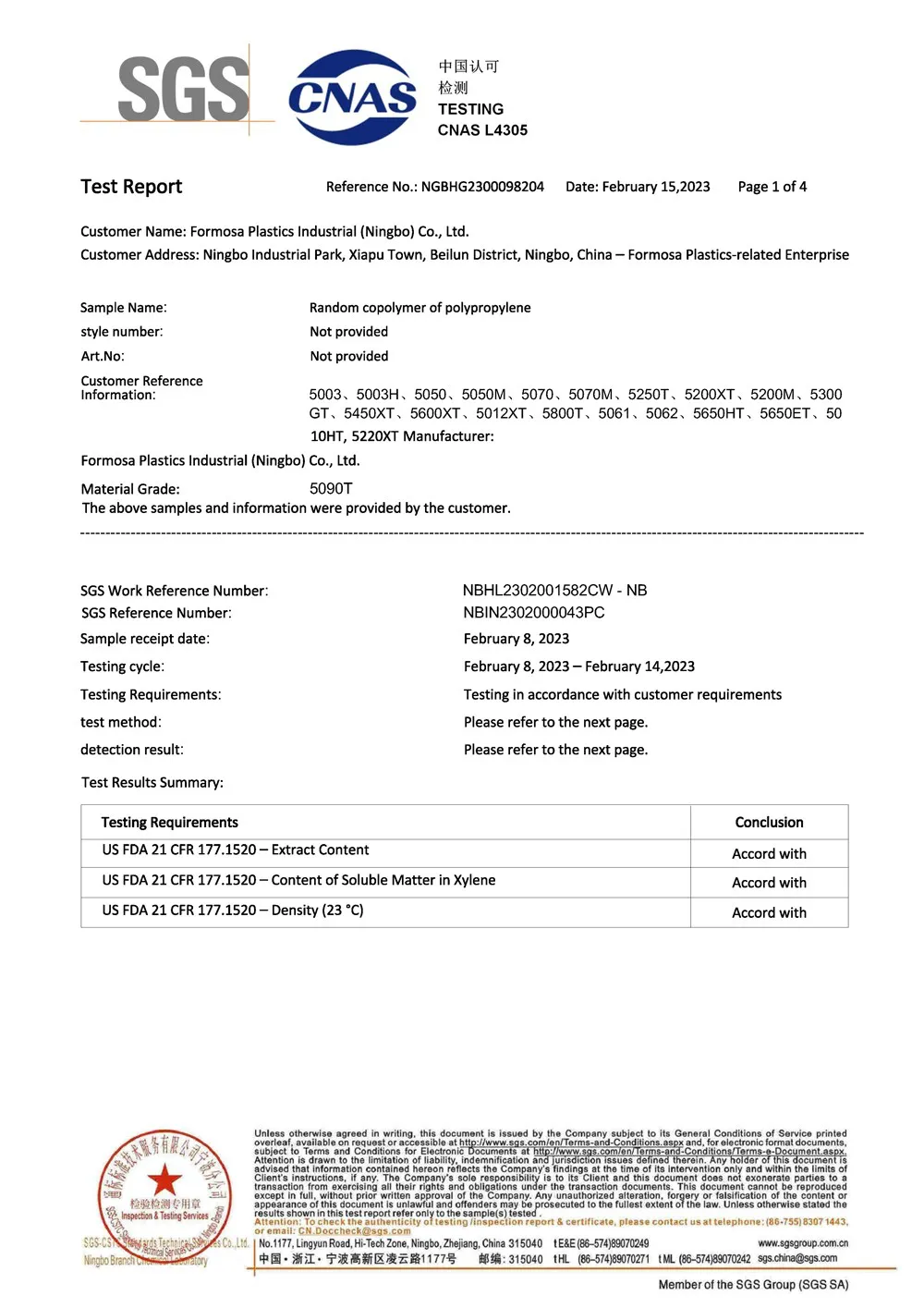
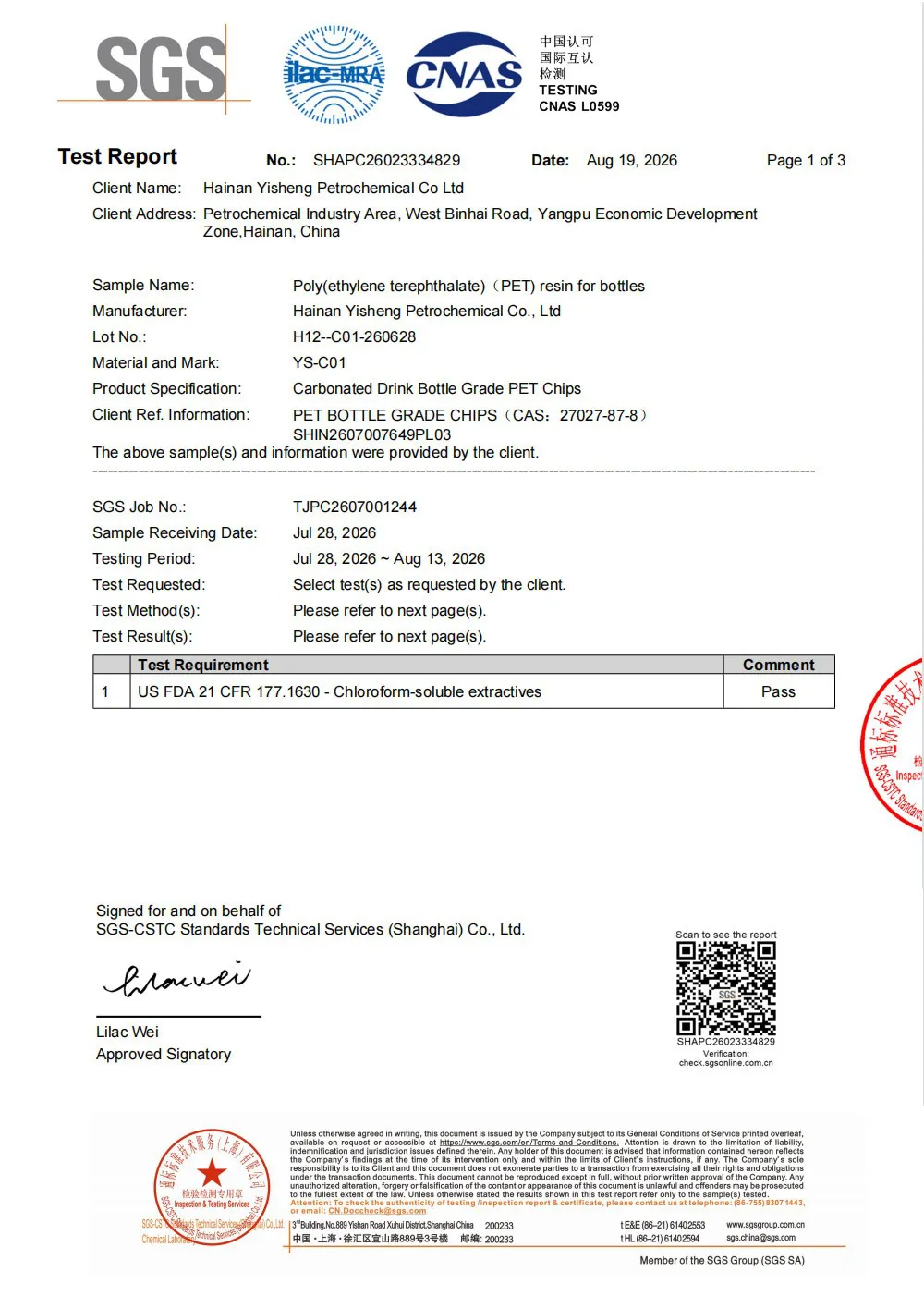
Shampoo and conditioner touch skin (and sometimes even get in eyes!), so the plastic needs to be safe. Look for manufacturers with ISO 9001:2015 certification (which ensures consistent quality management) and GMP compliance (Good Manufacturing Practices, which means their workshops are dust-free and sterile). Why does GMP matter for beauty packaging? Because even tiny particles of dust can contaminate the formula—and a manufacturer that follows GMP standards is already thinking about your product's safety, not just the bottle's look.
Our workshops, for example, are designed with air filtration systems that remove 99.9% of airborne particles. We test every batch of plastic for harmful chemicals (like BPA or phthalates) to ensure it meets global safety standards. For brands targeting Europe or North America, this isn't just a "nice to have"—it's legally required. A manufacturer without these certifications? They're putting your brand at risk of recalls, fines, or worse: losing customer trust.
A great cosmetic packaging manufacturer doesn't just add a logo to a bottle—they partner with you to design the entire experience . That means helping with bottle shape (should it be cylindrical? Square? Tapered for easy gripping?), pump type (standard lotion pump? Foaming pump for mousse shampoo?), and even sustainable options (like PCR plastic or refillable designs). They'll walk you through MOQs (Minimum Order Quantities) and help you scale—so whether you need 500 bottles for a launch or 50,000 for a nationwide rollout, they can keep up.
Take our custom mold design service, for example. We don't just take your 3D and run with it—our design team reviews it for manufacturability. Maybe your logo has a tiny detail that won't emboss well? We'll suggest tweaks. Maybe you want a unique bottle shape that no one else has? We'll create a custom mold (and test it for free!) to make sure it works with your filling line. This isn't "extra service"—it's what you deserve when you're investing in your brand.
Many beauty brands start as private label—using a manufacturer to create custom packaging and formula, then selling under their own brand name. If that's you, you need a manufacturer that respects your exclusivity. That means they won't sell your custom bottle design to a competitor. It means they'll keep your mold secure (so no one else can copy your embossed logo). And it means they'll work with your timeline—whether you need bottles in 4 weeks for a trade show or 12 weeks for a seasonal launch.
We've worked with hundreds of private label brands, and we get it: your packaging is your "secret sauce." That's why we sign NDAs (Non-Disclosure Agreements) to protect your designs, and we store your molds in a secure facility. Your brand is unique—your manufacturing partner should treat it that way.
Let's get concrete. We've talked about why embossed logos matter and what to look for in a manufacturer—but does it actually work ? Let's share a story (with the brand name anonymized, of course) of a mid-range haircare brand we partnered with last year.
"Elevate Haircare" was struggling with a problem many new brands face: great reviews for their shampoo formula, but low repurchase rates. Their packaging was generic—clear PET bottles with a printed label—and customers told them, "I love the shampoo, but I forget which brand it is when I'm at the store." They needed to turn "I love the formula" into "I love the brand."
We worked with them to redesign their pump bottles. Key changes: switching to HDPE (for a more premium feel), adding an embossed logo (their signature "E" with a leaf detail), and adjusting the pump to have a smoother action. We tested three versions of the embossed logo (different depths) before landing on one that felt "just right"—subtle enough to not feel tacky, but noticeable enough to catch the eye.
The result? Within six months, their repurchase rate jumped from 22% to 57%. Customers mentioned the "nice bottle" in reviews more than twice as often. And at trade shows, retailers commented that the embossed logo made the bottles "stand out on the shelf." Was it just the packaging? No—the formula was still great. But the packaging turned one-time buyers into loyal customers.
Here's the takeaway: your pump bottle isn't a "cost center"—it's a revenue driver. When done right, it doesn't just hold shampoo. It tells customers, "We care about you, and we care about our brand." And that's the message that turns first-time buyers into lifelong fans.
We'd be remiss not to talk about sustainability—because today's beauty consumers (especially Gen Z and millennials) care deeply about the environmental impact of their purchases. The good news? You don't have to choose between a beautiful embossed logo and eco-friendly packaging. In fact, the best manufacturers are making it easier than ever to have both.
For starters, there's PCR plastic (Post-Consumer Recycled plastic), which is made from recycled bottles and containers. It has the same quality and durability as virgin plastic, but uses 70% less energy to produce. We offer PCR HDPE and PET options for pump bottles, and the embossed logos look just as sharp—so you can market your brand as "sustainable" without sacrificing that premium feel.
Then there are refillable designs. Imagine a sleek, embossed pump bottle that customers can reuse—they buy a large refill pouch (with less packaging) and pour it into their existing bottle. It reduces waste, saves customers money, and turns your bottle into a "collectible" item. We've helped brands design refillable pump systems with custom embossed logos, and the feedback is clear: customers love feeling like they're part of the solution (and they keep coming back for refills).
And let's not forget recyclability. All our plastic bottles are fully recyclable (look for the resin code on the bottom!), and we're working on biodegradable options (like PLA plastic) for brands that want to take sustainability even further. The point is: sustainability isn't a trend—it's the future. And your packaging should reflect that.
Let's circle back to where we started: that moment in the store, staring at the wall of shampoo bottles. The one that stands out isn't just a bottle. It's a story. A story about a brand that cares about the details. That invests in making every part of the customer experience special. That understands that a shampoo bottle is more than a container—it's a conversation starter.
Embossed logos are just one part of that story, but they're a powerful one. They say, "We didn't cut corners." "We care about how you feel when you use our product." "We're here to stay." And when paired with a manufacturer that understands cosmetic branding, custom mold design, and quality craftsmanship, they become more than a design choice—they become a competitive advantage.
So if you're ready to turn your shampoo and conditioner pump bottles into your brand's strongest asset, remember: it's not just about finding a "supplier." It's about finding a partner. A partner who will walk you through the design process, test your mold for free, ensure your bottles are safe and sustainable, and treat your brand like it's their own. Because when your packaging tells a great story, your customers will too.
Your formula is amazing. Now let your packaging be amazing too. The right pump bottle with the right embossed logo? It's not just a purchase—it's an investment in your brand's future. And that future starts now.