Email: info@mggpacking.com | Tel: +86-13510174848 ( Mr. Yao)


In the world of pharmaceuticals, packaging isn't just about holding a product—it's about protecting lives. Every bottle, cap, and label plays a critical role in ensuring medications reach patients safely, effectively, and in perfect condition. Among the many packaging solutions available, roll-on bottles have emerged as a popular choice for topical pharmaceuticals, offering precise application, portability, and user-friendliness. Today, we're diving deep into one specific workhorse of the industry: bulk 100ml pharmaceutical roll-on bottles. We'll explore why this size matters, the strict GMP standards governing their production, the life-saving importance of child-resistant caps, and how manufacturers balance quality, safety, and sustainability to meet the needs of B2B buyers, healthcare providers, and ultimately, patients.
Walk into any pharmacy or medical supply closet, and you'll notice a pattern: 100ml containers seem to be everywhere. There's a reason for that. When it comes to topical pharmaceuticals—think pain-relief gels, antiseptic ointments, or prescription-strength creams—100ml strikes a perfect balance between practicality and quantity. For patients, it's large enough to last through a typical treatment course (say, two to four weeks of daily use) but small enough to fit in a medicine cabinet, travel bag, or first-aid kit. For healthcare facilities, clinics, and B2B buyers, bulk 100ml bottles offer economies of scale, reducing per-unit costs while ensuring a steady supply for both institutional use and repackaging into smaller units if needed.
But size is just the starting point. What truly sets pharmaceutical roll-on bottles apart is their design. Unlike traditional jars or tubes, roll-on bottles feature a smooth-rolling ball (often stainless steel or medical-grade plastic) that glides across the skin, depositing a controlled amount of product with each use. This minimizes waste, prevents contamination (no fingers dipping into a jar), and ensures the medication is applied exactly where it's needed. For pharmaceuticals, where dosage accuracy can impact treatment outcomes, this precision is non-negotiable.
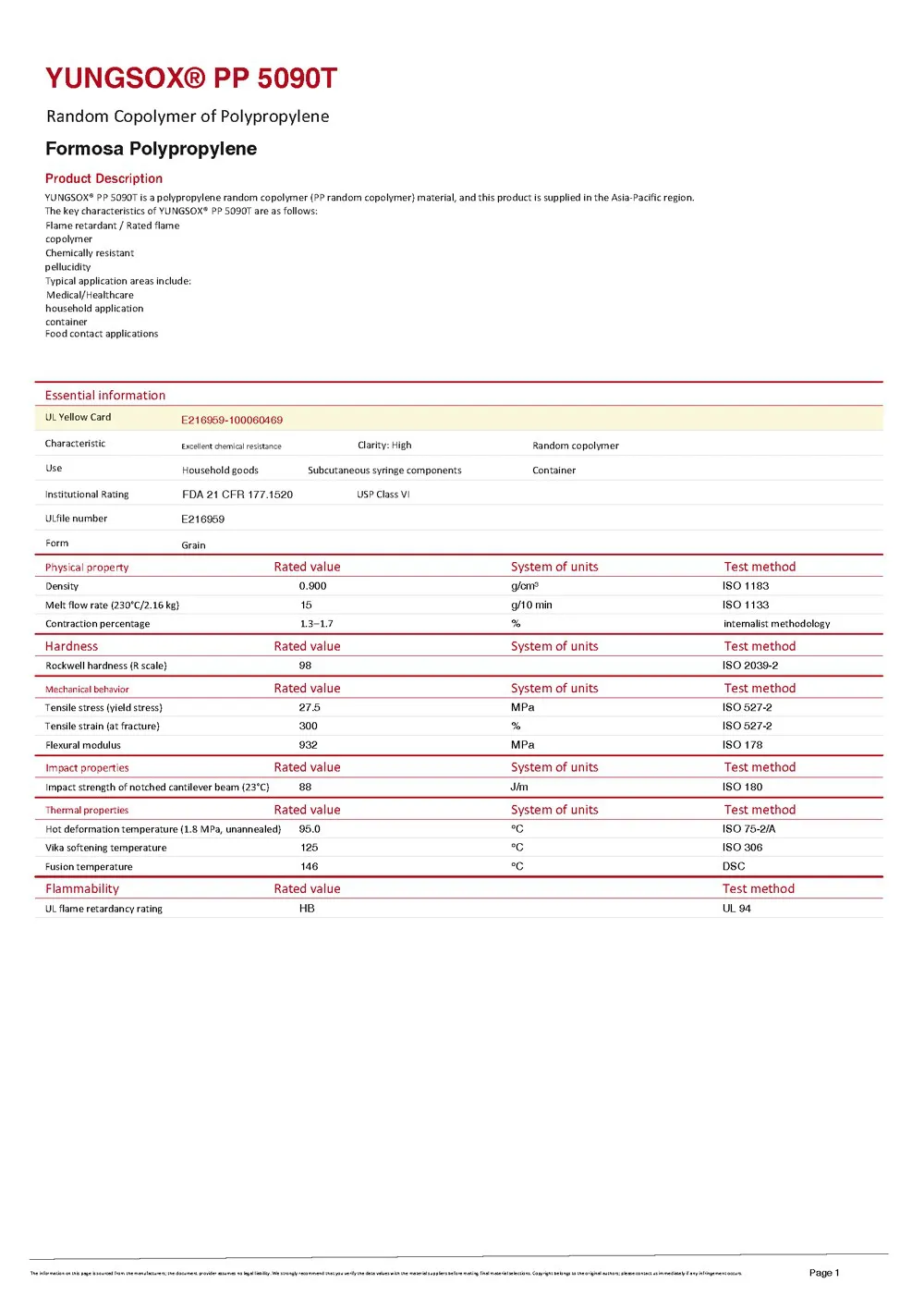
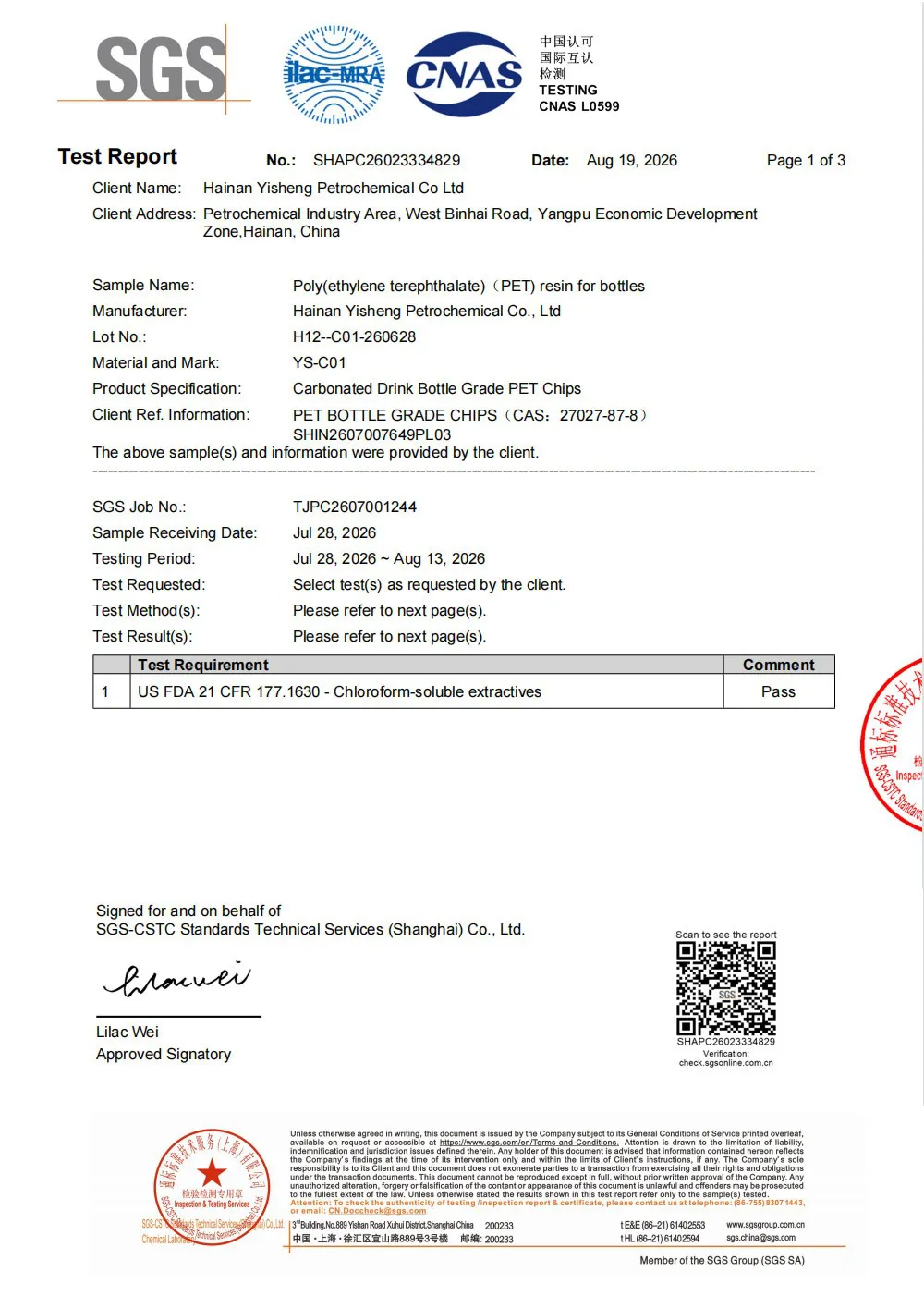
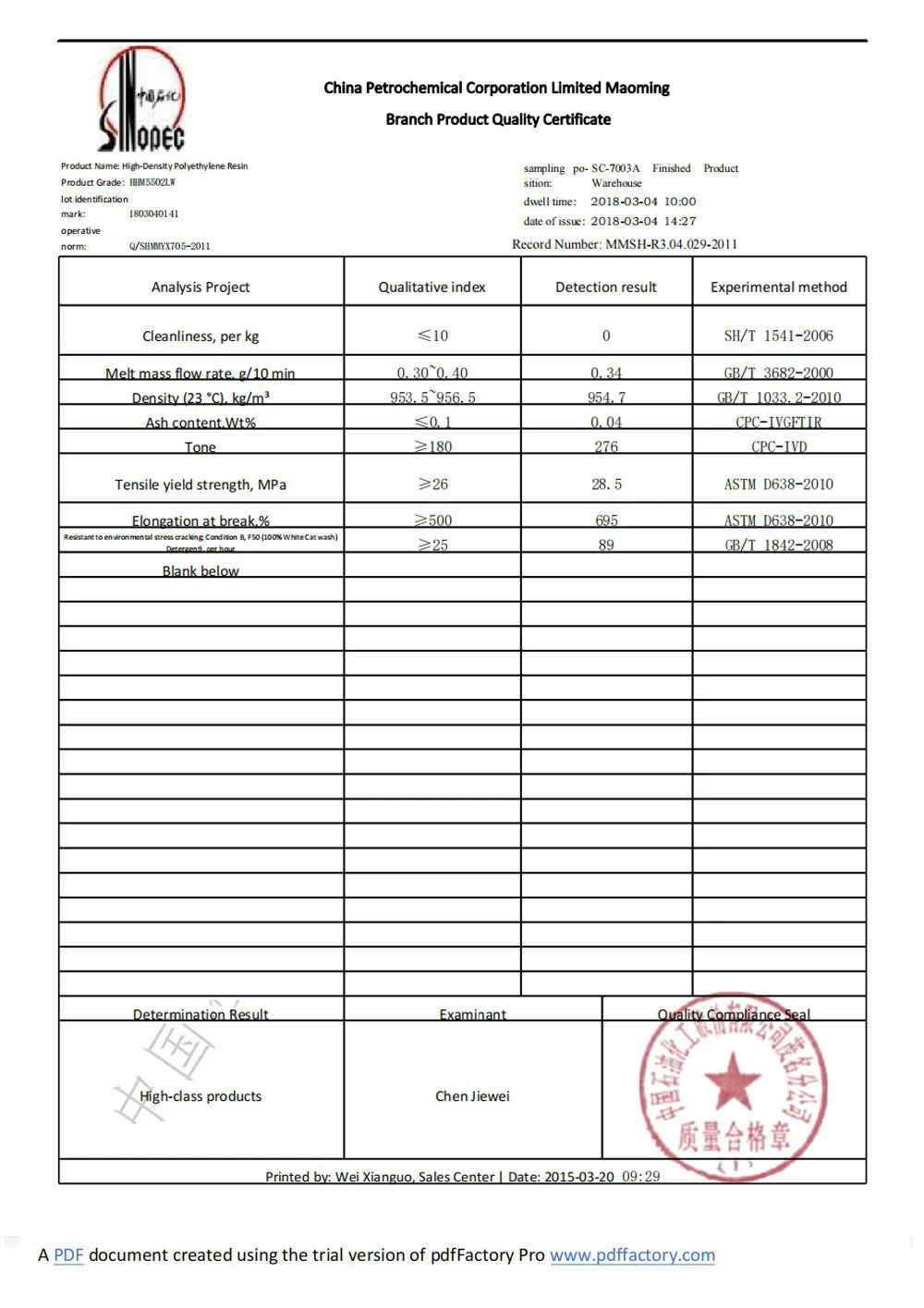
Material choice is another key consideration. Most 100ml pharmaceutical roll-on bottles are made from medical-grade plastics like HDPE (High-Density Polyethylene) or PET (Polyethylene Terephthalate). These materials are chosen for their durability, chemical resistance (critical for storing active ingredients without leaching), and ability to withstand the rigors of transportation and storage. Some manufacturers also offer glass options for light-sensitive formulations, but plastic remains the go-to for its shatter resistance and lighter weight—especially important when shipping bulk orders.
When you're dealing with products that directly impact patient health, "good enough" simply isn't enough. That's where GMP—Good Manufacturing Practices—comes in. GMP is a set of strict guidelines designed to ensure that pharmaceutical products (and their packaging) are consistently produced and controlled according to quality standards. For roll-on bottles, this means every step of the manufacturing process, from raw material selection to final inspection, is governed by rules that prioritize safety, purity, and reliability.
At the heart of GMP compliance is the manufacturing environment itself. A dust-free GMP compliant workshop isn't just a clean room—it's a meticulously controlled space where air quality, temperature, humidity, and even personnel movement are regulated to prevent contamination. Imagine entering a facility where workers wear head-to-toe sterile gowns, hairnets, and shoe covers; where air is filtered through HEPA systems to remove 99.97% of particles 0.3 microns or larger; and where surfaces are sanitized hourly. This isn't overkill—it's necessary to ensure that nothing from the environment (dust, bacteria, or foreign particles) makes its way into the bottles, which could compromise the medication inside.
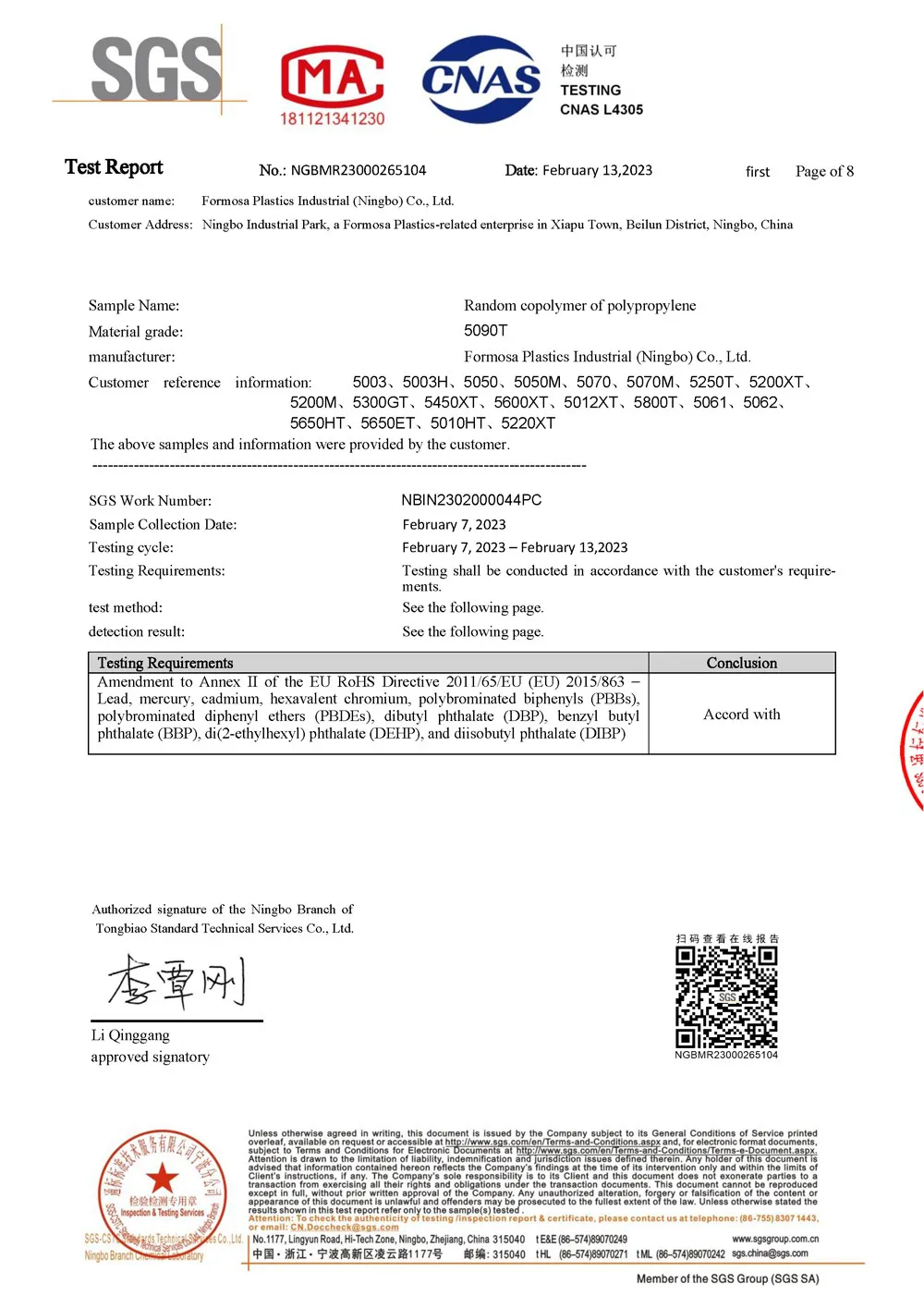
But GMP doesn't stop at the workshop. It extends to every aspect of production, including raw material testing (ensuring plastics are medical-grade and free from harmful chemicals), equipment maintenance (regular sanitization and calibration of molding machines), and documentation (tracking every batch from start to finish, so if an issue arises, it can be traced and resolved quickly). Many leading manufacturers go a step further by also holding ISO9001 certification —an international standard for quality management systems. Together, GMP and ISO9001 certifications give buyers confidence that the factory isn't just following rules, but actively managing and improving its processes to deliver consistent quality.
If there's one feature of pharmaceutical packaging that saves lives daily, it's the child-resistant cap. According to the American Association of Poison Control Centers, over 60,000 children under the age of five are treated for accidental medication ingestion each year in the U.S. alone. Many of these incidents could be prevented with proper child-resistant packaging. For 100ml roll-on bottles—often stored in homes, clinics, or schools—child-resistant caps aren't just a nice-to-have; they're a legal and ethical imperative.
So, what makes a cap "child-resistant"? Contrary to popular belief, it's not about making the cap impossible for children to open—it's about making it difficult enough that most young kids (under five) can't figure it out within a reasonable time (typically five minutes of unsupervised trying). The most common designs include "push-and-turn" caps (you push down while twisting), "squeeze-and-turn" (squeeze the sides and twist), or "flip-and-press" mechanisms. These require a combination of strength, dexterity, and cognitive understanding that young children generally lack, while still being easy for adults (including seniors or those with limited hand mobility) to open when needed.
Manufacturers don't just guess at what works—child-resistant caps undergo rigorous testing to meet global standards. For example, the ASTM D3475 standard in the U.S. requires that 85% of children under five cannot open the package within five minutes, while 90% of adults can open and reclose it within one minute. Similar standards exist in Europe (ISO 8317) and Asia, ensuring that caps perform consistently no matter where they're used. For pharmaceutical roll-on bottles, this testing includes not just the cap itself, but how it integrates with the bottle—ensuring a tight seal that prevents leakage while still allowing the child-resistant mechanism to function flawlessly.
Producing bulk 100ml pharmaceutical roll-on bottles is a blend of science, engineering, and strict discipline. Let's walk through the process step by step, from design to delivery, to understand what makes a quality product.
1. Custom Mold Design: It all starts with the mold. Since pharmaceutical bottles must meet precise specifications (dimensions, wall thickness, compatibility with the medication), manufacturers use custom mold design for plastic bottles . Engineers create 3D models, test them for structural integrity (can the bottle withstand drops? Will it deform under pressure?), and ensure the neck and threading are compatible with child-resistant caps. Molds are typically made from high-grade steel to withstand the heat and pressure of injection molding, ensuring consistency across thousands (or millions) of bottles.
2. Material Selection and Preparation: Next, the raw materials. For pharmaceutical use, only medical-grade plastics are allowed. HDPE is a favorite for its chemical resistance and durability, while PET is chosen for its clarity (useful for showing product color) and lighter weight. These plastics are melted down into pellets, which are then fed into injection molding machines. Before production begins, materials are tested for purity—no contaminants, no harmful additives, just clean, medical-grade resin.
3. Injection Molding: The melted plastic is injected into the custom mold under high pressure, taking the shape of the bottle. The mold is cooled rapidly (using water or air) to set the plastic, and then opened to release the bottle. This process happens in seconds, allowing for high-volume production—critical for meeting bulk orders. After molding, bottles are inspected for defects: cracks, uneven walls, or misshapen necks are immediately rejected.
4. Roller Ball Assembly: The roll-on mechanism is added next. This typically includes a stainless steel or plastic ball (smooth to ensure even application) and a retaining ring that holds the ball in place while allowing it to rotate freely. The assembly is done in a cleanroom to prevent contamination, with machines carefully placing each component to ensure a tight, leak-proof fit.
5. Cap Production and Integration: Child-resistant caps are produced separately, often using a similar injection molding process. They're then fitted with liners (usually aluminum foil or food-grade rubber) to create an airtight seal, preventing moisture or air from entering the bottle and degrading the medication. The caps are tested for fit—too loose, and they leak; too tight, and they're hard to open. Finally, bottles and caps are paired, often in the same GMP-compliant workshop, to ensure compatibility.
6. Quality Control and Packaging: Before shipping, every batch undergoes rigorous testing. Bottles are checked for leaks (filled with water and inverted, shaken, or dropped), caps are tested for child resistance and ease of opening for adults, and the entire package is inspected for compliance with GMP and ISO standards. Once approved, bottles are packaged in bulk—often in corrugated boxes with dividers to prevent damage during shipping—and prepared for delivery to B2B buyers, whether they're in Guangdong, Europe, or the Americas.
| Feature | Specification | Benefit |
|---|---|---|
| Capacity | 100ml (±2ml tolerance) | Balances portability and treatment duration; ideal for bulk orders |
| Material | Medical-grade HDPE or PET | Chemical resistance, durability, and compliance with pharmaceutical standards |
| Cap Type | Child-resistant (push-and-turn or squeeze-and-turn) | Prevents accidental ingestion; meets ASTM D3475/ISO 8317 standards |
| Roller Ball | Stainless steel (316L) or medical-grade plastic | Smooth application; corrosion-resistant; compatible with harsh formulations |
| Compliance | GMP, ISO9001, FDA (for U.S. markets) | Ensures safety, quality, and global market access |
In recent years, sustainability has moved from a "nice-to-have" to a business imperative—even in pharmaceuticals. B2B buyers, healthcare systems, and consumers are increasingly demanding packaging that's not just safe and effective, but also eco-friendly. The challenge? Pharmaceutical packaging can't cut corners on safety for the sake of sustainability. So how do manufacturers balance these two priorities?
One solution is sustainable plastic packaging solutions that use recycled materials without compromising quality. Many factories now offer bottles made from PCR (Post-Consumer Recycled) plastic, which reduces reliance on virgin resin and lowers carbon footprints. PCR HDPE and PET undergo rigorous cleaning and testing to ensure they're free from contaminants, making them suitable for pharmaceutical use. Some manufacturers also use biodegradable or compostable plastics for non-critical components (like caps or labels), though these are still emerging and must be tested for compatibility with medications.
Lightweighting is another strategy. By optimizing bottle design—reducing wall thickness without weakening the structure—manufacturers use less plastic per bottle, cutting down on material use and transportation costs (lighter packages mean fewer emissions during shipping). For bulk 100ml bottles, even a 5% reduction in plastic per unit adds up to significant savings when producing millions of units annually.
Finally, reusable or refillable designs are gaining traction. While less common for prescription pharmaceuticals (due to contamination risks), some over-the-counter topical products now use refillable roll-on bottles, where consumers buy a bulk concentrate and refill their smaller bottles at home. This reduces packaging waste while still ensuring the product remains sterile and effective.
For B2B buyers—whether you're a pharmaceutical company, a medical distributor, or a contract packager—choosing the right manufacturer for bulk 100ml roll-on bottles is a decision that impacts your reputation, your bottom line, and patient safety. Here are the key factors to consider:
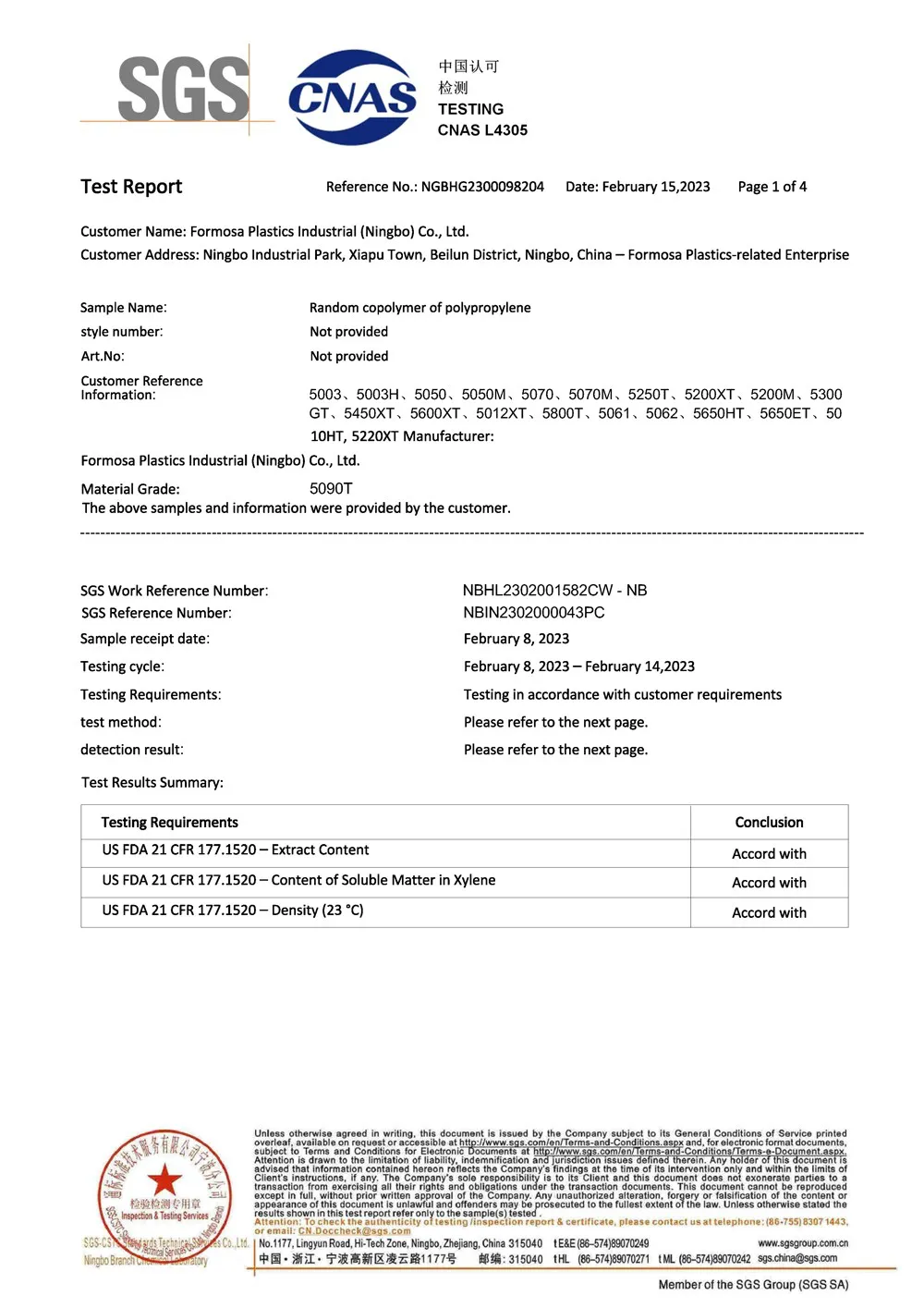
1. Certifications: Always verify GMP compliance and ISO9001 certification. A pharmaceutical packaging manufacturer that invests in these certifications is committed to quality and safety. For global buyers, check if they meet regional standards (e.g., FDA in the U.S., EMA in Europe) to avoid regulatory hurdles.
2. Quality Control Processes: Ask about their testing protocols. Do they test every batch for leaks, cap functionality, and material purity? Can they provide documentation (batch records, test reports) for compliance audits? A transparent manufacturer will happily share this information.
3. Customization Capabilities: Every product is unique. Can they handle custom mold designs, color matching (Pantone colors), or branded labels? Flexibility is key, especially if you're launching a new product or need to differentiate your packaging.
4. Sustainability Practices: As discussed, sustainability matters. Ask about their use of PCR plastics, recycling programs, or carbon reduction goals. A forward-thinking manufacturer will have clear sustainability initiatives in place.
5. Production Capacity and Lead Times: For bulk orders, you need a manufacturer that can scale. What's their minimum order quantity (MOQ)? Can they meet tight deadlines during peak demand? Factory direct suppliers, especially those in manufacturing hubs like Guangdong, often have the capacity to handle large orders quickly.
Bulk 100ml pharmaceutical roll-on bottles may seem like simple containers, but they're anything but. They're the result of thousands of hours of research, testing, and dedication to safety. From the GMP-compliant workshops where they're made to the child-resistant caps that protect our most vulnerable, every detail is designed with one goal in mind: ensuring that the medication inside reaches patients safely and effectively.
For B2B buyers, choosing the right manufacturer isn't just a transaction—it's a partnership. By prioritizing certifications, quality control, and sustainability, you're not just buying bottles; you're investing in patient trust, regulatory compliance, and the future of healthcare packaging. As the industry evolves, we can expect to see even more innovations—smarter materials, more sustainable designs, and new technologies that make these workhorses of the pharmaceutical world even better.
At the end of the day, it's clear: a 100ml roll-on bottle is more than a package. It's a promise—a promise that the medication inside is pure, potent, and protected. And in healthcare, that promise is everything.