Email: info@mggpacking.com | Tel: +86-13510174848 ( Mr. Yao)


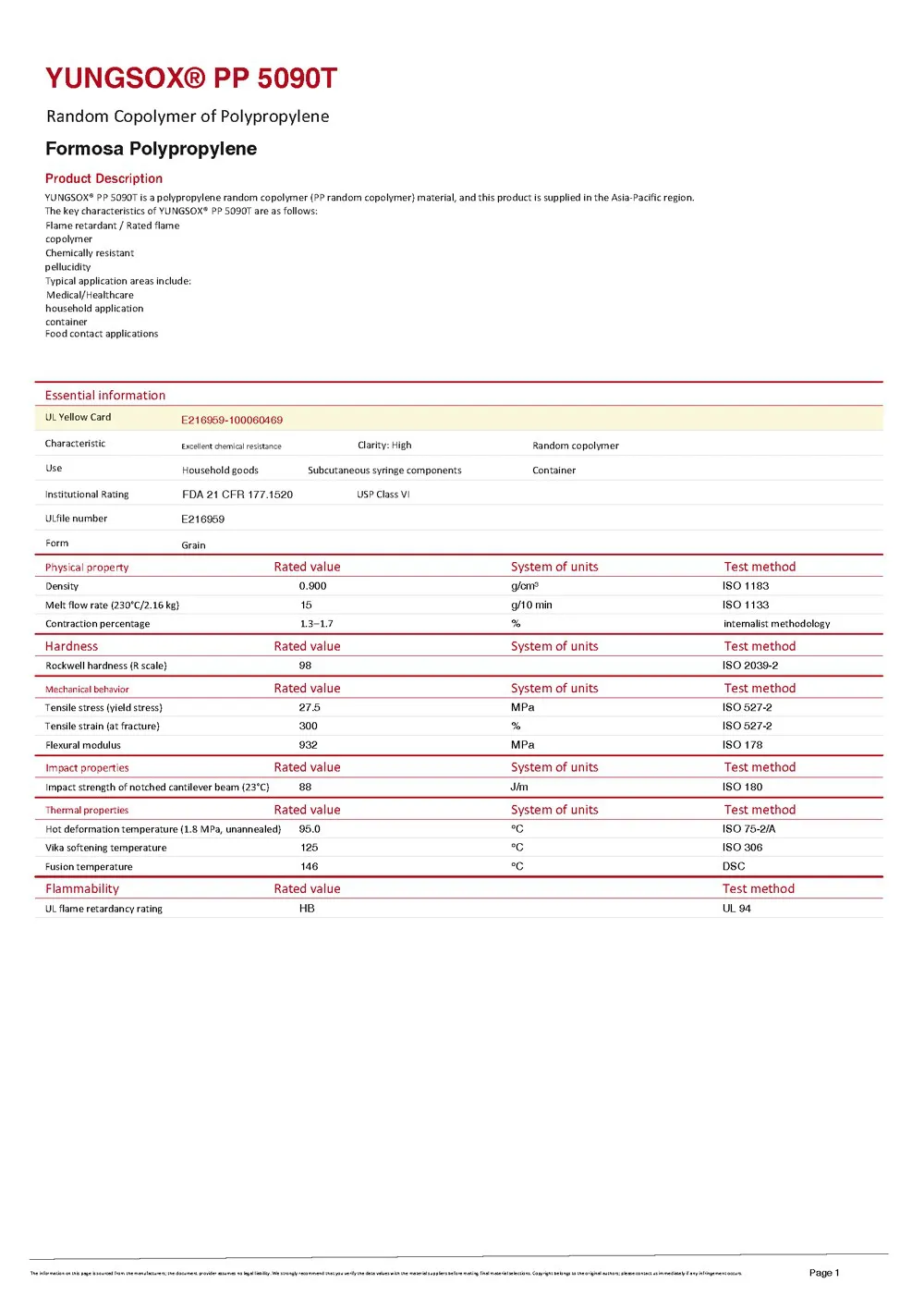
For any parent, the sight of a curious toddler reaching for a medicine bottle is enough to send a chill down the spine. Accidental ingestion of medications remains one of the leading causes of pediatric emergencies worldwide, with thousands of children admitted to hospitals each year due to unsupervised access to pharmaceuticals. In this high-stakes scenario, packaging isn't just about storing pills—it's a critical line of defense. Enter child-resistant HDPE pill bottles: a blend of durability, safety, and customization that has become indispensable in pharmaceutical packaging. As an experienced hdpe pill bottles supplier , we understand that behind every safe medication bottle lies meticulous design, rigorous testing, and a commitment to protecting the most vulnerable.
This article explores the world of child-resistant HDPE pill bottles, focusing on how custom mold design elevates their functionality, why HDPE is the material of choice for pharma-grade applications, and the compliance standards that ensure every bottle meets the highest safety benchmarks. Whether you're a pharmaceutical brand looking to enhance product safety or a packaging buyer seeking tailored solutions, understanding these elements is key to choosing the right partner and product.
Pediatric poisoning statistics paint a sobering picture. According to the American Association of Poison Control Centers, over 60,000 children under the age of five are treated annually for accidental medication ingestion in the United States alone. Many of these incidents involve common over-the-counter drugs or prescription medications stored in non-child-resistant packaging. Standard screw-top bottles, while convenient for adults, offer little resistance to a determined child's hands—turning everyday medicine cabinets into potential hazards.
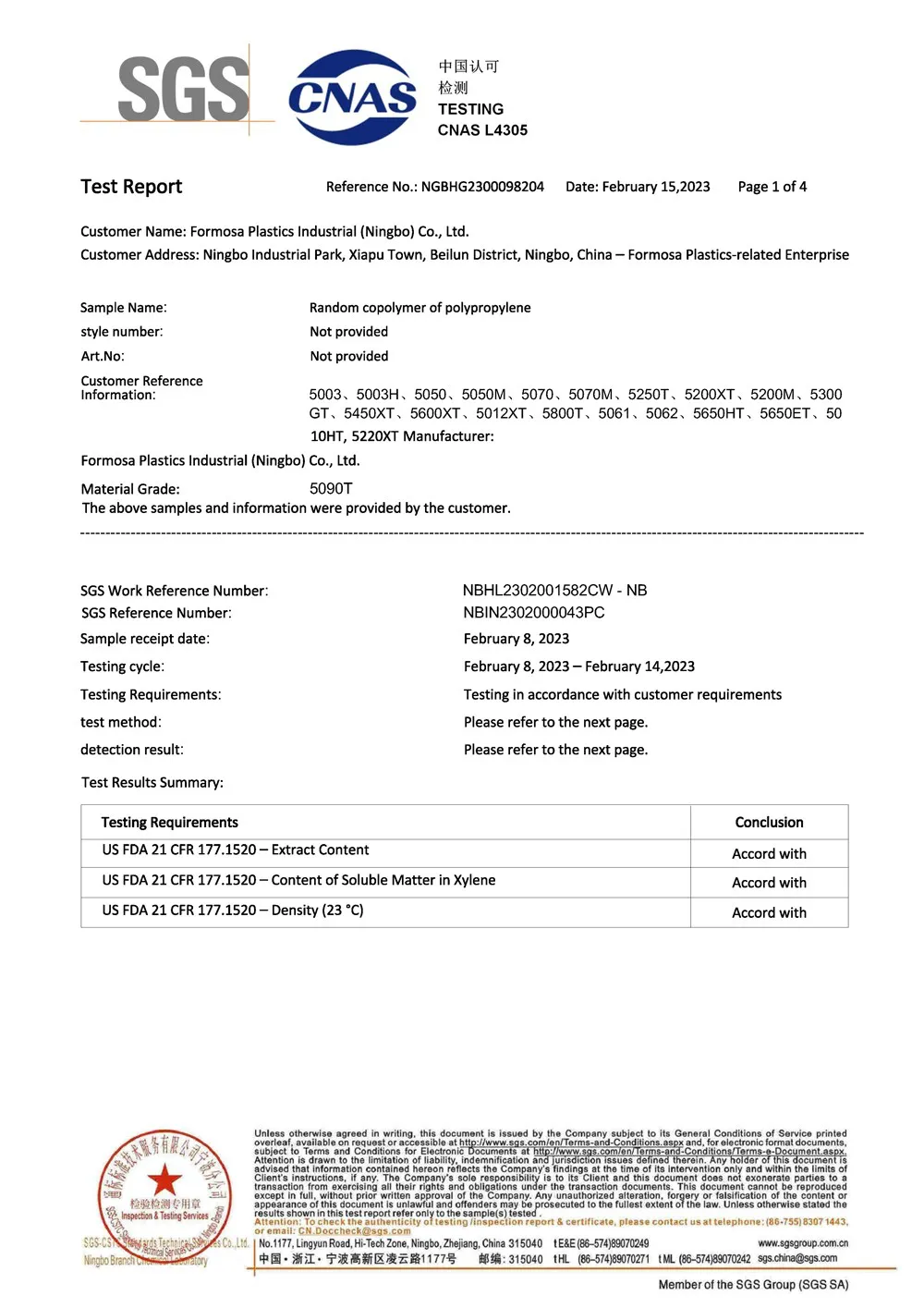
Regulators worldwide have responded with strict guidelines. In the U.S., the Poison Prevention Packaging Act (PPPA) mandates that most oral medications be packaged in child-resistant containers, defined as packaging that "cannot be opened by a significant proportion of children under five years of age but can be opened by a significant proportion of adults." Similar regulations exist in the EU (via ISO standards) and Asia, emphasizing that packaging must balance child resistance with adult accessibility—especially for elderly or disabled users who may struggle with complex closures.
For pharmaceutical companies, compliance isn't just a legal obligation; it's a moral one. A single incident can damage brand reputation irreparably, not to mention the human cost of a child's injury. This is where child-resistant HDPE pill bottles shine: they're engineered to meet the toughest regulatory standards while remaining user-friendly for the intended audience.
When it comes to pharma-grade plastic medicine bottles , material selection is critical. High-Density Polyethylene (HDPE) has emerged as the preferred choice for several compelling reasons:
Chemical Resistance: Pharmaceuticals often contain active ingredients that can react with packaging materials, compromising efficacy or safety. HDPE's inert nature makes it resistant to most acids, alkalis, and organic solvents, ensuring medications remain stable throughout their shelf life. Unlike glass, which can shatter, or PET, which may absorb certain compounds, HDPE provides a reliable barrier that protects the product inside.
Durability & Cost-Effectiveness: HDPE is lightweight yet remarkably strong, withstanding drops, temperature fluctuations, and rough handling during shipping. This durability reduces breakage rates and lowers transportation costs—a critical factor for large-scale pharmaceutical distribution. Additionally, HDPE's moldability allows for cost-effective production, making it accessible for both small-batch and bulk orders.
Sustainability: In an era of growing environmental consciousness, HDPE's recyclability is a significant advantage. It can be melted down and repurposed into new products, aligning with pharmaceutical brands' sustainability goals. Many suppliers now offer HDPE bottles made with post-consumer recycled (PCR) content, further reducing environmental impact without sacrificing quality.
These properties make HDPE ideal for child-resistant pill bottles, where safety, reliability, and sustainability are non-negotiable.
No two pharmaceutical products are identical—and neither should their packaging be. A 60ml bottle for daily vitamins requires different dimensions than a 500ml container for liquid cough syrup, just as a bottle for elderly patients may need an easier-to-grip design. This is where custom mold design for plastic bottles becomes a game-changer, allowing brands to create packaging that aligns with their product's specific requirements, user base, and brand identity.
The custom mold design process typically follows these steps:
1. Client Consultation: The journey begins with understanding the client's needs. What is the bottle's intended use? What volume is required? Are there special features, such as tamper-evident seals or child-resistant caps? Do regulatory standards (like FDA or EU guidelines) impose specific constraints? This collaborative phase ensures the final design meets both functional and compliance needs.
2. Design & Engineering: Using advanced CAD software, engineers create 3D models of the bottle, incorporating details like thread patterns for caps, grip ridges for easy handling, and structural reinforcements to prevent deformation. For child-resistant bottles, this stage also includes designing the cap mechanism—whether push-and-turn, squeeze-and-slide, or another variant—to ensure it meets resistance standards while remaining operable for adults.
3. Prototyping & Testing: Once the design is finalized, a prototype is produced using 3D printing or CNC machining. This prototype undergoes rigorous testing: child-resistance trials (using standardized tests with children aged 42–51 months), leak testing, and compatibility checks with the medication. Adjustments are made based on results, ensuring the final mold produces bottles that perform flawlessly.
4. Mold Production & Manufacturing: After prototype approval, the custom mold is created—typically from high-grade steel or aluminum for durability. The mold is then mounted onto injection molding machines, where molten HDPE is injected, cooled, and ejected as finished bottles. This process allows for consistent production of bottles with precise dimensions, ensuring compatibility with caps and closures.
The result? Bottles that fit the product like a glove—whether you need a compact 10ml sample size or a large-format 1000ml container, with custom colors, logos, or textures to enhance brand recognition.
| Capacity | Cap Type | Child-Resistant Feature | Material Thickness | Typical Applications |
|---|---|---|---|---|
| 60ml | Push-and-turn | Requires downward pressure + rotation | 0.8–1.2mm | Prescription pills, small-dose medications |
| 225ml | Squeeze-and-slide | Requires squeezing sides + sliding cap | 1.0–1.5mm | Liquid cough syrup, oral suspensions |
| 500ml | Twist-off with lock ring | Tamper-evident ring + child-resistant twist | 1.2–2.0mm | Large-volume vitamins, family-size medications |
| 100ml | Senior-friendly | Reduced resistance + ergonomic grip | 0.9–1.3mm | Medications for elderly or disabled patients |
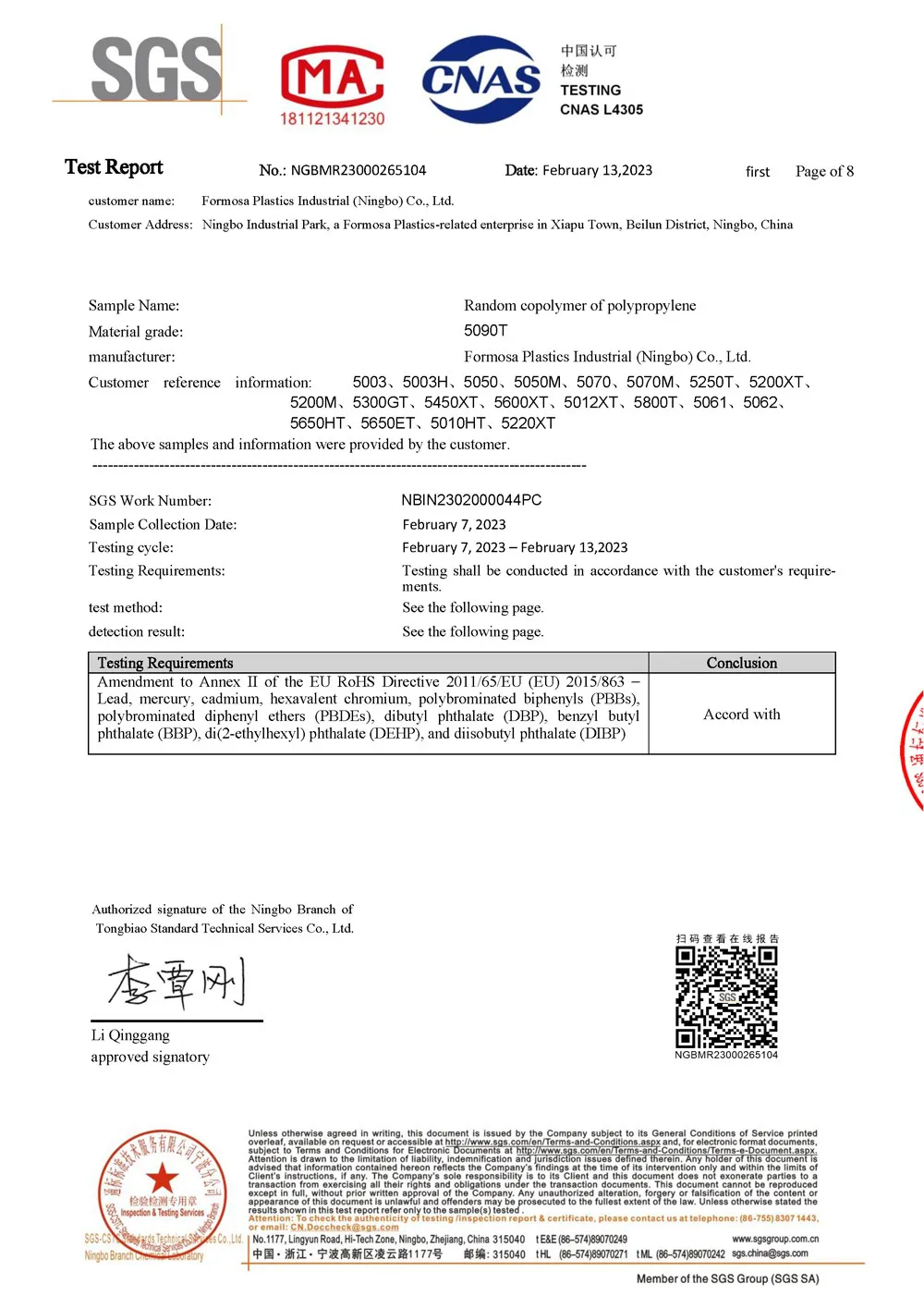
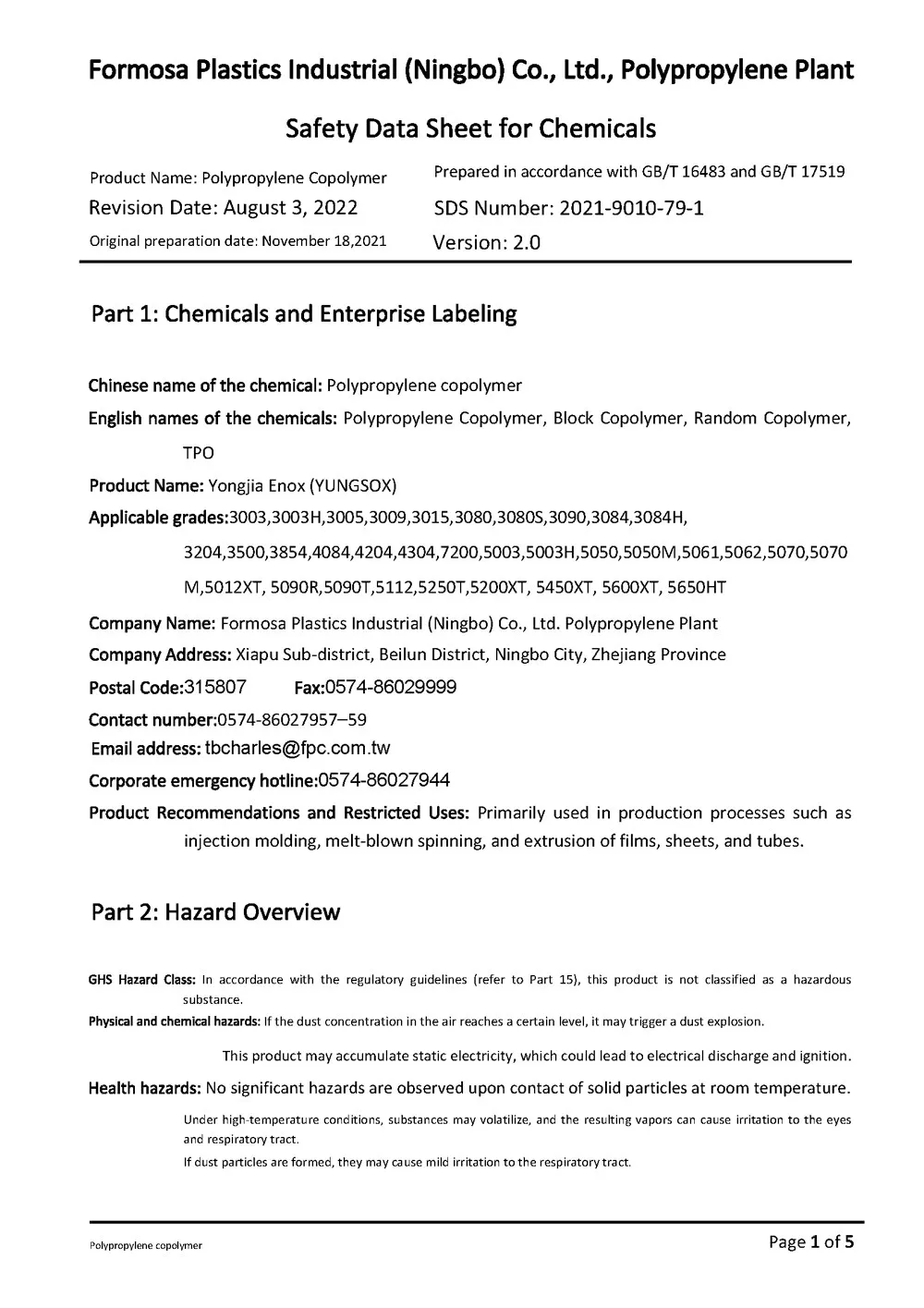
In pharmaceutical packaging, compliance isn't optional—it's a prerequisite. Reputable suppliers invest heavily in certifications that validate their commitment to quality and safety, with two standards standing out: ISO 9001 and GMP.
ISO 9001 Certification: An iso9001 certified packaging factory adheres to a globally recognized quality management system (QMS). This means every step of the production process—from raw material sourcing to final inspection—is documented, monitored, and continuously improved. ISO 9001 ensures consistency, reducing the risk of defects and ensuring bottles meet specifications batch after batch. For pharmaceutical clients, this certification provides confidence that their packaging will perform as intended, every time.
GMP Compliance: Good Manufacturing Practices (GMP) take quality a step further, focusing on hygiene and contamination control—critical for pharmaceutical packaging. A dust-free gmp compliant workshop is designed to minimize particulate matter, airborne contaminants, and microbial growth. This includes HEPA filtration systems, air pressure controls, and strict gowning protocols for personnel. For products like sterile medications or high-potency drugs, GMP compliance is non-negotiable, as even tiny contaminants can compromise patient safety.
Together, these certifications create a culture of excellence, ensuring that child-resistant HDPE pill bottles not only meet regulatory requirements but exceed them—protecting patients and brands alike.
Selecting a supplier for child-resistant HDPE pill bottles is about more than comparing prices. The ideal partner should offer:
End-to-End Expertise: From custom mold design to final production, look for suppliers with in-house capabilities. This streamlines communication, reduces lead times, and ensures quality control at every stage.
Regulatory Knowledge: The pharmaceutical industry is heavily regulated, with standards varying by region. A knowledgeable supplier will guide you through compliance requirements, helping you navigate FDA, EU, or local regulations with ease.
Flexibility: Whether you need a small batch of prototypes or a large-scale production run, the supplier should adapt to your needs. Look for options like low minimum order quantities (MOQs) for custom designs and fast turnaround times for urgent orders.
By prioritizing these factors, pharmaceutical brands can forge partnerships that deliver safe, high-quality packaging tailored to their unique needs.
Child-resistant HDPE pill bottles are more than just containers—they're a promise of safety, a tool for brand differentiation, and a reflection of a company's commitment to protecting consumers. By leveraging HDPE's superior properties, investing in custom mold design for plastic bottles , and adhering to rigorous standards like ISO 9001 and GMP, pharmaceutical brands can create packaging that stands up to the toughest challenges.
As an hdpe pill bottles supplier with decades of experience, we've seen firsthand how the right packaging can transform product safety and user experience. In a world where every detail matters, choosing the right bottle isn't just a business decision—it's a responsibility. With child-resistant HDPE pill bottles, that responsibility becomes an opportunity to innovate, protect, and build trust with consumers for years to come.