Email: info@mggpacking.com | Tel: +86-13510174848 ( Mr. Yao)


Reliable Solutions for Biobanking, Clinical Research, and Pharmaceutical Storage Since 2005
Imagine a researcher carefully placing a vial of stem cells into a liquid nitrogen tank, knowing that this small plastic container holds the potential for life-saving treatments years down the line. Or a pharmaceutical lab technician storing vaccine samples at -196°C, trusting that the container won't fail when the samples are needed most. In these high-stakes scenarios, the cryogenic tube isn't just a "container"—it's a guardian of scientific progress, a protector of irreplaceable biological materials, and a critical link in the chain of medical breakthroughs.
At our core, we don't just manufacture plastic tubes. We craft tools that empower scientists, clinicians, and pharmaceutical professionals to push the boundaries of what's possible. With over 18 years of specializing in medical-grade plastic packaging, we've learned that when it comes to cryogenic storage, there's no room for compromise. A single leak, a hairline crack, or a seal that fails under extreme cold can mean the loss of months (or even years) of research, not to mention the potential risk to future patients.
That's why we've made it our mission to set the standard for cryogenic tube reliability. As an ISO 9001 certified packaging factory with a dust-free GMP compliant workshop , we combine precision engineering, medical-grade materials, and rigorous quality control to create tubes that you can trust with your most valuable samples. Whether you're storing human tissues, bacterial cultures, or pharmaceutical compounds, our cryogenic tubes are designed to stand the test of time—and the extreme cold.
When you're shopping for cryogenic tubes, you'll find plenty of options—but not all tubes are created equal. Here's why researchers and pharmaceutical companies across Europe, North America, and Asia keep coming back to us:
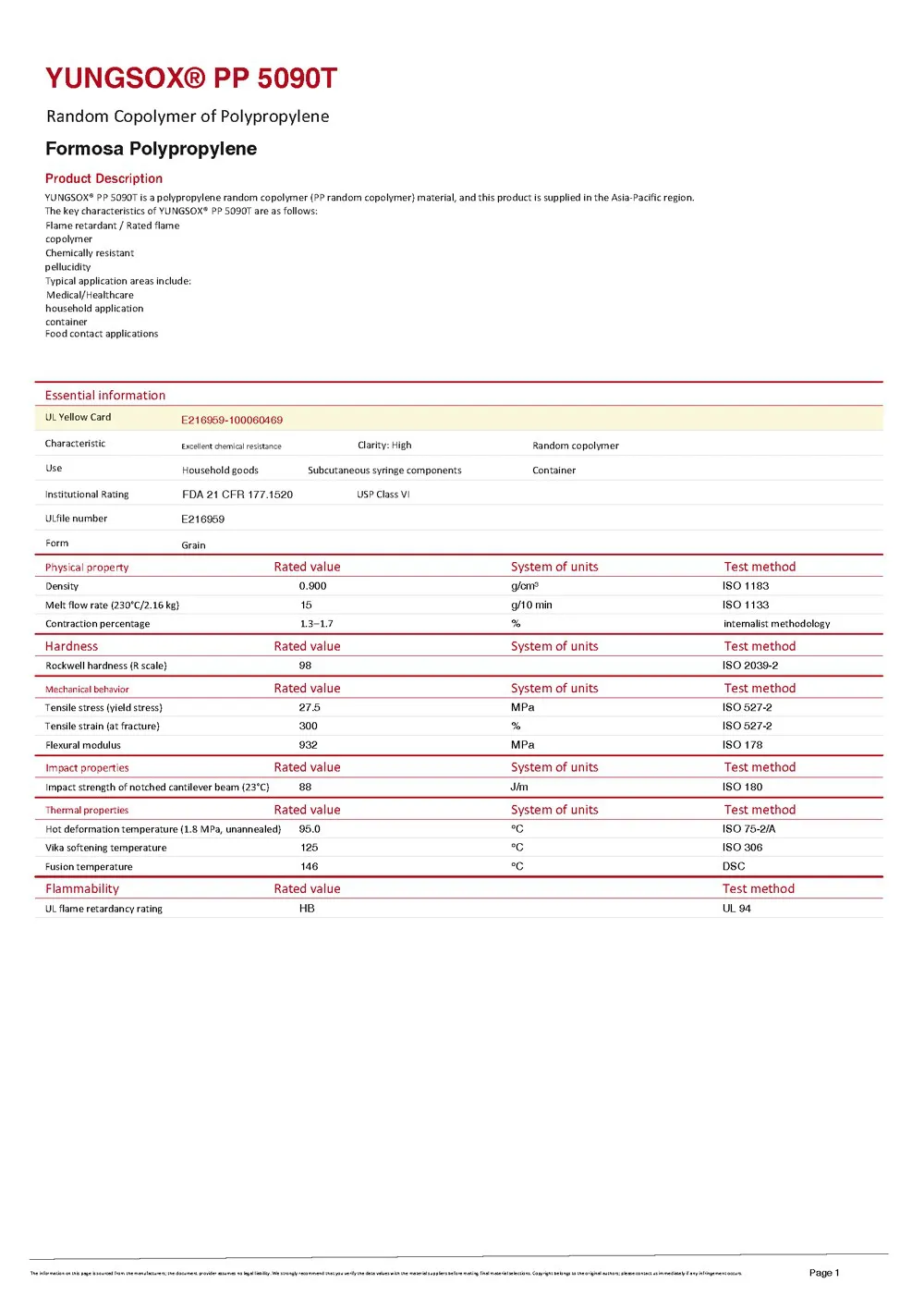
We start with the basics: material science. Our cryogenic tubes are made from high-purity polypropylene (PP), a thermoplastic polymer renowned for its exceptional cold resistance and chemical stability. Unlike cheaper plastics that become brittle at low temperatures, our PP formulation remains flexible even at -196°C (the temperature of liquid nitrogen), reducing the risk of cracking during storage or transport.
But we don't stop there. Each tube undergoes a proprietary annealing process to eliminate internal stresses, ensuring that even after repeated freeze-thaw cycles (a common scenario in lab settings), the material maintains its integrity. We've tested our tubes in real-world conditions—subjecting them to 50+ freeze-thaw cycles between -196°C and room temperature—and the results speak for themselves: zero cracks, zero leaks, and zero sample loss.
A tube is only as good as its seal. We've all heard horror stories: a technician retrieves a sample, only to find the tube has leaked, contaminating the entire storage tank. That's why we've invested years in perfecting our sealing technology.
Each of our cryogenic tubes features a silicone rubber gasket integrated into the cap. Unlike standard O-rings that can degrade over time or lose elasticity in the cold, our gaskets are made from medical-grade silicone with a Shore hardness of 50±5, ensuring a tight, consistent seal every time. The cap itself is designed with an "interference fit" thread system—meaning the threads on the cap and tube mesh together with just the right amount of friction to prevent accidental loosening, even when the tube expands or contracts in extreme temperatures.
To put it simply: when you twist our cap closed, you can hear the "click" of a seal that's ready to stand up to decades of storage.
For clinical and pharmaceutical applications, sterility isn't just a "nice-to-have"—it's a requirement. That's why our entire cryogenic tube production line operates in a dust-free GMP compliant workshop classified as ISO 8 (Class 100,000). From raw material intake to final packaging, every step is controlled to minimize contamination risk.
After manufacturing, each batch of tubes undergoes one of two sterilization processes, depending on your needs: ethylene oxide (EO) sterilization or gamma irradiation. EO sterilization is ideal for heat-sensitive materials and leaves no residue, while gamma irradiation offers a higher sterility assurance level (SAL) of 10⁻⁶ (meaning there's less than a one-in-a-million chance of a non-sterile unit). Both processes are validated and documented, with batch-specific sterilization certificates available on request.
We also understand that sterility needs to last. Our tubes are packaged in double-layer, peel-open pouches made from medical-grade Tyvek® and polyethylene, which maintain sterility until the moment you're ready to use them.
Not all research is the same, so why should your cryogenic tubes be? As a custom mold design for plastic bottles expert, we offer a level of customization that generic suppliers can't match. Whether you need tubes with laser-etched graduation marks, colored caps for sample categorization, or even unique shapes to fit your automated storage systems, we can bring your vision to life.
Our in-house mold design team uses state-of-the-art 3D modeling software (SolidWorks and AutoCAD) to create precision molds, and we offer free mold testing to ensure the final product meets your exact specifications. Recent custom projects include a 2ml cryogenic tube with a built-in RFID chip for automated sample tracking and a 5ml tube with a conical bottom optimized for centrifugation—both developed from concept to production in under 6 weeks.
And don't worry about minimum order quantities (MOQs) for custom designs. While many manufacturers require 100,000+ units for a custom mold, we've streamlined our process to support MOQs as low as 10,000 units for most designs—making custom solutions accessible even for small labs and startups.
In the world of cryogenic storage, consistency is key. A tube that works perfectly 99% of the time is still a failure when that 1% leads to sample loss. That's why we've built our quality management system around the ISO 9001:2015 standard, which requires strict process controls, regular audits, and continuous improvement.
Every single tube we produce undergoes multiple quality checks: dimensional testing (to ensure consistent wall thickness and thread alignment), leak testing (using a vacuum chamber to detect micro-leaks), and visual inspection (for defects like flash or discoloration). We also conduct monthly destructive testing on random samples—subjecting them to extreme pressure, temperature shock, and impact—to ensure our production processes remain stable.
The result? A product that our clients describe as "boringly consistent"—and that's a compliment we take pride in. When you order from us, you know that the 10,000th tube in your batch will perform exactly like the first.
We offer a range of cryogenic tube sizes and configurations to suit different storage needs. Below is a detailed breakdown of our most popular models, along with their key specifications. Whether you're storing small-volume DNA samples or larger cell cultures, there's a tube here designed to fit your workflow.
| Model | Capacity | Thread Type | Bottom Design | Sterilization | Barcode/Writable Area | Material | Temperature Range |
|---|---|---|---|---|---|---|---|
| CT-050 | 0.5ml | Internal (12mm) | Conical | EO or Gamma | Writable surface + optional 2D barcode | Medical-grade PP | -196°C to +121°C |
| CT-180 | 1.8ml | Internal (16mm) | Round or Conical | EO or Gamma | Writable surface + laser-etched barcode | Medical-grade PP | -196°C to +121°C |
| CT-200 | 2ml | Internal (16mm) | Conical | EO or Gamma | Writable surface + optional RFID chip | Medical-grade PP | -196°C to +121°C |
| CT-500 | 5ml | External (24mm) | Round | EO | Writable surface | Medical-grade PP | -196°C to +100°C |
Capacity: Our 0.5ml and 1.8ml tubes are perfect for small-volume samples like DNA, RNA, or protein extracts, where minimizing storage space is key. The 2ml model is the industry standard for most cell culture and biobanking applications, while the 5ml tube is ideal for larger samples or when you need to aliquot more material into a single container.
Thread Type: Internal threads (found on our 0.5ml, 1.8ml, and 2ml models) are designed to reduce the risk of cross-contamination. Because the threads are on the inside of the tube neck, they're less likely to trap liquid or debris when submerged in liquid nitrogen. External threads (on the 5ml model) offer a larger opening, making it easier to pipette or pour samples in and out.
Bottom Design: Conical bottoms are a favorite among researchers because they allow for easy pelleting of cells during centrifugation—no more lost samples stuck in the corners of a round-bottom tube! Round bottoms, on the other hand, are better for samples that need to be vortexed or mixed, as they reduce the risk of material getting trapped.
Barcode/Writable Area: We know sample tracking is a headache for many labs. That's why all our tubes come with a frosted writable surface that works with permanent markers (even in cold storage), and we offer optional 2D barcodes pre-printed on the tube. These barcodes are resistant to smudging, fading, and chemical exposure—so you can scan them with confidence, even after years in storage.
While our standard cryogenic tubes work for most applications, we understand that some labs have unique needs. Maybe you need a tube with a specific graduation mark for precise aliquoting, or a custom color to differentiate between sample types (e.g., red for patient A, blue for patient B). Perhaps your automated storage system requires tubes with a specific outer diameter to fit into the racking. Whatever your "special request," our custom mold design for plastic bottles service is here to turn your idea into reality.
We've streamlined our custom design process to be as collaborative and efficient as possible. Here's a step-by-step look at how we bring your vision to life:
Don't just take our word for it—here are a few examples of custom cryogenic tube projects we've completed for clients:
The best part? Custom doesn't have to mean "expensive." Because we handle mold design and manufacturing in-house (no middlemen), we can offer custom solutions at a fraction of the cost of overseas competitors. And with MOQs as low as 10,000 units for most custom designs, even small labs can afford to upgrade their storage game.
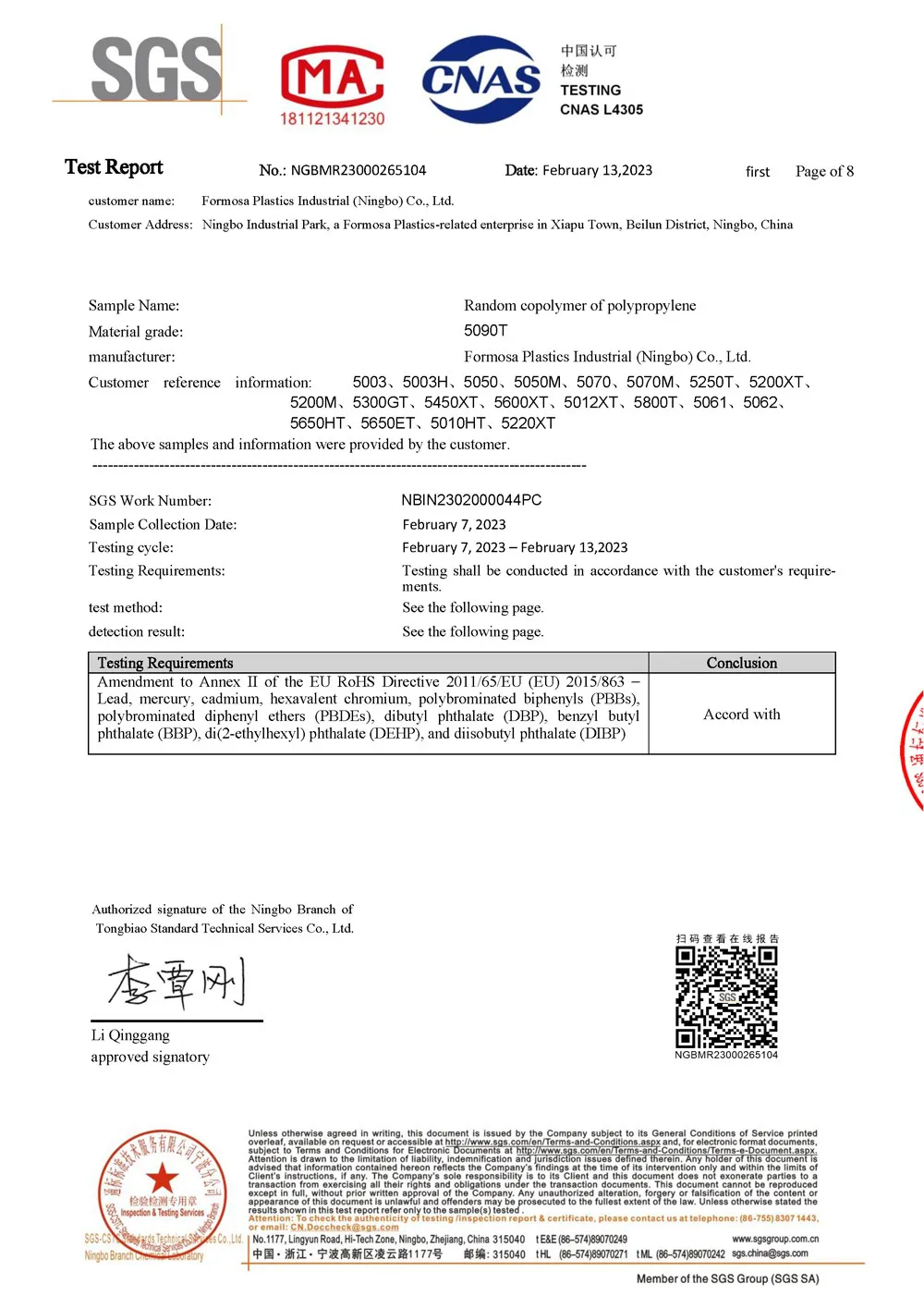
When you're entrusting a manufacturer with your cryogenic storage needs, words like "reliable" and "high-quality" are nice—but what you really need is proof. That's why we're transparent about our quality control processes and proud to hold certifications that reflect our commitment to excellence. Here's a closer look at what makes us an ISO 9001 certified packaging factory and a leader in medical-grade plastic manufacturing.
Our ISO 9001:2015 certification isn't just a plaque on the wall—it's a framework that guides every decision we make, from how we source raw materials to how we handle customer complaints. The ISO 9001 standard requires us to document and continuously improve every process, ensuring that we're always getting better at what we do.
For example, our supplier qualification process is rigorous: we only work with raw material suppliers who themselves hold ISO 13485 certification (the medical device industry standard). Every batch of PP resin we receive undergoes testing for density, melt flow rate, and impact strength before it's allowed into production. If a batch doesn't meet our specs, it's rejected—no exceptions.
We also conduct regular internal audits to identify areas for improvement. Last year, one audit revealed that our barcode printing process had a 0.5% error rate (i.e., 5 out of 1,000 barcodes were unreadable). While this was well below industry averages, we invested in a new high-resolution printer and updated our quality check process. Today, that error rate is down to 0.01%—and we're still looking for ways to make it better.
Our dust-free GMP compliant workshop is where the magic happens—and by "magic," we mean strict adherence to Good Manufacturing Practices. Here's what that looks like on the ground:
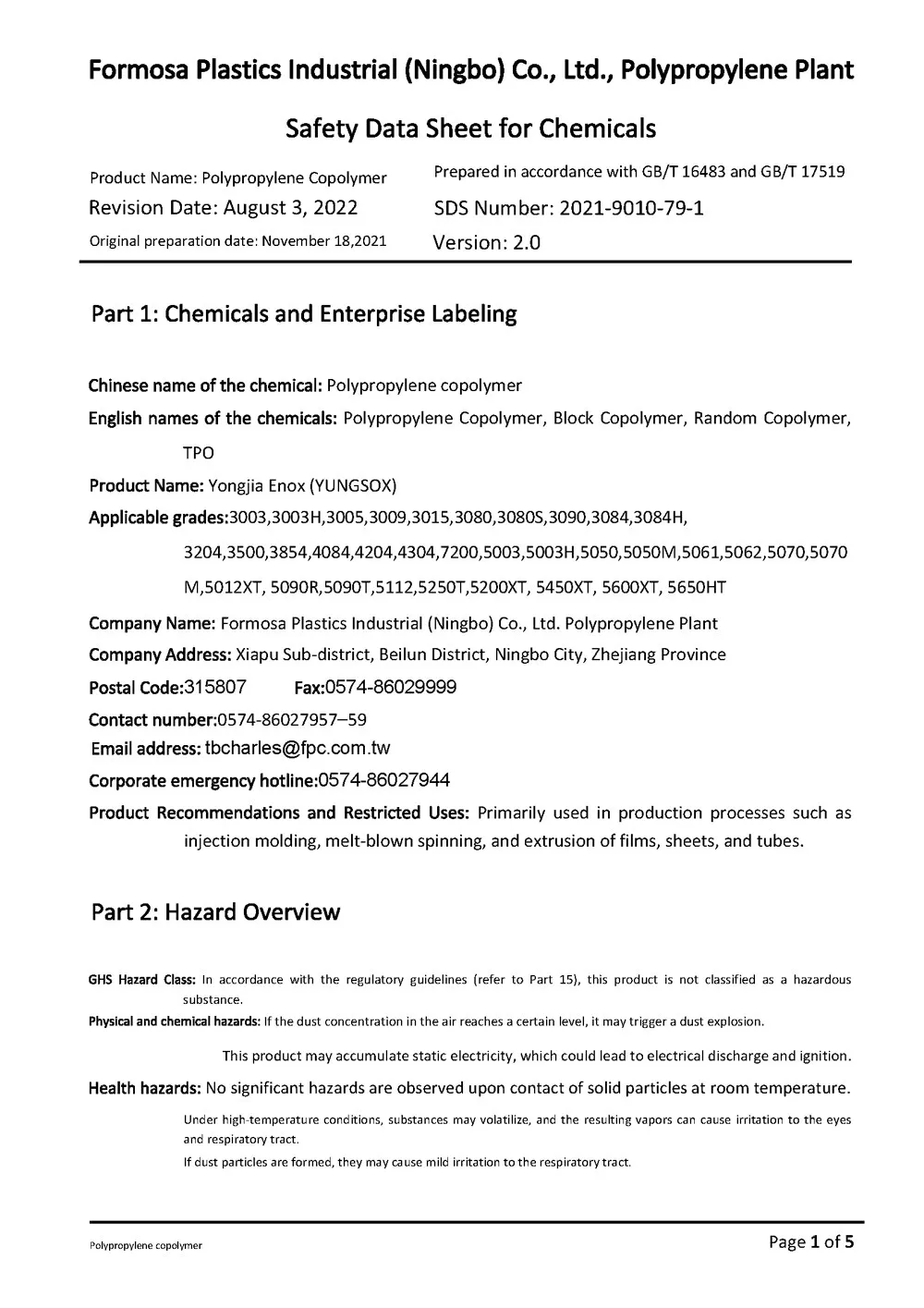
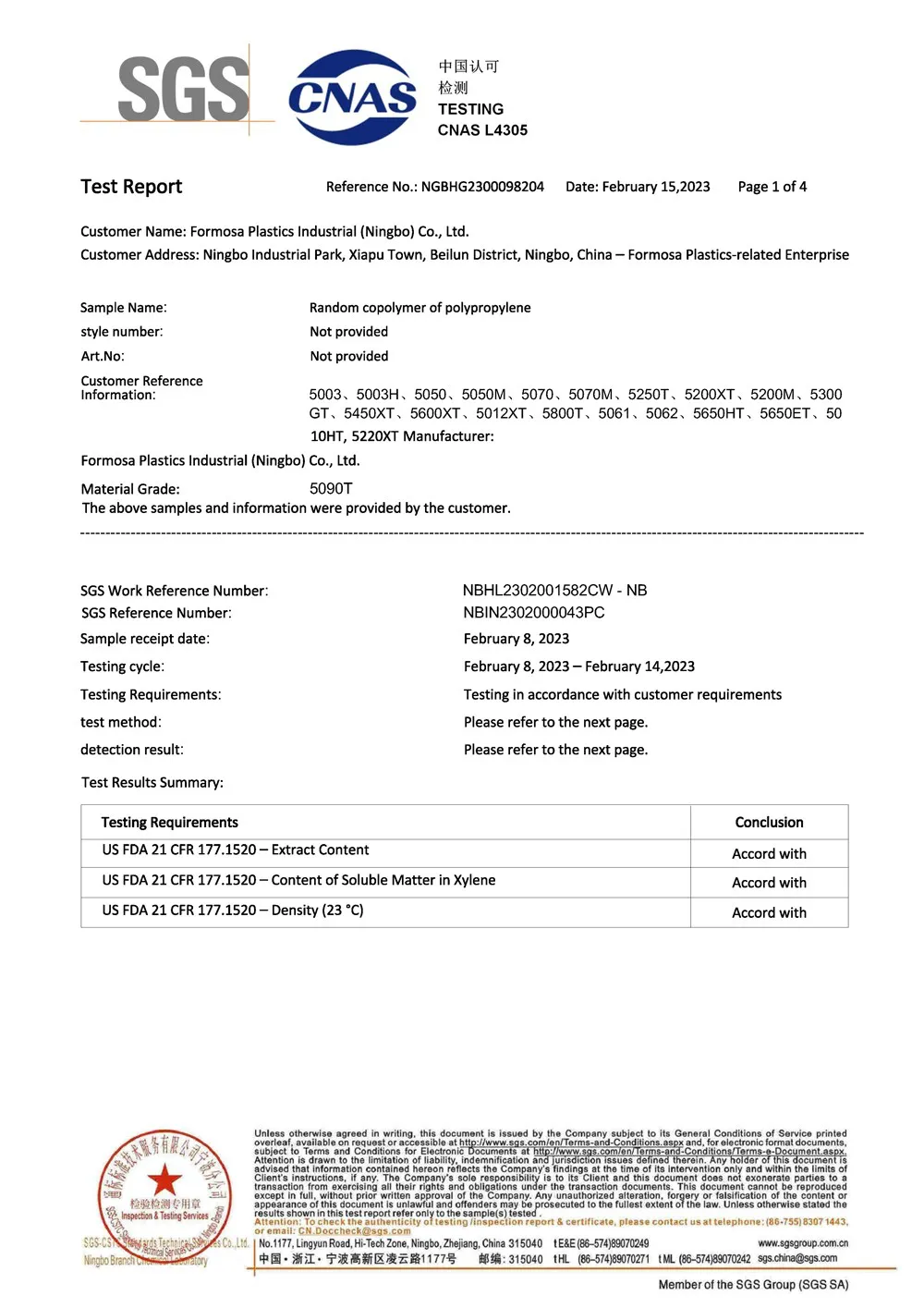
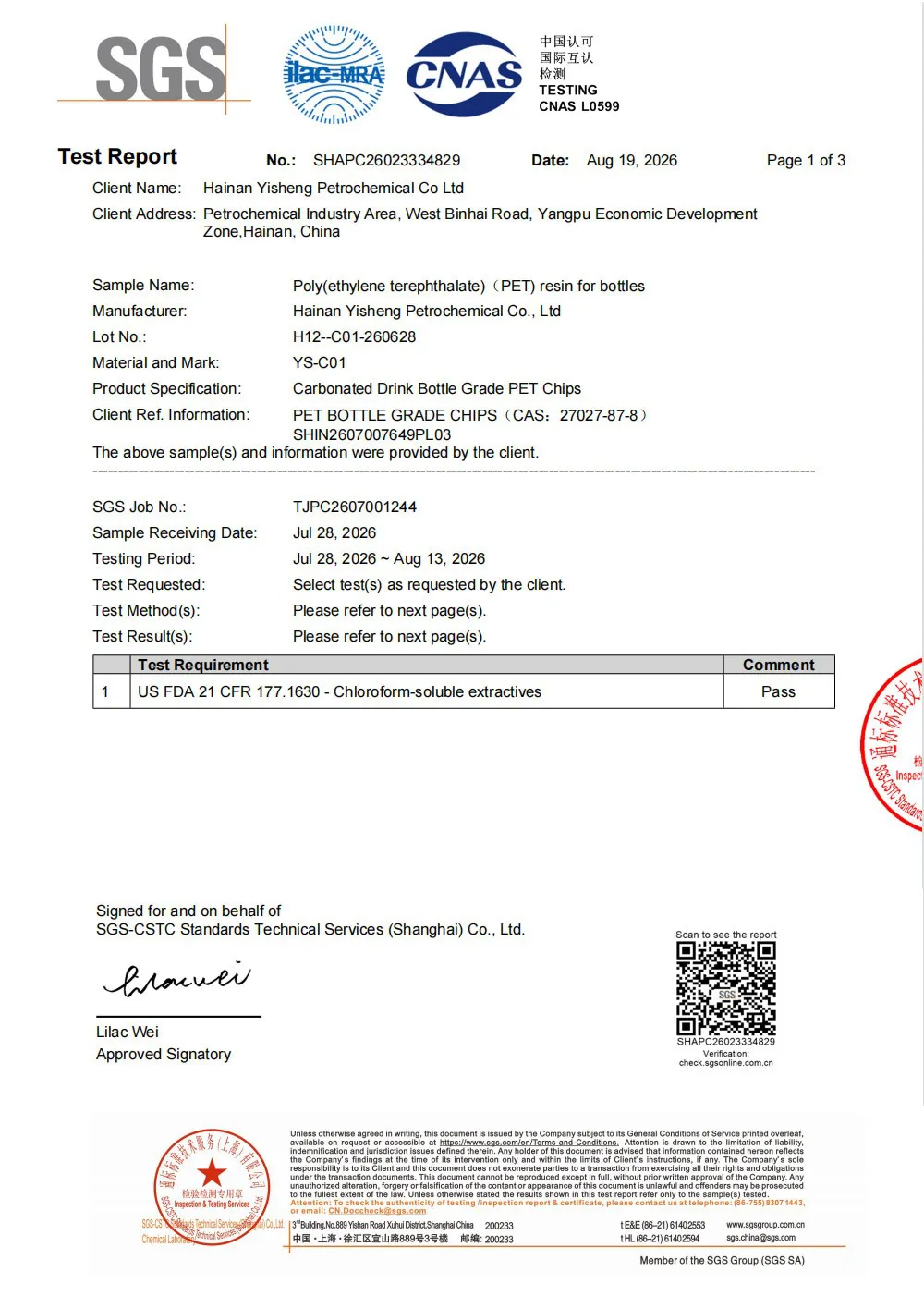
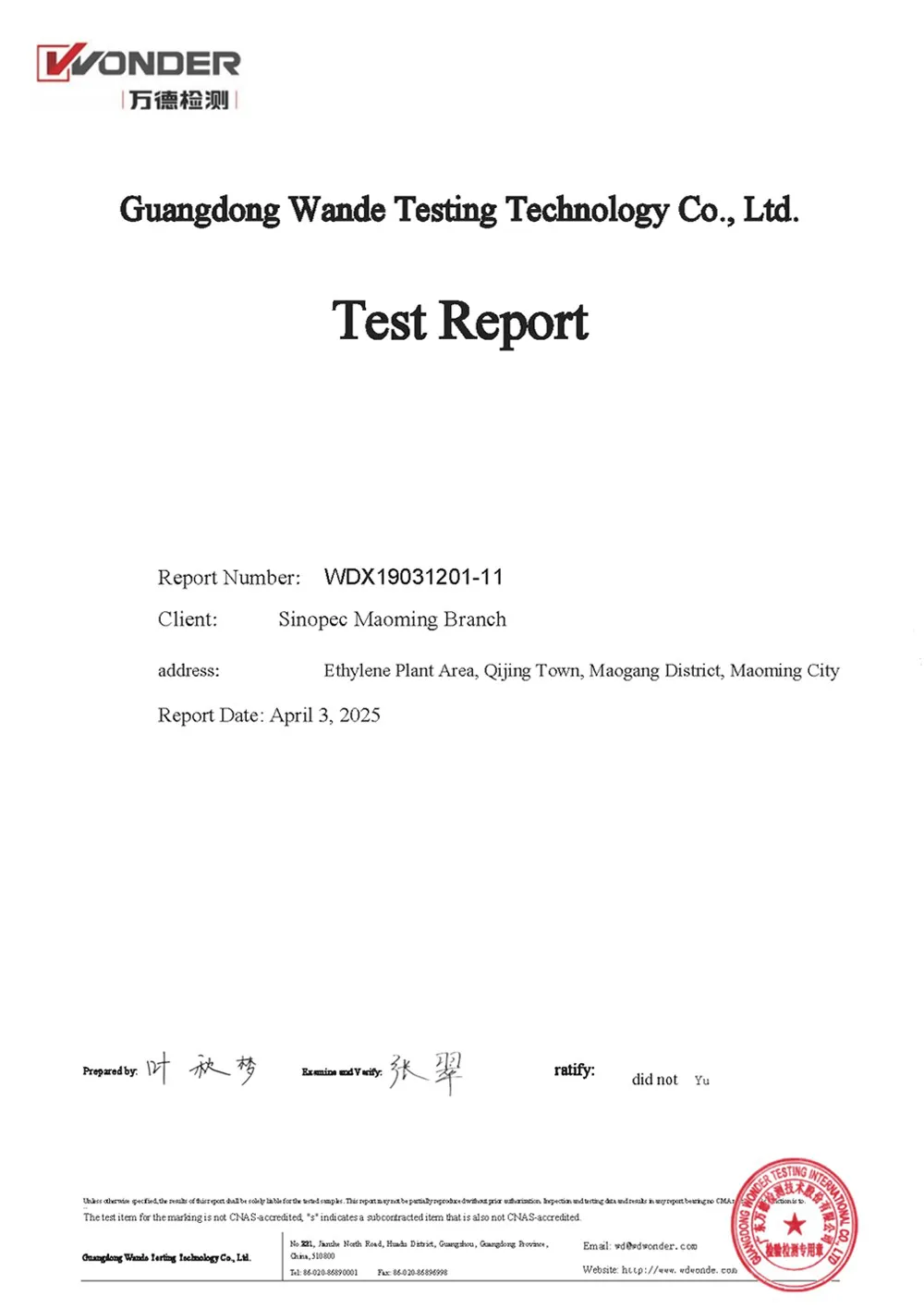
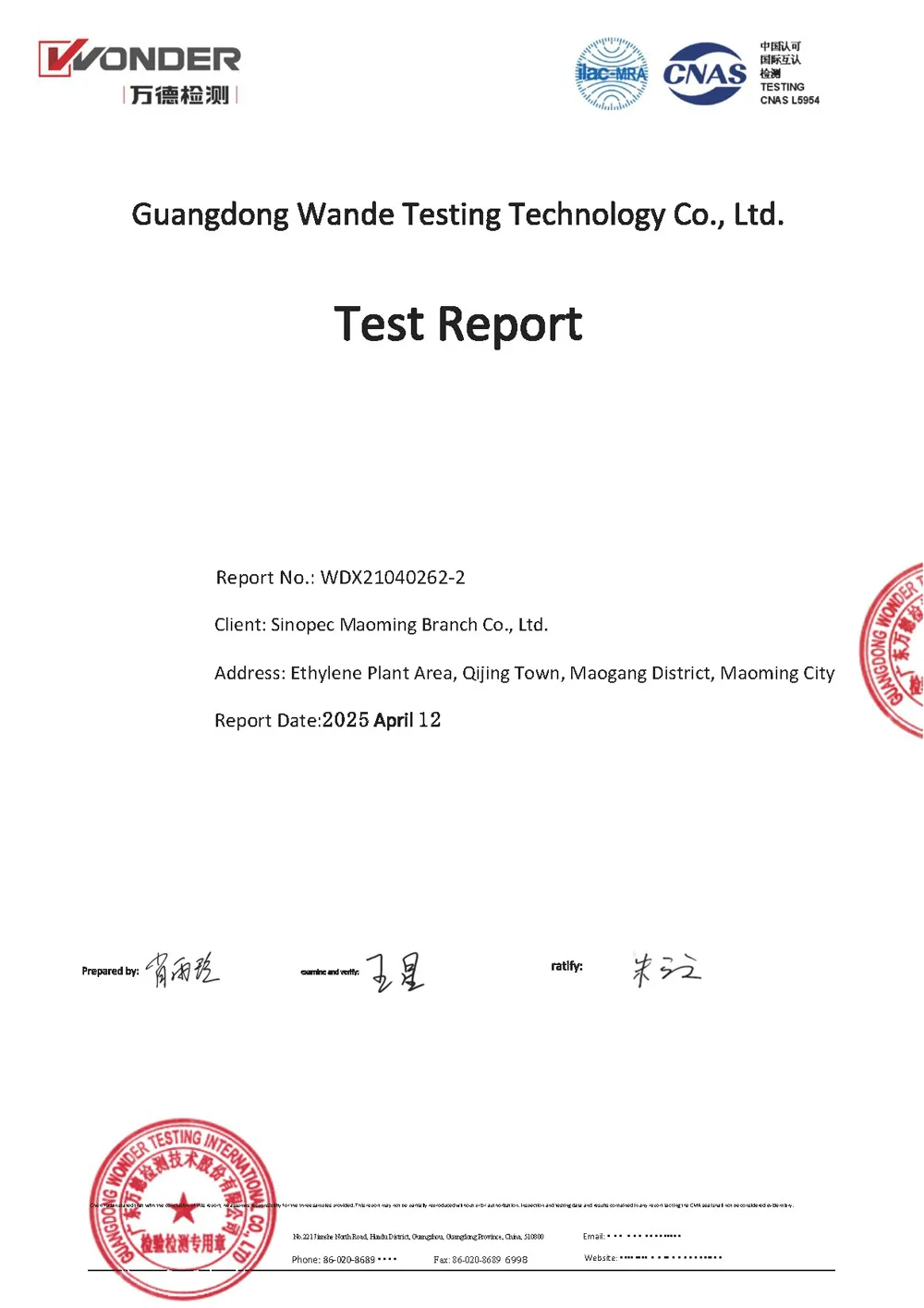
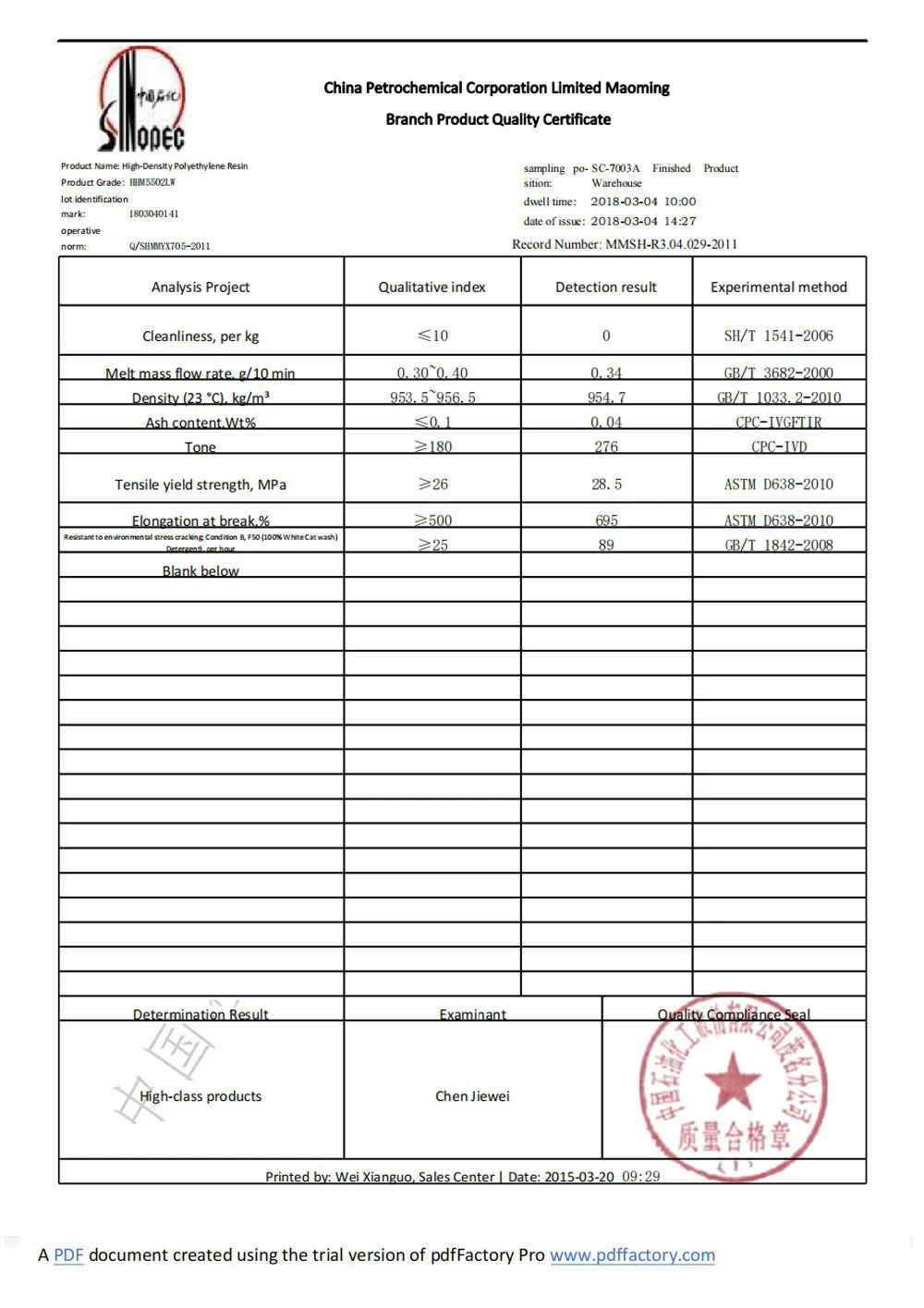
To ensure our quality claims are unbiased, we regularly send samples to independent labs for testing. Recent tests include:
We're happy to share these test reports with potential clients—just ask. Transparency isn't just a buzzword for us; it's how we build trust.
Our cryogenic tubes aren't just sitting on shelves—they're out in the field, making a difference in labs, hospitals, and pharmaceutical facilities around the world. Here are a few of the ways our clients are using them to advance science and improve patient outcomes:
Biobanks are the libraries of the medical world, storing millions of biological samples for future research. At one leading biobank in Europe, our 2ml cryogenic tubes are used to store blood samples from over 500,000 participants in a long-term study on genetic predispositions to cancer. The tubes' barcode compatibility and reliable sealing have helped the biobank reduce sample loss by 92% since switching to our products.
In vitro fertilization (IVF) requires storing delicate embryos and sperm at ultra-low temperatures. A fertility clinic in Australia uses our 0.5ml tubes to store sperm samples, citing the "consistent seal" and "easy labeling" as key reasons for choosing our products. "When you're handling something as precious as a couple's chance to have a child, you can't take risks with storage," says the clinic's lab director. "These tubes give us peace of mind."
During the COVID-19 pandemic, our cryogenic tubes played a small but critical role in vaccine development. A major pharmaceutical company used our 5ml tubes to store vaccine candidates during stability testing, ensuring that samples remained viable even after months of storage at -80°C. The company's head of R&D noted, "The reliability of these tubes meant we could focus on the science, not worrying about sample integrity."
At a top university in the U.S., researchers studying neurodegenerative diseases use our custom-designed cryogenic tubes to store brain tissue samples. The tubes feature a unique "dual-chamber" design (developed through our custom mold service) that allows them to separate different regions of the tissue, making analysis more efficient. "The ability to customize the tube to our exact needs has saved us countless hours of work," says the lead researcher.
We know that plastics have a complicated reputation, but we believe that medical-grade plastic packaging can be both effective and responsible. While cryogenic tubes are designed for long-term use (and thus not single-use disposables), we're committed to minimizing our environmental impact at every stage of production.
Our engineering team works hard to design tubes that use the minimum amount of plastic necessary while maintaining strength and reliability. For example, our 1.8ml tube uses 12% less plastic than the industry average, thanks to optimized wall thickness and rib design. Over the course of a year, this adds up to thousands of kilograms of plastic saved.
We recycle 100% of our production scrap plastic (e.g., excess material from molding). The scrap is cleaned, melted down, and reused in non-medical products (e.g., industrial containers), so nothing goes to landfill. We also use biodegradable packaging materials for shipping, and our office is powered by solar energy.
Perhaps the most sustainable thing about our cryogenic tubes is their durability. A tube that lasts for decades in storage means fewer replacements, less waste, and a lower overall carbon footprint. We design our tubes to be reused (after proper cleaning and sterilization) whenever possible, further reducing environmental impact.
Over the years, we've fielded hundreds of questions about cryogenic tubes. Here are the ones we hear most often, along with straightforward answers.
Q: How do I choose between conical and round-bottom tubes?
A: Conical-bottom tubes are better for centrifugation—they allow pellets to collect at the bottom, making it easier to aspirate the supernatant. Round-bottom tubes are better for samples that need to be mixed (e.g., vortexing) or stored upright in racks with round holes. If you're not sure, ask your lab manager or give us a call—we can help you decide based on your workflow.
Q: Can your tubes be autoclaved?
A: Yes! All our cryogenic tubes are autoclavable at 121°C for 20 minutes (using a gravity displacement cycle). Just make sure to loosen the cap slightly before autoclaving to allow steam to escape—then retighten after cooling.
Q: What's the difference between EO and gamma sterilization?
A: EO sterilization uses ethylene oxide gas, which is effective at low temperatures and works well for heat-sensitive materials. Gamma sterilization uses high-energy gamma rays, which penetrate deeper and offer a higher sterility assurance level (SAL of 10⁻⁶ vs. 10⁻⁴ for EO). For most lab applications, either is fine—but if you're storing samples for clinical use, gamma sterilization is usually preferred.
Q: What's the minimum order quantity for custom tubes?
A: For standard tubes, there's no minimum—we can ship as few as 100 units. For custom designs, the minimum order quantity is 10,000 units (after prototype approval). This is because the cost of creating a production mold is significant, and 10,000 units helps spread that cost out.
Q: How long do your cryogenic tubes last in storage?
A: When stored properly (in a clean, dry environment, away from direct sunlight), our tubes have a shelf life of 5 years from the date of manufacture. However, we've tested tubes that are 10+ years old, and they still perform as well as new. The key is to avoid exposing them to extreme heat or chemicals when not in use.
At the end of the day, cryogenic storage is about trust. You're trusting us with materials that matter—samples that could lead to cures, vaccines that could save lives, and research that could change the world. We take that trust seriously.
Whether you need standard cryogenic tubes, custom-designed solutions, or just advice on which tube is right for your workflow, we're here to help. With our ISO 9001 certified packaging factory , dust-free GMP compliant workshop , and commitment to quality, we're not just a supplier—we're a partner in your success.
Ready to get started? Reach out to our team today. We'll send you a free sample pack of our most popular cryogenic tubes, so you can test them in your lab. No pressure, no obligation—just a chance to see the difference quality makes.
Here's to the breakthroughs waiting to be discovered—and the cryogenic tubes that will help protect them along the way.