Email: info@mggpacking.com | Tel: +86-13510174848 ( Mr. Yao)


In the fast-paced world of biotech research, where every sample holds the potential for groundbreaking discoveries, the tools we use to protect those samples matter more than we often realize. Think about it: a single vial of stem cells, a batch of viral vectors, or a collection of patient-derived tissues could be the key to developing new therapies or unlocking disease mechanisms. That's why choosing the right cryotube—those small but mighty containers designed to safeguard samples at ultra-low temperatures—isn't just a matter of lab supply logistics; it's a decision that directly impacts the integrity of your research.
If you've ever stood in front of a lab supply catalog, staring at the options for cryotubes, you've probably wondered: Conical bottom or round bottom? Does it really make a difference? The short answer? Absolutely. These two designs aren't just about aesthetics; they're engineered for specific purposes, and picking the wrong one could lead to sample loss, contamination, or inefficient workflows. In this article, we're breaking down the differences between conical and round bottom cryotubes, exploring their unique strengths, ideal applications, and how to decide which is right for your lab.
Before diving into the conical vs. round debate, let's make sure we're all on the same page about what cryotubes are and why they're non-negotiable in biotech labs. Cryotubes—also called cryovials—are specialized containers designed to store biological samples at extremely low temperatures, typically down to -196°C (the temperature of liquid nitrogen). They're made from materials that can withstand these frigid conditions without cracking, warping, or leaching chemicals into your samples. Most are crafted from polypropylene (PP), a durable plastic known for its flexibility and chemical resistance, even at ultra-low temps.
But not all cryotubes are created equal. From volume capacities (ranging from 0.5ml to 5ml or more) to closure types (screw caps, snap caps, or O-ring-sealed lids), every feature is intentional. And one of the most critical design choices? The shape of the bottom. That's where conical and round bottom cryotubes part ways—and where the magic (or frustration) happens in the lab.
Let's start with conical bottom cryotubes. As the name suggests, these have a tapered, cone-like bottom that narrows to a point. Picture a tiny test tube with a sharp, angled base—that's the general idea. This design isn't just for looks; it's engineered with one primary goal in mind: making centrifugation easier and more efficient.
When you spin a sample in a centrifuge, the goal is often to separate components—like pelleting cells from a culture medium or isolating DNA from a lysate. The conical bottom acts like a funnel, guiding all those sedimented particles to a single, concentrated point at the very tip. This makes it easier to aspirate the supernatant (the liquid above the pellet) without disturbing the sample, and it minimizes loss when you're trying to recover every last cell or molecule.
For example, if you're working with adherent cell lines, you might trypsinize the cells, resuspend them in media, and then centrifuge to pellet them. A conical bottom cryotube ensures that pellet stays tightly packed at the bottom, so when you decant the media, you don't accidentally pour off cells along with it. That's a big deal when you're working with rare or hard-to-culture cells!
Conical bottom cryotubes shine in scenarios where centrifugation is part of the workflow. Here are some common use cases:
Pros:
Cons:
Now, let's turn to round bottom cryotubes. These have a smooth, curved bottom—think of a tiny round-bottom flask or a small jar with a hemispherical base. Unlike their conical counterparts, they're not designed for centrifugation; instead, they prioritize stability, ease of mixing, and versatility in storage.
The rounded bottom distributes the sample evenly across the base, which makes these tubes incredibly stable in storage racks. They sit flat and don't wobble, even in crowded liquid nitrogen tanks or -80°C freezers. This stability is a huge plus if your lab has high turnover or if you're storing large numbers of tubes—no more worrying about tubes tipping over and cracking (or losing labels!).
Another advantage? Mixing samples. If you need to resuspend a frozen sample or gently agitate a solution, the rounded bottom allows for smoother swirling and pipetting. There are no sharp corners for samples to get trapped in, which reduces the risk of uneven mixing or leftover residue.
Round bottom cryotubes are the go-to choice for samples that don't require centrifugation or where stability is paramount. Here are their sweet spots:
Pros:
Cons:
To help you visualize the differences, here's a quick comparison table breaking down key features:
| Feature | Conical Bottom Cryotubes | Round Bottom Cryotubes |
|---|---|---|
| Design | Tapered, cone-like bottom with a narrow tip | Smooth, hemispherical bottom with no sharp corners |
| Centrifugation Compatibility | Excellent; ideal for pelleting samples | Poor; samples spread across the bottom |
| Sample Retrieval | Easy for pellets; minimal loss when aspirating supernatant | Easy for liquids; harder for pellets |
| Stability in Racks | Less stable; may wobble in standard racks | Highly stable; sits flat and secure |
| Volume Range | Typically 0.5ml–2ml (small to medium volumes) | Typically 2ml–5ml (medium to large volumes) |
| Ideal Sample Types | Cell pellets, suspensions, small-volume biological samples | Liquids, reagents, large-volume samples, solutions |
| Mixing/Ease of Pipetting | Challenging; narrow tip can trap samples | Easy; smooth design allows for uniform mixing |
While the bottom shape is a critical factor, it's not the only one. When selecting cryotubes for your lab, you'll also need to consider:
Start by asking: What am I storing? If it's a cell pellet that needs centrifugation, conical is the way to go. If it's a 5ml viral stock solution, round bottom makes more sense. Also, think about future use—will you need to aliquot the sample later? Round bottom tubes are easier to pipette from repeatedly.
Are you storing in liquid nitrogen (-196°C) or a -80°C freezer? Most cryotubes are rated for both, but it's crucial to check the manufacturer's specifications. For example, sterile cryo vials for liquid nitrogen should have reinforced caps and leak-proof seals to prevent nitrogen ingress, which can cause tubes to crack when thawed. Look for features like silicone gaskets (yes, leak-proof cryotubes with silicone gasket are a must here!) to ensure a tight seal.
Does your protocol require centrifugation before storage? If yes, conical tubes save time by eliminating the need to transfer samples. If not, round bottom may be more efficient. Also, consider your lab's centrifuge rotors—some rotors only accommodate specific tube types, so check compatibility before ordering.
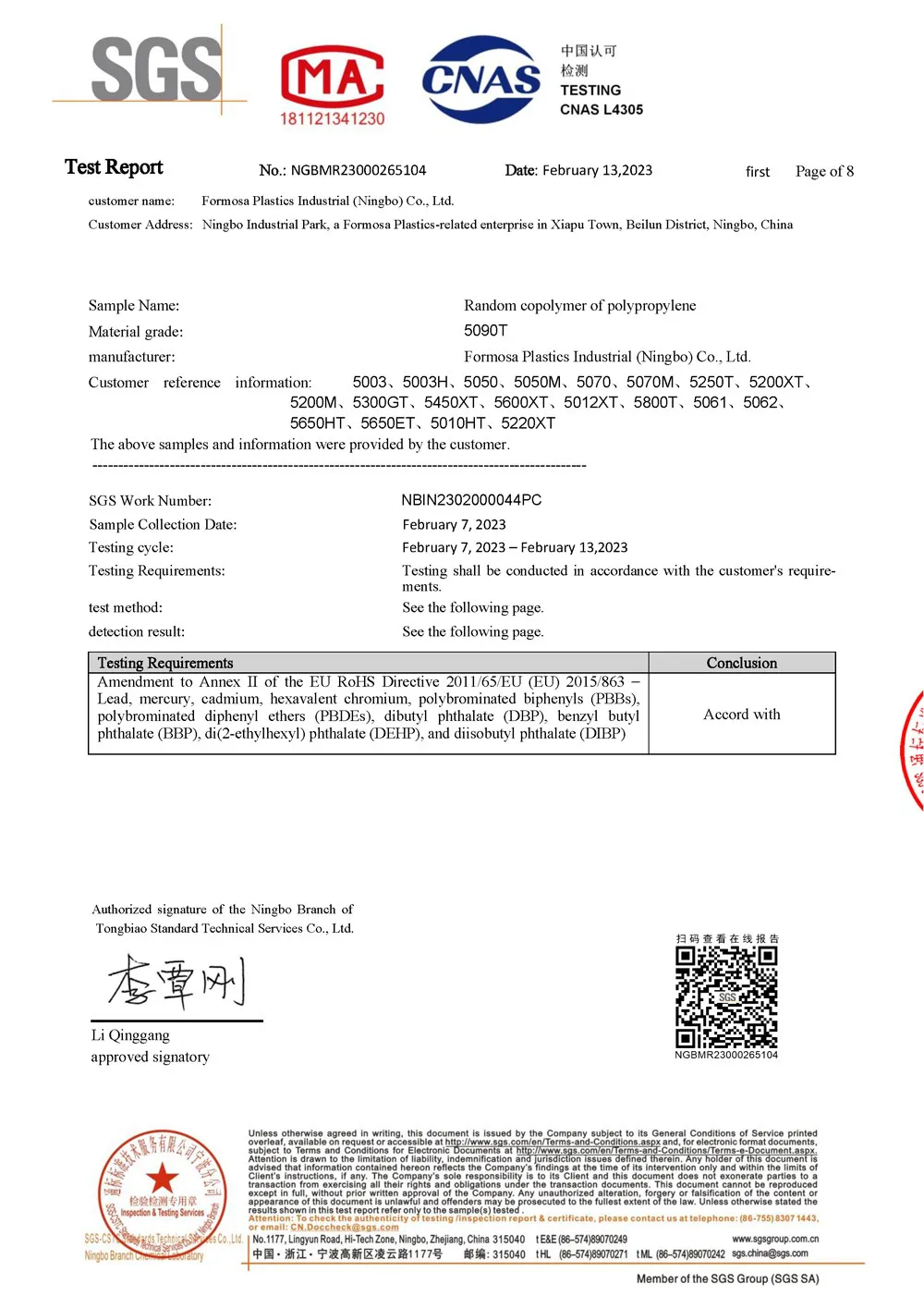
Biological samples are highly susceptible to contamination from enzymes like DNases and RNases, which can degrade nucleic acids. That's why reputable cryogenic tubes manufacturer now offer dnase/rnase-free cryo tubes , which are treated to remove these enzymes and ensure sample purity. If you're working with RNA or sensitive DNA samples, this certification is non-negotiable.
In general, conical and round bottom cryotubes are similarly priced, but costs can vary by brand, volume, and special features (like DNase/RNase-free treatment or sterile packaging). Buying in bulk can save money, but don't skimp on quality—cheaper tubes may have weak seals or inconsistent dimensions, leading to sample loss.
While we've focused on bottom shape, the material and build quality of cryotubes are equally important. Most cryotubes are made from polypropylene (PP), a thermoplastic that remains flexible at low temperatures, reducing the risk of cracking. PP is also chemical-resistant, making it compatible with common cryoprotectants like DMSO and glycerol.
Another key component is the cap. Look for screw caps with silicone gaskets (remember those leak-proof cryotubes with silicone gasket ?) instead of rubber, as silicone maintains flexibility better at ultra-low temps. Some caps also feature O-rings or threads designed to vent pressure during freezing, which prevents caps from popping off in the freezer.
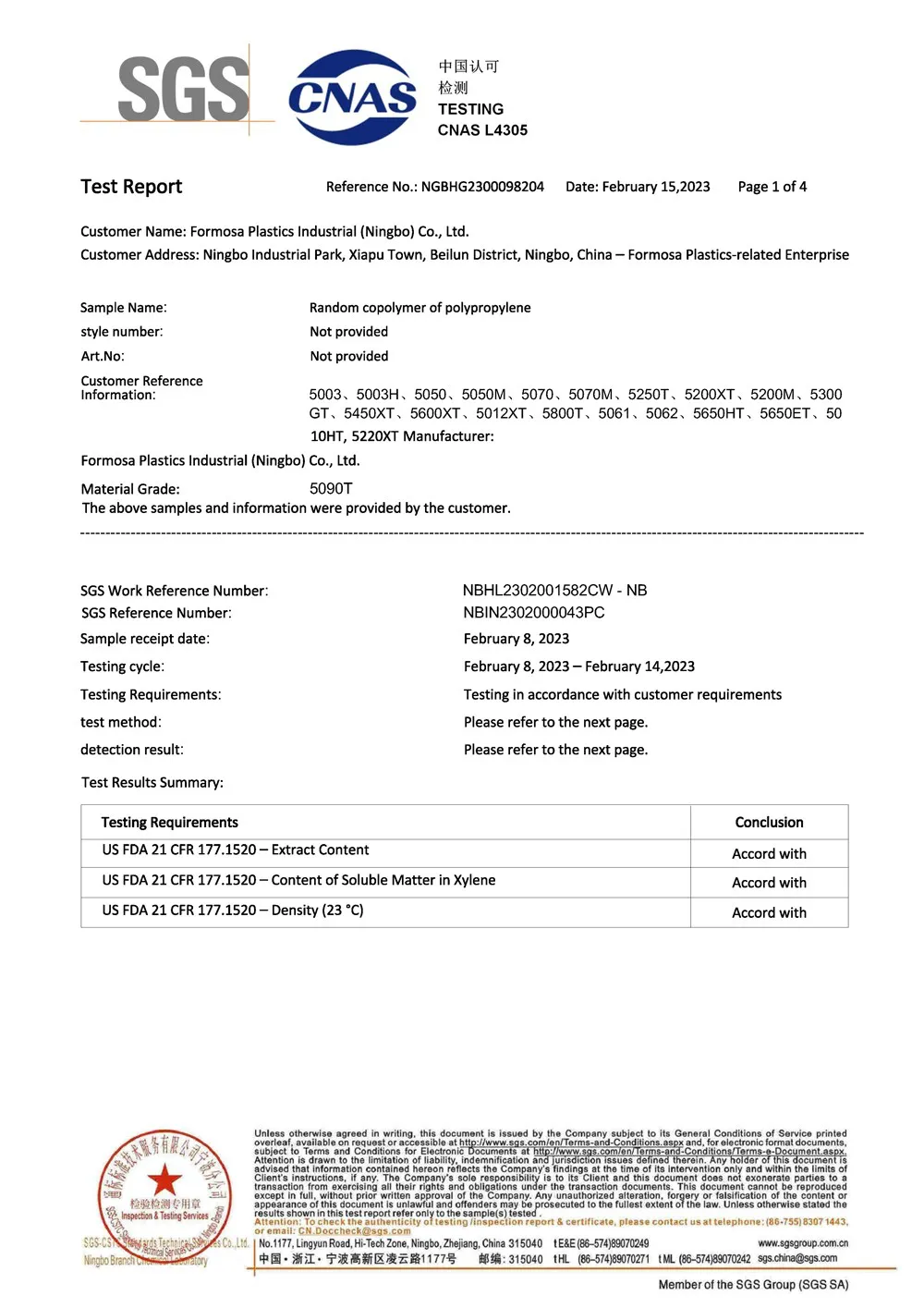
Sterility is another critical factor. Most cryotubes come pre-sterilized via gamma irradiation or ethylene oxide (EO) gas, which ensures they're free from bacteria, fungi, and other microbes. This is especially important for cell culture and clinical samples, where contamination can ruin experiments.
Let's put this into context with a few lab scenarios to see how the choice plays out:
A stem cell lab needs to freeze down 1ml aliquots of human embryonic stem cells (hESCs) after centrifugation. They pellet the cells, resuspend them in cryoprotectant, and freeze. Here, conical bottom tubes are ideal—they allow for easy pelleting, minimal cell loss during resuspension, and efficient retrieval when thawing. The lab would also opt for dnase/rnase-free cryo tubes to prevent nucleic acid degradation in the cells.
A gene therapy lab produces large volumes (5ml) of adeno-associated virus (AAV) vectors, which are stored as liquids in liquid nitrogen. They don't need to centrifuge the vectors before storage, so round bottom tubes are better—they're stable in racks, hold the 5ml volume easily, and allow for smooth pipetting when aliquoting the virus into smaller vials for experiments. They'd choose sterile cryo vials for liquid nitrogen with silicone gaskets to prevent leaks in the LN2 tank.
A biobank collects patient blood samples, which are processed into plasma and stored long-term. Plasma is a liquid, so round bottom tubes are preferred for stability. The biobank also needs to ensure samples are traceable, so they use tubes with barcode labels and opt for dnase/rnase-free cryo tubes to preserve any DNA or RNA in the plasma for future genomic studies.
As biotech research advances, so do the tools we use. Today's cryogenic tubes manufacturer are constantly innovating to meet the needs of modern labs. Here are a few trends worth noting:
At the end of the day, there's no "better" option between conical and round bottom cryotubes—only the right option for your specific needs. Conical tubes excel at centrifugation and small-volume pellet storage, while round bottom tubes prioritize stability, large volumes, and easy mixing. By considering your sample type, workflow, and storage conditions, you can make an informed choice that protects your samples and streamlines your lab processes.
And remember: The best cryotubes are only as good as their manufacturer. Look for reputable cryogenic tubes manufacturer that prioritize quality, certifications (like DNase/RNase-free), and innovation. After all, your research deserves the best protection—starting with the tube that holds it.