Email: info@mggpacking.com | Tel: +86-13510174848 ( Mr. Yao)


The Unsung Hero of Your Skincare Routine: How the Right Flip Cap Elevates Brand Experience
Think about the last time you reached for your favorite lotion or shampoo. Before you even feel the product inside, your fingers meet the cap. That split-second interaction—whether it's a smooth flip, a satisfying click, or a frustrating struggle—shapes how you feel about the brand. In the world of beauty and personal care, where details make or break loyalty, cosmetic packaging solutions like flip closures aren't just functional; they're silent brand ambassadors.
For brands looking to stand out on crowded shelves, partnering with a custom plastic bottle manufacturer that understands this emotional connection is non-negotiable. And when it comes to precision, customization, and reliability, Guangdong-based OEMs have built a reputation that spans the globe. Let's dive into why cosmetic flip closures matter, what makes a great one, and how the right manufacturing partner can turn a simple lid into a memorable brand asset.
You've used them a hundred times, but you might not know their official name: disc top caps and closures . These are the small, hinged caps found on everything from body wash bottles to hand sanitizers, designed to flip open with a gentle press and snap shut securely. Unlike screw caps that require twisting (and often fumbling with wet hands), disc top caps offer one-handed convenience—a feature that modern consumers, always on the go, have come to expect.
Off-the-shelf caps might work for generic products, but for brands aiming to build a distinct identity, customization is key. A private label plastic packaging partner doesn't just produce caps—they collaborate with you to create a closure that aligns with your brand story, target audience, and product needs. Here's how the magic happens:
Disc top caps come in standard sizes (think 24/410 or 28/410, where the first number is the diameter in mm and the second is the thread finish), but every bottle has unique dimensions. A reputable manufacturer will start by analyzing your bottle's neck size, thread pattern, and product viscosity to ensure a perfect fit. For example, a thick body butter might need a larger orifice than a lightweight toner, while a travel-sized bottle could benefit from a smaller, more compact cap.
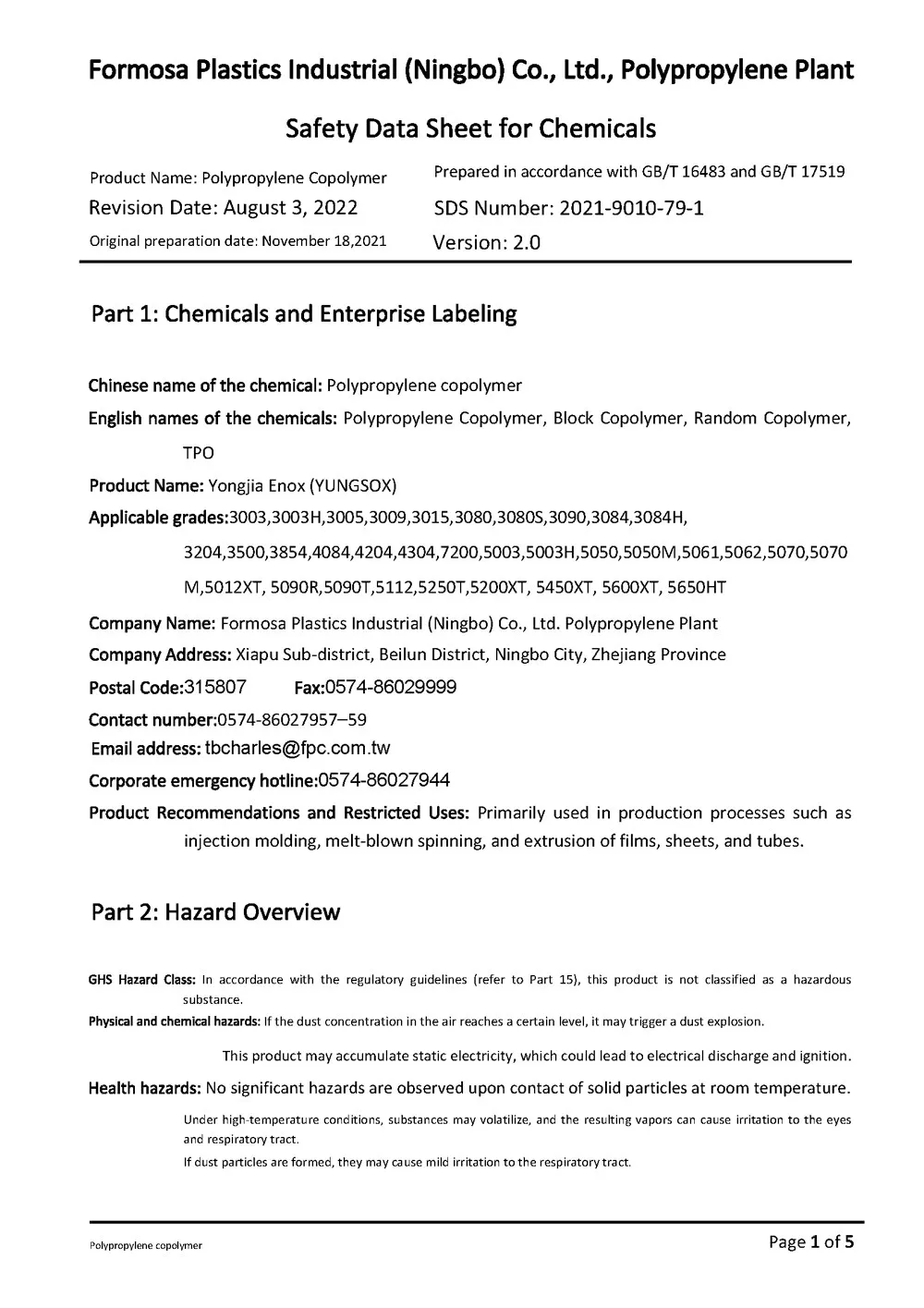
Most disc top caps are made from PP (polypropylene) or HDPE (high-density polyethylene) for their durability and chemical resistance, but the choice depends on your priorities:
This is where your brand personality shines. Imagine a luxury serum line with a matte gold cap embossed with a minimalist logo, or a teen-focused brand with a neon pink cap featuring a raised pattern that feels fun to touch. Customization options include:
One client, a natural skincare brand, wanted their caps to reflect their "earth-friendly" ethos. We added a subtle leaf pattern embossed around the edge and used a recycled HDPE blend—small touches that communicated their values without saying a word.
When brands search for a plastic packaging supplier China , Guangdong often rises to the top—and for good reason. This southern province is the heart of China's manufacturing hub, with decades of experience in precision engineering, advanced technology, and global supply chain management. Here's why partnering with a Guangdong-based OEM makes sense:
Guangdong is home to thousands of packaging manufacturers, but more importantly, it's a ecosystem of specialized suppliers: mold makers, material suppliers, printing shops, and quality testers all within proximity. This means faster turnaround times, lower production costs, and easier coordination—no waiting weeks for a mold from another province or struggling with communication gaps.
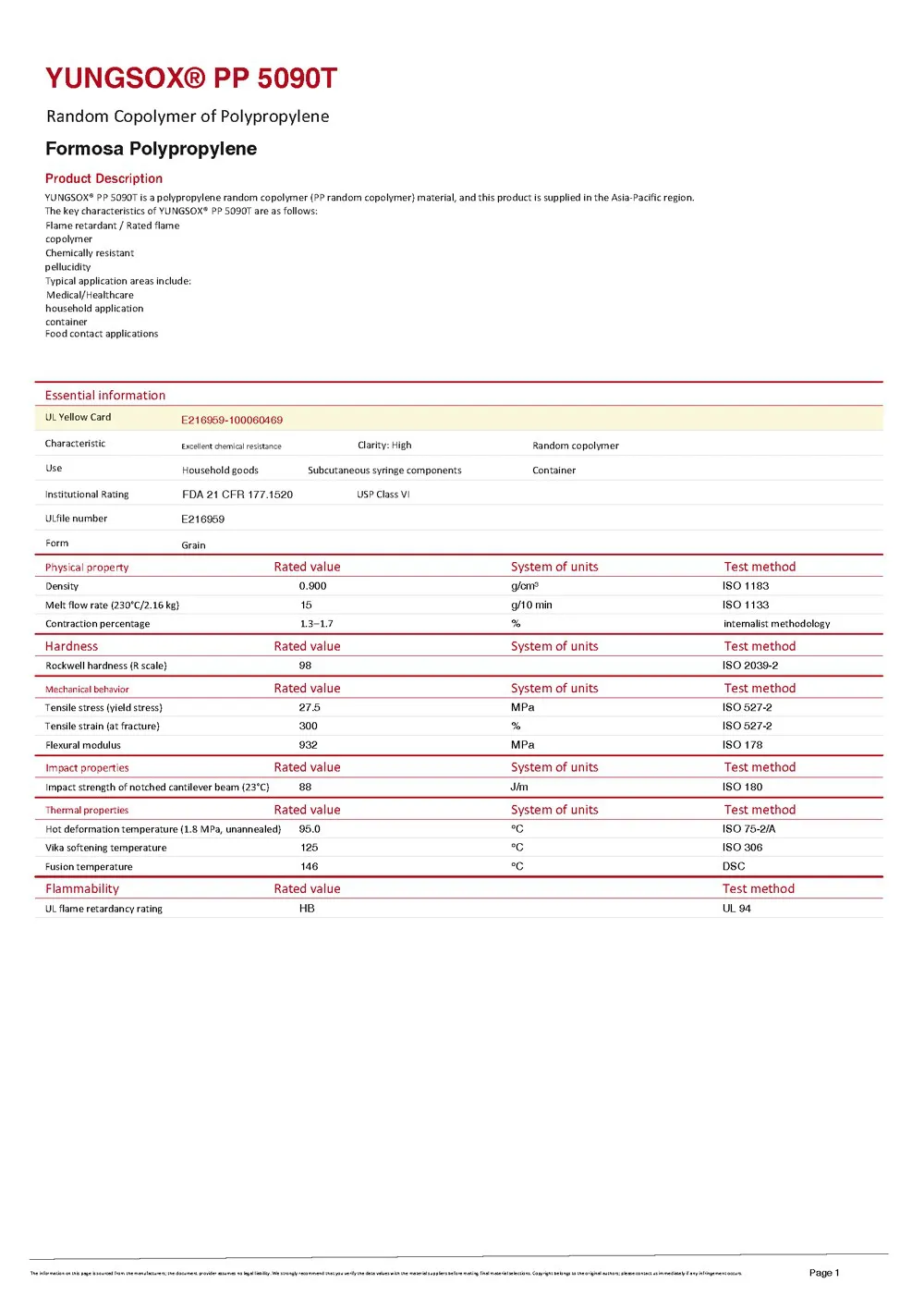
Leading manufacturers in Guangdong invest heavily in technology to meet global standards. Think automated production lines that ensure consistency, 3D design software for precision mold-making, and testing labs that simulate real-world conditions (like drop tests, temperature cycling, and leak resistance). For example, an iso9001 certified packaging factory in Guangdong doesn't just talk about quality—they have strict processes in place to monitor every step, from raw material inspection to final packaging.
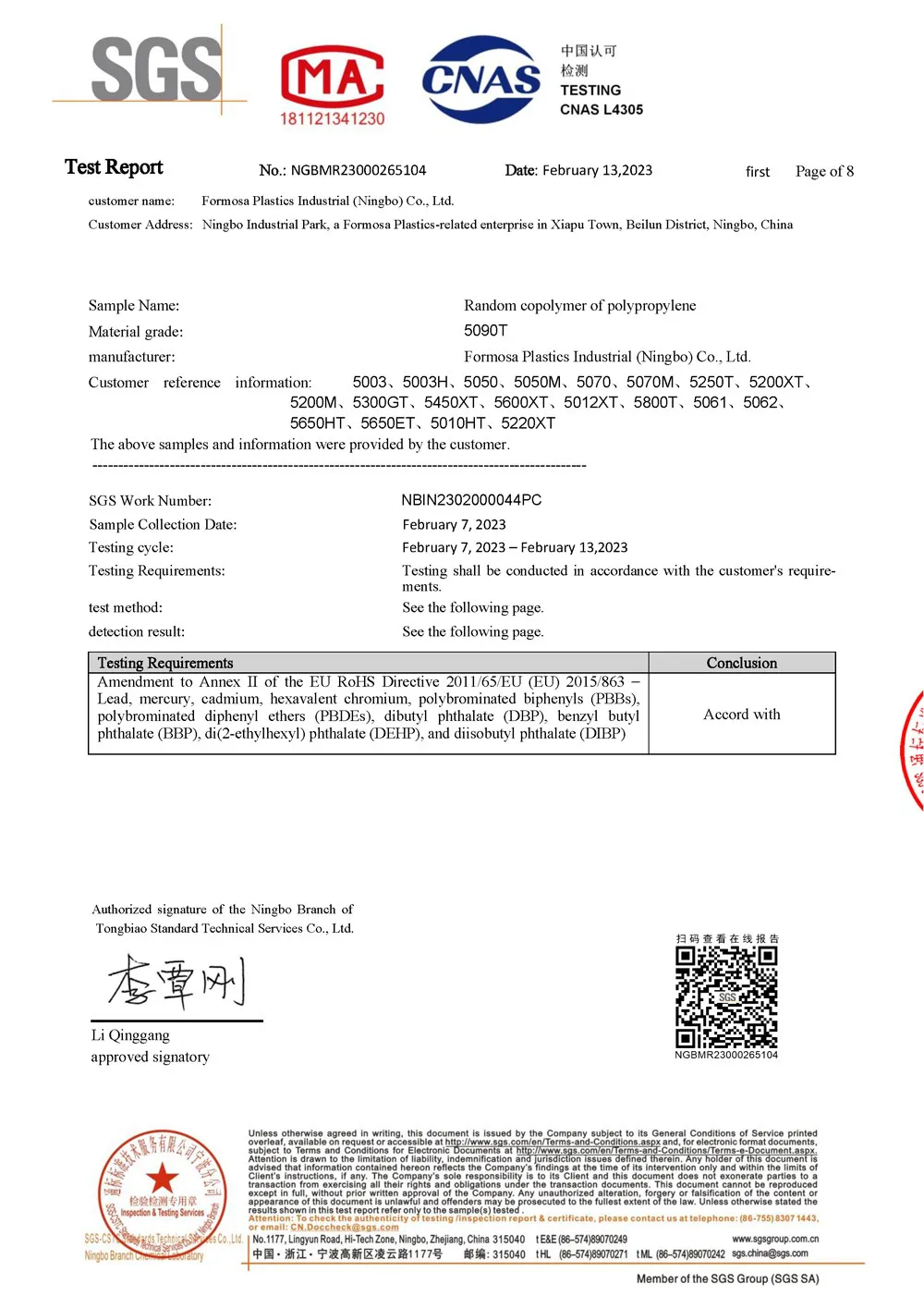
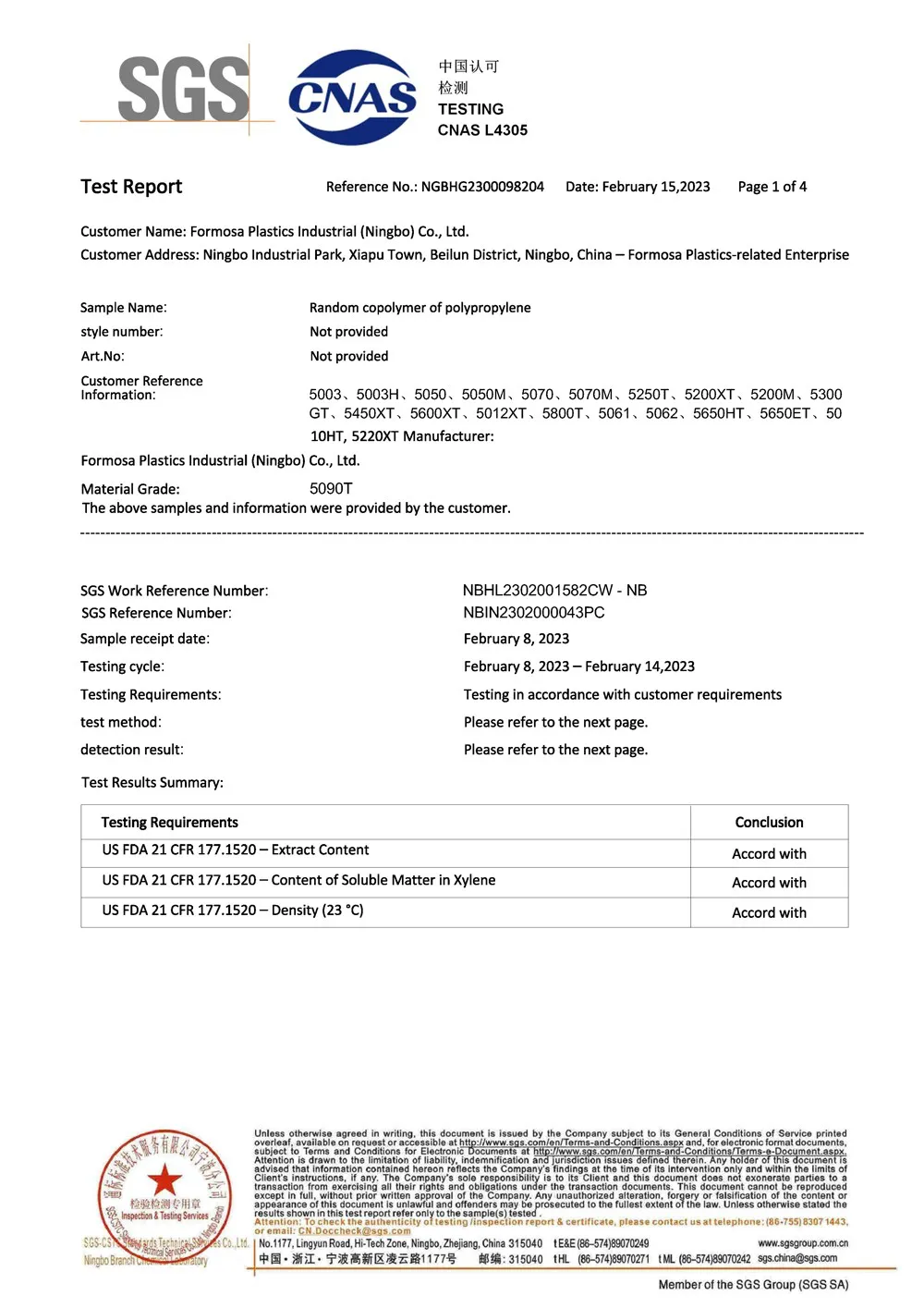
Guangdong OEMs have been exporting to Europe, North America, and beyond for years. They understand the regulatory hoops (like FDA compliance for cosmetics, REACH for the EU) and can guide you through certifications, labeling requirements, and shipping logistics. This is a game-changer for brands new to international markets—no more guessing if your cap meets safety standards in France or Canada.
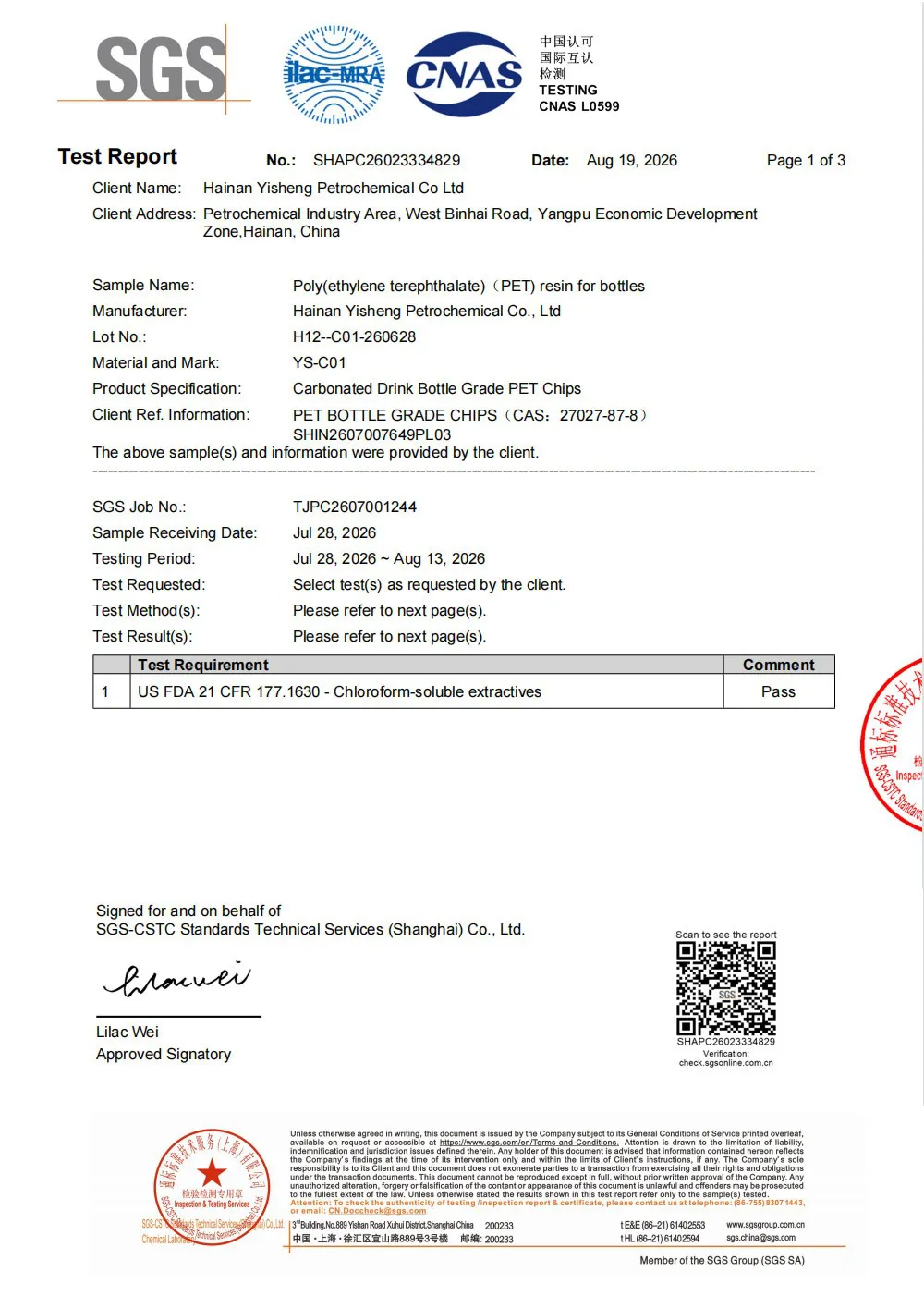
In the beauty industry, trust is everything. Consumers need to know that the packaging touching their skin is safe, clean, and free from harmful chemicals. That's why certifications like ISO 9001 and GMP aren't just badges—they're proof of a manufacturer's commitment to excellence.
An iso9001 certified packaging factory follows a set of standardized processes to ensure consistent quality, continuous improvement, and customer satisfaction. From documenting mold designs to training staff on best practices, every step is audited to meet international standards. For brands, this means fewer defects, reliable lead times, and the confidence that your caps will perform the same way, batch after batch.
While GMP (Good Manufacturing Practices) is often associated with pharmaceutical packaging, it's equally important for cosmetics—especially products that come into contact with sensitive skin. A GMP-compliant workshop maintains strict cleanliness protocols, including dust-free production areas, regular equipment sanitization, and staff hygiene standards. This minimizes the risk of contamination, ensuring your products stay pure from factory to customer.
| Certification | What It Ensures | Why It Matters for Your Brand |
|---|---|---|
| ISO 9001 | Consistent quality, process control, customer focus | Reduces defects, builds trust with retailers and consumers |
| GMP | Clean production environment, contamination prevention | Critical for sensitive products (e.g., serums, baby care) |
| FDA Compliance | Materials safe for cosmetic and personal care use | Required for selling in the U.S. market |
| REACH Compliance | Free from restricted chemicals (EU standard) | Ensures access to European markets |
Working with an OEM manufacturer might sound complex, but the best partners simplify the process, guiding you from concept to completion. Here's a typical workflow:
It starts with a conversation. You share your brand goals, product details (like viscosity and volume), target market, and design ideas. The manufacturer's team asks questions: Do you need a leak-proof seal for travel? Is sustainability a priority? Who is your ideal customer (busy professionals, eco-conscious millennials, luxury shoppers)? This info helps them draft initial concepts.
Using 3D modeling software, the engineering team designs a custom mold tailored to your specifications. Many manufacturers offer free mold testing to ensure the design works before full production. You'll receive a physical prototype to test—flip it, press it, fill it with your product to see if the dispensing is just right. This is your chance to tweak details, from the orifice size to the cap color.
Once the prototype is approved, production begins. Modern factories use automated injection molding machines to create caps with precision and speed. Throughout the process, quality control teams inspect samples for defects (like cracks, uneven coloring, or poor fit). Random testing—like dropping capped bottles from waist height or subjecting them to temperature extremes—ensures durability.
After production, caps are carefully packaged (often in moisture-proof bags to prevent damage) and shipped. But the relationship doesn't end there. A good manufacturer offers post-delivery support, addressing any issues and helping with future reorders or design updates.
Still not convinced that a cap can make a difference? Let's look at two examples of brands that elevated their experience with custom flip closures:
A small, women-owned skincare line specializing in sensitive-skin products struggled to stand out against big-name competitors. Their formulas were praised, but customers often mentioned the "cheap-feeling cap" as a downside. They partnered with a Guangdong OEM to create a custom 24/410 cap with a soft-touch matte finish, a tiny embossed flower logo, and a larger orifice for easier dispensing of their thick moisturizer. Within six months, reviews highlighted the "luxury feel" of the packaging, and sales increased by 30%.
A household-name shampoo brand wanted to reduce its environmental footprint without raising prices. They worked with a manufacturer to switch from virgin plastic to 50% PCR HDPE for their disc top caps. The cap design remained similar, but they added a small "recycled" icon and a lighter green color to signal the change. Consumer response was overwhelmingly positive, with many citing the eco-friendly packaging as a reason to repurchase.
Not all OEM manufacturers are created equal. To find the right fit, ask these questions:
In the end, cosmetic flip closures are more than just lids. They're the first handshake between your brand and your customer—a moment of connection that can turn a casual buyer into a loyal fan. By partnering with a custom plastic bottle manufacturer that values quality, customization, and sustainability, you're not just investing in packaging—you're investing in the future of your brand.
So the next time you design a product, don't overlook the cap. It might be small, but its impact is anything but.