Email: info@mggpacking.com | Tel: +86-13510174848 ( Mr. Yao)


Imagine picking up a bottle of your favorite lotion or hand soap. What's the first thing you do? Twist, press, or flip the cap—and in that split second, the cap's design, feel, and functionality shape your entire experience with the product. For brands, that moment is make-or-break. It's why choosing the right closure isn't just about practicality; it's about creating a connection with your customers. Among the most versatile and beloved closures in the industry, 24/410 plastic disc caps stand out for their user-friendly design, leak-proof reliability, and adaptability across cosmetics, personal care, and household products. But bringing a custom 24/410 disc cap from a vague idea to a shelf-ready product? That's a journey—one that demands expertise, precision, and a partner who understands your brand's unique needs. Let's walk through that journey, from the initial sketch to the moment your caps arrive at your warehouse, ready to elevate your products.
Before diving into the process, let's start with the basics: What exactly is a 24/410 disc top cap, and why do so many brands swear by it? The "24/410" designation refers to the cap's dimensions: 24mm in diameter (the first number) and a 410 thread finish (the second number), a standard measurement that ensures compatibility with most plastic bottles in the 100ml to 500ml range. Think of it as the universal language of bottle closures—this sizing means your 24/410 cap will fit seamlessly with bottles from various manufacturers, giving you flexibility in your packaging lineup.
But the real magic of 24/410 disc caps lies in their design. Unlike screw caps that require twisting, disc top caps feature a small, spring-loaded disc that flips open with a gentle press of the finger. This "one-handed" operation makes them ideal for on-the-go products—think travel-sized shampoos, hand sanitizers, or roll-on deodorants—where convenience is key. They're also inherently leak-proof when closed, thanks to their tight seal, which is why brands trust them for liquids, gels, and creams alike. From luxury serums to budget-friendly hand soaps, 24/410 disc caps balance functionality with a clean, modern look that complements any brand aesthetic.
| Feature | Specification | Benefit for Brands |
|---|---|---|
| Size | 24mm diameter, 410 thread finish | Universal compatibility with standard bottles; easy to source matching containers |
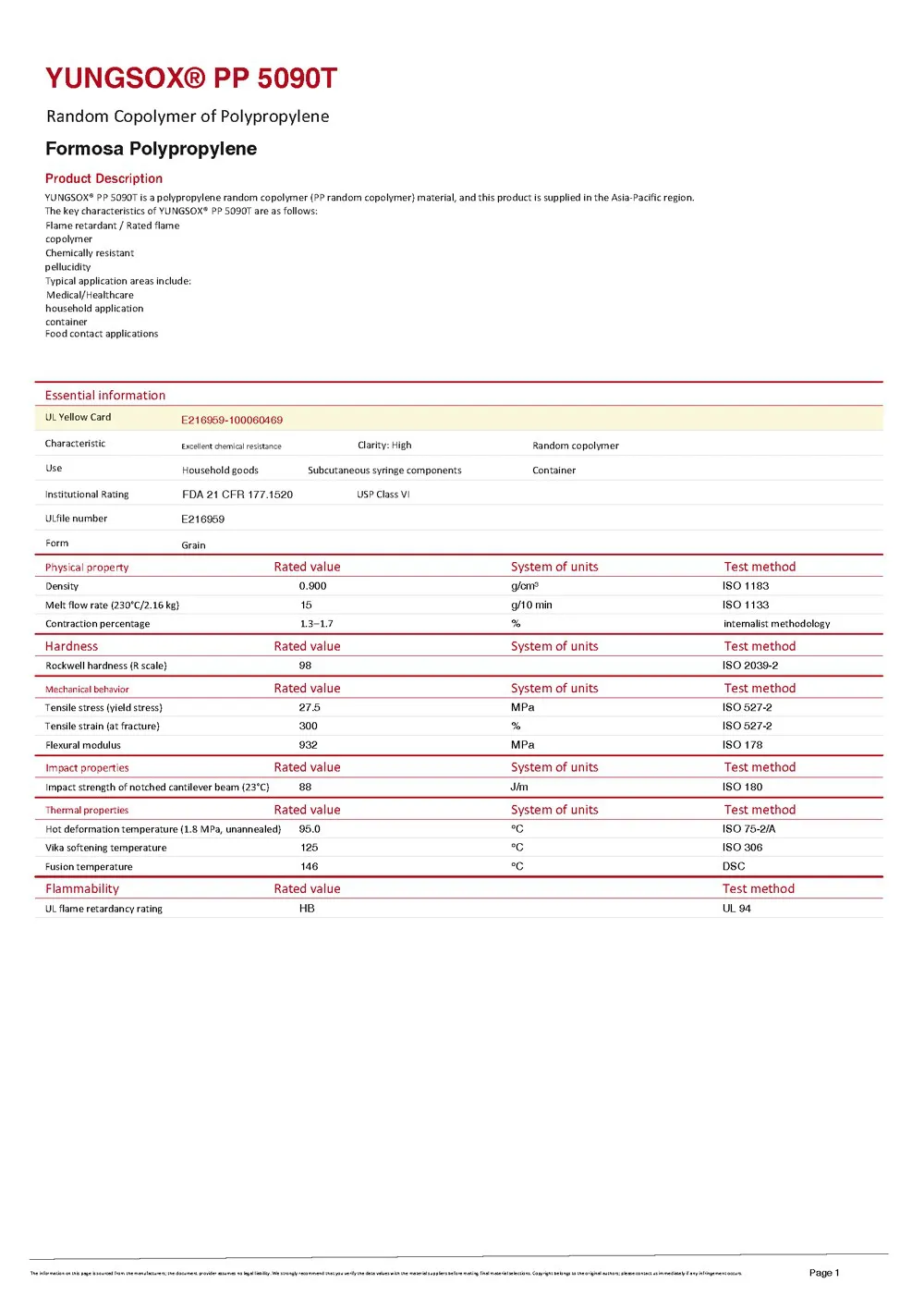
| Material | PP (Polypropylene) or HDPE (High-Density Polyethylene) | Lightweight, durable, and cost-effective; PP offers flexibility, HDPE chemical resistance |
| Closure Mechanism | Flip-open disc with spring hinge | One-handed operation; user-friendly for all demographics, including children and seniors |
| Sealing Liner | Aluminum foil or foam liner (optional) | Enhanced leak protection; preserves product freshness (critical for cosmetics and pharmaceuticals) |
| Customization Options | Color matching (Pantone), embossing, debossing, matte/gloss finish | Aligns with brand identity; creates a premium, on-brand unboxing experience |
Creating a custom 24/410 disc cap isn't a "one-size-fits-all" process. It's a collaborative journey that starts with your brand's vision and ends with a closure that feels like a natural extension of your product. Here's how that journey unfolds, step by step:
Every great cap starts with a conversation. When you first reach out to a manufacturer, the goal is to align on the "why" behind your custom cap. Are you launching a new organic skincare line that needs eco-friendly packaging? Do you need a child-resistant disc cap for a pharmaceutical product? Or are you rebranding and want a cap that matches your new Pantone color scheme? These details matter.
During this phase, a good manufacturer will ask questions like: What product will the cap seal (lotion? shampoo? hand sanitizer)? What's the target demographic (busy parents? luxury consumers?)? Are there sustainability goals (PCR plastic? recyclable materials?)? Even seemingly small details—like whether the cap will be used in wet environments (showers) or dry (bathroom counters)—influence the design. For example, a matte finish might look sleek, but a glossy finish might be easier to clean in humid conditions. This consultation ensures the final cap isn't just functional, but also aligns with your brand's values and user experience goals.
Once the concept is clear, it's time to turn ideas into a tangible design—and that starts with custom mold design for plastic bottles (and caps, in this case). Molds are the backbone of plastic manufacturing; they determine the cap's shape, size, and functionality. For 24/410 disc caps, the mold design must account for precision: the disc's hinge must be flexible enough to flip open easily but sturdy enough to withstand repeated use, the thread finish must match the 410 standard exactly to avoid leaks, and the liner groove must hold the sealing material (like aluminum foil) securely.
Modern manufacturers use 3D modeling software to create digital prototypes, allowing you to visualize the cap before any physical tooling is made. This is where customization truly shines: Want your brand logo embossed on the disc? A unique color blend that matches your packaging? The mold can be adjusted to include these details. For example, if you're a clean beauty brand, you might opt for a mold that uses 30% PCR (post-consumer recycled) plastic, reducing your carbon footprint without compromising durability. The mold design phase is also where potential issues are caught early—like a hinge that might snap after 100 uses or a thread that's too loose to seal properly—saving time and money down the line.
With the mold design finalized, it's time to create physical prototypes. Most manufacturers use 3D printing or CNC machining to produce small-batch samples, which are then sent to you for review. This is your chance to "test-drive" the cap: Does it fit your bottle perfectly? Is the disc easy to flip open? Does the color match your brand's Pantone swatch? Even the weight of the cap matters—too heavy, and it might make your bottle feel unbalanced; too light, and it could feel cheap.
Prototyping also involves functional testing. A good manufacturer will simulate real-world conditions: dropping the capped bottle from waist height to test for leaks, exposing it to extreme temperatures (from freezing cold to 40°C heat) to check material stability, and even simulating 1,000 flips of the disc to ensure the hinge doesn't wear out. For pharmaceutical or cosmetic brands, this phase might include compatibility testing with your product formula—ensuring the cap's plastic doesn't react with ingredients like essential oils or alcohol. It's common to go through 2-3 prototype iterations before finalizing the design; after all, getting it right here prevents costly mistakes during mass production.
Once the prototype is approved, production begins—and this is where choosing an ISO9001 certified packaging factory makes all the difference. ISO 9001 certification ensures the manufacturer follows strict quality management standards, from material sourcing to production line protocols. For 24/410 disc caps, production typically happens in an injection molding machine, where molten plastic (PP or HDPE) is injected into the custom mold under high pressure. The molds are cooled, and the caps are ejected, ready for finishing touches like color coating or liner application.
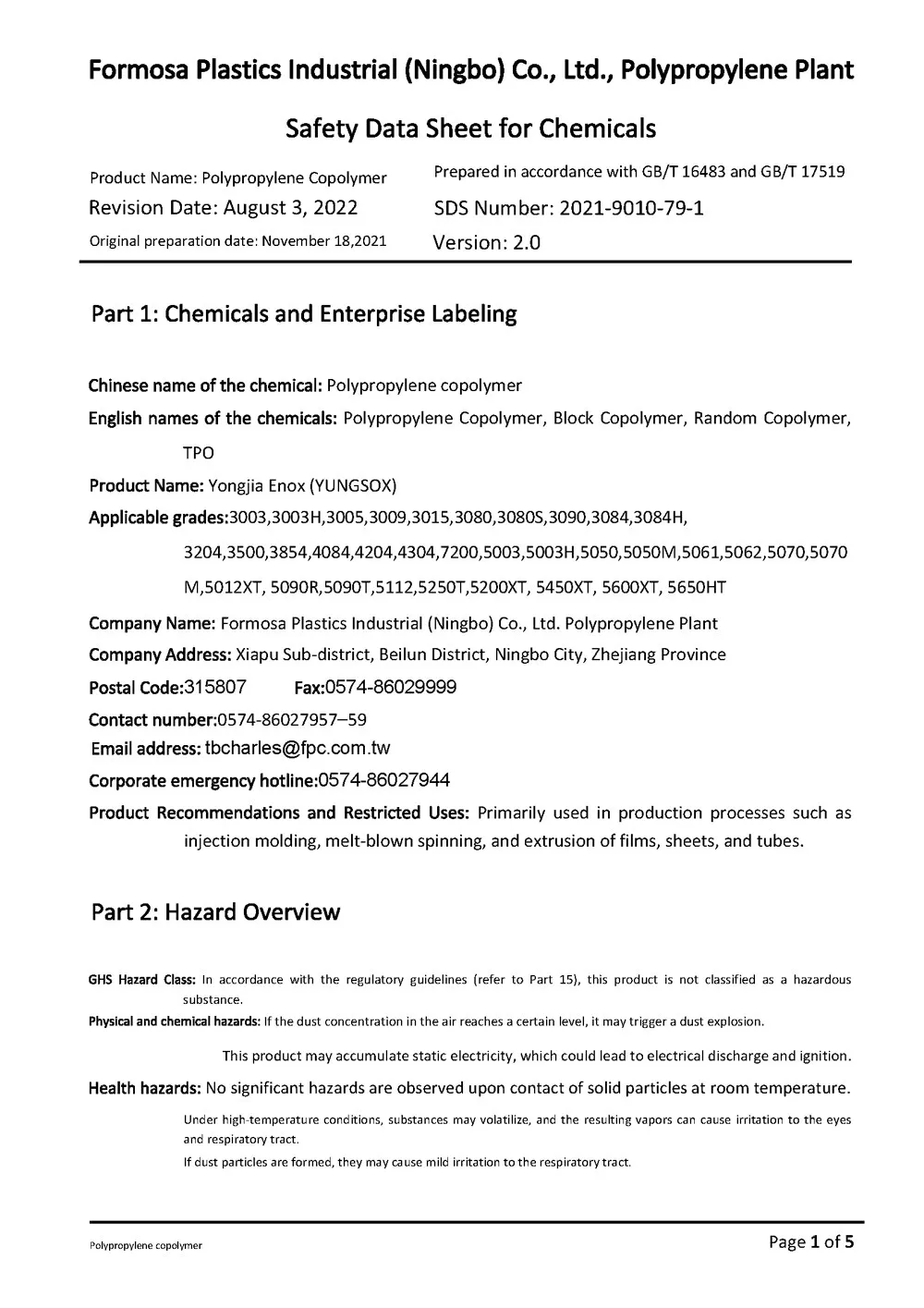
If your product requires pharmaceutical-grade standards (e.g., hand sanitizers or medical gels), production might take place in a dust-free GMP compliant workshop . GMP (Good Manufacturing Practice) standards ensure the environment is sterile, with controlled temperature, humidity, and air filtration to prevent contamination. Even for non-pharma products, a clean workshop reduces defects—like dust particles stuck in the plastic—ensuring every cap looks and functions like new.
Sustainability also plays a role here. Many factories now use energy-efficient injection molding machines and recycle excess plastic from production, minimizing waste. If your brand prioritizes eco-friendly packaging, ask about sustainable plastic packaging solutions like PCR content, biodegradable additives, or caps designed for easy recycling (e.g., mono-material construction, no mixed plastics).
Production isn't done until every cap passes rigorous quality checks. In an ISO9001 factory, quality control starts with raw materials: plastic pellets are tested for purity and melt flow rate (to ensure consistent molding). During production, operators inspect caps at regular intervals—checking for defects like warped threads, cracked hinges, or misaligned liners. Random samples are pulled from each batch and tested for leak resistance, durability, and color consistency using spectrophotometers (for color matching) and torque testers (to ensure the cap screws on with the right amount of force).
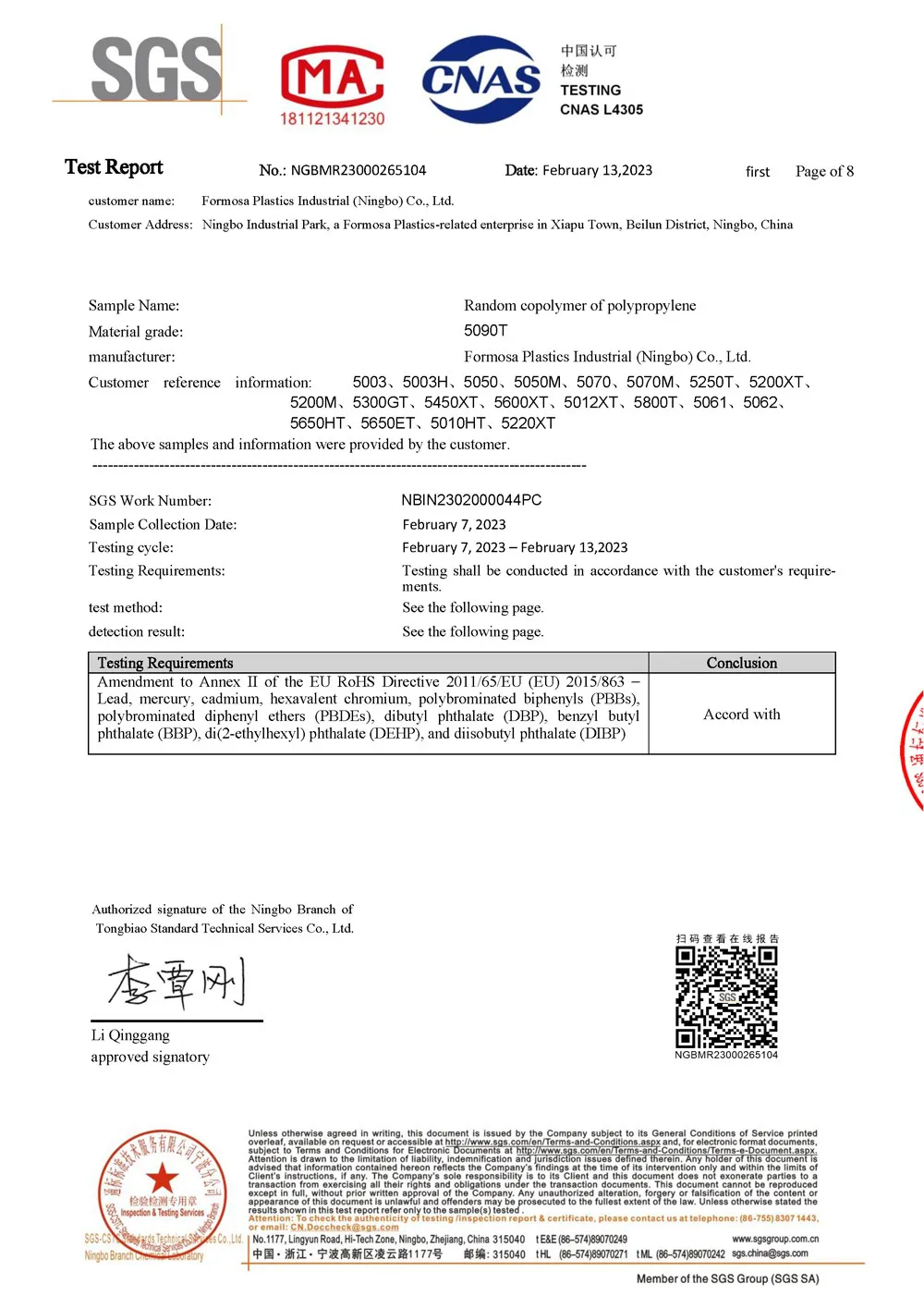
For brands with strict compliance needs (like pharmaceutical companies), additional testing might include microbial analysis (to ensure sterility) or chemical leach testing (to confirm the cap doesn't release harmful substances into the product). The result? A batch of caps where every unit meets the same high standards—no surprises, no defects, just consistency you can trust.
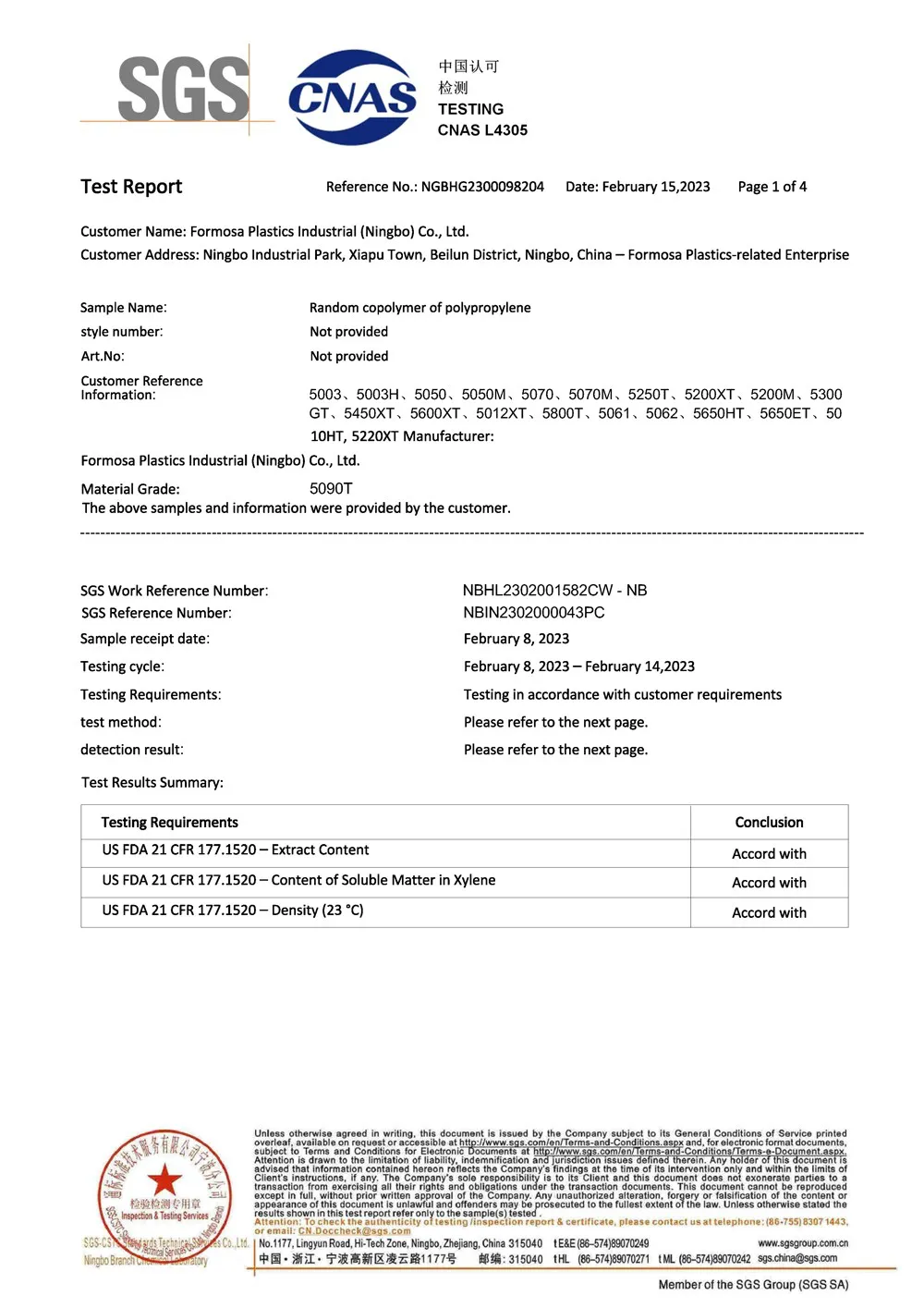
The final step is getting your caps from the factory to your doorstep. Reputable manufacturers offer flexible shipping options, whether you need air freight for a last-minute product launch or sea freight for cost-effective bulk orders. They'll also handle packaging: caps are typically bagged in food-grade polyethylene to prevent dust, then boxed in sturdy cartons with pallets for easy handling. For international shipments, they'll help with customs documentation, ensuring compliance with import regulations (e.g., FDA requirements for cosmetic packaging in the U.S. or REACH standards in the EU).
Many factories also offer "factory direct" shipping, cutting out middlemen and reducing costs. This direct line of communication means you can track your order in real time—no more guessing when your caps will arrive. And if there's a delay (weather, customs, etc.), a good partner will keep you informed every step of the way, so you can adjust your production timeline accordingly.
The Process: The manufacturer started with a consultation to understand the brand's values: sustainability, luxury, and functionality. For the mold design, they used 3D modeling to test the PCR plastic blend, ensuring it was strong enough for the hinge. The sage green color was matched to the brand's Pantone swatch using color-mixing software, and the leaf logo was added to the mold as an embossed detail. Prototypes were tested for leak resistance by storing capped bottles upside down for 72 hours—no seepage occurred. Production took place in an ISO9001 factory using energy-efficient machinery, and the final caps were shipped in recyclable cardboard boxes to align with the brand's eco goals.
The Result: The brand's new cap reduced their carbon footprint by 30% (thanks to PCR plastic) and became a customer favorite for its "premium feel" and easy flip-open design. Within six months, they reported a 15% increase in repeat purchases, with customers citing the "stylish, functional cap" as a key reason for loving the product.
At the end of the day, your 24/410 disc cap is more than just a closure—it's a reflection of your brand. It's the first thing customers touch, the last thing they see before using your product, and a silent ambassador for your values (sustainability, quality, innovation). That's why choosing a manufacturer with expertise in custom design, strict quality control, and a commitment to partnership is so critical.
Look for a partner who doesn't just "make caps" but takes the time to understand your brand. They should offer end-to-end support, from the initial consultation to shipping, and be transparent about timelines, costs, and potential challenges. Certifications like ISO9001 and GMP compliance are non-negotiable for ensuring consistency, while a focus on sustainable solutions (PCR plastic, energy-efficient production) shows they're invested in your long-term success.
So whether you're launching a new product or refreshing your packaging, remember: the journey from concept to ship is as important as the cap itself. With the right partner, that journey can be smooth, collaborative, and rewarding—resulting in a closure that doesn't just seal your bottle, but seals the deal with your customers.