Email: info@mggpacking.com | Tel: +86-13510174848 ( Mr. Yao)


In the fast-paced world of cosmetics, first impressions matter more than ever. Your product's packaging is the silent salesperson that stands on shelf, competing for attention in a sea of options. For lipstick brands—whether you're a startup launching your first line or an established name refreshing your collection—the right case can turn a casual glance into a purchase. But here's the challenge: high-end aluminum lipstick cases often come with a steep price tag, while basic plastic feels cheap and unmemorable. That's where aluminum-look plastic lipstick cases step in, offering the best of both worlds: the premium aesthetic of metal with the affordability and flexibility of plastic. And when it comes to bringing these cases to life quickly and reliably, partnering with the right custom plastic packaging supplier makes all the difference.
Let's start with the obvious: aluminum has long been the gold standard for luxury lipstick packaging. Its weight, metallic sheen, and premium feel signal quality to consumers. But for many brands—especially small to mid-sized businesses or those testing new markets—aluminum's production costs, minimum order quantities, and longer lead times can be prohibitive. That's where aluminum-look plastic changes the game.
The Sweet Spot of Aesthetics and Affordability: Modern plastic manufacturing techniques have evolved to mimic aluminum's most desirable traits. Through advanced surface treatments like vacuum metallization, UV coating, and precision molding, plastic cases can achieve that same sleek, metallic finish—without the heft (or cost) of real aluminum. Imagine holding a lipstick case that shimmers like brushed aluminum, feels smooth in the hand, and bears your brand's logo in crisp (embossed) detail—all at a fraction of the price of metal.
But it's not just about cost. Aluminum-look plastic offers practical advantages too. It's lighter, making shipping cheaper and easier. It's more durable, resisting dents and scratches that would mar aluminum. And perhaps most importantly, it's infinitely customizable. Want a rose gold finish with a matte texture? A glossy silver case with your logo laser-etched? Plastic can handle it all, with fewer design limitations than metal.
Creating custom aluminum-look plastic lipstick cases isn't just about slapping a metallic coat on a generic tube. It's a collaborative process that turns your brand's vision into a tangible product—quickly. Here's how the journey typically unfolds when working with an experienced custom plastic bottle manufacturer specializing in cosmetic packaging solutions:
It all starts with a conversation. You bring your brand story, target audience, and design inspiration—maybe a mood board with color palettes, texture references, or even sketches of the case shape. The manufacturer's design team then translates these ideas into technical details: Will the case be a standard 3.5g size, or do you need a jumbo 4.5g tube for a bold lipstick formula? What diameter works best for your brand's ergonomics—12mm for a slim, elegant feel, or 16mm for a more substantial grip? And of course, the finish: Do you want a high-shine chrome effect, a brushed metal look, or a muted metallic matte?
This phase is all about alignment. A good manufacturer won't just nod along—they'll ask questions to refine the design, suggesting tweaks that balance aesthetics with functionality. For example, if you want a twist-up mechanism, they'll ensure the plastic used is rigid enough to prevent jamming, while still maintaining that aluminum-like feel.
Once the design is locked in, it's time to create the mold—the tool that shapes your lipstick cases. This is where expertise in custom mold design for plastic bottles (and yes, lipstick cases!) becomes critical. Unlike off-the-shelf molds, custom molds are tailored to your exact specifications, ensuring every curve, edge, and detail is replicated perfectly across thousands of units.
The best manufacturers offer 3D (3D drawing customization) to let you visualize the mold before production starts. Even better, they provide free mold testing—creating a prototype mold to produce a small batch of test cases. This step is a game-changer: it lets you hold the case in your hand, test the twist mechanism, check the finish, and make adjustments before investing in the final mold. No more guessing if the design will work—you get to validate it first.
With the mold tested and approved, the next step is prototyping. Using the final mold, the manufacturer produces a small run of sample cases—usually 50-100 units. This is your chance to put the case through its paces: Does the lid snap shut securely? Does the metallic finish hold up to light scratches? Does the embossed logo pop as vividly as you imagined? It's also the time to test compatibility with your lipstick formula—ensuring the plastic doesn't react with ingredients or cause leaking.
Many brands overlook this step, eager to rush to production, but prototypes save time (and money) in the long run. Catching a design flaw here—like a lid that's too loose or a finish that looks dull in certain lighting—avoids costly rework later.
Once prototypes get your stamp of approval, it's time to scale up. Here's where choosing an ISO9001 certified packaging factory matters. These facilities operate under strict quality management systems, ensuring consistency across every case. Production happens in dust-free workshops (yes, even for cosmetics!), where temperature and humidity are controlled to prevent defects like warping or finish irregularities.
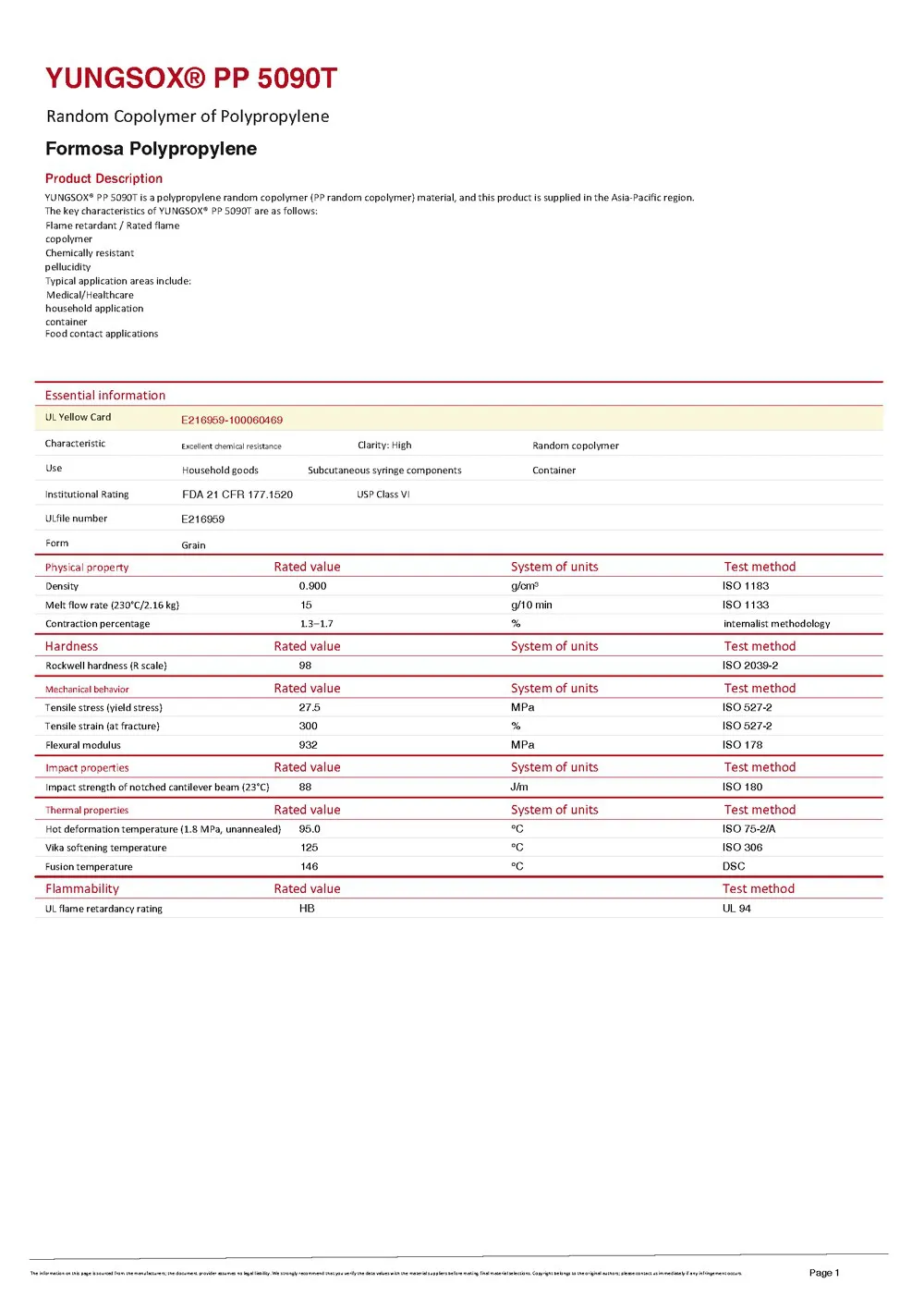
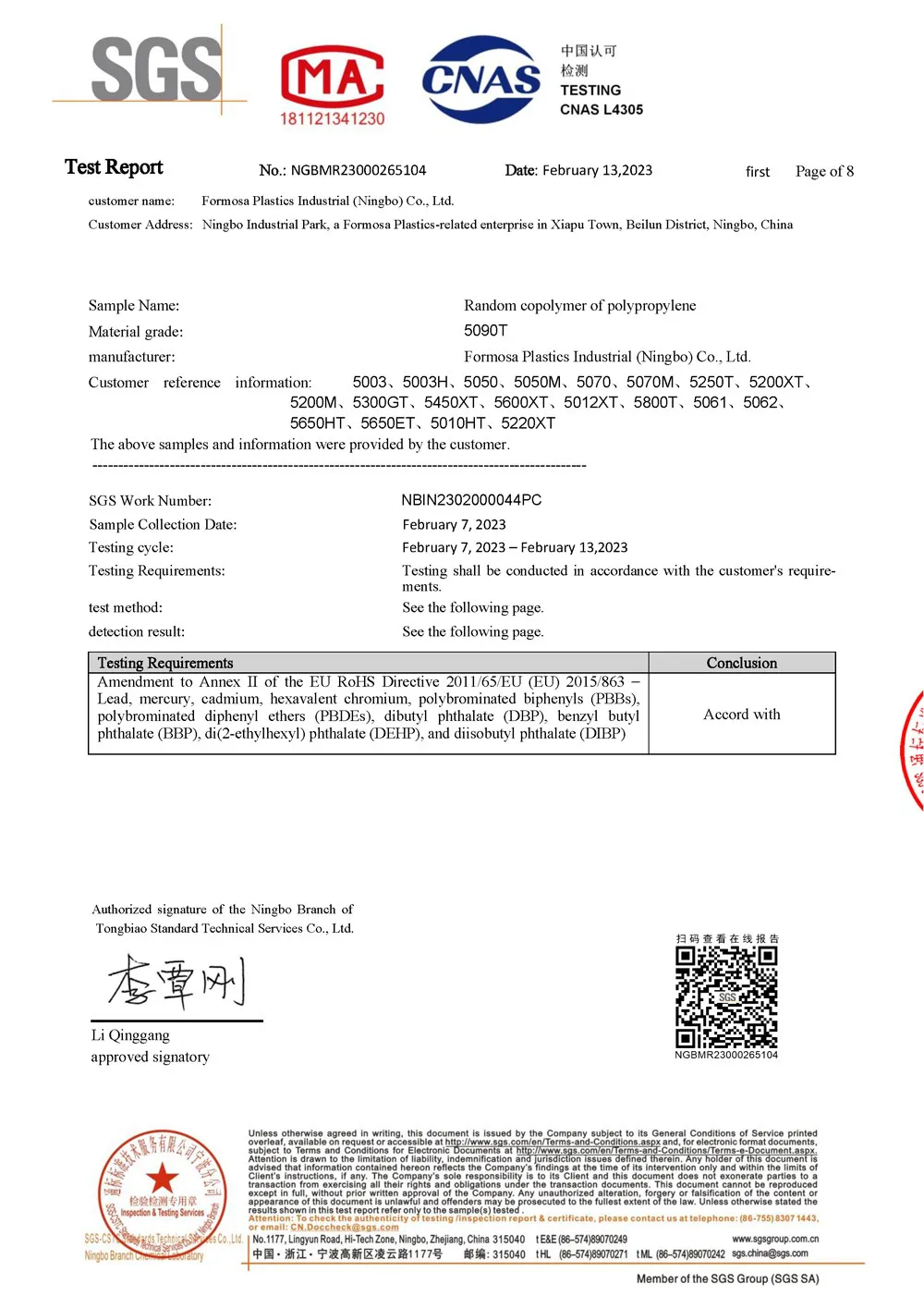
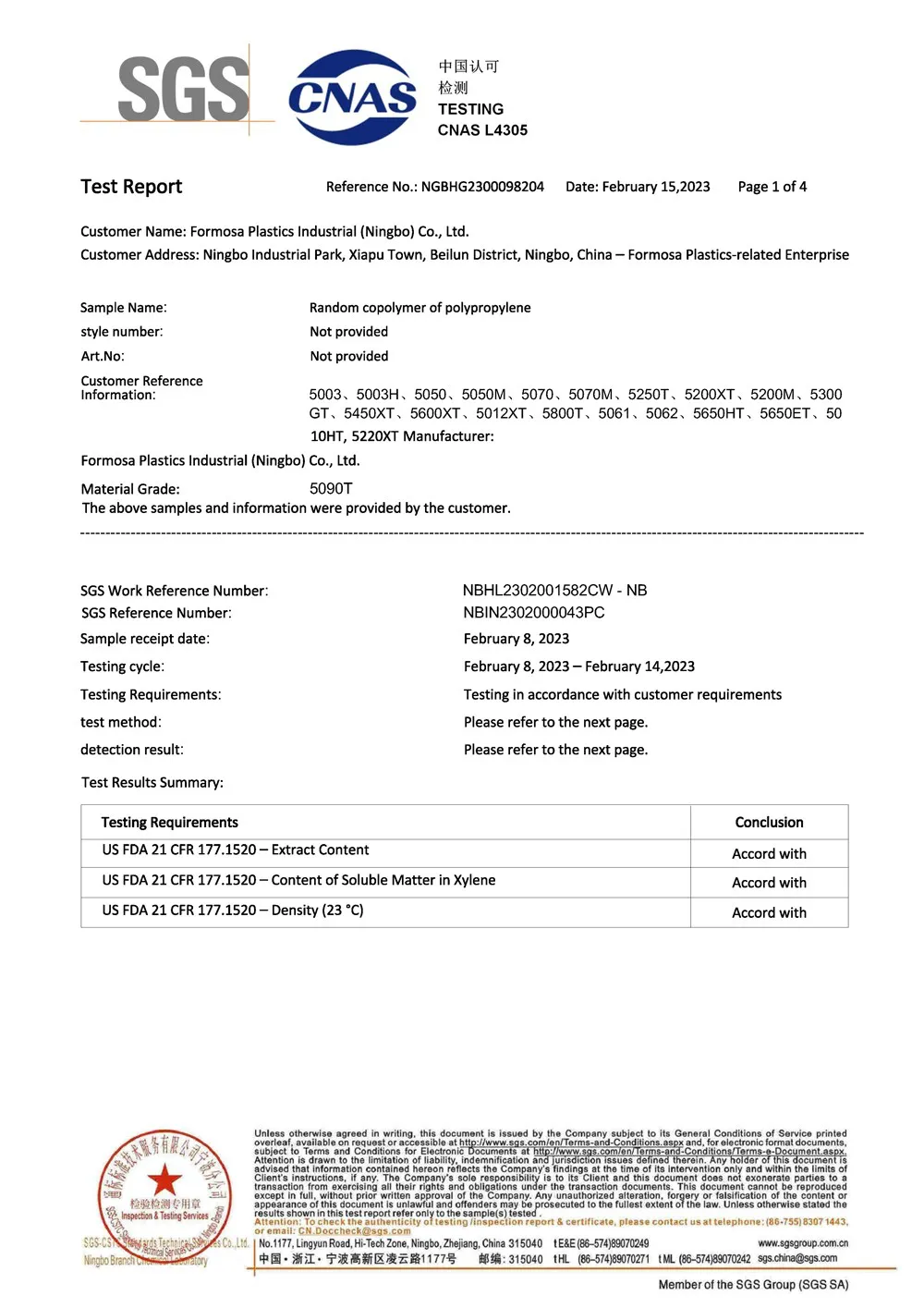
The manufacturing process itself combines precision and speed. Injection molding machines melt food-grade, medical-grade plastic resins (often PP or ABS for durability) and inject them into the custom mold, creating the case body and lid in seconds. Then comes the magic: the aluminum-look finish. Through vacuum metallization, a thin layer of metal (like aluminum) is deposited onto the plastic surface, creating that metallic sheen. A clear topcoat is added to protect the finish from wear, and then your logo is applied—whether via silk-screen printing, hot stamping, or embossing for a 3D effect.
The best part? Fast turnaround. While aluminum cases can take 6-8 weeks from design to delivery, aluminum-look plastic cases often ship in 4-6 weeks, with some manufacturers offering rush options for urgent launches. For brands needing to capitalize on seasonal trends or limited-edition releases, this speed is a competitive edge.
Before your cases ship, they undergo rigorous testing. Each batch is checked for consistency in color, finish, and functionality. Cases are twisted to ensure smooth mechanism operation, lids are opened and closed repeatedly to test durability, and finishes are inspected for scratches or imperfections. For private label plastic packaging, this attention to detail is non-negotiable—your name is on the case, and every unit must reflect your brand's commitment to quality.
Still on the fence about whether aluminum-look plastic is right for your brand? Let's break down the key differences between traditional aluminum cases and their plastic counterparts:
| Feature | Aluminum Cases | Aluminum-Look Plastic Cases |
|---|---|---|
| Cost Per Unit | Higher (30-50% more than plastic) | Lower (affordable for small MOQs) |
| Weight | Heavier (15-20g per case) | Lighter (8-12g per case) |
| Durability | Prone to dents/scratches | Resistant to dents; flexible yet strong |
| Customization | Limited finishes; high tooling costs | Unlimited colors/finishes; lower mold costs |
| Lead Time | 6-8 weeks | 4-6 weeks (faster with rush options) |
| Sustainability | Recyclable but energy-intensive to produce | Option for PCR (recycled plastic) materials |
For most brands, the trade-offs are clear: aluminum-look plastic delivers the premium aesthetic consumers expect, with the practical benefits of lower cost, faster production, and greater design freedom. It's why more and more cosmetic companies—from indie startups to household names—are making the switch.
Today's consumers don't just care about how a product looks—they care about how it's made. Sustainable plastic packaging solutions are no longer a "nice-to-have"; they're a must for brands looking to build trust. The good news? Aluminum-look plastic cases can align with these values.
Many manufacturers now offer cases made with PCR (post-consumer recycled) plastic, which reduces reliance on virgin materials and lowers carbon footprint. These PCR plastics maintain the same durability and finish quality as virgin resins, so you don't have to sacrifice aesthetics for sustainability. Additionally, plastic is fully recyclable, and some suppliers even offer take-back programs for used packaging, closing the loop on waste.
Pro Tip: Highlighting your use of PCR plastic or recyclable materials on your packaging can boost consumer loyalty. Studies show that 60% of beauty buyers are willing to pay more for sustainable packaging—so this isn't just good for the planet; it's good for your bottom line.
Lipstick cases are just one piece of your cosmetic packaging puzzle. When you work with a manufacturer that specializes in cosmetic packaging solutions, you gain access to a full suite of products and services that can streamline your supply chain. Need matching lip gloss tubes? Roller bottles for your perfume line? Pump bottles for skincare serums? A one-stop supplier can handle it all, ensuring consistency in quality, branding, and lead times.
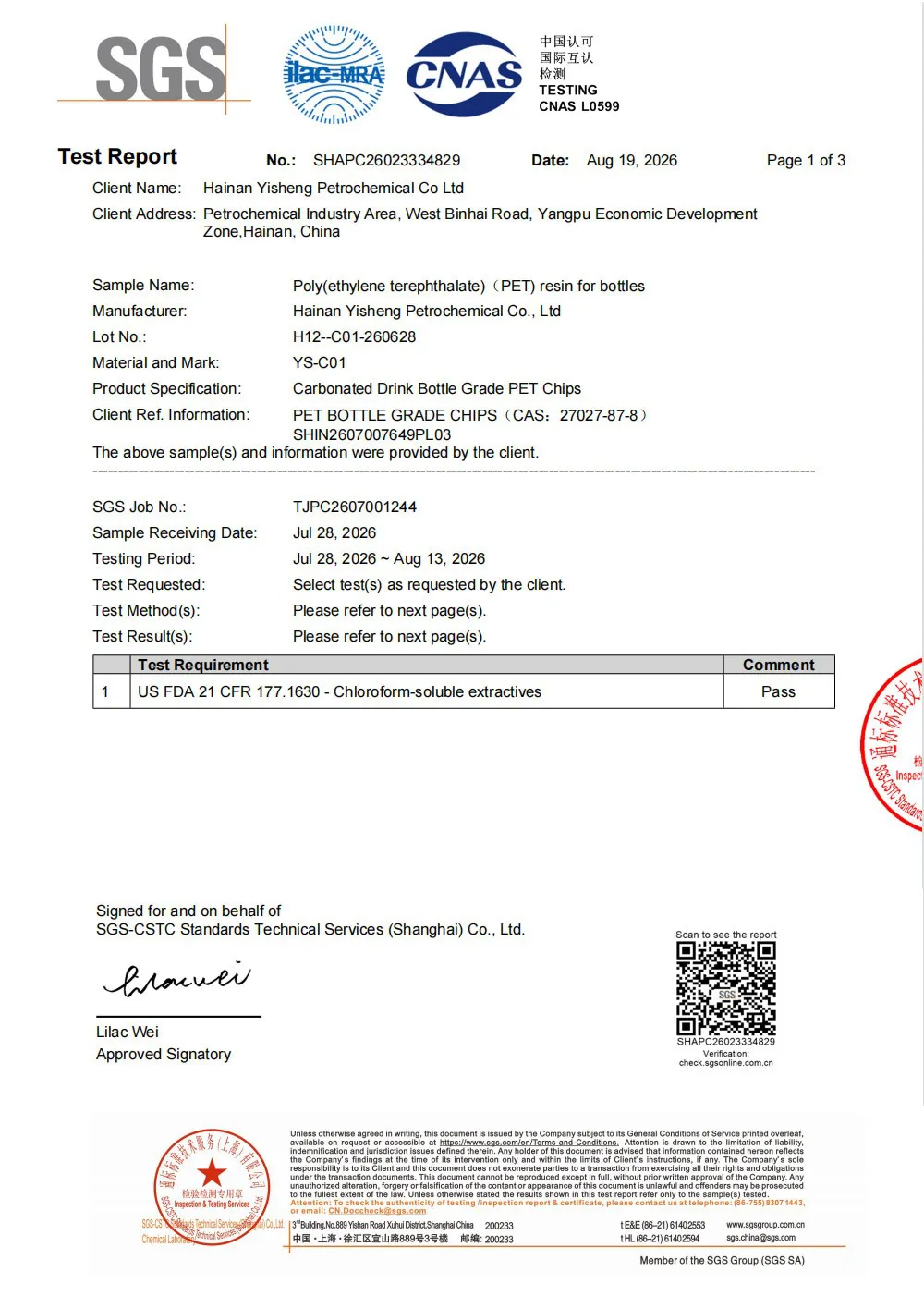
As an ISO9001 certified packaging factory with GMP compliant workshops, these manufacturers adhere to the highest standards of safety and hygiene—critical for packaging that comes into contact with cosmetic formulas. They understand the unique requirements of the beauty industry, from color matching to regulatory compliance, and can guide you through every step, whether you're launching a single product or a full collection.
Let's look at a hypothetical example to see how custom aluminum-look plastic lipstick cases with fast turnaround can impact a brand. Imagine "Lumina Beauty," a startup with a budget of $15,000 to launch 5,000 lipstick units. Their goal: a premium-looking case that stands out at Sephora without breaking the bank.
Option 1: Aluminum cases. At $3.50 per unit, 5,000 cases would cost $17,500—over budget. Lead time: 8 weeks, pushing their launch past the holiday season.
Option 2: Aluminum-look plastic cases. At $1.80 per unit, 5,000 cases cost $9,000, leaving $6,000 for marketing. Lead time: 5 weeks, allowing them to launch in time for Black Friday. The cases feature a rose gold metallic finish with the Lumina logo embossed in matte black—eye-catching and on-brand.
Result? Lumina's lipstick sells out in 3 weeks, with customers praising the "luxury feel" of the packaging. The brand reinvests the extra budget into influencer partnerships, driving a second production run. All because they chose a packaging solution that balanced quality, cost, and speed.
Your lipstick case is more than just a container—it's a canvas for your brand's story. It tells consumers who you are, what you value, and why your product is worth their money. Aluminum-look plastic lipstick cases offer the perfect blend of premium aesthetics, affordability, and flexibility to bring that story to life—quickly.
By partnering with a custom plastic bottle manufacturer that specializes in cosmetic packaging, you're not just ordering cases—you're gaining a partner invested in your success. From the first design sketch to the final shipment, they'll work with you to create packaging that turns heads, builds loyalty, and drives sales. So why wait? Your next bestseller deserves a case that's as unique as your brand—and with fast turnaround, it can be on shelves sooner than you think.