Email: info@mggpacking.com | Tel: +86-13510174848 ( Mr. Yao)


How a Trusted Partner Delivers Precision, Speed, and Reliability for Your Laboratory's Most Critical Samples
Walk into any biomedical lab, and you'll see rows of equipment that get all the attention—PCR machines, centrifuges, high-tech microscopes. But if you look closer, on the shelves and in the liquid nitrogen tanks, there's a quieter workhorse keeping research on track: the cryogenic tube. These small plastic containers might seem simple, but they're the final line of defense for samples that take months (or years) to collect—patient biopsies, stem cells, viral cultures, even rare genetic material that could unlock the next breakthrough in medicine.
Here's the thing: not all cryogenic tubes are created equal. A cheap, poorly made tube can mean disaster. Imagine spending six months collecting blood samples for a cancer study, only to find that a faulty seal let liquid nitrogen seep in, ruining half your batch. Or worse, a hairline crack in the plastic that goes unnoticed until a sample thaws and contaminates an entire storage tank. For lab managers and researchers, choosing the right cryogenic tube supplier isn't just a purchasing decision—it's a risk management one.
That's where specialized manufacturers come in. Companies that focus on medical-grade plastic containers understand that these tubes aren't just "bottles with caps." They're precision tools engineered to withstand extreme conditions: temperatures as low as -196°C in liquid nitrogen, repeated freeze-thaw cycles, and the demands of sterile lab environments. And when labs need something beyond the standard 1.8ml tube—maybe a custom size for a specific experiment, or a unique closure design to prevent cross-contamination—working with a manufacturer that offers custom mold design for plastic bottles becomes a game-changer.
Let's say your lab is starting a new project: storing long-term stem cell samples for a regenerative medicine study. The standard 2ml cryogenic tubes you've used before are too small, and the twist-off caps are tricky to open with gloves on. You need a 5ml tube with a flip-top cap that's easy to handle in a biosafety cabinet. What do you do next?
Many labs would settle for "close enough," modifying their protocols to fit whatever's available. But with a manufacturer that offers end-to-end custom mold design, you don't have to. The process starts with a conversation—not just about specs, but about how you actually use the tubes day-to-day. Do you need the cap to lock in place to prevent accidental opening? Should the tube have graduations for easy volume checks? Is there a specific color code you use for different sample types?
Once the details are nailed down, the design team gets to work. Using 3D modeling software, they create a digital prototype of your custom tube, tweaking everything from the thickness of the plastic walls (to prevent cracking under thermal stress) to the shape of the threads on the cap (for a tight, leak-proof seal). And here's where the "fast" in "fast mold design" really matters: instead of waiting 8-12 weeks for a mold, you can have a test version in as little as 2-3 weeks. Why? Because the best manufacturers have in-house mold shops, so there's no waiting for third-party suppliers to create tooling.
But design isn't enough—you need to test it. That's why top suppliers offer free mold testing. They'll produce a small batch of your custom tubes, send them to your lab, and let you put them through the wringer: freeze them, thaw them, drop them (accidentally, of course), and check for leaks. If something's off—maybe the cap is too hard to open with gloves, or the tube doesn't fit in your storage racks—they'll adjust the mold and send another test batch. No extra fees, no hassle, just a commitment to getting it right before you place a bulk order.
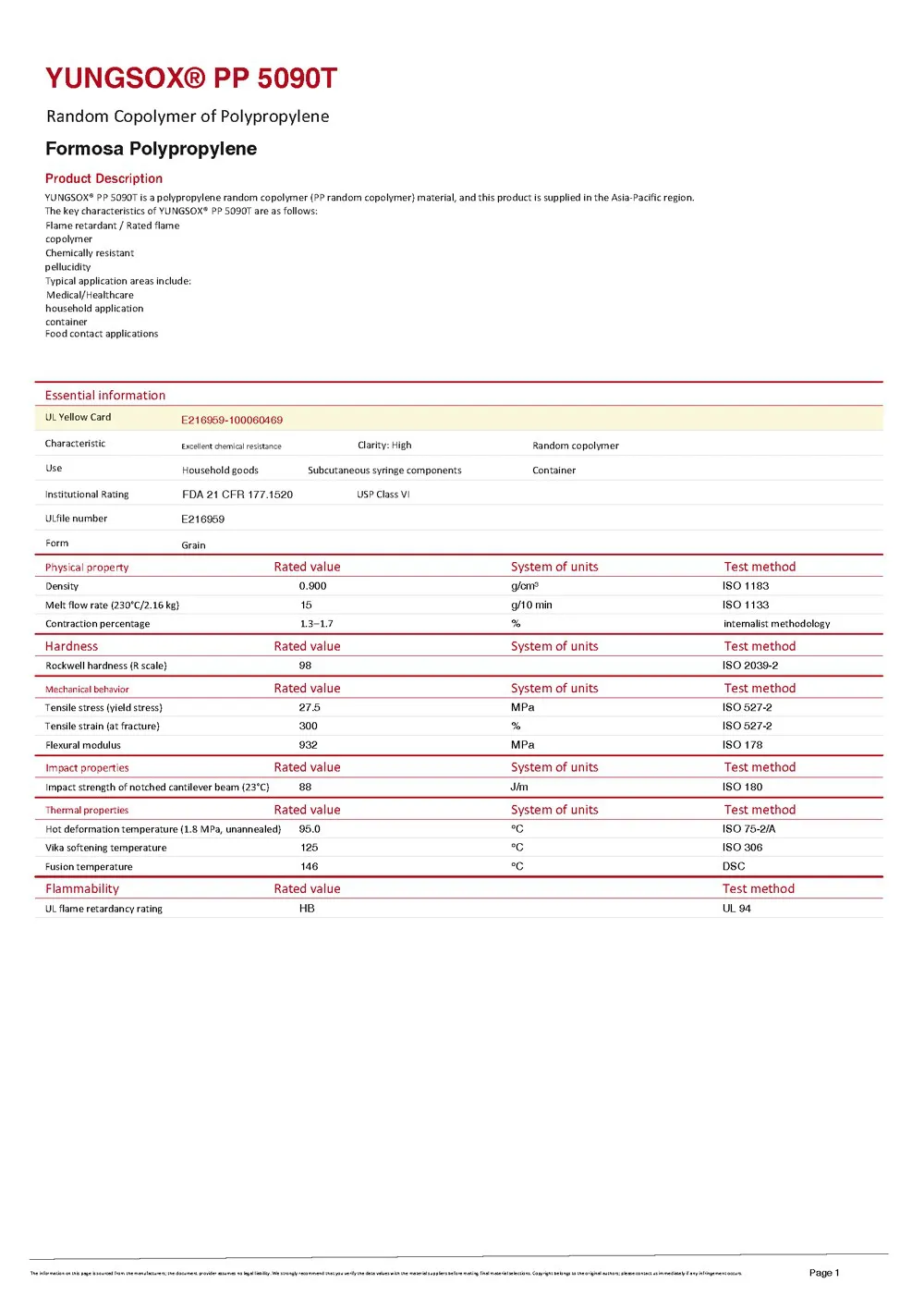
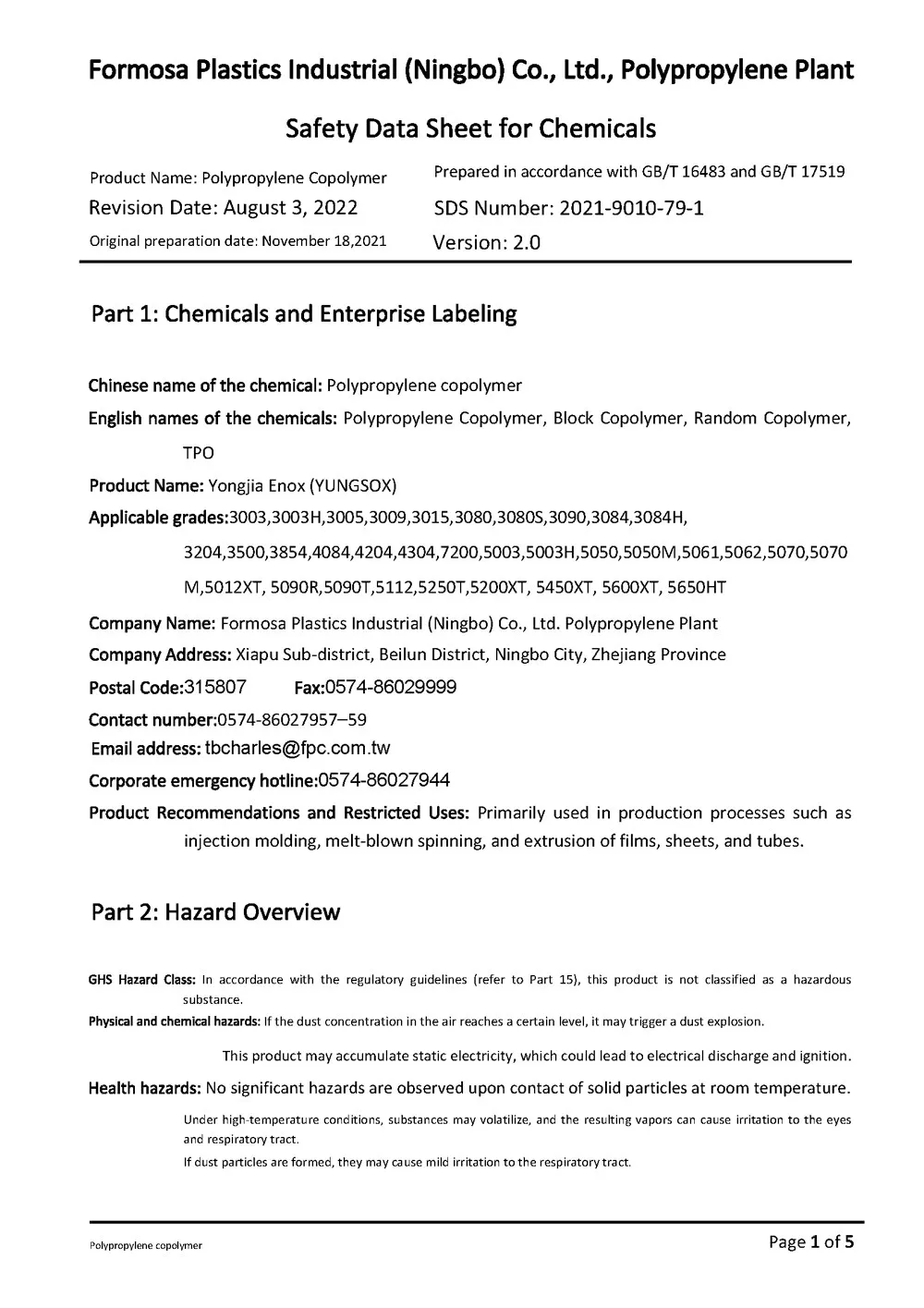
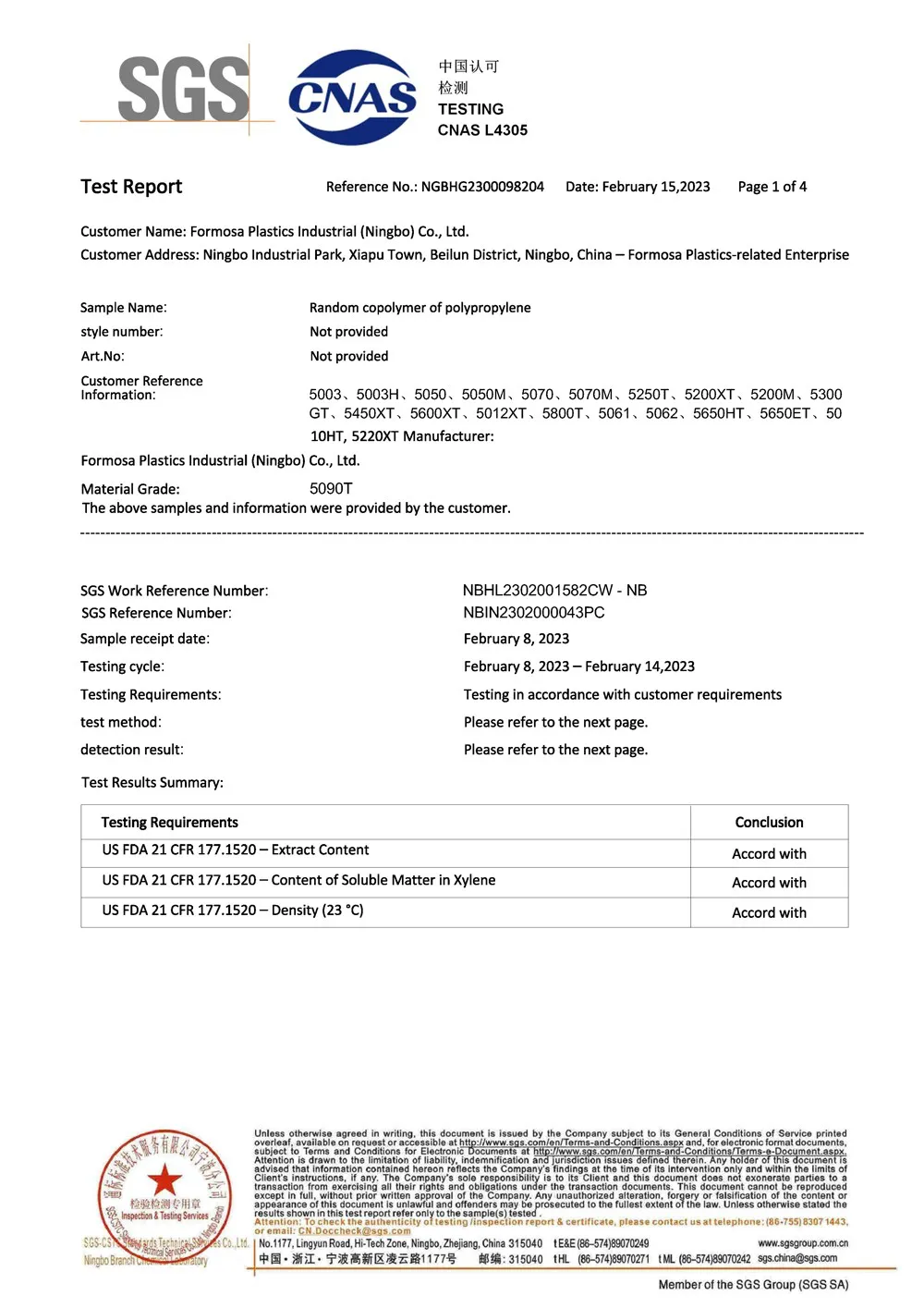
When you're storing samples at -196°C, "good enough" plastic won't cut it. The type of material used in cryogenic tubes directly impacts their performance. Most low-quality tubes use generic polyethylene, which can become brittle at ultra-low temperatures, leading to cracks. But a reputable medical grade plastic bottles manufacturer knows to use polypropylene (PP) for cryogenic applications. PP is naturally resistant to cold, flexible even at -80°C, and won't leach chemicals into samples—critical for maintaining sample integrity over decades of storage.
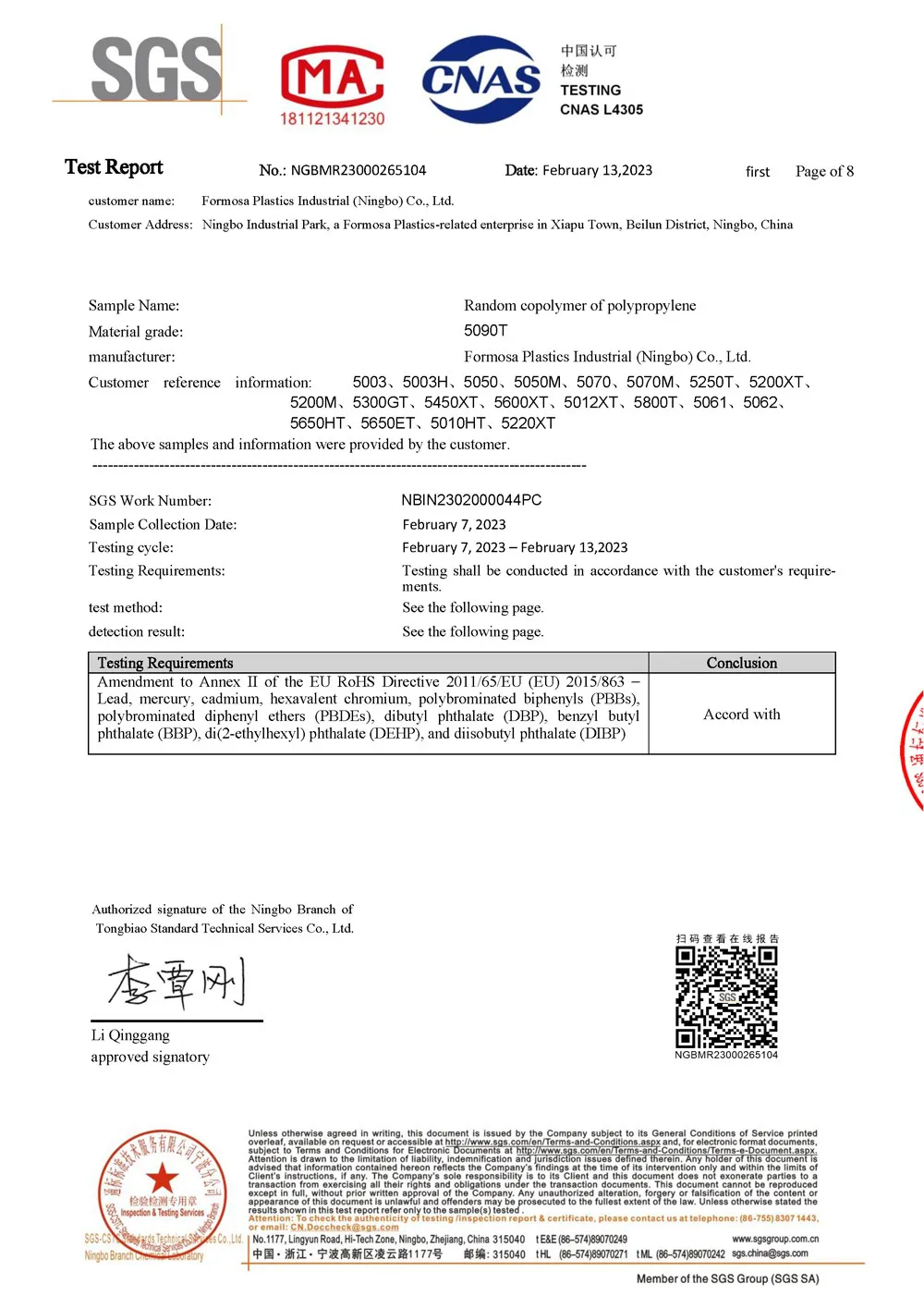
But material is just the start. The manufacturing environment matters just as much. Imagine a tube that's technically made of medical-grade plastic, but was produced in a dusty factory where hair, lint, or mold spores could get trapped inside the container. When that tube is used for a sterile cell culture, those contaminants become a hidden variable that could invalidate an entire experiment. That's why leading manufacturers invest in dust-free GMP compliant workshops . These aren't just clean rooms—they're controlled environments with HEPA filtration, regular air quality testing, and strict gowning protocols for workers. Every tube is produced, assembled, and packaged without ever being exposed to airborne particles that could compromise your samples.
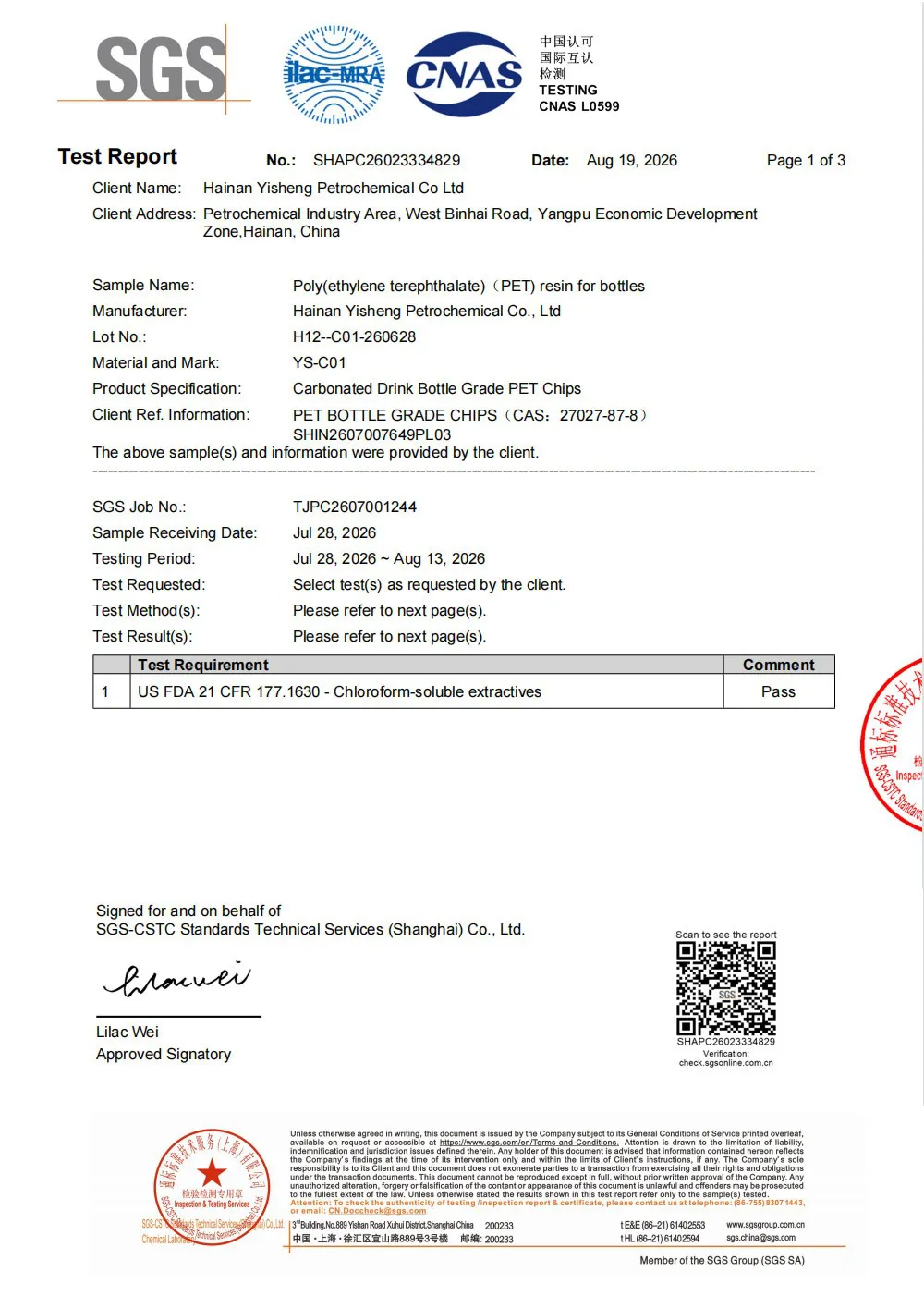
Then there are the certifications. You've probably seen "ISO 9001 certified" thrown around by suppliers, but what does that actually mean for you? For a ISO 9001 certified packaging factory , it means there's a documented quality management system in place—from raw material inspection to final shipping. Every batch of tubes is tested for things like burst strength (can they handle pressure changes during freezing?), seal integrity (no leaks, even after 100 freeze-thaw cycles?), and dimensional consistency (so they stack neatly in your storage boxes). If a batch fails any test, it's rejected—no exceptions. For labs, that translates to peace of mind: you can trust that the 10,000 tubes you just ordered will perform the same way, every single time.
Not every lab needs custom mold design, but when you do, it's usually because off-the-shelf tubes are holding back your work. Let's look at three common scenarios where customization makes all the difference:
Most standard cryogenic tubes top out at 2ml, but some labs need more. Take fertility clinics, for example, which often store sperm samples in larger volumes. Or veterinary labs working with animal tissues that require 5ml or even 10ml containers. On the flip side, microfluidics labs might need tiny 0.2ml tubes to hold precious reagents without waste. A manufacturer with in-house mold design can create tubes in any volume, with clear graduations (1ml, 2ml, 5ml) printed right on the side for quick visual checks.
The cap might seem like an afterthought, but it's often the most critical part of a cryogenic tube. Labs working with radioactive samples, for example, need caps that lock securely to prevent accidental spills. Those handling volatile chemicals might require caps with extra-thick silicone gaskets to block fumes. Even something as simple as a "push-pull" cap instead of a screw-on can save time in busy labs—no more fumbling with gloves to twist open a tube. Custom mold design lets you tweak the cap's mechanics to fit your workflow, not the other way around.
Ever grabbed the wrong tube from the storage tank because all the labels smudged? Custom tubes can include built-in features to avoid that headache: embossed logos (so your lab's name never rubs off), color-coded caps (red for patient samples, blue for controls), or even QR code compatibility (scan the tube with your phone to pull up its entire storage history). These small touches might seem minor, but they add up to fewer errors and more efficient lab work.
| Custom Feature | Common Use Case | How It Solves a Lab Problem | Lead Time for Mold Design |
|---|---|---|---|
| 5ml Extended Volume | Stem cell storage, large tissue samples | Eliminates need for multiple tubes per sample; reduces storage space | 3 weeks (test mold); 6 weeks (full production mold) |
| Locking Flip-Top Cap | Radiology labs, high-risk pathogen storage | Prevents accidental opening during transport; no more lost samples | 2 weeks (test mold); 5 weeks (full production mold) |
| Embossed Graduation Marks | Clinical labs, reagent storage | Marks won't fade or smudge; ensures accurate volume checks | 1 week (test mold); 4 weeks (full production mold) |
| QR Code Compatibility | Biobanks, large-scale sample libraries | Streamlines inventory tracking; reduces human error in labeling | 1 week (test mold); 3 weeks (full production mold) |
Labs don't operate on "manufacturing time"—they run on research timelines. A grant deadline, a pending publication, or a sudden influx of samples can mean you need custom tubes yesterday . That's why the best cryogenic tubes manufacturer options prioritize speed in their mold design process. Let's break down how they do it:
Many manufacturers outsource mold making to third-party shops, which adds weeks to the process (not to mention communication headaches). But companies with their own in-house mold facilities cut out the middleman. Designers work directly with mold makers, so tweaks to the prototype happen in real time. If your lab says, "The cap is too tight—can we adjust the thread depth?", the mold maker can modify the tooling that same day, instead of waiting for a vendor to respond.
Traditional mold making involves carving steel or aluminum, which is precise but slow. Modern manufacturers use 3D printing to create test molds in plastic, which can be produced in 24-48 hours. These aren't just "toys"—they're functional prototypes that let you test the tube's fit, feel, and basic performance before investing in a full metal production mold. It's like test-driving a car before buying it—you can catch issues early and avoid costly rework later.
Maybe you don't need 100,000 custom tubes right away. Maybe you want to test 500 first, see how they work in your lab, then scale up. The best manufacturers understand this and offer "bridge production"—small runs using the 3D-printed test mold while the metal production mold is being finished. This way, you can start using the tubes within a month, instead of waiting 2-3 months for the full process.
Here's a real example: A vaccine research lab reached out needing custom 2ml cryogenic tubes with a unique "vented" cap (to release pressure during freezing) for a clinical trial. The lab needed 1,000 tubes in 3 weeks to start sample collection. Using 3D-printed test molds, the manufacturer produced the first batch in 10 days, and by week 3, the lab was up and running. By the time the metal production mold was ready (week 6), the lab was already placing a bulk order for 50,000 tubes. That's speed that keeps research on track.
At the end of the day, buying cryogenic tubes is about more than comparing prices or specs. It's about finding a partner who understands your lab's unique challenges. A manufacturer that's been in the business for years has seen it all: the lab that needed tubes resistant to a specific chemical, the one that required tubes compatible with an obscure automated filling machine, the one that had a last-minute emergency when their regular supplier failed to deliver.
These manufacturers don't just sell products—they offer solutions. They'll ask questions you might not have thought to consider: "Have you tested how these tubes fit in your liquid nitrogen tank's racks?" "Do your researchers need tubes that are compatible with barcode label printers?" "What's the maximum temperature fluctuation your storage freezer experiences?" This level of engagement turns a transaction into a relationship, and relationships matter when you're up against a tight deadline or a tricky problem.
And let's talk about support after the sale. Suppose you receive a batch of tubes and notice the caps are slightly looser than the test samples. A fly-by-night supplier might ghost you or blame "user error." A reputable manufacturer will send a technical team to your lab within 24 hours to investigate, test the batch themselves, and either replace the tubes or adjust the mold to fix the issue. That's the difference between a supplier that wants your money and one that wants your repeat business.
Research is hard enough without worrying about whether your cryogenic tubes will hold up. The hours spent collecting samples, the grants that fund the work, the careers that depend on reliable results—none of it matters if a subpar container derails your progress. By choosing a manufacturer that specializes in custom medical-grade plastic containers, you're not just buying tubes. You're investing in peace of mind, knowing that every sample is protected by precision design, rigorous testing, and a commitment to quality.
So what should you look for when choosing a supplier? Start with the basics: Do they have in-house mold design and a dust-free GMP workshop? Are they ISO 9001 certified, and can they show you their quality control reports? Then dig deeper: How quickly can they turn around a custom mold? Do they offer free testing of prototypes? What's their track record with labs similar to yours?
At the end of the day, the best cryogenic tube supplier is the one that makes your job easier. They'll listen to your needs, solve problems before they arise, and deliver tubes that work as hard as you do. Because in research, every sample counts—and so does every partner you choose to trust with them.