Email: info@mggpacking.com | Tel: +86-13510174848 ( Mr. Yao)


Let's be real – if you have sensitive skin, you know the struggle. You scan ingredient lists like a detective, avoid fragrances like the plague, and still, sometimes even the "gentle" products leave you with red, itchy patches. Now, think about deodorant: it's on your skin all day, in a warm, moist area. The formula matters, of course – but what about the tube it comes in? That plastic container touching your underarms every morning? It turns out, for sensitive skin, the packaging is just as crucial as what's inside. And that's where custom deodorant stick tubes designed for gentle contact come in.
As someone who's worked with skincare and pharmaceutical brands for years, I've seen firsthand how the right packaging can make or break a product for sensitive skin users. It's not just about looking good on the shelf – it's about creating a container that feels like an extension of your gentle formula. So today, let's dive into why custom deodorant stick tubes matter for sensitive skin, what makes a material "gentle," and how partnering with the right manufacturer can turn your product into a game-changer for millions of people struggling with skin sensitivity.
First, let's talk about why standard deodorant tubes might be causing more harm than you think. Most mass-produced packaging is designed with cost and efficiency in mind, not skin sensitivity. Cheap plastics can leach chemicals over time, especially when they're in contact with the deodorant formula (which might have oils or other ingredients that react with the plastic). Then there's the texture – rough edges, uneven surfaces, or sharp seams where the tube meets the cap can rub against delicate underarm skin, causing irritation even if the formula itself is perfect.
I remember a client once told me about a customer who loved their natural deodorant but kept complaining about a rash. They tested the formula 10 times, changed ingredients, and nothing worked. Finally, they looked at the packaging: the standard tube they were using had a tiny ridge where the plastic was joined, and that ridge was chafing the skin every time the customer applied it. That's when they switched to a custom tube with a seamless design – and the complaints stopped. Moral of the story? For sensitive skin, the packaging isn't just a container; it's part of the product experience.
So what makes a deodorant stick tube "sensitive skin-friendly"? It starts with three things: the material, the design, and the manufacturing process. Let's break them down.
When it comes to materials, "gentle" isn't just a marketing buzzword – it's a science. For deodorant stick tubes that touch sensitive skin, we're talking about medical-grade plastics that meet strict standards for purity and biocompatibility. Let's get into the details.
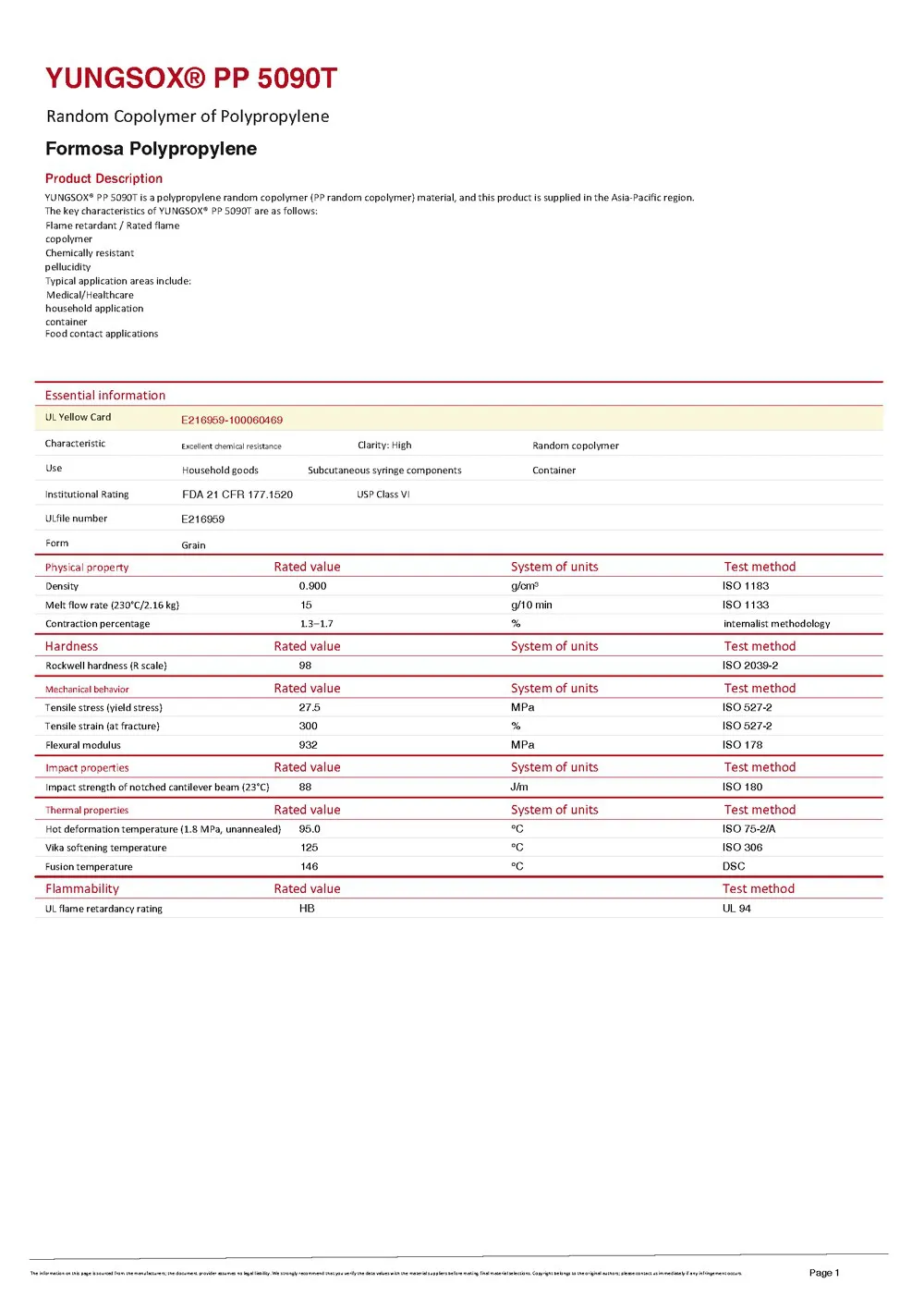
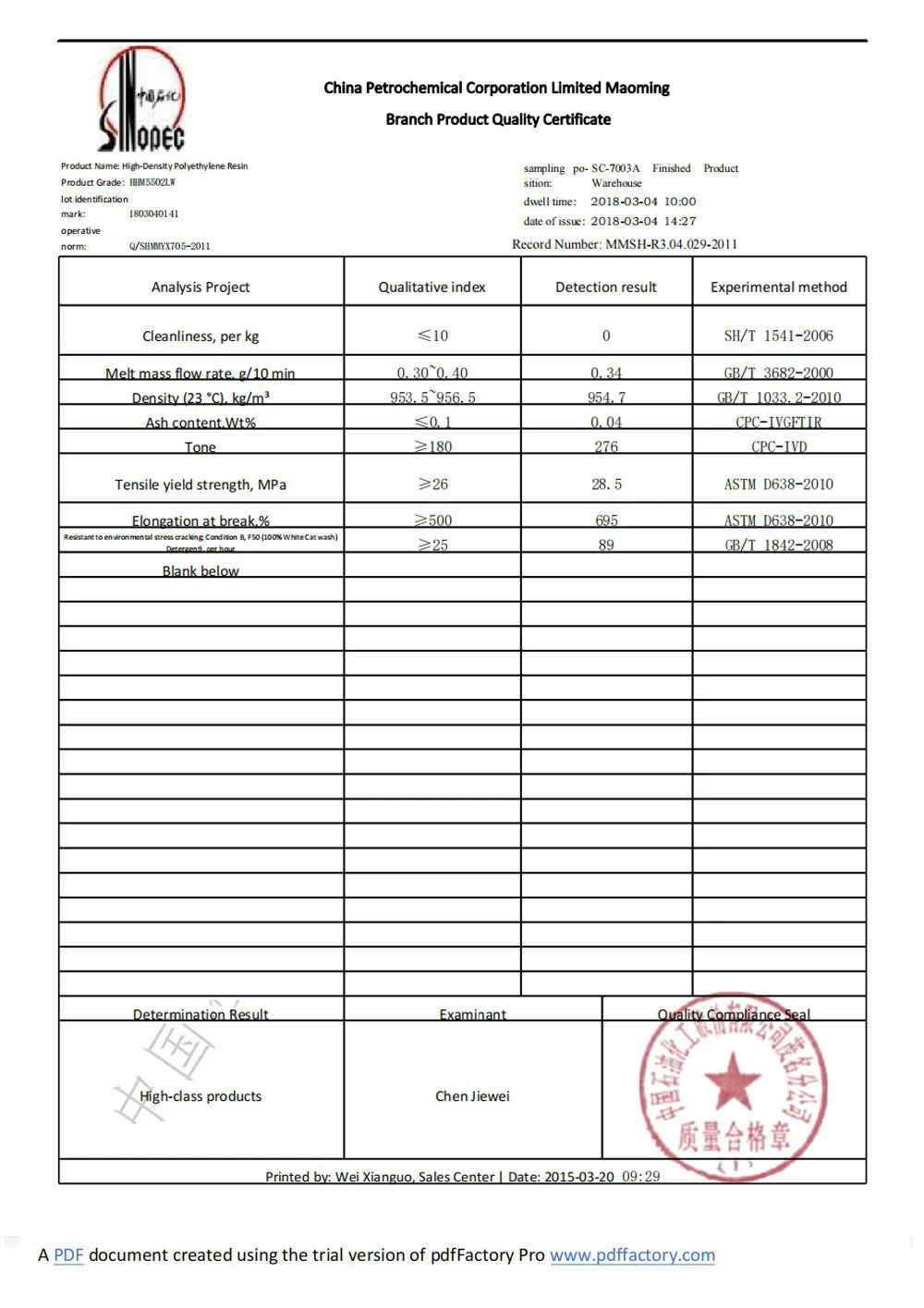
Not all plastics are created equal. While regular plastic might contain additives like phthalates (to make it flexible) or BPA (a chemical that can mimic hormones), medical-grade plastics are formulated to be inert – meaning they don't react with the products they hold, and they don't leach harmful substances. For sensitive skin deodorant tubes, we often recommend HDPE (High-Density Polyethylene) or PP (Polypropylene) – both are non-porous, resistant to chemicals, and have a smooth, non-irritating surface.
HDPE, in particular, is a favorite for medical and personal care packaging. It's lightweight, durable, and has a naturally smooth texture that won't abrade the skin. Plus, it's easy to mold into seamless designs, which we'll talk about more later. And unlike some plastics, HDPE is BPA-free and doesn't require harsh plasticizers to maintain its shape – that means fewer potential irritants touching your customer's skin.
| Material Type | Key Features for Sensitive Skin | Common Uses |
|---|---|---|
| Medical-Grade HDPE | Smooth surface, BPA-free, chemical-resistant, seamless molding | Deodorant stick tubes, pill bottles, skincare containers |
| Medical-Grade PP | Flexible yet strong, heat-resistant, low moisture absorption | Twist-up mechanisms, caps, closures |
| PCR (Post-Consumer Recycled) HDPE | Same benefits as virgin HDPE, plus eco-friendly | Sustainable sensitive skin packaging |
Even the best material can cause irritation if the surface isn't treated properly. Imagine a tube with tiny plastic burrs or rough edges – every time you twist up the deodorant, that rough surface rubs against your underarms. Not fun, right? That's why we put so much focus on surface finishing for sensitive skin tubes. Our custom molding process ensures the tube's interior and exterior are perfectly smooth, with no seams or ridges. We also use special polishing techniques to create a silky texture that glides against the skin, not scratch it.
Another thing to consider is static. Some plastics can build up static electricity, which attracts dust and lint – and that dust can get into the deodorant formula or onto the skin, causing irritation. Our surface treatments include anti-static coatings that keep the tube clean and dust-free, so your product stays pure from the first use to the last.
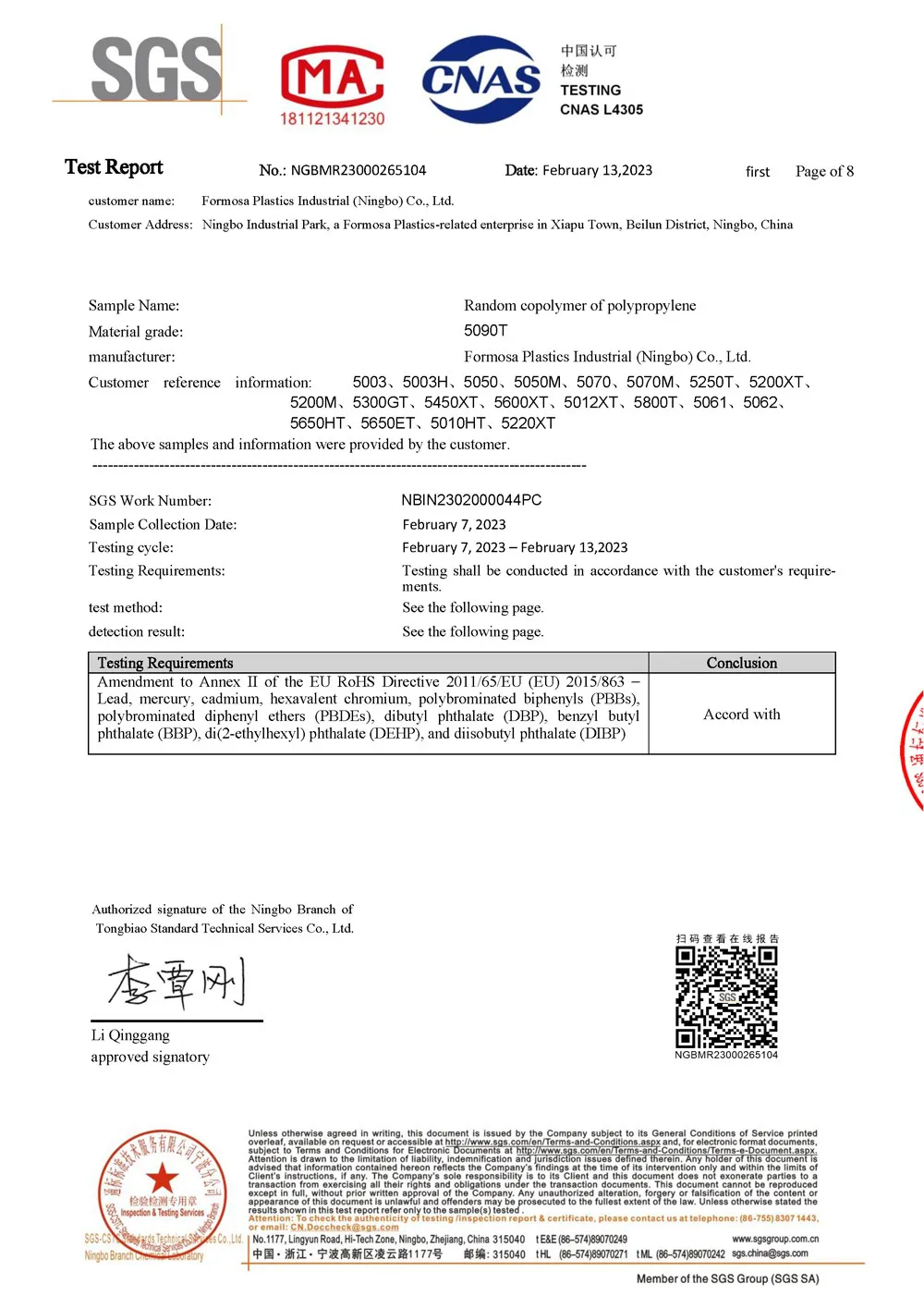
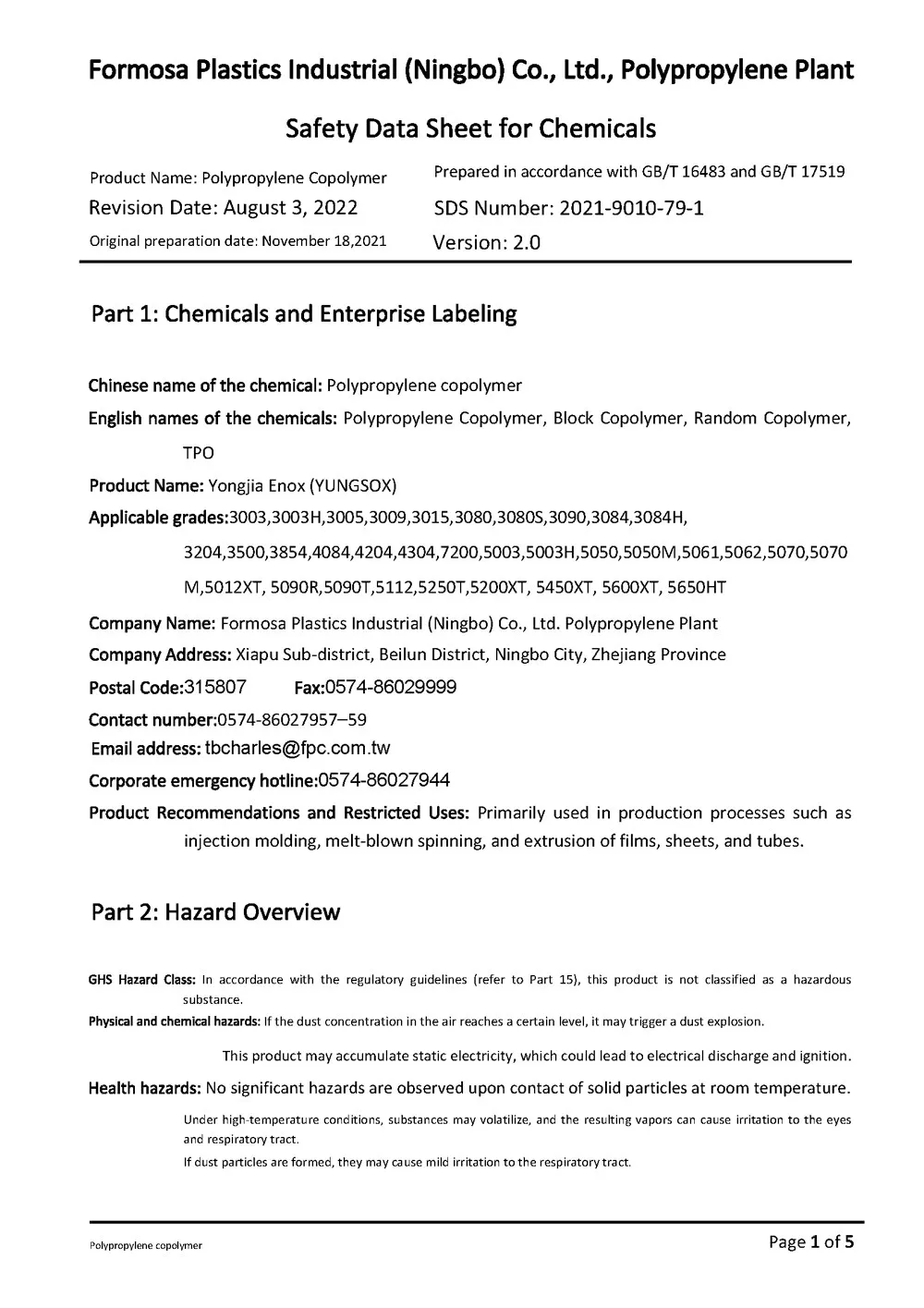
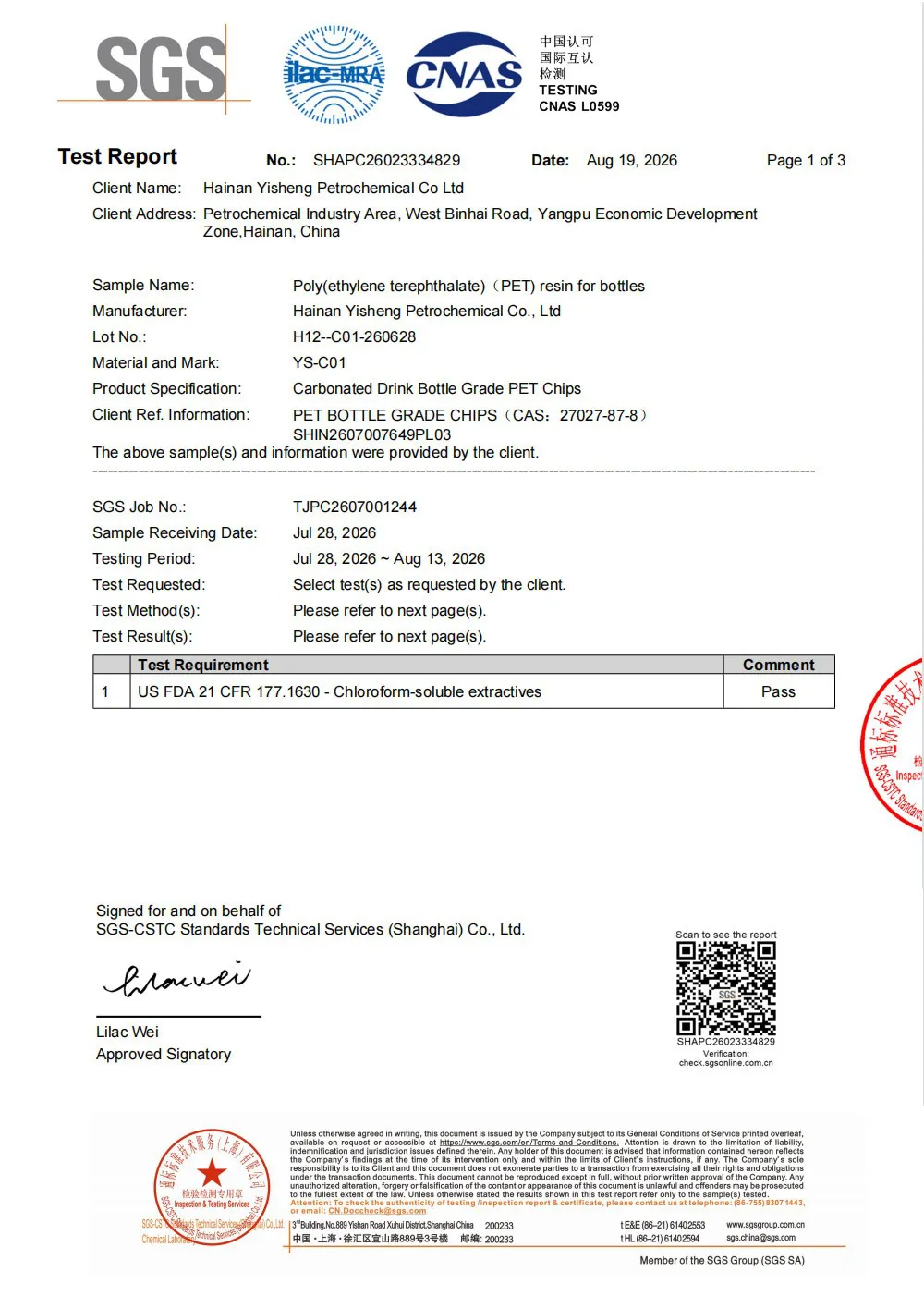
For sensitive skin, what's not in the packaging is just as important as what is. That means zero BPA, zero phthalates, zero heavy metals, and zero fragrances or dyes in the plastic itself. Even some "natural" plastics can have trace amounts of these chemicals from the manufacturing process, but as an OEM plastic container manufacturer, we control every step of production to ensure our materials are free from these irritants. We test every batch for harmful substances, and we're transparent about our material sourcing – because your customers deserve to know exactly what's touching their skin.
One size doesn't fit all when it comes to deodorant formulas – and the same goes for packaging. Maybe your sensitive skin deodorant is thicker than average, so you need a wider tube to prevent breakage. Or maybe you use a natural wax base that requires a specific twist mechanism to dispense smoothly. Whatever your needs, custom deodorant stick tubes let you design a package that works with your formula, not against it.
It all starts with the mold. As a custom plastic bottle manufacturer, we specialize in creating molds that are tailored to your exact specifications. Our in-house design team works with you to turn your ideas into 3D models, and we offer free mold testing to make sure the design works before full production. For sensitive skin tubes, this means we can adjust things like the tube diameter (to prevent tight twisting that might irritate skin), the twist mechanism (to ensure smooth, even dispensing), and the cap design (to protect the deodorant without scratching the tube).
I recently worked with a brand that makes a sensitive skin deodorant with a shea butter base – it's thick and creamy, which meant their original tube was causing the formula to crack when twisted. We redesigned the mold with a wider interior and a slower-twist mechanism, so the deodorant dispenses evenly without stress. The result? A smoother application and happier customers.
Customization isn't just about size and shape – it's about adding little details that make a big difference for sensitive skin users. Here are a few features we've helped brands incorporate:
Your brand logo is important, but printing it on the tube shouldn't mean adding irritants. We use laser engraving or water-based inks for branding – both are non-toxic, scratch-resistant, and won't leach into the formula or rub off onto the skin. Unlike solvent-based inks, which can have strong odors and chemicals, our printing methods are gentle on both the product and the planet. Plus, laser engraving creates a subtle, elegant look that feels premium without compromising on safety.
When you're making products for sensitive skin, quality control isn't optional – it's essential. That's why we've invested in state-of-the-art facilities and rigorous testing to ensure every deodorant stick tube meets the highest standards.
Our production takes place in a dust-free GMP compliant workshop – the same standard used in pharmaceutical manufacturing. Why does that matter for deodorant tubes? Because even tiny particles of dust or bacteria can contaminate the tube, which then touches your customer's skin. In our GMP workshop, the air is filtered to remove 99.9% of particles, and all equipment is sanitized regularly. Employees wear protective gear to prevent contamination, and every step of the process is documented for traceability. It's overkill for some packaging, but for sensitive skin? It's non-negotiable.
We're proud to be an ISO 9001 certified packaging factory, which means our quality management system is audited annually to ensure consistency. From material sourcing to final inspection, every process is standardized and monitored. For you, that means fewer defects, on-time deliveries, and the peace of mind that comes with knowing your packaging meets international quality standards. And because we're also a plastic packaging supplier China with experience exporting worldwide, we understand the regulatory requirements of different markets – whether you're selling in Europe, North America, or Asia, we'll make sure your tubes comply with local safety laws.
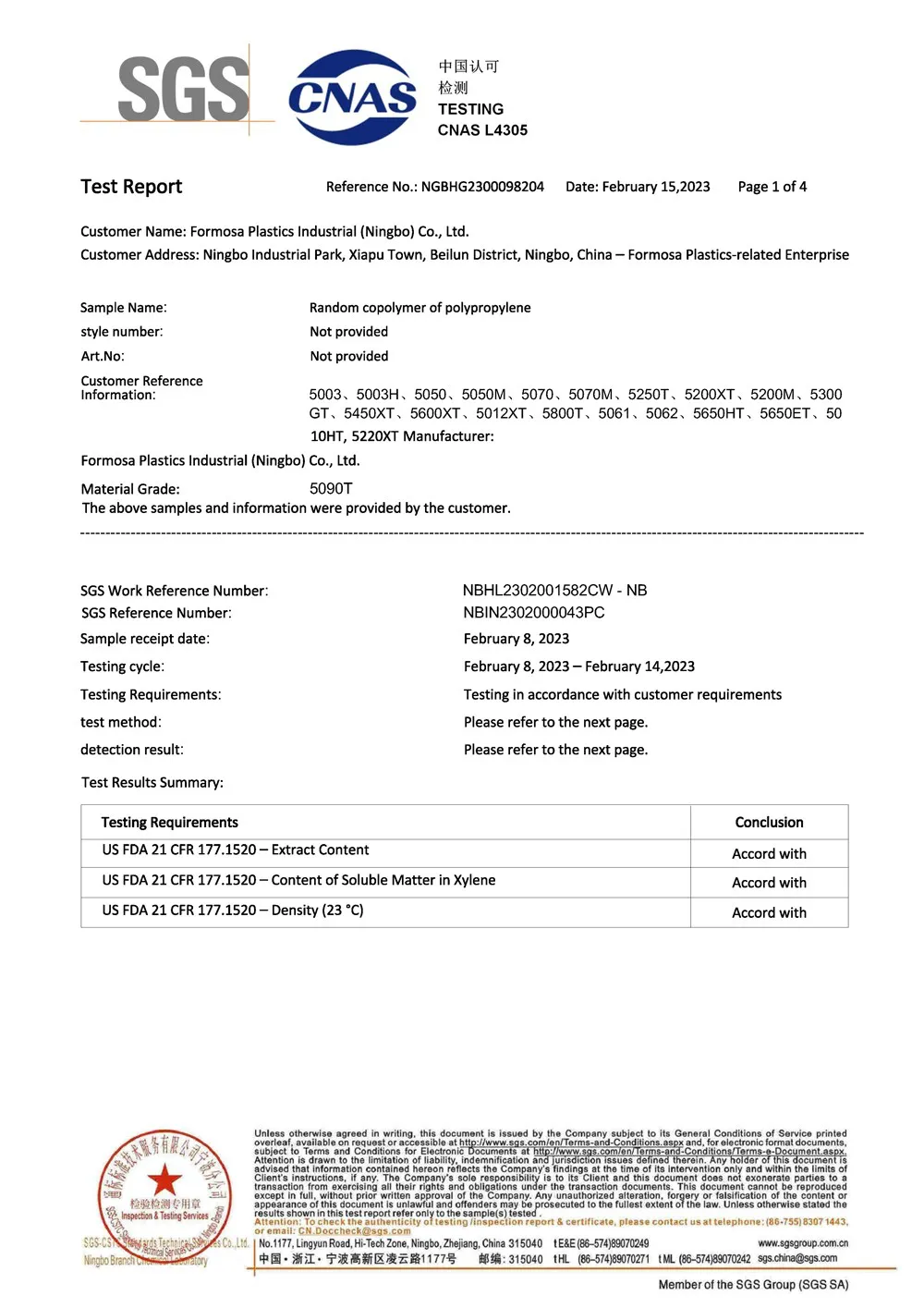
Before your custom tubes ever leave our factory, they undergo a battery of tests to ensure they're ready for sensitive skin. We test for things like:
Only when a tube passes all these tests does it get the green light for shipment. Because for sensitive skin users, "good enough" isn't good enough.
Today's consumers care about more than just what's in the product – they care about the planet, too. The good news? You don't have to choose between sensitive skin safety and sustainability. Our sustainable plastic packaging solutions let you offer both.
Post-consumer recycled (PCR) plastic is a game-changer for eco-friendly packaging. Made from recycled plastic bottles and containers, PCR HDPE has the same smooth, non-irritating properties as virgin HDPE – but with a lower carbon footprint. We can incorporate up to 100% PCR material into your deodorant stick tubes, and we ensure the recycled plastic is thoroughly cleaned and processed to remove any contaminants (so it's still safe for sensitive skin). It's a simple swap that lets you market your product as both skin-friendly and planet-friendly.
Another way to boost sustainability is with refillable deodorant stick tubes. Imagine a durable, reusable tube that customers can refill with your sensitive skin deodorant pods – it reduces plastic waste by up to 80% and builds brand loyalty (customers keep coming back for refills!). We can design refillable tubes with secure, leak-proof closures and easy-to-clean interiors, so they're practical for daily use. Plus, the sturdy construction means the tube will last for years, making it a sustainable choice that doesn't compromise on performance.
Sustainability starts in the factory, too. We've invested in energy-efficient machinery, water recycling systems, and waste reduction programs to minimize our environmental impact. Our production process uses less energy than traditional plastic manufacturing, and we work with suppliers who share our commitment to sustainability. When you partner with us, you're not just getting gentle packaging for your customers – you're supporting a supply chain that cares about the planet.
At the end of the day, sensitive skin deodorant is more than a product – it's a promise to your customers that you care about their comfort and well-being. The packaging is part of that promise. By choosing custom deodorant stick tubes made with gentle materials, designed to fit your formula, and produced in a clean, sustainable way, you're showing your customers that you've thought of every detail – from the first application to the last.
Whether you're a startup launching your first sensitive skin line or an established brand looking to upgrade your packaging, we're here to help. As an OEM plastic container manufacturer with expertise in medical-grade materials and GMP production, we have the tools and experience to bring your vision to life. Let's create deodorant stick tubes that are as gentle on skin as your formula – and as good for the planet as they are for your customers.