Email: info@mggpacking.com | Tel: +86-13510174848 ( Mr. Yao)


Walk down any health store aisle or scroll through an online CBD shop, and you'll notice something quickly: most roll-on containers look the same. Cylindrical, plain, and utterly forgettable. For CBD brands competing in a crowded market, this sameness isn't just a missed opportunity—it's a barrier to building lasting customer connections. Consumers today don't just buy products; they buy experiences, stories, and brands that feel uniquely "theirs." That's where custom mold CBD roll-on containers come in. By leveraging 3D design and tailored mold creation, brands can transform a simple packaging item into a powerful brand asset. In this article, we'll explore how custom mold design is revolutionizing CBD packaging, the step-by-step process behind creating unique bottle shapes, and why investing in this technology isn't just about aesthetics—it's about business survival in a market that rewards differentiation.
CBD has exploded in popularity over the past decade, with products ranging from tinctures to topicals flying off shelves. But as the market grows, so does competition. Walk into a dispensary or browse Amazon, and you'll find hundreds of CBD roll-on products claiming to be "natural," "organic," or "therapeutic." With so many options, how does a consumer choose? Often, it comes down to packaging. Generic, off-the-shelf roll-on bottles send a subtle message: "We didn't invest in standing out." They blend into the background, making it hard for brands to build recognition or justify premium pricing.
Consider this: A small CBD brand launches a new lavender-infused roll-on for stress relief. They use a standard 30ml clear plastic roll-on bottle with a plain white cap—exactly like five other brands on the same shelf. Even if their formula is superior, consumers might pass it by simply because it doesn't catch their eye. Now imagine the same brand with a custom-designed roll-on: a curved, ergonomic shape that fits perfectly in the palm, a matte finish in their brand's signature teal, and a stainless steel roller ball engraved with their logo. Suddenly, that product isn't just another CBD roll-on—it's a statement piece. It tells customers, "We care about every detail, including how our product feels in your hand."
This is the power of custom mold design for plastic bottles. It turns packaging from a functional afterthought into a strategic tool for brand storytelling, customer engagement, and market differentiation. And with 3D design technology, creating these unique shapes is more accessible, affordable, and efficient than ever before.
Creating a custom mold CBD roll-on container isn't about slapping a new label on an old bottle. It's a collaborative process that starts with a brand's vision and ends with a physical product that feels like an extension of their identity. Let's break down the journey step by step.
Every successful custom mold project begins with a conversation. At an ISO9001 certified packaging factory, the process typically starts with a brand sharing their goals: Who is their target audience? What emotions do they want their packaging to evoke? Are there specific functional needs (e.g., refillability, UV protection, or child-resistant caps)? For example, a CBD brand targeting eco-conscious millennials might prioritize sustainable materials and a minimalist, refillable design, while a luxury brand might want a heavy glass-like feel with metallic accents.
During this phase, designers also consider practical constraints: What's the budget? What's the production volume? Are there regulatory requirements (e.g., FDA compliance for topical products)? This information shapes the design brief, ensuring the final product isn't just beautiful but also feasible to produce at scale.
Once the brief is finalized, the design team moves to 3D modeling. Using advanced CAD (Computer-Aided Design) software, they create a digital prototype of the roll-on container. This isn't just a static image—it's a detailed, 360-degree model that can be rotated, zoomed, and modified in real time. Brands can see exactly how the bottle will look from every angle, test different colorways, and even simulate how it will feel in the hand (using ergonomic software tools).
For example, if a brand wants a roll-on with a unique "wave" shape for better grip, the 3D model can be adjusted until the curvature feels just right. Designers can also experiment with details like texture (matte vs. glossy), logo placement, and cap design—all without ever cutting a single piece of plastic. This digital flexibility saves time and money, as changes can be made instantly, avoiding costly mistakes later in the process.
A digital model is powerful, but nothing replaces holding a physical prototype. Using 3D printing or CNC machining, the factory creates a physical sample of the roll-on container. This prototype is used to test everything from functionality (Does the roller ball glide smoothly? Does the cap seal tightly?) to aesthetics (Does the color match the brand's Pantone swatch? Is the logo placement visible?).
This phase often involves multiple iterations. For instance, a prototype might reveal that the bottle's neck is too narrow for the roller ball assembly, or that the custom color fades under UV light. By testing early, brands avoid these issues during mass production. Some factories even conduct consumer focus groups with prototypes, gathering feedback on how the design resonates with the target audience.
Once the prototype is approved, it's time to create the custom mold. This is where the magic happens. The 3D model is used to mill a steel or aluminum mold, which will shape the plastic (or other materials) during production. The mold's precision is critical—even a 0.1mm error can lead to leaky bottles or misaligned caps. At a dust-free GMP compliant workshop, molds are crafted with extreme care, often using computer-controlled machines to ensure accuracy.
Molds can be simple or complex, depending on the design. A basic cylindrical roll-on might require a two-part mold, while a bottle with intricate curves or hollow sections could need a multi-cavity mold with sliding components. The type of mold also affects production speed and cost: a single-cavity mold is cheaper upfront but slower, while a multi-cavity mold costs more initially but can produce hundreds of bottles per hour.
With the mold ready, production begins. The chosen material (more on that later) is heated, injected into the mold, and cooled to form the bottle shape. After demolding, the bottles undergo rigorous testing: leak tests, drop tests, and visual inspections to ensure they meet quality standards. For CBD products, which often contain sensitive ingredients, this step is non-negotiable—even a tiny leak can ruin a batch or harm a customer's trust.
Finally, the bottles are assembled with caps, roller balls, and labels (if part of the private label plastic packaging package) before being packaged and shipped. The result? A roll-on container that's not just functional but uniquely "you."
Custom mold design is only half the equation; the material you choose defines how your packaging looks, feels, and performs. For CBD roll-ons, which often contain oils or serums that can degrade in light or heat, material selection is especially critical. Let's explore the most popular options and their benefits.
Sustainability isn't just a trend—it's a consumer expectation. Today's buyers, especially younger generations, actively seek out brands that prioritize eco-friendly practices. That's where PCR (Post-Consumer Recycled) plastic comes in. PCR plastic is made from recycled materials like plastic bottles or containers, reducing the need for virgin plastic and cutting down on landfill waste. For brands focused on sustainable plastic packaging solutions, PCR is a game-changer.
PCR plastic works well for CBD roll-ons because it's durable, lightweight, and customizable. It can be dyed to match brand colors, textured for grip, and molded into complex shapes—all while maintaining strength. Plus, using PCR allows brands to market their products as "recycled" or "eco-friendly," which can boost customer loyalty and differentiate them from competitors still using virgin plastic.
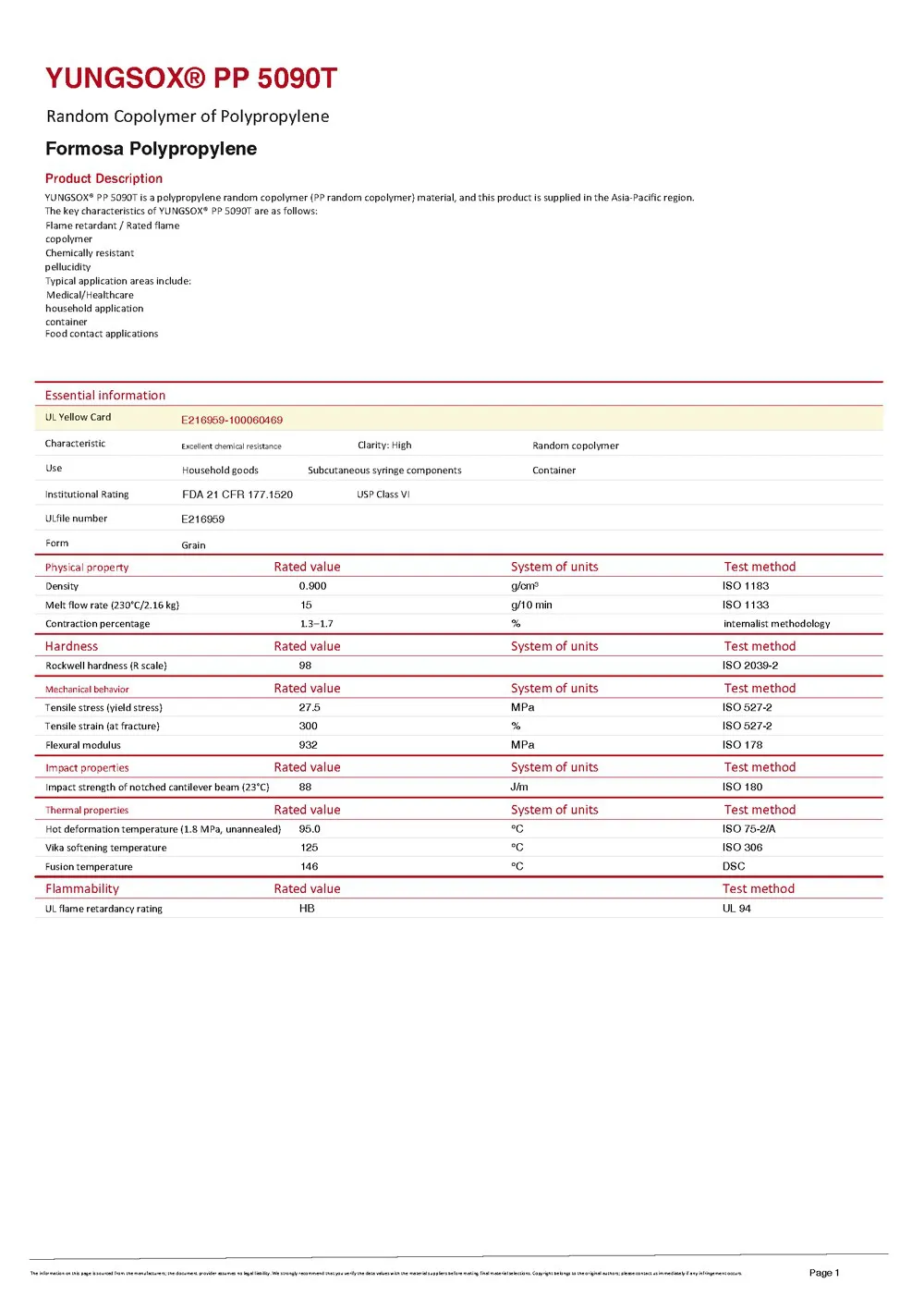
For brands prioritizing durability and cost-effectiveness, HDPE (High-Density Polyethylene) and PET (Polyethylene Terephthalate) are tried-and-true options. HDPE is known for its chemical resistance, making it ideal for CBD oils that might react with other materials. It's also opaque, which helps protect light-sensitive formulas (though brands can add UV inhibitors for extra protection). PET, on the other hand, is crystal clear, making it perfect for showcasing vibrant colored oils or serums. It's lightweight and shatter-resistant, making it a popular choice for travel-sized roll-ons.
Glass roll-on containers exude luxury—think thick walls, smooth finishes, and a premium heft. They're also inert, meaning they won't react with CBD formulas, and they're infinitely recyclable. However, glass is heavier (increasing shipping costs), more fragile, and often more expensive than plastic. For high-end brands targeting consumers willing to pay a premium, glass might be worth the investment, but for most CBD brands, plastic (especially PCR) offers a better balance of cost, durability, and sustainability.
Sustainable plastic packaging solutions aren't just about using recycled materials—they're about rethinking the entire lifecycle of the product. Custom mold design allows brands to incorporate sustainability at every stage, from production to disposal.
One of the most impactful ways to reduce packaging waste is to design for reuse. Custom molds can create roll-on containers with detachable bases or screw-off tops, allowing customers to refill them with bulk CBD oil instead of buying a new bottle every time. For example, a brand could sell a "starter kit" with a custom-designed refillable roll-on and a larger 100ml bulk bottle. Not only does this reduce plastic waste, but it also creates a recurring revenue stream (customers keep buying refills) and builds loyalty (customers feel good about reducing their footprint).
Sustainability starts in the factory. An ISO9001 certified packaging factory with a dust-free GMP compliant workshop can implement eco-friendly production practices, such as using renewable energy (solar or wind power), recycling water, and minimizing scrap plastic during mold testing. Some factories even offer carbon-neutral shipping options, allowing brands to offset the emissions from production and delivery.
For brands wanting to go a step further, biodegradable plastics (made from plant-based materials like cornstarch) or compostable plastics are emerging as viable options. These materials break down naturally over time, reducing long-term environmental impact. However, they're often more expensive than PCR plastic and may not be suitable for all climates (e.g., compostable plastics require specific conditions to degrade). Brands considering these options should work closely with their packaging partner to ensure the material aligns with their functional needs and budget.
CBD products are personal—they're applied to the skin, inhaled, or even ingested. That's why quality isn't just a nice-to-have; it's a legal and ethical obligation. When choosing a custom mold partner, certifications like ISO9001 and GMP compliance are non-negotiable.
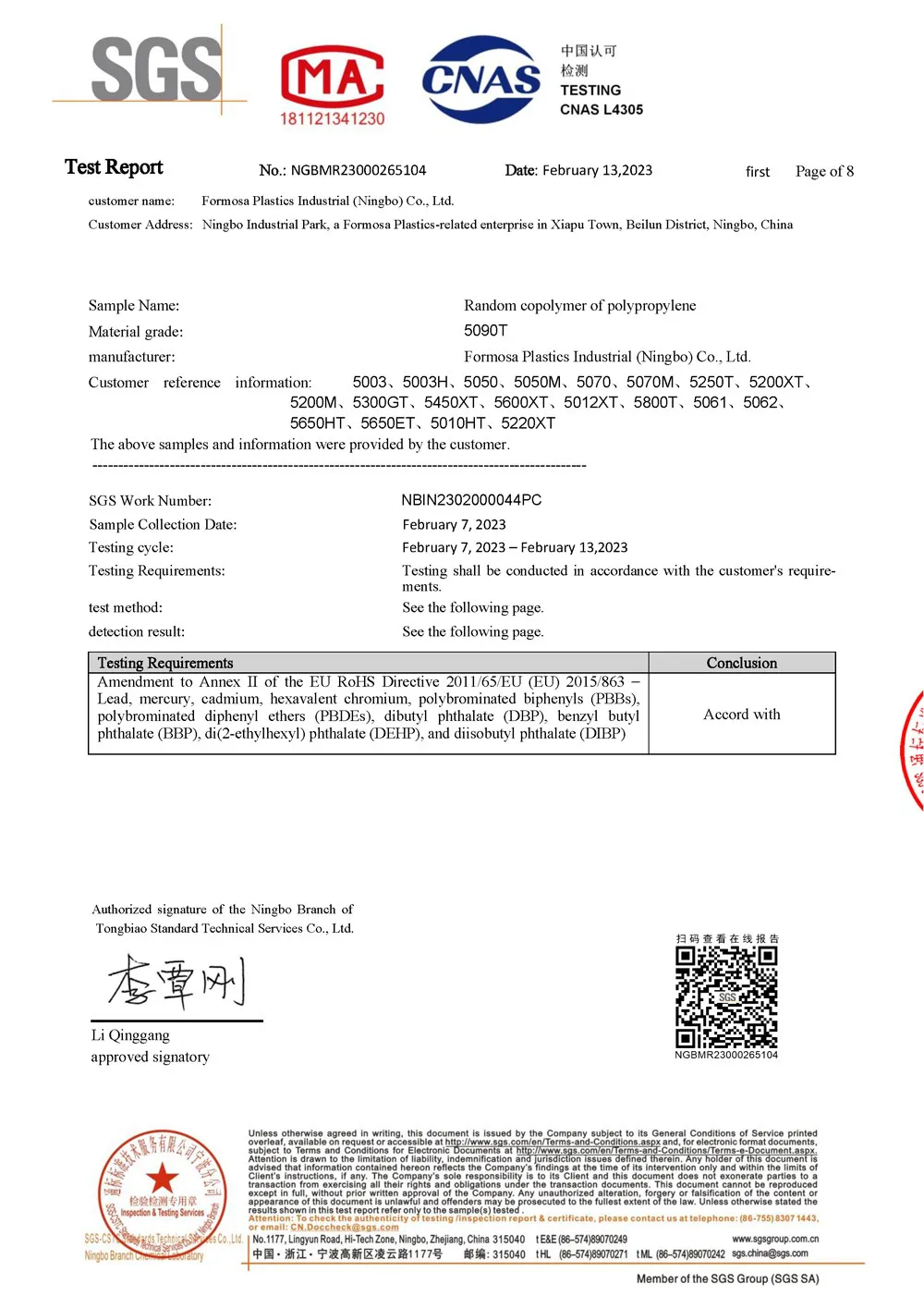
ISO9001 is an international standard for quality management systems. An ISO9001 certified packaging factory has proven that they have strict processes in place to ensure consistent quality, from design to delivery. This means fewer defects, fewer delays, and more reliable products. For CBD brands, this translates to peace of mind: you can trust that every roll-on container leaving the factory meets the same high standards.
Good Manufacturing Practices (GMP) are guidelines that ensure products are consistently produced and controlled according to quality standards. For packaging used in cosmetics or pharmaceuticals (including some CBD topicals), GMP compliance is often required by regulators. A dust-free GMP compliant workshop minimizes contamination risks, ensuring that your roll-on containers are clean and safe for consumers.
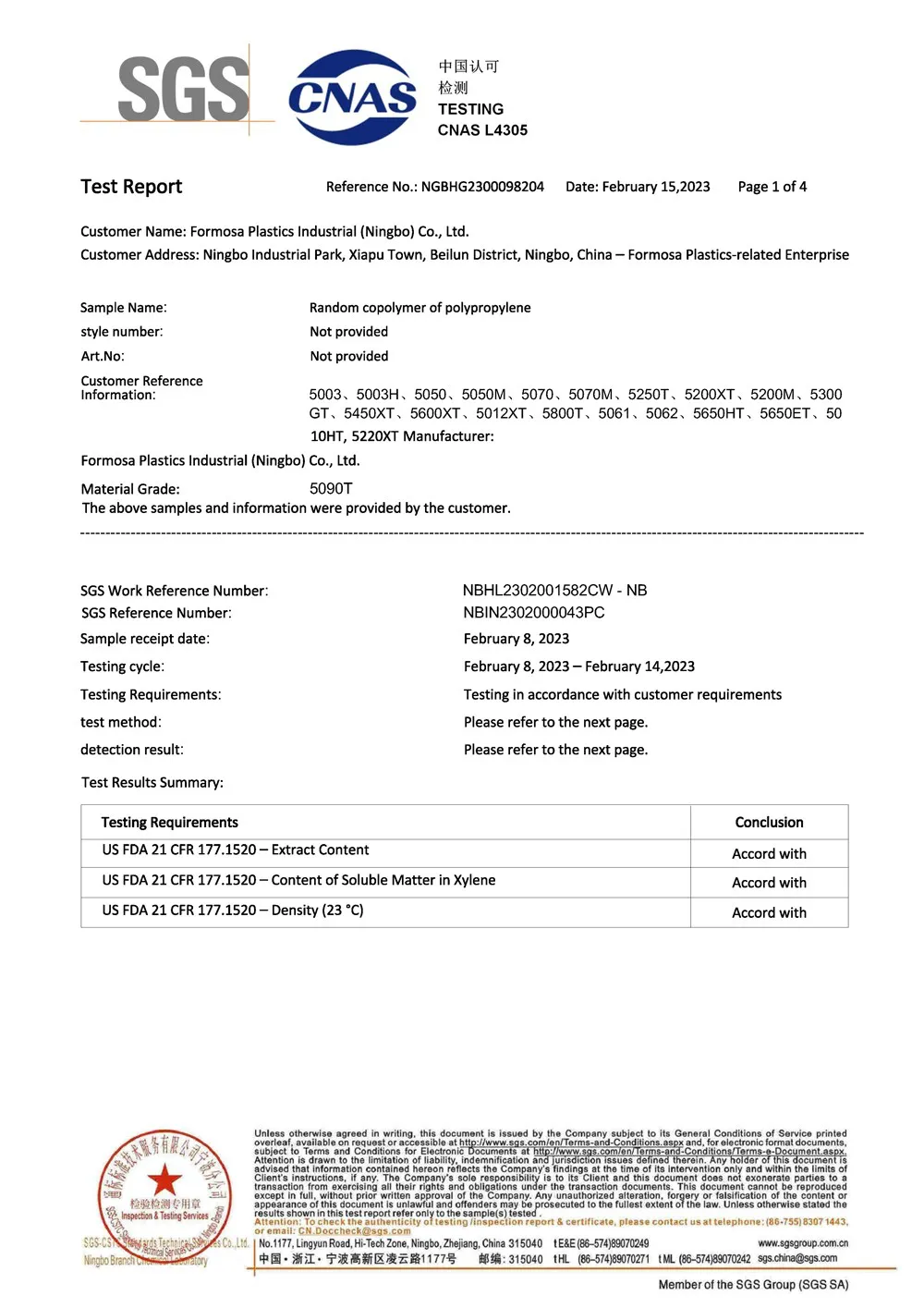
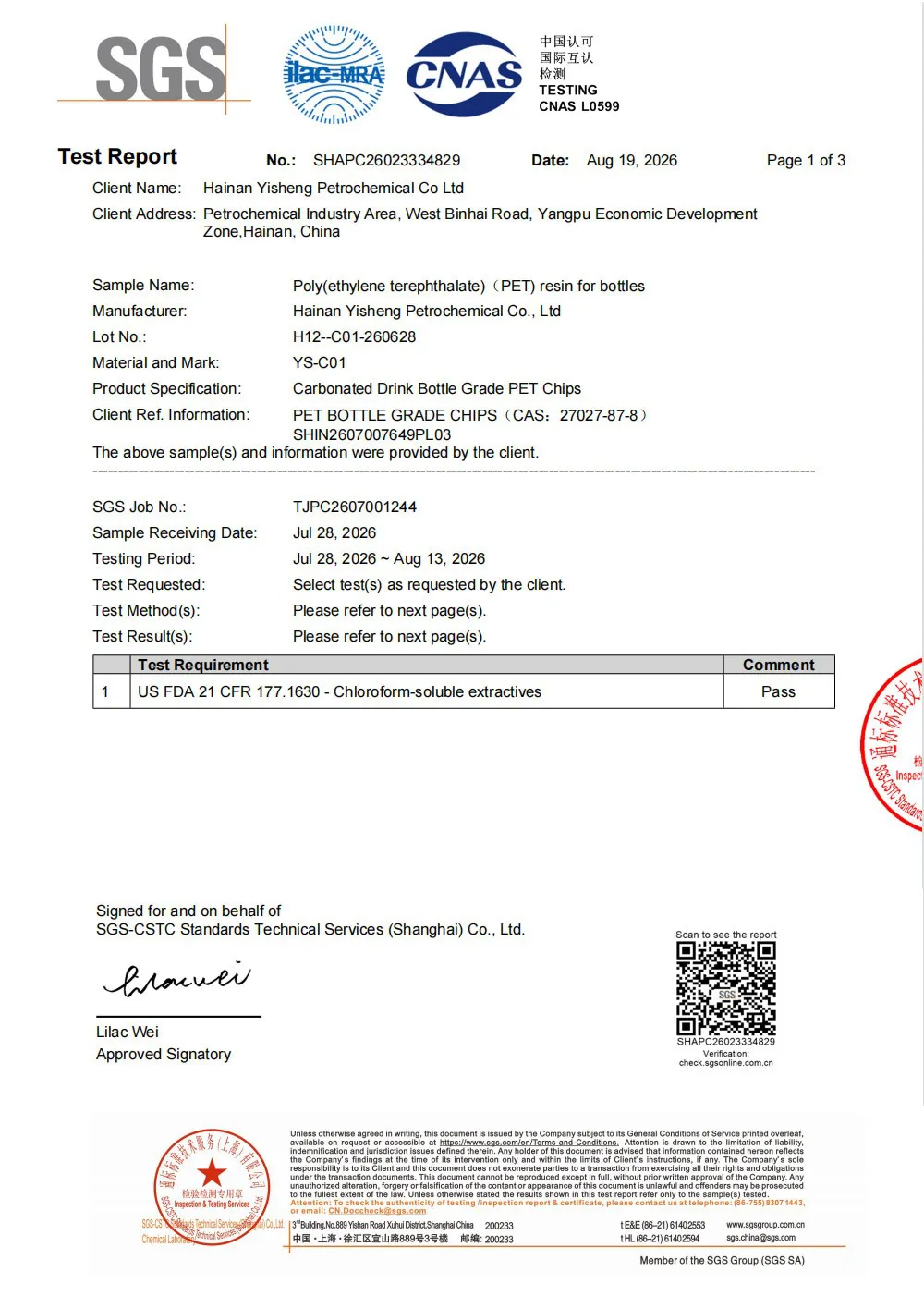
Even with certifications, the best factories go the extra mile with third-party testing. This might include testing for leachables (chemicals that could transfer from the plastic to the CBD formula), UV resistance, and durability. For example, a 30ml amber glass dropper bottle might be tested to ensure it blocks 99% of UV light, protecting the CBD oil from degradation. These test results give brands (and their customers) confidence that the packaging is safe and effective.
Custom mold design is just one part of creating a memorable brand—private label plastic packaging ties it all together. Private labeling allows brands to add their logo, colors, and messaging to every part of the container, from the bottle to the cap to the label. This consistency builds recognition: when a customer sees your signature teal bottle with a wave pattern on the shelf, they'll instantly know it's your brand.
Private label options include custom colors (matched to your brand's Pantone code), embossed or debossed logos, and unique finishes (matte, glossy, or metallic). For example, a CBD brand focused on calm and relaxation might choose a soft lavender color with a matte finish and a debossed lotus flower logo, while a high-energy brand might opt for bright orange with a glossy finish and a bold, printed logo.
Private labeling also extends to the unboxing experience. Custom boxes, tissue paper, or inserts can turn a simple order into a memorable moment, encouraging customers to share their experience on social media (free marketing!). In a market where word-of-mouth is gold, this can be a game-changer.
| Mold Type | Design Complexity | Material Compatibility | Lead Time | Cost Range | Best For |
|---|---|---|---|---|---|
| Standard Single-Cavity | Simple (cylindrical, minimal curves) | HDPE, PET, PCR Plastic | 4–6 weeks | $2,000–$5,000 | Small brands, tight budgets, simple designs |
| Multi-Cavity | Moderate (slight curves, textured surfaces) | HDPE, PET, PCR Plastic, Biodegradable Plastics | 6–8 weeks | $8,000–$15,000 | Medium to large brands, high production volumes |
| Complex 3D Mold | High (ergonomic shapes, hollow sections, unique closures) | All plastics, some glass composites | 8–12 weeks | $15,000–$30,000+ | Luxury brands, unique selling propositions, brand differentiation |
| Sustainable Mold (PCR/Compostable) | Moderate to High | PCR Plastic, Biodegradable Plastics | 6–10 weeks | $5,000–$20,000 | Eco-conscious brands, sustainability-focused marketing |
Let's put this all into context with a real-world example. Meet "Serene CBD," a small brand that launched in 2022 with a line of lavender-infused roll-on oils for stress relief. Initially, they used standard 30ml clear plastic roll-on bottles with generic labels. Sales were steady but slow—they struggled to stand out among larger competitors.
In 2023, Serene CBD partnered with an ISO9001 certified packaging factory to create a custom mold roll-on container. They wanted something that felt "calming" and "premium," so they opted for a curved, ergonomic shape that fit easily in the hand, made from 100% PCR plastic in a soft lavender matte finish. The cap was designed with a built-in essential oil diffuser (a small hole that releases a subtle lavender scent when opened), and the roller ball was made from stainless steel for a smooth glide.
The results were dramatic. Within three months of launching the new packaging, Serene CBD's sales increased by 40%. Customers praised the "luxury feel" and "thoughtful design," and social media mentions spiked as users shared photos of the unique bottle. Retailers also took notice—Serene CBD was picked up by three major health store chains, who cited the packaging as a key reason for the partnership.
Today, Serene CBD is expanding their custom mold line to include a 15ml travel-sized roll-on and a refillable 100ml bulk bottle, leveraging their sustainable plastic packaging solutions as a core part of their brand story. As their founder put it: "We didn't just change our bottle—we changed how customers see us. Now, they don't just buy our oil; they buy into our commitment to quality and sustainability."
In a market where CBD brands are a dime a dozen, custom mold design isn't a luxury—it's a necessity. It transforms packaging from a functional tool into a brand ambassador, helping you stand out on shelves, build customer loyalty, and justify premium pricing. Whether you're a small startup or a growing brand, the process—from 3D modeling to production—offers endless opportunities to infuse your personality into every detail.
But remember: not all custom mold partners are created equal. Look for an ISO9001 certified packaging factory with experience in CBD or cosmetic packaging, a commitment to sustainable plastic packaging solutions, and a collaborative approach to design. With the right partner, you can create a roll-on container that doesn't just hold your product but tells your brand's story—one unique shape at a time.
So, what are you waiting for? The shelf is crowded, but there's always room for a brand that dares to be different. Your custom mold CBD roll-on container is just a design away.