Email: info@mggpacking.com | Tel: +86-13510174848 ( Mr. Yao)


Elevate Your Brand with Tailored Packaging Solutions That Combine Function, Aesthetics, and Sustainability
Essential oils have woven their way into our daily lives—calming nerves, refreshing spaces, and enhancing well-being. But behind every bottle of lavender room spray or citrus-infused mist is a silent partner: the container. It's not just a vessel; it's the first impression, the protector of precious formulas, and a reflection of your brand's identity. For businesses in the essential oil and aromatherapy space, generic, one-size-fits-all spray bottles simply won't cut it. Today's consumers crave uniqueness, and that's where custom shape essential oil room spray containers come into play—especially when paired with cutting-edge 3D mold design to bring your vision to life.
Whether you're a small batch essential oil brand or a large-scale aromatherapy company, the right packaging can turn a casual browser into a loyal customer. It's about more than holding liquid; it's about storytelling. Does your brand prioritize sustainability? Or luxury? Maybe functionality for on-the-go use? Custom containers let you answer these questions visually, before a single spritz is even sprayed.
Walk down any store aisle, and you'll notice a sea of cylindrical spray bottles—practical, but forgettable. Custom shapes disrupt that monotony. Imagine a container curved to fit comfortably in the palm during yoga sessions, or a geometric design that doubles as a decorative piece on a bathroom counter. These aren't just design flourishes; they're strategic choices that boost brand recall and user satisfaction.
For example, a brand focused on eco-conscious living might opt for a minimalist, angular shape made from recycled materials, signaling its commitment to the planet. A luxury aromatherapy line, on the other hand, could choose a sleek, hourglass silhouette with a frosted finish, evoking elegance. The possibilities are endless, but they all start with one key step: custom mold design for plastic bottles . This process isn't just about aesthetics; it's about creating a container that's functional, manufacturable, and uniquely yours.
Gone are the days of guesswork and expensive trial-and-error mold making. 3D mold design has revolutionized how custom plastic containers are created, making the process faster, more precise, and more accessible—even for brands with specific, intricate visions. Here's how it works:
Step 1: Collaboration & Conceptualization – It starts with a conversation. Your team shares ideas: the intended use (Is it for travel? Home use?), target audience (Busy professionals? Wellness enthusiasts?), and brand values (Sustainability? Luxury?). From there, designers draft initial concepts, considering ergonomics (How easy is it to hold and spray?), material constraints, and production feasibility.
Step 2: Digital Modeling with CAD – Using Computer-Aided Design (CAD) software, designers transform 2D sketches into detailed 3D models. Every curve, edge, and spray nozzle placement is refined digitally, allowing for adjustments in real time. Want to tweak the bottle's neck for easier refilling? Or add a subtle brand logo embossment? It's all done on screen, eliminating the need for physical prototypes upfront.
Step 3: Prototyping with 3D Printing – Once the 3D model is finalized, a physical prototype is created using 3D printing. This isn't just a plastic toy; it's a functional sample that lets you test weight, balance, and spray mechanics. You can even fill it with water to simulate use—ensuring the trigger sprayer works smoothly and the bottle doesn't leak. This step is crucial for catching issues early, saving time and money down the line.
Step 4: Mold Creation & Production – With the prototype approved, the digital model is used to create the actual mold. Modern factories use high-precision machining to craft molds that replicate the 3D design exactly, ensuring consistency across every bottle produced. Whether you need 1,000 or 100,000 units, the mold guarantees each container matches your vision.
The result? A plastic spray bottle custom designed to your exact specifications—no compromises, no generic templates. This level of customization is a game-changer for brands looking to stand out in a crowded market.
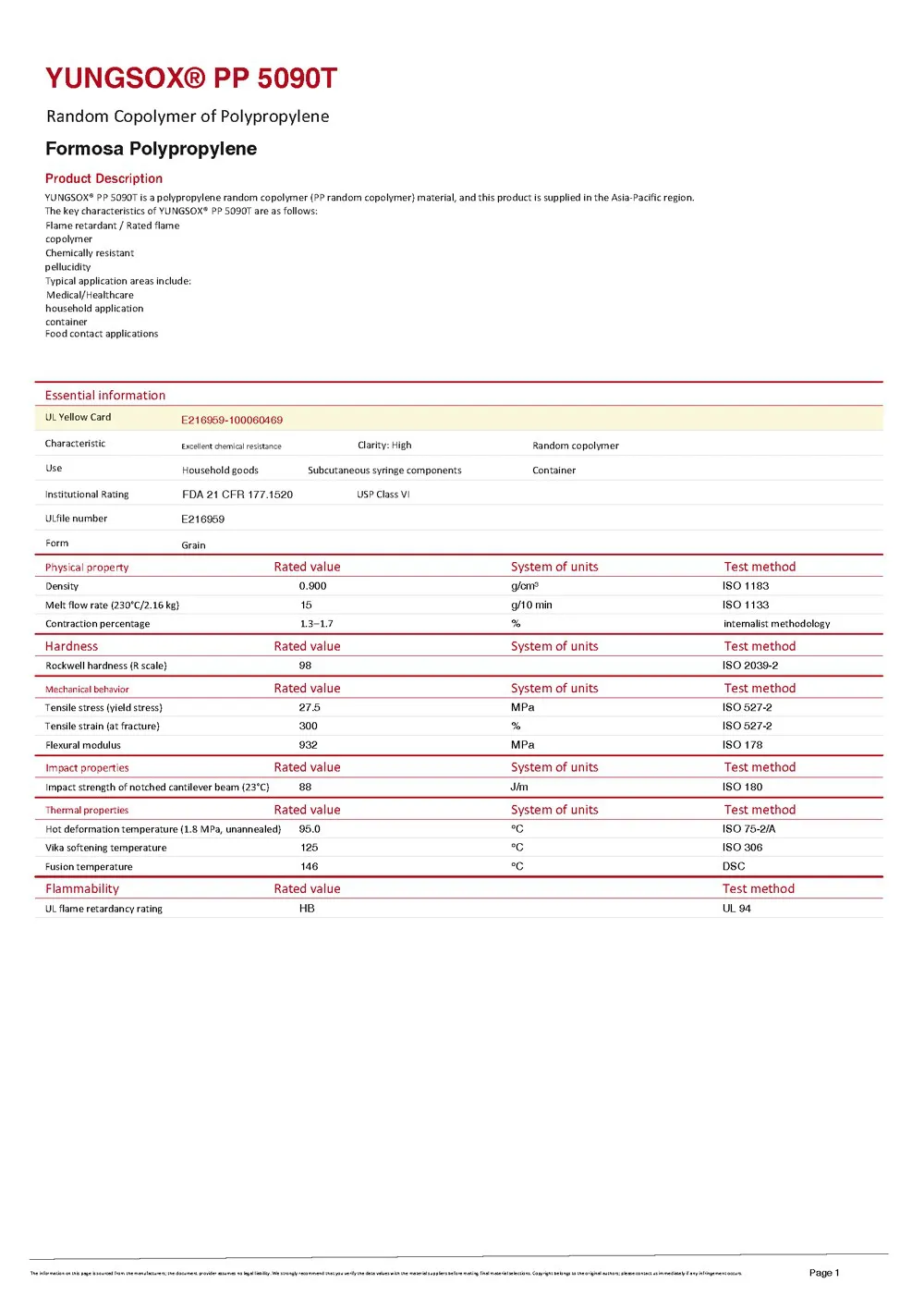
A stunning custom shape is only as good as the material it's made from. For essential oil room spray containers, two materials reign supreme: PET (Polyethylene Terephthalate) and HDPE (High-Density Polyethylene). Each has its strengths, and the choice depends on your brand's priorities. Let's break them down:
| Material | Clarity & Aesthetics | Durability | Chemical Resistance | Sustainability Features | Best For |
|---|---|---|---|---|---|
| PET | High clarity (glass-like), ideal for showcasing colored sprays | Lightweight yet strong; resistant to shattering | Good for most essential oils; avoid prolonged exposure to strong solvents | Widely recyclable; PCR (Post-Consumer Recycled) PET options available | Luxury brands, colored formulations, visual appeal |
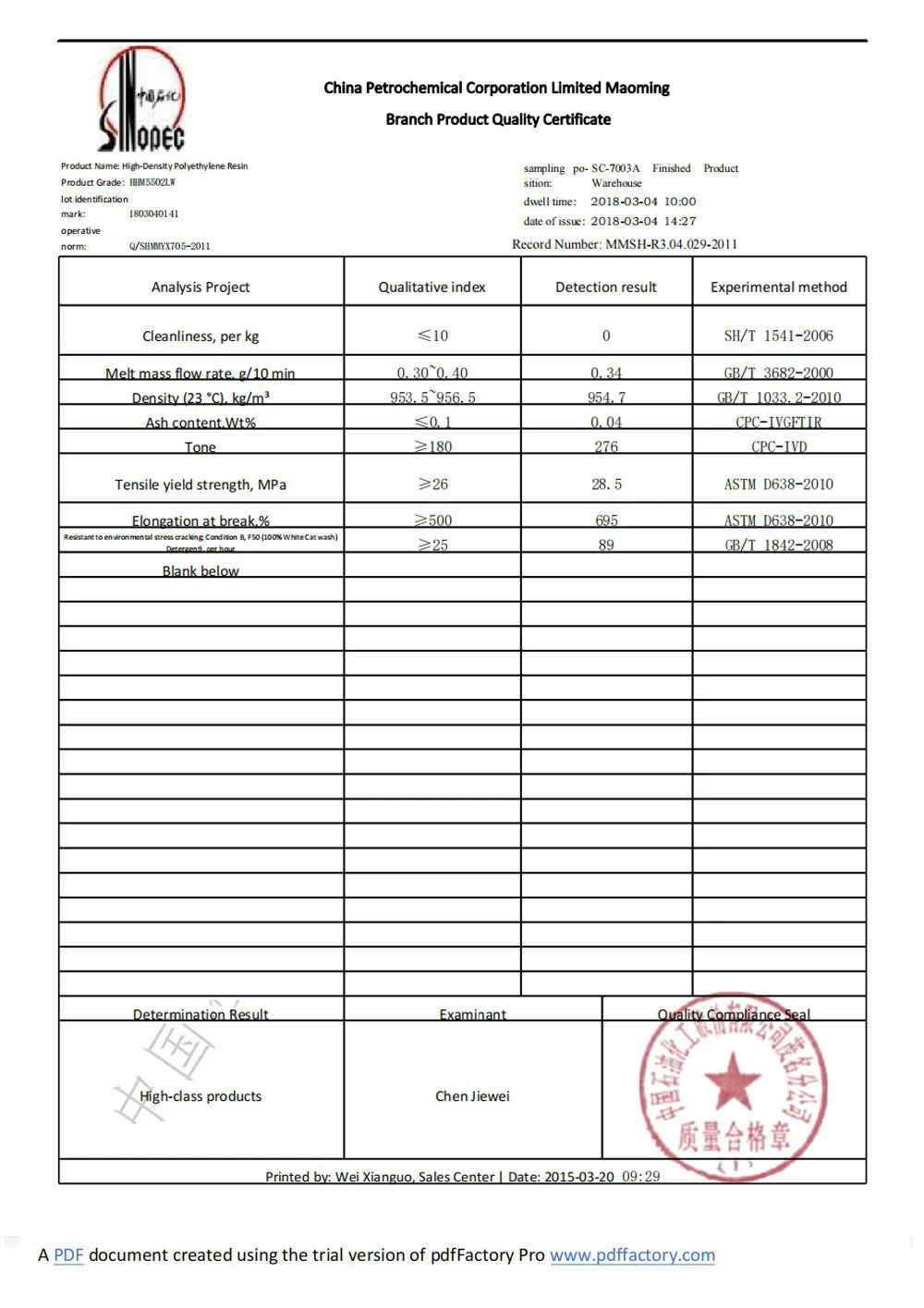
| HDPE | Opaque or semi-transparent; available in custom colors | High impact resistance; withstands drops and rough handling | Excellent for essential oils; resistant to acids and alcohols | Recyclable; PCR HDPE options; can be paired with biodegradable additives | Eco-friendly brands, travel-sized containers, bulk packaging |
But beyond PET and HDPE, sustainability is no longer a "nice-to-have"—it's a consumer expectation. That's why leading manufacturers now offer sustainable plastic packaging solutions that align with eco-conscious brand values. This includes using PCR plastic (made from recycled bottles), incorporating biodegradable additives that help the plastic break down faster in landfills, and designing refillable containers to reduce single-use waste. For example, a 100ml custom spray bottle made from 50% PCR PET not only reduces your carbon footprint but also tells customers you're serious about the planet—a powerful differentiator in today's market.
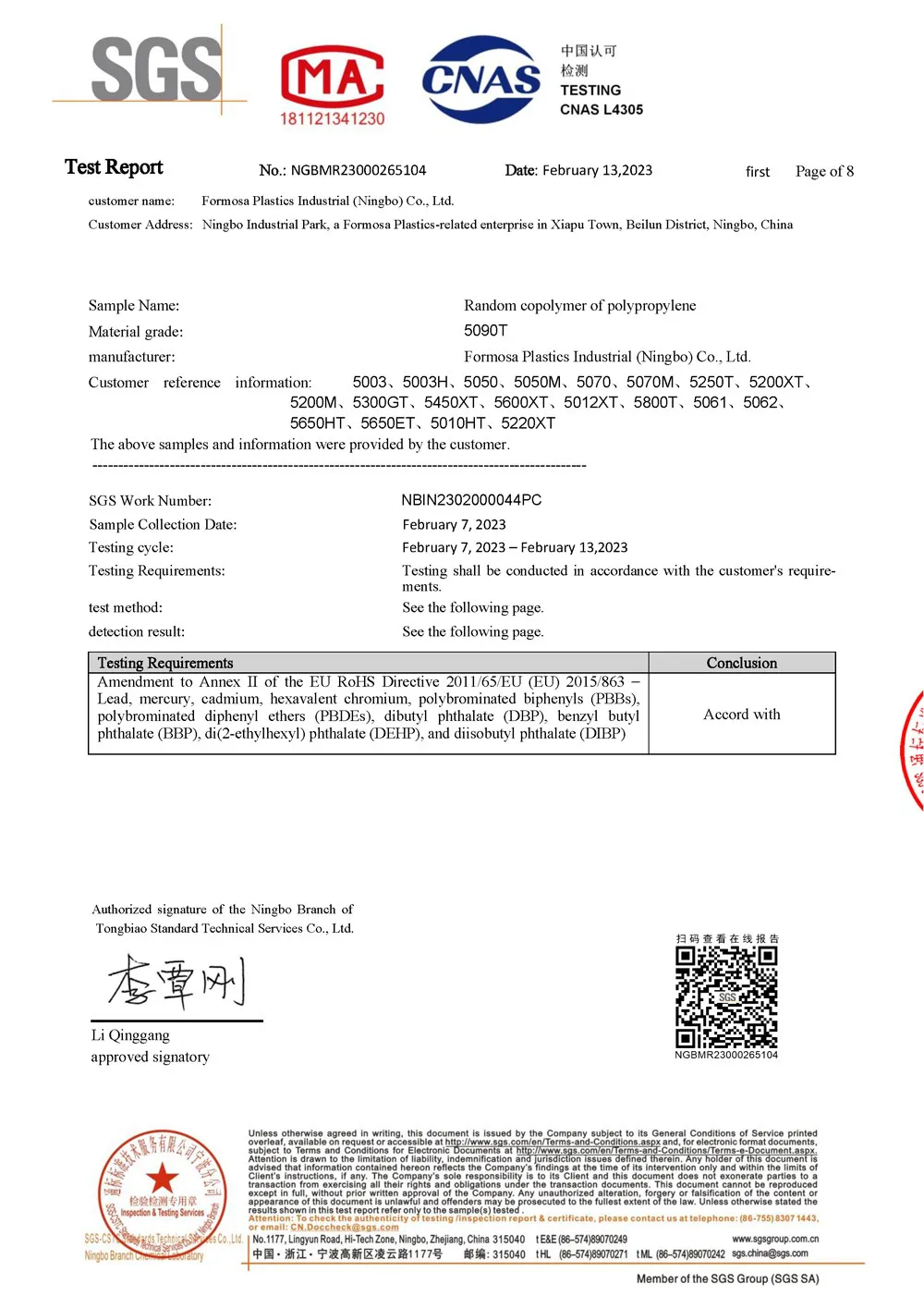
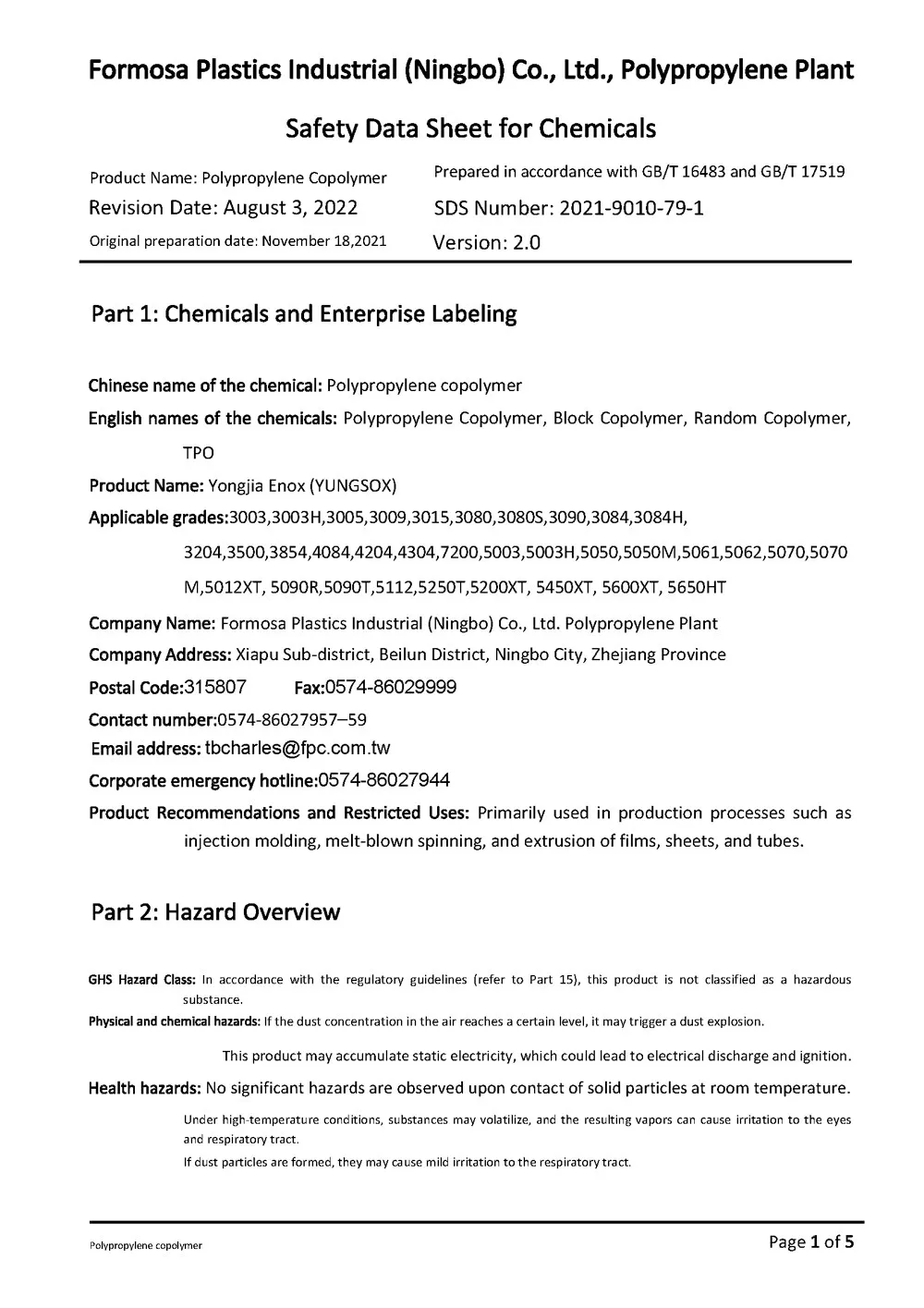
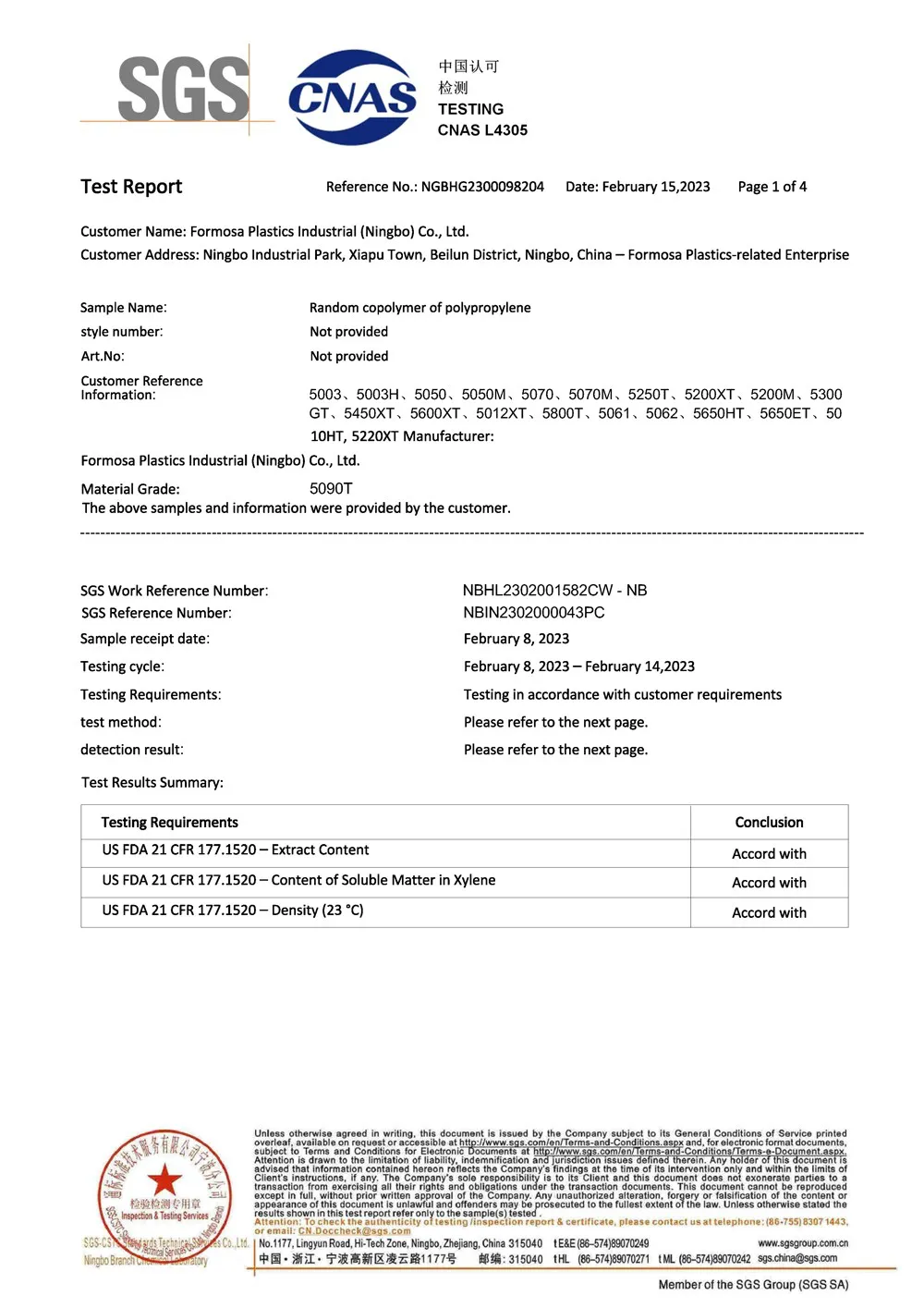
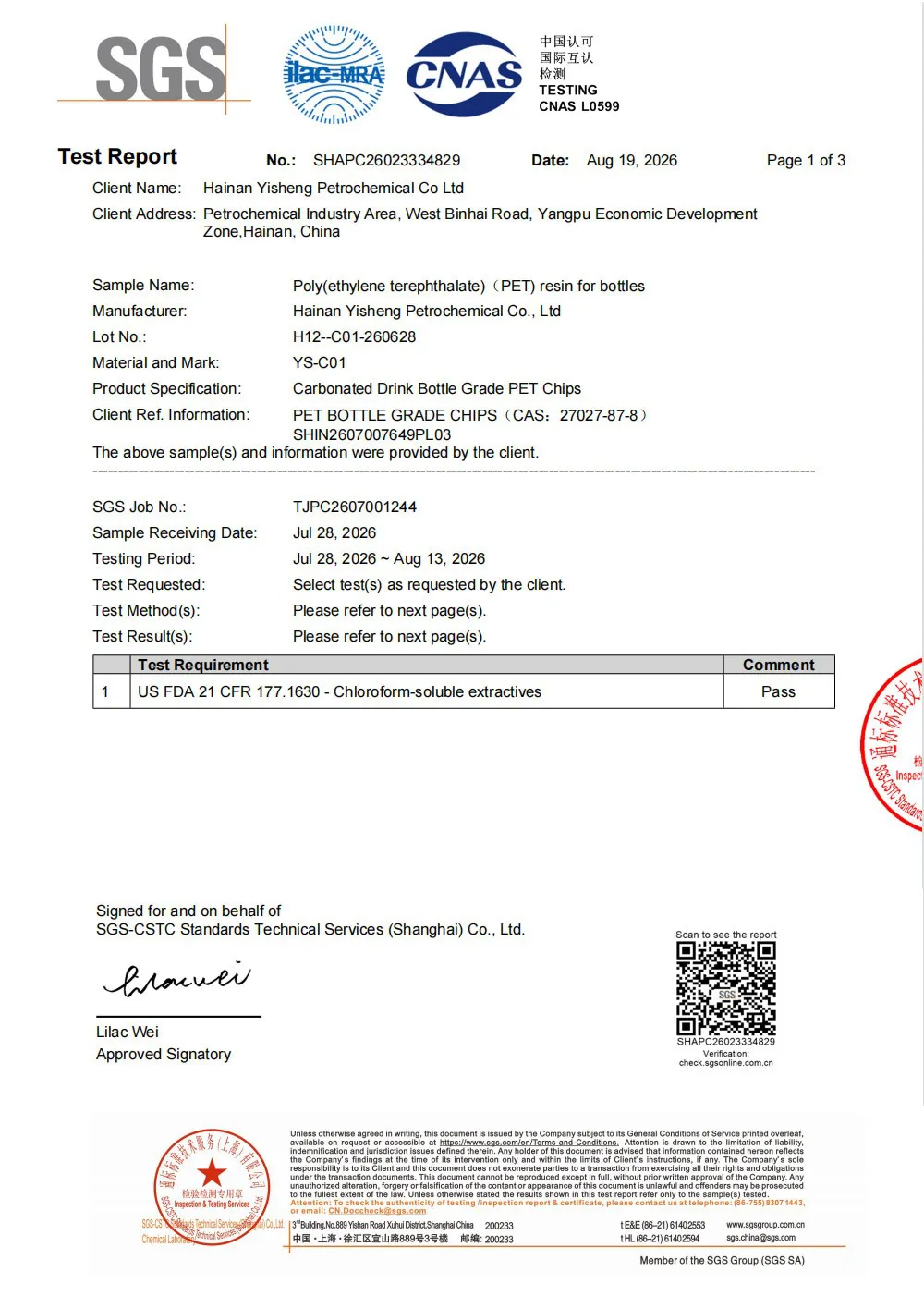
When it comes to packaging essential oils—products that often come into contact with skin or are used in enclosed spaces—quality isn't negotiable. You need to ensure your containers are safe, hygienic, and consistent. That's where certifications like ISO9001 and GMP compliance come in.
An ISO9001 certified packaging factory adheres to strict quality management standards, from raw material sourcing to production and shipping. This means every batch of custom spray bottles undergoes rigorous testing: leak tests, pressure tests, and material safety checks to ensure they meet global standards. For essential oil brands, this certification isn't just a badge—it's a promise to customers that your products are packaged in facilities that prioritize quality and safety.
For brands in regions with strict health regulations, GMP (Good Manufacturing Practice) compliant workshops are equally important. These dust-free, controlled environments minimize contamination risks, ensuring your spray bottles are clean and safe for storing sensitive formulas. Imagine a workshop where air is filtered to remove particles, surfaces are sanitized regularly, and employees follow strict hygiene protocols—this is the level of care that goes into packaging for wellness products.
Custom shape and 3D design are just the start. Private label plastic packaging takes customization a step further, letting you brand every inch of the container—from the color of the bottle to the logo on the sprayer. Here are some ways to make your packaging truly yours:
Custom Colors – Match the bottle to your brand's color palette using Pantone matching. Whether it's a soft pastel for a calming lavender spray or a vibrant orange for an energizing citrus blend, color helps customers instantly recognize your products.
Logo & Branding – Silk screening, hot stamping, or digital printing lets you add your logo, tagline, or even usage instructions directly onto the bottle. For a premium touch, consider embossed or debossed logos that add texture and depth.
Specialty Closures – The sprayer or cap is just as important as the bottle itself. Options include fine mist sprayers for even distribution, ergonomic triggers for easy use, or child-resistant caps for formulas that need extra safety. You can even customize the cap color to complement the bottle, creating a cohesive look.
Refillable Options – In line with sustainable trends, many brands now offer refillable custom spray bottles. This not only reduces waste but also encourages repeat purchases—customers buy the initial bottle, then refill it with bulk essential oil blends, strengthening brand loyalty.
As the essential oil market grows, so does the demand for packaging that's as unique and thoughtful as the products inside. Custom shape essential oil room spray containers, powered by 3D mold design, offer brands a way to stand out, connect with customers, and align with values like sustainability and quality. Whether you're just starting out or looking to refresh your packaging, the key is to partner with a manufacturer that understands your vision—and has the technology, materials, and certifications to bring it to life.
From the first sketch to the final product, every step of the custom packaging journey is an opportunity to tell your brand's story. And when that story is told through a container that's beautiful, functional, and true to your values? That's when customers don't just buy a spray bottle—they buy into your brand.