Email: info@mggpacking.com | Tel: +86-13510174848 ( Mr. Yao)


A QSAR (quantitative structure-activity relationship) startup lives or dies by the quality of its data. Every compound in a training set, every standard solution on the bench, and every replicate run depends on samples that stay pure, stable, and correctly dosed from the moment they are prepared. That is why the humble dropper bottle deserves more attention than most young computational chemistry teams give it. It is the workhorse that carries your reference compounds, your internal standards, and your assay reagents through weeks of experiments.
If you are building a QSAR platform, you are probably not thinking about packaging yet. But the samples you generate today become the validation data for tomorrow's models, and contaminated or mislabeled samples quietly corrupt both. Choosing the right dropper bottles from the start protects the integrity of your compound library and saves you from re-running expensive experiments.
QSAR work is a mix of computation and wet-lab verification. Models are built on measured activity data, which means someone has to prepare serial dilutions, dispense precise volumes of stock solutions, and store reference materials between runs. Dropper bottles fit naturally into this workflow because they let you deliver liquids one drop at a time with good repeatability, without exposing the whole contents of a container to the air each time you open it.
The practical benefits are straightforward. A well-made dropper bottle keeps the bulk of your solution sealed while the dropper tip delivers only what you need. That reduces evaporation, limits contamination, and makes it easy to handle small volumes that would be awkward with a beaker or a wide-mouth jar. For a small team running many different compounds, that convenience adds up quickly.
The first decision is material. Borosilicate glass is the standard choice for laboratory use because it resists a wide range of acids, alkalis, alcohols, and organic solvents, and it can be autoclaved without deformation. Its low interaction with stored substances makes it a safe home for the kind of reactive intermediates and sensitive reagents that show up in medicinal chemistry workflows.
Plastic dropper bottles, usually made of LDPE or PET, are lighter, unbreakable, and cheaper to ship, which makes them attractive for travel kits, field sampling, or high-volume consumables. The trade-off is lower chemical resistance and less compatibility with aggressive solvents. Many labs keep both on hand: glass for the bench and plastic for logistics.
Light sensitivity is a real concern in compound storage. Many drug-like molecules and assay reagents degrade under UV exposure, and a clear bottle offers them no protection. Amber glass dropper bottles block most UV light while still letting you see the liquid level, which makes them the sensible default for anything you are not certain is photostable. Clear glass is preferable when you need to inspect color or clarity, for example in colorimetric assays or when checking for precipitation.
If you are storing a compound library that will be referenced for months, amber is the safer bet. You can always move to clear once you have confirmed a compound is stable in light.
QSAR labs work with small volumes, and the bottle sizes should match the job. Calibrated dropper bottles with printed milliliter markings are useful when you want a rough visual check before dispensing. For quantitative work, a graduated dropper that delivers a consistent drop size matters more than the markings on the wall of the bottle, because repeatable dosing is what keeps your assay data comparable across runs.
Closures deserve attention too. A standard rubber-bulb dropper is fine for most aqueous solutions, but aggressive solvents can degrade rubber over time, so it is worth checking chemical compatibility before committing to a setup. Where safety is a concern, child-resistant or tamper-evident options are available for pharmaceutical-grade applications. Small sizes in the 1 ml to 10 ml range are especially useful for storing individual compound aliquots, while 30 ml and 60 ml bottles suit stock solutions and reagents used more frequently.
Understanding the mechanism helps you use the bottles correctly. Squeezing the rubber teat pushes air out of the dropper. Releasing it draws liquid up into the tube by vacuum. A light squeeze then releases one drop at a time, controlled by gravity and surface tension. If the seal between the dropper and the neck is tight, there is minimal liquid loss and no leakage during storage, which is exactly what you want when every microliter of a standard solution counts.
Good habits keep your samples trustworthy. Label every bottle clearly with solvent-resistant ink so you never confuse two similar-looking solutions. Keep one dropper bottle per reagent and clean it thoroughly before switching contents to avoid cross-contamination. Rinse with deionized or distilled water after use, since tap water can introduce ions that interfere with downstream analysis. replace rubber teats periodically, as they lose suction as they age. And store bottles upright with the dropper tip clean, so residue does not backflow into the solution.
None of this is complicated, but it is the kind of discipline that separates reproducible data from noise. For a startup whose models are only as good as their training data, these small habits are worth building into the lab routine from day one.
Early-stage companies rarely need off-the-shelf packaging in huge volumes, but they often need it customized. If your product will eventually ship as a kit, a sample set, or a reagent bundle, working with a custom dropper bottles manufacturer early means your bottles can carry your logo, your label design, and your specific volume choices from the start, instead of being repackaged later.
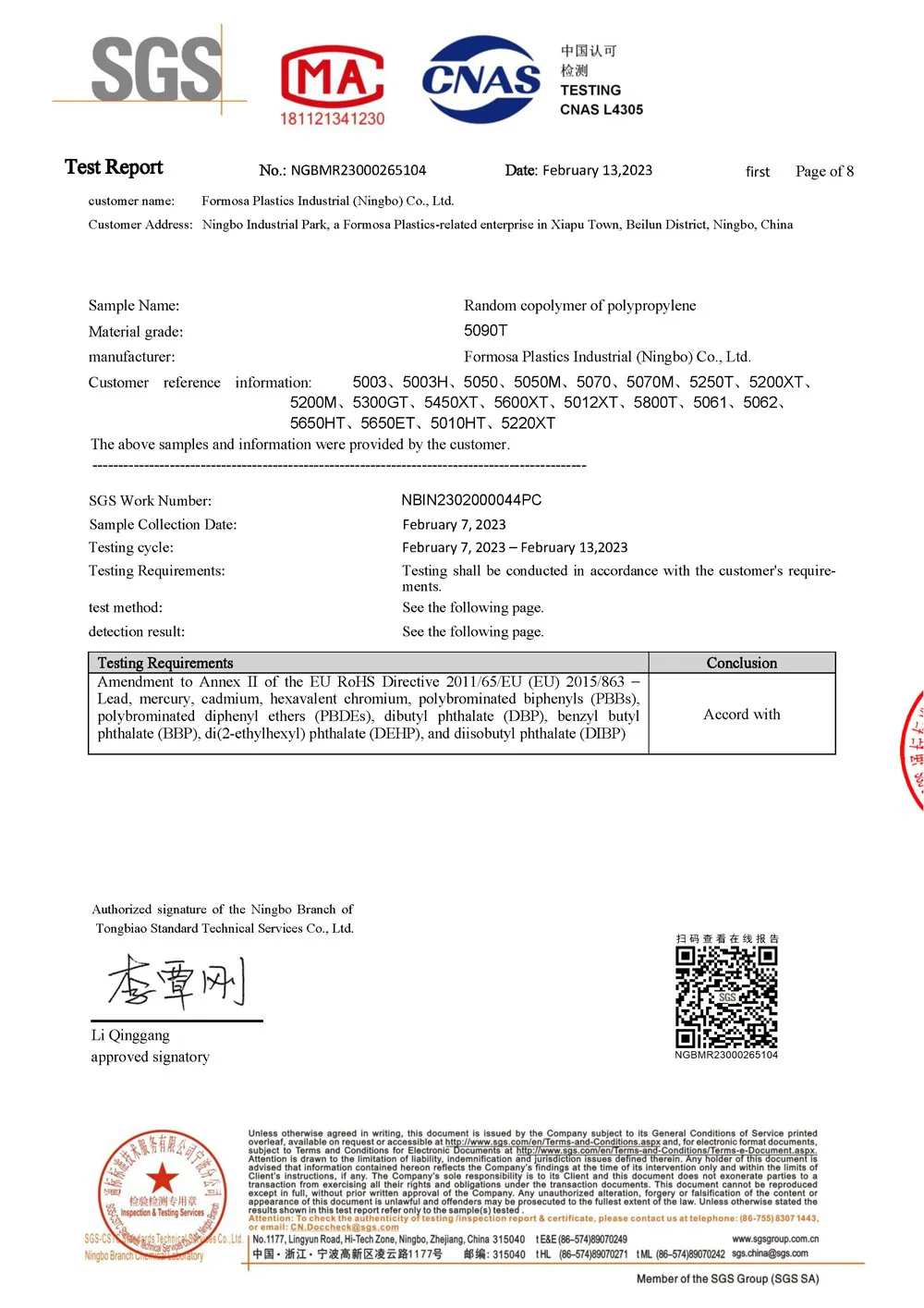
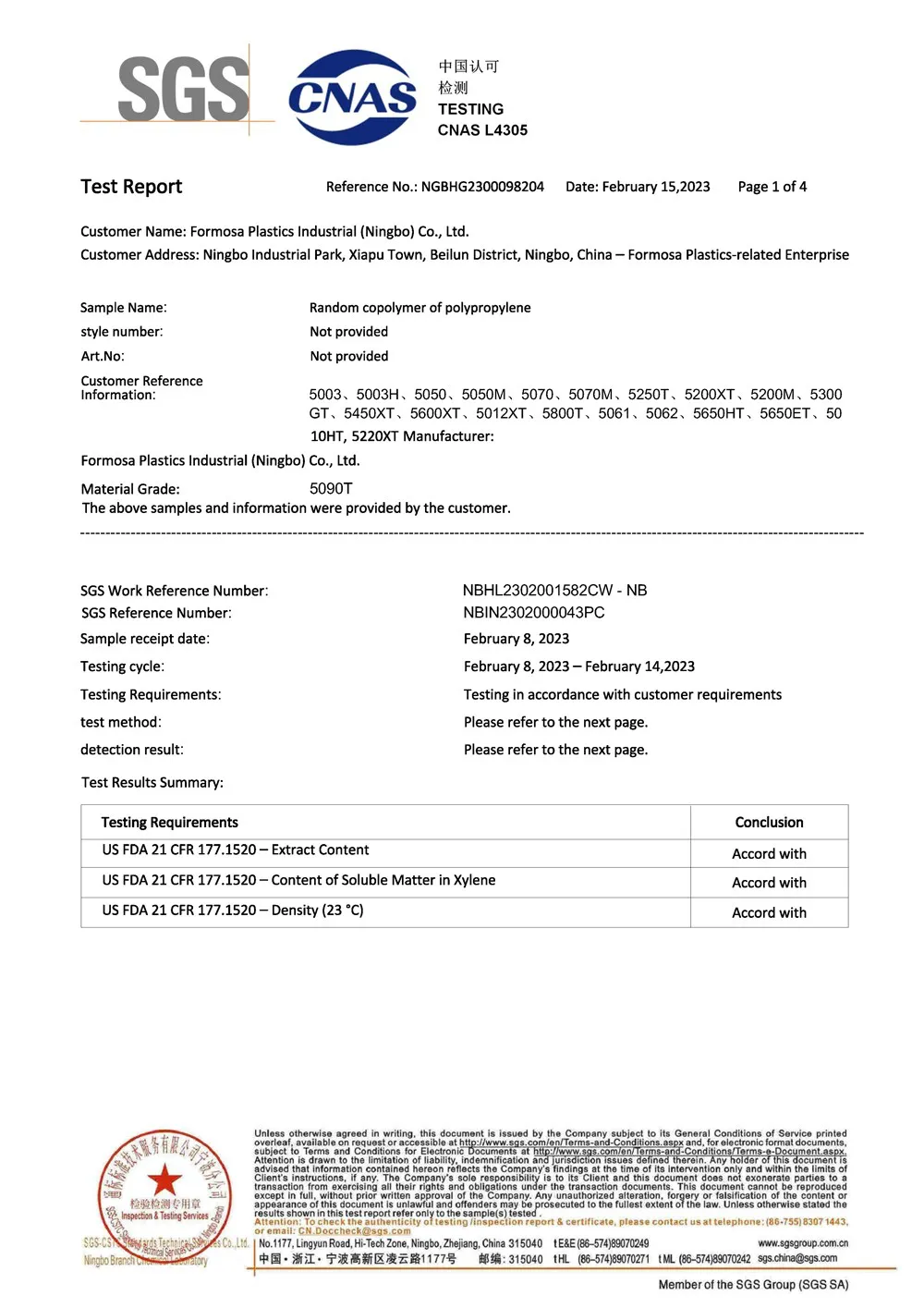
MGG Group, a China-based manufacturer established in 2006, produces glass and plastic dropper bottles alongside a wider range of pharmaceutical and cosmetic packaging. The company holds ISO 9001:2015 certification, has passed GMP auditing, and manufactures in a 100,000-class dust-free workshop, with all products rated food and medical grade. That matters if your samples or kits will ever touch clinical or regulated environments.
For a startup, the practical advantages are the flexible ones. MGG offers custom mold design and manufacturing, free 3D design and 3D printing, and free product testing molds, so you can validate a bottle design before committing to production. One-stop brand decoration, including printing, labeling, and embossing, means your finished bottles arrive ready to use. With a daily capacity of 200,000 units and exports to more than 60 countries, the company is set up to scale with you from a first small batch to full production runs.
Start small and think ahead. Order a few sizes of calibrated glass dropper bottles for the bench, add amber versions for anything light-sensitive, and keep a small stock of plastic bottles for shipping and field use. Once you know which formats your workflow actually uses, talk to a manufacturer about standardizing on those sizes with your own branding.
The right dropper bottle will not make your QSAR models better by itself, but the wrong one can quietly undermine the data they are built on. Choosing clean, well-sealed, appropriately sized containers is one of the cheapest insurance policies a young computational chemistry company can buy.