Email: info@mggpacking.com | Tel: +86-13510174848 ( Mr. Yao)


Protecting Science, Preserving Our Planet—One Vial at a Time
Let's start with a scene we've all seen (or maybe even experienced): a busy lab, late at night, with a researcher hunched over a microscope, carefully transferring a tiny sample into a small plastic tube. They label it, double-check the date, and gently lower it into a tank of liquid nitrogen, where it will sit, frozen in time, until it's needed for the next breakthrough. That small tube? It's not just plastic and a cap. It's a guardian of potential—holding the key to a new vaccine, a cure for a rare disease, or the next big discovery in regenerative medicine.
But here's the thing: not all cryovials are created equal. Imagine spending months growing a batch of stem cells, only to find out the vial you stored them in leaked during freezing. Or realizing that the plastic your lab uses for hundreds of vials every month is piling up in landfills, undoing the good work you're doing to heal the world. That's where the right cryovial comes in—and why we've spent years perfecting one that does more than just hold samples: it protects them, and our planet, too.
Today, we're diving into what makes our silicone gasket sealed cryovials different. We'll talk about the science behind the seal that keeps your samples safe at -196°C, the recycled materials that make each vial a step toward sustainability, and why choosing the right partner for your lab supplies isn't just about quality—it's about shared values. Let's get started.
First, let's talk about the star of the show: the silicone gasket. You might be thinking, "It's just a tiny rubber ring—how important can it be?" Trust us, in the world of cryogenics, that "tiny rubber ring" is the difference between success and disaster.
Most cryovials use regular rubber or plastic gaskets, which can become brittle at ultra-low temperatures. Think of it like leaving a rubber band in the freezer for a week—when you take it out, it cracks instead of stretching. Now imagine that happening to the seal on your vial, which is holding a sample that cost thousands of dollars (and countless hours) to create. Not good.
Silicone, though? It's a superhero in cold weather. It stays flexible even at -196°C (that's the temperature of liquid nitrogen, by the way), so it forms a tight, consistent seal every single time. We've tested these gaskets in our labs until we were blue in the face—dropping vials, shaking them, freezing and thawing them dozens of times—and they never let us down. One of our clients, a stem cell research lab in Europe, told us they used to lose about 5% of their samples due to leaks before switching to our vials. Now? Zero. Zilch. Nada. That's the peace of mind silicone brings.
We don't just say our vials are leak-proof—we prove it. Every batch goes through a series of tests that would make even the pickiest scientist nod in approval. Here's a sneak peek into our process:
A Lab Tech's Take: "I remember the first time I used these vials. We were storing human iPS cells—super finicky, expensive to grow, and irreplaceable. After freezing, I thawed one out expecting the worst (we'd had so many leaks before), but the sample was perfect. The cells started dividing like nothing had happened. Now, I refuse to use any other vial. It's not just about the cells—it's about not having to redo weeks of work because of a bad seal." — Maria, Research Associate, Biomedical Lab
Okay, so the seal is top-notch—we get it. But what about the plastic itself? Let's talk sustainability. Labs go through a lot of plastic. Pipette tips, Petri dishes, vials… it adds up. According to a 2021 study in Nature , academic labs generate about 5.5 million tons of plastic waste every year. That's enough to fill 22,000 blue whales. Yikes.
We started asking ourselves: Why can't lab supplies be both high-performance and eco-friendly? Why does "medical grade" have to mean "single-use and non-recyclable"? The answer, we realized, is that it doesn't. So we set out to create a cryovial that checks both boxes—and that's where our recyclable material comes in.
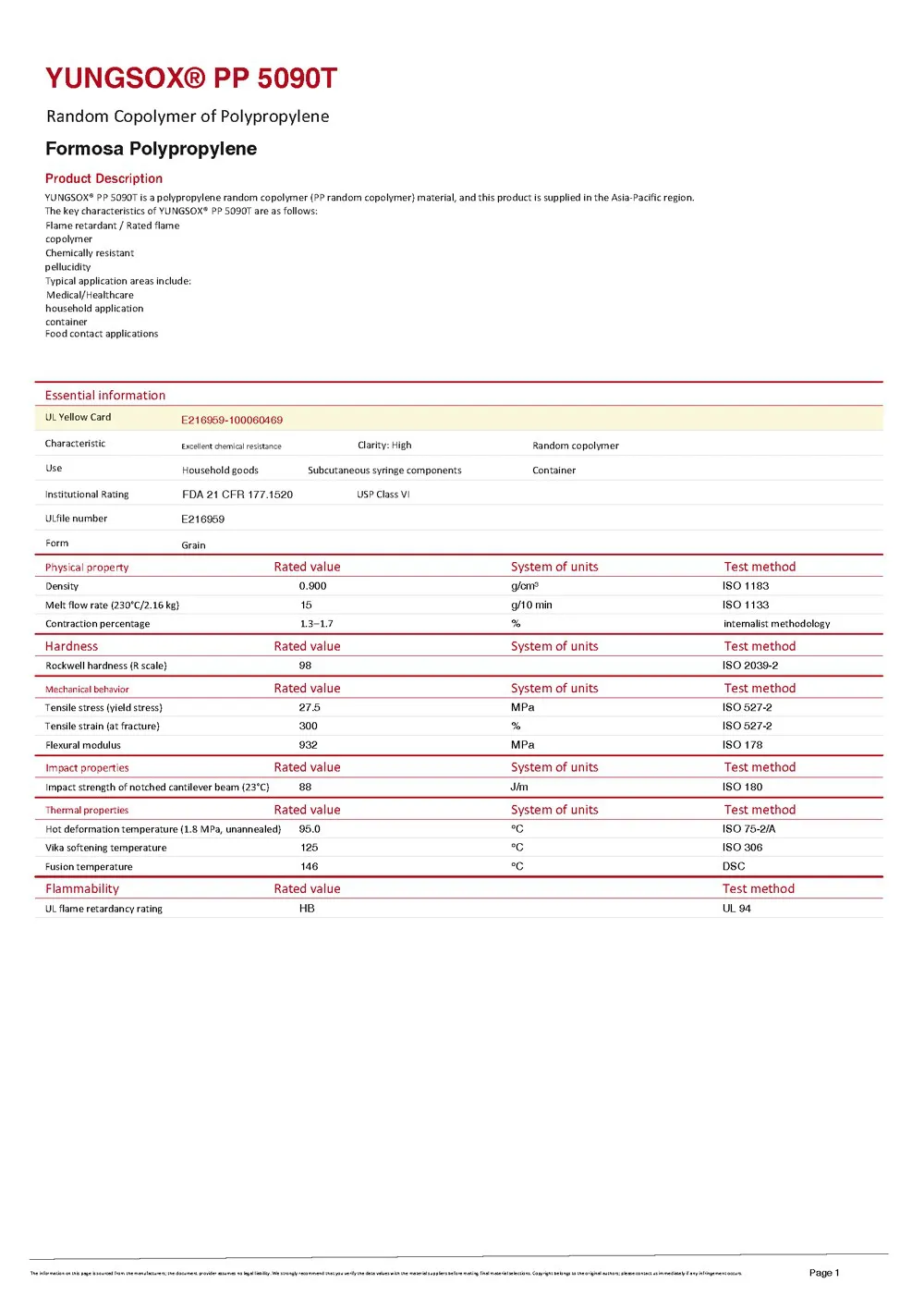
Our cryovials are made with PCR plastic, which stands for "post-consumer recycled" plastic. That means instead of using brand-new plastic made from petroleum, we're using plastic that's already been used (think water bottles, food containers) and recycled into new material. It's like giving plastic waste a PhD—it goes from sitting in a landfill to helping save lives. How cool is that?
But here's the catch: not all PCR plastic is suitable for medical use. A lot of recycled plastic has impurities or inconsistent quality, which is a no-go when you're storing sensitive samples. So we worked with material scientists to develop a process that cleans and purifies the PCR plastic until it meets the same strict standards as virgin plastic. The result? A vial that's 100% medical grade, but with 35% less carbon footprint than traditional options.
We're not stopping there, either. Right now, we're testing PCR plastic blends that include plant-based materials, aiming to get that carbon footprint even lower. Because sustainability isn't a one-and-done—it's a journey, and we're in it for the long haul.
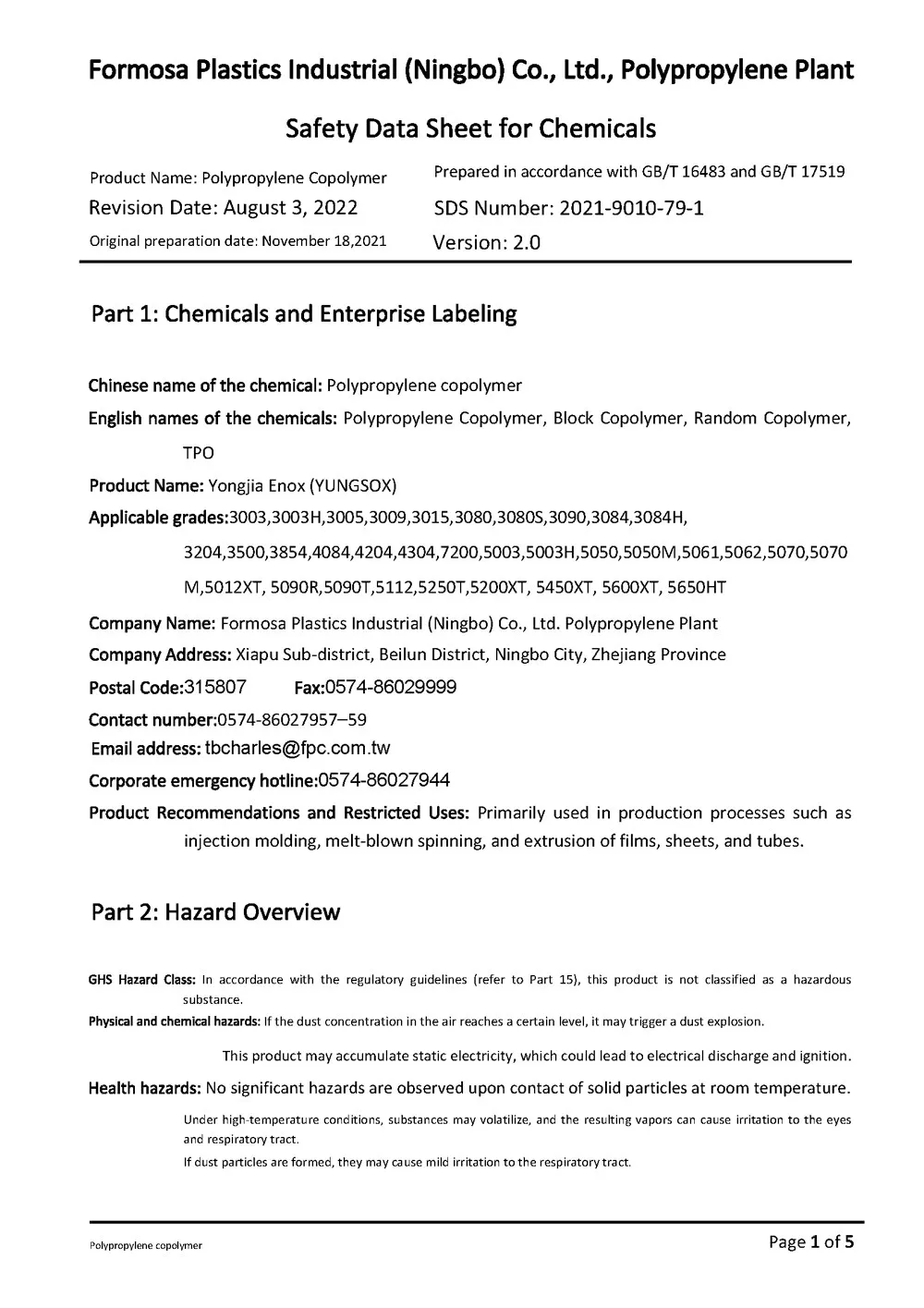
Recyclable material is great, but what happens after you use the vial? We've thought about that, too. Our vials are designed to be easily disassembled—so when they're no longer needed, the cap, gasket, and body can be separated and recycled properly. We even include a small "how to recycle" guide in every box, because let's be honest: lab workers are busy enough without having to Google "can I recycle cryovials?"
We also partner with recycling programs in major research hubs to make sure our vials actually end up being recycled, not just thrown away. For example, in Guangdong, where our factory is located, we've set up collection bins at local universities and biotech parks, making it easy for labs to return used vials to us for proper recycling. It's a small step, but small steps add up—especially when you're talking about thousands of vials a month.
Ever wondered how a cryovial goes from an idea to a product on your lab shelf? It's not as simple as melting plastic and pouring it into a mold (though that is part of it). Let's take a behind-the-scenes tour of our factory in Guangdong, where science, art, and sustainability come together.
First things first: the mold. Every vial starts as a design on a computer screen, created by our in-house mold designers. We work with labs to understand their unique needs—maybe they need a vial with a wider neck for easier sample transfer, or a taller body to fit more liquid, or even a specific color to code samples by project. Whatever it is, we can make it happen.
We use 3D modeling software to create a digital prototype, which we share with the client for feedback. Once they're happy, we build a physical mold—using high-grade steel that can withstand the heat and pressure of injection molding. And here's the best part: we offer free mold testing. That means we'll make a small batch of vials from the new mold, send them to you, and let you test them in your lab before you commit to a full order. No risk, no surprises—just peace of mind.
One client, a veterinary research lab, needed cryovials small enough to store mouse embryos (we're talking 0.5ml—tiny!). Their old vials were too big, leading to wasted space in their liquid nitrogen tanks. We designed a custom 0.5ml vial with a slimmer profile, tested it with their samples, and now they're saving 20% on storage costs. That's the power of custom design.
| Feature | Our Cryovials | Standard Cryovials |
|---|---|---|
| Material | PCR plastic (35% recycled content) | Virgin plastic (no recycled content) |
| Seal Type | Silicone gasket (flexible at -196°C) | Rubber or plastic gasket (may crack in cold) |
| Leak Rate | 0.00% (tested in liquid nitrogen) | Up to 5% (common in low-quality vials) |
| Customization | Full mold design, size, color options | Limited sizes, no custom molds |
| Certifications | ISO 9001, GMP compliant, FDA approved | May lack full medical certifications |
Ever walked into a lab and noticed how everything is spotless? That's because even a tiny speck of dust can ruin an experiment. The same goes for making cryovials. That's why our workshops are GMP compliant and dust-free—meaning every surface, every machine, and every worker is rigorously sanitized to prevent contamination.
Here's what that looks like in practice: All employees wear head-to-toe cleanroom suits, hairnets, and shoe covers. The air is filtered through HEPA systems to remove 99.97% of particles. Even the machines are cleaned daily with antiseptic wipes. We're so serious about cleanliness that we once had a new employee ask if they needed to take a shower before entering the workshop (spoiler: no, but hand-washing and suit-up are mandatory!).
Why does this matter for you? Because a clean manufacturing process means fewer impurities in your vials, which means fewer chances of sample contamination. When you're working with cells, bacteria, or viruses, the last thing you want is a rogue dust particle messing up your results. Our workshops make sure that doesn't happen.
Okay, so we've talked about the tech specs and the sustainability angle—but let's get real: who actually uses these cryovials, and why do they care about all this? The answer might surprise you—it's not just "labs." It's people and organizations working on some of the most important issues of our time.
Biobanks are like libraries for biological samples—they collect, store, and distribute everything from blood and tissue to DNA and stem cells, so researchers around the world can access the materials they need to develop new treatments. And when you're storing millions of samples, you need cryovials you can trust.
One biobank in Asia, which focuses on rare disease research, switched to our vials last year. They told us that before, they were losing about 3% of their samples due to leaks or contamination—samples that can't be replaced, since many rare diseases have small patient populations. Now, with our silicone-sealed, PCR plastic vials, they've cut that loss to zero. Plus, they're reducing their environmental impact by using recycled materials, which aligns with their mission to "heal the world without harming it."
When a pharma company is developing a new drug, they need to test it on cell lines, which are stored in cryovials. If those vials fail, the whole testing process gets delayed—costing time, money, and potentially lives. That's why companies like these are turning to us.
A major vaccine manufacturer used our cryovials during the development of their COVID-19 vaccine. They needed vials that could withstand repeated freeze-thaw cycles (since vaccines are often tested at different temperatures) and that were sterile enough for use in clinical trials. Our GMP-compliant workshop and silicone seals gave them the reliability they needed, helping them speed up the vaccine's journey from lab to arm.
University labs are hotbeds of innovation—think CRISPR research, gene therapy, and climate change studies. These labs often work with limited budgets, so they need cryovials that are both high-quality and affordable. Our recyclable materials help keep costs down (since PCR plastic is often cheaper than virgin plastic), and our custom design options let them get exactly what they need without overspending.
A plant biology lab at a U.S. university uses our cryovials to store seeds from endangered plant species, as part of a project to protect biodiversity. They love that our vials are eco-friendly, since their research is all about preserving the planet. "It feels good to know that the containers holding these precious seeds aren't harming the environment we're trying to save," their lead researcher told us. Preach.
Let's be honest—there are a lot of cryovial manufacturers out there. So why pick us? It comes down to three things: quality, sustainability, and service. We're not just selling plastic tubes—we're partnering with you to make your research better, safer, and more impactful.
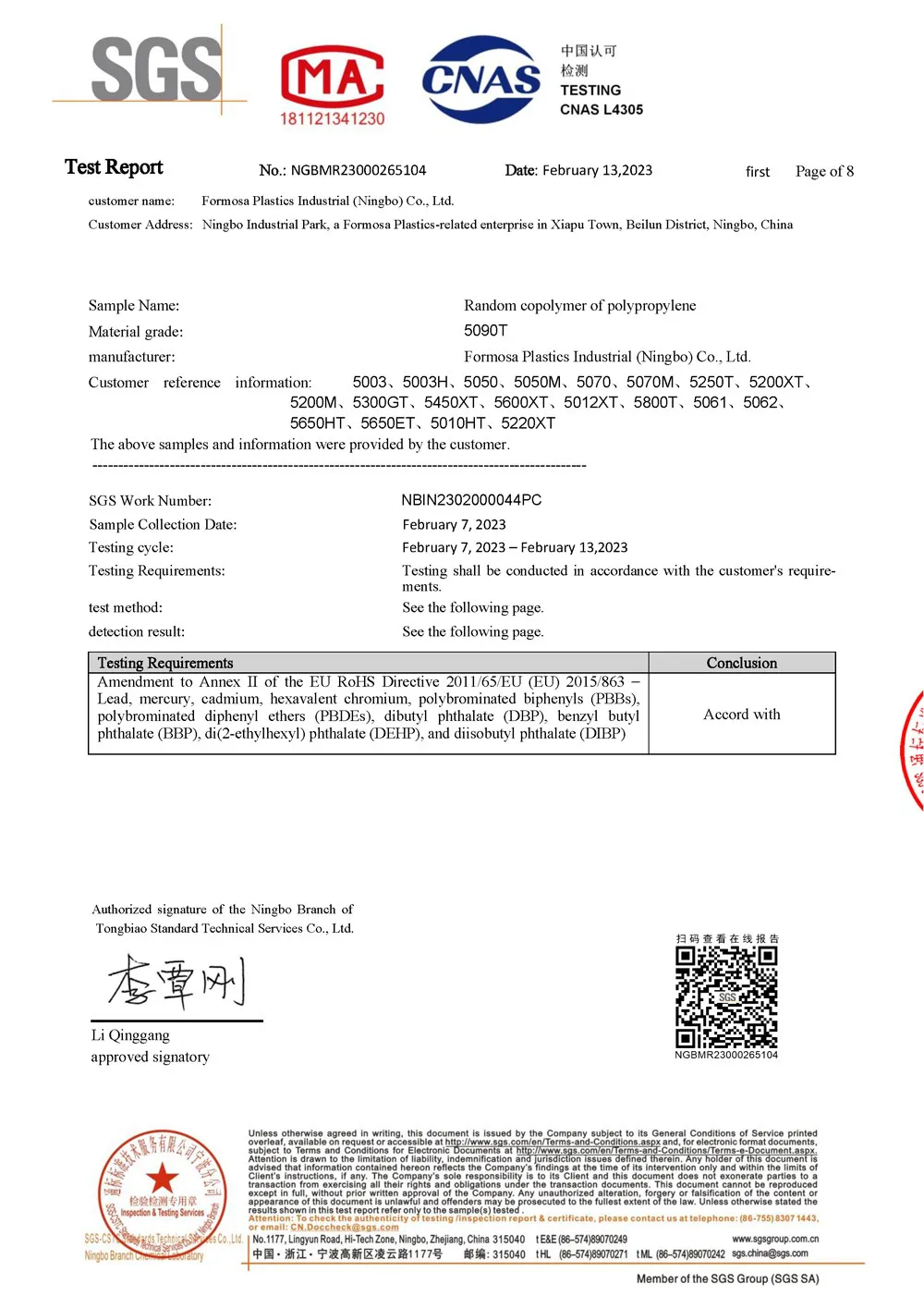
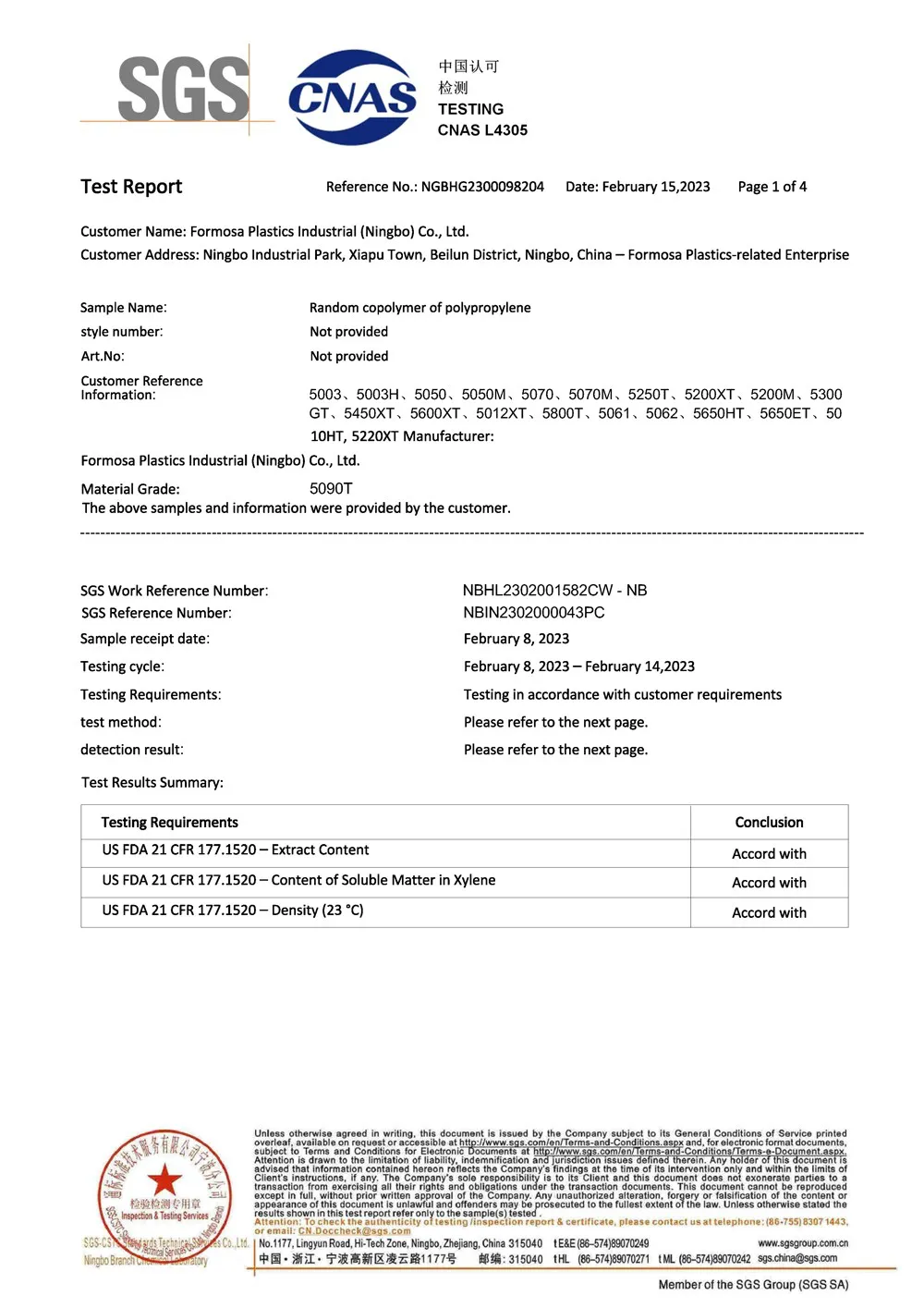
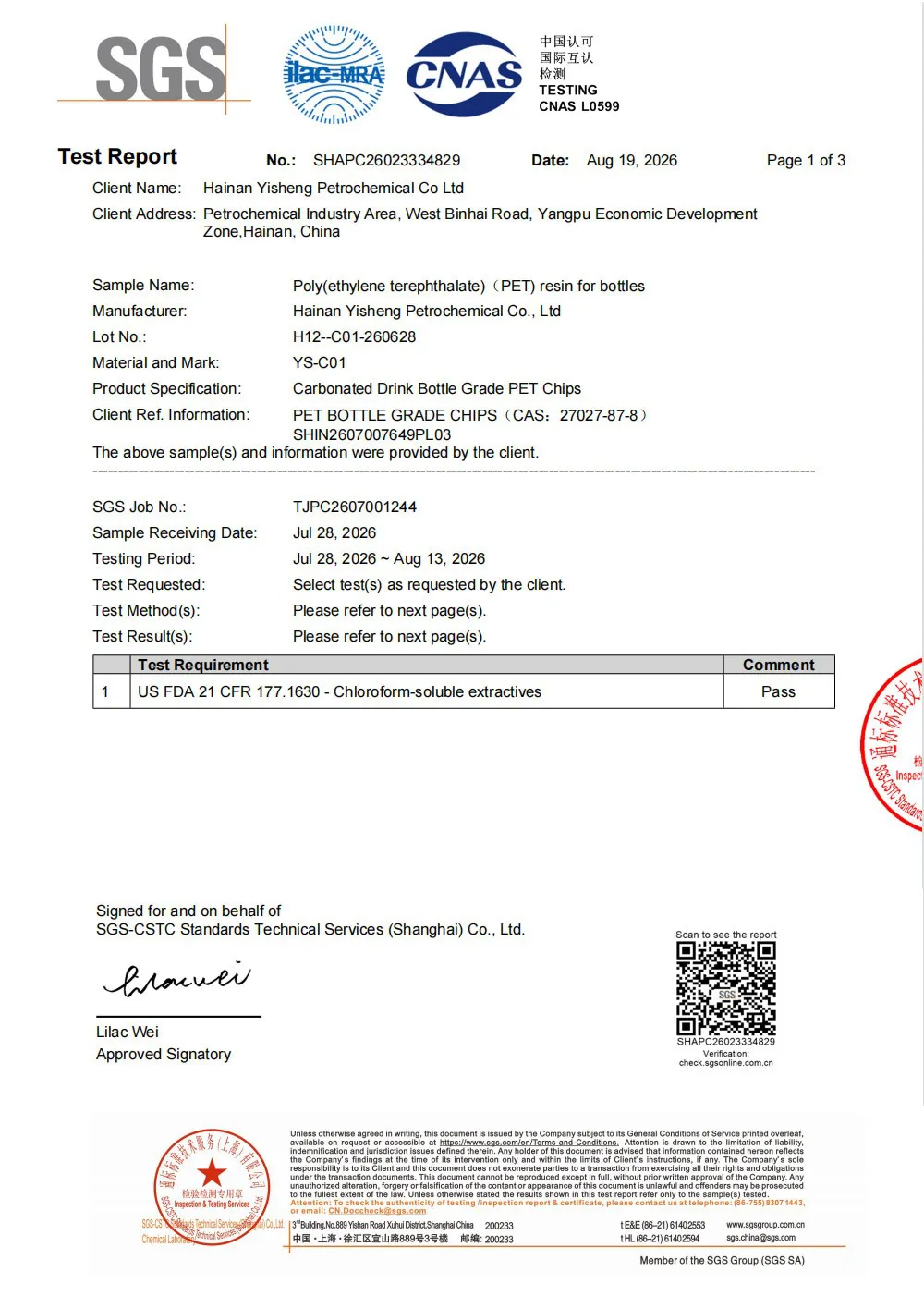
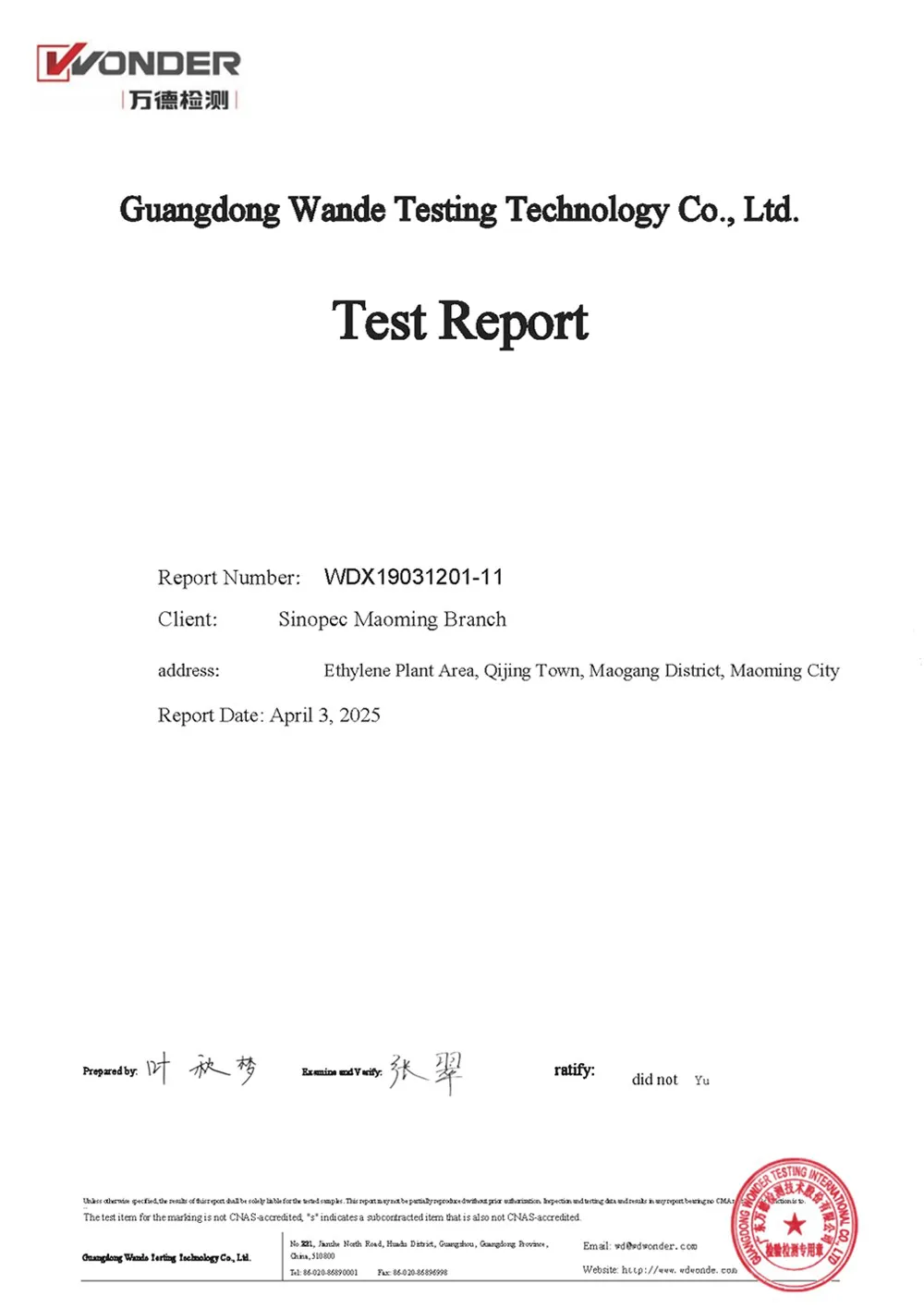
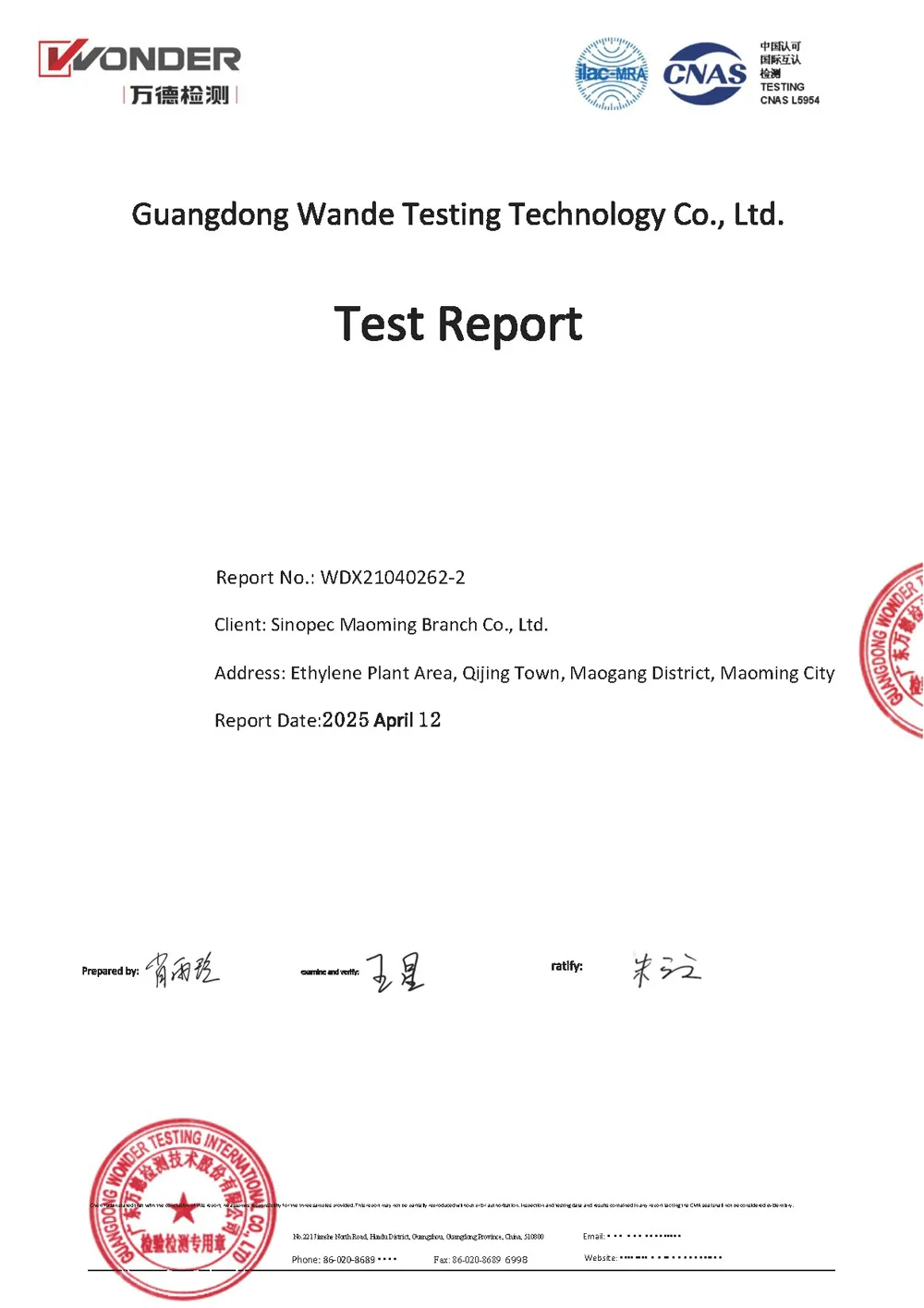
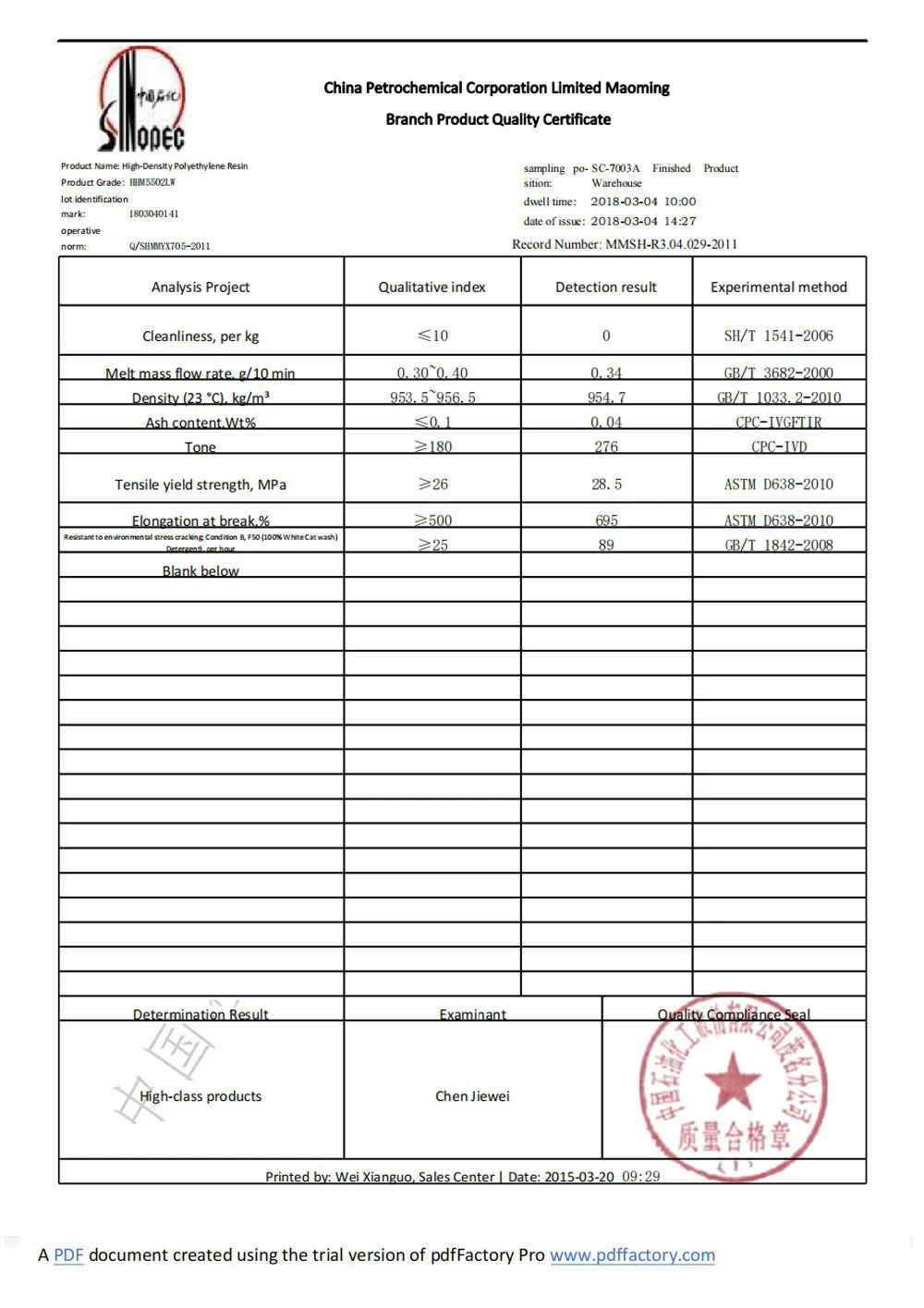
We know that in the world of science, trust is earned through credentials. That's why we're ISO 9001 certified (which means our quality management system is top-notch) and our workshop is GMP compliant (the gold standard for medical manufacturing). We're also FDA registered, so you can be sure our vials meet the strictest safety standards for use in healthcare and research.
But certifications aren't just pieces of paper on a wall. They're a promise—one we back up with regular audits, third-party testing, and a team that's trained to spot even the smallest issue before it becomes a problem. When you order from us, you're not just getting a product—you're getting the peace of mind that comes with knowing every vial has passed the same rigorous checks we'd demand for our own research.
Ever tried to get technical support from a manufacturer and been stuck on hold for hours? Yeah, we hate that too. That's why we've built a customer service team that's as passionate about science as you are. Whether you need help designing a custom mold, have questions about material specs, or just want to chat about sustainability, we're here—real people, real answers, no automated menus.
One of our clients told us they once called at 8 p.m. (their time) with an urgent question about vial compatibility with their freezing protocol. Our team got back to them within 15 minutes, walked them through the data, and even sent over a technical sheet to share with their lab manager. They said it felt like having a "lab supply best friend" on speed dial. That's the kind of service we're proud of.
We'll be the first to admit: we're not perfect. No company is. But we're constantly learning, growing, and trying to do better. Right now, we're working on two big projects: developing a fully biodegradable cryovial (using plant-based plastics) and reducing our factory's carbon footprint by 50% by 2027. We're also partnering with universities to study the environmental impact of lab plastic waste, because we believe the best solutions come from working together.
Sustainability isn't a marketing buzzword for us—it's a core value. We want to look back in 10 years and say, "We helped make science greener, one vial at a time." And we can't do that without clients like you—people who care not just about the quality of their supplies, but about the world they're helping to build.
Whether you're a small lab just starting out or a large biotech company scaling up, we're here to help. Let's design cryovials that fit your needs, your budget, and your values. Together, we can do science that changes the world—without costing it.
(P.S. Want to test our vials before you buy? Request a free sample pack today—we'll even include a few custom-designed options to try out. Because the best partnerships start with trust.)
At the end of the day, cryovials are more than just tools—they're a bridge between science and sustainability. They hold the potential for groundbreaking discoveries, but they also represent a choice: Will we build a future where progress and planet go hand in hand? Or will we let our tools undo the good work we're trying to do?
We believe the answer is clear. By choosing cryovials that are both high-performance and eco-friendly, you're not just protecting your samples—you're protecting the world those samples will help heal. You're saying, "I care about the research, and I care about the planet it's for."
So here's to the late nights in the lab, the "Eureka!" moments, and the quiet, steady work of making the world a better place. And here's to the cryovials that make it all possible—silicone-sealed, recyclable, and ready to stand beside you every step of the way.
Let's change the world—one vial at a time.