Email: info@mggpacking.com | Tel: +86-13510174848 ( Mr. Yao)


For luxury cosmetic brands today, the choice of packaging is more than just a container—it's a silent ambassador of brand values. As consumers increasingly seek products that align with their eco-conscious beliefs, sustainable packaging has evolved from a "nice-to-have" to a core pillar of brand identity. Among the innovative solutions reshaping the industry, PCR (Post-Consumer Recycled) glass packaging stands out, blending timeless elegance with environmental responsibility. This isn't just about reducing waste; it's about crafting a narrative where luxury and sustainability coexist harmoniously.
Walk into any high-end beauty boutique, and you'll notice a subtle shift: the shimmer of glass bottles now carries an added layer of meaning. Behind that transparency lies a story of transformation—PCR recycled glass, born from discarded glass waste, reimagined into vessels that cradle serums, oils, and perfumes. This shift isn't accidental. Studies show that 73% of consumers are willing to pay more for products with sustainable packaging, and luxury brands are listening. They're realizing that sustainability doesn't dilute exclusivity; it enhances it by speaking to the values of discerning customers who want their purchases to reflect their care for the planet.
PCR recycled glass is created by melting down post-consumer glass waste—think old beverage bottles, jars, and other glass products—purifying it, and reforming it into new packaging. The result? A material that retains the premium feel of virgin glass while reducing reliance on raw materials and cutting carbon emissions by up to 30%. For brands that pride themselves on craftsmanship, this process adds depth to their storytelling: each bottle becomes a symbol of circularity, proving that luxury can be both indulgent and responsible.
Luxury cosmetic brands thrive on details—the weight of a bottle in the hand, the clarity of glass that showcases a serum's golden hue, the satisfying click of a cap. PCR recycled glass doesn't compromise on these sensory experiences; in fact, it elevates them. Unlike some plastic alternatives that can feel lightweight or flimsy, PCR glass maintains the heft and durability that signal quality. Its smooth texture and crystal-clear finish (or rich amber/ cobalt tints for light-sensitive formulas) make it the perfect canvas for high-end products, where presentation is as important as the formula inside.
Beyond aesthetics, PCR glass addresses a critical pain point for luxury brands: authenticity. Today's consumers don't just buy products—they buy stories. A PCR glass bottle tells a story of accountability: "We care enough about our planet to invest in packaging that respects it." This authenticity resonates deeply, turning casual buyers into loyal advocates. Imagine a customer unwrapping a skincare set, pausing to read the label that says, "Packaged in 100% PCR recycled glass"—that moment of connection transforms a routine purchase into a statement of shared values.
| Feature | Traditional Virgin Glass | PCR Recycled Glass |
|---|---|---|
| Carbon Footprint | Higher (requires mining raw materials like silica sand) | Up to 30% lower (reduces energy use in production) |
| Relies on non-renewable resources | Utilizes post-consumer waste, reducing landfill pressure | |
| Premium, but lacks sustainability narrative | Identical premium look/feel, with added eco-storytelling | |
| Meets standard safety requirements | Meets same safety standards, with added eco-certifications |
Every luxury brand has a unique voice, and your packaging should amplify it. This is where custom PCR glass solutions shine. Whether you're launching a line of organic facial oils that demand amber glass for UV protection, or a perfume collection that calls for sleek, frosted vials, the ability to tailor every detail—from bottle shape to cap design—turns packaging into a brand signature. Imagine a 30ml dropper bottle, its curves sculpted to fit perfectly in the palm, with a subtle logo that catches the light—a vessel that feels as luxurious as the serum inside, and carries the pride of being made from recycled glass.
The magic of custom PCR glass lies in its versatility. Want to stand out on shelves? Opt for unique bottle silhouettes, from angular spray bottles for toners to rounded roller bottles for essential oils. Crave a tactile experience? Matte finishes or textured surfaces add depth, while custom color tints (think soft pinks for rose oils or deep blues for CBD tinctures) align with brand aesthetics. And for brands that value storytelling, even the smallest details matter—like adding a tiny "Recycled Glass" etching on the base, inviting customers to connect with your sustainability journey.
Bringing a custom PCR glass bottle to life is a collaborative dance between creativity and precision. It starts with a vision—maybe a sketch on a napkin, or a 3D model inspired by nature. From there, the process moves to mold design, where every curve and dimension is refined to ensure functionality and beauty. What sets exceptional manufacturers apart is their commitment to turning that vision into reality without compromise. For instance, custom mold design for plastic bottles has long been a staple in the industry, but applying that same expertise to PCR glass requires a deep understanding of the material's properties—how it flows, cools, and retains detail during production.
The best partners in this journey offer more than just manufacturing; they offer peace of mind. Free mold testing, for example, allows brands to see a prototype before full production, ensuring the bottle not only looks stunning but also works seamlessly with their product (no leaks, no clogs, just smooth functionality). It's this attention to detail that transforms a concept into a tangible asset—one that brands can trust to represent them in the market.
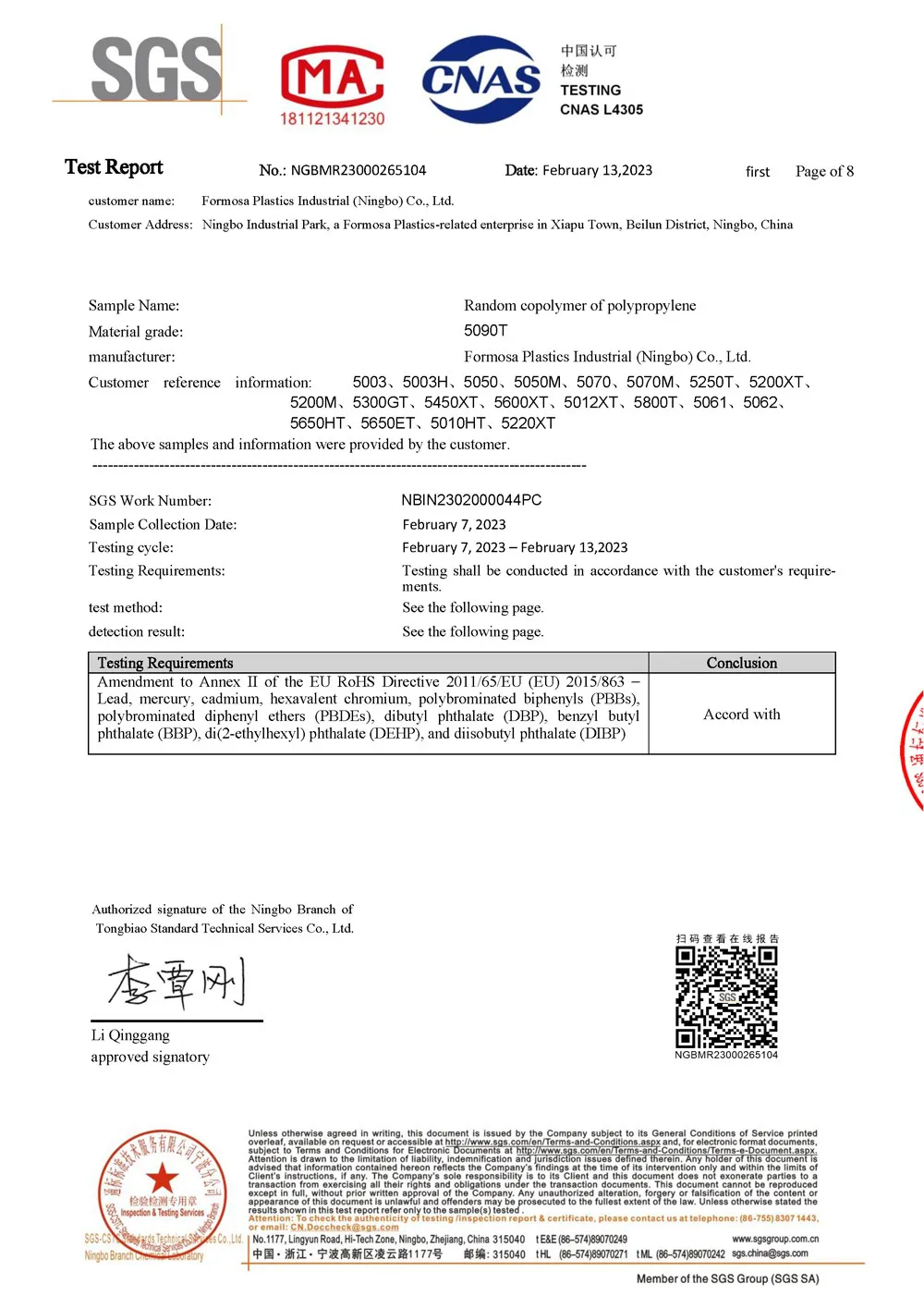
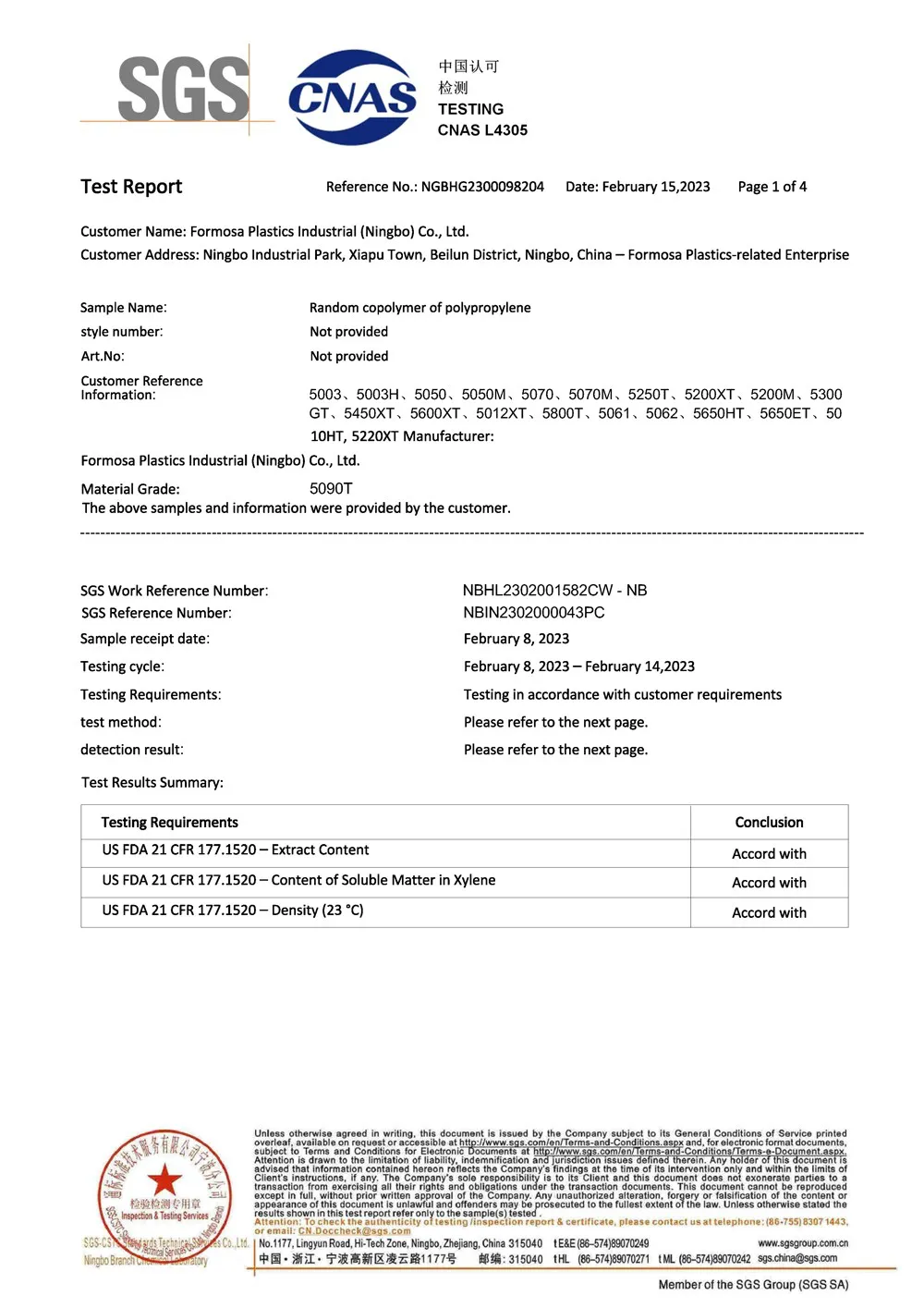
For luxury brands, sustainability can never come at the cost of quality. This is where certifications like ISO 9001 and GMP compliance become non-negotiable. An iso9001 certified packaging factory isn't just a stamp on a document; it's a promise that every step of the production process—from sourcing recycled glass to final inspection—is governed by rigorous standards. Similarly, a dust-free gmp compliant workshop ensures that PCR glass bottles for sensitive products like serums or packaging are free from contaminants, meeting the strictest safety requirements.
These certifications matter because they bridge the gap between sustainability and reliability. When a brand chooses PCR glass from a certified facility, they're not just choosing eco-friendliness—they're choosing consistency. Every bottle will have the same clarity, the same structural integrity, and the same ability to protect the product inside. For customers, this translates to trust: they know that the luxury serum in their hands is as safe and effective as it is beautiful and sustainable.
Sustainability in packaging is rarely a standalone effort—it's part of a larger ecosystem. For brands looking to fully align their with eco-values, private label plastic packaging that integrates PCR glass with complementary sustainable elements (like recycled plastic caps or biodegradable labels) creates a cohesive brand experience. Imagine a skincare line where the PCR glass serum bottle is paired with a disc top cap made from recycled HDPE, or a perfume roller bottle with a bamboo outer case—each component telling a piece of the sustainability story.
This holistic approach also extends to supply chain transparency. Brands today want to know where their packaging comes from, how it's made, and who makes it. Partnering with manufacturers who prioritize ethical sourcing and fair labor practices adds another layer of integrity to the brand. When customers learn that their favorite serum's bottle was crafted in a facility that values both the planet and its workers, that connection deepens—turning customers into brand advocates.
Take, for example, a boutique skincare brand specializing in organic facial oils. By switching to PCR glass dropper bottles, they didn't just reduce their carbon footprint—they saw a 20% increase in social media engagement, with customers sharing photos of the bottles and tagging the brand in posts about sustainability. Another case: a luxury perfume house launched a limited-edition line in PCR glass spray bottles, with proceeds going to ocean cleanup initiatives. The campaign sold out in three weeks, proving that sustainability can drive both purpose and profit.
These stories aren't outliers; they're glimpses of the future. PCR glass packaging isn't just a trend—it's a movement that's redefining what luxury means. It's about creating products that make customers feel good not just about what's inside the bottle, but about the bottle itself.
As technology advances, the possibilities for PCR glass packaging will only expand. Innovations like higher recycled content percentages (currently up to 90% in some applications), improved color consistency, and even PCR glass combined with other sustainable materials (like bio-based plastics) are on the horizon. For brands, this means even more flexibility to innovate while staying true to their values.
At the heart of this evolution is the belief that sustainability and luxury are not opposing forces—they're partners. PCR recycled glass packaging embodies this partnership, proving that you can have a bottle that's as kind to the planet as it is elegant to the eye. For brands ready to embrace this journey, the reward is clear: packaging that doesn't just hold products, but holds the promise of a more sustainable, more beautiful future.
In the end, the choice to adopt PCR glass packaging is about more than materials—it's about choosing to be part of a story larger than your brand. It's about showing the world that luxury can lead the way in creating positive change. And in that story, every PCR glass bottle becomes more than a container; it becomes a symbol of progress, held in the hands of customers who believe that beauty, when done right, can change the world.