Email: info@mggpacking.com | Tel: +86-13510174848 ( Mr. Yao)


For anyone crafting a line of essential oil room sprays—whether you're a small batch artisanal brand or a growing business scaling up production—the right container isn't just a vessel. It's the first impression your customers have of your product. It's how your lavender mist stays fresh on a bathroom shelf, how your eucalyptus spray delivers that perfect fine mist to clear a stuffy room, and how your brand stands out in a crowded market. That's where finding a reliable wholesale supplier for essential oil room spray containers becomes more than a business decision—it's a partnership in bringing your vision to life.
In this guide, we're diving deep into what makes a standout essential oil room spray container, why bulk wholesale is the smart choice for growing brands, and how to choose a supplier that aligns with your quality standards, customization needs, and budget. Whether you're new to the world of cosmetic packaging or looking to switch suppliers, consider this your roadmap to finding containers that protect your product, elevate your brand, and keep your customers coming back.
Essential oils are delicate—their potency, scent, and effectiveness depend on how well they're stored. Exposure to light, air, or leaks can turn a premium lavender blend into a lackluster product, and no one wants to open a package to find a sticky mess or a faded label. That's why the container isn't an afterthought; it's a critical part of your product's success.
Think about it: When a customer picks up your room spray, the first thing they notice is the bottle. Is it sturdy? Does the spray nozzle feel high-quality when pressed? Does the design match the calming vibe of your essential oil blend? A well-chosen container builds trust—customers assume that if you've paid attention to the details of the bottle, you've put the same care into the formula inside.
And let's talk about functionality. Essential oil room sprays need to deliver a consistent mist—not too heavy, not too light. The spray mechanism has to work smoothly, even after months of use. The bottle should be easy to hold, with a grip that doesn't slip when hands are damp (hello, post-shower spritzes!). Plus, if you're selling in bulk, durability during shipping becomes key—you don't want bottles arriving cracked or nozzles broken, costing you time and money in returns.
Not all spray containers are created equal. When shopping for bulk orders, there are a few non-negotiables to keep in mind. Let's break them down:
Essential oils are volatile, meaning they can react with certain plastics if not stored properly. The two most common materials for essential oil spray bottles are HDPE (High-Density Polyethylene) and PET (Polyethylene Terephthalate)—and each has its perks.
HDPE is a durable, chemical-resistant plastic that's great for oils that might be more reactive, like citrus blends. It's opaque, which helps block light (UV rays are enemy number one for preserving essential oil potency). PET, on the other hand, is clear and lightweight, making it perfect if you want to show off the color of your spray (think a soft pink rose mist or a vibrant orange citrus blend). Just keep in mind: if you're using PET, you might want to opt for amber or frosted finishes to add that extra layer of UV protection.
Both materials are BPA-free (a must for any cosmetic product) and recyclable, which is a big plus for eco-conscious brands. And if sustainability is a core part of your mission, look for suppliers that offer PCR (Post-Consumer Recycled) options—these bottles are made from recycled plastic, reducing your carbon footprint without sacrificing quality.
The spray nozzle is what turns your essential oil blend into an experience. A cheap nozzle can ruin even the best formula—spitting out streams instead of mist, clogging easily, or breaking after a few uses. When evaluating bulk containers, ask about the nozzle's quality:
One size doesn't fit all when it comes to essential oil room sprays. Your customers might want a small 100ml bottle for travel, a 250ml for their bedroom nightstand, and a 500ml "refill" size for the living room. A good wholesale supplier should offer a range of sizes to meet these needs.
| Size | Best For | Material Options | Key Features |
|---|---|---|---|
| 100ml | Travel, sample sizes, small spaces | PET (clear/frosted), HDPE | Lightweight, leak-proof cap, compact design |
| 250ml | Everyday use, bedroom/bathroom | PET, HDPE (amber/clear) | Ergonomic grip, fine mist nozzle, durable |
| 500ml | Refills, large rooms, commercial spaces | HDPE (opaque), PET (clear) | Sturdy base, wide mouth for easy filling, lockable nozzle |
In a market full of essential oil brands, standing out is key—and that's where customization comes in. A wholesale supplier that offers custom options lets you turn a generic spray bottle into a brand statement. Look for these customization features:
You might be wondering: Why source bulk containers from China? Let's be honest—cost is a big factor, but it's not the only one. China has built a reputation as a leader in plastic packaging manufacturing, with decades of experience, advanced technology, and a focus on meeting international quality standards. Here's why it makes sense for your essential oil brand:
China's manufacturing hubs, especially in regions like Guangdong, have the infrastructure to handle large bulk orders efficiently. This scale means lower production costs, which translates to better wholesale prices for you. Whether you need 1,000 bottles or 100,000, Chinese suppliers can meet your volume needs without hiking up the per-unit cost.
When it comes to custom plastic packaging, Chinese suppliers are pros. Many have in-house design teams that can take your 3D (or even just a sketch!) and turn it into a functional mold. They offer free mold testing, so you can see a prototype before committing to a full order. This level of customization is hard to find with smaller regional suppliers, especially at the same price point.
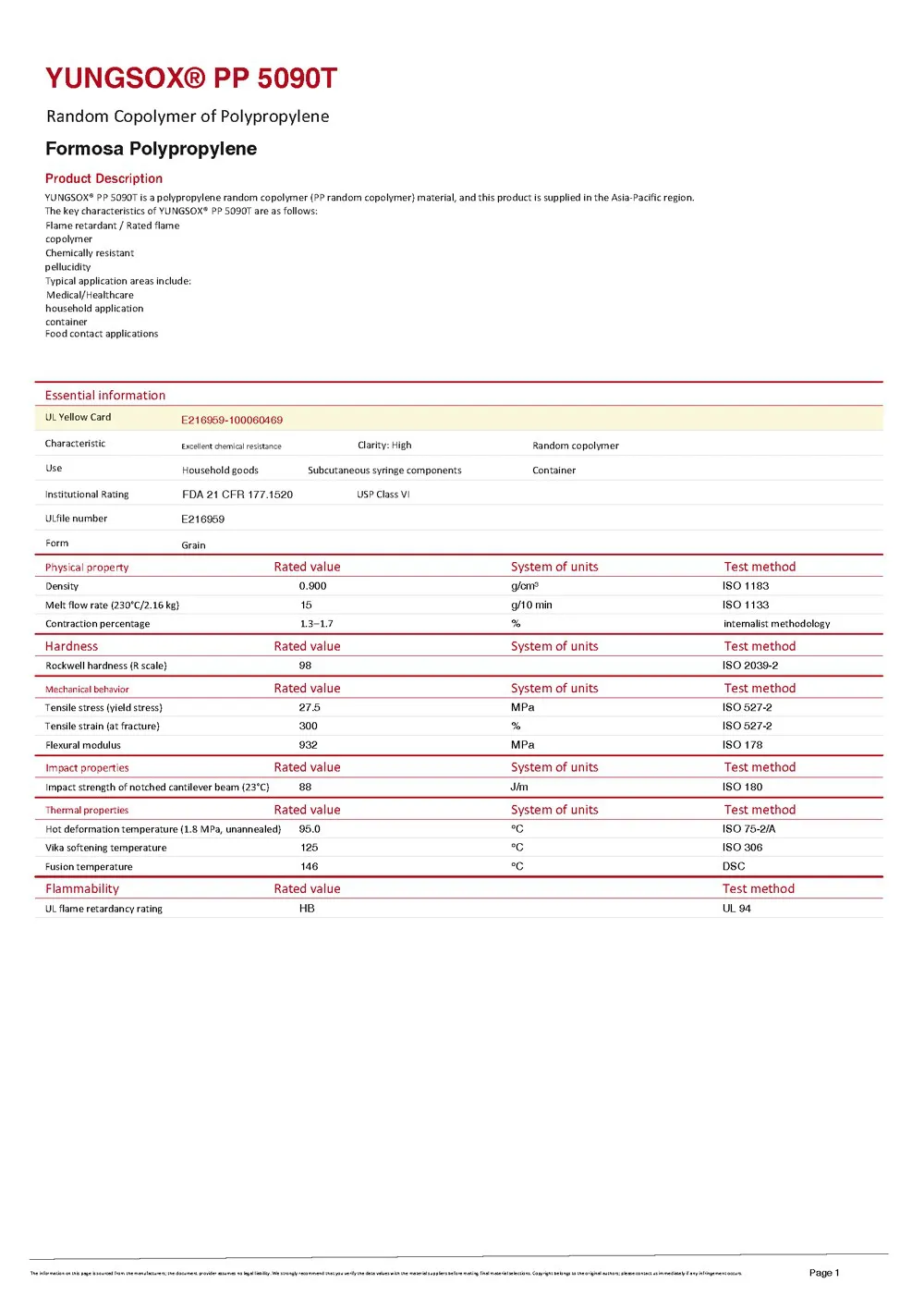
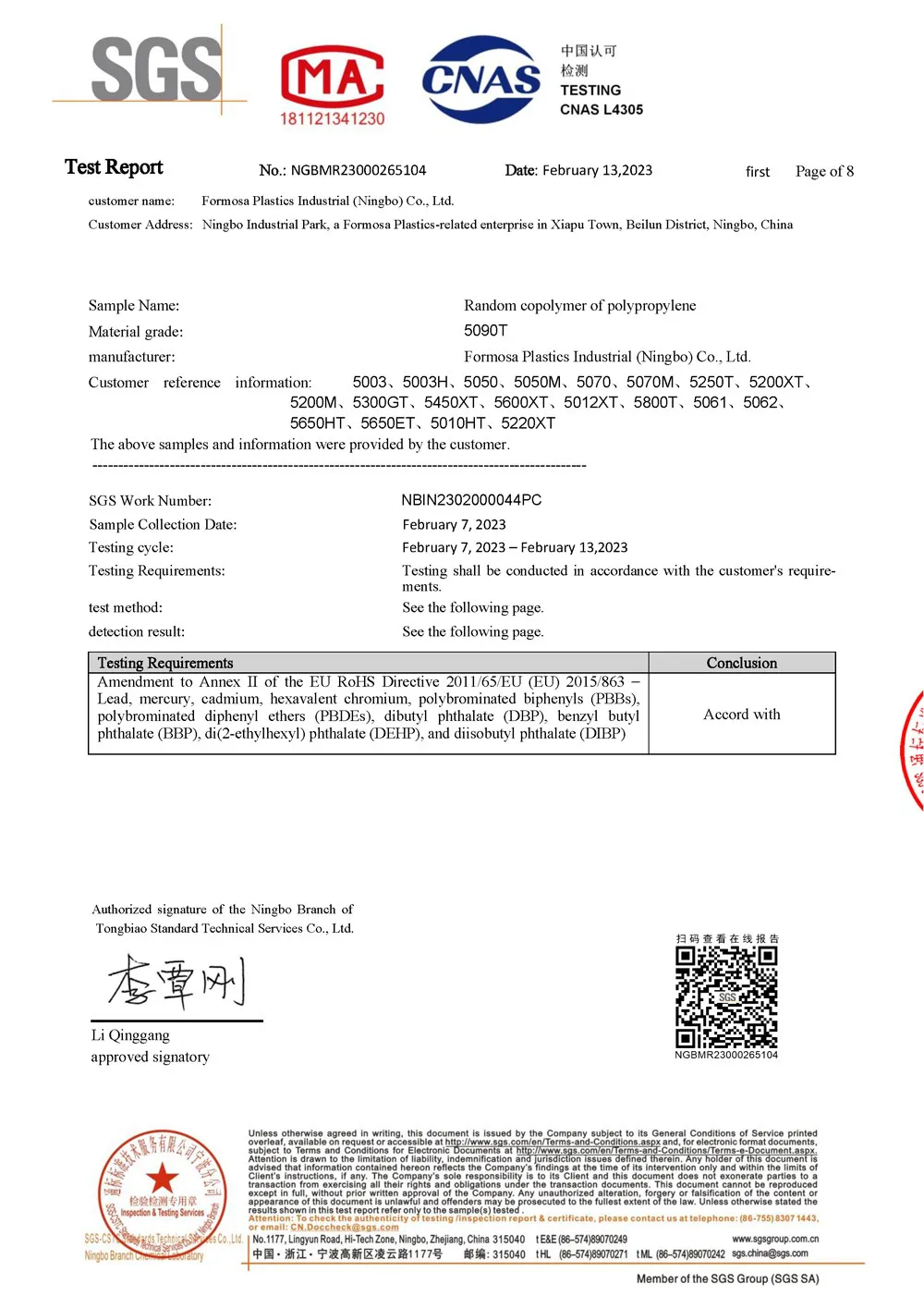
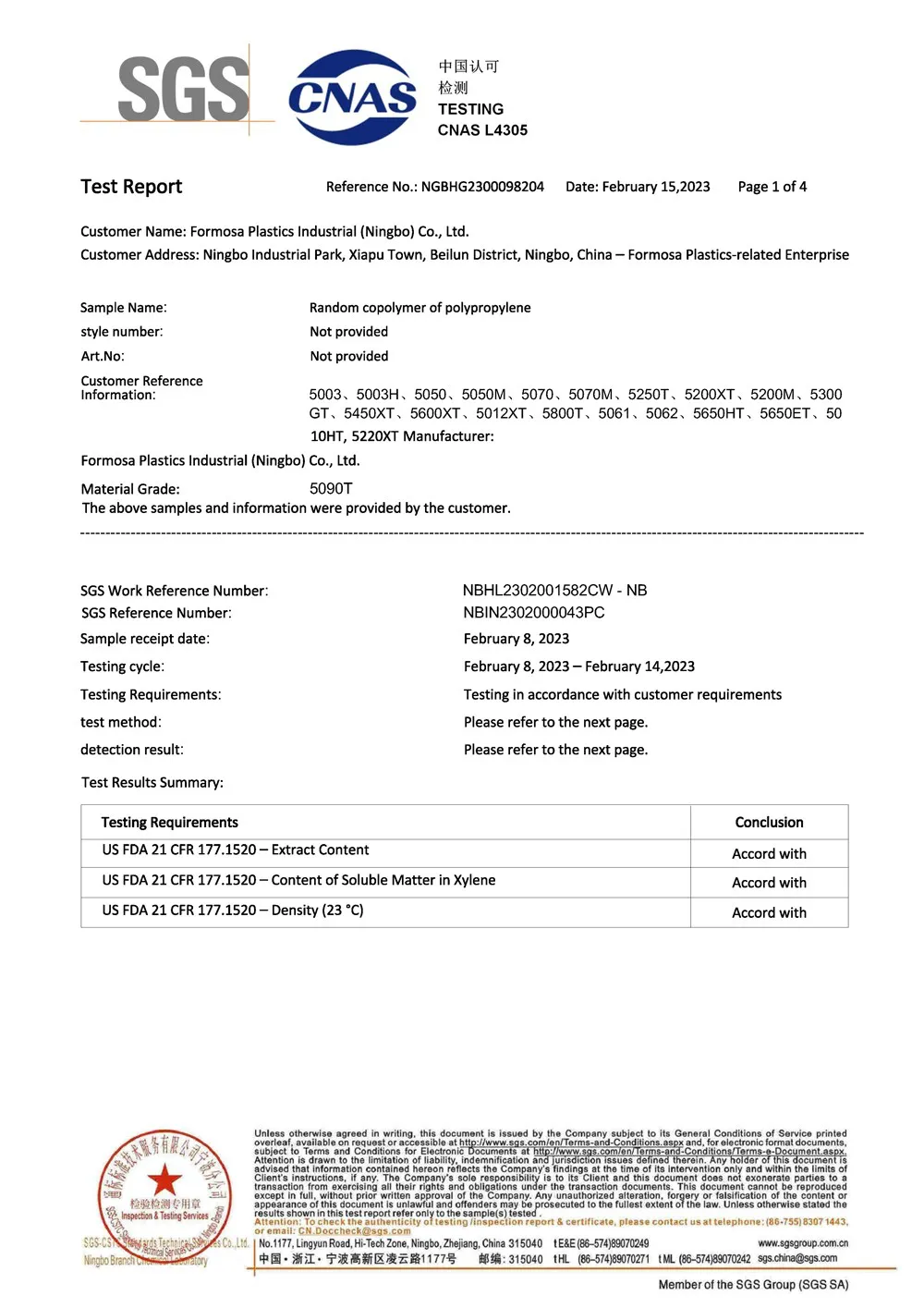
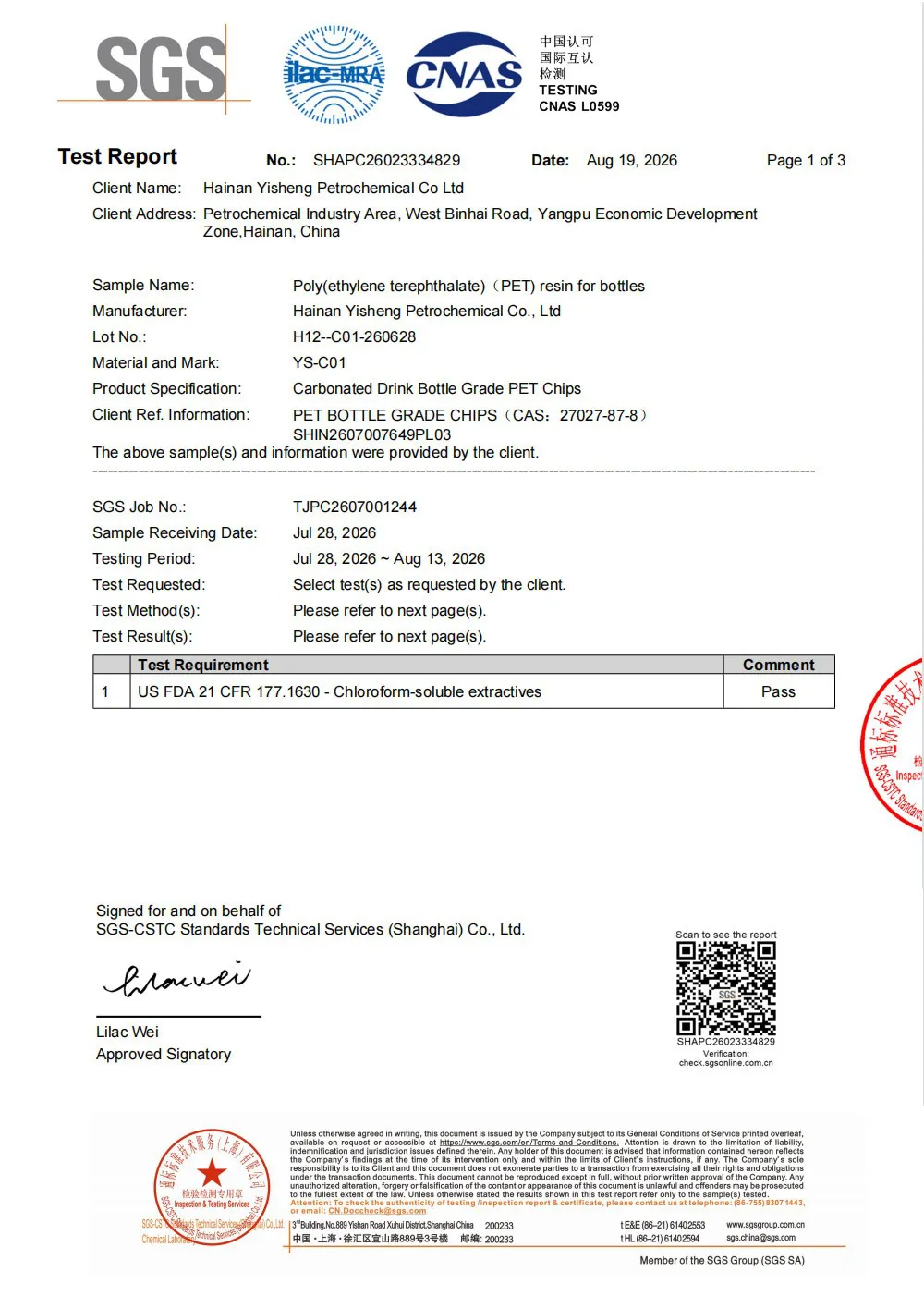
Gone are the days when "Made in China" meant cutting corners on quality. Today, top Chinese packaging factories hold certifications like ISO 9001 (for quality management) and GMP (Good Manufacturing Practice), which are non-negotiable for cosmetic and pharmaceutical packaging. Many also have dust-free workshops to ensure bottles are produced in a clean environment, critical for products that come into contact with sensitive ingredients like essential oils.
The best Chinese suppliers don't just sell spray bottles—they offer a full range of cosmetic packaging solutions. Need dropper bottles for your facial oils? Pump bottles for your lotions? Disc top caps for your body washes? You can source all of these from the same supplier, simplifying your supply chain and reducing shipping costs. It's a huge time-saver, especially for small businesses with limited resources.
Let's take a hypothetical (but realistic!) example of a top-tier wholesale supplier to see what "excellence" looks like in action. Imagine a supplier with over 15 years in the plastic packaging industry, specializing in cosmetic and pharmaceutical containers. Here's what makes them stand out:
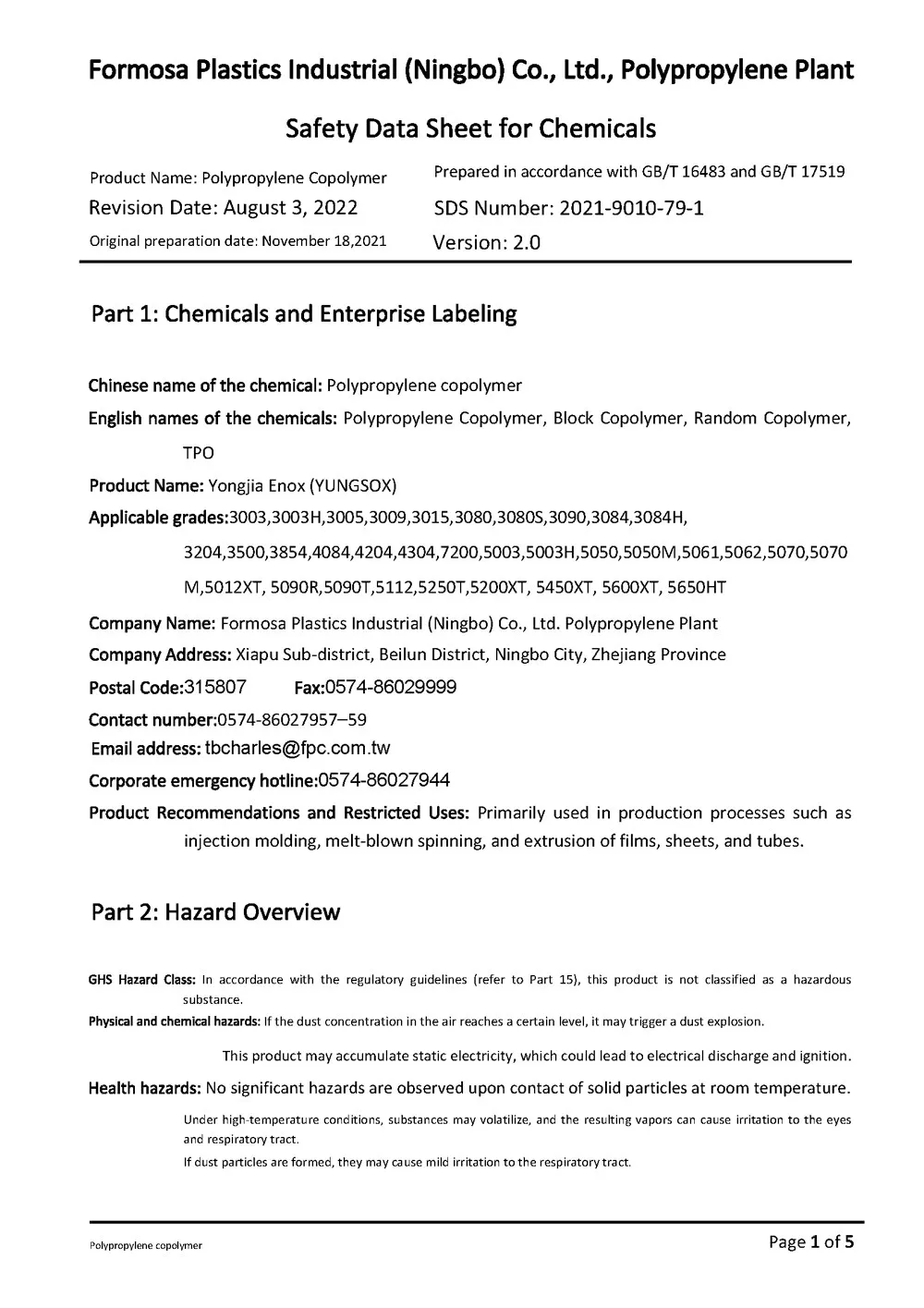
Even though essential oils are cosmetic, using medical-grade plastic bottles adds an extra layer of trust. Medical-grade HDPE or PET is free from harmful chemicals like BPA and phthalates, ensuring your oils stay pure and safe for your customers. This is especially important if your brand markets itself as "clean" or "natural."
From raw material testing to final inspection, a top supplier doesn't skip steps. They might use automated production lines to ensure consistency, with staff checking every batch for defects like cracks, uneven spraying, or loose nozzles. Some even let you request a "pre-shipment sample" so you can test the product yourself before it's sent out—no surprises when your order arrives.
Sustainability isn't just a trend—it's a priority for many consumers. The best suppliers are investing in sustainable plastic packaging solutions, like using PCR (Post-Consumer Recycled) plastic in their bottles. PCR plastic is made from recycled materials, reducing reliance on virgin plastic and lowering your brand's environmental impact. Some suppliers also offer bottles that are fully recyclable, with minimal packaging waste in their own shipping materials.
Wholesale suppliers that specialize in B2B understand the unique needs of businesses. They offer flexible MOQs (Minimum Order Quantities), so you don't have to commit to more bottles than you can sell. They provide clear communication, with English-speaking sales teams to avoid miscommunications. And they have experience with international shipping, handling customs documentation and ensuring your order arrives on time (no more waiting weeks for a delayed shipment).
If you've never ordered custom plastic containers before, the process might seem intimidating—but it doesn't have to be. Let's walk through how it typically works with a reputable supplier:
Start by reaching out to the supplier with your requirements. This includes details like bottle size, material (HDPE vs. PET), color, and any custom features (logo, shape, labeling). If you have 3D drawings or a sample of what you want, share that too—the more specific, the better.
The supplier's design team will work with you to finalize the details. If you're doing a custom shape, they'll create a mold design. Many suppliers offer 3D rendering first, so you can visualize the bottle before mold production. Once the design is approved, they'll make the mold—this is where "free mold testing" comes in handy. You can test the mold with a small batch to ensure the bottle shape, size, and functionality are exactly what you want.
Once the mold is approved, production begins. If you're adding color, the supplier will mix the plastic to match your Pantone code. Logos or labels are applied during this stage—either via printing, embossing, or labeling. The spray nozzles are attached, and each bottle is inspected for quality.
Before shipping, the supplier does a final quality check. This includes testing the spray mechanism, checking for leaks, and ensuring all custom details (logo, color) are correct. Once approved, the bottles are packed securely (often in bulk cartons with dividers to prevent damage) and shipped to your location. Many suppliers work with reliable freight forwarders, so you can track your shipment every step of the way.
We get it—ordering bulk packaging can raise a lot of questions. Here are answers to some of the most common ones we hear:
A: MOQs vary by supplier and product. For standard bottles (no custom mold), MOQs might start at 1,000 units. For custom molds, MOQs are usually higher (often 5,000+ units) because of the cost of creating the mold. That said, some suppliers offer lower MOQs for repeat customers or for certain materials, so it's always worth asking!
A: Standard orders (no custom mold) can take 2-4 weeks. Custom mold orders take longer—usually 4-6 weeks for mold creation, plus 2-3 weeks for production, so plan for 6-9 weeks total. Shipping time adds another 2-4 weeks (depending on whether you use air or sea freight). Pro tip: Order well in advance of your launch date to avoid delays!
A: Reputable suppliers will test their bottles with common essential oils to ensure compatibility. They can provide a "compatibility report" if requested. If you're using rare or highly concentrated oils, mention this upfront—some suppliers offer additional testing for specific ingredients.
A: Absolutely! Most suppliers offer samples (often for a small fee, which is refundable on bulk orders). Samples let you test the spray mechanism, check the material quality, and see if the bottle meets your expectations. Always request a sample before committing to a large order.
At the end of the day, your essential oil room spray containers are more than just packaging—they're an extension of your brand. They protect your product, delight your customers, and help you stand out in a competitive market. Choosing the right wholesale supplier is about more than finding the lowest price; it's about finding a partner who understands your vision, prioritizes quality, and offers the customization and support you need to grow.
Whether you're just starting out or scaling up, take the time to research suppliers, ask questions, and request samples. Look for a supplier with a track record in cosmetic packaging solutions, certifications that align with your quality standards, and a willingness to work with you on custom designs. Remember: the right container can turn a one-time buyer into a loyal customer—and that's an investment worth making.
So go ahead, craft those amazing essential oil blends. And when it's time to package them? Choose a container that's as thoughtful, effective, and unique as your brand. Your customers (and your bottom line) will thank you.