When you pick up a bottle of vitamins from the shelf, what's the first thing you notice? Maybe the brand logo, the brightly colored label, or the promise of better health. But behind that simple plastic container lies a world of precision, safety, and strict regulations. For pharmaceutical and supplement brands, choosing the right packaging isn't just about looks—it's about protecting the product inside, ensuring it stays potent from production to the moment a customer opens it. That's where a reliable
pharmaceutical packaging manufacturer comes in, and why certifications like FDA compliance and GMP matter more than you might think.
Today, we're diving into the world of
HDPE pill bottles, custom mold design, and the rigorous standards that set top-tier packaging suppliers apart. Whether you're a startup supplement brand or a seasoned pharmaceutical company, understanding what makes a plastic bottle "medical grade" can save you from costly mistakes and build trust with your customers. Let's start by breaking down why the right packaging is the unsung hero of the supplement industry.
Why FDA Compliance & GMP Certification Are Non-Negotiable
Imagine this: You've spent months developing a premium vitamin blend, sourcing high-quality ingredients, and perfecting the formula. But if your packaging leaches chemicals into the product, or fails to keep out moisture and air, all that hard work goes to waste. Worse, it could put consumers at risk. That's why regulatory bodies like the FDA (Food and Drug Administration) and standards like GMP (Good Manufacturing Practice) exist—to ensure packaging meets strict safety benchmarks.
What does FDA compliance mean for plastic bottles?
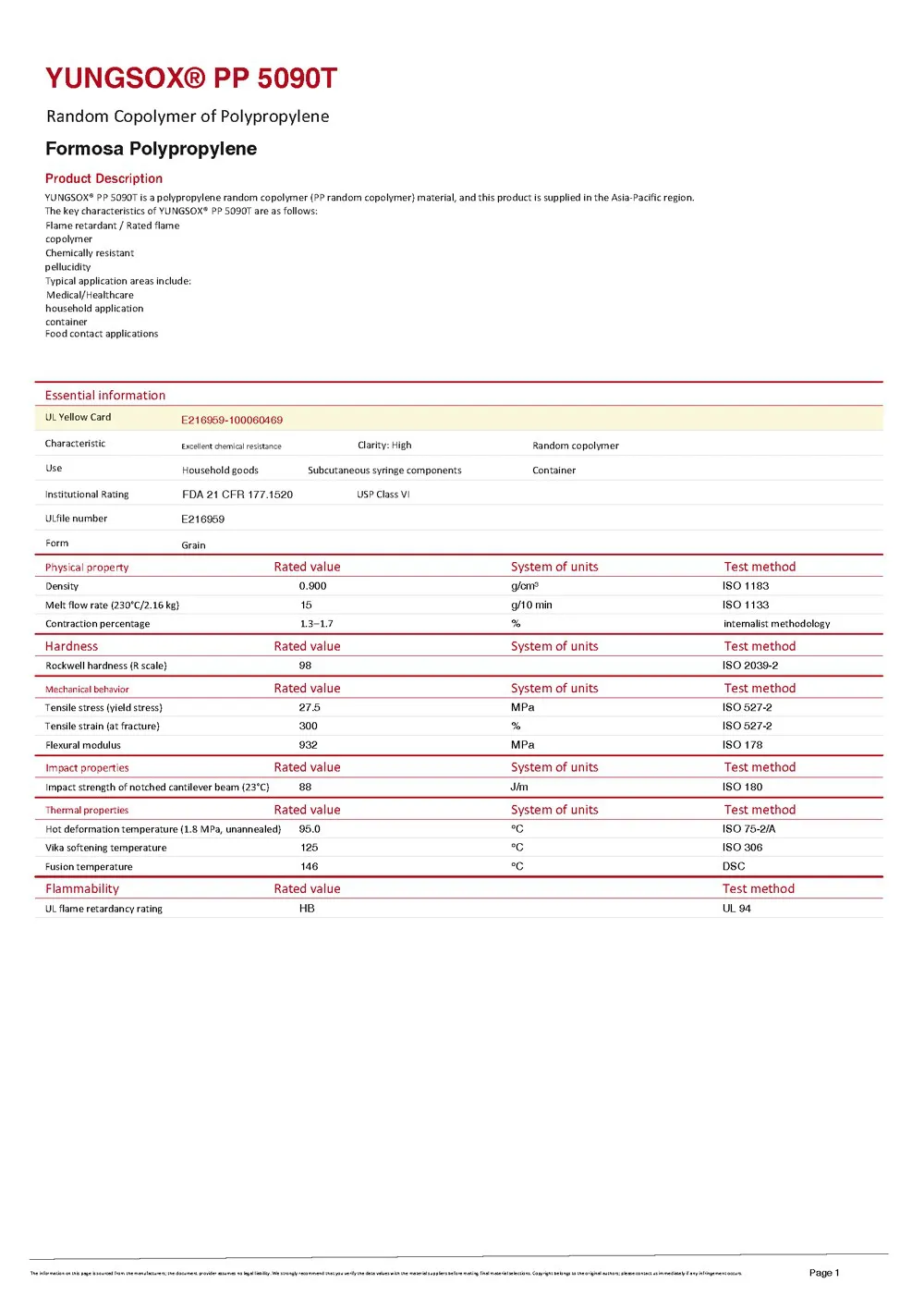
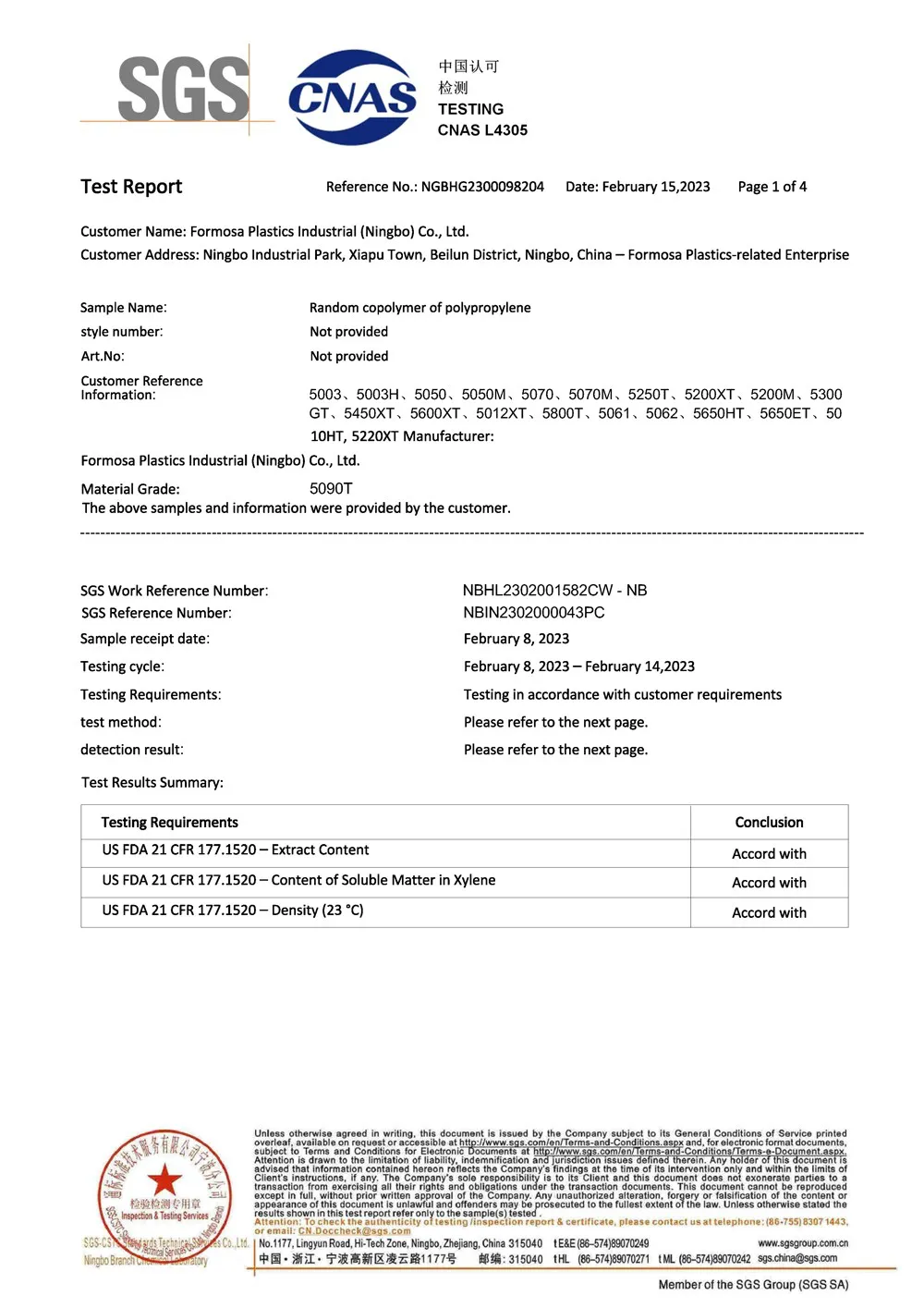
It means the materials used (like HDPE) are tested to be non-toxic, chemical-resistant, and suitable for storing oral medications and supplements. No harmful BPA, no unexpected reactions with your product, and no contamination risks. For customers, seeing that "FDA-compliant" label on your packaging is a quick signal that you take their safety seriously.
Then there's GMP. A
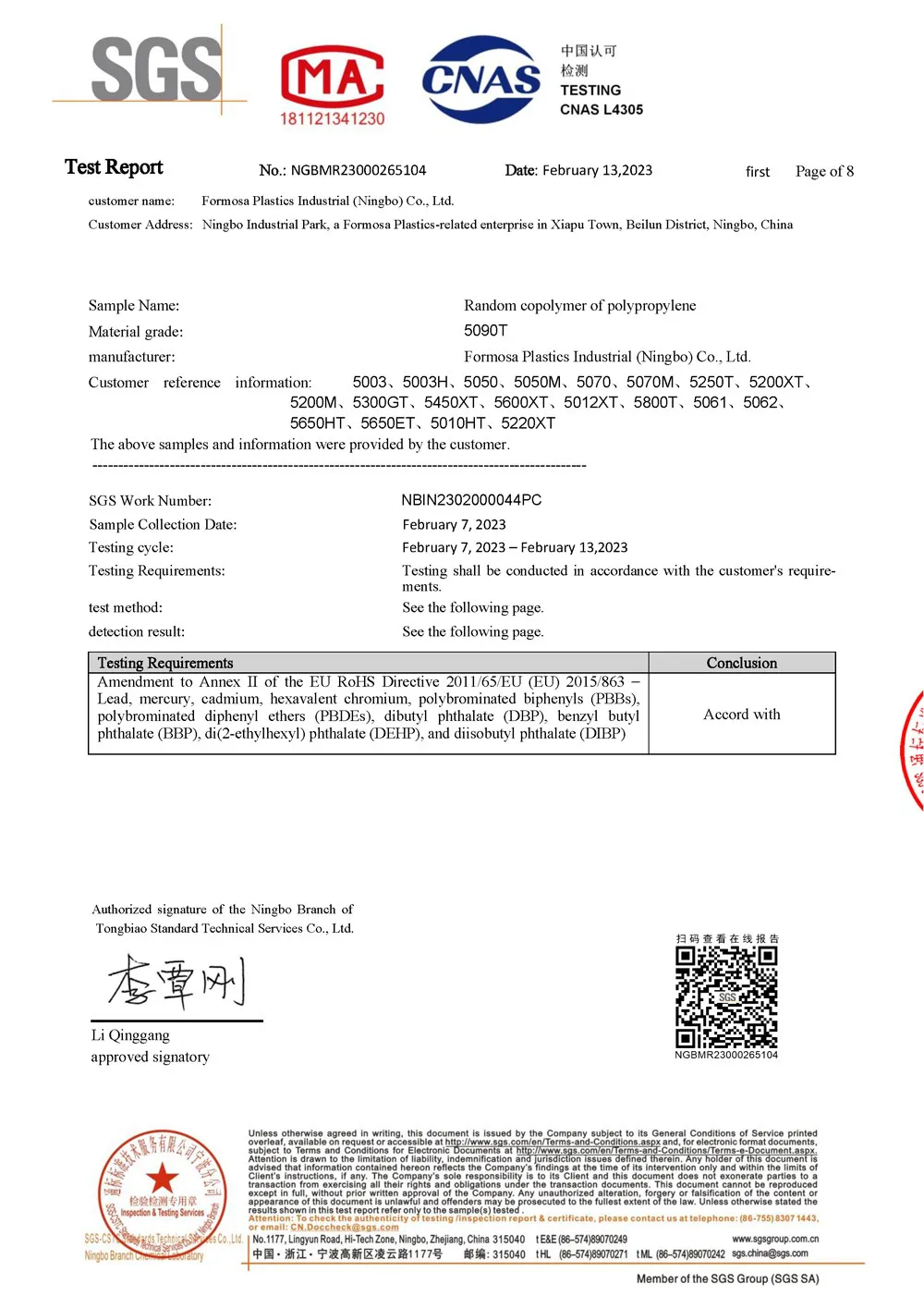
dust-free GMP compliant workshop isn't just a fancy term—it's a production environment where every detail is controlled. Think filtered air to reduce particle contamination, strict cleaning protocols, and staff trained in hygiene best practices. When a packaging factory is GMP certified, you can trust that your bottles aren't being made in a dusty, disorganized space where cross-contamination is a risk. Combine that with ISO 9001 certification—a global standard for quality management systems—and you've got a supplier that prioritizes consistency, from the first prototype to the final shipment.
HDPE Pill Bottles: The Gold Standard for Supplements
Now, let's talk about the star of the show:
HDPE pill bottles. If you're looking for a
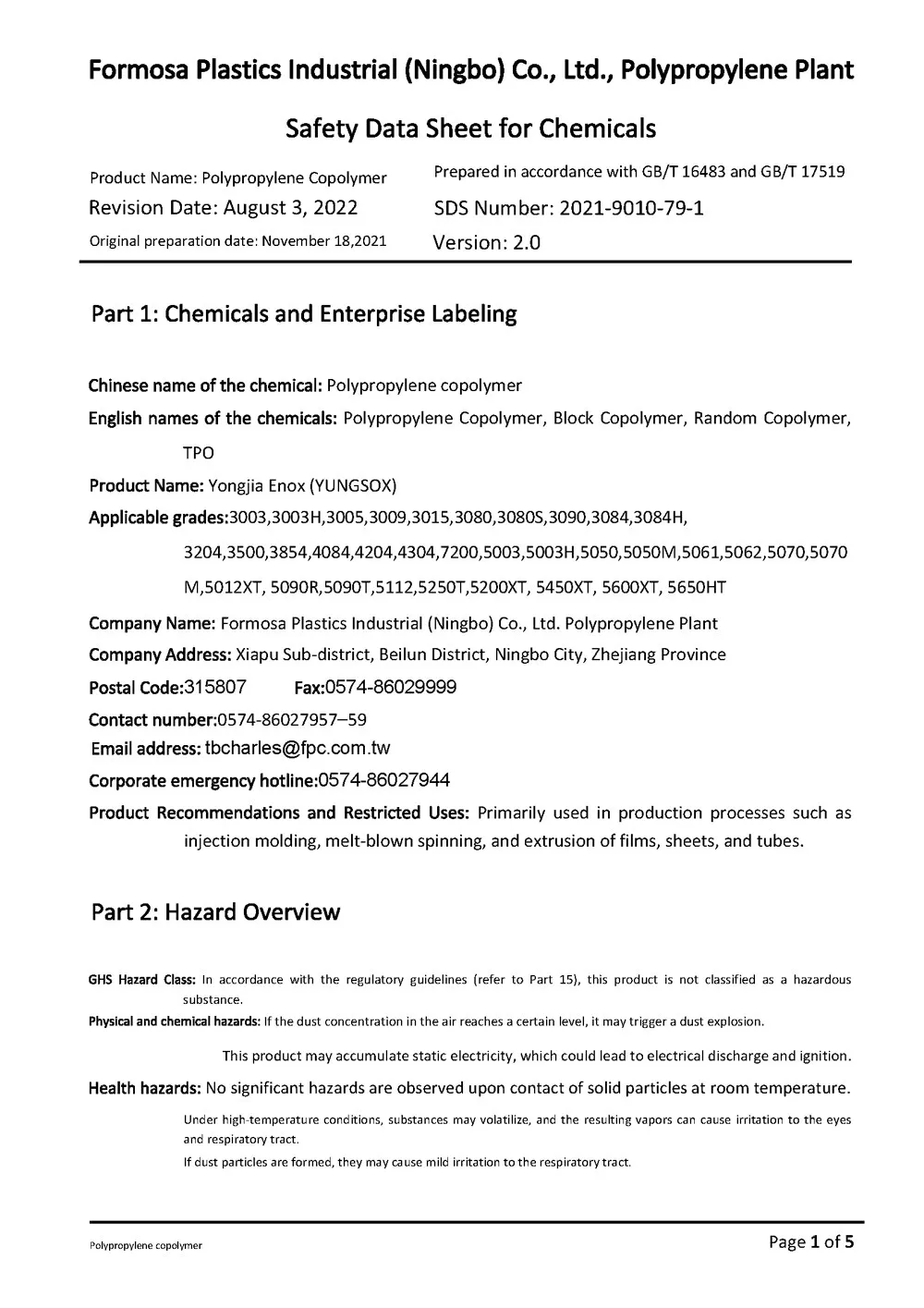
hdpe pill bottles supplier, you're already on the right track. HDPE (High-Density Polyethylene) is the most popular material for pharmaceutical packaging, and for good reason. It's lightweight but durable, resistant to impact (so bottles won't shatter if dropped), and impermeable to most liquids and gases. That means your vitamins, pills, or capsules stay fresh longer, without absorbing moisture or odors from the environment.
But not all HDPE bottles are created equal. The best suppliers offer a range of sizes and features to fit different products. Let's take a look at some common options:
|
Capacity
|
Typical Use
|
Key Features
|
Closure Options
|
|
60ml (2oz)
|
Sample sizes, travel supplements, small-dose vitamins
|
Lightweight, compact, easy to label
|
Standard screw cap, child-resistant cap (CRC)
|
|
225ml (7.5oz)
|
Monthly supplement supply, larger capsules
|
Wide mouth for easy filling, tamper-evident seal
|
CRC, senior-friendly easy-open caps
|
|
500ml (16.9oz)
|
Bulk supplements, family-sized bottles
|
Thick walls for durability, stackable design
|
Secure screw cap with moisture-absorbing liner
|
One of the biggest advantages of HDPE is its versatility. It works for everything from daily multivitamins to sensitive probiotics that need extra protection. And because it's recyclable, it aligns with the growing demand for sustainable packaging solutions—more on that later.
"We switched to HDPE bottles last year, and the difference was night and day. Our vitamin C tablets used to clump up in humid weather, but with the moisture-resistant HDPE and proper sealing, we've had zero complaints. Plus, customers love that the bottles are recyclable!" — Sarah, Operations Manager at a mid-sized supplement brand
Beyond Standard Bottles: The Power of Custom Mold Design
In a crowded market, standing out matters. That's where
custom mold design for plastic bottles becomes a game-changer. A one-size-fits-all bottle might work, but a unique shape, embossed logo, or custom color can turn your packaging into a brand asset. Think about it—when customers see your distinct bottle on the shelf, they'll recognize it instantly, even from a distance.
The best suppliers don't just offer pre-made bottles; they partner with you to bring your vision to life. Here's how the process typically works:
-
3D Design & Prototyping:
You share your ideas (or 3D), and the supplier creates a digital prototype. This lets you tweak the design before any (molds) are made.
-
Free Mold Testing:
Reputable suppliers offer free mold testing to ensure the prototype works perfectly—no surprises when production starts.
-
Custom Finishes:
Add your logo with embossing (for a premium, tactile feel) or silk-screen printing (for vibrant colors). Some even offer matte or glossy finishes to match your brand aesthetic.
Let's say you're launching a line of organic vitamins and want a bottle that feels eco-friendly. A custom mold could include subtle ridges for a natural, earthy look, or a slim profile to reduce plastic use. Or maybe you need a unique shape to fit into a subscription box—custom design makes that possible. The key is working with a supplier that has in-house (mold design and manufacturing) capabilities, so you're not outsourcing to third parties and risking delays or miscommunication.
Inside the Factory: What Makes a GMP-Compliant Workshop Different
We've mentioned "
dust-free GMP compliant workshop" a few times, but what does that actually look like? Let's pull back the curtain. A typical GMP-certified facility for
medical grade plastic bottles has separate zones for different stages of production:
Cleanroom Production:
The area where bottles are molded and assembled is kept at a strict air quality standard—usually Class 100,000 or better, meaning fewer than 100,000 particles (0.5 microns or larger) per cubic foot of air. For reference, a normal office has millions of particles per cubic foot!
Quality Control Stations:
Every batch of bottles is tested for defects—cracks, uneven walls, or faulty closures. Some suppliers even use automated vision systems to check for microscopic flaws humans might miss.
Material Storage:
Raw materials like HDPE resin are stored in sealed containers to prevent contamination. Suppliers also track batch numbers, so if an issue arises, they can trace exactly which materials were used and when.
All of this might sound excessive, but when you're dealing with products that people ingest daily, there's no room for error. An
iso9001 certified packaging factory takes this a step further by documenting every process—from how machines are calibrated to how employees wash their hands. This documentation ensures consistency, so your 100th batch of bottles is just as high-quality as your first.
Sustainability: The New Frontier in Plastic Packaging
These days, customers don't just care about what's in the bottle—they care about the bottle itself. Is it recyclable? Made from recycled materials? Can it be reused? As a result,
sustainable plastic packaging solutions are no longer a "nice-to-have"—they're a competitive necessity.
Many leading suppliers now offer PCR (Post-Consumer Recycled) HDPE options, where bottles are made from recycled plastic waste. This reduces reliance on virgin plastic and lowers the carbon footprint of your packaging. Some even go a step further by using plant-based additives to make the plastic more biodegradable, though it's important to note that "biodegradable" in plastics is still evolving and depends on proper disposal.
Another trend is refillable packaging. Imagine a customer buying a large 500ml HDPE bottle of vitamins, then refilling it with a smaller, cheaper pouch. This cuts down on waste and builds customer loyalty—they'll keep coming back for refills! A forward-thinking supplier can help design bottles with features that make refilling easy, like wide mouths or compatible refill pouch openings.
Why Choose a China-Based Supplier? Debunking Myths
You might be thinking, "There are plenty of packaging suppliers locally—why consider a
China plastic bottle exporter?" It's a fair question, and one we hear often. The truth is, China has become a global leader in plastic packaging for a few key reasons:
-
Cost-Effectiveness:
With large-scale production facilities and access to raw materials, Chinese suppliers can often offer competitive pricing without sacrificing quality—especially for bulk orders.
-
Vertical Integration:
Many suppliers handle everything in-house: mold design, production, printing, and shipping. This streamlines the process and reduces lead times.
-
Experience with International Standards:
Top suppliers in Guangdong (a major manufacturing hub) have been exporting to Western markets for decades, so they understand FDA, EU, and ISO requirements inside out.
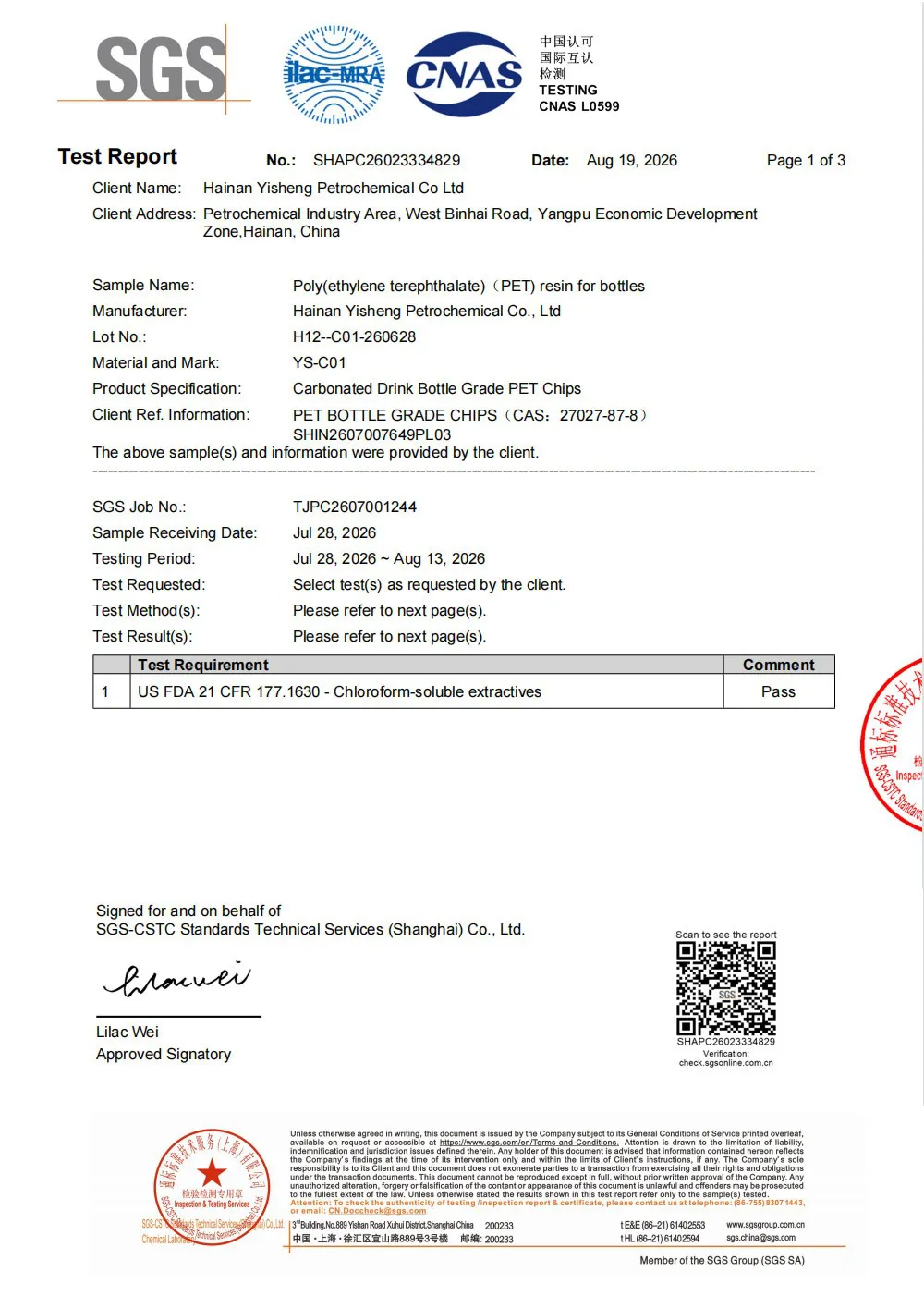
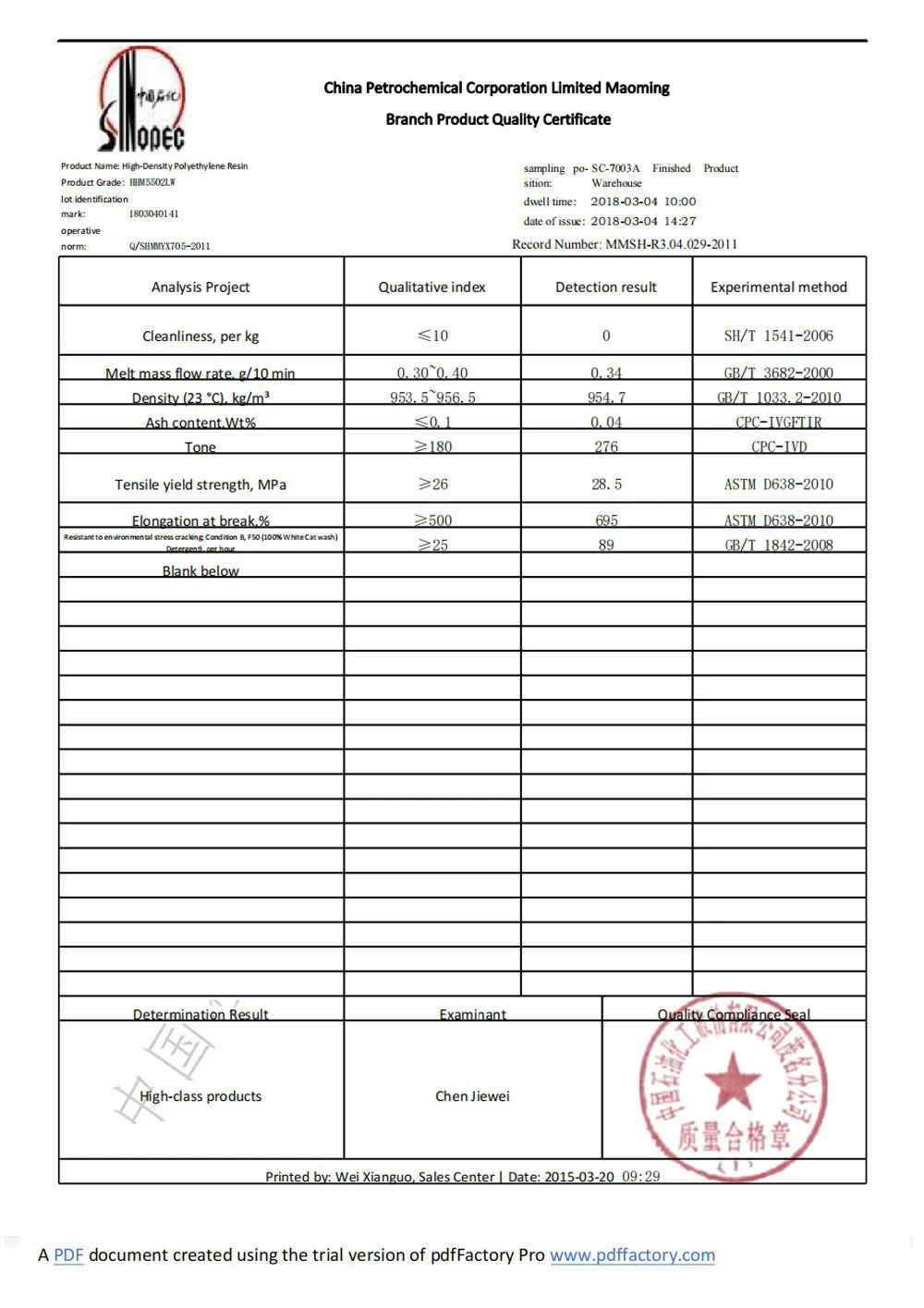
Of course, not all Chinese suppliers are created equal. That's why certifications like ISO 9001 and GMP are so important—they're a universal language of quality. When you work with a supplier that's transparent about their facilities (some even offer virtual factory tours!) and can provide test reports for their materials, you can feel confident you're getting a product that meets global standards.
From Idea to Shelf: What It's Like to Partner with This Supplier
Let's walk through a hypothetical scenario to see how the process works. Say you're a new supplement brand called "VitaFresh" looking for 225ml
HDPE pill bottles with a custom logo and child-resistant caps. Here's how a typical partnership might unfold:
-
Initial Consultation:
You share your needs—bottle size, quantity (say, 10,000 units), desired finish, and timeline. The supplier asks about your target market (Are you selling in the US? Then FDA compliance is a must!) and any special requirements (like tamper-evident seals).
-
Design & Prototyping:
You provide your logo and brand colors. The supplier creates a 3D mockup of the bottle, including your embossed logo. They send a sample mold for testing—you check the size, feel, and logo placement, and request a few tweaks (maybe a slightly wider mouth for easier filling).
-
Mold Production:
Once the design is approved, the supplier manufactures the final mold. They run a small batch (500 bottles) for you to test with your product—you fill them with your vitamins, check for leaks, and confirm the cap seals properly.
-
Mass Production:
With the mold finalized, production begins in the GMP workshop. The supplier provides regular updates and sends photos of the production line so you can see progress.
-
Quality Check & Shipping:
Before shipping, the supplier conducts a final quality inspection—checking for defects, verifying labels are correctly printed, and ensuring caps are securely attached. The bottles are packed in sturdy cartons with moisture barriers to protect them during transit.
"The best part was the communication. We're based in Canada, and there was never a language barrier or delay in responses. They even helped us navigate customs paperwork since we were importing for the first time. Our bottles arrived on time, and the quality was exactly what we'd agreed on." — Mark, Founder of VitaFresh (fictional example)
Final Thoughts: Your Packaging Is an Extension of Your Brand
At the end of the day, your supplement's packaging is more than just a container—it's a reflection of your brand's values. If you prioritize safety, quality, and sustainability, your packaging should say that loud and clear. By choosing an ISO 9001 certified packaging factory with a
dust-free GMP compliant workshop, you're not just getting a bottle—you're getting a partner in protecting your product and your reputation.
Whether you need standard
HDPE pill bottles or custom-designed containers that stand out on the shelf, the key is to ask the right questions: What certifications do you hold? Can I see your production facilities? Do you offer custom mold design? A supplier that's proud of their work will be happy to answer these questions and more.
So, the next time you hold a vitamin bottle, take a moment to appreciate the thought that went into it. Behind that simple plastic container is a team of engineers, quality control experts, and designers working to ensure your health—and your trust—are never compromised. And if you're ready to take your supplement brand to the next level, partnering with a supplier that understands all of this is the first step toward success.