Email: info@mggpacking.com | Tel: +86-13510174848 ( Mr. Yao)


The Unsung Hero of Safe, Convenient, and Compliant Packaging Solutions
In the fast-paced world of healthcare and personal care products, we often focus on the "big stuff"—the active ingredients in a lotion, the efficacy of a medication, or the branding on a cosmetic bottle. But here's the thing: even the smallest components can make or break a product's success. Take disc top caps, for example. Those little plastic closures you flip open to dispense everything from hand sanitizer to prescription creams might seem insignificant, but they're actually critical. They control how much product comes out, keep contaminants out, and ensure the formula stays fresh. And when it comes to healthcare products—where safety and compliance are non-negotiable—choosing the right disc top cap isn't just a detail; it's a responsibility.
That's where 18mm disc top caps come into play. Compact yet versatile, these caps are a favorite in industries that demand precision, like pharmaceuticals, medical devices, and high-end cosmetics. But not all 18mm disc top caps are created equal. In this article, we're diving deep into what makes a high-quality, GMP-certified 18mm disc top cap, why they're essential for healthcare products, and how partnering with the right manufacturer can turn a simple closure into a competitive advantage for your brand. Whether you're a startup launching a new skincare line or a pharmaceutical company scaling production, understanding the ins and outs of these tiny but mighty components will help you make smarter, safer, and more successful packaging choices.
Let's start with the basics: what exactly is a disc top cap? Picture this: a small, circular plastic cap with a flip-top lid that you press to open and snap shut. When you press one side, the other pops up, creating a small opening for the product to flow out. It's intuitive—no (twisting lids) required—and that simplicity is why it's so popular. Now, the "18mm" part refers to the diameter of the cap's opening, which fits bottles with a 18mm neck finish. That might sound specific, but 18mm is a sweet spot in packaging. It's small enough for travel-sized products (think 30ml hand cream tubes) but large enough to dispense thicker formulas (like ointments or gels) without clogging. It's the Goldilocks of cap sizes: not too big, not too small, just right for a wide range of applications.
But why does size matter so much? Imagine trying to use a 24mm cap on a tiny 15ml bottle—it would look clunky and be hard to handle. On the flip side, a 12mm cap on a 100ml bottle might dispense too little product, frustrating users. 18mm hits that balance. It's common enough to be compatible with standard bottle molds (which keeps costs down) but specific enough to meet the unique needs of healthcare products. For example, in medical settings, nurses and doctors need to dispense creams or lotions quickly—fumbling with a stiff cap isn't an option. An 18mm disc top cap opens with a light press, so even with gloves on, it's easy to use. In cosmetics, consumers want a cap that feels premium but not fussy; 18mm caps are small enough to look elegant on a vanity but functional enough for daily use.
Fun Fact: The first disc top caps were invented in the 1980s as a more convenient alternative to screw-on lids for liquid soaps. Today, they're used in over 70% of personal care and healthcare liquid products worldwide. Talk about a small idea that made a big impact!
Not all 18mm disc top caps are created equal. A cheap, poorly made cap might crack after a few uses, leak product, or even harbor bacteria—all disasters in healthcare settings. That's why GMP certification is non-negotiable. GMP, or Good Manufacturing Practices, is a set of strict guidelines that ensure products are consistently produced and controlled according to quality standards. For disc top caps used in healthcare products, GMP certification means every step of the manufacturing process—from raw material selection to final inspection—is monitored and documented. But what exactly goes into making a GMP-compliant 18mm disc top cap? Let's break it down.
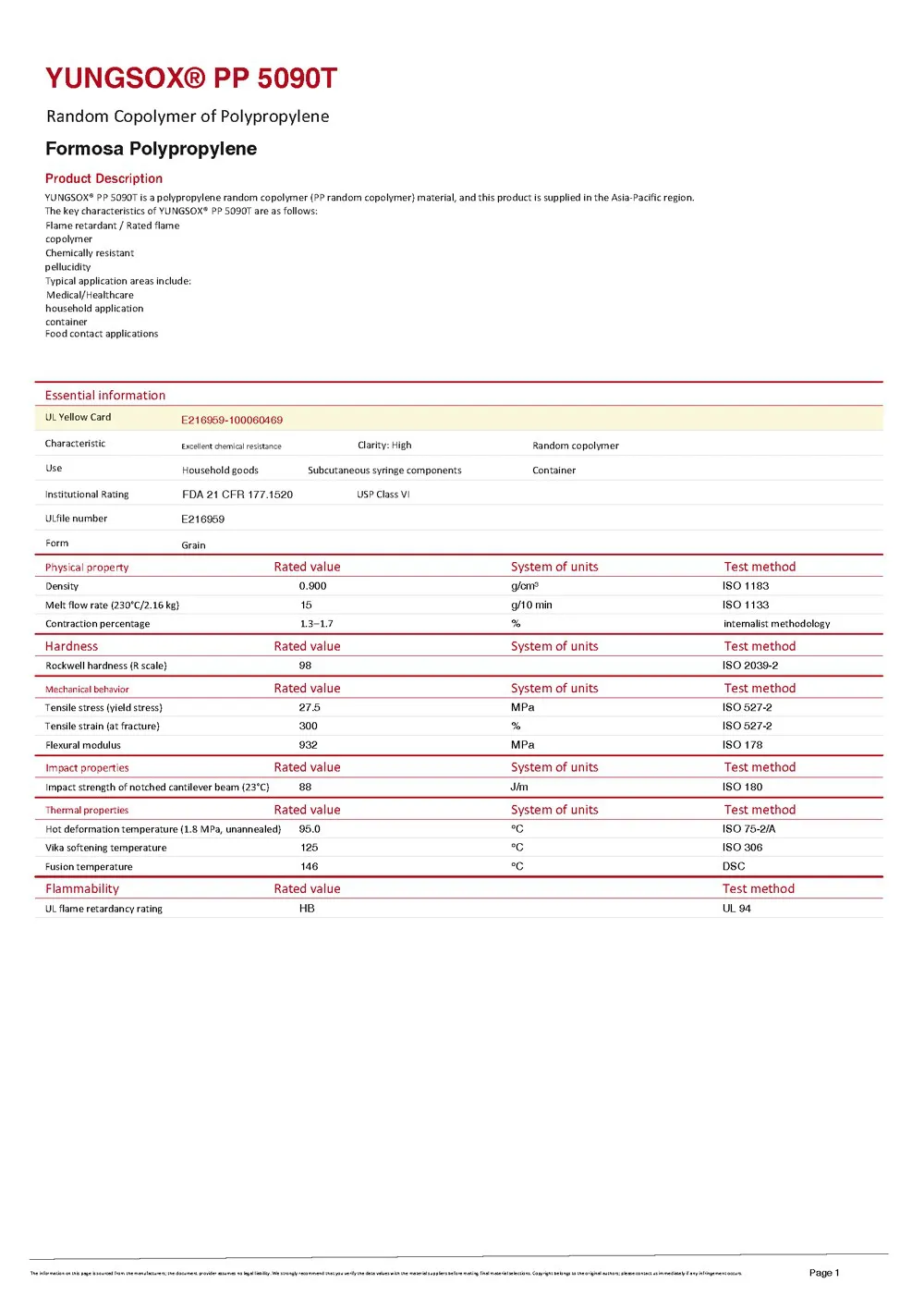
The foundation of any good disc top cap is the plastic it's made from. For healthcare products, we use high-density polyethylene (HDPE) or polypropylene (PP)—two materials known for their chemical resistance, durability, and safety. Unlike low-quality plastics that might leach chemicals into the product, medical-grade HDPE and PP are inert, meaning they won't react with formulas, even acidic or oily ones. That's crucial for products like prescription ointments or pH-sensitive serums, where any contamination could render the product ineffective or even harmful.
But it's not just about choosing the right plastic—it's about where it comes from. Reputable manufacturers source raw materials from suppliers with their own quality certifications, ensuring the plastic is free from impurities like heavy metals or BPA. At our facility, for example, we test every batch of plastic resin for purity before it even enters the production line. We also avoid recycled plastic in medical-grade caps (though we do use PCR plastic for non-medical applications) because recycling processes can introduce contaminants. When your product is meant to heal or protect, cutting corners on materials is never an option.
You might think a disc top cap is just a flat piece of plastic with a hinge, but there's actually a lot of engineering involved. The best 18mm caps are designed with three key goals in mind: easy opening, controlled dispensing, and a tight seal when closed. Let's start with the hinge. It needs to be flexible enough to flip open hundreds of times without breaking but stiff enough to stay closed during shipping. We've tested dozens of hinge designs over the years, and the sweet spot is a thin, curved section of plastic that distributes stress evenly—no more caps that snap off after a week of use.
Then there's the orifice—the small hole where the product comes out. For healthcare products, precision is key. A cap with an orifice that's too large might dispense too much product (wasting expensive formulas), while one that's too small could clog with thick creams. Our 18mm caps feature a 2mm orifice as standard, which works for most liquids and gels, but we can also customize the size for specific products. For example, a topical antibiotic cream might need a smaller orifice to prevent over-application, while a hand sanitizer might need a larger one for quick, easy dispensing.
The most important job of a disc top cap is to seal the bottle tightly when closed. In healthcare settings, where products are often used in sterile environments, a loose seal can let in dust, bacteria, or moisture—all of which can ruin the product or put patients at risk. That's why our GMP-certified caps come with an aluminum foil liner, a thin layer of foil that sits between the cap and the bottle neck. When the cap is screwed on, the liner compresses, creating an airtight, moisture-proof barrier that keeps contaminants out and the product fresh for longer.
But the liner isn't just stuck on randomly. We use a heat-sealing process that bonds the foil to the cap's interior, ensuring it stays in place even after repeated opening and closing. We also test the seal strength of every batch of caps using a vacuum leak test: we attach the cap to a test bottle, submerge it in water, and pull a vacuum. If bubbles appear, the seal is weak, and the entire batch is rejected. It's a rigorous process, but when you're dealing with products that people rely on for their health, "good enough" isn't good enough.
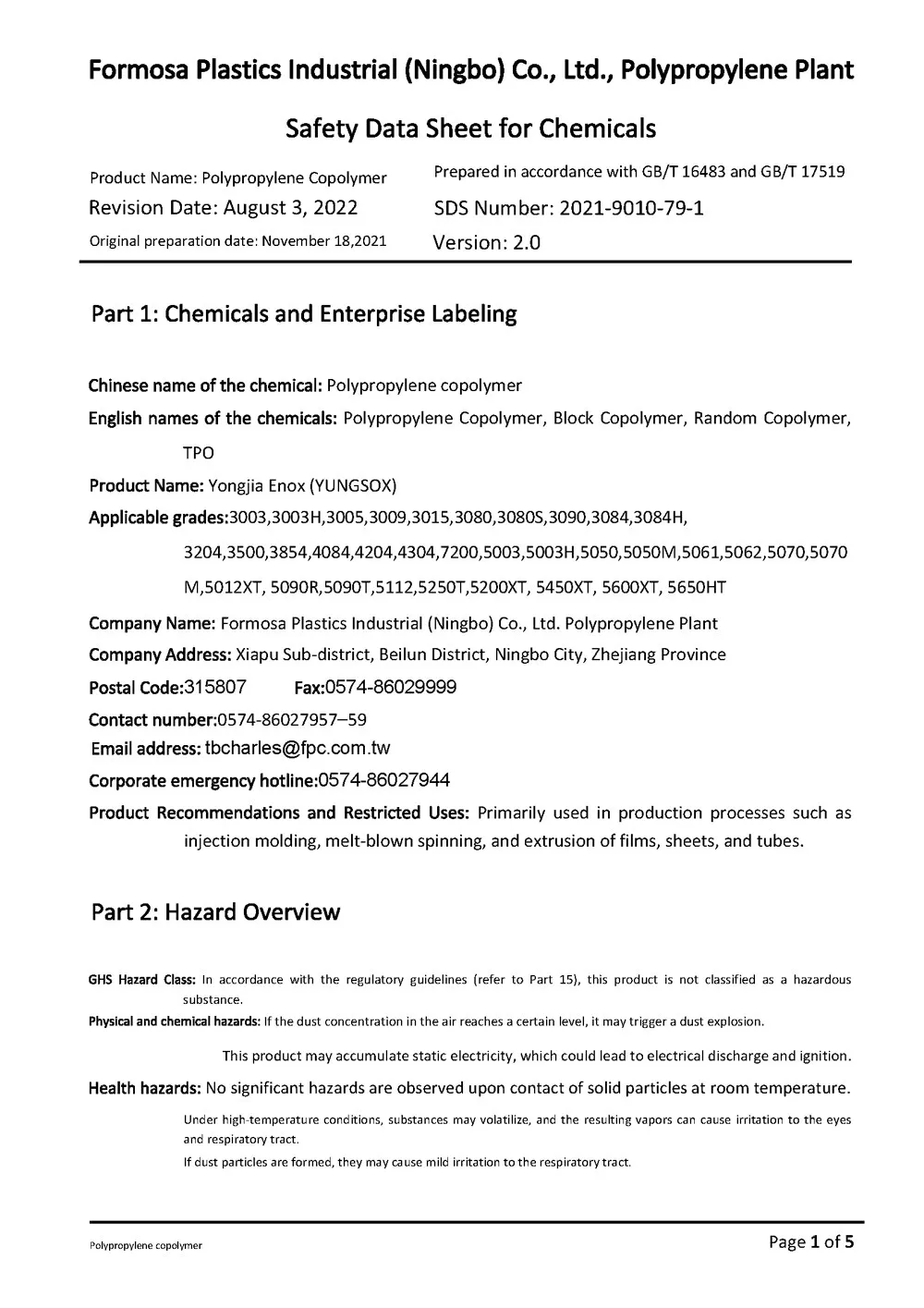
By now, you're probably thinking, "Okay, GMP certification sounds important, but do I really need it?" The short answer: if you're selling products that come into contact with skin, mucous membranes, or are ingested (like pharmaceuticals), then yes—GMP certification is legally required in most countries. But even if it weren't, it's still a smart business move. GMP certification isn't just a piece of paper; it's proof that the manufacturer takes quality and safety seriously. It shows your customers (and regulators) that you've gone the extra mile to ensure your packaging won't compromise the product inside.
But what exactly does GMP certification entail for a disc top cap manufacturer? Let's take a look inside our dust-free GMP compliant workshop to see. First, the facility itself is designed to minimize contamination. The production area is a Class 8 cleanroom, which means the air is filtered to remove 99.9% of particles larger than 0.5 microns—think dust, hair, or bacteria. Employees wear head-to-toe cleanroom suits, hairnets, and shoe covers, and they pass through an air shower before entering the production area to remove any loose particles. Even the machines are sealed to prevent oil or debris from getting into the caps.
Then there's the documentation. GMP requires that every step of the manufacturing process is recorded, from the batch number of the plastic resin to the temperature of the molding machine. If there's ever a problem—a cap fails a seal test, for example—we can trace it back to the exact batch, machine, and even operator. This level of transparency isn't just for regulators; it gives you peace of mind knowing that if an issue arises, we can fix it quickly and prevent it from happening again. For example, last year, a customer noticed a few caps in their order had weak hinges. Using our GMP documentation, we traced the issue to a single mold that had worn down. We replaced the mold, re-tested the caps, and shipped a new batch—all within 48 hours. Without that documentation, we might have had to recall thousands of caps, costing time and money.
Real-World Impact: In 2019, the FDA recalled over 1 million units of a popular over-the-counter cream because the disc top caps were leaking, allowing bacteria to grow inside. The manufacturer had skipped GMP testing, assuming the caps were "good enough." The result? A $10 million recall, a damaged brand reputation, and lost customer trust. Don't let that be you.
Now that we've covered the "how" and "why" of GMP-certified 18mm disc top caps, let's talk about the "where." These caps are incredibly versatile, but they really shine in industries where precision, safety, and convenience are top priorities. Here are a few examples of how they're used in the real world:
In the pharmaceutical industry, every detail matters. 18mm disc top caps are commonly used on ointment jars, cream tubes, and liquid medication bottles. For example, a dermatologist might prescribe a steroid cream in a 30ml bottle with an 18mm disc top cap. The cap's controlled orifice ensures the patient applies just the right amount (no more, no less), while the airtight seal keeps the cream from drying out. For liquid medications like cough syrup, the cap's flip-top design makes it easy for patients to dispense the right dose without spilling, which is especially helpful for children or elderly users with limited dexterity.
But it's not just about convenience—GMP certification is critical here. Pharmaceutical regulators like the FDA and EMA (European Medicines Agency) have strict rules about packaging, and non-compliant caps can delay product approvals or lead to recalls. By using GMP-certified caps, pharmaceutical companies can streamline the regulatory process and focus on what they do best: developing life-saving drugs.
Medical devices like wound care kits, surgical scrubs, and disinfectant sprays also rely on 18mm disc top caps. For example, a hospital might use a 100ml bottle of antiseptic solution with an 18mm cap to clean tools before surgery. The cap's tight seal ensures the solution stays sterile until it's needed, and the flip-top design allows nurses to quickly dispense the solution without touching the opening (which could introduce germs). In emergency situations, where every second counts, a cap that's easy to open can literally save lives.
While cosmetics might not seem as "high-stakes" as pharmaceuticals, they still require packaging that protects the product and enhances the user experience. 18mm disc top caps are a favorite in the beauty industry for products like facial serums, eye creams, and travel-sized lotions. Their compact size makes them perfect for on-the-go use (think airplane carry-ons or gym bags), and their sleek design adds a touch of luxury to even budget-friendly brands. For example, a high-end skincare line might use a frosted glass bottle with a matte black 18mm disc top cap—simple, elegant, and easy to use.
But cosmetics also have their own set of challenges. Many formulas are sensitive to light, air, or moisture, so the cap's seal is just as important here as it is in pharmaceuticals. A serum with vitamin C, for example, oxidizes quickly when exposed to air, turning brown and losing its effectiveness. A GMP-certified 18mm cap with a tight seal can extend the product's shelf life by months, reducing waste and keeping customers happy.
So, you've decided you need GMP-certified 18mm disc top caps—now what? The next step is finding a manufacturer you can trust. But with so many options out there (especially if you're sourcing from China), how do you separate the good from the bad? Here are a few key factors to consider:
We've talked a lot about GMP, but you should also look for ISO 9001 certification. ISO 9001 is a quality management system standard that ensures the manufacturer has processes in place to consistently deliver high-quality products. Together, GMP and ISO 9001 are like a one-two punch of quality assurance. But don't just take their word for it—ask to see copies of the certifications, and verify them with the issuing body (like the International Organization for Standardization or a local regulatory agency). Some manufacturers claim to be GMP-certified but only have a "self-declaration"—a red flag.
If you're a small brand ordering 10,000 caps, you don't want to work with a manufacturer that only caters to large orders of 1 million+. Conversely, if you're a pharmaceutical company scaling to 10 million units, you need a manufacturer with the capacity to keep up. Ask about minimum order quantities (MOQs), production lead times, and whether they can handle custom requests (like unique colors or logos). A good manufacturer will be transparent about their capabilities and work with you to find a solution that fits your budget and timeline.
At our facility, for example, we offer MOQs as low as 5,000 units for standard caps and 10,000 for custom designs. We also have multiple production lines, so we can handle rush orders (though we always recommend planning ahead—quality takes time!). And because we design and make our own molds in-house, we can turn around custom cap designs in as little as 2 weeks, compared to the industry average of 4–6 weeks.
A manufacturer can have all the certifications in the world, but if their quality control is lax, you'll still end up with defective caps. Ask detailed questions about their testing process: Do they test raw materials? How do they check for leaks or weak hinges? What happens if a batch fails? A reputable manufacturer will be happy to walk you through their process and even let you visit their facility (or send a third-party auditor) to verify. At our factory, we test every step of the process: raw material purity, mold temperature, seal strength, hinge durability, and even color consistency (using a spectrophotometer to ensure the cap color matches your brand's Pantone code exactly).
Last but not least, good communication is key. Manufacturing can be unpredictable—delays happen, machines break down, and materials get backordered. The difference between a frustrating experience and a smooth one is how the manufacturer handles these issues. Do they proactively update you on production progress? Are they responsive when you have questions? Do they take responsibility when things go wrong, or do they blame others? A manufacturer that values communication will make your life easier and help you avoid costly mistakes.
To help you compare options, here's a detailed breakdown of our GMP-certified 18mm disc top cap's specifications. Whether you're cross-referencing with your bottle's neck finish or trying to decide if it's the right fit for your product, this table has you covered:
| Feature | Specification | Benefit |
|---|---|---|
| Cap Diameter | 18mm (neck finish: 18/410) | Fits standard 18mm neck bottles; compatible with most small to medium-sized containers (15ml–100ml) |
| Material | Medical-grade HDPE or PP | Chemical-resistant, BPA-free, and inert; won't react with formulas |
| Liner | Single-layer aluminum foil | Airtight, moisture-proof seal; prevents contamination and product degradation |
| Orifice Size | 2mm standard (custom sizes available: 1mm–5mm) | Controls dispense rate; customizable for thick or thin formulas |
| Hinge Type | Integral living hinge | Durable; can be opened/closed 500+ times without breaking |
| Colors | Standard: white, black, natural (custom colors available via Pantone matching) | Matches brand aesthetics; custom colors available for unique branding |
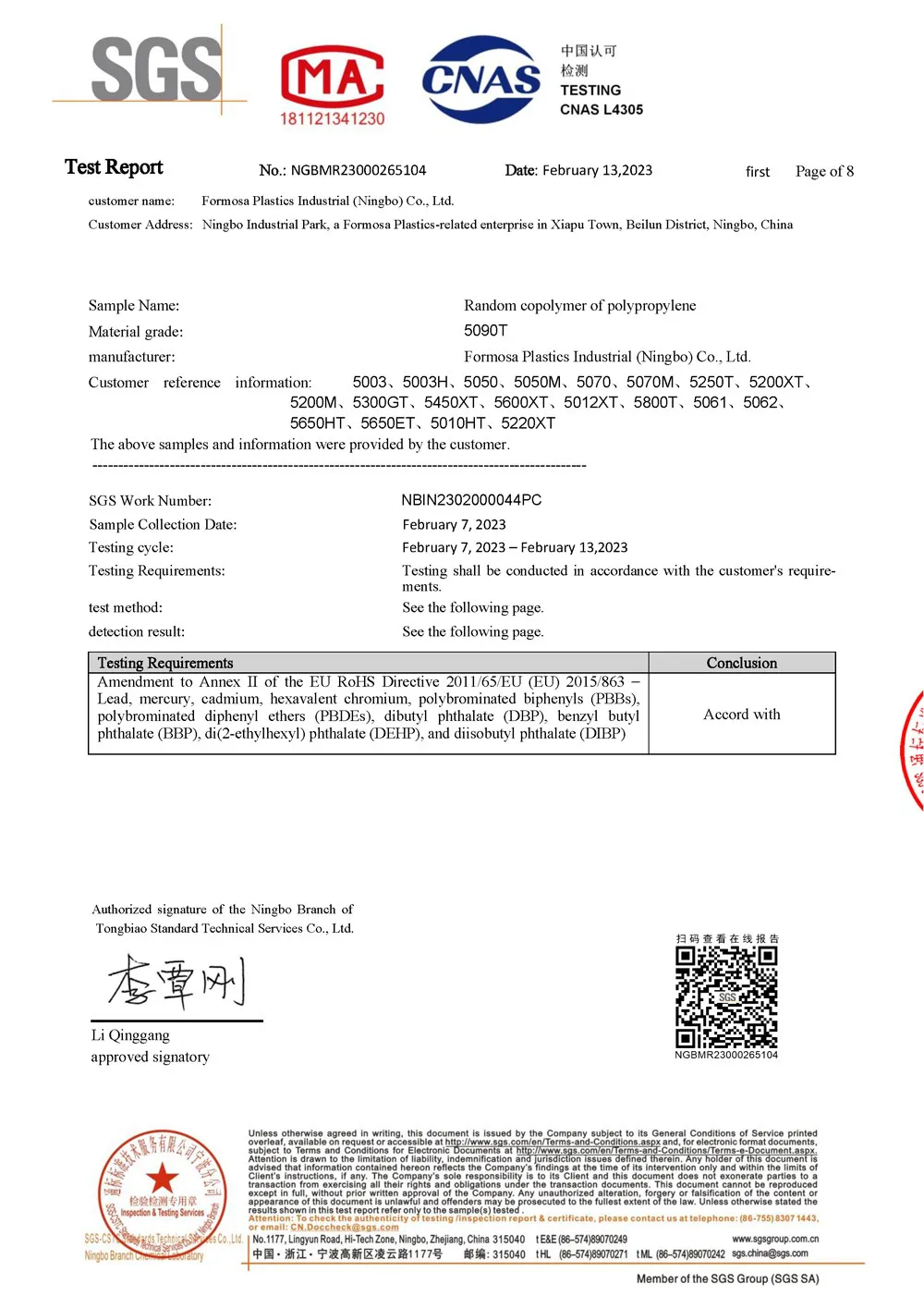
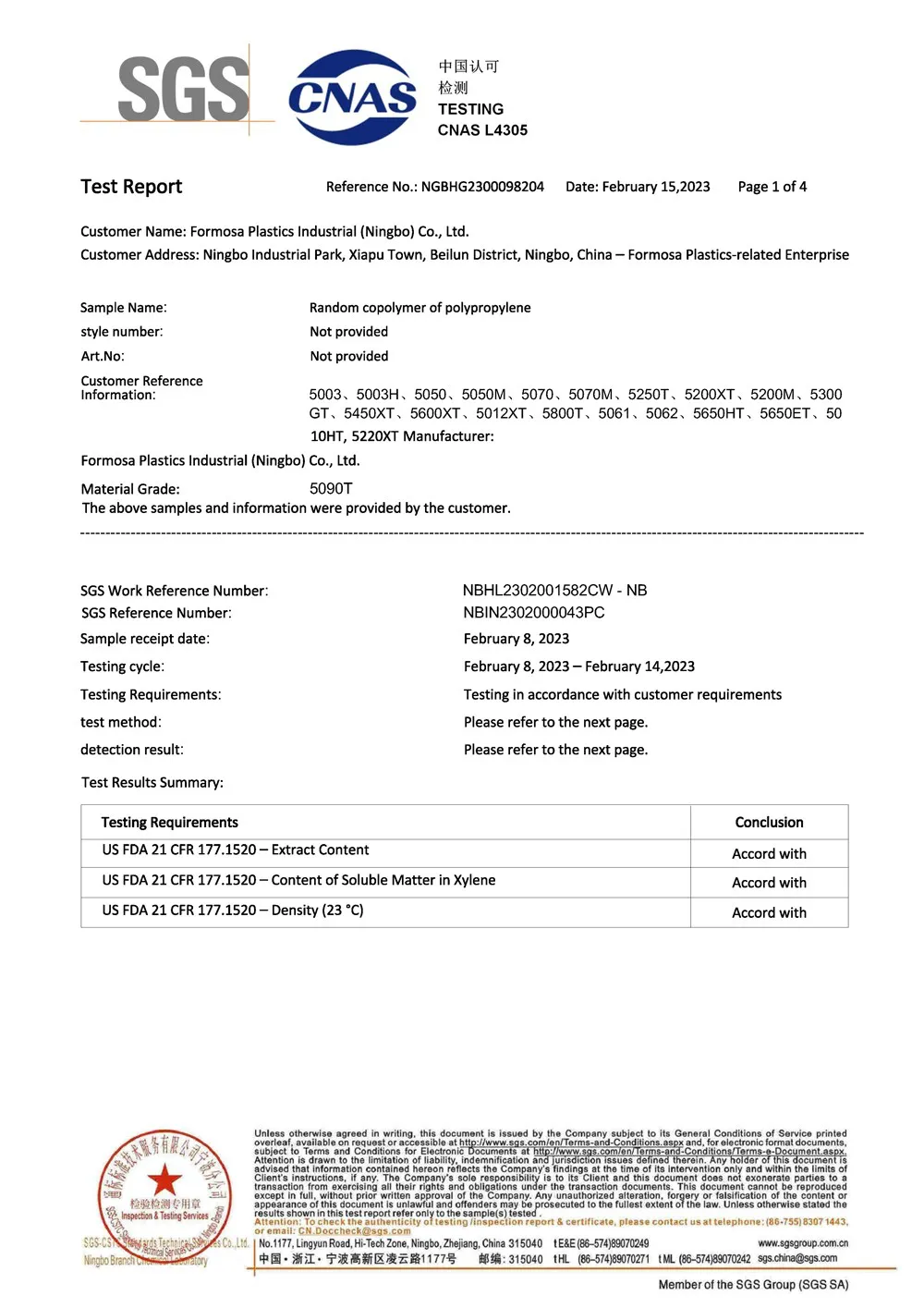
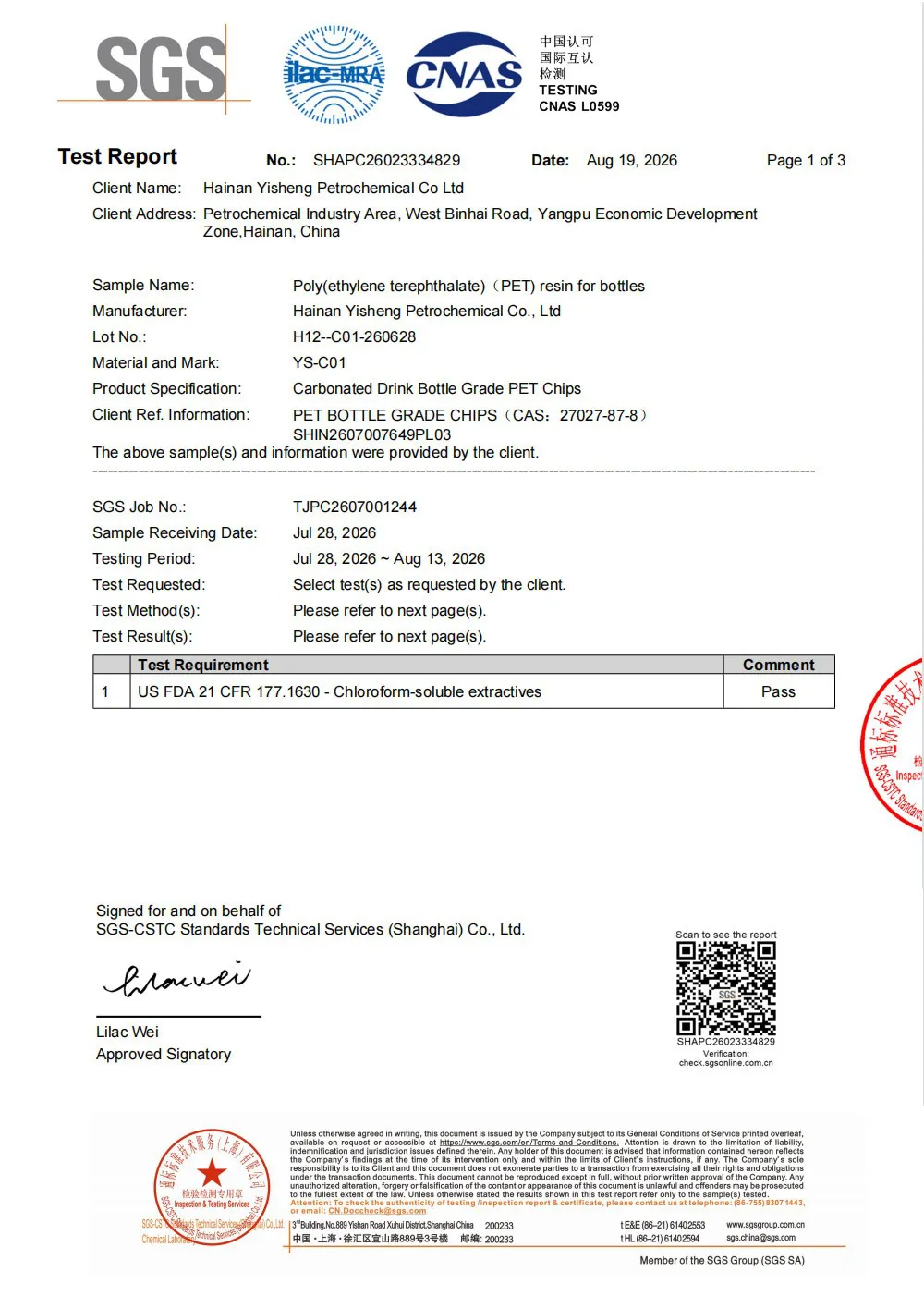
| Certifications | GMP, ISO 9001, FDA (21 CFR 177.1520), REACH compliant | Meets global safety and quality standards; suitable for healthcare and cosmetic use |
| MOQ | 5,000 units (standard colors); 10,000 units (custom colors/designs) | Flexible for small businesses and large-scale production |
| Lead Time | 7–10 days (standard); 14–21 days (custom) | Fast turnaround for tight deadlines |
In today's world, sustainability isn't just a trend—it's a responsibility. As a manufacturer, we're acutely aware of the environmental impact of plastic packaging, and we're committed to doing our part to reduce it. While medical-grade caps still require virgin plastic (for safety reasons), we're exploring ways to make our non-medical 18mm disc top caps more sustainable. For example, we now offer a line of caps made with 30% post-consumer recycled (PCR) plastic for cosmetic and personal care brands. PCR plastic is made from recycled bottles and containers, reducing the need for new plastic and keeping waste out of landfills.
We're also working on lightweighting our caps—using less plastic without sacrificing strength. Our latest 18mm cap design uses 15% less plastic than our previous version, cutting down on material use and carbon emissions during shipping. And we've invested in energy-efficient machinery and solar panels at our factory, reducing our reliance on fossil fuels. It's a work in progress, but we believe every small step counts. After all, sustainability and safety don't have to be mutually exclusive—we can protect both people and the planet.
At the end of the day, choosing a GMP-certified 18mm disc top cap is about more than just complying with regulations. It's about protecting your product, your customers, and your brand. It's about investing in a component that will make your product easier to use, more reliable, and more trusted. And it's about partnering with a manufacturer that shares your commitment to quality and safety.
As a leading custom plastic bottle manufacturer with years of experience in the healthcare and cosmetic industries, we understand the unique challenges you face. We know that packaging isn't just about holding a product—it's about telling a story, building trust, and delivering value. That's why we don't just sell caps; we partner with our clients to create packaging solutions that work for their specific needs. Whether you need a standard 18mm cap or a fully custom design, we have the expertise, certifications, and passion to bring your vision to life.
So, if you're ready to take your packaging to the next level, we're here to help. Let's talk about your project, your goals, and how we can create a 18mm disc top cap that not only meets GMP standards but exceeds your expectations. After all, the smallest components can make the biggest difference—and we're in the business of making a difference.