Email: info@mggpacking.com | Tel: +86-13510174848 ( Mr. Yao)


Every morning at Green Pines Nursing Home, Maria, a dedicated caregiver, starts her shift by helping residents with their daily medications. She gently takes Mrs. Thompson's hand, steadying it as the 87-year-old tries to twist open a pill bottle. "Just a little more, Mrs. T," Maria encourages, but the cap won't budge. After a few moments, Maria takes over, popping the lid off with a firm twist. Mrs. Thompson sighs, "I used to open these myself, you know." Maria nods, knowing this scene repeats dozens of times a day—residents struggling with stiff fingers, shaky hands, or limited strength, all trying to open medication bottles that were never designed with their needs in mind.
For nursing homes and senior care facilities, medication management is more than just a daily task—it's a balance between safety, dignity, and efficiency. The right packaging can turn a frustrating struggle into a moment of independence for residents, while easing the workload for caregivers. That's where specialized medical grade plastic bottles come in, designed specifically to meet the unique needs of elderly users and the strict standards of healthcare environments.
Traditional pill bottles, while functional for younger adults, often become barriers for seniors. Arthritis, Parkinson's, or simply age-related joint stiffness can make gripping and twisting caps nearly impossible. Child-resistant caps, intended to protect little ones, can be equally challenging for older hands. Poor eyesight adds another layer of difficulty—small print on labels, indistinct bottle shapes, or confusing color coding can lead to mix-ups, even with careful supervision.
Then there's the issue of safety. Loose caps can lead to spills, while bottles that are too easy to open might risk accidental overdose if left unattended. For nursing homes, where dozens of residents take multiple medications daily, the packaging needs to be both secure and accessible—a delicate balance that many standard bottles fail to strike.
The Human Cost of Inadequate Packaging: A 2023 study by the American Geriatrics Society found that 68% of seniors struggle to open medication bottles independently, leading to increased reliance on caregivers and feelings of helplessness. For nursing homes, this translates to longer medication pass times, higher staff burnout, and missed opportunities for residents to maintain their autonomy.
At the heart of solving these challenges are HDPE pill bottles designed with senior users in mind. These aren't just ordinary containers—they're carefully engineered tools that prioritize ease of use, safety, and clarity, without compromising on the strict standards required for medical packaging.
The most noticeable difference in senior-friendly bottles is the cap design. Instead of stiff, child-resistant twists, many feature "easy-grip" textures, larger diameters for better handling, or even flip-top lids that require minimal force to open. Imagine Mrs. Thompson pressing a thumb tab and hearing a soft "click" as the cap pops open—no twisting, no straining, just a simple motion she can manage on her own. These designs don't sacrifice safety, either; many include tamper-evident seals to ensure medications remain secure until ready for use.
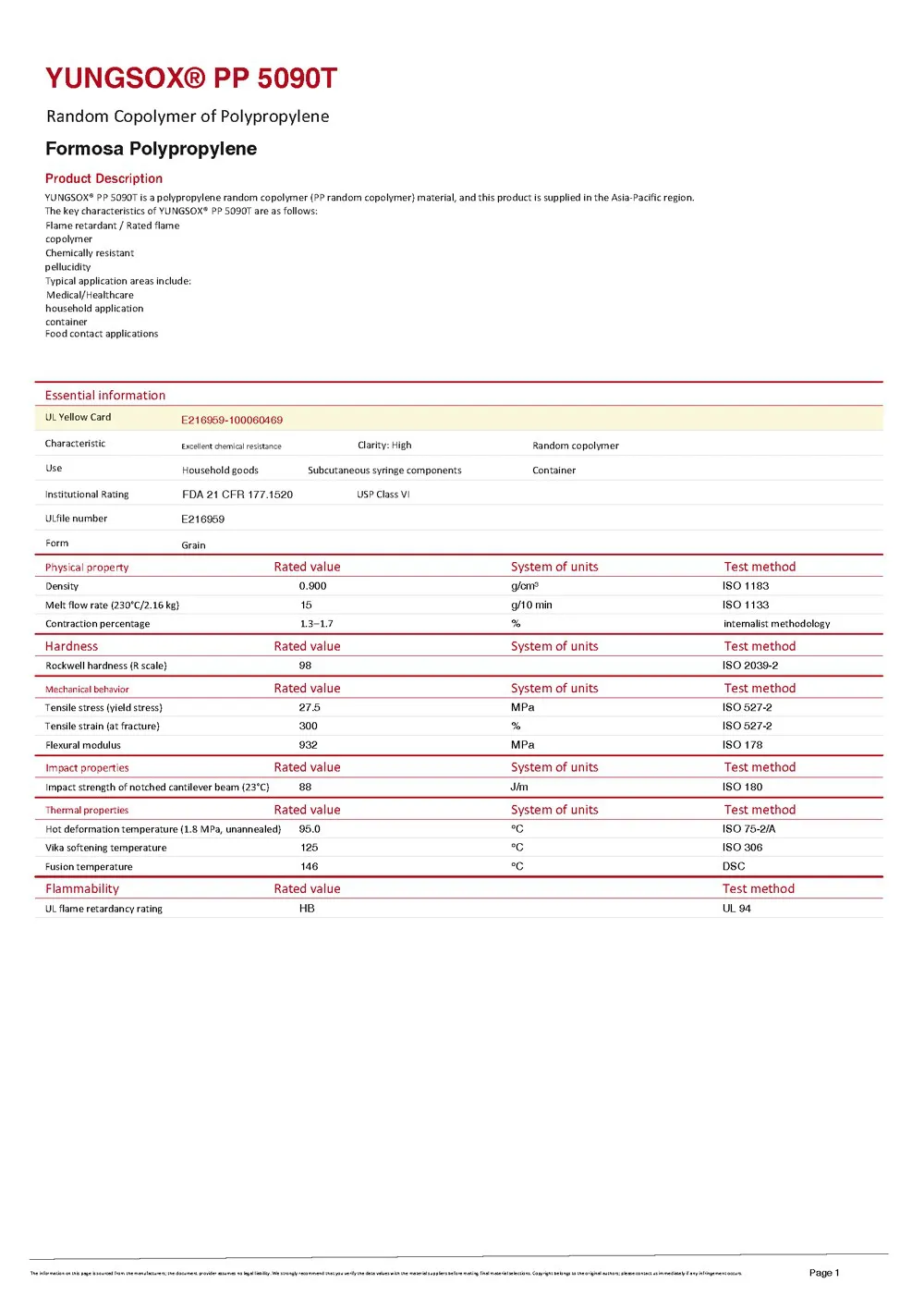
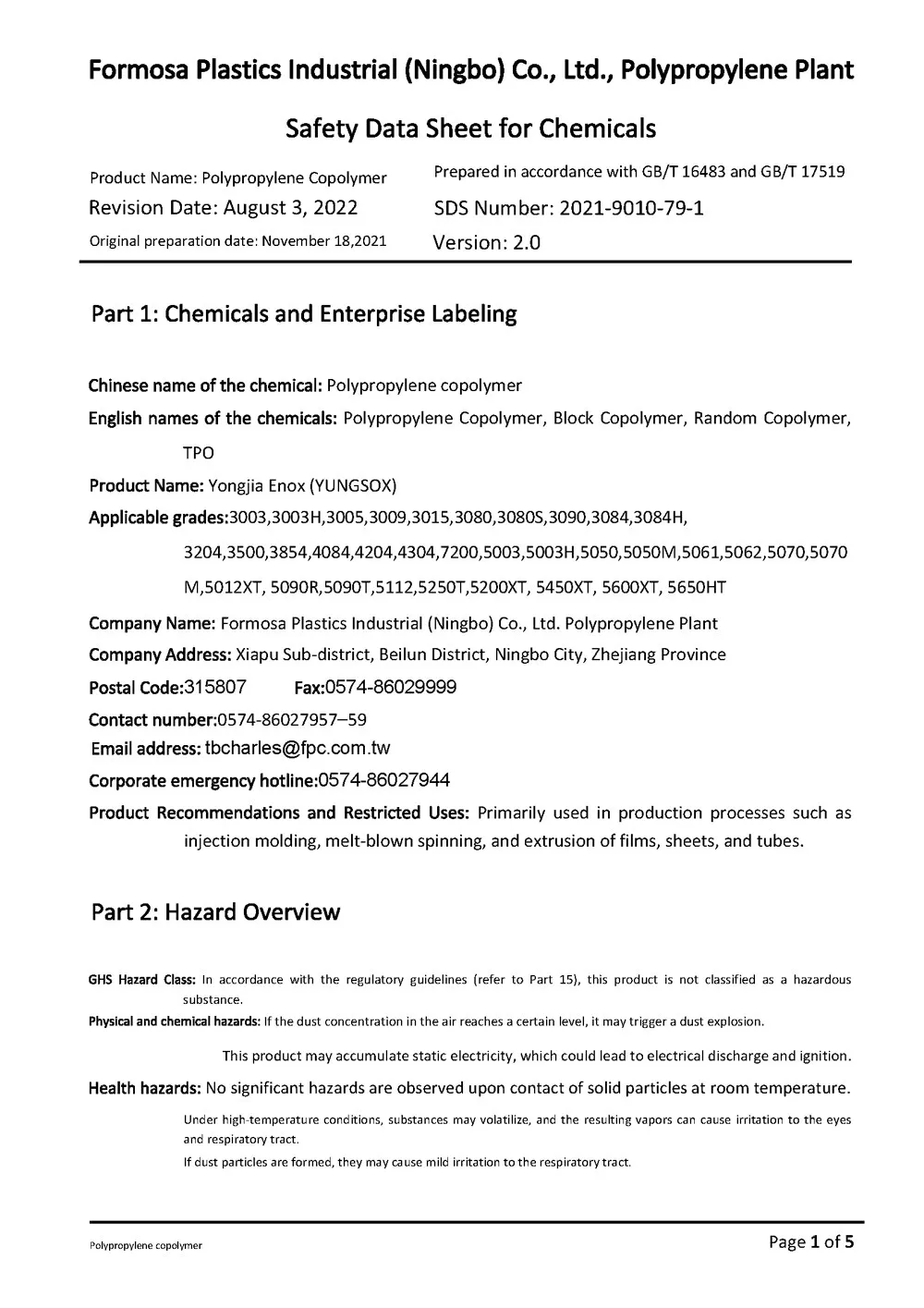
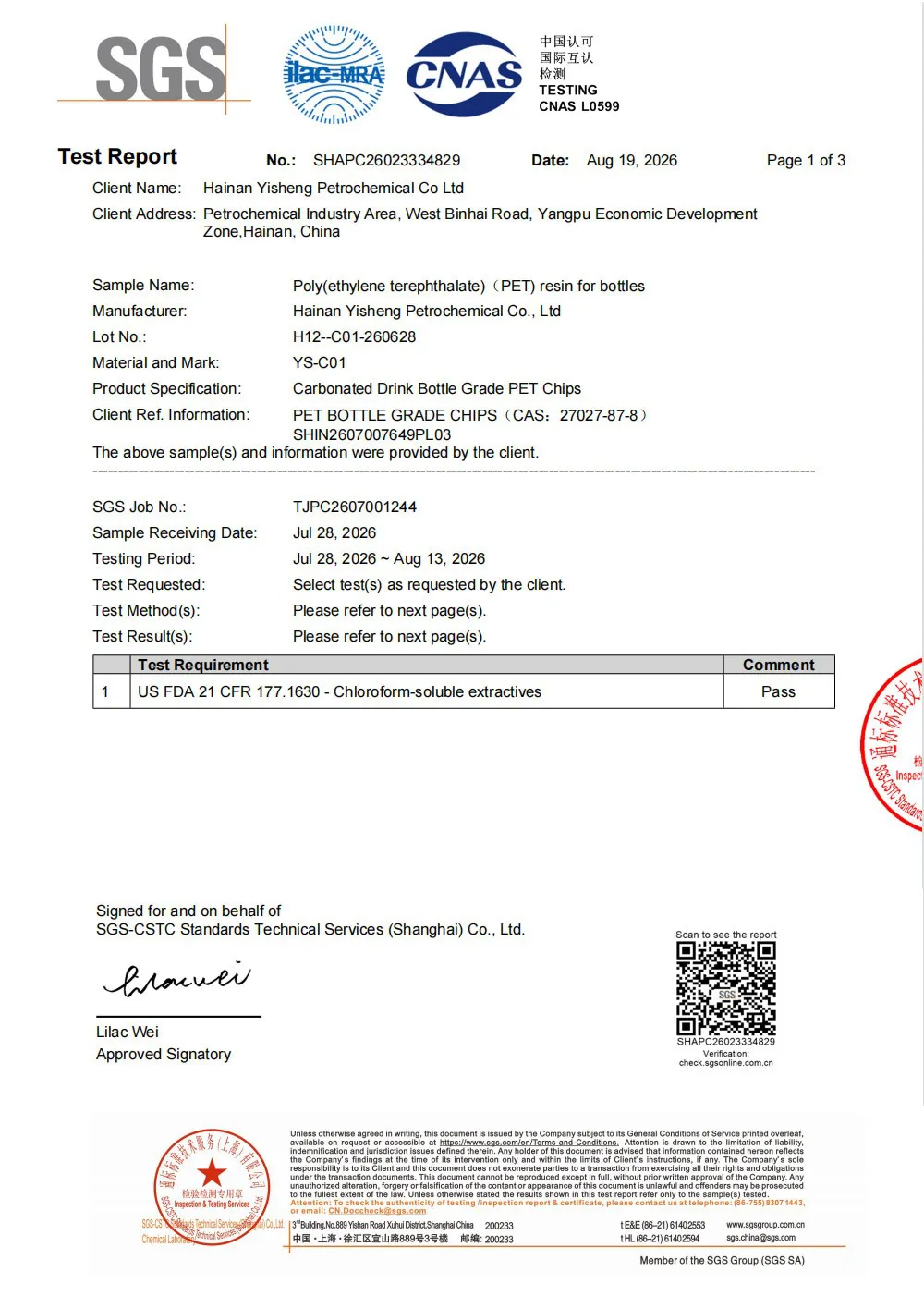
When it comes to medication packaging, material matters. Medical grade plastic bottles are made from high-density polyethylene (HDPE), a durable, lightweight material that's resistant to cracks, leaks, and chemical interactions with medications. Unlike lower-grade plastics, HDPE doesn't leach harmful substances, ensuring pills stay pure and effective. For seniors with sensitive health conditions, this level of safety is non-negotiable—and for nursing homes, it's a critical part of meeting regulatory requirements.
For residents with vision impairments, clarity is key. Senior-friendly bottles often feature larger, bold print on labels, with high-contrast colors (think black text on white backgrounds) to improve readability. Some even include customizable color-coding options—red for morning meds, blue for evening, for example—making it easier for both residents and caregivers to identify medications at a glance. No more squinting at tiny fonts or guessing which bottle holds the blood pressure pills versus the vitamins.
Not all medications come in the same quantity, and not all residents have the same grip strength. That's why flexibility in size matters. From small, travel-friendly bottles for residents on day trips to larger, easy-to-hold containers for weekly medication supplies, customizable options ensure that packaging fits the needs of the facility and its residents. A 60ml bottle might be perfect for daily pills, while a 225ml container works better for weekly supplements—all designed to be comfortable to hold, even with limited dexterity.
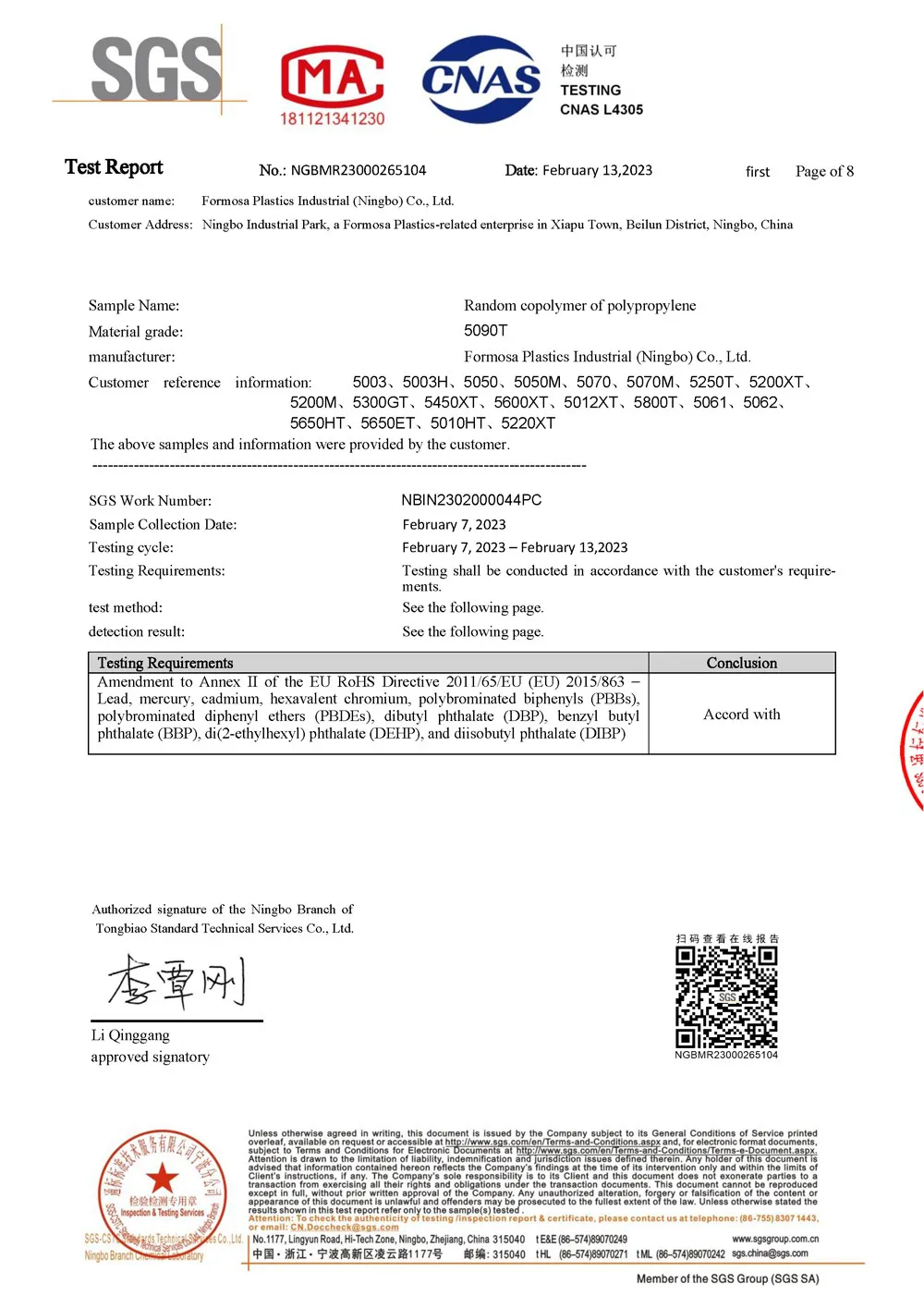
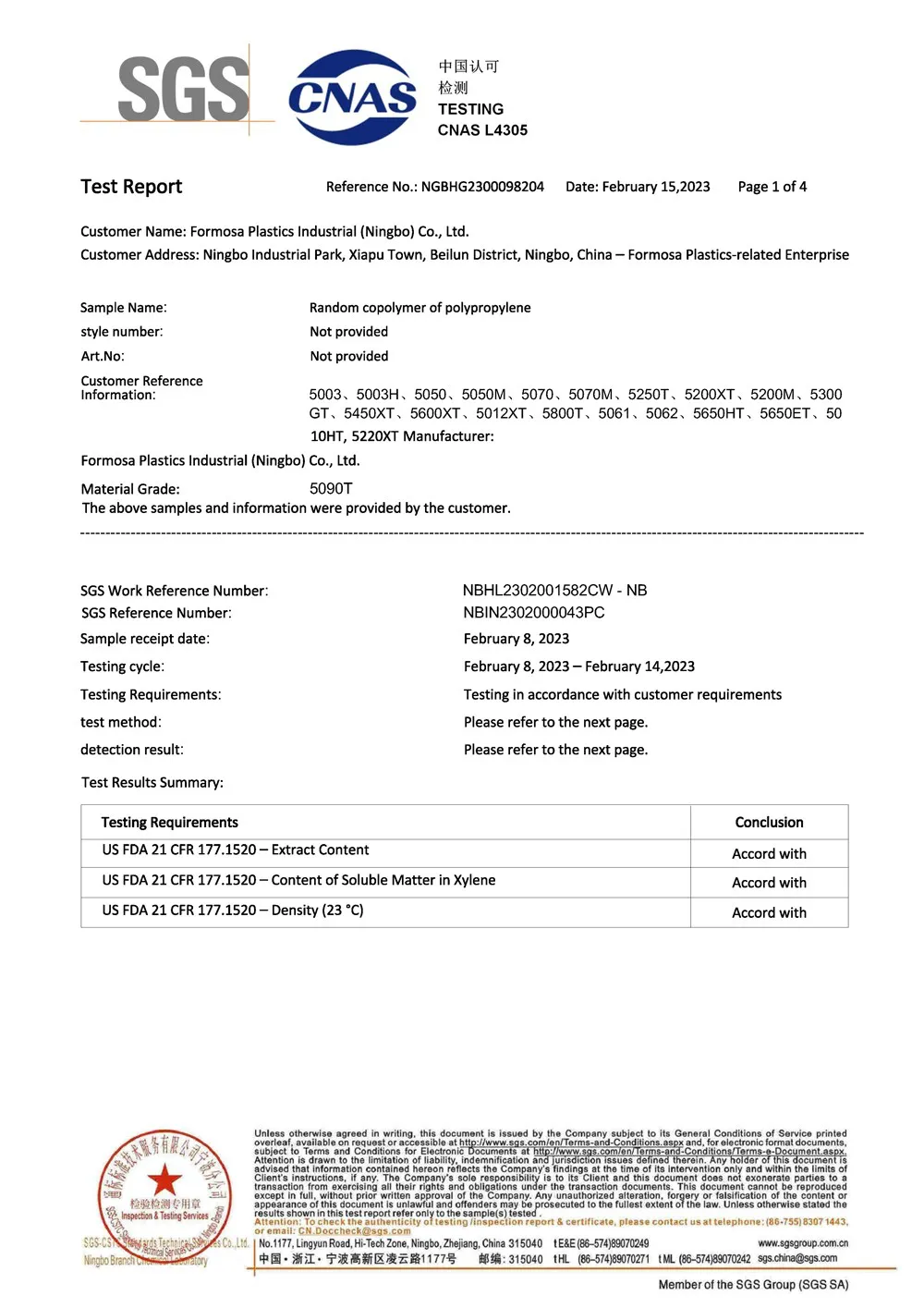
When choosing medication packaging for nursing homes, certifications aren't just checkboxes—they're guarantees of quality and safety. An ISO 9001 certified packaging factory adheres to strict quality management standards, ensuring consistency in every bottle produced. But for medical products, GMP (Good Manufacturing Practices) compliance takes things a step further. GMP compliant workshops are dust-free, temperature-controlled environments where every step of production—from raw material selection to final inspection—is monitored and documented. This level of precision is critical for medication packaging, where even a tiny defect could compromise safety.
For nursing homes, partnering with a GMP compliant supplier means more than just meeting regulatory requirements. It means confidence that the bottles holding residents' medications are free from contaminants, that lids seal properly to keep pills fresh, and that every batch meets the same high standards. In an industry where trust is everything, these certifications are the foundation of a reliable partnership.
Every nursing home has unique needs, and a one-size-fits-all approach to packaging rarely works. That's where custom mold design for plastic bottles becomes invaluable. Whether a facility needs bottles with extra-large grips for residents with severe arthritis, specialized labels with braille for visually impaired users, or even bottles shaped to fit into medication carts more efficiently, a flexible supplier can tailor solutions to match.
Take, for example, a nursing home that cares for residents with dementia. Custom bottles with distinct shapes—round for morning meds, square for evening—can help reduce confusion, even for residents with memory loss. Or a facility that wants to reduce waste: smaller, portion-sized bottles for daily doses can minimize leftover medication and cut down on storage space. With 3D design tools and free mold testing, suppliers can work directly with nursing homes to create prototypes, test them with residents and staff, and refine the design before full production.
A Real-World Impact: How One Nursing Home Improved Medication Management
Maplewood Senior Living, a mid-sized facility in Oregon, recently switched to easy-open HDPE pill bottles for their residents. "We'd been hearing complaints for years—residents frustrated they couldn't open their own meds, caregivers spending too much time assisting," says James, the facility's operations manager. After consulting with a supplier, they opted for bottles with flip-top caps, large-print labels, and color-coded lids. "The difference was immediate," James recalls. "Within a week, we noticed residents trying to open their bottles on their own. Mrs. Henderson, who has rheumatoid arthritis, even showed off her new 'skill' to her family during visiting hours. For caregivers, medication pass times shortened by nearly 20%—time they could spend chatting with residents or helping with other needs."
When selecting a supplier for senior-friendly medication bottles, nursing homes should prioritize three key factors: compliance, customization, and empathy. A supplier that understands the daily challenges of senior care will go beyond just selling bottles—they'll act as a partner, offering insights and solutions based on real-world experience.
Start with certifications: Look for an ISO 9001 certified packaging factory with a dust-free GMP compliant workshop. Ask about their quality control processes—how do they test for leaks? How often are production lines inspected? Next, inquire about customization options: Can they adjust cap designs, label sizes, or bottle shapes to fit your residents' needs? Finally, seek out suppliers who listen. A good partner will ask about your facility's specific challenges, whether it's residents with limited dexterity, high medication volumes, or unique storage constraints, and tailor their offerings accordingly.
At the end of the day, medication packaging is about more than holding pills—it's about preserving dignity. When a senior can open their own medication bottle, they're not just taking a pill; they're reclaiming a small piece of independence, a reminder that they still have control over their daily lives. For caregivers, it means less time struggling with stubborn caps and more time connecting with residents. For nursing homes, it's a step toward creating a more compassionate, efficient, and resident-centered environment.
As Maria, the caregiver from Green Pines, puts it: "We switched to these easy-open bottles last month, and I'll never go back. Mrs. Thompson now opens her own meds every morning—she even smirks and says, 'Told you I could do it.' It's the little wins, you know? That's what makes this job worthwhile."
| Traditional Pill Bottles | Senior-Friendly Medical Grade Bottles | |
|---|---|---|
| Stiff, child-resistant caps hard to twist | Easy-grip or flip-top caps requiring minimal force | |
| Small, hard-to-read labels | Large, high-contrast print with customizable color coding | |
| Generic plastic materials | Medical grade HDPE, ensuring medication purity | |
| Limited size/shape options | Customizable designs for specific resident needs | |
| Basic or no tamper-evident features | Secure, reliable tamper-evident seals |
In a world where senior care is increasingly focused on person-centered approaches, the right medication packaging isn't an afterthought—it's an essential tool for promoting independence, safety, and dignity. By choosing GMP certified, easy-open bottles designed with seniors in mind, nursing homes can transform medication time from a daily chore into a moment of empowerment for the residents who call these facilities home.