Email: info@mggpacking.com | Tel: +86-13510174848 ( Mr. Yao)


When you pick up a bottle of sensitive skin cream or a medical ointment, what's the first thing you trust? The label that says "medical grade"? The brand reputation? Or maybe the subtle click of the pump as you dispense just the right amount? For millions of consumers and healthcare professionals worldwide, that trust starts long before the product hits the shelf—it starts with the packaging. And when it comes to lotions, creams, and liquid medications that touch our skin or enter our bodies, there's no room for compromise. That's why GMP certified lotion pumps have become the unspoken gold standard for safety, precision, and reliability in the industry.
As a China-based plastic packaging supplier with over a decade of experience, we've seen firsthand how the demand for medical-grade packaging has evolved. It's not just about "being safe"—it's about meeting the strictest global standards that ensure every drop of product remains pure, uncontaminated, and effective. From skincare brands crafting hypoallergenic serums to pharmaceutical companies distributing life-saving ointments, the right lotion pump isn't just a "nice-to-have"—it's a critical part of the product's integrity. And today, we're pulling back the curtain on what makes GMP certified lotion pumps the backbone of medical-grade packaging, why they matter, and how they're changing the game for brands and consumers alike.
Let's start with the basics: What is GMP, and why does it matter for something as "simple" as a lotion pump? GMP stands for Good Manufacturing Practices—a set of strict guidelines that ensure products are consistently produced and controlled according to quality standards. Think of it as a promise: every step of the manufacturing process, from raw material selection to final packaging, is documented, monitored, and optimized to minimize risk. For medical-grade products, this isn't optional—it's legally required in most countries.
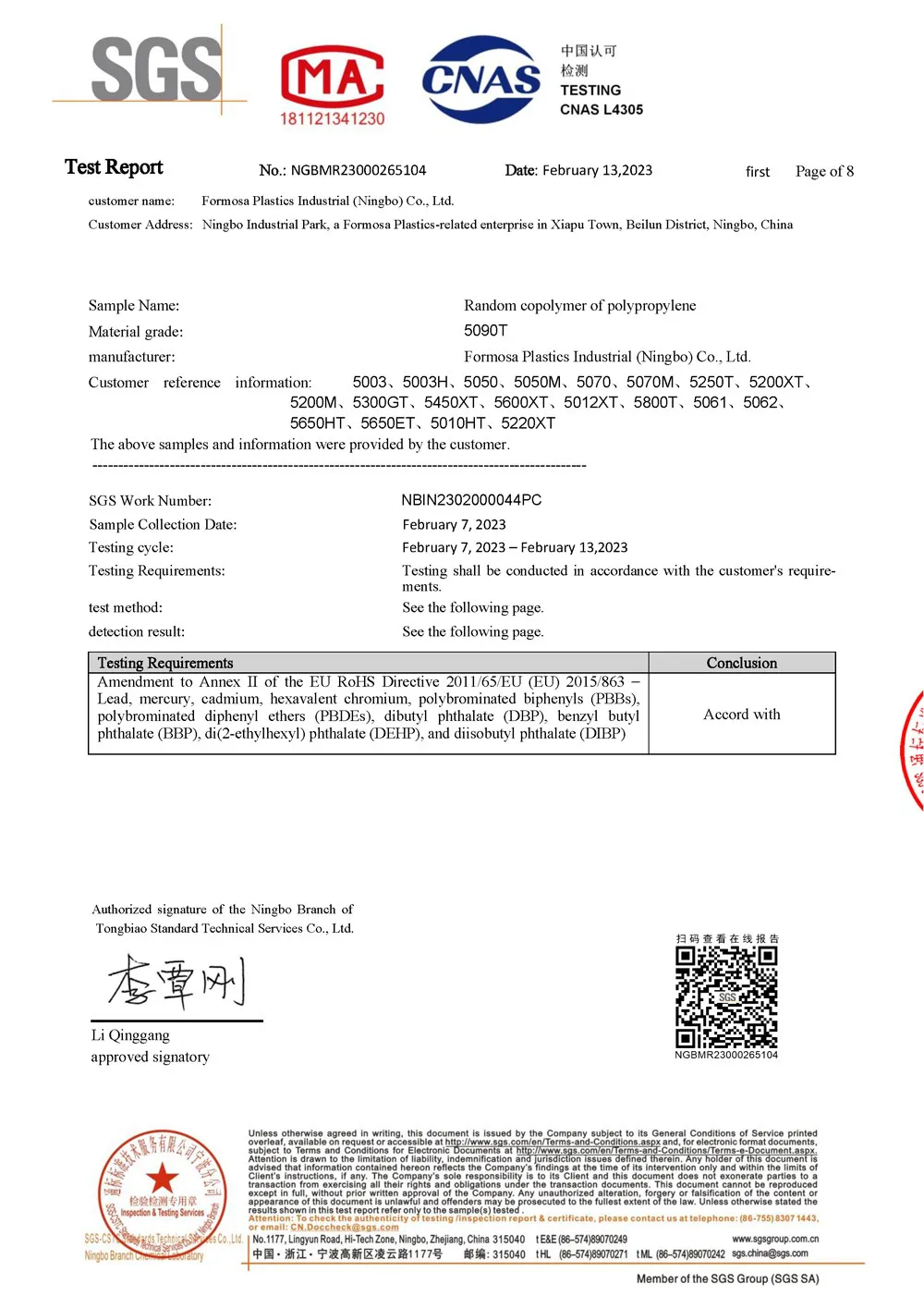
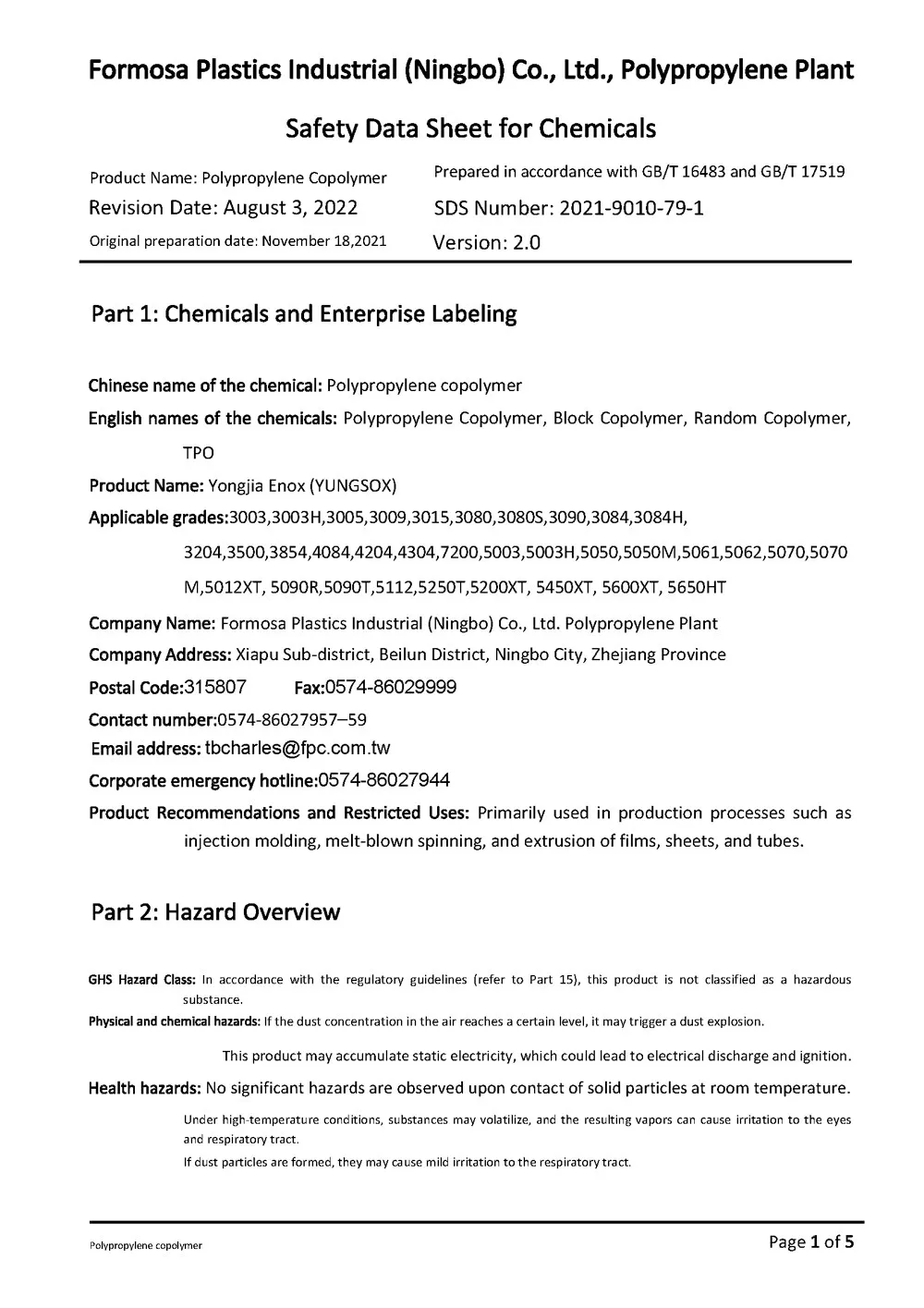
But here's the thing: GMP isn't just about following rules. It's about creating a culture of precision. In our dust-free GMP compliant workshop , for example, even the air is filtered to remove 99.97% of particles 0.3 microns or larger—that's smaller than a single bacteria cell. Employees wear full-body (cleanroom suits), hairnets, and shoe covers to prevent contamination. Machinery is sanitized daily with FDA-approved disinfectants, and every batch of plastic resin is tested for heavy metals, phthalates, and other harmful substances before it ever touches a mold. Why? Because a lotion pump that dispenses medical-grade cream isn't just a container—it's a barrier between the product and the outside world. A single flaw in the pump's design or a tiny particle in the plastic could compromise the product's stability, effectiveness, or safety.
For brands, GMP certification isn't just a marketing tool—it's a lifeline. In an industry where a single recall can cost millions in reputation and revenue, GMP compliance is the best defense. It's why our clients—from small skincare startups to Fortune 500 pharmaceutical companies—insist on working with ISO 9001 certified packaging factories like ours. ISO 9001 ensures we have a quality management system in place, while GMP dives deeper, focusing on the specific risks of pharmaceutical and cosmetic packaging. Together, they're the one-two punch that gives brands (and their customers) peace of mind.
Not all lotion pumps are created equal. A standard pump you might find on a drugstore hand lotion is a far cry from one designed for medical-grade use. So what makes our GMP certified lotion pumps different? Let's break it down, part by part, to see how every detail is engineered with safety and precision in mind.
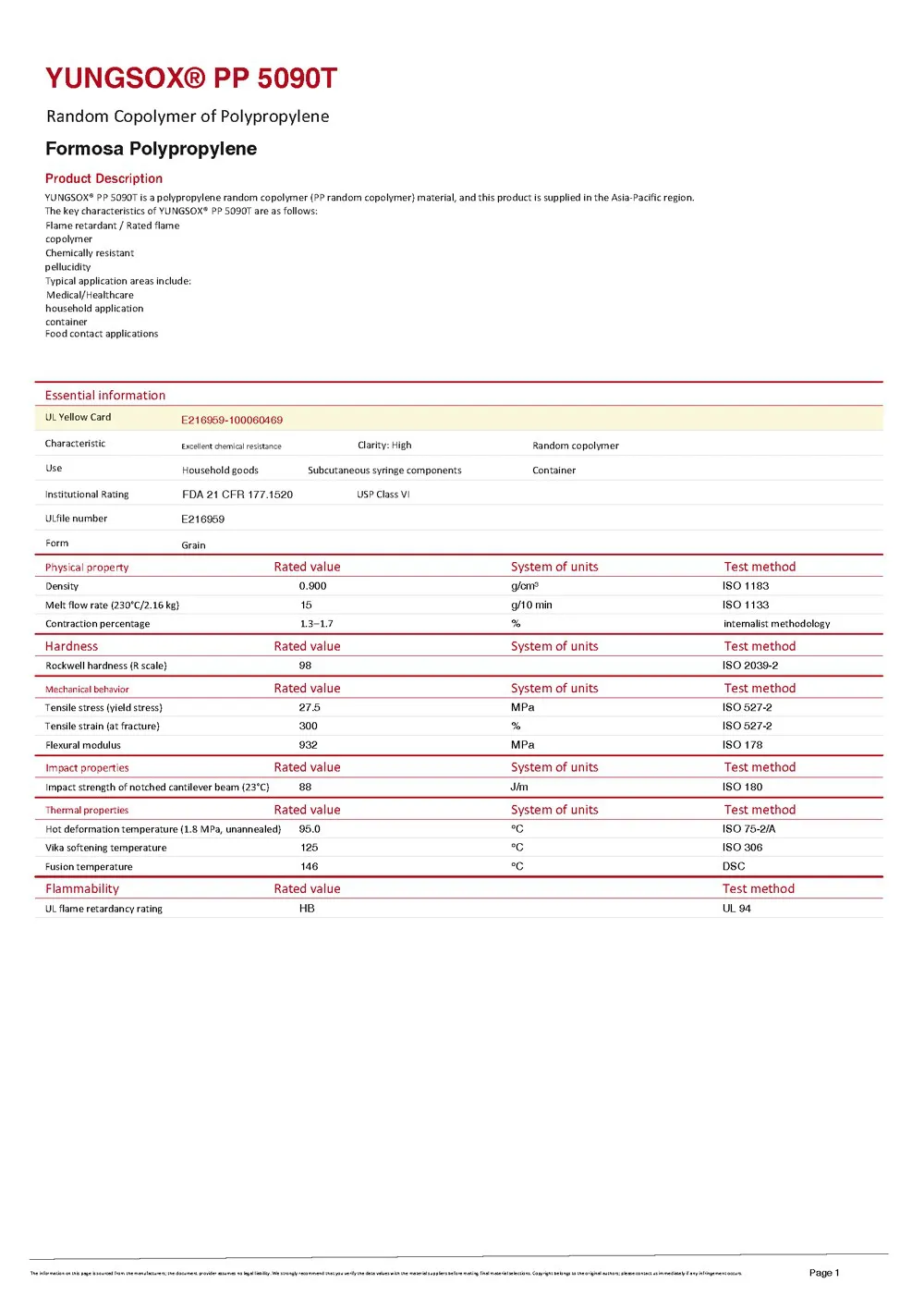
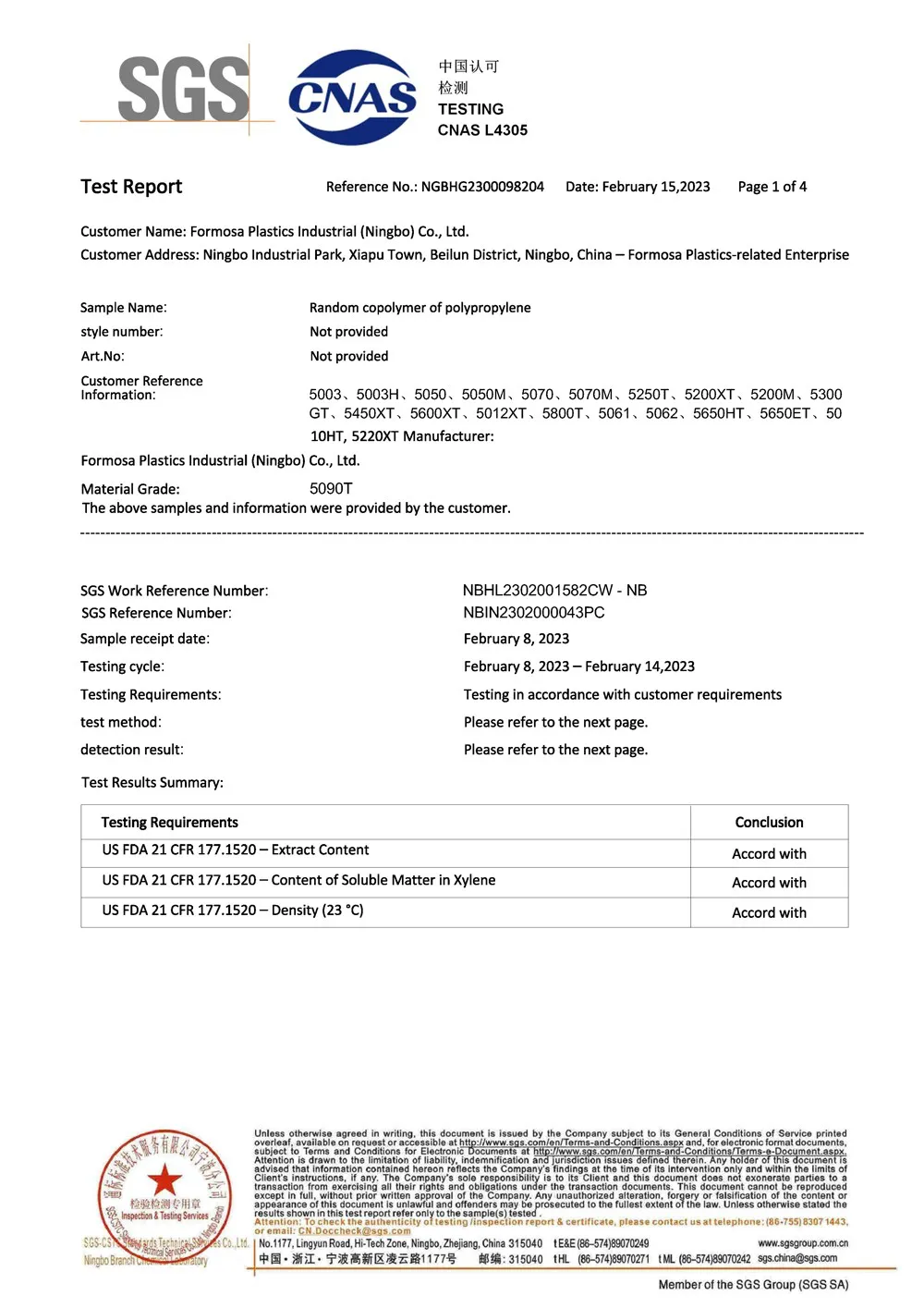
The foundation of any great lotion pump is the material it's made from. For medical-grade applications, we exclusively use medical grade plastic bottles and pump components, primarily HDPE (High-Density Polyethylene) and PET (Polyethylene Terephthalate). Why these? HDPE is chemical-resistant, lightweight, and doesn't leach harmful substances into the product—perfect for oil-based creams or acidic medications. PET, on the other hand, offers crystal clarity (great for showing off colorful serums) and excellent impact resistance, making it ideal for travel-sized or frequently handled products.
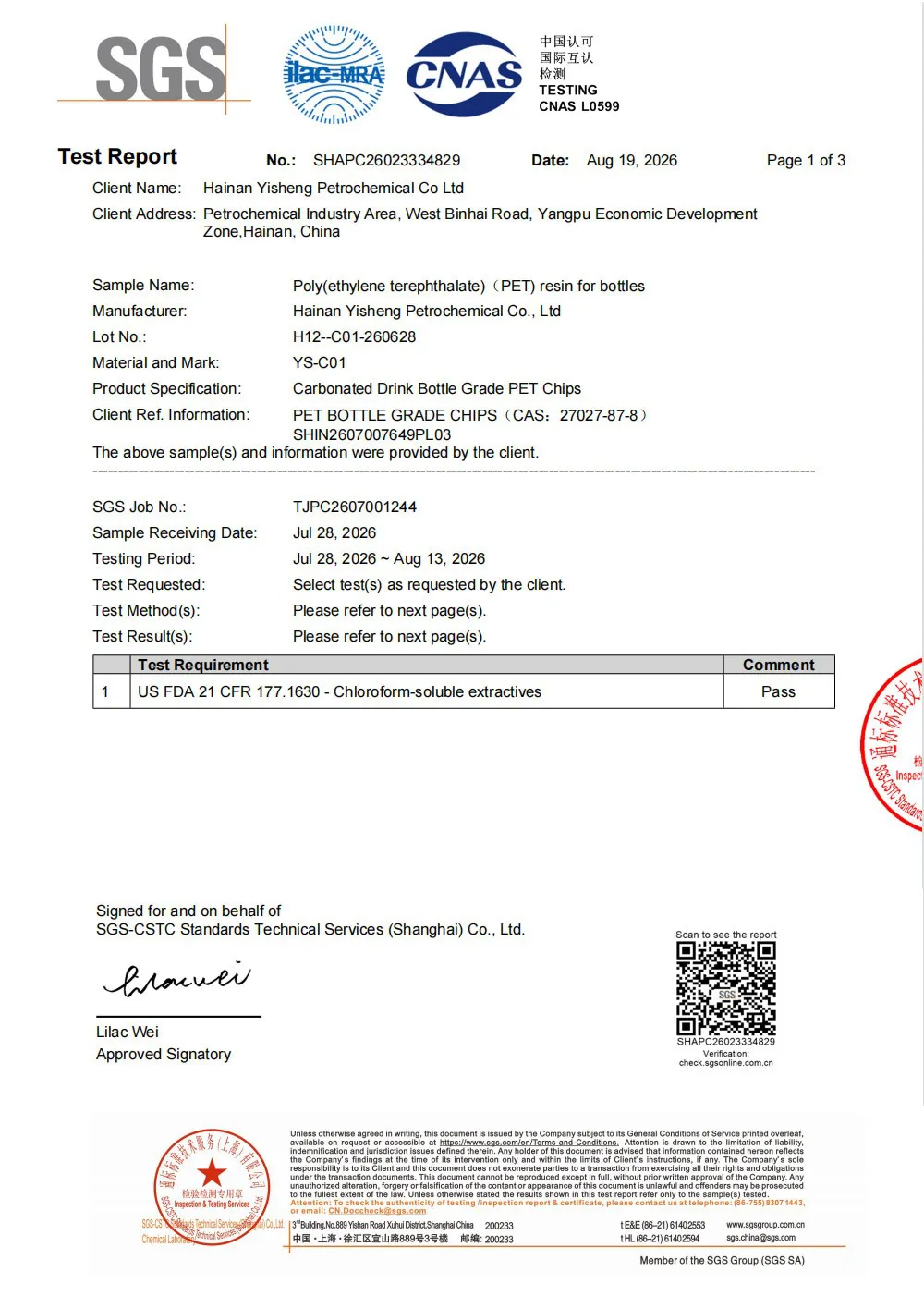
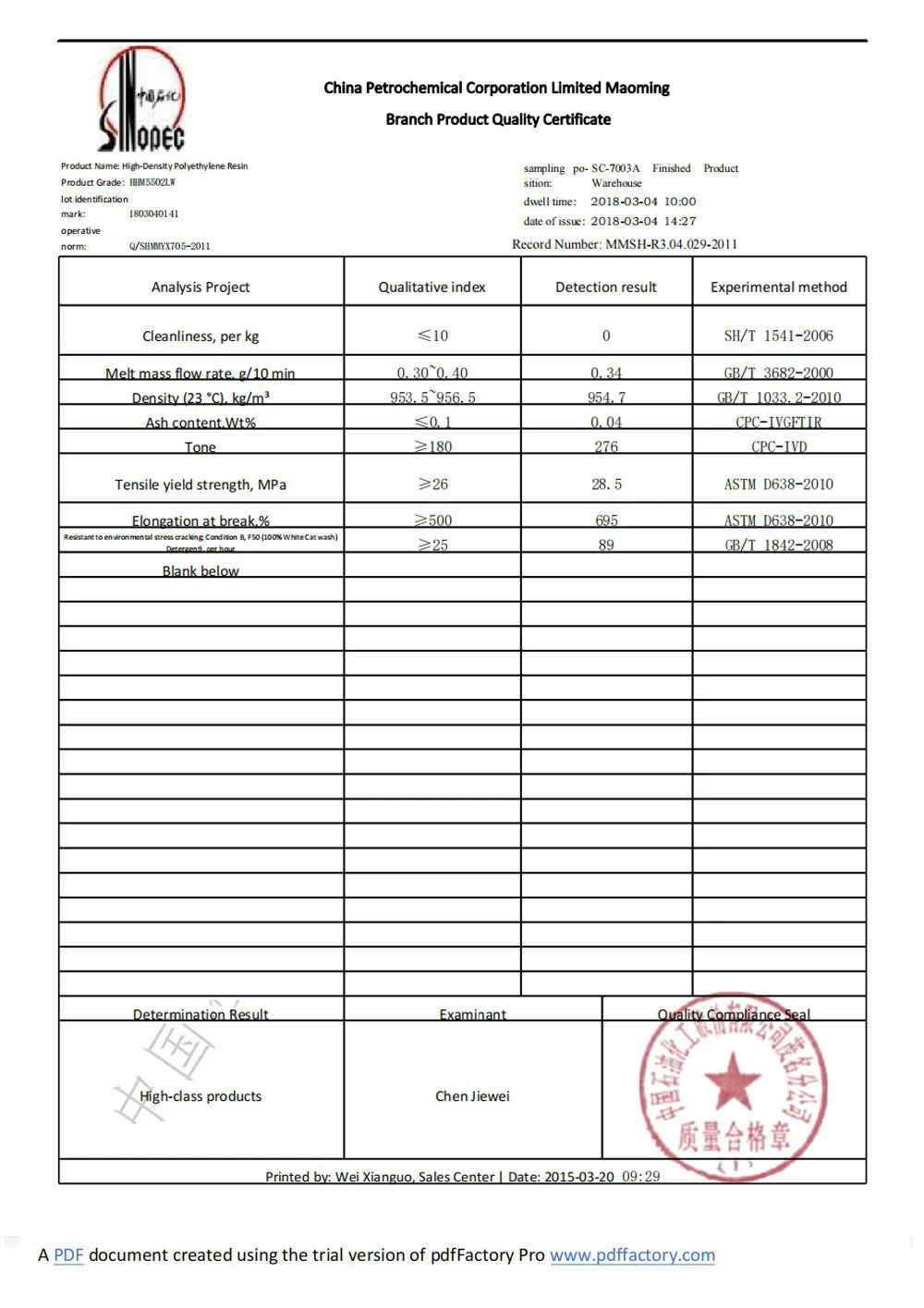
But here's the kicker: not all HDPE or PET is created equal. We source our raw materials only from suppliers who provide full traceability reports, including test results for heavy metals, phthalates, and BPA. Every batch of plastic resin undergoes third-party testing before it's approved for production. It's a rigorous process, but when you're dealing with products that go on eczema-prone skin or post-surgery wounds, "good enough" just isn't enough.
Ever had a lotion pump that either dribbles out too much product or barely dispenses a drop? That's a design flaw—and in medical settings, it can be dangerous. A doctor prescribing a cream that needs to be applied in 0.5ml doses can't afford inconsistency. Our GMP certified pumps are engineered to dispense a precise volume with every press, typically 0.2ml to 1ml, depending on the product's needs. How do we do it? It starts with the pump's "stroke length"—the distance the piston moves when pressed. We calibrate this to within 0.01mm using computer-aided design (CAD) software, then test each prototype for 10,000+ cycles to ensure it maintains accuracy over time.
Another critical design feature is the "anti-suckback" valve. When you release the pump, this tiny mechanism prevents product from being pulled back up into the dip tube, where it could mix with air and bacteria. For oxygen-sensitive products like vitamin C serums or antibiotic ointments, this is a game-changer. It's a small detail, but it's the kind of detail that separates a basic pump from one that meets GMP standards.
Leakage isn't just messy—it's a contamination risk. Imagine a bottle of burn cream leaking in a first-aid kit, or a skincare serum seeping into its packaging and reacting with the plastic. To prevent this, our pumps feature a multi-layer sealing system: a silicone O-ring around the piston to prevent product from escaping around the edges, a tamper-evident cap to ensure the product hasn't been opened before purchase, and an optional aluminum foil liner for airtight freshness. For products that need to be sterile (like ophthalmic creams or wound dressings), we even offer gamma-sterilized pumps, which undergo a radiation process to kill 99.9% of bacteria and pathogens.
Medical-grade packaging isn't one-size-fits-all. A pump for a 500ml hospital-sized lotion bottle needs to be sturdier than one for a 30ml travel-sized serum. A pharmaceutical company might need child-resistant caps to prevent accidental ingestion, while a luxury skincare brand wants a sleek, gold-plated pump that matches their brand aesthetic. That's where our custom mold design for plastic bottles comes in—because compliance doesn't have to mean compromising on creativity.
Creating a custom lotion pump starts with the mold. Our in-house design team uses 3D modeling software to bring your vision to life, whether you want a unique bottle shape, a branded pump head, or a special texture for better grip. But here's the best part: we offer free mold testing. That means we'll create a prototype mold, produce a small batch of pumps, and test them for functionality, durability, and compliance before you commit to a full production run. It's our way of ensuring the final product meets your expectations—and the GMP standards—without the guesswork.
For example, last year, a client came to us with a request: a pump that could dispense a thick, ointment-like cream without clogging. Their old pump kept getting stuck, leading to customer complaints. Our team redesigned the dip tube with a wider diameter and adjusted the piston's angle to reduce friction. After three rounds of prototype testing, we had a pump that worked perfectly—all while keeping the same sleek design the brand loved. That's the power of custom mold design: solving unique problems without sacrificing quality.
Just because a pump is medical-grade doesn't mean it has to look clinical. We work with brands to add subtle, on-brand touches: embossed logos on the pump head, custom colors (Pantone-matched to your brand palette), or even matte finishes for a luxury feel. For example, a natural skincare line might opt for a bamboo-textured pump to highlight their eco-friendly values, while a pediatric brand could choose bright, playful colors to make medication time less scary for kids. The key? All these customizations are done in our GMP-compliant workshop, so even the paint or texture used is tested to ensure it doesn't interact with the product inside.
Whether you need 10ml pumps for sample-sized serums or 1-liter pumps for hospital dispensers, we've got you covered. Our standard sizes range from 15ml to 500ml, but we can also create custom sizes for unique needs. For example, a veterinary clinic might need a 250ml pump for large-animal ointments, while a dermatologist's office could use 60ml pumps for patient-specific prescriptions. No matter the size, each pump is designed to maintain the same precision and safety standards—because even a small bottle deserves the same level of protection as a large one.
You can't talk about GMP certified packaging without talking about the facility where it's made. Our workshop in Guangdong isn't just a factory—it's a controlled environment designed to eliminate risk at every turn. Let's take a virtual tour to see what makes it different.
Step inside our main production area, and the first thing you'll notice is the air. It's crisp, clean, and constantly filtered. Our workshop meets ISO 8 standards for air cleanliness, meaning there are fewer than 352,000 particles (0.5 microns or larger) per cubic meter of air. For context, a typical office has around 5 million particles per cubic meter. How do we achieve this? HEPA filters in the ceiling, positive air pressure to prevent outside air from seeping in, and regular air quality testing. Employees enter through an airlock, where they put on hairnets, face masks, and cleanroom suits—no jewelry, no nail polish, no loose clothing. Even the floors are antistatic to prevent dust from sticking to surfaces.
Quality control isn't a "step" in our process—it's the entire process. From the moment raw materials arrive to the second finished pumps are packaged for shipping, every batch is tested, documented, and approved. Here's a quick look at our quality checks:
All test results are stored in our digital quality management system, which is audited annually by ISO and GMP inspectors. It's transparency at every step—and it's why we've never failed an audit.
GMP certification and sustainability don't have to be at odds. While medical-grade packaging requires strict materials and processes, we're always looking for ways to reduce our environmental footprint. We use 100% recycled cardboard for shipping boxes, optimize our mold designs to reduce plastic waste, and offer PCR (post-consumer recycled) plastic options for brands that want to align with eco-friendly values. It's a small start, but we believe that even the most rigorous safety standards should leave room for responsibility.
When you hear "medical-grade," you might think of hospitals and pharmacies—and while those are big markets, the demand for GMP certified pumps goes far beyond healthcare. Here are just a few industries where these pumps are making a difference:
For pharmaceutical companies, GMP compliance is legally required. Whether it's an antibiotic ointment, a topical pain reliever, or a dermatological cream, the packaging must meet the same standards as the medication itself. Our pumps are used in everything from over-the-counter burn creams to prescription acne treatments, where dosage accuracy and sterility are non-negotiable.
The skincare industry is booming, and with it, the demand for products for sensitive, acne-prone, or post-procedure skin. Brands like these can't afford to use pumps that might leach chemicals or harbor bacteria—their customers trust them to deliver "clean" products from formula to packaging. That's why pump bottles for skincare are one of our fastest-growing categories. From hyaluronic acid serums to CBD-infused creams, our GMP certified pumps give brands the confidence to say, "This product is safe for even the most delicate skin."
Pets have sensitive skin too! Veterinary clinics and pet care brands are increasingly turning to medical-grade packaging for flea treatments, wound ointments, and allergy creams. A dog with eczema can't tell you if a product is irritating—so the packaging has to ensure the formula stays pure and effective.
Cosmeceuticals—products that blend cosmetics and pharmaceuticals (think retinol creams or vitamin C serums)—need packaging that can handle active ingredients. These ingredients are often unstable, reacting with air, light, or heat. Our GMP certified pumps with UV-protected bottles and airtight seals help keep these products potent for longer, so customers get the results they paid for.
At the end of the day, there are plenty of plastic packaging suppliers in China —but not all of them prioritize GMP compliance or custom solutions. What sets us apart? It's simple: we care about the details that matter to you. Whether you're a startup launching your first product or a multinational brand scaling production, we treat your project like it's our own. We offer free mold testing to reduce risk, transparent communication throughout the process, and a team of engineers who actually answer the phone when you call. Because when it comes to medical-grade packaging, you don't just need a supplier—you need a partner who understands the stakes.
So the next time you pick up a bottle of lotion or cream, take a second to appreciate the pump. It might seem like a small part of the product, but it's a big part of what makes it safe, effective, and trustworthy. And if you're a brand looking to build that trust with your customers, remember: it all starts with the right packaging. A GMP certified lotion pump isn't just a standard—it's a promise. And it's a promise we're proud to keep.