Email: info@mggpacking.com | Tel: +86-13510174848 ( Mr. Yao)


In the world of pharmaceuticals, every detail matters. From the active ingredients in a medication to the label on its bottle, each element plays a critical role in patient safety and product integrity. But if there's one component that often doesn't get the attention it deserves, it's the closure—the humble cap or lid that seals the container. Yet, this small part carries enormous responsibility: preventing contamination, maintaining product stability, and even protecting children from accidental ingestion. For brands and pharmaceutical companies searching for a partner they can trust, finding a manufacturer that combines technical expertise with uncompromising compliance standards isn't just a preference—it's a necessity.
This is where a GMP compliant, ISO 9001 certified manufacturer specializing in private label plastic packaging steps in. More than just a factory producing caps and containers, these partners become an extension of your quality control team, ensuring that every closure, every bottle, and every package meets the rigorous demands of the pharmaceutical industry. Today, we're diving into what makes such a manufacturer indispensable, exploring everything from dust-free workshop protocols to the intricate design of child-resistant caps, and why choosing the right partner can transform your product's journey from factory floor to pharmacy shelf.
Imagine reaching for a bottle of medication only to find the cap loose, or worse, the seal broken. For patients, this isn't just a minor inconvenience—it's a red flag about the product's safety. In pharmaceuticals, closures do far more than keep contents inside; they act as the first line of defense against moisture, oxygen, light, and microbial contamination. A poorly designed closure can compromise a drug's efficacy, shorten its shelf life, or even introduce harmful substances into the formula.
Consider this: A study by the Pharmaceutical Packaging Consortium found that 18% of product recalls in the pharmaceutical sector between 2018 and 2023 were linked to packaging failures—with closures being the primary culprit in 62% of those cases. From leaks that allow moisture to degrade APIs (Active Pharmaceutical Ingredients) to caps that fail to reseal properly, the consequences of subpar closures are too great to ignore.
For vulnerable populations—children, the elderly, or those with chronic conditions—closures take on an even more critical role. Child-resistant caps, for example, are legally mandated for most oral medications in the U.S., EU, and beyond, designed to prevent young children from opening containers and accessing potentially harmful substances. Similarly, tamper-evident closures provide visible proof that a product hasn't been interfered with, giving patients and healthcare providers confidence in what they're administering.
When evaluating potential packaging partners, certifications like ISO 9001 and GMP (Good Manufacturing Practices) are often the first checkboxes on a list. But what do these certifications really mean for your product? And how do they translate into tangible benefits for your brand and customers?
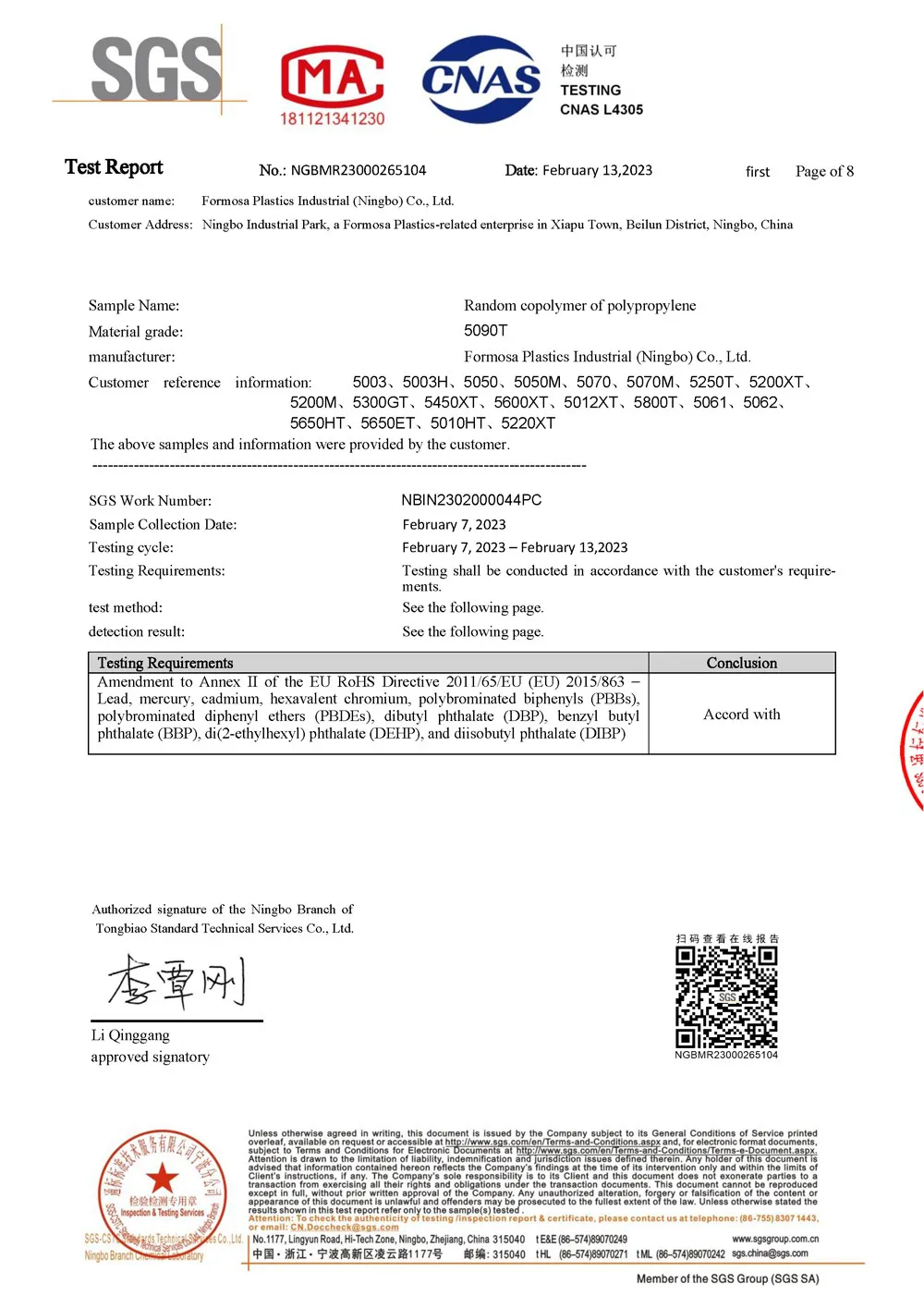
ISO 9001 certification is a global standard for quality management systems, ensuring that a manufacturer has consistent processes in place to meet customer and regulatory requirements. For pharmaceutical packaging, this means everything from raw material sourcing to final inspection is documented, monitored, and continuously improved. GMP compliance, on the other hand, is specific to industries like pharmaceuticals and medical devices, focusing on the conditions under which products are manufactured. A GMP compliant workshop isn't just clean—it's engineered to prevent cross-contamination, control environmental factors (like temperature and humidity), and ensure traceability at every step.
| Compliance Standard | Key Requirements | Benefits for Pharmaceutical Clients |
|---|---|---|
| ISO 9001 | Documented quality management system, process validation, customer feedback integration | Consistent product quality, reduced risk of defects, data-driven improvement |
| GMP (Pharmaceutical Grade) | Dust-free production areas, air filtration systems (class 8 or higher), staff gowning protocols | Minimized contamination risk, compliance with global regulatory bodies (FDA, EMA) |
| Child-Resistant Packaging (ASTM D3475) | Testing with children ages 42–51 months; <20% success rate in opening attempts | Legal compliance, enhanced brand reputation for safety |
| Tamper-Evident Closures | Visible indicators of tampering (e.g., foil liners, breakable bands) | Increased consumer trust, reduced liability risk |
Take, for example, a dust-free GMP compliant workshop. These facilities aren't just about keeping surfaces clean—they're designed with HEPA filtration systems that remove 99.97% of airborne particles 0.3 microns or larger, maintaining air quality standards that rival operating rooms. Staff undergo rigorous training on gowning procedures, including hairnets, face masks, and sterile coveralls, to prevent human contamination. Raw materials are quarantined and tested for purity before entering production, and finished products are sampled and inspected in dedicated quality control labs. For pharmaceutical clients, this level of detail isn't overkill; it's the foundation of a packaging solution they can stand behind.
In today's competitive market, branding matters as much as compliance. Private label plastic packaging allows pharmaceutical companies and skincare brands to differentiate their products, build brand recognition, and create a cohesive look across their product lines. But true private label expertise goes beyond slapping a logo on a bottle—it involves collaboration, customization, and a deep understanding of your brand's unique needs.
A manufacturer specializing in private label solutions will work with you to design closures and containers that align with your brand identity. This could mean custom colors (matched to your brand's Pantone code), unique textures (like matte or glossy finishes), or even custom mold design for plastic bottles that stand out on shelves. For example, a luxury skincare line might opt for frosted glass dropper bottles with stainless steel roller balls, while a generic pharmaceutical brand could choose cost-effective HDPE pill bottles with custom-printed labels. The key is flexibility—being able to balance aesthetics with functionality, and brand vision with regulatory requirements.
Consider the case of a mid-sized pharmaceutical company launching a new line of over-the-counter (OTC) medications. They needed packaging that was both child-resistant (to comply with FDA regulations) and visually distinct (to compete with established brands). Their manufacturing partner designed custom HDPE pill bottles with child-resistant caps in the company's signature blue color, adding embossed branding on the cap for a premium feel. The result? A product that stood out on pharmacy shelves while meeting all safety standards—a win-win for both brand and consumer.
But private label isn't just about aesthetics. It's also about control. By partnering with a factory-direct manufacturer, brands can avoid middlemen, reduce costs, and have greater oversight of the production timeline. Whether you need small batches for product testing or large-scale orders for a national launch, a B2B plastic container wholesaler with private label capabilities can scale with your needs, ensuring consistency from the first prototype to the millionth unit.
When it comes to pharmaceutical packaging, few products are as critical as HDPE pill bottles with child-resistant caps. These workhorses of the industry are designed to protect both the medication inside and the people who might accidentally encounter it. But what makes a high-quality HDPE pill bottle, and how do manufacturers ensure that child-resistant caps actually work when they're needed most?
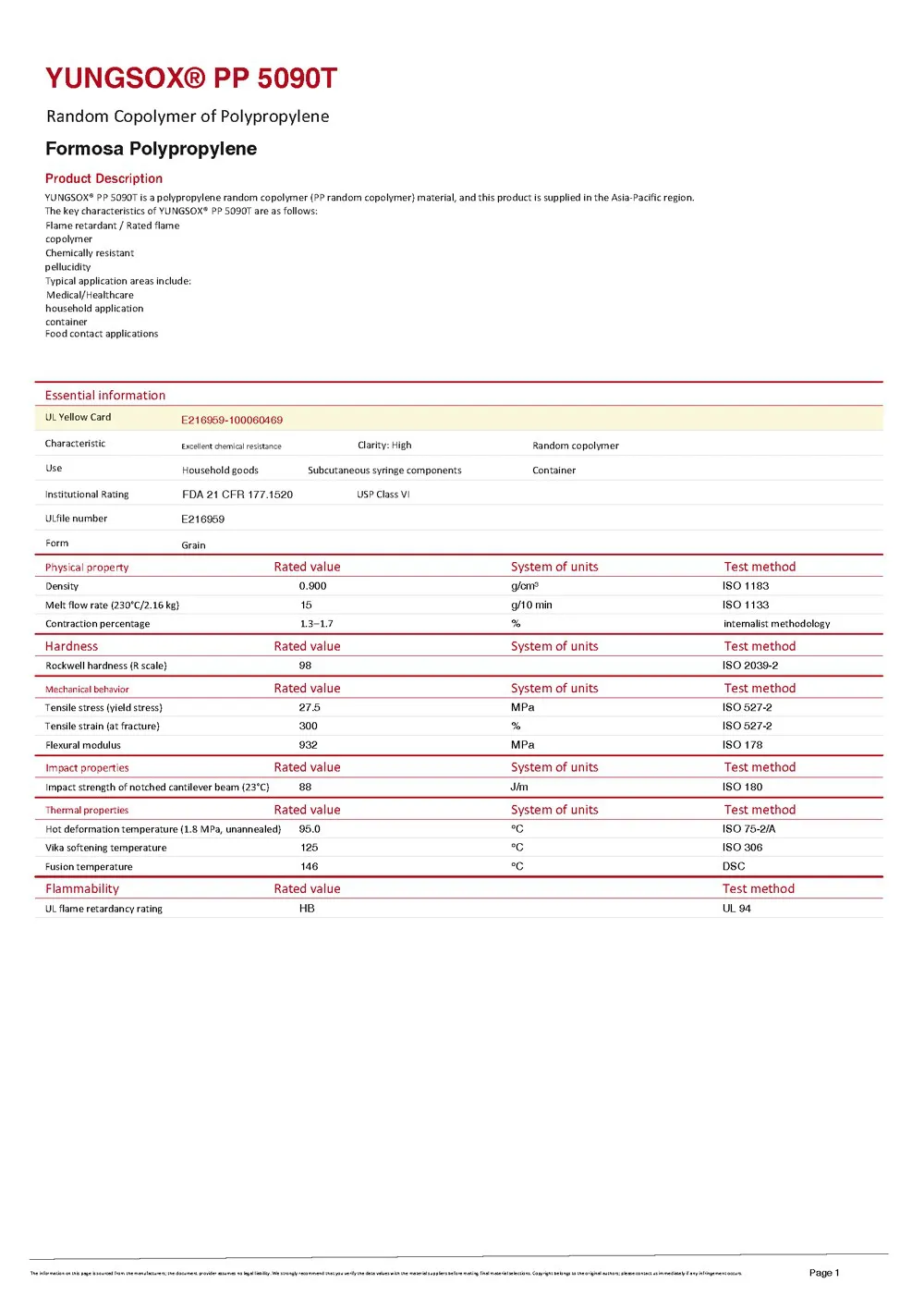
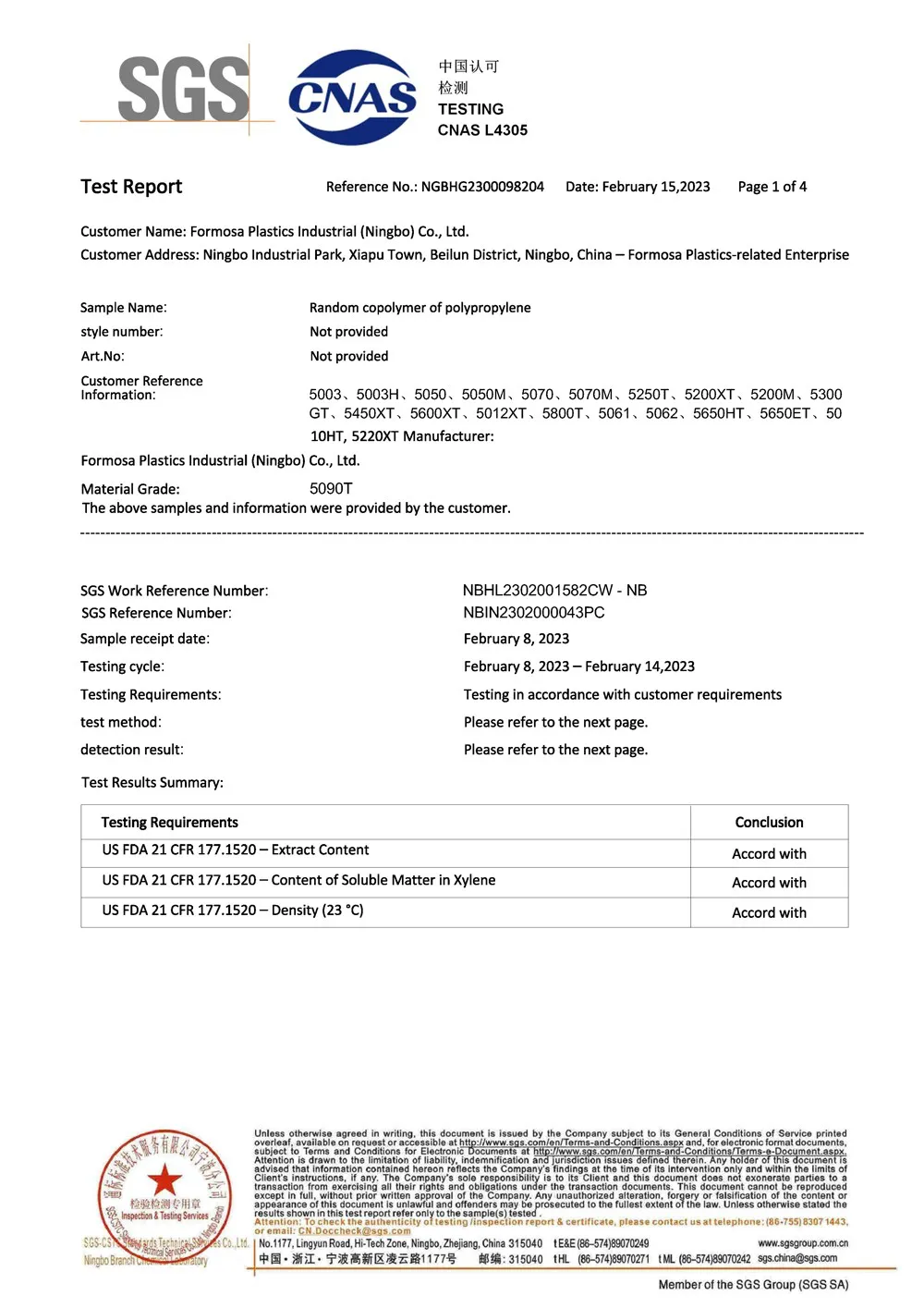
First, the material: HDPE (High-Density Polyethylene) is the gold standard for pharmaceutical containers for good reason. It's chemically resistant, meaning it won't react with most medications, and it's durable enough to withstand the rigors of shipping and handling. Unlike glass, HDPE is shatterproof, reducing the risk of breakage and contamination. For pharma-grade plastic medicine bottles, manufacturers take this a step further, using virgin HDPE that's free from impurities and compliant with FDA regulations for food and drug contact.
Then there's the child-resistant cap—a marvel of engineering that balances safety with usability. Contrary to popular belief, child-resistant caps aren't designed to be impossible for children to open; they're designed to be difficult enough to prevent most accidental ingestions. The most common design is the "push-and-turn" cap, which requires two simultaneous actions: pushing down on the cap while twisting it. This motion is challenging for young children, whose motor skills aren't fully developed, but manageable for adults, including seniors with limited hand strength.
To ensure these caps meet safety standards, manufacturers subject them to rigorous testing. The ASTM D3475 standard, for example, requires that fewer than 20% of children ages 42–51 months can open the container within 5 minutes, while at least 90% of adults ages 50–70 can open and close it within 10 minutes. This testing isn't a one-time event, either; reputable manufacturers conduct regular validation tests to ensure consistency across production runs.
But child-resistant caps aren't the only feature that matters. Many pharmaceutical bottles also include tamper-evident seals, like aluminum foil liners, which provide visible proof that the container hasn't been opened. For liquid medications, calibrated dropper bottles or pump bottles with precise dosing mechanisms ensure patients receive the correct amount. And for medications that are sensitive to light, amber glass dropper bottles or opaque HDPE containers protect against UV degradation. Each of these features is a testament to the manufacturer's commitment to both safety and functionality.
In recent years, sustainability has moved from a buzzword to a business imperative—even in highly regulated industries like pharmaceuticals. Patients and healthcare providers alike are demanding more eco-friendly options, and manufacturers are rising to the challenge with sustainable plastic packaging solutions that don't compromise on safety or compliance.
One of the most promising developments is the use of PCR (Post-Consumer Recycled) plastics in packaging production. PCR plastic is made from recycled materials (like plastic bottles collected from curbside recycling), reducing the demand for virgin plastic and diverting waste from landfills. For pharmaceutical clients, this means access to HDPE pill bottles, pump bottles, and spray bottles made with up to 100% PCR content, without sacrificing durability or chemical resistance. Some manufacturers even offer biodegradable options, like paper-based deodorant tubes or plant-derived plastics, for brands looking to minimize their environmental footprint.
But sustainability in pharmaceutical packaging isn't just about materials—it's also about design. Refillable containers, like refillable roll-on deodorant bottles or pump bottles for skincare, encourage consumers to reuse packaging rather than discard it. Lightweighting—reducing the amount of plastic used in each container—lowers shipping costs and carbon emissions while maintaining product integrity. And recyclable closures, designed to separate easily from containers during the recycling process, ensure that packaging can be properly processed at the end of its life.
For manufacturers, integrating sustainability into operations also means optimizing energy use and reducing waste in the production process. A factory with ISO 9001 certification is more likely to have systems in place to monitor and reduce energy consumption, while a GMP compliant workshop's focus on efficiency often leads to less material waste. For clients, this translates to packaging solutions that are not only safe and compliant but also aligned with their corporate social responsibility goals.
For B2B buyers, the decision to source packaging from a factory direct plastic bottles manufacturer—especially one based in manufacturing hubs like Guangdong, China—offers a host of advantages. China has long been a leader in plastic packaging production, with a robust supply chain, advanced manufacturing capabilities, and expertise in serving global clients. But beyond cost savings, what makes factory direct sourcing so valuable for pharmaceutical and cosmetic brands?
First, transparency. When you work directly with a manufacturer, you have visibility into every step of the production process—from raw material selection to quality control. This transparency reduces the risk of counterfeit or substandard products, which is critical in industries where compliance is non-negotiable. Many Chinese manufacturers also have experience working with international clients, meaning they understand the specific requirements of different markets (like FDA regulations for the U.S. or CE marking for the EU) and can ensure your packaging meets those standards.
Second, customization. Factory direct manufacturers often have in-house design and engineering teams, allowing for more complex customizations—like unique mold designs for plastic bottles or custom color matching for closures. This level of flexibility is harder to achieve with middlemen or distributors, who may only offer pre-made, off-the-shelf options. For brands looking to differentiate their products, this ability to customize can be a game-changer.
Finally, scalability. China's manufacturing infrastructure is built to handle large orders, making it ideal for brands with growing demand. Whether you need 10,000 units for a regional launch or 1 million units for a global campaign, a factory direct manufacturer can ramp up production quickly and efficiently. And with shorter lead times than many Western manufacturers, you can get your products to market faster, giving you a competitive edge.
Selecting a pharmaceutical packaging manufacturer is a decision that will impact your product's safety, compliance, and brand reputation for years to come. To ensure you're choosing the right partner, here are key questions to ask during the vetting process:
By asking these questions, you'll gain insight into the manufacturer's expertise, values, and ability to meet your specific needs. Remember, the goal isn't just to find a supplier—it's to find a partner who understands the unique challenges of pharmaceutical packaging and is committed to helping your brand succeed.
At the end of the day, pharmaceutical packaging is about more than just holding a product—it's about protecting patients, building trust, and ensuring that the medications people rely on are safe, effective, and accessible. The closure, often overlooked, is the final line of defense in this mission. Choosing a GMP certified, ISO 9001 compliant manufacturer with expertise in private label solutions and sustainable practices isn't just a business decision; it's a commitment to quality that resonates with every stakeholder, from your production team to the end consumer.
Whether you're a large pharmaceutical company launching a new drug or a small skincare brand expanding into supplements, the right packaging partner can transform your product's journey. From the dust-free workshop where your containers are born to the child-resistant cap that keeps families safe, every detail matters. And when you find a manufacturer that prioritizes compliance, customization, and sustainability as much as you do, you're not just getting a supplier—you're getting a partner invested in your success.
So, as you embark on your search for the perfect packaging solution, remember: the best manufacturers don't just meet standards—they set them. They don't just follow regulations—they anticipate them. And they don't just produce closures—they create peace of mind, one cap at a time.