Email: info@mggpacking.com | Tel: +86-13510174848 ( Mr. Yao)


Lipstick isn't just a beauty product—it's a daily ritual, a confidence boost, and a silent storyteller of who we are. Think about the last time you reached for a lipstick: chances are, the tube caught your eye before the color even peeked through. That's the power of packaging. For beauty brands, creating a lipstick tube that feels as luxurious, reliable, and unique as the formula inside isn't just a nice-to-have—it's a necessity. And when it comes to blending quality, customization, and trust, GMP certified private label lipstick tubes stand in a league of their own.
Whether you're a startup launching your first clean beauty line or an established brand looking to refresh your packaging, the right lipstick tube can turn casual buyers into loyal fans. It's where functionality meets storytelling: a well-designed tube protects the product, makes application effortless, and whispers your brand's values with every twist and click. In this guide, we'll dive into why GMP certification matters, how private labeling lets you build a brand that resonates, and how custom logo printing can make your lipstick instantly recognizable—all while focusing on the versatile, durable, and endlessly customizable world of plastic lipstick tubes .
First things first: What even is GMP, and why should it matter for something as "simple" as a lipstick tube? GMP stands for Good Manufacturing Practices—a set of strict guidelines that ensure products are made safely, consistently, and to the highest quality standards. When a lipstick tube is GMP certified, it means every step of its creation, from raw material selection to final assembly, happens in a controlled, hygienic environment.
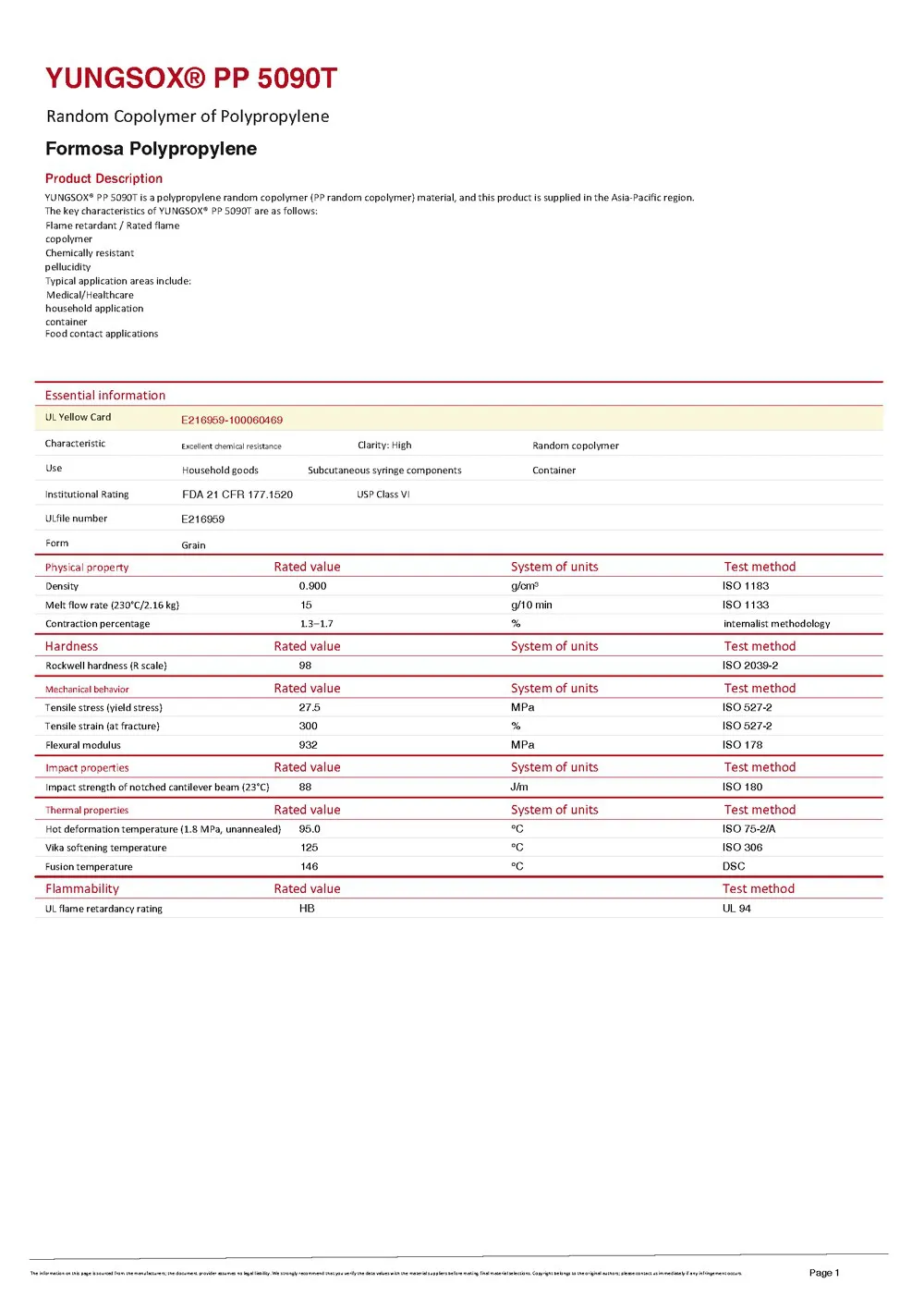
For beauty brands, this isn't just a stamp of approval—it's a promise to your customers. Lipstick tubes come into direct contact with lips, and even the tiniest contamination (dust, bacteria, or low-quality materials) could compromise the product or, worse, irritate skin. GMP-certified facilities use dust-free workshops, sanitized equipment, and rigorous testing to prevent this. Imagine a tube that's assembled in a space cleaner than most hospital rooms—no stray fibers, no airborne particles, just precision. That's the peace of mind GMP brings.
But GMP isn't just about cleanliness. It's about consistency, too. When you order 10,000 tubes, you need each one to twist smoothly, close securely, and look identical. GMP standards ensure that every tube undergoes the same quality checks: pressure tests to avoid leaks, durability tests to prevent cracks, and fit checks to make sure the cap stays snug. For brands, this means fewer returns, happier customers, and a reputation for reliability.
Building a beauty brand is thrilling, but starting from scratch—especially when it comes to manufacturing—can feel overwhelming. That's where private label lipstick tubes shine. Private labeling lets you partner with an experienced manufacturer to create custom tubes that bear your brand's name, logo, and design—without investing in expensive factories, molds, or equipment.
Think of it as having a team of packaging experts in your corner. You bring the vision ("I want a matte black tube with gold accents and a magnetic closure"), and they handle the rest: sourcing materials, creating prototypes, testing durability, and scaling production. This is a game-changer for small brands and startups, who can focus on perfecting their lipstick formula and marketing, while leaving the packaging heavy lifting to the pros.
But private labeling isn't just for newbies. Even established brands use it to experiment with limited-edition lines or test new markets. Want to launch a travel-sized lipstick line for summer? Private label lets you design small-batch tubes quickly, without disrupting your main production. Or maybe you're expanding into eco-friendly options—your manufacturer can tweak materials (like adding PCR plastic) to align with your sustainability goals. The flexibility is endless.
When it comes to lipstick tube materials, plastic often takes center stage—and for good reason. Plastic lipstick tubes are lightweight (no more heavy purses!), shatterproof (ideal for travel), and surprisingly versatile. Unlike glass or metal, plastic can be molded into almost any shape, dyed any color, and finished with textures that feel luxurious to the touch.
Let's break down the perks: For starters, plastic is budget-friendly. It costs less to produce than metal or glass, which means you can invest more in high-quality ingredients or marketing. But "affordable" doesn't mean "cheap." Modern plastics like polypropylene (PP) and acrylonitrile butadiene styrene (ABS) are durable enough to withstand daily use—no cracks, no scratches, even if you toss your lipstick in a gym bag.
Design-wise, plastic is a blank canvas. Want a tube that looks like polished marble? Add a matte finish and swirled color. Dreaming of a futuristic, metallic look? Use vacuum metallization to coat the plastic in gold, silver, or rose gold. Soft-touch plastic feels like velvet in your hand, while frosted finishes add a subtle, elegant blur. And because plastic is lightweight, you can get creative with size and shape—think slim, travel-friendly tubes or bold, geometric designs that stand out on store shelves.
Sustainability is top of mind for today's consumers, and plastic tubes are keeping up. Many manufacturers now offer PCR (post-consumer recycled) plastic options, where old water bottles or packaging are melted down and transformed into new lipstick tubes. Some even blend PCR plastic with virgin materials to keep the tube strong while cutting down on waste. It's a win-win: durable packaging that aligns with eco-conscious values.
Your lipstick tube should be as unique as your brand. That's why customization is key—and with the right manufacturer, the options are almost limitless. Let's start with the basics: size and capacity. Lipstick tubes come in all shapes, from tiny 1.5g "sample" sizes (perfect for gift sets or trial products) to 5g "jumbo" tubes (ideal for luxury, full-sized formulas). The table below breaks down common sizes and their best uses:
| Tube Diameter (mm) | Capacity (g) | Best For | Design Notes |
|---|---|---|---|
| 12-14mm | 1.5-2g | Travel sets, perfume-lipstick hybrids | Slim, lightweight; fits in small purses |
| 15-16mm | 3-3.5g | Everyday use, "on-the-go" lines | Balances portability and product amount |
| 18-20mm | 4-5g | Standard full-sized lipsticks | Classic round or square shapes; room for bold design |
| 22mm+ | 6g+ | Luxury lines, limited editions | Oversized for impact; often paired with unique closures (e.g., magnetic) |
Beyond size, there's the mechanism: the twist-up base that pushes the lipstick up for application. A smooth, consistent twist is non-negotiable—no one wants a tube that jams halfway. Manufacturers use precision gears and durable plastics to ensure the twist feels effortless, even after hundreds of uses. Some even offer "refillable" mechanisms, where customers can pop out an empty cartridge and replace it with a new one—great for sustainability and customer loyalty.
Then there's the finish. Matte black tubes exude sophistication, while glossy pink feels playful and youthful. Metallic sprays (think rose gold or chrome) add instant luxury, and soft-touch coatings make the tube feel like suede in your hand. For a truly high-end look, some brands opt for "double-layer" finishes: a matte base with a glossy logo, or a frosted tube with metallic accents. The goal? To make your tube feel as special as the lipstick inside.
Your logo is the face of your brand—and on a lipstick tube, it's the first thing customers notice. That's why custom logo printing isn't just an afterthought; it's a strategic tool to build recognition and trust. The right logo placement and printing technique can turn a generic tube into something that feels uniquely "you."
Let's start with placement. Most brands opt for the cap (front and center) or the base (subtle but intentional). Some even print logos on the side of the tube for a sleek, modern look. The key is visibility: your logo should be easy to spot, even from a distance, but not so large that it overwhelms the design. A good manufacturer will help you test mockups to find the sweet spot.
Then there's the printing technique. Silkscreen printing is a classic choice for bold, vibrant logos—it uses ink pushed through a mesh stencil to create sharp, opaque designs. It works well on plastic and can handle multiple colors, making it perfect for intricate logos. Hot stamping, on the other hand, uses heat and pressure to apply a thin layer of metallic foil (gold, silver, copper) to the tube. It's ideal for luxury brands wanting a shiny, premium look—think of that iconic gold logo on a black tube that catches the light.
For something more tactile, embossing (raising the logo) or debossing (indenting it) adds texture. Run your finger over the tube, and you'll feel the logo's edges—a subtle detail that makes the packaging feel more high-end. Some brands combine techniques: emboss the logo and then hot stamp it in gold for a 3D, metallic effect. The possibilities are endless, and the best part? Most manufacturers offer color matching using Pantone codes, so your logo will always be the exact shade of "brand blue" or "signature red" you've spent months perfecting.
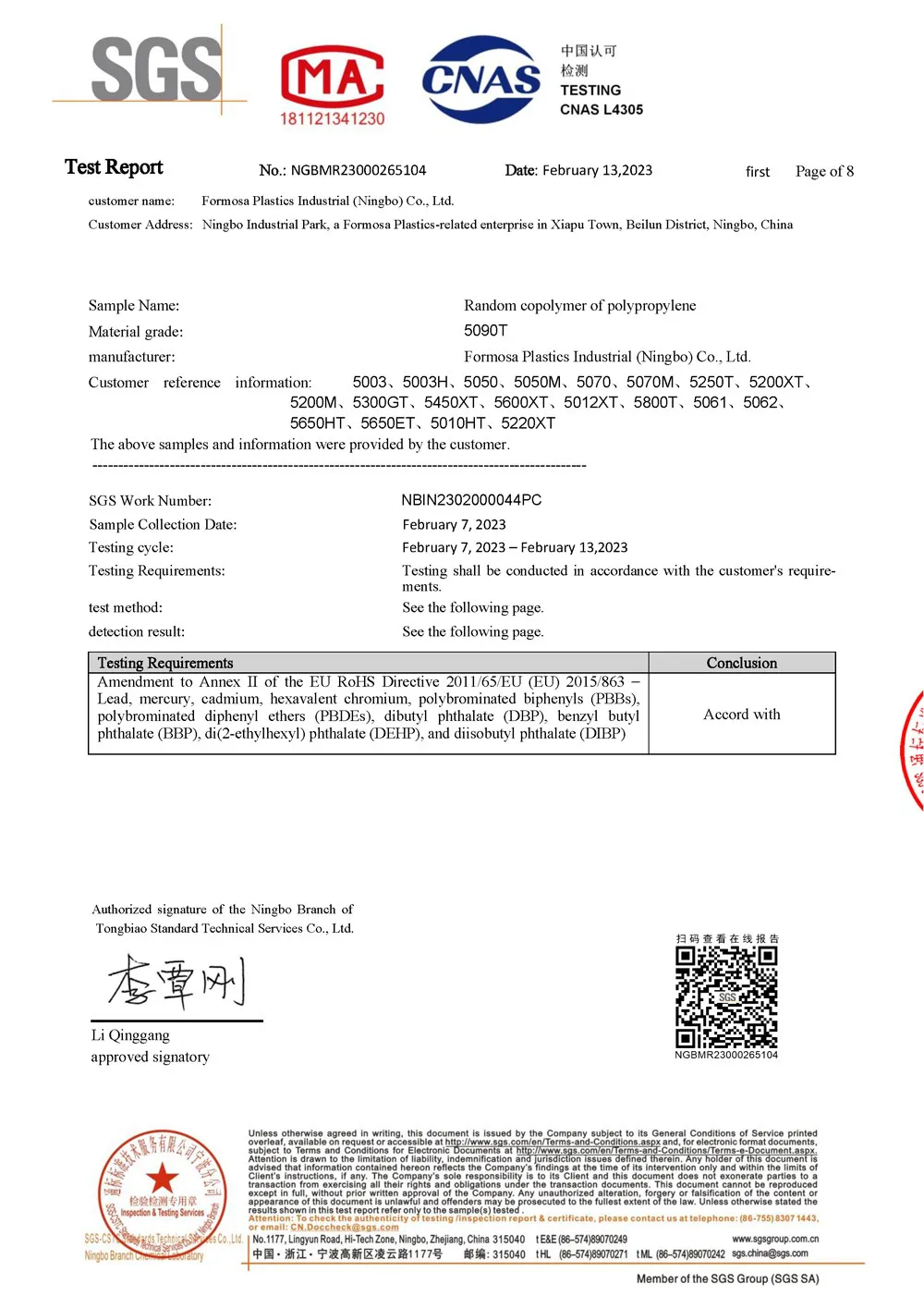
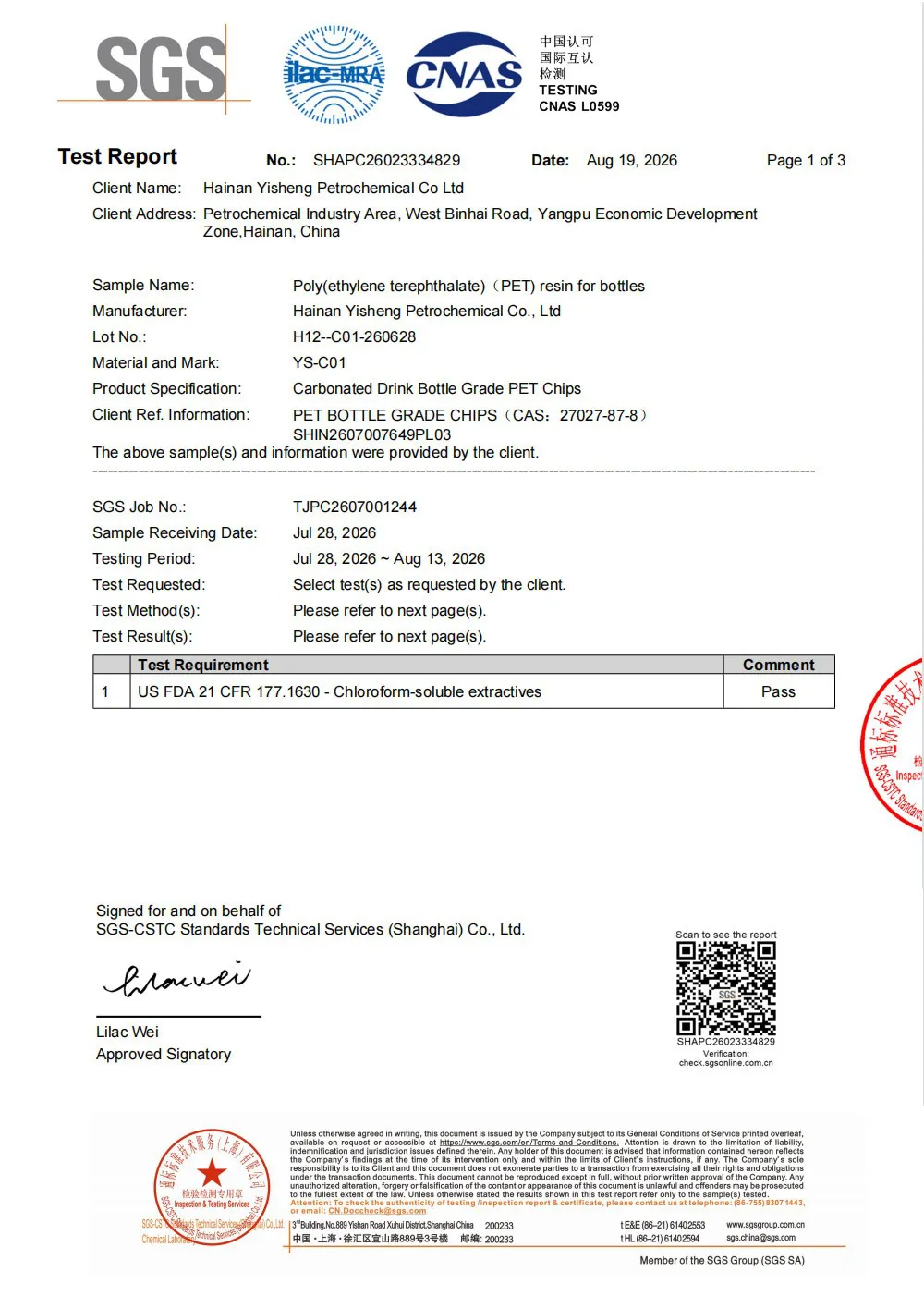
When you're putting your brand's name on a product, quality isn't negotiable. That's why partnering with an ISO-certified lipstick tube maker is non-negotiable. ISO 9001 certification (the gold standard for quality management) means the manufacturer has proven they can consistently deliver products that meet customer and regulatory requirements. It's like hiring a team with a track record of excellence—you know they'll get the job done right.
But ISO and GMP certifications are just the start. Reputable manufacturers go above and beyond with in-house testing labs. They'll drop-test tubes from waist height to ensure they don't crack, simulate "purse pressure" to check for leaks, and even test the twist mechanism for 1,000 cycles to ensure it doesn't jam. For pharmaceutical-grade lipsticks (like those with SPF or sensitive-skin formulas), some factories even offer GMP-compliant production—meaning the tubes meet the same standards as medicine packaging.
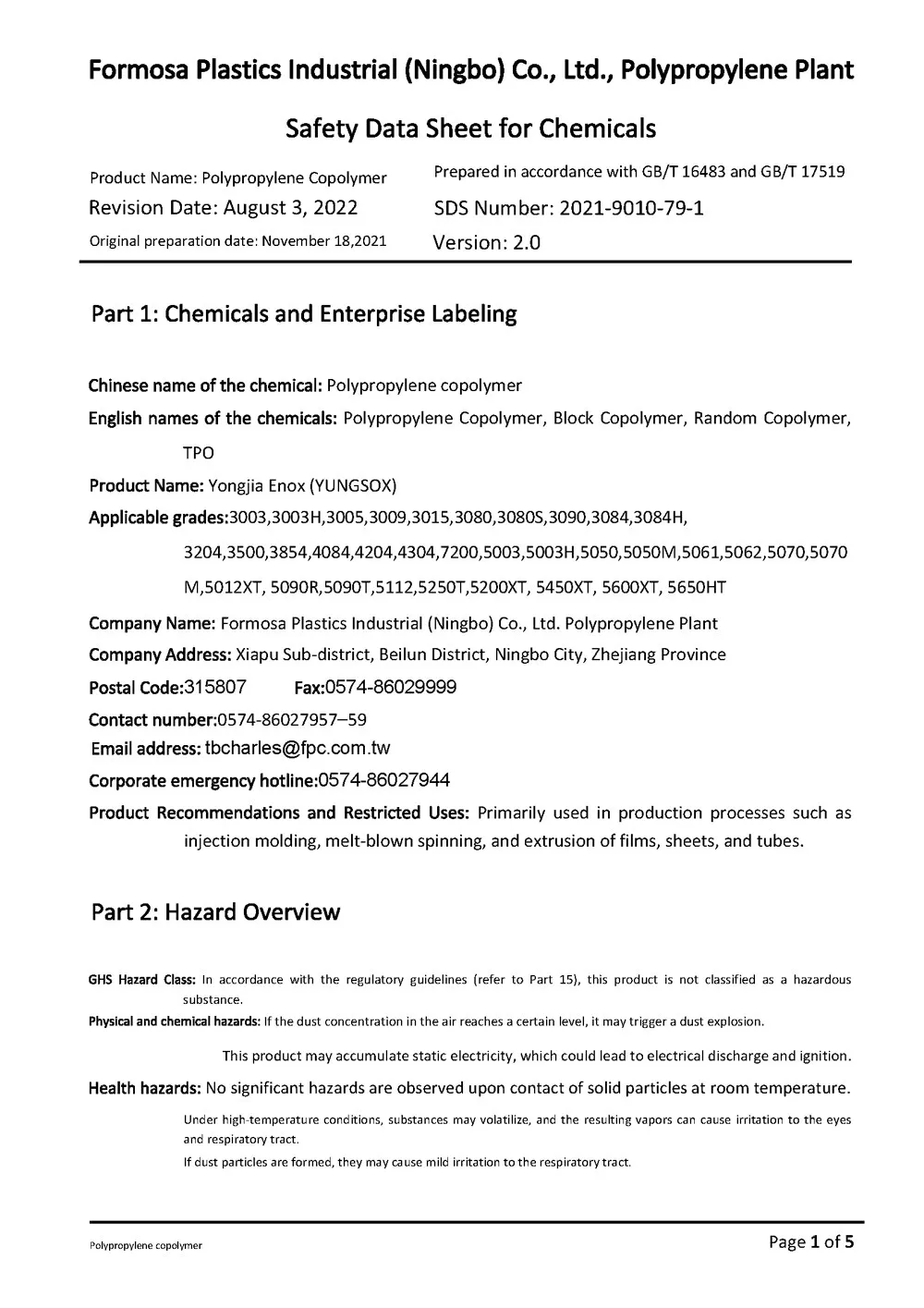
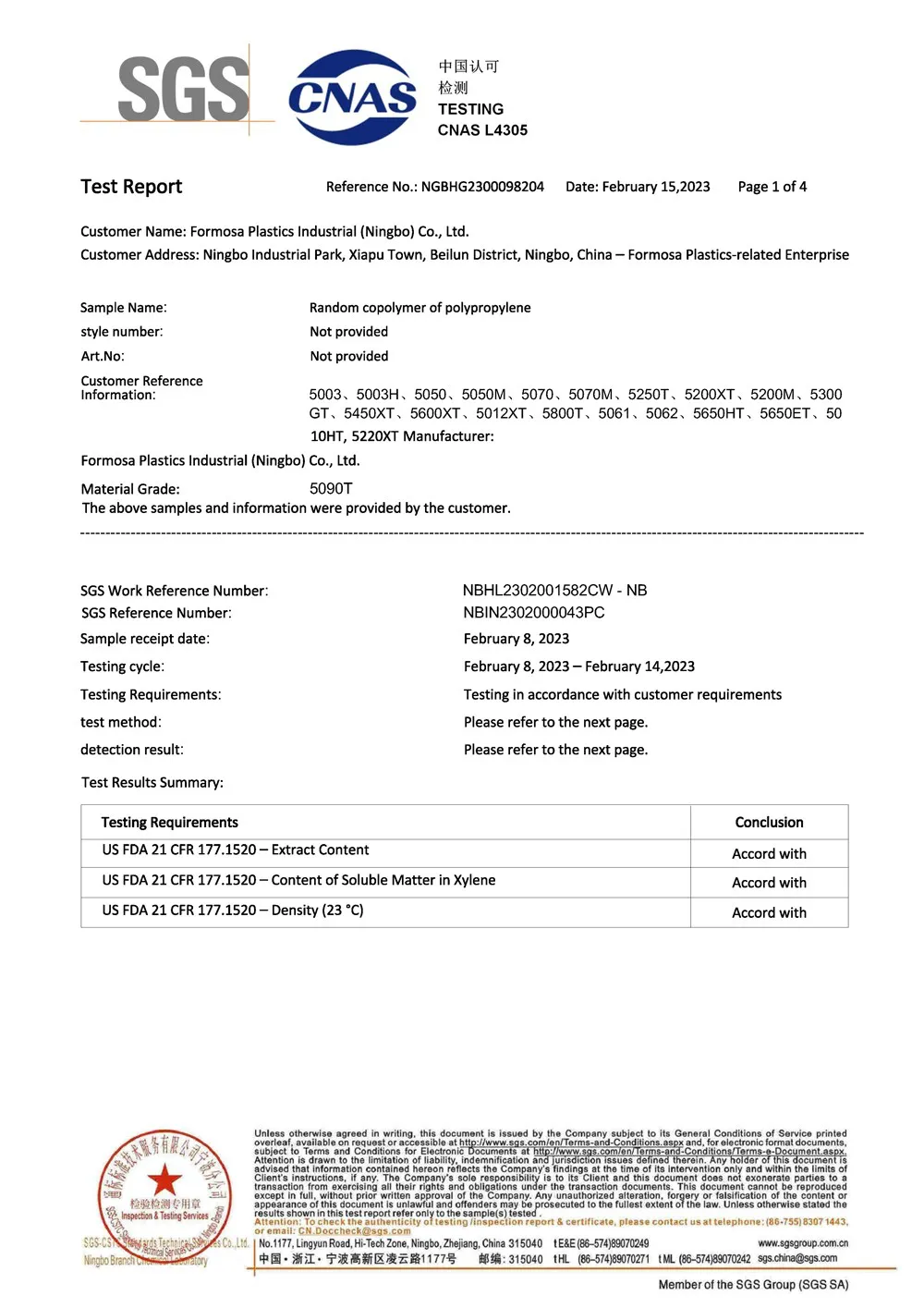
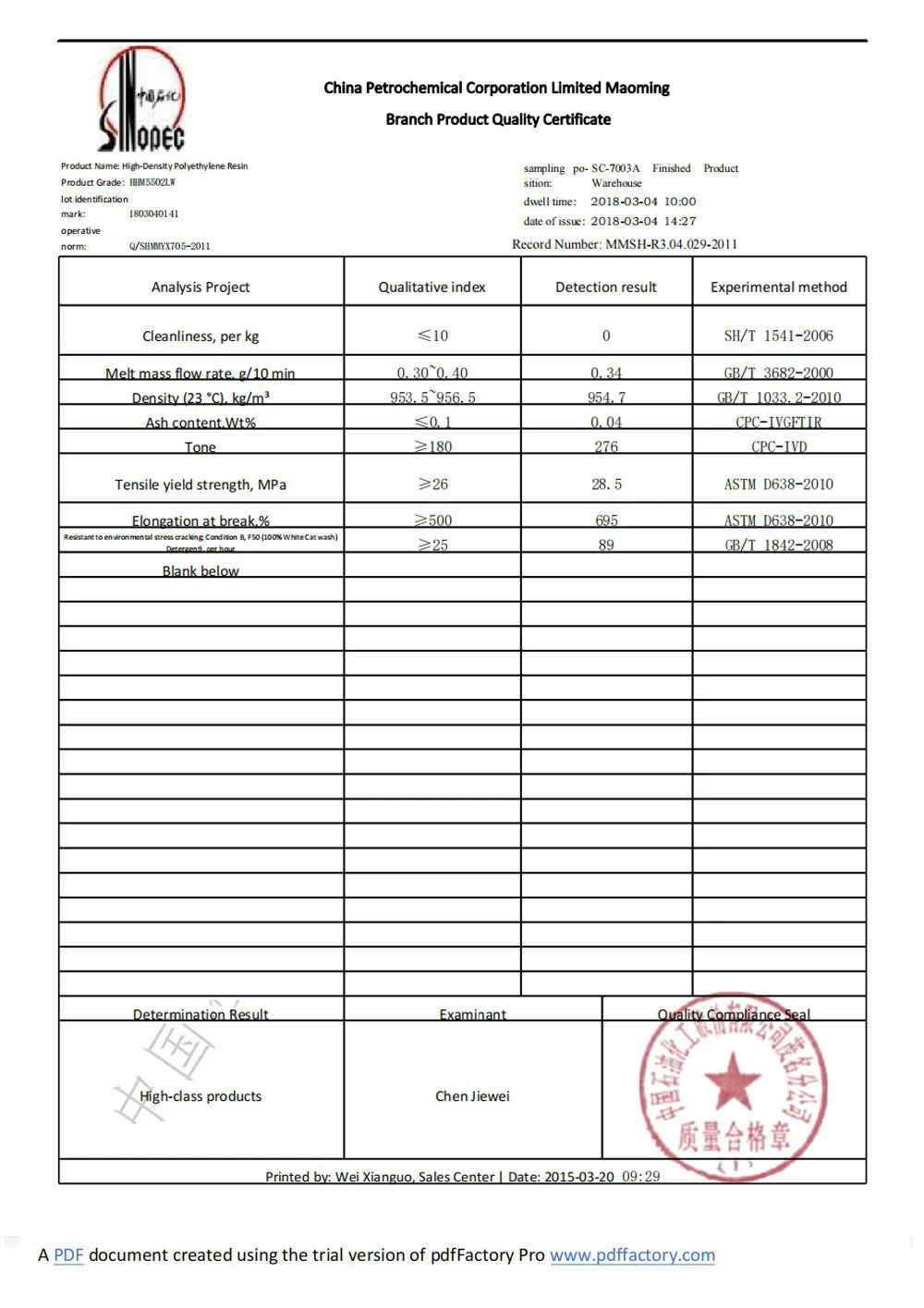
Transparency is another key factor. A good manufacturer will share their testing reports, raw material certificates, and production timelines openly. They'll let you visit their facility (or take virtual tours) to see the dust-free workshops and quality control stations. After all, trust is built when you can see exactly how your tubes are made.
Beauty packaging is evolving, and lipstick tubes are no exception. Today's consumers want packaging that's not just pretty, but responsible—and manufacturers are rising to the challenge. Sustainable options like PCR (post-consumer recycled) plastic tubes are gaining popularity: these are made from recycled water bottles or packaging waste, reducing reliance on virgin plastic. Some brands are even experimenting with biodegradable plastics or refillable systems, where customers buy a "forever tube" and replace only the lipstick cartridge.
Personalization is also on the rise. Imagine a tube with a QR code that links to a tutorial on how to apply the lipstick, or a "custom name" option where customers can get their initials printed on the cap. These small touches turn a lipstick into a personalized gift, driving social media shares and word-of-mouth.
At the end of the day, the best lipstick tubes do more than hold product—they tell a story. They say, "We care about quality," "We value your trust," and "This lipstick is made just for you." Whether you're launching a bold, budget-friendly line or a luxury, clean beauty brand, GMP certified private label tubes with custom logo printing let you tell that story with confidence.
So, what's next? It's time to turn your lipstick tube vision into reality. Look for a manufacturer who prioritizes GMP and ISO certification, offers flexible private label options, and gets excited about your brand's unique story. With the right partner, your lipstick tube won't just hold color—it'll hold the key to building a brand customers love, one twist at a time.