Email: info@mggpacking.com | Tel: +86-13510174848 ( Mr. Yao)


In the world of luxury, every detail matters. From the moment a customer steps into a five-star hotel lobby, visits a high-end spa, or unwraps a premium skincare set, every element is carefully curated to tell a story of refinement, quality, and exclusivity. And in these spaces—where first impressions are everything—one often-overlooked hero quietly elevates the experience: the hand soap dispenser bottle. Far more than a functional container, it's a silent brand ambassador, sitting on bathroom vanities, restaurant washstands, and boutique counters, whispering elegance with every curve, texture, and finish. For luxury brands, choosing the right hand soap dispenser isn't just about holding liquid soap—it's about crafting a moment of daily luxury that lingers in the minds of discerning customers.
At its core, a high-end hand soap dispenser bottle for luxury brands is a marriage of art and engineering. It must feel substantial in the hand, with a weight that suggests quality; its surface must invite touch, whether through a velvety matte finish, a sleek metallic sheen, or a subtle texture that catches the light. The pump mechanism must operate with a satisfying, silent glide, dispensing just the right amount of soap without drips or clunks. And visually, it must align seamlessly with the brand's aesthetic—whether that's minimalist Scandinavian chic, opulent Art Deco, or understated modern luxury. In short, it's a product where "good enough" is never enough. And that's where a specialized partner comes in: a custom plastic bottle manufacturer that understands not just plastic molding, but the language of luxury.
Let's start with the obvious: luxury is an experience, not just a price tag. When a guest stays at a boutique hotel or visits a high-end restaurant, they expect consistency in excellence—from the linens on the bed to the soap in the bathroom. A flimsy, generic plastic dispenser with a sticky pump or a scratchy label shatters that illusion instantly. It says, "We care about the big things, but not the small ones," and in luxury, the small things are the big things. On the flip side, a beautifully designed dispenser becomes part of the brand's identity. Think of iconic hotels that have turned their bathroom amenities into collectible items—guests take them home not just for the soap inside, but because the bottle itself feels like a souvenir of a special experience.
Then there's the practical side: durability and functionality. Luxury spaces see high traffic, and a dispenser that cracks, discolors, or breaks after a few weeks of use isn't just a hassle—it's a reflection of poor quality control. Guests notice when a pump sticks, when soap leaks onto the counter, or when the bottle's finish fades from constant handling. These are not just minor inconveniences; they erode trust. A luxury brand's reputation is built on reliability, and even the smallest product failure can chip away at that. That's why materials matter: choosing shatter-resistant, chemical-resistant plastics that stand up to daily use, while maintaining their visual appeal for months (or years) on end.
Finally, there's the power of branding. For many luxury brands, private label packaging is a way to extend their identity into every corner of the customer experience. A hand soap dispenser with a subtly embossed logo, a custom color that matches the brand's signature hue, or a unique silhouette that's instantly recognizable turns a mundane item into a marketing tool. It's a way to say, "This space is ours, and we've thought of everything." In a world where customers are bombarded with choices, these small acts of intentionality create loyalty. They make customers feel seen, valued, and part of an exclusive club—and that's priceless.
So, what exactly sets a luxury hand soap dispenser apart from the generic options lining supermarket shelves? Let's break it down into the key elements that matter most to luxury brands and their customers.
When we talk about "plastic" in luxury packaging, we're not talking about the thin, flimsy stuff you find in discount stores. High-end dispensers use specialized plastics engineered for both beauty and durability. HDPE (High-Density Polyethylene), for example, is a favorite for its strength, chemical resistance (it won't react with soap formulas), and ability to take on rich, consistent colors. PET (Polyethylene Terephthalate) offers glass-like clarity, making it ideal for showcasing colored soaps or adding a sleek, modern touch. For brands wanting to balance luxury with sustainability, PCR (Post-Consumer Recycled) plastics are gaining traction—offering the same quality as virgin materials but with a lower environmental footprint. The choice of material isn't just about function; it's about feel. A well-chosen plastic has a substantial, "premium" weight in the hand, avoiding the cheap, lightweight feel that screams "mass-produced."
If there's one part of a hand soap dispenser that can make or break the experience, it's the pump. A luxury pump doesn't just work—it works beautifully . It requires minimal effort to press, glides smoothly without sticking, and dispenses a consistent amount of soap (no more, no less). It's also designed to be leak-proof, preventing messy drips that mar counter tops. At the engineering level, this means using high-quality springs, precision-machined components, and tight seals. Some luxury dispensers even feature "soft-touch" pumps with silicone gaskets that feel gentle against the skin, or "lockable" mechanisms for easy refilling without spills. For brands that prioritize quiet luxury, pumps are tested for noise—ensuring they operate with a soft, satisfying "click" rather than a loud, jarring sound.
The surface of the dispenser is where design meets emotion. A luxury brand might opt for a matte finish that feels velvety to the touch and hides fingerprints, or a high-gloss polish that reflects light like a mirror. For a more tactile experience, subtle textures—like a fine crosshatch pattern or a smooth, pebble-like grain—add depth and interest. Color is equally important. While classic neutrals (black, white, cream, charcoal) remain popular for their versatility, many brands are now experimenting with custom hues that match their brand palette—think soft pastels for a spa brand, deep jewel tones for a luxury hotel, or metallic accents (gold, rose gold, gunmetal) for a touch of opulence. These colors aren't just painted on; they're integrated into the plastic itself (via masterbatch coloring) to prevent fading, chipping, or scratching—ensuring the dispenser looks as good on day 365 as it did on day one.
Luxury lives in the details, and high-end hand soap dispensers are no exception. This is where private label plastic packaging truly shines. Brands can add subtle (or not-so-subtle) touches that make the dispenser uniquely theirs: an embossed logo on the front, a debossed brand name on the base, or even a custom-shaped bottle that mirrors the brand's iconic design elements. For example, a luxury skincare brand known for its art deco-inspired packaging might commission a dispenser with geometric angles and gold foil accents. A minimalist hotel chain might opt for a completely smooth, logo-free bottle—letting the shape and finish speak for itself. Even the cap or pump can be customized: think a metal pump head with a polished chrome finish, or a wooden cap for a natural, organic brand. These details don't just add beauty; they create a sense of exclusivity. When a customer recognizes your brand's signature dispenser from across the room, you've turned a functional item into a status symbol.
Creating a high-end hand soap dispenser bottle isn't a one-size-fits-all process. It starts with a conversation: understanding your brand's story, your aesthetic preferences, and the specific needs of your space (hotel, restaurant, boutique, etc.). From there, it moves into design, prototyping, testing, and production—each step guided by expertise and a commitment to excellence. Let's walk through how a custom plastic bottle manufacturer turns your vision into reality.
It all begins with a blank canvas. Maybe you have a clear idea of what you want: a 300ml bottle with a cylindrical shape, matte black finish, and your logo embossed on the front. Or perhaps you're starting from scratch, drawn to certain textures or colors but unsure how to translate them into a functional dispenser. Either way, the design team will work with you to refine your vision. They'll ask questions: Who is your target customer? Where will the dispenser be used (hotel bathrooms, retail counters, home bathrooms)? What's your brand's core message (sustainability, minimalism, opulence)? They'll share mood boards, material samples, and sketches, iterating until the design feels "right." For brands with existing design assets (like 3D models or brand guidelines), the team can integrate those directly—ensuring consistency with your other packaging.
Once the design is finalized, it's time to create the mold—the tool that will shape the plastic into your custom bottle. This is where engineering meets artistry. A high-quality mold ensures every bottle comes out with crisp edges, consistent thickness, and no defects (like air bubbles or warping). Many manufacturers offer 3D mold design, allowing you to see a digital prototype before the physical mold is made—saving time and reducing errors. For luxury brands, this step is critical: even the smallest imperfection in the mold (a tiny scratch, a misaligned edge) will be replicated in every bottle. That's why reputable factories use advanced CNC machining to create molds with micrometer-level precision. And to ensure the mold works perfectly, most offer free mold testing: producing a small batch of bottles to check for fit, finish, and functionality before full-scale production. It's a step that adds time, but it's non-negotiable for brands that refuse to compromise on quality.
A prototype is where your design truly comes to life. It's one thing to see a 3D render; it's another to hold the bottle in your hand, feel the weight, test the pump, and check how the finish looks in different lighting. Prototypes are made using the same materials and processes as the final product, so you can get an accurate sense of durability, texture, and appearance. This is the time to make adjustments: maybe the pump feels too stiff, the color is slightly off, or the bottle is a bit too tall for your counter space. The manufacturer will work with you to tweak the design until it meets your exact specifications. For luxury brands, this iterative process is invaluable—it ensures that when you approve the final prototype, you're 100% confident in the product.
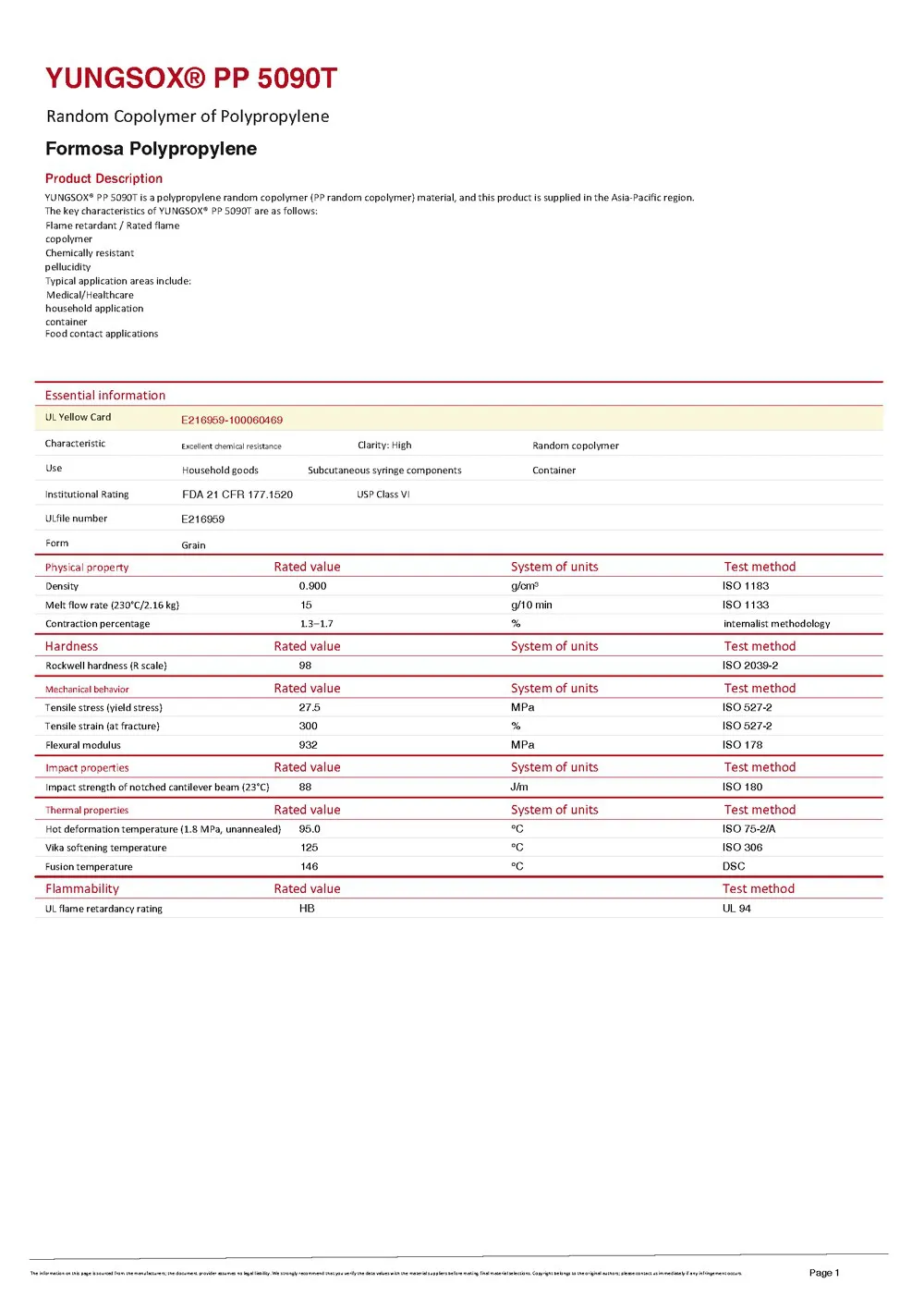
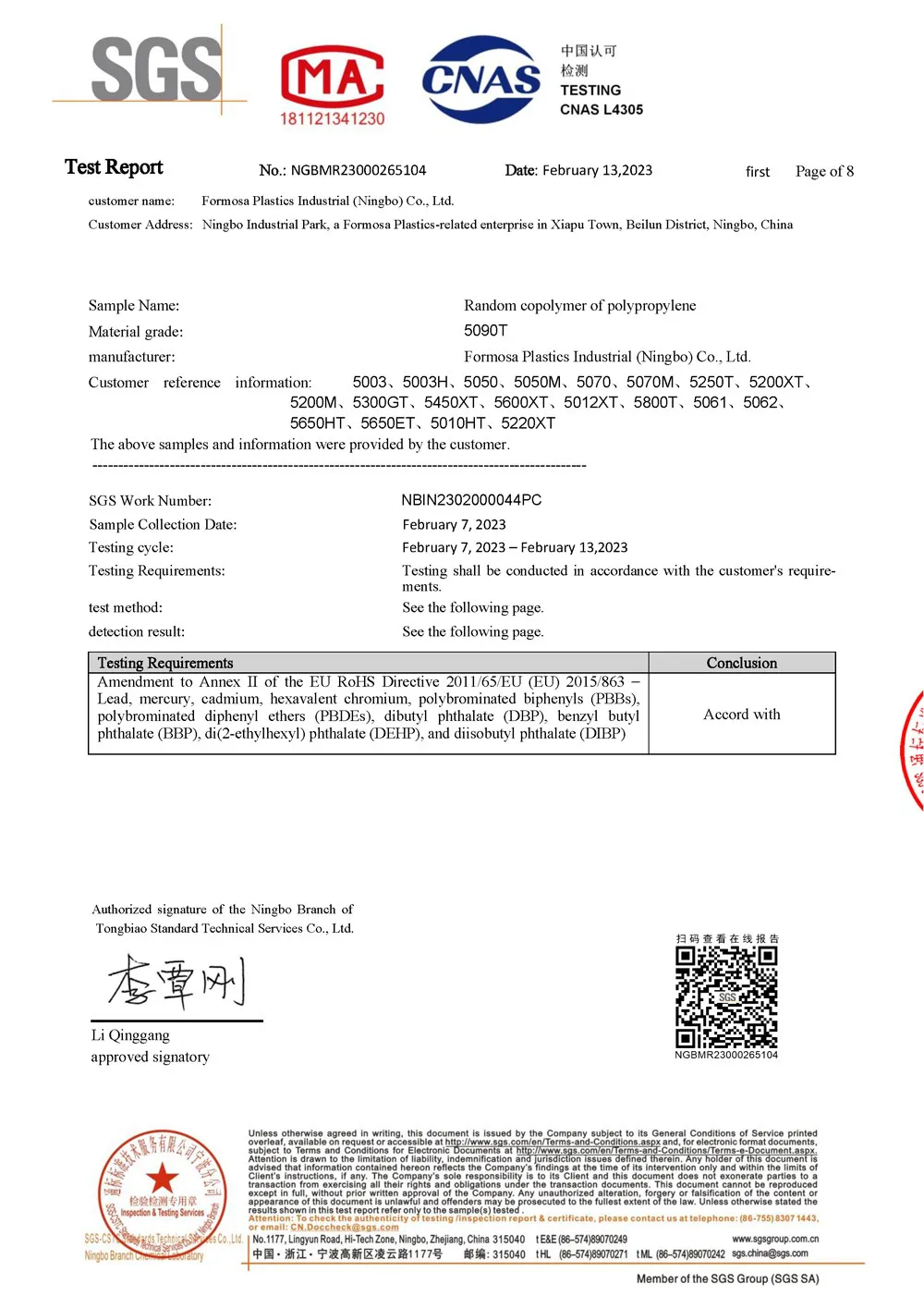
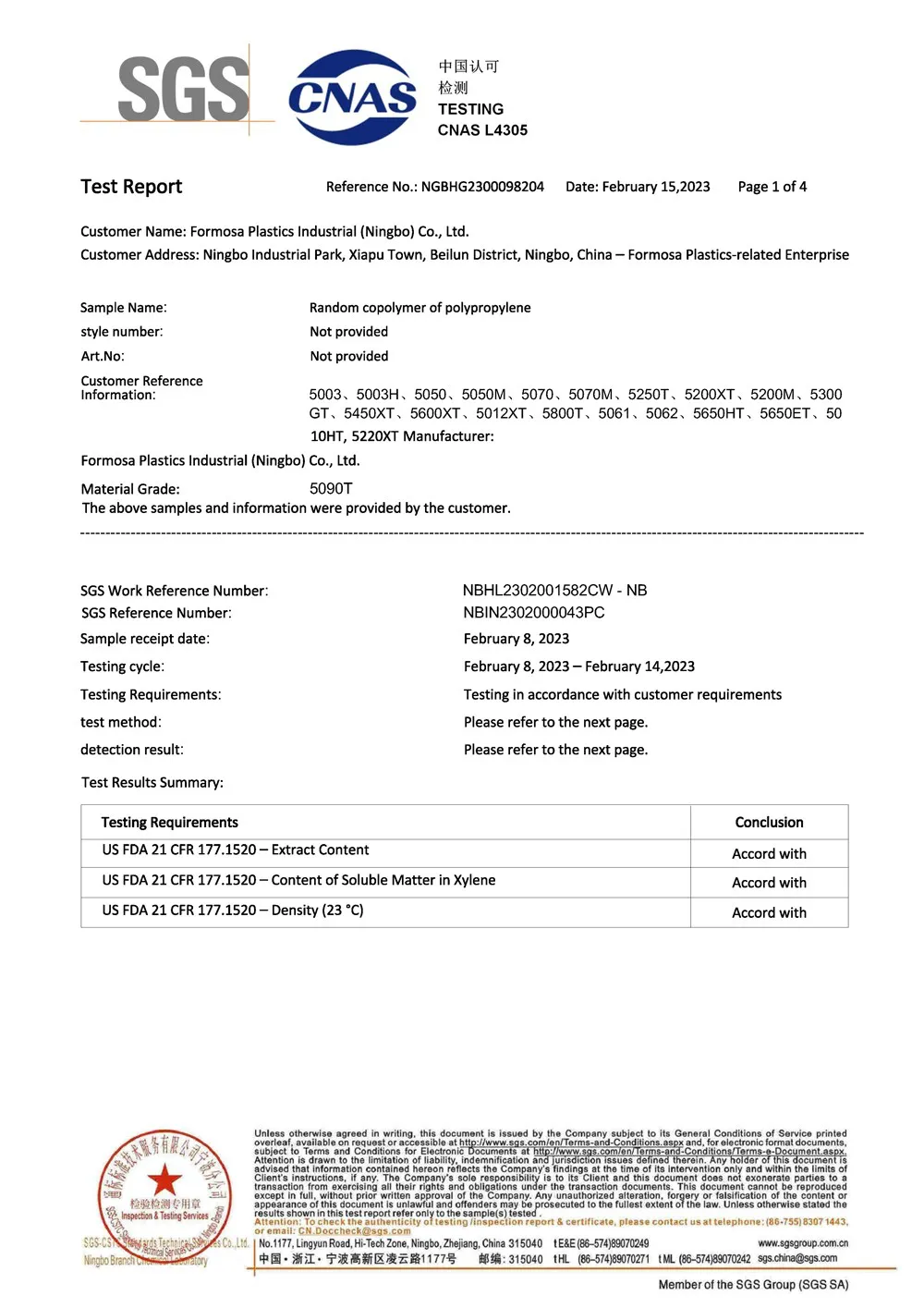
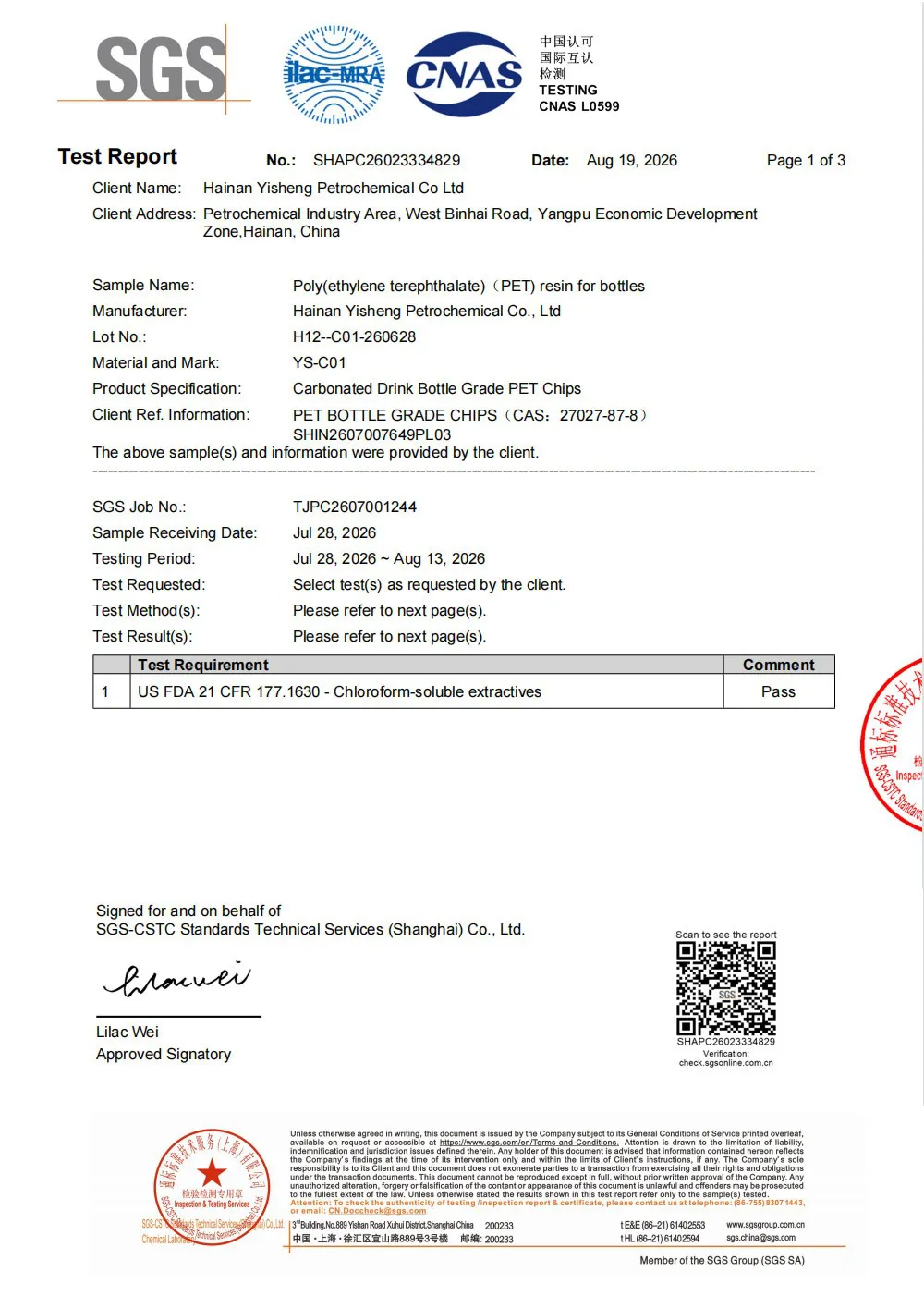
Once the prototype is approved, production begins. But for luxury hand soap dispensers, production isn't just about churning out bottles—it's about maintaining consistency and quality at every step. This is where certifications like ISO9001 and GMP compliance matter. An iso9001 certified packaging factory follows strict quality control processes, from raw material inspection (testing plastics for purity and durability) to in-line checks during production (measuring bottle dimensions, testing pump functionality, inspecting finishes for defects). In a dust-free gmp compliant workshop , the risk of contamination is minimized—critical for dispensers that will hold products used on the skin. Even the assembly process is meticulous: each pump is hand-tightened to ensure a perfect seal, and each bottle is inspected visually before being packaged. For brands with large orders, manufacturers can also handle bulk packaging—ensuring bottles arrive at your location safely, with minimal waste and maximum efficiency.
Luxury brands don't just care about how a product looks—they care about how it's made, what it's made of, and whether it aligns with their values. For hand soap dispensers, this means prioritizing quality, regulatory compliance, and sustainability. Let's dive into why these factors are non-negotiable for high-end brands.
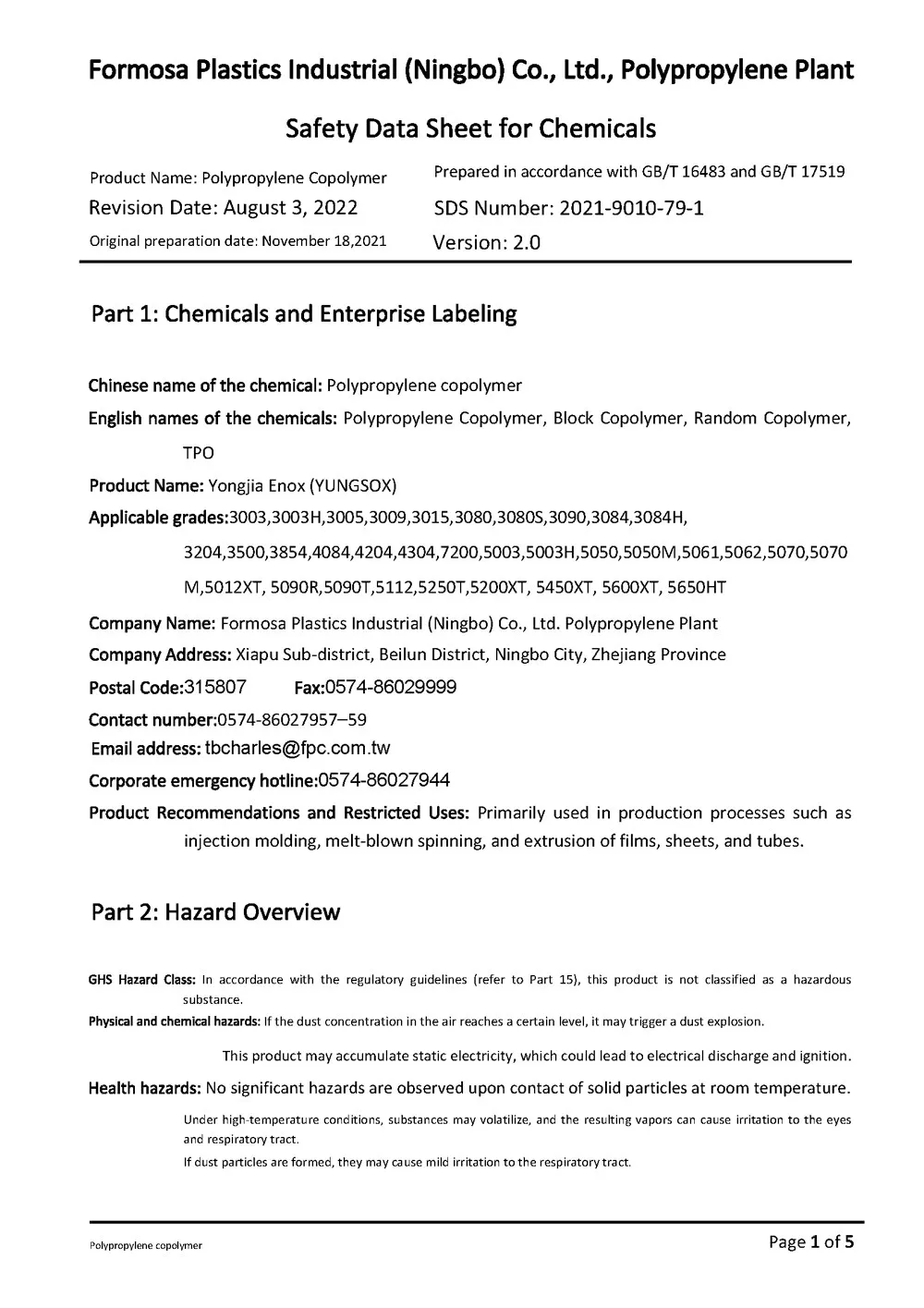
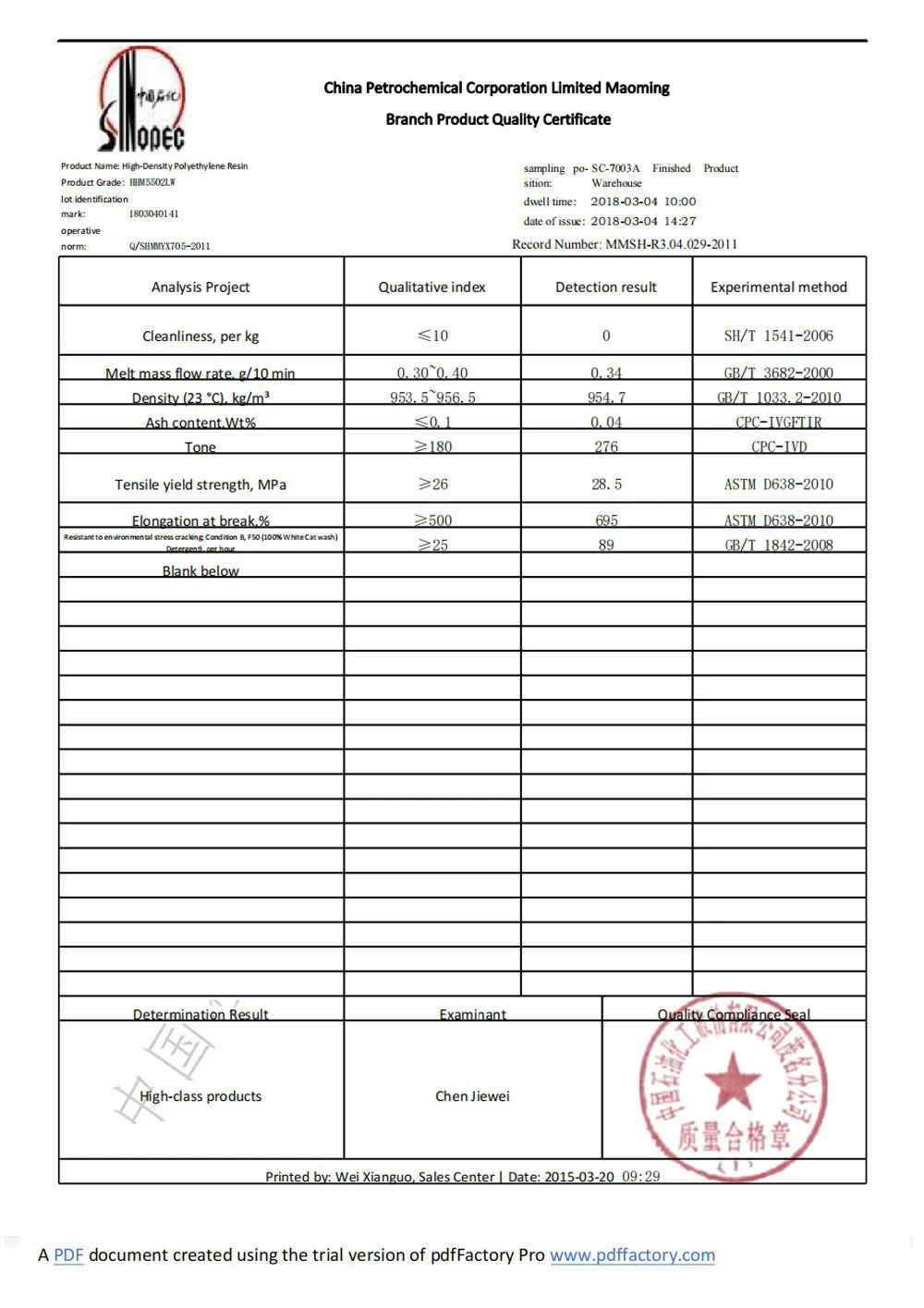
A luxury dispenser is only as good as its weakest link. That's why rigorous quality control starts long before production. Raw materials are tested for strength, chemical resistance, and color consistency. For example, HDPE used in medical-grade packaging (yes, some luxury brands use medical-grade plastics for their dispensers) is tested to ensure it's free from BPA, phthalates, and other harmful chemicals. During production, random samples are pulled from the line and subjected to stress tests: dropping the bottle from waist height to check for cracks, squeezing it to test flexibility, exposing it to heat and cold to ensure the finish doesn't warp. The pump is tested thousands of times to simulate months of use, ensuring it doesn't fail prematurely. Even the packaging is inspected: bottles are packed in sturdy, dust-free boxes to prevent scratches during shipping. For brands, this level of scrutiny isn't overkill—it's the only way to guarantee that every dispenser that leaves the factory meets their high standards.
For luxury brands operating across borders, compliance with international regulations is a must. This is where certifications like ISO 9001 and GMP come into play. ISO 9001 is a globally recognized standard for quality management systems, ensuring that the factory follows consistent processes to deliver reliable products. GMP (Good Manufacturing Practices), on the other hand, is critical for dispensers that may come into contact with skincare or personal care products. A dust-free gmp compliant workshop ensures that production environments are clean, controlled, and free from contaminants—reducing the risk of product spoilage or skin irritation. Additionally, many countries have strict regulations on plastics used in contact with cosmetics or personal care items (like the EU's REACH or the US FDA's guidelines). A reputable manufacturer will ensure that all materials and processes meet these standards, providing brands with the documentation they need to sell their products globally with confidence.
Today's luxury consumers are increasingly eco-conscious, and brands are responding by prioritizing sustainability in every aspect of their business—including packaging. Sustainable plastic packaging solutions are no longer a trend; they're an expectation. For hand soap dispensers, this means options like PCR (Post-Consumer Recycled) plastics, which give new life to plastic waste without sacrificing quality. Some manufacturers also offer refillable designs, allowing customers to reuse the dispenser by buying soap refills in bulk—reducing single-use plastic waste. Others are experimenting with biodegradable or compostable plastics, though these are still evolving in terms of durability for long-term use. Beyond materials, sustainable production practices matter too: factories that use renewable energy, reduce water waste, or implement recycling programs for production scraps. For luxury brands, sustainability isn't just about "being green"—it's about aligning with the values of their customers, who want to feel good about the brands they support. A dispenser made from 50% PCR plastic with a refillable design isn't just a responsible choice; it's a selling point.
When it comes to custom plastic packaging, China has long been a global leader—and for good reason. For luxury brands looking to create high-end hand soap dispensers, partnering with a plastic packaging supplier China offers unique advantages that are hard to match elsewhere. Let's break down why:
China's plastic manufacturing industry has decades of experience in custom projects, from simple bottle designs to highly complex, luxury packaging. Factories here have invested heavily in advanced technology: 3D design software, precision CNC mold-making machines, and state-of-the-art production lines that can handle intricate finishes (like metallic plating, laser engraving, or custom color matching). They also employ teams of designers and engineers who specialize in luxury packaging, understanding the nuances of what makes a product feel "high-end." Whether you need a dispenser with a unique asymmetrical shape, a custom-molded pump, or a rare color that matches your brand's Pantone shade, a China-based manufacturer has the skills and tools to deliver.
Luxury brands often have diverse needs: a small run of 500 dispensers for a boutique hotel opening, or 50,000 units for a global rollout across multiple properties. China-based factories excel at both. They have the capacity to scale production quickly, thanks to large manufacturing facilities and flexible workforce management. At the same time, they're willing to take on smaller, high-margin projects for luxury clients—unlike some Western manufacturers that require large minimum order quantities. This flexibility is a game-changer for brands that want to test a new design in a limited market before committing to a full production run.
Let's be honest: luxury packaging isn't cheap. But working with a China-based manufacturer can help you manage costs without cutting corners on quality. Lower labor and material costs, combined with efficient production processes, mean you can invest more in premium materials (like PCR plastics or custom finishes) or complex designs (like embossed logos or unique bottle shapes) without blowing your budget. And because many factories handle the entire process in-house—from mold making to production to packaging—you avoid the added costs of working with multiple suppliers. The result? A high-end dispenser that meets your quality standards, at a price that allows for healthy profit margins.
China is a global export hub, with well-established logistics networks that make shipping to almost any country seamless. Whether you need dispensers delivered to a hotel in Paris, a boutique in New York, or a spa in Dubai, your manufacturer can handle the entire shipping process—from customs documentation to door-to-door delivery. Many also offer warehousing options, allowing you to store inventory in China and ship in smaller batches as needed, reducing storage costs at your end. For luxury brands with international operations, this level of logistical support is invaluable.
Pro Tip: When choosing a China-based partner, look for factories with ISO 9001 and GMP certifications, as well as experience working with luxury brands. Ask for references, samples of past work, and details about their quality control processes. A reputable manufacturer will be transparent about their capabilities and happy to walk you through every step of the process.
To bring this all to life, let's look at a few examples of how luxury brands are leveraging custom hand soap dispensers to elevate their customer experience:
A renowned hotel chain known for its minimalist, modern aesthetic wanted to update its bathroom amenities to reflect its commitment to sustainability and luxury. They partnered with a custom manufacturer to create a 300ml hand soap dispenser made from 50% PCR plastic, with a sleek, cylindrical design and a matte white finish. The pump was customized with a brushed nickel finish to match the hotel's hardware, and the brand's logo was subtly embossed on the base (no loud labels, just quiet branding). The result? A dispenser that felt premium, aligned with the hotel's eco-friendly values, and became a talking point among guests—many of whom inquired about purchasing the dispenser for their homes. The hotel later expanded the design to include shampoo and conditioner bottles, creating a cohesive, luxury bathroom set.
A luxury spa brand specializing in organic skincare wanted to differentiate its in-spa amenities from competitors. They opted for a unique, hourglass-shaped dispenser with a frosted glass-like finish (using PET plastic for durability) and a gold-plated pump. The bottle was designed to fit perfectly in the palm of the hand, with a weight that felt substantial but not heavy. The brand's signature lavender hue was integrated into the plastic, giving the dispenser a soft, calming color that matched its product line. To add a personal touch, each dispenser was engraved with a small, handwritten-style logo on the front. Guests loved the design so much that the brand began selling the dispensers (filled with their signature hand soap) as part of their retail line—turning a functional amenity into a revenue stream.
A high-end fashion retailer with flagship stores worldwide wanted to create a cohesive brand experience, from clothing racks to restroom facilities. They commissioned a custom hand soap dispenser that mirrored the sleek, geometric lines of their store design: a rectangular bottle with sharp, angular edges, a high-gloss black finish, and a chrome pump. The dispenser was sized to fit perfectly on the store's marble countertops, with a capacity of 250ml to ensure frequent refills (keeping the soap fresh and the dispenser looking full). The brand's logo was laser-etched into the front in silver, creating a subtle contrast against the black background. The result? A restroom that felt as stylish and intentional as the clothing on the racks—reinforcing the brand's commitment to luxury in every detail.
In the world of luxury, every detail tells a story. And when it comes to hand soap dispensers, that story is about more than just holding soap—it's about creating moments of daily elegance, reinforcing brand values, and making customers feel seen and valued. A high-end dispenser with a custom design, premium materials, and meticulous attention to detail isn't just a container; it's a reflection of your brand's commitment to excellence.
Whether you're a hotel chain looking to upgrade your bathroom amenities, a spa brand wanting to extend your aesthetic into every corner of your space, or a retailer aiming to create a cohesive brand experience, the right hand soap dispenser can make a world of difference. And partnering with a custom plastic bottle manufacturer that understands luxury—its nuances, its demands, and its power—can turn your vision into a product that delights customers and elevates your brand.
So, as you embark on this journey, remember: luxury isn't about being flashy. It's about being intentional. It's about choosing materials that feel good, designs that tell your story, and a partner who shares your commitment to quality. With the right dispenser, you're not just selling soap—you're selling an experience. And in luxury, experience is everything.