Email: info@mggpacking.com | Tel: +86-13510174848 ( Mr. Yao)


How premium roll-on packaging solves the challenges of high-temperature environments for cosmetics, pharmaceuticals, and personal care products
Picture this: A small business owner in Dubai receives a shipment of their newly launched organic deodorant, only to open the boxes and find half the roll-on bottles have leaked. The summer heat—often exceeding 45°C (113°F)—has caused the plastic to warp, the seals to fail, and the product to seep out, leaving sticky messes and unhappy customers. On the other side of the globe, a pharmaceutical distributor in Brazil watches as a batch of liquid medications, stored in standard plastic containers, separates and degrades after sitting in a non-air-conditioned warehouse. These aren't just hypothetical scenarios—they're daily realities for brands operating in hot, humid climates.
The problem? Many plastic packaging solutions simply aren't built to withstand extreme temperatures. When heat rises, low-quality plastics soften, seals lose their integrity, and products become vulnerable to leakage, contamination, or spoilage. For roll-on containers—used for everything from deodorants and essential oils to medical gels—this isn't just an inconvenience; it's a threat to brand reputation, customer trust, and bottom-line profits.
But what if there was a way to design roll-on containers that stand up to the harshest heat while keeping leaks at bay? What if your packaging could maintain its integrity whether it's sitting in a sun-baked car, a tropical warehouse, or a long-haul shipping container crossing the equator? That's where heat-resistant, leak-proof roll-on containers come in—and why choosing the right manufacturing partner matters more than ever.
It's easy to overlook packaging as "just a container," but in reality, it's the first line of defense for your product. For roll-on bottles, which rely on a precise balance of structure and functionality, heat resistance and leak-proofing aren't optional—they're essential. Here's why:
Product Protection: Heat doesn't just warp plastic; it can alter the chemistry of the formulas inside. Essential oils, serums, and liquid medications often contain sensitive ingredients that break down at high temperatures, losing efficacy or becoming unsafe. A heat-resistant container acts as a barrier, keeping the internal environment stable even when external temperatures spike.
User Experience: There's nothing more frustrating for a consumer than opening a roll-on bottle and finding the formula has leaked into the cap or dried out around the roller ball. Leaks don't just waste product—they create messes, damage belongings, and erode trust. A truly leak-proof design ensures that when someone twists open your roll-on, the product is exactly where it should be: ready to use, clean, and effective.
Brand Reliability: In competitive markets like cosmetics and pharmaceuticals, reputation is everything. A single viral post of a leaked product or a batch recall due to heat-related spoilage can undo months of marketing efforts. Heat-resistant, leak-proof packaging isn't just about protecting the product—it's about protecting your brand's promise of quality.
For brands operating in hot climates—think Southeast Asia, the Middle East, parts of Africa, or even summer months in southern Europe—these challenges aren't occasional nuisances; they're constant realities. That's why partnering with a roll-on deodorant bottle manufacturer that specializes in high-temperature solutions isn't just a smart choice—it's a business necessity.
Not all plastics are created equal, especially when it comes to handling heat. The secret to a truly heat-resistant roll-on container lies in the materials chosen—and the engineering that goes into them. Let's break down the key components that make these containers thrive in high temperatures.
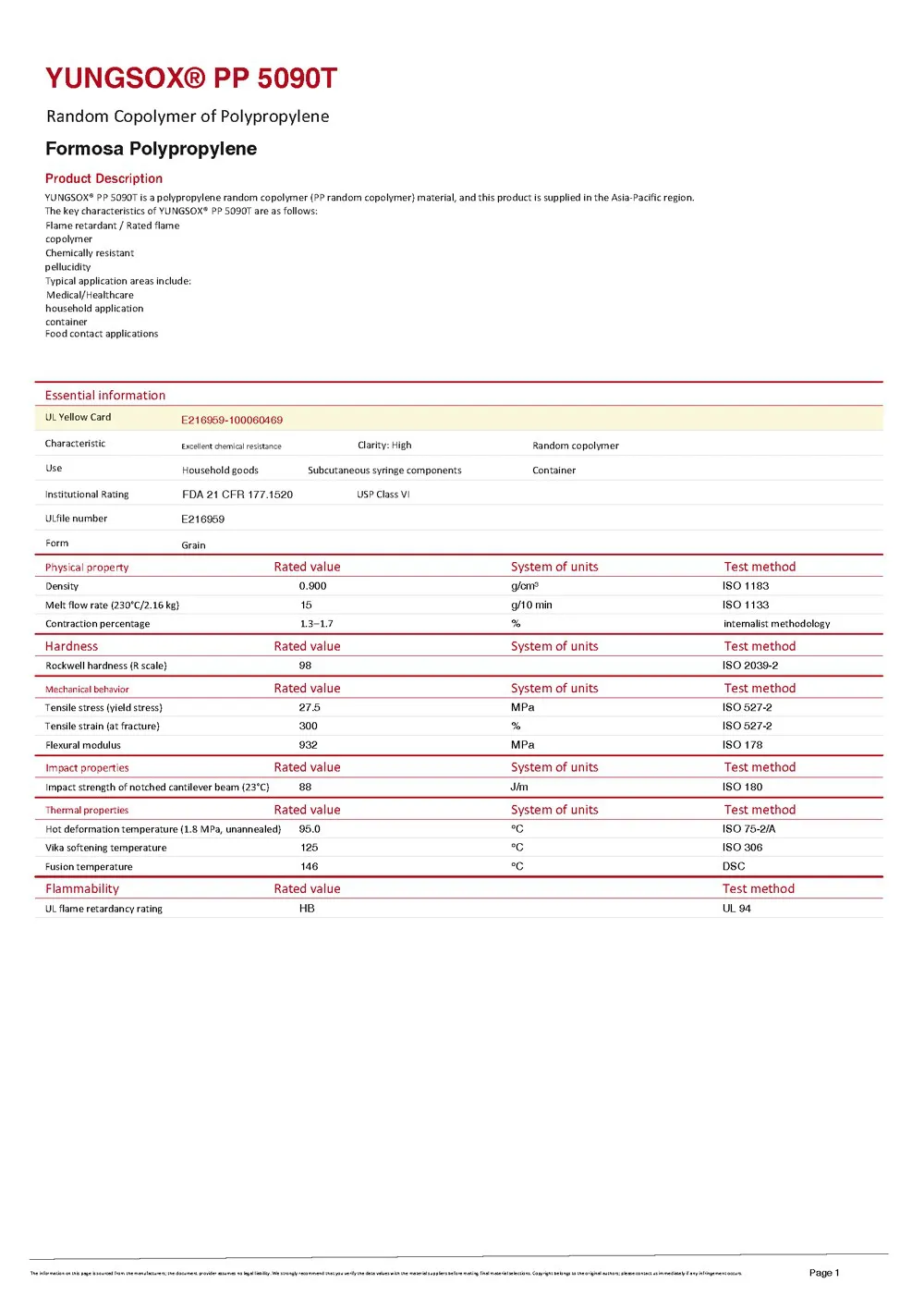
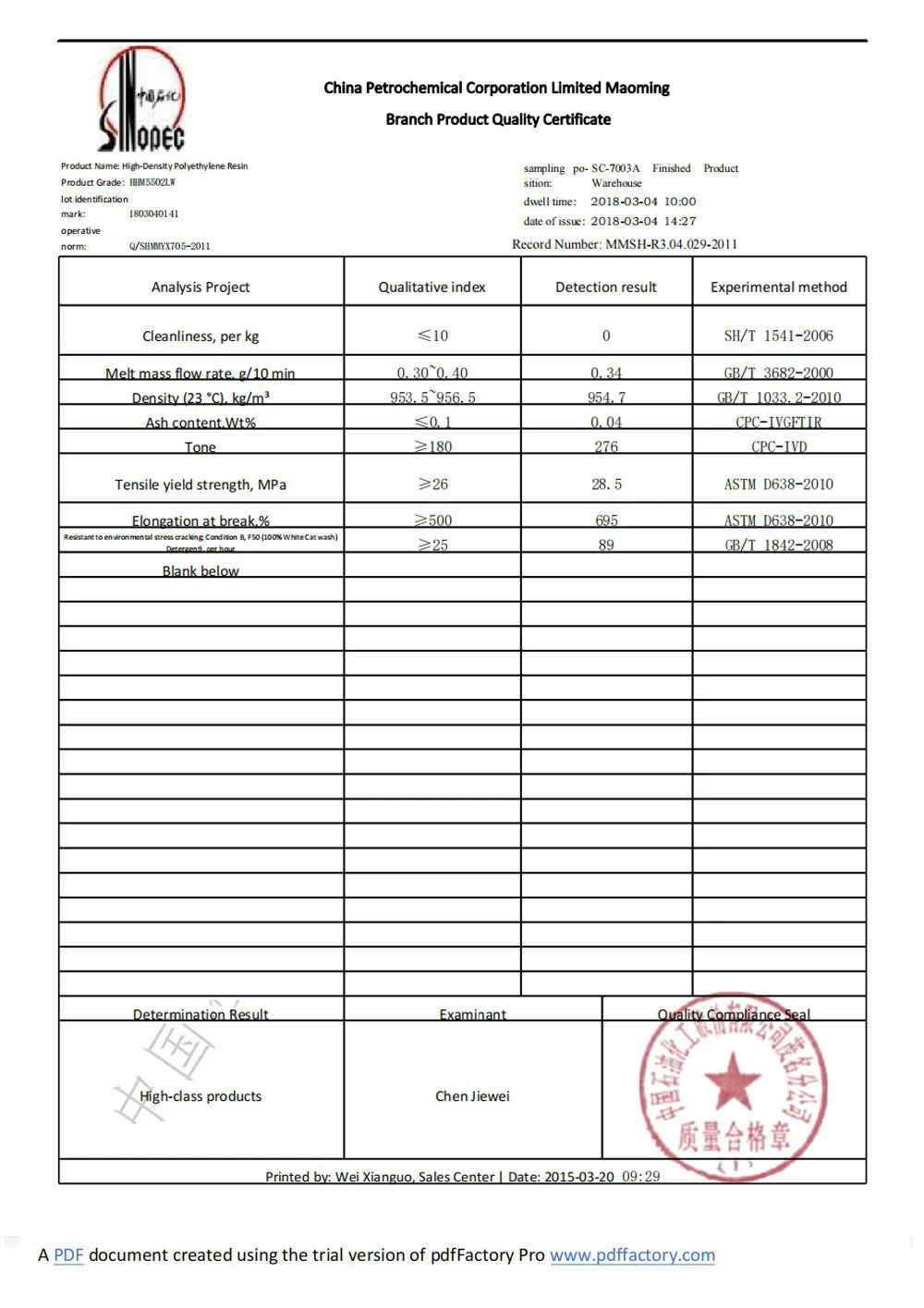
At the core of many premium roll-on containers is High-Density Polyethylene (HDPE), a thermoplastic known for its exceptional strength and temperature tolerance. Unlike cheaper plastics like LDPE (Low-Density Polyethylene), which can soften at temperatures as low as 40°C (104°F), HDPE maintains its structural integrity up to 60°C (140°F) and beyond. This makes it ideal for regions where storage areas or transportation vehicles regularly hit high temperatures.
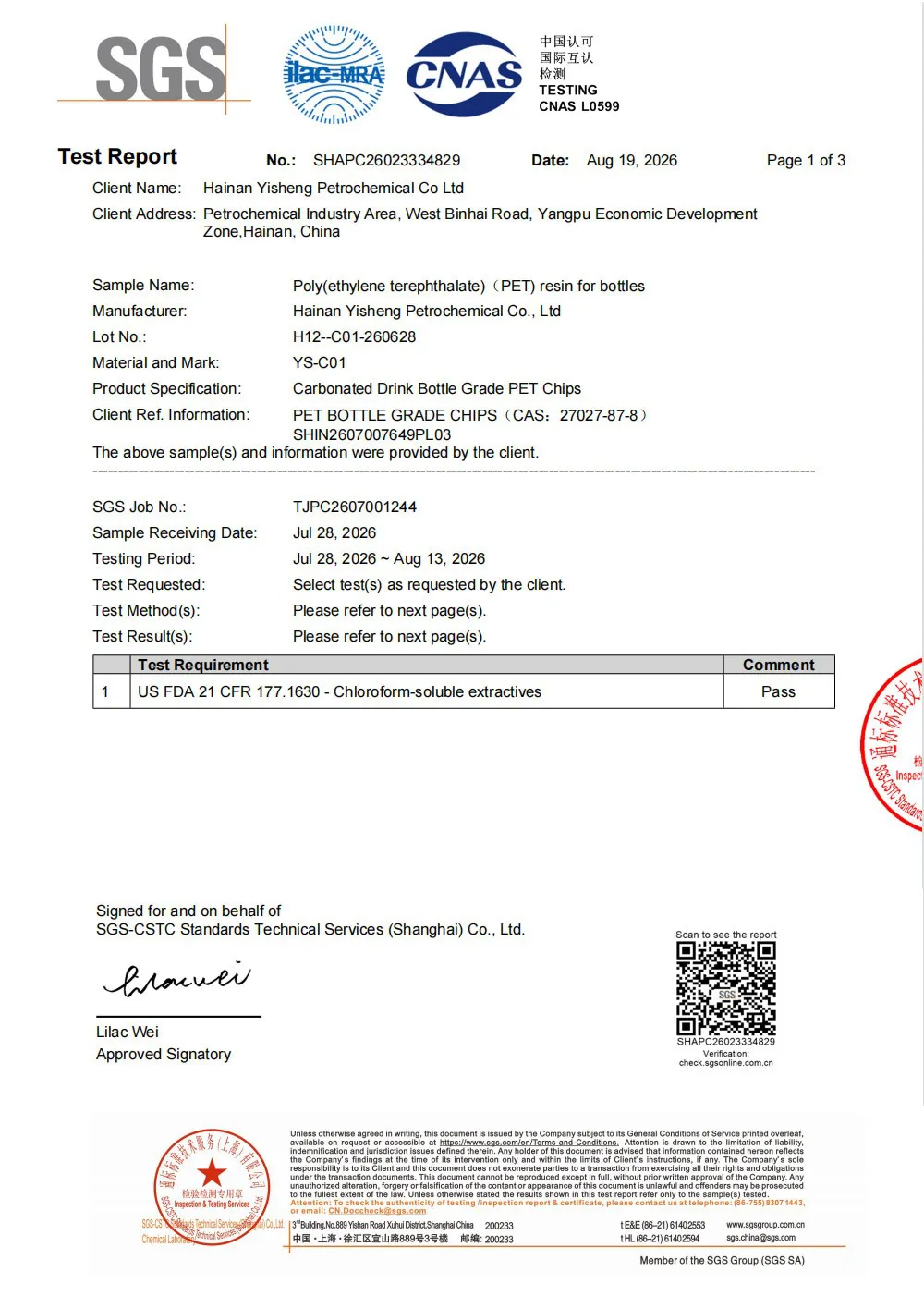
But it's not just about melting points. HDPE also offers excellent chemical resistance, meaning it won't react with the formulas inside—whether that's a citrus-based essential oil, a alcohol-containing toner, or a pharmaceutical gel. This chemical stability is why HDPE is a staple in medical grade plastic bottles and pharmaceutical packaging, where purity and safety are non-negotiable.
| Material | Maximum Continuous Use Temperature | Heat Resistance in Hot Climates | Common Applications |
|---|---|---|---|
| HDPE (High-Density Polyethylene) | 60°C (140°F) | Excellent—maintains shape and seal integrity | Medical packaging, roll-on deodorants, pill bottles |
| PET (Polyethylene Terephthalate) | 40-50°C (104-122°F) | Fair—may warp in extreme heat | Water bottles, some cosmetic containers |
| LDPE (Low-Density Polyethylene) | 40°C (104°F) | Poor—softens and deforms easily | Flexible squeeze bottles, low-cost packaging |
While HDPE provides an excellent foundation, heat resistance often requires an extra boost. That's where specialized additives come in. UV stabilizers, for example, prevent sunlight from breaking down the plastic over time—a critical feature for products stored on store shelves or in sunny windowsills. Heat stabilizers, on the other hand, help the plastic maintain its molecular structure even when exposed to prolonged high temperatures, reducing the risk of warping or cracking.
These additives aren't just about durability; they also ensure consistency. A container that performs well in 40°C weather but fails at 45°C isn't reliable. By carefully formulating the plastic blend, manufacturers can create roll-on containers that deliver consistent performance across a range of high temperatures—giving brands peace of mind, no matter where their products are shipped.
Heat resistance is only half the battle—even the toughest plastic won't matter if the container leaks. Leak-proof design is a combination of precision engineering, tight tolerances, and thoughtful attention to detail. Let's dive into the features that make these roll-on containers truly spill-proof.
The most reliable roll-on containers feature not one, but two layers of sealing: a primary seal between the bottle neck and the cap, and a secondary seal around the roller ball itself. The primary seal often uses a silicone or rubber gasket that compresses when the cap is twisted on, creating a tight barrier against heat and pressure. The secondary seal—located where the roller ball meets the bottle neck—prevents product from seeping out around the ball, even if the bottle is inverted or shaken.
Think of it like a lock with two deadbolts: even if one seal weakens slightly (say, due to extreme temperature fluctuations), the other remains intact, keeping the product safely inside. This dual-seal approach is a hallmark of quality custom plastic bottle manufacturer services, where every component is designed to work together seamlessly.
The roller ball itself is a small but critical component. A poorly designed ball can either leak (if the fit is too loose) or become stuck (if the fit is too tight). The best roll-on containers use precision-machined stainless steel or ceramic balls that are sized to the exact dimensions of the bottle neck. This ensures a smooth glide for the user while maintaining a tight seal against leaks.
Ceramic balls, in particular, are gaining popularity for sensitive formulas. Unlike plastic balls, which can absorb oils or chemicals over time, ceramic is inert and non-reactive, ensuring the product's integrity isn't compromised. For brands focused on natural or organic products, this attention to detail can make all the difference in customer satisfaction.
Great design means nothing without rigorous testing. The best manufacturers subject their roll-on containers to a battery of pressure and temperature tests to simulate real-world conditions. This might include:
These tests aren't just box-checking—they're about ensuring that when a customer tosses a roll-on deodorant into their gym bag or a pharmaceutical company ships a batch of liquid medication across the desert, the product arrives exactly as intended: safe, secure, and ready to use.
Heat resistance and leak-proofing are essential, but great packaging also needs to reflect your brand's identity. The best custom plastic bottle manufacturer services offer a range of customization options, from bottle shape and size to color, printing, and branding. Whether you need a 10ml roll-on for essential oils, a 50ml bottle for deodorant, or a unique shape that stands out on store shelves, customization ensures your packaging is as distinctive as your product.
Options often include embossed logos (for a premium, tactile feel), custom colors (matched to your brand's Pantone shades), and even unique bottle silhouettes—all while maintaining the same heat-resistant, leak-proof performance. This flexibility means you don't have to sacrifice functionality for aesthetics; you can have both.
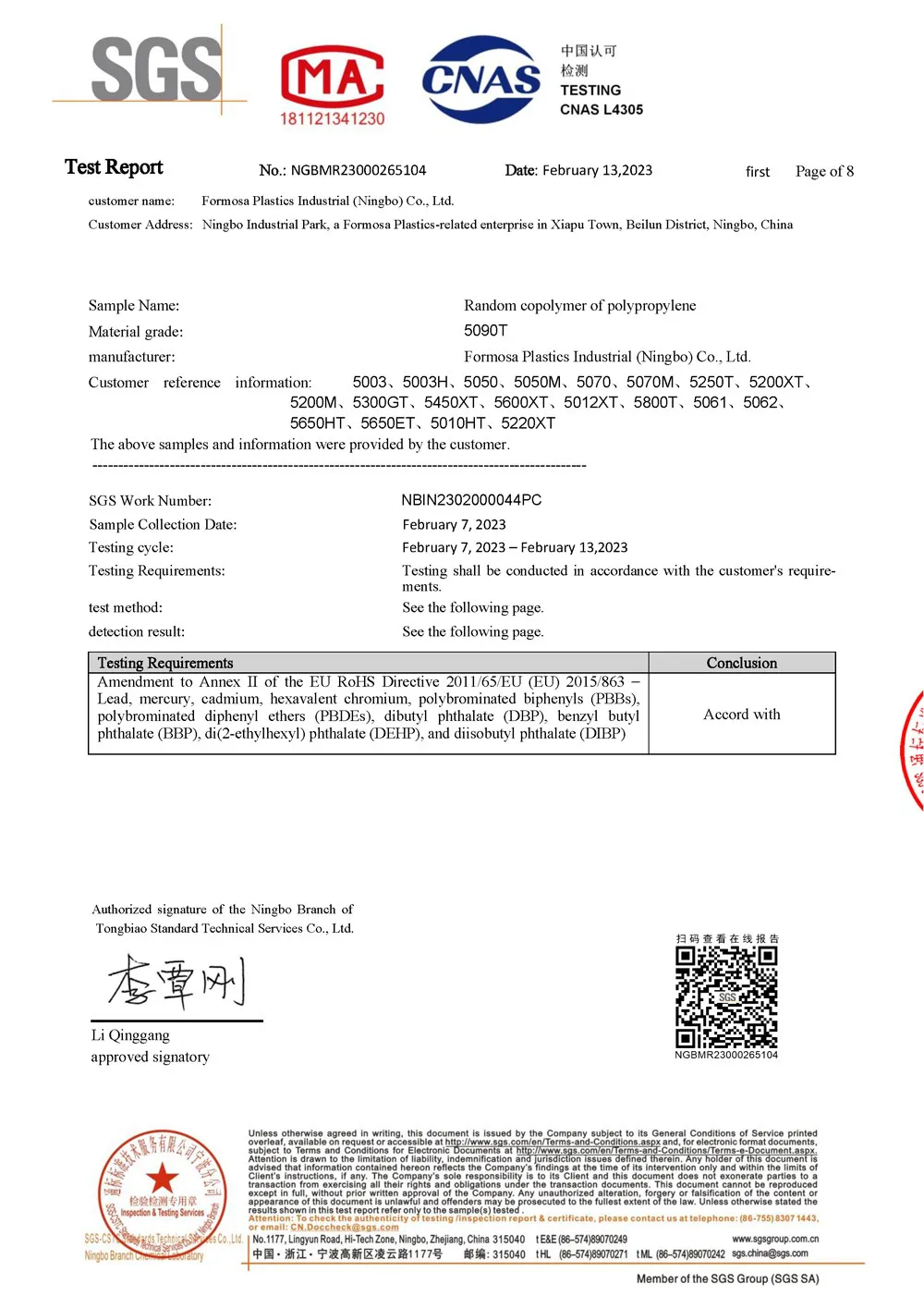
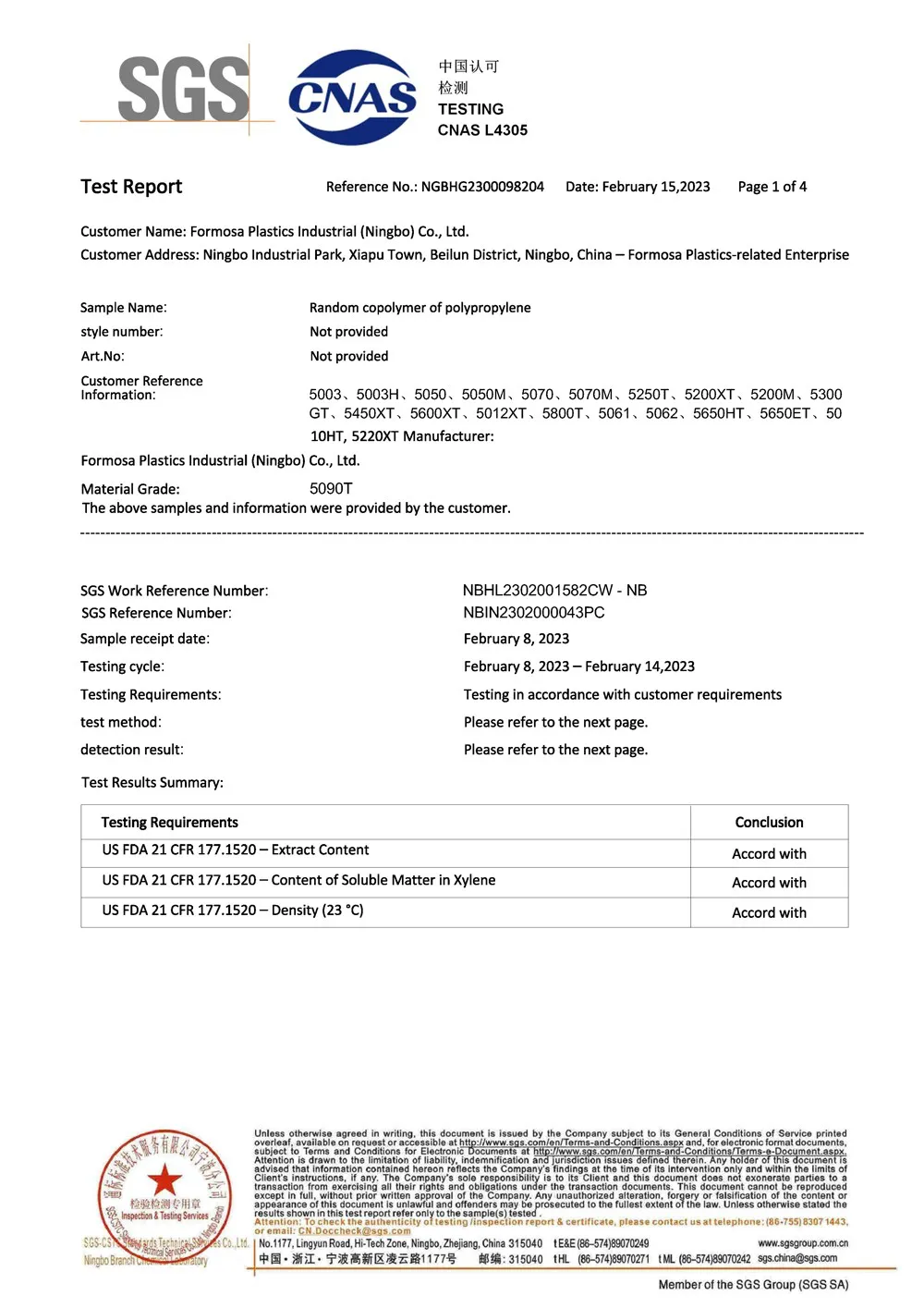
Exceptional packaging doesn't happen by accident—it's the result of strict quality control processes, from raw material selection to final inspection. For brands that demand reliability, partnering with an ISO9001 certified packaging factory ensures that every step of production meets international standards for consistency and quality.
ISO9001 certification isn't just a badge—it's a set of guidelines that ensure the manufacturer follows strict processes for quality management. This includes everything from testing raw materials for purity and strength to documenting production steps, training employees, and continuously improving processes based on feedback. For customers, this means less variability between batches, fewer defects, and greater confidence that every bottle will perform as expected.
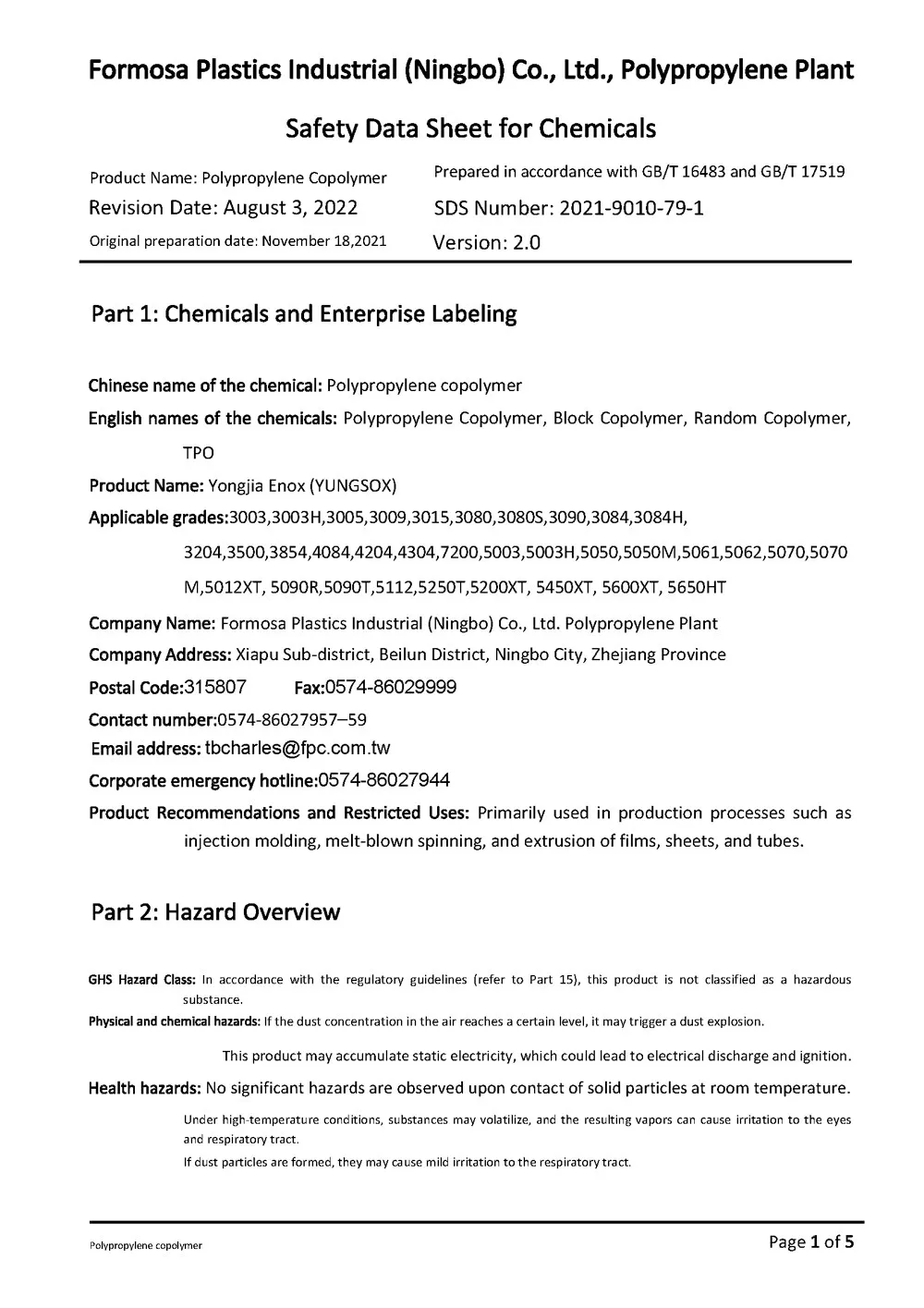
For pharmaceutical and cosmetic products, cleanliness is non-negotiable. A dust-free, GMP (Good Manufacturing Practice)-compliant workshop ensures that packaging is produced in an environment free from contaminants, bacteria, or particles that could compromise the product inside. This is especially critical for medical-grade products, where even a tiny impurity could have serious consequences.
GMP workshops use HEPA filtration systems, regular air quality testing, and strict protocols for employee hygiene and equipment sanitization. When combined with ISO9001 standards, this creates a production environment that prioritizes both performance and safety—two things no brand can afford to overlook.
"We once had a client in Saudi Arabia who was struggling with a competitor's roll-on bottles leaking during the summer. After switching to our heat-resistant, dual-seal design, their customer complaints dropped by 92%. It wasn't just about solving a problem—it was about helping them build trust in a market where reliability is everything."
In today's market, performance and sustainability go hand in hand. Consumers and businesses alike are demanding packaging that not only works well but also minimizes environmental impact. The best heat-resistant roll-on containers now incorporate sustainable plastic packaging solutions that reduce waste without sacrificing functionality.
Post-Consumer Recycled (PCR) plastic is becoming increasingly popular, and for good reason. PCR plastic is made from recycled bottles and containers, reducing the need for virgin plastic and lowering the carbon footprint of production. Advanced manufacturing techniques now allow PCR HDPE to maintain the same heat resistance and strength as virgin HDPE, meaning brands can choose sustainable options without compromising on performance.
Lightweighting—designing bottles with thinner walls (while maintaining strength)—reduces the amount of plastic used per container. This not only cuts down on material costs but also lowers shipping emissions (since lighter packages require less fuel to transport). Heat-resistant materials like HDPE are ideal for lightweighting, as their inherent strength means thinner walls can still withstand high temperatures and pressure.
Great sustainable packaging is also easy to recycle. Heat-resistant roll-on containers are often designed with minimal components (no hard-to-separate materials like metal and plastic combinations) and clearly marked with resin codes, making it easier for consumers to recycle them properly. Some manufacturers even offer take-back programs for empty bottles, closing the loop on the product lifecycle.
Sustainability isn't just a trend—it's a responsibility. By choosing packaging that combines heat resistance, leak-proofing, and eco-friendly design, brands can show their customers that they care about both product quality and the planet.
With so many packaging options on the market, why invest in a specialized manufacturer for heat-resistant, leak-proof roll-on containers? The answer lies in expertise, reliability, and the ability to solve unique challenges.
Specialized manufacturers don't just produce bottles—they understand the specific needs of hot climate storage. They have experience working with brands in regions like the Middle East, Southeast Asia, and Africa, and they know what it takes to ensure packaging performs in those environments. This expertise translates to fewer headaches, faster turnaround times, and packaging that's tailored to your exact needs.
Additionally, a manufacturer with a focus on customization can help you navigate the balance between functionality, aesthetics, and sustainability. Whether you need a small batch of 10ml essential oil roll-ons or a large order of 50ml deodorant bottles, they have the tools, knowledge, and capacity to deliver—on time and on spec.
Heat-resistant, leak-proof roll-on containers aren't just a "nice-to-have"—they're a critical investment for brands operating in hot climates or shipping to global markets. They protect your product, enhance user experience, and strengthen your brand's reputation for reliability. When combined with customization, quality certifications, and sustainable practices, they become a powerful tool for growth.
So whether you're a small business launching your first deodorant line or a pharmaceutical company expanding into new markets, choosing the right packaging partner matters. Look for a manufacturer that prioritizes heat resistance, leak-proof engineering, and quality control—one that sees your packaging not just as a container, but as an essential part of your brand's success.
After all, in a world where customers have endless choices, the difference between a good product and a great one often comes down to the details—like a roll-on container that stays sealed, stays strong, and stays true to your brand's promise, no matter how hot it gets.