Email: info@mggpacking.com | Tel: +86-13510174848 ( Mr. Yao)


In the quiet hum of a laboratory or the controlled chill of a food processing plant, there's an unsung hero working behind the scenes: the cryogenic tube. These small, unassuming containers hold the power to preserve life-saving biological samples, maintain the integrity of delicate food ingredients, and enable breakthroughs in science and industry. Among the materials used to craft these critical tools, high-density polyethylene (HDPE) stands out for its remarkable blend of durability, chemical resistance, and performance at extreme temperatures. Let's dive into why HDPE cryogenic tubes have become indispensable in both medical and food applications, and what makes them a top choice for professionals who can't afford to compromise on reliability.
First things first: cryogenic storage involves preserving materials at extremely low temperatures—typically below -150°C, and often as cold as -196°C, the boiling point of liquid nitrogen. At these temperatures, biological activity grinds to a halt, allowing samples like stem cells, blood, or enzymes to remain viable for years, even decades. But to withstand such extreme conditions, the container itself must be up to the task.
HDPE, or high-density polyethylene, is a thermoplastic polymer celebrated for its strength, flexibility, and resistance to impact and chemicals. Unlike glass (which can shatter under thermal shock) or some other plastics (which may become brittle or leach substances at low temperatures), HDPE maintains its structural integrity even when submerged in liquid nitrogen. This makes it ideal for cryogenic tubes designed to hold everything from medical specimens to food-grade extracts.
But not all HDPE tubes are created equal. Medical and food applications demand strict adherence to safety and purity standards, which is why specialized manufacturers focus on creating tubes that are not just durable, but also sterile, non-reactive, and free from contaminants. As a cryogenic tubes manufacturer with years of experience will tell you, the difference between a standard tube and a medical/food-grade one lies in the details—from the quality of the resin to the precision of the manufacturing process.
HDPE's rise to prominence in cryogenic storage isn't accidental. Let's break down the properties that make it a standout choice:
These advantages have made HDPE the go-to material for -196°C cryogenic storage tubes , trusted by everyone from hospital laboratories to food tech startups.
In the medical field, the margin for error is zero. When storing human cells, vaccines, or genetic material, even the smallest contamination or temperature fluctuation can render a sample useless—or worse, compromise patient safety. HDPE cryogenic tubes rise to this challenge with features tailored to the needs of healthcare and research professionals.
Take sterile cryo vials for liquid nitrogen , for example. These tubes undergo rigorous sterilization processes (often ethylene oxide or gamma radiation) to ensure they're free from bacteria, fungi, and other microorganisms. For molecular biology labs, this sterility is taken a step further with DNase/RNase-free cryo tubes —tubes treated to eliminate enzymes that could degrade DNA or RNA samples, ensuring that genetic material remains intact for sequencing, PCR, or other analyses.
Another critical feature is the closure system. Medical-grade HDPE tubes often come with leak-proof cryotubes with silicone gaskets , which create an airtight seal that prevents liquid nitrogen from seeping in or samples from leaking out. Imagine a lab technician rushing to transfer a batch of stem cell samples from the freezer to a transport container—without a reliable seal, a single leak could mean the loss of months of research.
Common applications for medical HDPE cryogenic tubes include:
While cryogenic storage is often associated with medicine, it's also revolutionizing the food industry. From preserving the freshness of organic extracts to maintaining the texture of plant-based meats, cryogenic techniques help food manufacturers deliver products that are both high-quality and long-lasting. Here, too, HDPE tubes play a vital role.
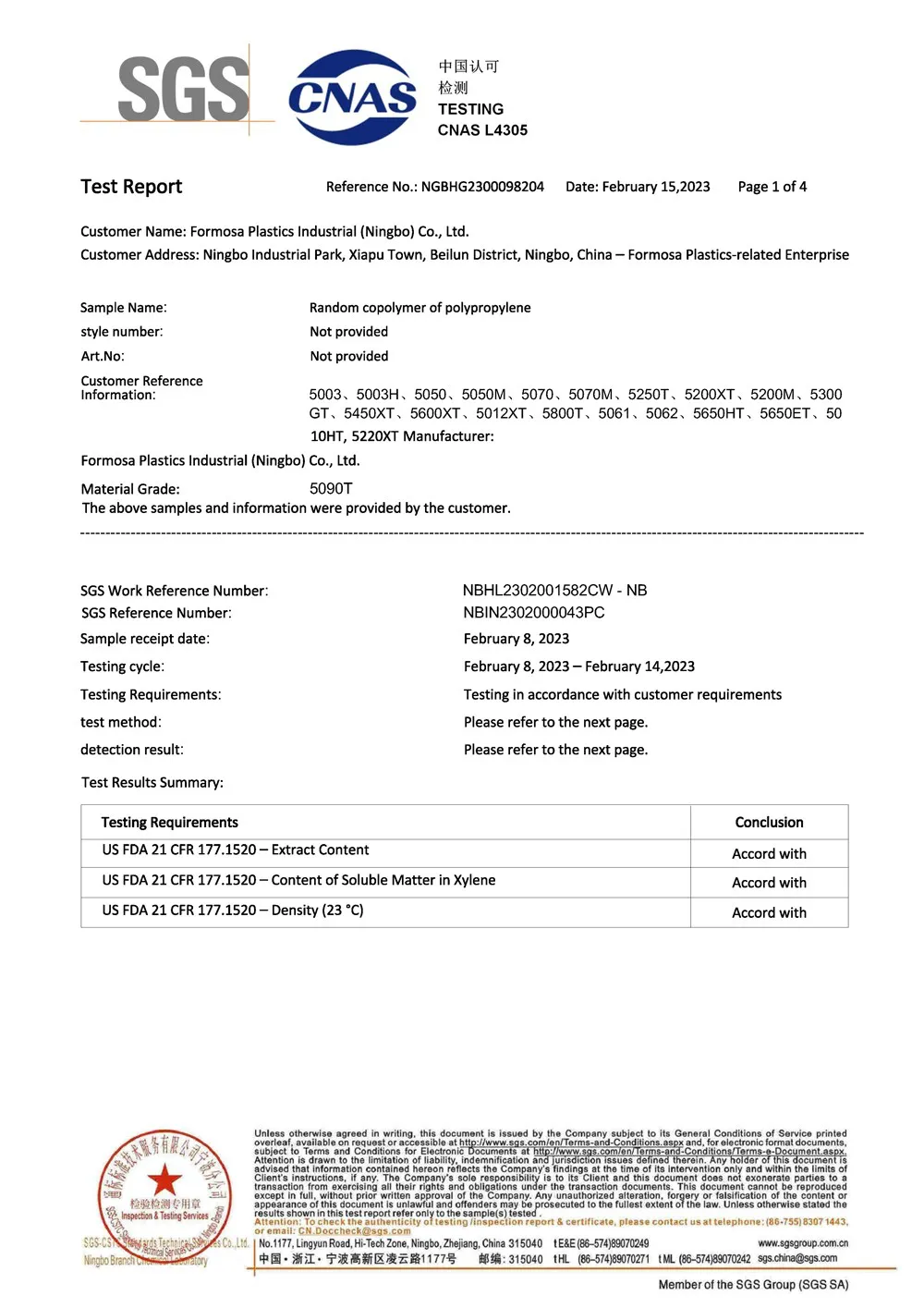
Food-grade HDPE cryogenic tubes are designed to meet strict FDA and EU regulations for food contact materials, ensuring they don't transfer harmful substances or alter the taste, color, or smell of the contents. This is especially important for sensitive ingredients like essential oils, flavor concentrates, or probiotics, which can degrade quickly at room temperature but remain stable when frozen.
For example, a company producing natural food flavorings might use HDPE cryogenic tubes to store vanilla extracts or citrus oils. By freezing these ingredients at -80°C or lower, they can extend shelf life from weeks to years without adding preservatives. Similarly, manufacturers of plant-based meats use cryogenic storage to keep lab-grown cells viable during production, ensuring consistency in texture and flavor.
Food-grade HDPE tubes also benefit from the same leak-proof and durable features as their medical counterparts. A food processing plant handling bulk quantities of frozen fruit puree, for instance, needs containers that can withstand repeated freezing and thawing without cracking or leaking—HDPE delivers on that front, reducing waste and ensuring product safety.
HDPE cryogenic tubes come in a range of sizes and configurations to suit different needs. Whether you're storing a tiny 0.5ml DNA sample or a 5ml batch of food extract, there's a tube designed for the job. Below is a breakdown of common specifications you might encounter when selecting HDPE cryogenic tubes:
| Volume | Typical Application | Closure Type | Temperature Range | Sterility Level |
|---|---|---|---|---|
| 0.5ml – 2ml | DNA/RNA samples, small cell cultures | Screw cap with silicone gasket | -196°C to -20°C | DNase/RNase-free, sterile |
| 2ml – 5ml | Blood plasma, vaccine doses, food extracts | Flip-top cap or press-fit closure | -196°C to -40°C | Sterile (EO/gamma irradiated) |
| 5ml+ | Bulk cell cultures, large food batches | Threaded cap with O-ring seal | -150°C to -80°C | Food-grade compliant |
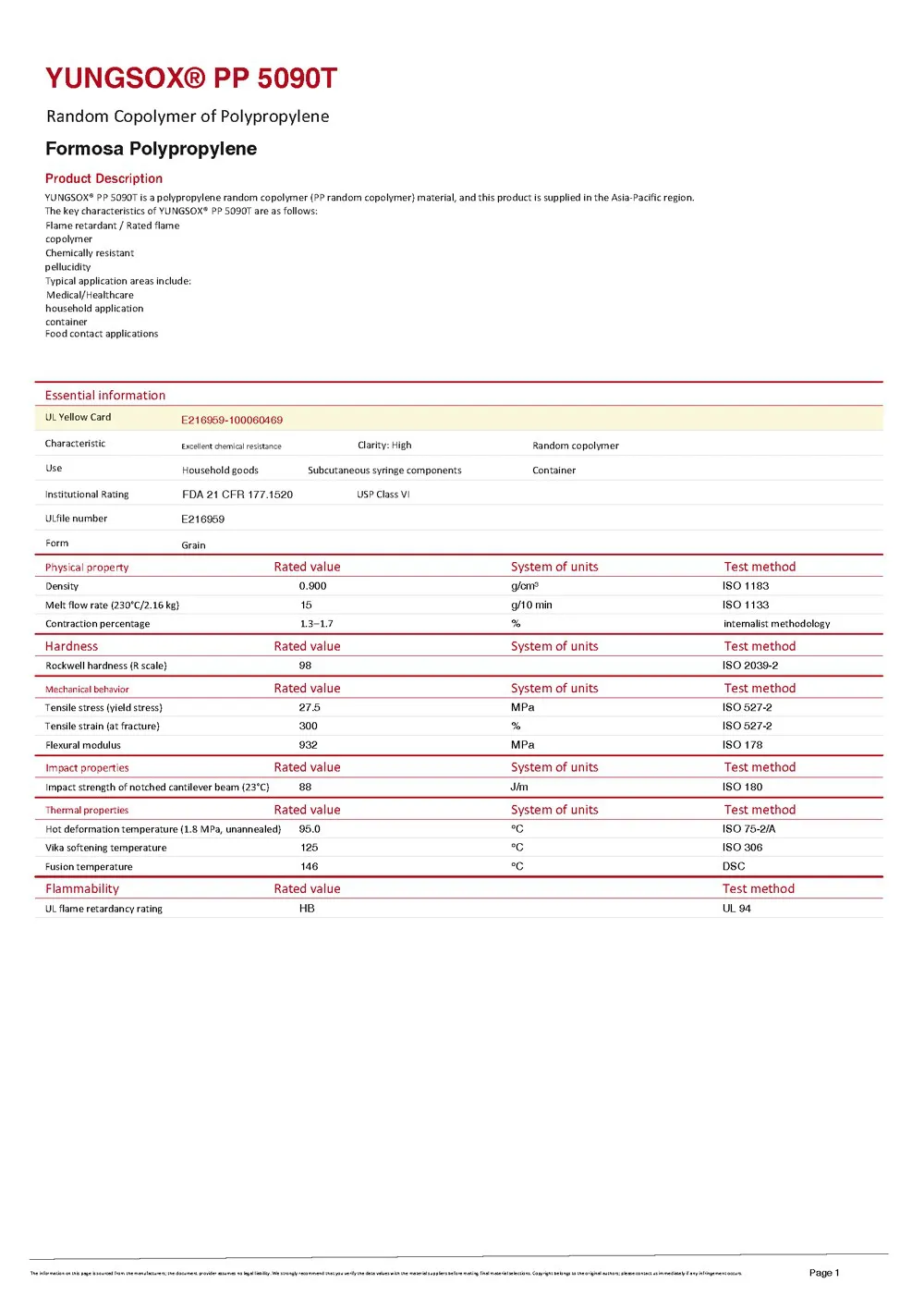
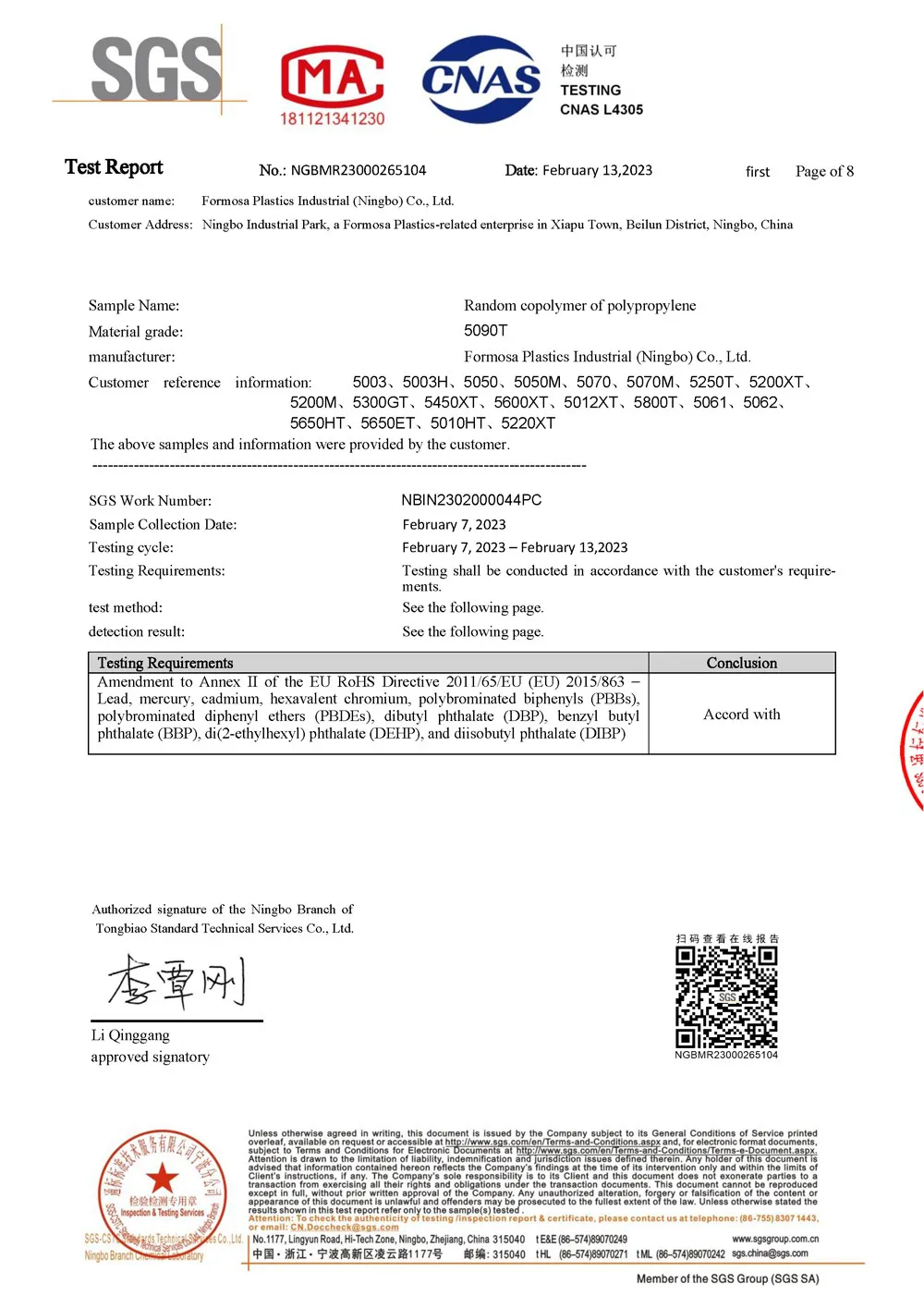
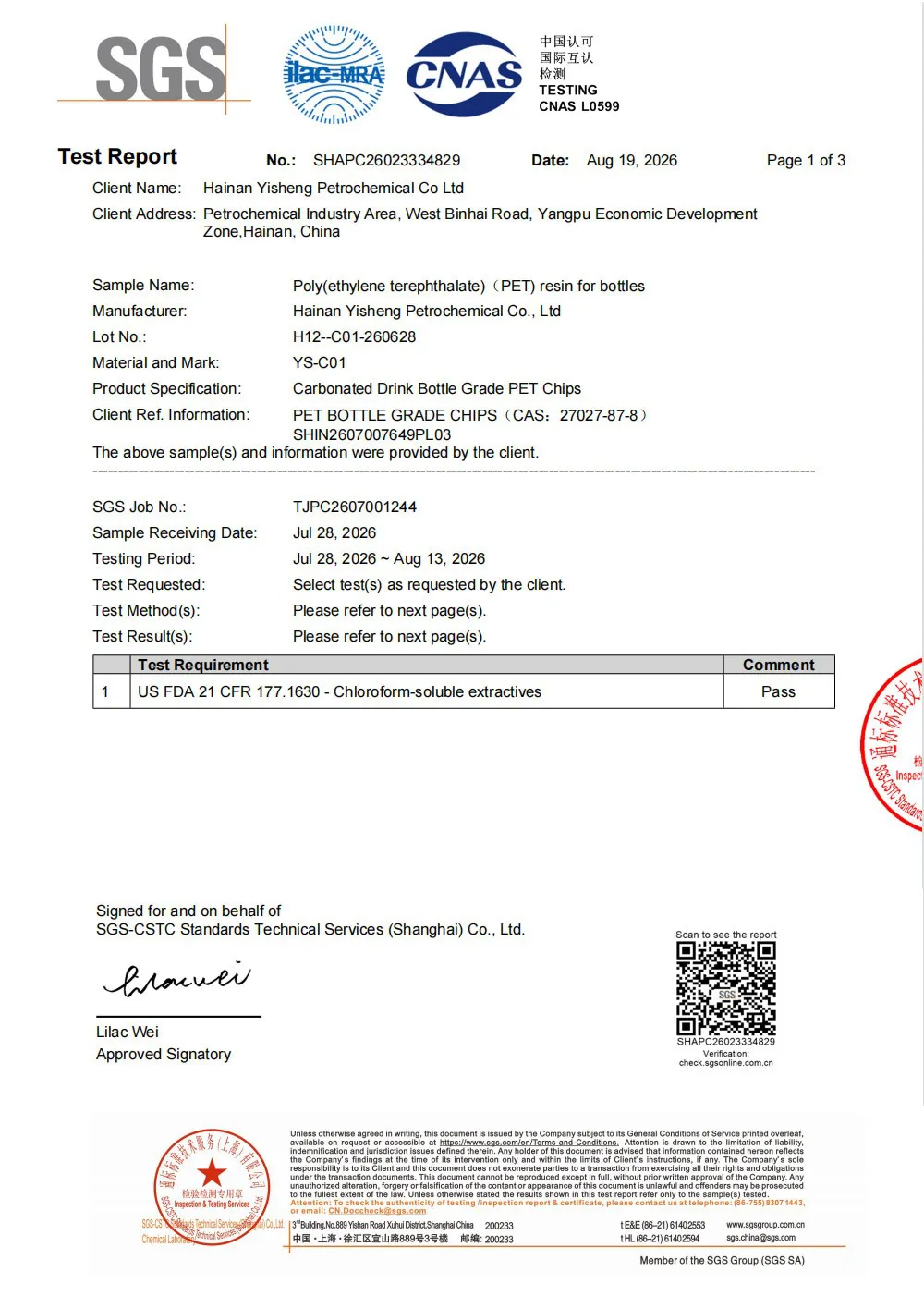
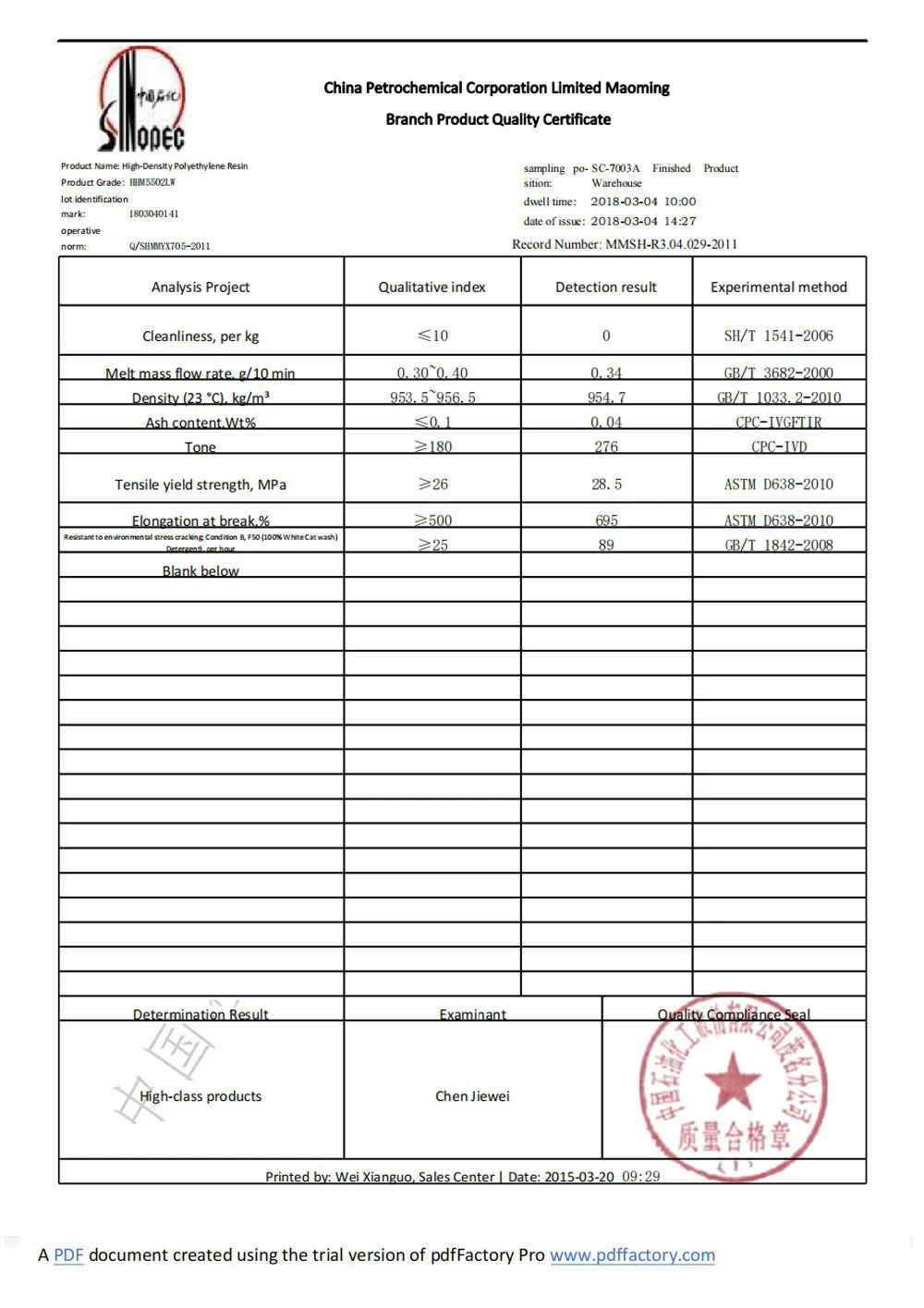
In addition to size, it's important to look for certifications that align with your industry. Medical applications often require compliance with ISO 13485 (for medical devices) or GMP (Good Manufacturing Practices), while food-grade tubes should meet FDA 21 CFR 177.1520 (for polyethylene in food contact). Reputable manufacturers will also provide batch-specific certificates of analysis (COAs) to verify purity and sterility.
With so much riding on the quality of your cryogenic tubes, selecting the right manufacturer is a decision that shouldn't be taken lightly. Here are a few key factors to consider:
Remember, the cheapest option isn't always the best. Investing in high-quality HDPE tubes from a trusted manufacturer can save you time, money, and heartache in the long run—especially when the samples or products you're preserving are irreplaceable.
As industries evolve, so too do the demands on cryogenic storage. Today, sustainability is a growing concern, and manufacturers are responding by developing HDPE tubes made from recycled or bio-based resins, without compromising on performance. Imagine a future where even the tubes preserving life-saving samples are eco-friendly—a win for both science and the planet.
Innovation is also driving improvements in design. New closure systems are being developed to make tubes easier to open with gloves (a boon for lab technicians working in cold rooms), while advanced labeling technologies ensure samples can be tracked digitally, reducing the risk of human error. For food applications, we're seeing the rise of HDPE tubes with built-in tamper-evident features, giving consumers added confidence in the products they buy.
HDPE cryogenic tubes may be small in size, but their impact is enormous. They're the silent partners in medical breakthroughs, the protectors of food safety, and the enablers of innovation. Whether you're a researcher working on a cure for a rare disease or a food scientist developing the next superfood, the right cryogenic tube can make all the difference.
So the next time you see a rack of these unassuming tubes in a lab or factory, take a moment to appreciate what they represent: the power of science, the precision of engineering, and the commitment to preserving what matters most. With HDPE leading the way, the future of cryogenic storage looks brighter—and colder—than ever.