Email: info@mggpacking.com | Tel: +86-13510174848 ( Mr. Yao)


When you're building a brand—whether it's a cutting-edge pharmaceutical line or a trendy new skincare collection—your packaging does more than just hold your product. It's the first impression customers get, the silent ambassador of your quality, and often the reason someone picks your bottle off the shelf instead of a competitor's. But behind every standout bottle, every perfectly shaped container, there's a hidden hero: the mold that brings it to life. That's where custom mold design comes in—not just as a service, but as the foundation of your packaging success.
Think about it: a generic mold might get the job done, but it won't capture the unique essence of your brand. Maybe you need a curved bottle that fits perfectly in a customer's hand, or a specialized neck design for a leak-proof sprayer. Or perhaps you're working with sensitive medical products that demand precise dimensions to meet strict safety standards. Whatever your vision, the right mold design turns those ideas into reality—and the wrong one? It can lead to uneven walls, inconsistent sizing, production delays, and even product recalls. That's why choosing a partner who specializes in custom mold design for plastic bottles isn't just a smart move; it's essential.
Let's start with the basics: off-the-shelf molds are designed to be one-size-fits-all, and in packaging, "one size" rarely fits anyone well. Maybe you've seen it before—bottles that look slightly lopsided, caps that don't seal tightly, or labels that wrinkle because the surface isn't smooth. These issues often trace back to a mold that wasn't tailored to the product's specific needs. For example, a skincare brand using a generic pump bottle mold might find that the pump mechanism doesn't dispense the right amount of serum, leading to customer complaints about waste or ineffectiveness. Or a pharmaceutical company relying on a standard pill bottle mold could face regulatory headaches if the bottle's child-resistant cap doesn't align perfectly with the neck, failing safety tests.
Custom mold design solves these problems by starting with your unique requirements. It's about collaboration: your team brings the vision (the bottle shape, the material, the functionality), and the mold designers translate that into a tool that can produce consistent, high-quality containers—run after run. And when we say "durable tooling," we mean molds built to last. Not just for a few thousand units, but for the long haul—supporting your growth from small-batch launches to mass production without compromising on quality.
Creating a custom mold isn't just about drawing a shape on a screen. It's a process that combines technical expertise with a deep understanding of your brand goals. Here's how we turn your ideas into production-ready molds:
We start by sitting down with you—virtually or in person—to dig into the specifics. What's the product? (Is it a thick lotion that needs a wide mouth, or a thin serum that requires a precision dropper?) Who's your audience? (Luxury consumers who expect a sleek, weighty bottle, or eco-conscious buyers drawn to lightweight, sustainable designs?) What regulations do you need to meet? (Pharmaceutical products might require FDA compliance, while cosmetics could need EU REACH certifications.) Even small details matter: Do you want an embossed logo on the bottle? A frosted finish? These all influence the mold design.
Once we have a clear picture, our design team gets to work with 3D modeling software. This isn't just about creating a pretty image; it's about engineering a mold that accounts for every variable. We simulate how the plastic will flow during injection, where air bubbles might form, and how the mold will cool to prevent warping. Then, we share the 3D renderings with you for feedback—so you can tweak the curve of the bottle, adjust the height of the neck, or refine the cap fit before a single piece of steel is cut. It's like test-driving your mold before committing, which saves time and money down the line.
Here's where the "durable tooling" promise comes to life. We don't cut corners on materials. For most projects, we use high-grade steel like P20 or 718H, which undergoes heat treatment to reach a hardness of HRC 30-35. Why does that matter? Harder steel resists wear, even when producing hundreds of thousands of bottles. A well-made mold can run for years without losing precision, whereas a cheaper mold might start degrading after just a few thousand cycles—leading to inconsistent bottles and costly replacements.
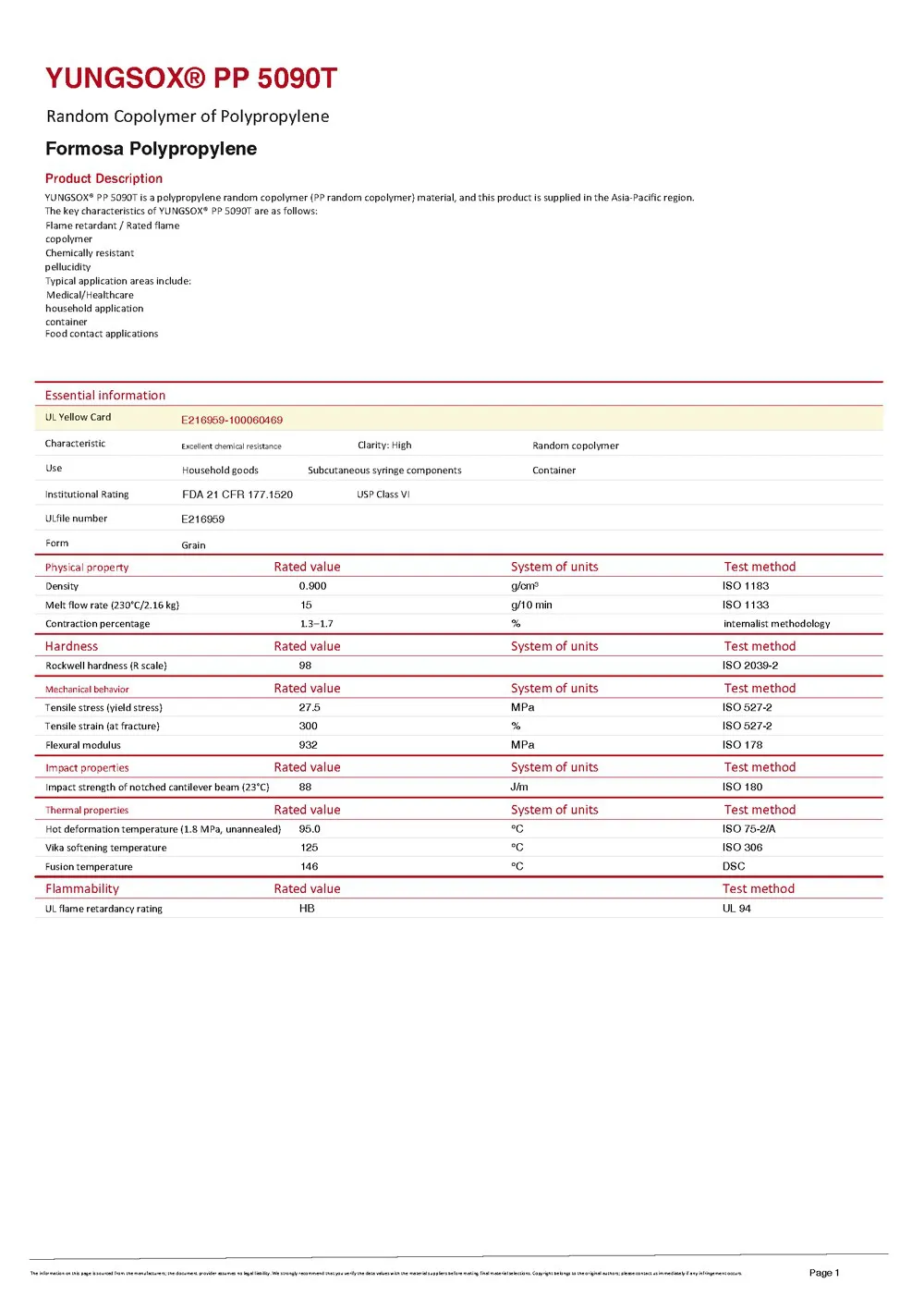
We also pay attention to the small engineering details: cooling channels that ensure even temperature distribution, precision machining to keep tolerances tight (we're talking ±0.02mm here), and surface finishes that translate to smooth, blemish-free bottles. For example, when designing a mold for medical grade plastic bottles , we add extra polish to the mold's cavity to prevent bacteria buildup—a critical detail for pharmaceutical clients.
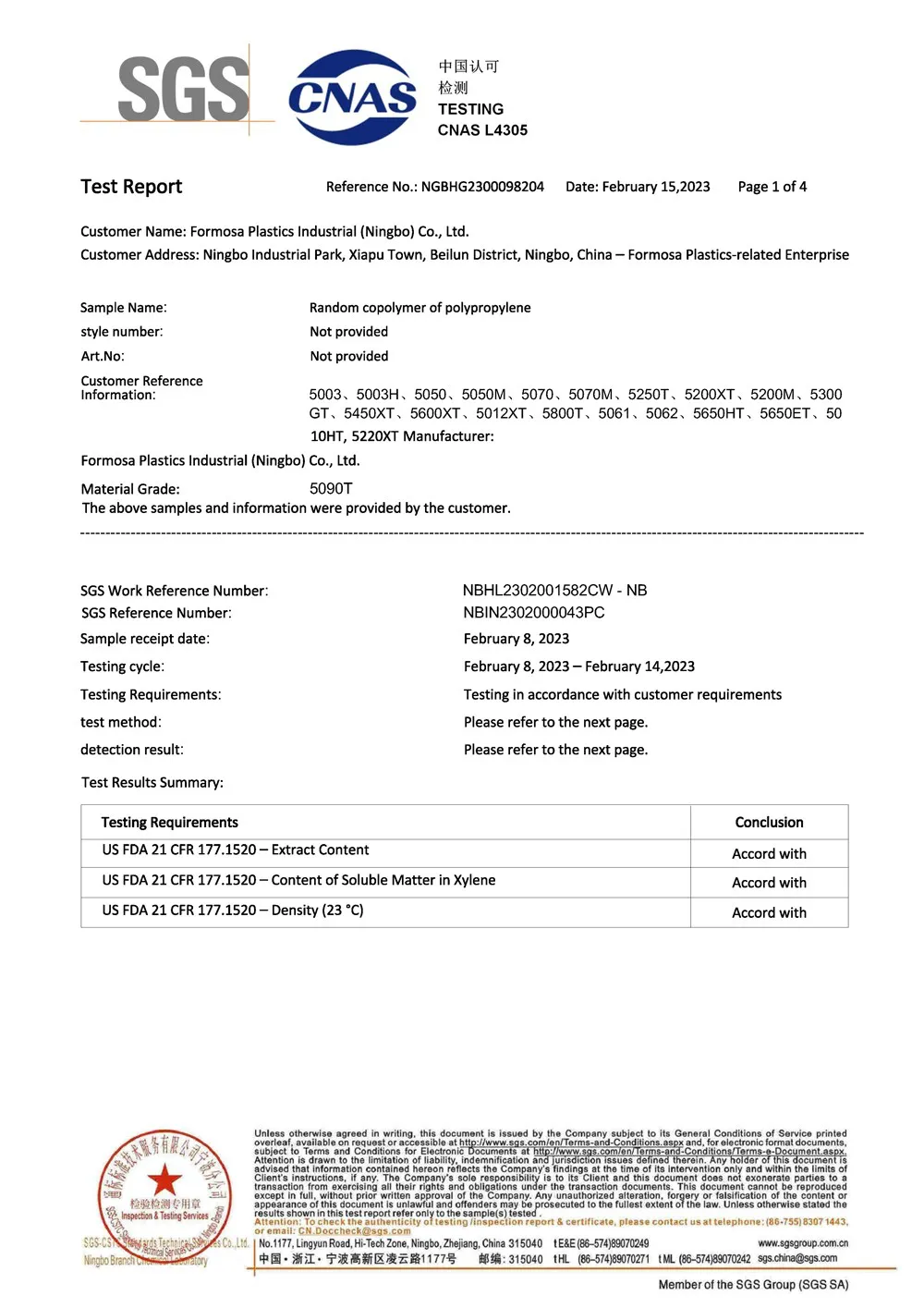
The final step before full production? Testing the mold— for free . We run a small batch of bottles using your chosen material (HDPE, PET, whatever fits your needs) and send them to you for inspection. Check the dimensions, test the functionality (does the sprayer work? Does the cap seal?), and make sure it matches your vision. If something's off—maybe the logo isn't embossed deeply enough, or the bottle feels too light—we tweak the mold at no extra cost. It's our way of ensuring you're 100% satisfied before we start mass production.
"Long runs" isn't just a buzzword—it's about supporting your business as it scales. Let's say you launch a new roll-on deodorant line and it takes off faster than expected. Suddenly, you need 500,000 bottles instead of 50,000. A flimsy mold might start showing signs of wear halfway through production, leading to bottles with uneven walls or misaligned caps. But with our durable tooling, you can count on consistent quality, even when ramping up production. Our molds are designed to handle high-volume runs without sacrificing precision—saving you time, reducing waste, and keeping your supply chain on track.
Take one of our pharmaceutical clients, for example. They needed a custom HDPE pill bottle mold to produce 2 million units annually for their vitamin line. We designed a mold using 718H steel with reinforced cooling channels to handle the high production speed. Three years later, that same mold is still in use, producing bottles that meet their exact specifications—no rework, no delays, and no unexpected mold replacement costs.
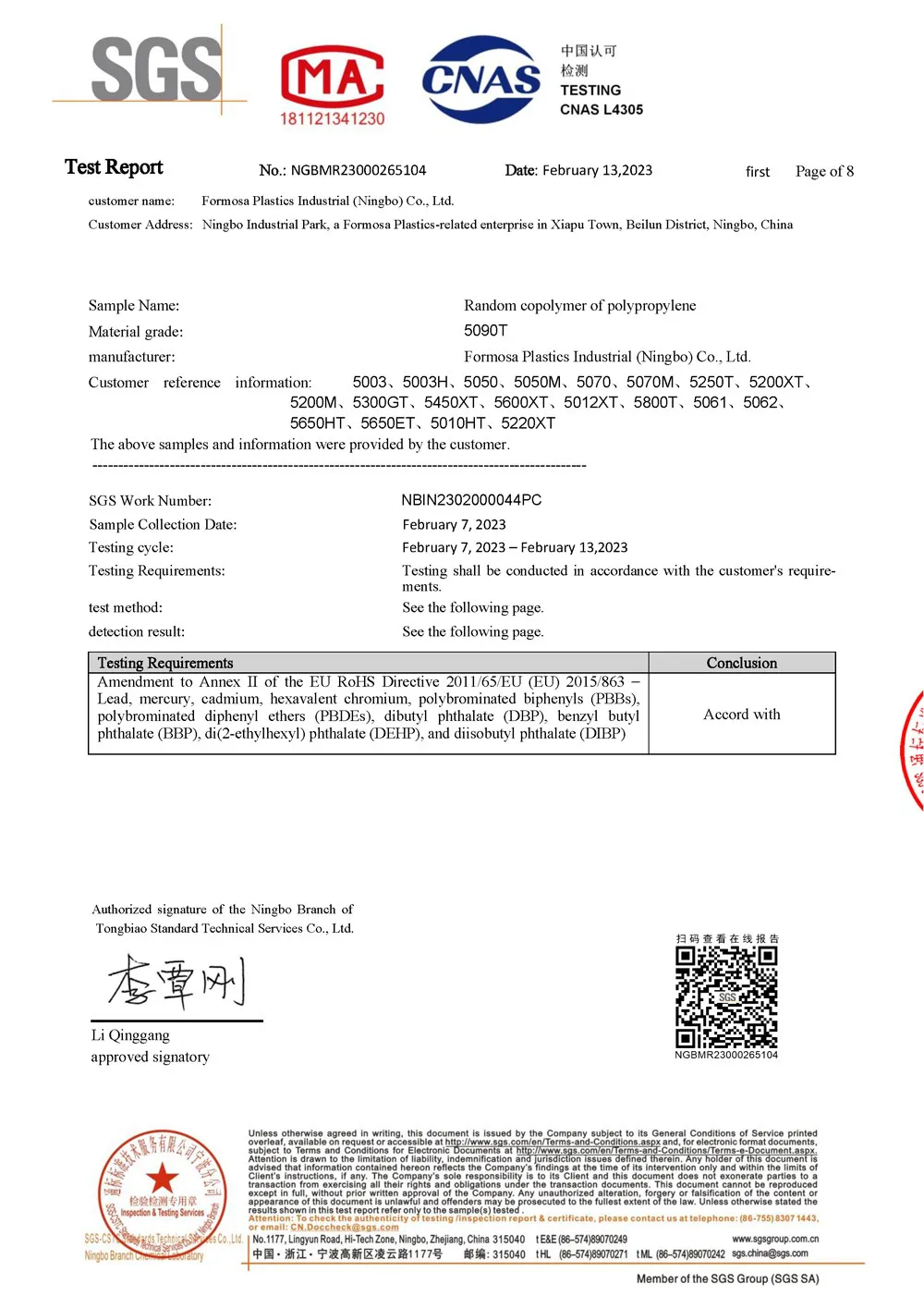
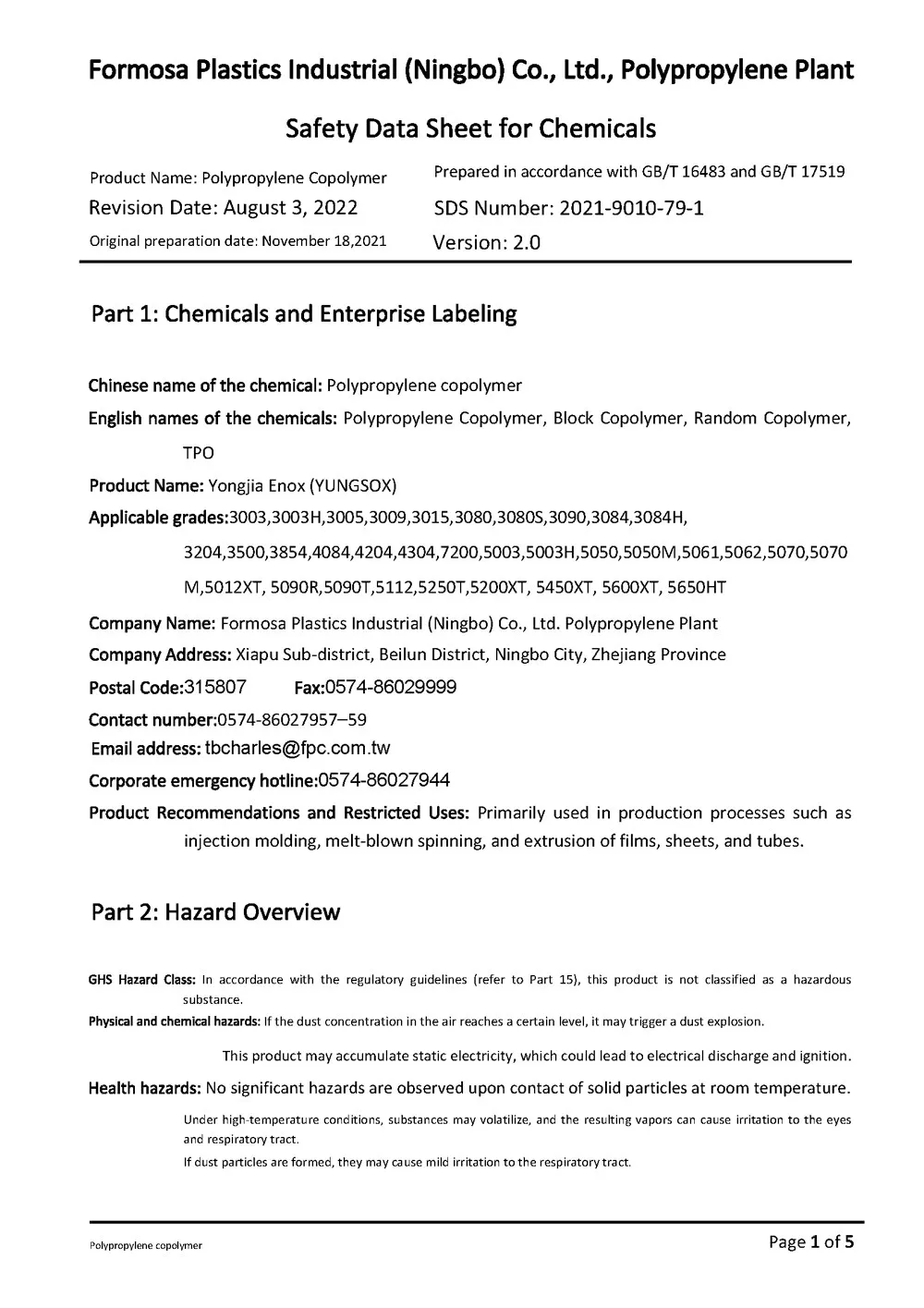
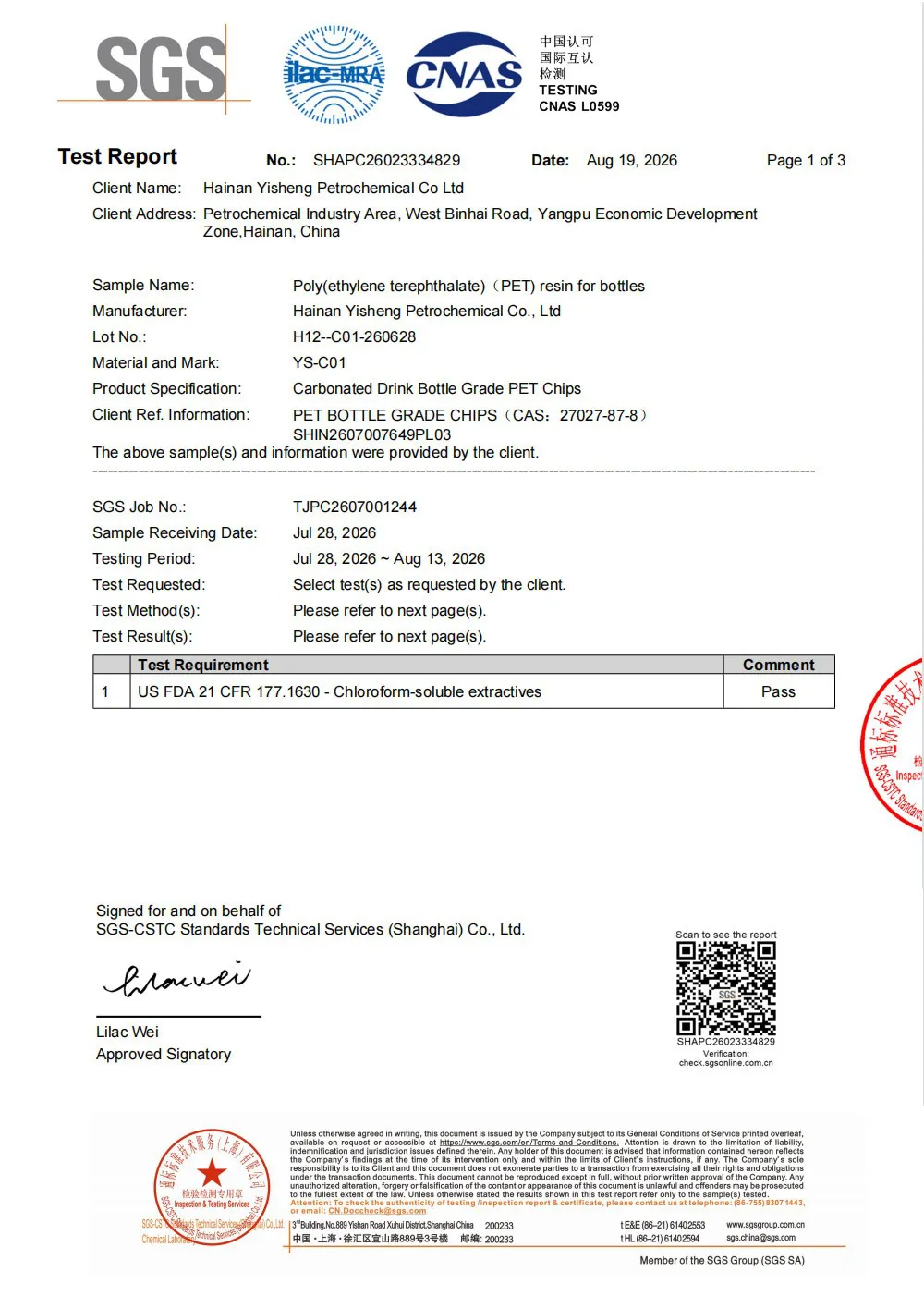
A great mold is only part of the equation. To truly deliver packaging that meets the highest standards—especially for sensitive industries like pharmaceuticals and cosmetics—you need the right infrastructure behind it. That's why we're proud to be an iso9001 certified packaging factory with a dust-free gmp compliant workshop . These aren't just certifications on a wall; they're daily practices that protect your product.
| What It Means | Why It Matters for Your Packaging |
|---|---|
| ISO 9001 Certification | Ensures our mold design and production processes follow strict quality control standards—from material sourcing to final inspection. You'll get consistent, reliable results, every time. |
| Dust-Free GMP Workshop | Essential for medical and cosmetic packaging. Our controlled environment minimizes contamination risks, critical for products like serum bottles or pharmaceutical containers that come into direct contact with sensitive ingredients or medications. |
Imagine you're producing a high-end facial oil in a dropper bottle. Even a tiny dust particle inside the bottle could ruin the product's clarity—and your brand's reputation. In our GMP-compliant workshop, air filtration systems remove 99.97% of particles 0.3 microns or larger, ensuring your bottles are as clean as the formulas they hold. For pharmaceutical clients, this level of cleanliness isn't optional—it's required to meet regulatory standards like FDA and EU GMP guidelines.
The best way to understand the impact of custom mold design is to see it in action. Here are a few examples of how we've helped clients turn their packaging visions into reality:
A biotechnology company approached us needing custom cryogenic tubes—containers used to store biological samples at -196°C. These tubes require extreme precision: the walls must be thick enough to withstand freezing temperatures without cracking, and the caps must seal perfectly to prevent contamination. Using 3D modeling, we designed a mold with reinforced walls and a specialized thread design for the cap. We tested the mold by producing 1,000 sample tubes, then froze them to -196°C to simulate real-world use. The result? Tubes that met their strict specifications, with zero leaks or structural failures. Today, that mold produces over 500,000 tubes annually for their global research clients.
A skincare brand wanted a unique roller bottle for their new line of essential oil blends. They wanted the bottle to feel weighty in the hand, with a frosted finish and a custom embossed logo. We designed a mold with a textured surface to create the frosted effect and added precision engraving for the logo. During testing, they realized the bottle felt too heavy, so we adjusted the wall thickness—thinning the body slightly while keeping the base sturdy for stability. The final design? A bottle that looked premium, felt comfortable to use, and became a signature part of their brand identity.
These days, "sustainable" isn't just a trend—it's a expectation. Consumers want packaging that's kind to the planet, and brands are racing to meet that demand. The good news? Custom mold design plays a key role in making sustainable packaging possible. We're seeing more clients ask for molds that work with recycled materials like PCR (post-consumer resin) plastic, which can be trickier to mold than virgin plastic due to its varying consistency. Our team has the expertise to adjust mold designs—tweaking injection speeds, temperature settings, and cooling times—to ensure recycled plastics flow smoothly and produce strong, durable bottles.
For example, a client recently wanted to switch their line of shampoo bottles from virgin PET to 30% PCR PET. The original mold produced bottles with visible streaks (a common issue with PCR plastic). We modified the mold's gate design (the point where plastic enters the mold cavity) to reduce shear stress, and adjusted the cooling channels to prevent uneven cooling. The result? Bottles that looked just as clear and professional as the virgin plastic version, but with a 30% lower carbon footprint. That's the power of custom mold design—turning sustainability goals into achievable, high-quality packaging.
At the end of the day, choosing a mold design partner is about more than just technical skills. It's about finding a team that understands your industry, your goals, and the unique challenges of bringing a product to market. As an oem plastic container manufacturer with years of experience in pharmaceutical, cosmetic, and personal care packaging, we bring a few key advantages to the table:
At the end of the day, packaging is about storytelling. It tells customers who you are, what you value, and why your product is worth their trust. And every great story needs a strong foundation—that's the mold. Whether you're launching a new line of skincare, scaling a pharmaceutical brand, or innovating in personal care, custom mold design for plastic bottles isn't just a service. It's the first step in turning your vision into a packaging solution that stands out, performs flawlessly, and grows with your brand.
So why settle for generic when you can have packaging that's uniquely yours? With durable tooling, industry expertise, and a commitment to quality, we're here to build the mold that brings your brand's story to life—one bottle at a time.