Email: info@mggpacking.com | Tel: +86-13510174848 ( Mr. Yao)


In the world of packaging, the smallest components often play the biggest roles. Take disc top caps, for example—those unassuming closures that snap open with a gentle press and seal shut with a satisfying click. They're the unsung heroes of countless products, from the body wash in your shower to the hand sanitizer on your desk, and even the lotion in your travel bag. But not all disc top caps are created equal. When it comes to ensuring safety, consistency, and quality, two certifications stand out: ISO 9001 and GMP. For brands and manufacturers, choosing 24/410 plastic disc caps backed by both certifications isn't just a preference—it's a commitment to excellence. Let's dive into why these dual certifications matter, what makes 24/410 disc caps a industry staple, and how they elevate your packaging from ordinary to exceptional.
First things first: what exactly are 24/410 plastic disc top caps? Let's break down the numbers. The "24" refers to the diameter of the cap in millimeters, while "410" indicates the thread finish—a standard measurement that ensures compatibility with bottles of the same thread size. This 24mm diameter is a sweet spot in packaging, fitting most mid-sized bottles (think 100ml to 500ml) commonly used for personal care, home care, and cosmetic products. The design is deceptively simple: a flat, disc-like top with a small opening that pops open when pressed and snaps closed when released. This user-friendly mechanism makes them ideal for products that need frequent, one-handed access—no twisting, no unscrewing, just a quick press to dispense.
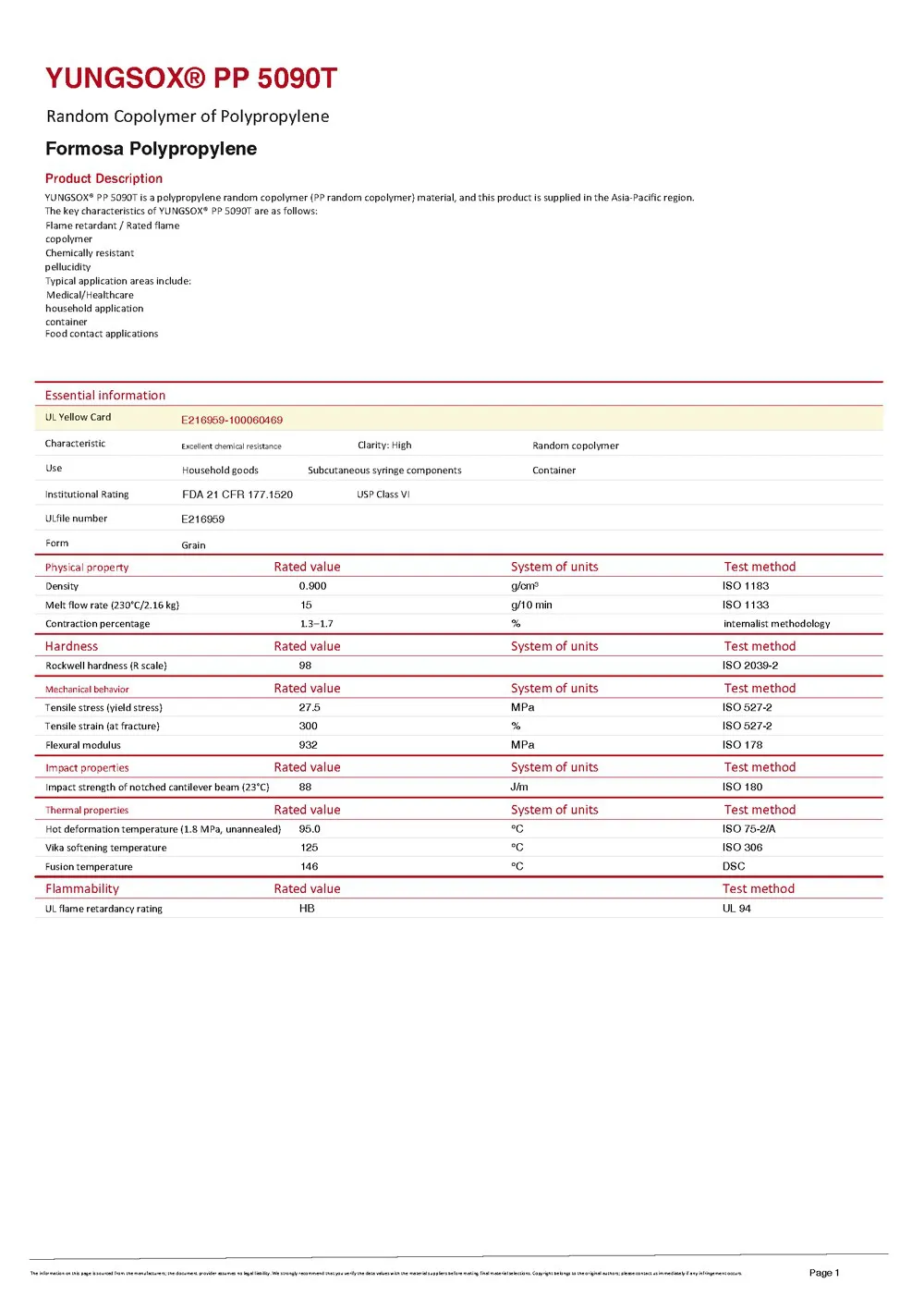
Materials matter here, too. Most 24/410 disc top caps are made from polypropylene (PP) or high-density polyethylene (HDPE), chosen for their durability, flexibility, and resistance to chemicals. PP offers a smooth finish and excellent impact strength, while HDPE provides added toughness and moisture resistance—both crucial for withstanding the rigors of shipping, storage, and daily use. Whether you're packaging a thick lotion, a thin hand soap, or a fragrant body wash, these materials ensure the cap maintains its shape and seal over time.
But what truly sets 24/410 disc caps apart is their versatility. They're the go-to choice for brands across industries: cosmetics companies love them for serums and lotions, personal care brands rely on them for shampoos and conditioners, and home care manufacturers use them for liquid soaps and surface cleaners. Even pharmaceutical and nutraceutical companies turn to them for certain topical products, thanks to their reliable seal. In short, if there's a liquid or gel product that needs easy, mess-free dispensing, chances are it's paired with a 24/410 disc top cap. And when those caps are part of a broader range of "disc top caps and closures," they become even more valuable—offering consistency across product lines and simplifying inventory management for brands.
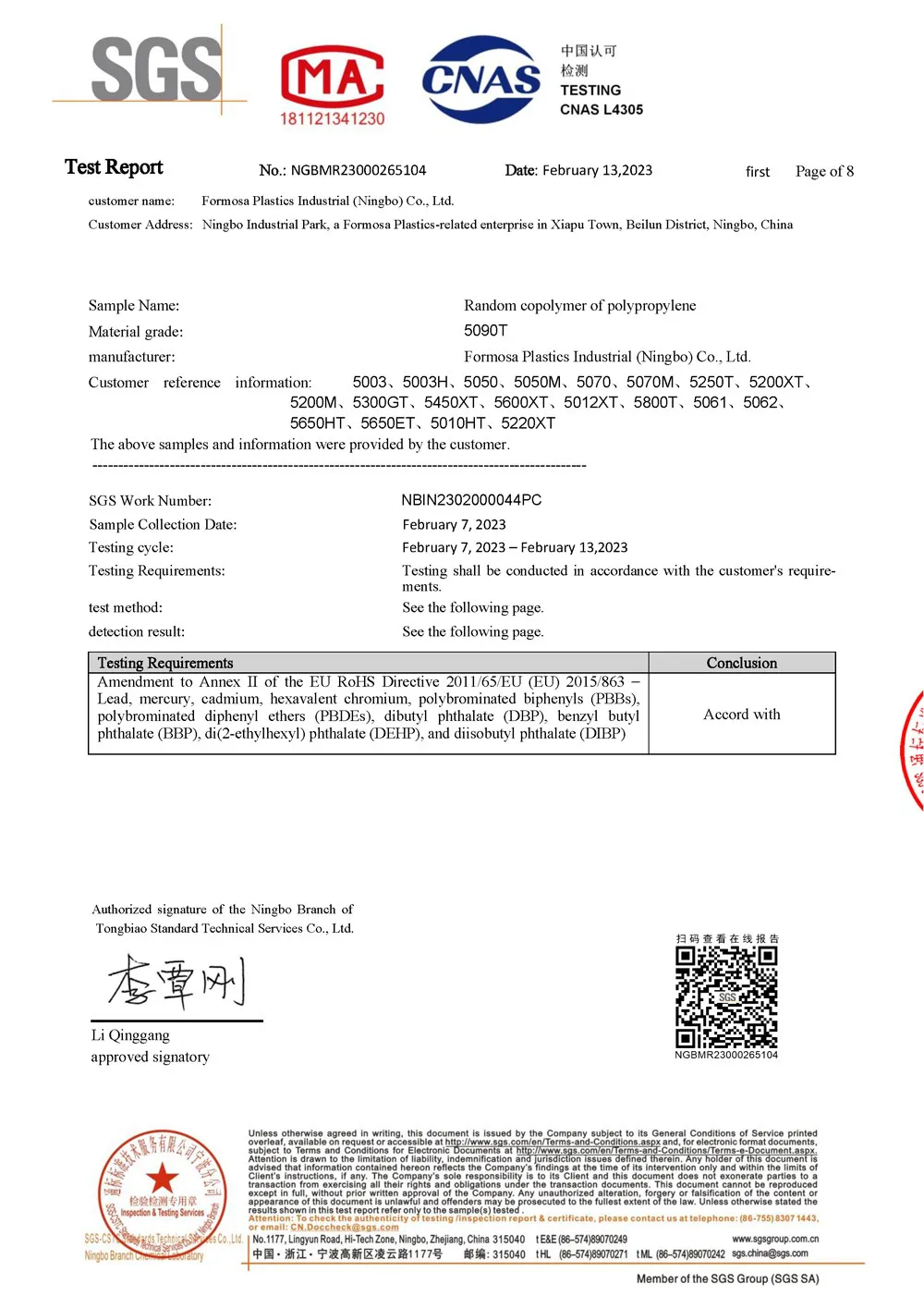
Now, let's talk about certifications. ISO 9001 isn't just a label—it's a globally recognized standard for quality management systems (QMS). Developed by the International Organization for Standardization (ISO), it sets out criteria for how a company should manage its processes to ensure consistent quality, meet customer expectations, and drive continuous improvement. For a packaging factory to earn ISO 9001 certification, it must undergo rigorous audits of its operations, from raw material sourcing to production, testing, and even customer service. This isn't a one-time achievement, either—certified factories must maintain compliance through regular audits, ensuring their processes evolve with industry changes and customer needs.
So, what does this mean for 24/410 disc top caps? An ISO 9001 certified packaging factory operates with a laser focus on process control. Every step of cap production—from designing the mold to mixing the plastic resin, from injection molding to quality checks—is documented, standardized, and monitored. This reduces variability, minimizes defects, and ensures that every cap that rolls off the production line meets the same high standards. For example, if a batch of caps shows inconsistent thickness, the ISO 9001 framework requires the factory to investigate the root cause (Was the mold temperature off? Did the resin batch have impurities?), correct it, and implement measures to prevent it from happening again. This level of accountability is why brands trust ISO 9001 certified suppliers—they know they're getting caps that perform consistently, batch after batch.
Beyond consistency, ISO 9001 certification also prioritizes customer satisfaction. Certified factories are required to gather feedback, address complaints promptly, and use that input to improve their products and services. For buyers sourcing 24/410 disc top caps wholesale, this means a partnership built on transparency. You'll have access to documentation, from material certificates to production records, giving you peace of mind that your caps meet your specifications. In a market where even a single defective cap can lead to product leaks, returns, or damaged brand reputation, ISO 9001 isn't just a certification—it's a safety net.
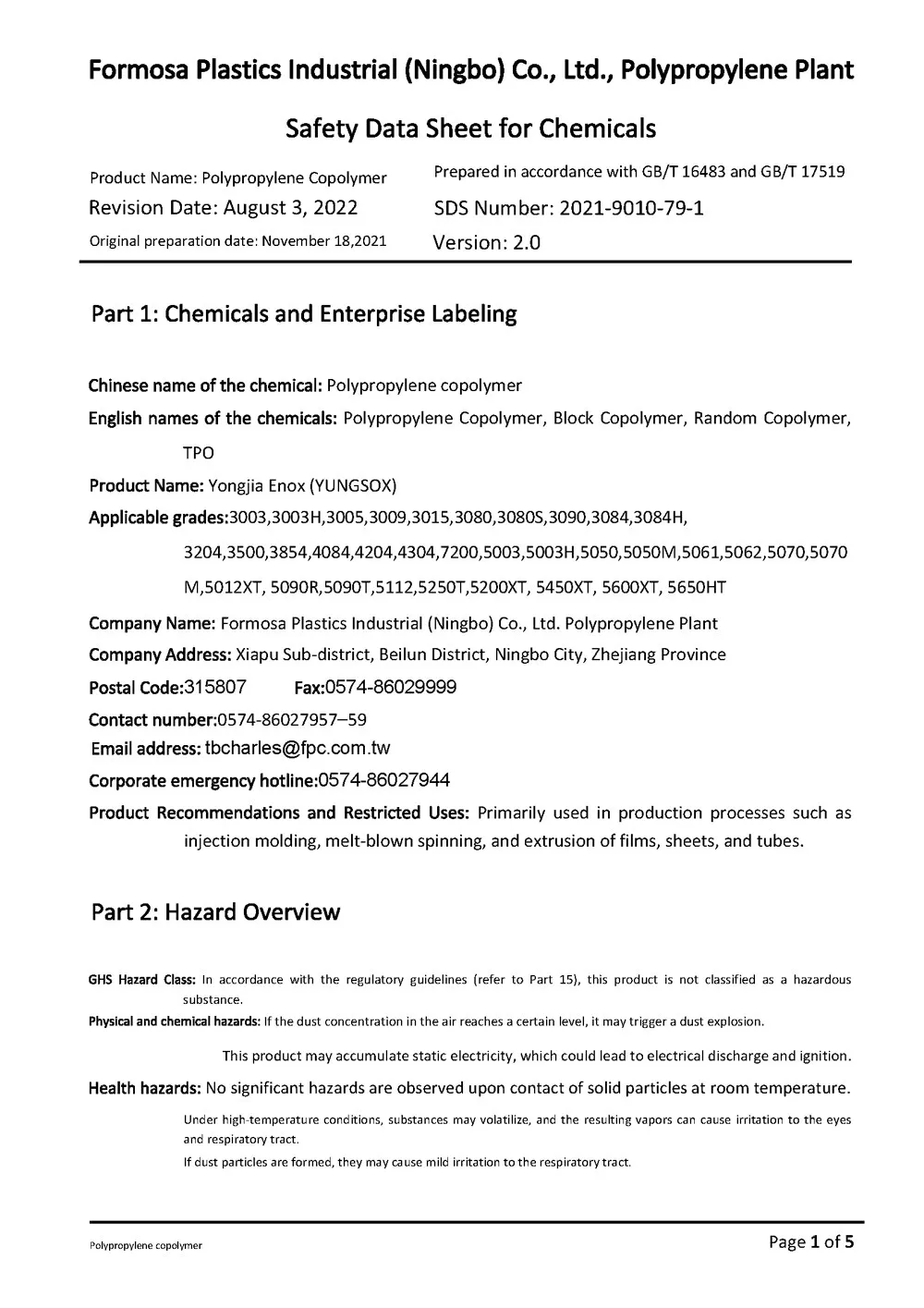
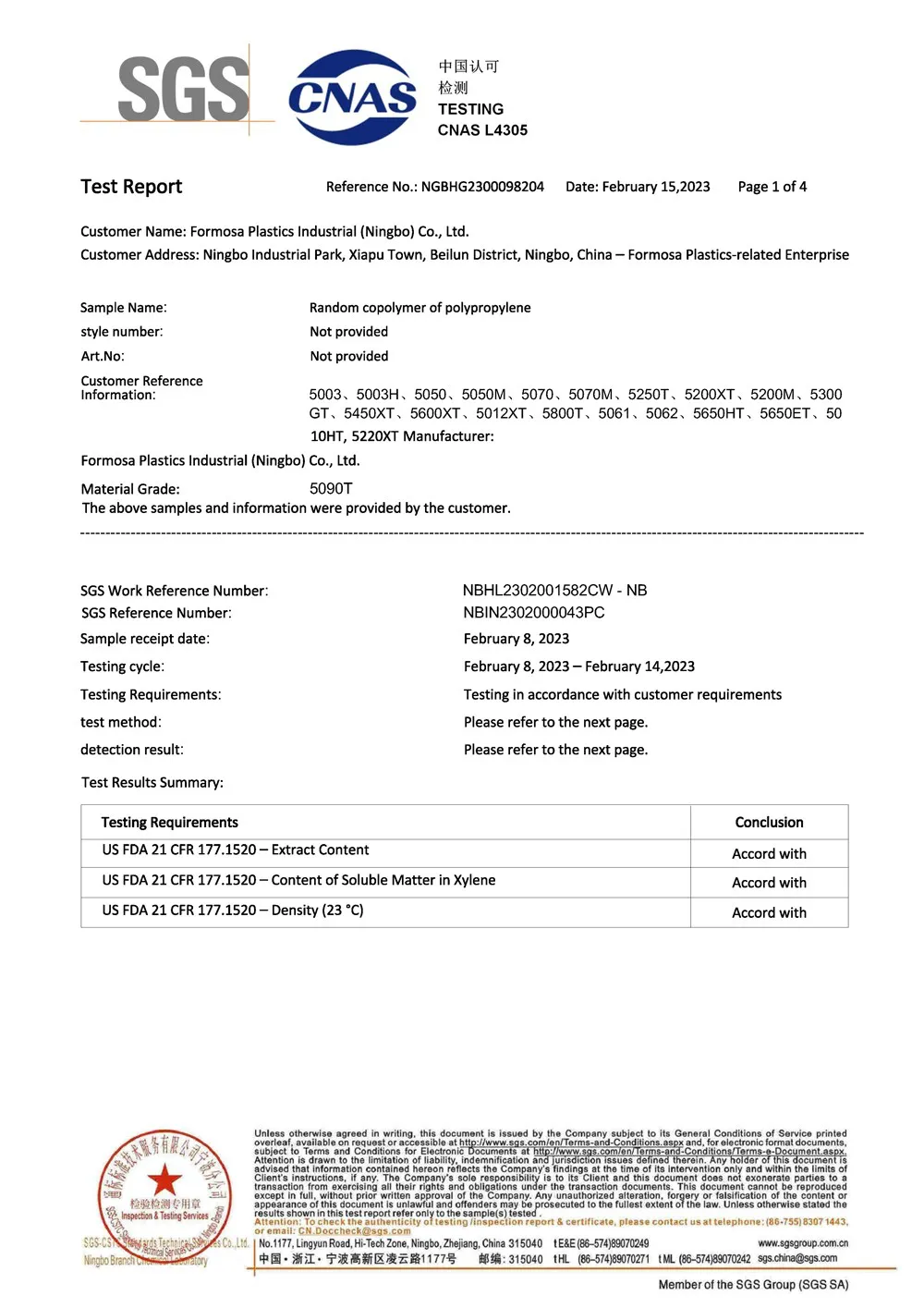
If ISO 9001 is about process excellence, GMP (Good Manufacturing Practices) is about product safety—especially when it comes to products that come into contact with skin, mucous membranes, or sensitive ingredients. GMP is a set of guidelines designed to ensure that products are consistently produced and controlled according to quality standards, with a strong focus on cleanliness, contamination prevention, and traceability. While GMP is often associated with pharmaceuticals, it's equally critical for cosmetic and personal care packaging, where even tiny particles of dust or bacteria can compromise product integrity.
At the heart of GMP compliance is the dust-free GMP compliant workshop —a controlled environment where air quality, temperature, and humidity are strictly regulated. These workshops are equipped with HEPA filters to remove airborne particles, positive air pressure to prevent outside contaminants from entering, and dedicated zones for different production stages (e.g., material handling, molding, assembly). Staff wear specialized attire, including hairnets, face masks, gowns, and shoe covers, to minimize human-shed contaminants. Even tools and equipment are regularly sanitized, and surfaces are made of non-porous materials that resist bacterial growth. For 24/410 disc top caps, which come into direct contact with liquids and gels, this level of cleanliness is non-negotiable. Imagine a cap produced in a dusty, unregulated factory: that dust could mix with your lotion or shampoo, leading to product spoilage or skin irritation. In a GMP-compliant workshop, that risk is virtually eliminated.
GMP also extends to material safety. Certified factories source raw materials from suppliers with their own quality certifications, ensuring that the PP or HDPE used in the caps is free from harmful chemicals, heavy metals, or impurities. For example, if a cap is intended for a cosmetic product with organic ingredients, GMP guidelines require the factory to verify that the plastic doesn't leach any substances that could react with those ingredients. This is especially important for products like serums with active components (think vitamin C or retinol) or essential oil blends, where purity is key to effectiveness.
ISO 9001 and GMP aren't competing standards—they're complementary. Together, they create a holistic approach to quality and safety that covers every aspect of 24/410 disc top cap production, from design to delivery. ISO 9001 ensures that the processes are efficient, consistent, and customer-focused, while GMP ensures that the products themselves are pure, safe, and fit for their intended use. Let's break down how this synergy works in practice.
Consider the lifecycle of a 24/410 disc top cap. It starts with design: under ISO 9001, the factory uses customer feedback and market trends to create a cap that's both functional and user-friendly. Then, material sourcing: GMP requires that the PP/HDPE is pharmaceutical-grade, free from contaminants, and traceable to its origin. Production happens in a dust-free GMP compliant workshop, where ISO 9001 process controls ensure that the molding machines are calibrated, the temperature is consistent, and each cap is inspected for defects (like cracks or uneven edges). After production, the caps undergo testing—leak testing, seal strength testing, and compatibility testing with different liquids—all documented under ISO 9001. Finally, packaging and shipping: GMP guidelines ensure that the caps are stored in clean, dry conditions, while ISO 9001 ensures that orders are fulfilled on time and accurately.
For brands, this dual certification means reduced risk. Let's say you're launching a new line of organic hand lotions. You need caps that won't react with your formula, won't leak during shipping, and will open smoothly for your customers. An ISO 9001 certified factory guarantees that the caps will be consistent—no surprises with fit or function. A GMP compliant workshop guarantees that the caps are free from contaminants that could spoil your organic ingredients. Together, they ensure that your product reaches customers in perfect condition, every time. It's no wonder that buyers increasingly prioritize dual certification when sourcing 24/410 disc top caps wholesale—they're not just buying a cap; they're buying peace of mind.
Dual certification is only part of the story—24/410 disc top caps from ISO 9001 and GMP certified factories also come with features that set them apart from generic alternatives. Let's explore some of these critical features:
One of the most important features of high-quality disc top caps is the liner. Many dual-certified caps come with aluminum foil liners —a thin layer of aluminum sandwiched between plastic layers that melts slightly when the cap is applied, creating an airtight, moisture-proof seal. This liner acts as a barrier against oxygen, moisture, and contaminants, keeping products fresh for longer. For example, a shampoo with natural oils needs protection from oxidation (which can make it go rancid), and a hand sanitizer needs to maintain its alcohol content without evaporation. Aluminum foil liners deliver that protection, ensuring your product stays effective from the first use to the last. ISO 9001 and GMP standards ensure that the liners are applied consistently, with no wrinkles or gaps that could compromise the seal.
In today's competitive market, packaging is a key part of branding—and color plays a big role. Dual-certified suppliers understand this, which is why they offer custom color plastic caps that match your brand's Pantone shades. Whether you need vibrant red caps for a bold cosmetics line or soft pastels for a luxury skincare brand, certified factories can color-match with precision. And because they're ISO 9001 certified, you can trust that the color will be consistent across batches—no fading, no variation, just a seamless brand experience. GMP guidelines also ensure that the colorants used are food-grade and non-toxic, so they won't leach into your product or cause skin irritation.
A cap that leaks is a cap that fails—and dual-certified caps are rigorously tested to prevent this. Under ISO 9001, factories conduct pressure testing, vibration testing, and temperature cycling to ensure the caps can withstand the stresses of shipping and storage. For example, a cap might be attached to a bottle filled with water, then shaken vigorously or exposed to extreme temperatures (from freezing cold to sweltering heat) to check for leaks. GMP adds an extra layer of scrutiny, ensuring that the seal remains intact even when the product is in contact with different formulations (oils, alcohols, acids). The result? A cap that you can trust to keep your product inside the bottle, not on the shelf or in your customer's bag.
Dual-certified 24/410 disc top caps aren't just for "high-end" brands—they're for any brand that values quality, safety, and customer trust. Let's look at some industries where they make the biggest impact:
To put this into perspective, let's compare dual-certified 24/410 disc top caps with non-certified alternatives. The table below highlights the key differences:
| Feature | Dual-Certified (ISO 9001 + GMP) Caps | Non-Certified Caps |
|---|---|---|
| Consistency | Strict process controls ensure uniform size, fit, and function across batches. | Inconsistent thickness, fit, or seal strength; higher risk of defects. |
| Contamination Risk | Produced in dust-free workshops with HEPA filtration and sanitized equipment; minimal risk of bacteria or particles. | Produced in unregulated environments; higher risk of dust, debris, or microbial contamination. |
| Material Safety | Raw materials are pharmaceutical-grade, tested for harmful substances, and traceable. | May use recycled or low-quality plastics with unknown additives or impurities. |
| Regulatory Compliance | Meets global standards (FDA, EMA, ISO) for cosmetics, pharma, and personal care. | May not meet regulatory requirements, increasing the risk of product recalls or fines. |
| Customer Trust | Certifications signal a commitment to quality, enhancing brand reputation. | Lack of transparency may erode customer trust in product safety. |
Dual certification is a strong starting point, but there's more to choosing a 24/410 disc top cap supplier than just checking a box. Here are a few key factors to consider:
Your brand is unique, and your caps should be too. Look for a supplier that offers custom color options (Pantone matching), embossed logos, or special finishes (matte, glossy, metallic). A custom color plastic caps manufacturer with in-house mold design can even create unique shapes or features, helping your product stand out on the shelf.
Whether you need 10,000 caps for a small batch or 1 million for a large-scale launch, your supplier should be able to handle your volume needs. Many certified factories offer 24/410 disc top caps wholesale, with competitive pricing for bulk orders. They should also be transparent about lead times, so you can plan your production schedule accordingly.
Today's consumers care about the environment, and packaging is a big part of that. Look for suppliers that offer eco-friendly options, like caps made from recycled PP/HDPE or biodegradable materials. Even small steps, like using minimal packaging for cap shipments or reducing energy use in production, can make a difference.
A good supplier should be an extension of your team. They should provide regular updates on your order, share documentation (like material certificates or test reports) when requested, and be responsive to questions or concerns. Avoid suppliers that are vague about their processes or hesitant to share certification details—transparency is a sign of confidence in their products.
In a market flooded with generic packaging options, 24/410 plastic disc caps with ISO 9001 and GMP certifications stand out as a mark of excellence. They're not just closures—they're a promise: to your customers that your product is safe, to your team that you're minimizing risk, and to your brand that you're committed to quality. From the dust-free workshops where they're made to the aluminum foil liners that seal in freshness, every detail is designed to elevate your product and protect your reputation.
So, the next time you're sourcing disc top caps, remember: certifications matter. ISO 9001 ensures consistency, GMP ensures safety, and together, they ensure peace of mind. Whether you're a startup launching your first product or an established brand expanding your line, dual-certified 24/410 disc top caps are an investment in your success. After all, in packaging, as in life, the little things often make the biggest difference.