Email: info@mggpacking.com | Tel: +86-13510174848 ( Mr. Yao)


When you're working in a lab, every detail matters—especially when it comes to storing precious samples. Whether you're preserving cell cultures, DNA samples, or vaccines, the container you choose can make or break months of hard work. That's where cryotubes come in. These small but mighty plastic tubes are designed to withstand extreme cold, keeping your samples safe even at -196°C in liquid nitrogen. But not all cryotubes are created equal. Today, we're diving into two common designs: conical bottom and round bottom cryotubes. We'll break down their differences, when to use each, and why choosing a reliable manufacturer matters. As someone who's worked with labs and medical facilities for years, I've seen firsthand how the right cryotube can save time, reduce waste, and protect critical research. Let's start by understanding what makes a great cryotube—and why ISO 9001 and GMP certifications aren't just fancy labels, but promises of quality.
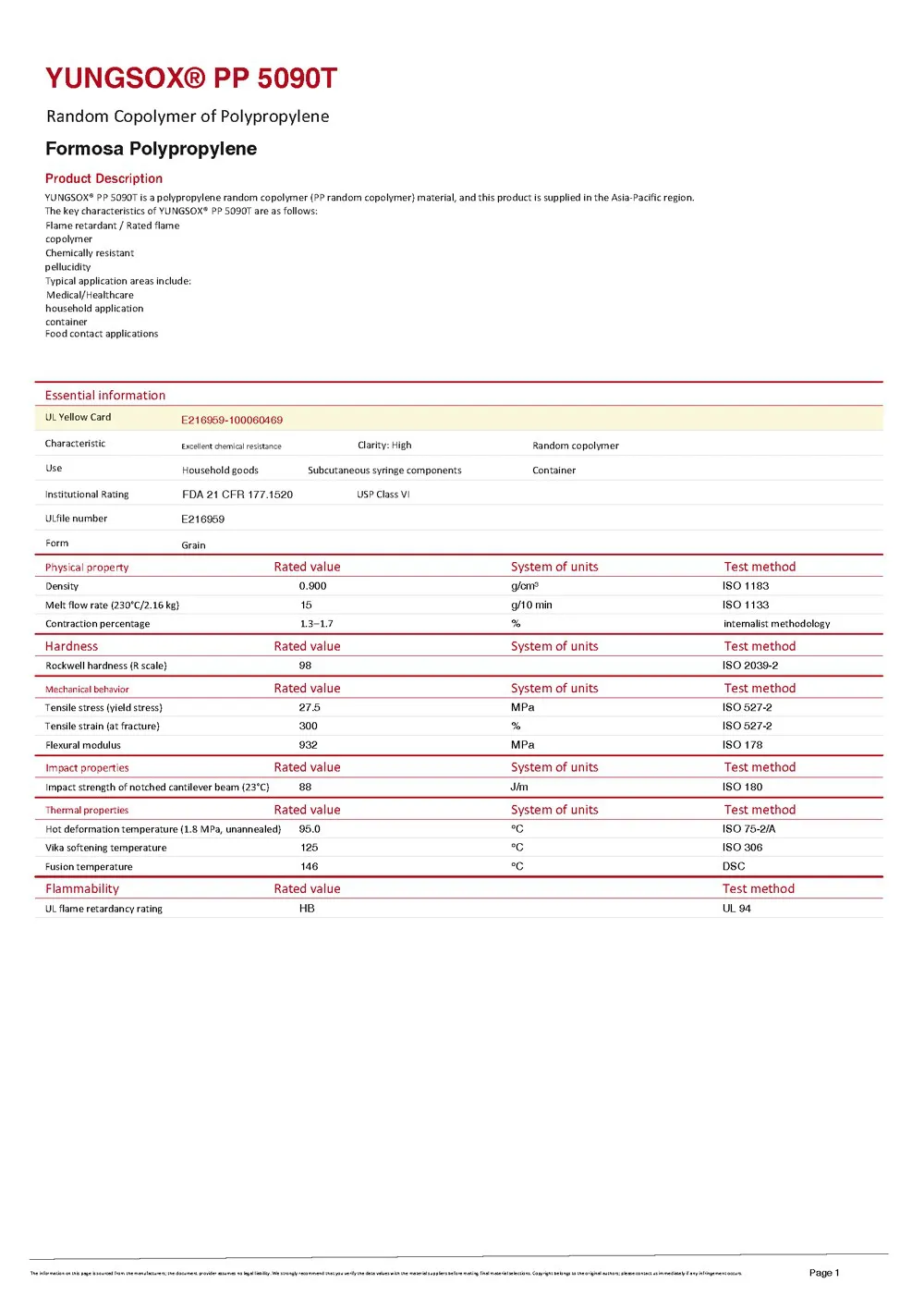
Before we compare shapes, let's make sure we're on the same page. Cryotubes (or cryogenic tubes) are specialized containers built for ultra-low temperature storage. Think of them as the "armor" for your samples—they need to be tough enough to handle freezing and thawing cycles, prevent leaks, and keep contaminants out. Most are made from polypropylene (PP), a plastic that stays strong even when frozen solid. But here's the thing: not all PP is created equal. Medical grade plastic bottles and tubes require strict material standards, ensuring no harmful chemicals leach into samples over time. That's why choosing a manufacturer that prioritizes medical-grade materials is non-negotiable.
Now, let's talk about the two main players in the cryotube world: conical bottom and round bottom. At first glance, they might look similar—small plastic tubes with caps—but their shapes are designed for specific jobs. Let's break down the key differences, and when you might reach for one over the other.
Imagine you're a researcher prepping for a busy day. You've got dozens of samples to process, centrifuge, and store. Which tube do you grab? Let's compare the two designs feature by feature.
| Feature | Conical Bottom Cryotubes | Round Bottom Cryotubes |
|---|---|---|
| Design | Tapered bottom that narrows to a point, like a tiny cone | Smooth, curved bottom that forms a half-sphere |
| Centrifugation Compatibility | Perfect for centrifuges—conical shape helps pellets form at the bottom | Not ideal for high-speed centrifugation; pellets may spread or stick to sides |
| Sample Residue | Minimal residue—tapered design lets you pipette almost every drop | More residue; curved bottom can trap small sample volumes |
| Storage Efficiency | Fit snugly in racks, saving space in freezers | Slightly bulkier; may leave gaps in storage racks |
| Ideal Applications | Cell cultures, DNA/RNA samples, centrifuged pellets | Large-volume samples, general storage, non-centrifuged materials |
Let's start with conical bottom tubes. Picture a tiny test tube with a pointed bottom—that's the conical design. Why does this shape matter? Well, if you've ever used a centrifuge, you know the goal is to separate components in a sample by spinning them at high speeds. The conical bottom acts like a "target" for the pellet (the solid part that separates out). It concentrates all the material at the very tip, making it easy to pipette or aspirate later. No more chasing tiny droplets around the tube—this design practically hands you your sample on a silver platter.
Another big win? Minimal sample residue. If you're working with precious or limited samples (like rare cell lines or patient samples), wasting even a microliter hurts. The conical shape ensures almost every drop stays in the center, so you can recover more of your sample. I once worked with a lab that switched to conical tubes and saw a 15% increase in sample recovery—enough to save them from repeating expensive experiments. That's the kind of difference that adds up over time.
Storage is another plus. Conical tubes fit neatly into standard cryo racks, with their narrow bottoms sliding into the grid without wasted space. If your lab freezer is packed to the brim (and whose isn't?), this can be a game-changer. They're also more stable in racks, less likely to tip over when you're rushing to grab samples during a busy day.
Now, round bottom cryotubes—these are the "all-purpose" tubes of the lab world. Their smooth, curved bottom makes them great for storing larger volumes or samples that don't need centrifugation. Think of them as the "jars" of cryotubes—roomy, easy to clean, and gentle on delicate samples that might get damaged by the sharp edges of a conical tube.
One of their best features? They're less likely to crack under stress. The rounded bottom distributes pressure more evenly, which can be a lifesaver if you're repeatedly freezing and thawing samples. I've heard horror stories of conical tubes cracking at the tip after multiple cycles—round bottoms avoid that weak point. They're also easier to clean thoroughly, since there's no sharp angle where residue can hide. For labs that reuse tubes (yes, some do, with proper sterilization!), this is a big advantage.
But there are trade-offs. If you try to centrifuge a round bottom tube, the pellet (the solid part) might spread out along the curved sides instead of collecting at a single point. That means you'll lose more sample when you try to extract it. And while they're stable in racks, they take up a bit more space—so if your freezer is already maxed out, you might need to invest in extra storage.
Shape is important, but even the best design won't save you if the tube itself is poorly made. Let's talk about what goes into a high-quality cryotube—and why cutting corners here is never worth it.
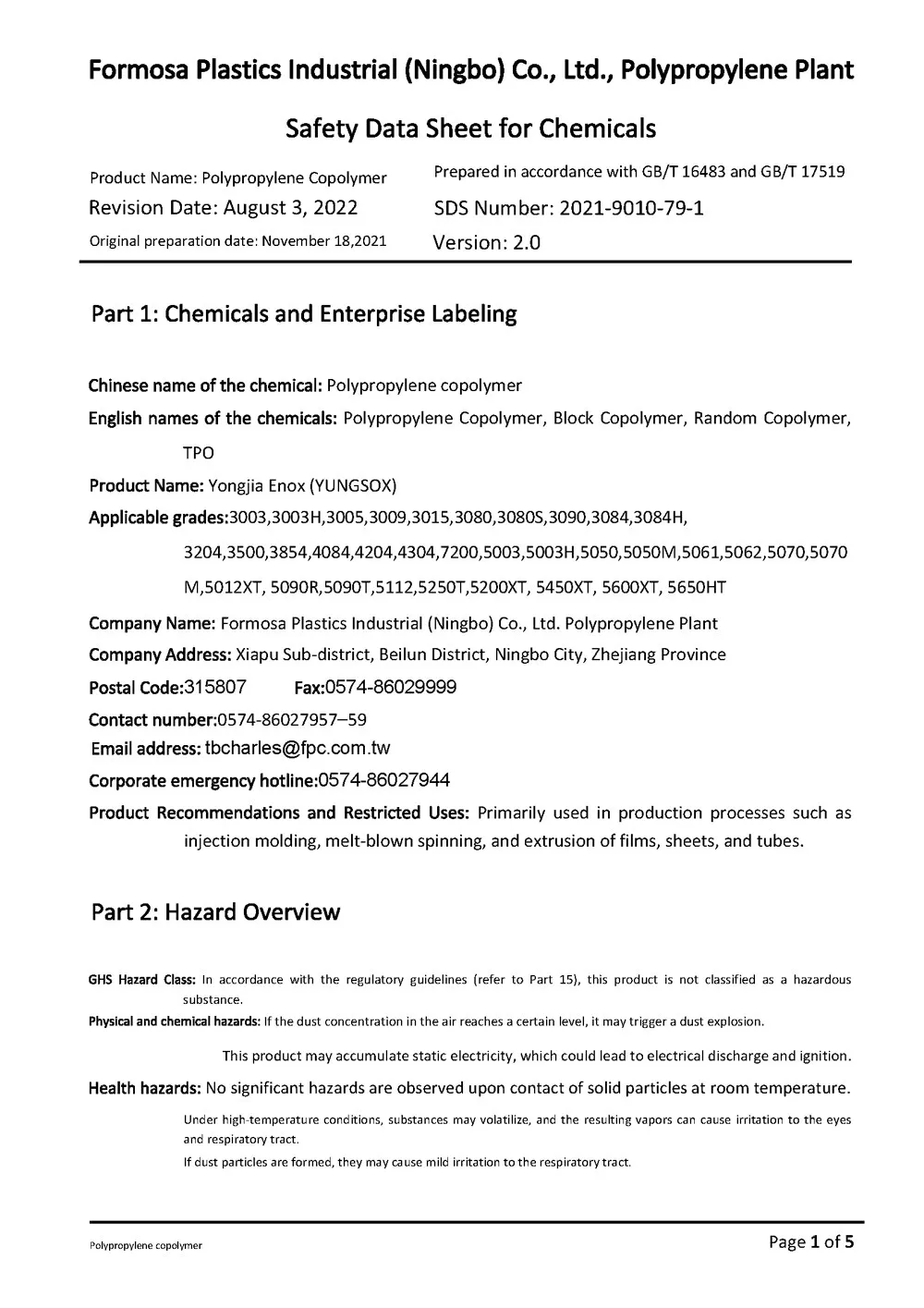
First, the material. All cryotubes should be made from medical grade plastic, but what does that really mean? It means the plastic is tested to ensure it's non-toxic, chemical-resistant, and won't leach harmful substances into your samples—even after months in sub-zero temperatures. Low-quality plastics might become brittle when frozen, leading to cracks and leaks. Or worse, they could react with your samples, altering results without you even realizing it.
At our facility, we use only top-grade polypropylene (PP) for our cryotubes. PP is known for its excellent cold resistance and chemical stability, making it ideal for long-term storage. We also test every batch for purity—no hidden additives, no cheap fillers. Because when you're storing samples that could lead to a breakthrough treatment or a critical research paper, "good enough" isn't enough.
Ever had a tube leak in the freezer? It's a lab nightmare. One leak can ruin an entire rack of samples, not to mention the mess of cleaning up frozen liquid nitrogen. That's why the seal on a cryotube is just as important as the tube itself.
Our cryotubes come with silicone gaskets in the caps, creating a tight, leak-proof seal that can handle extreme temperature changes. We test each cap to ensure it stays sealed even when dropped (because let's be real—labs are busy, and accidents happen). The threads on the tube and cap are precision-machined, so you don't have to worry about cross-threading or a loose fit. It's the kind of attention to detail that turns "maybe it'll hold" into "I trust this with my samples."
You've probably seen "ISO 9001 certified" or "GMP compliant" on lab supplies before—but do you know what those labels actually mean? Let me break it down in plain English.
ISO 9001 is a quality management standard that ensures a manufacturer has consistent processes in place to deliver reliable products. For us, that means every step—from sourcing raw materials to shipping finished tubes—is documented, monitored, and improved. If a batch of tubes doesn't meet our standards, we don't ship it. Simple as that.
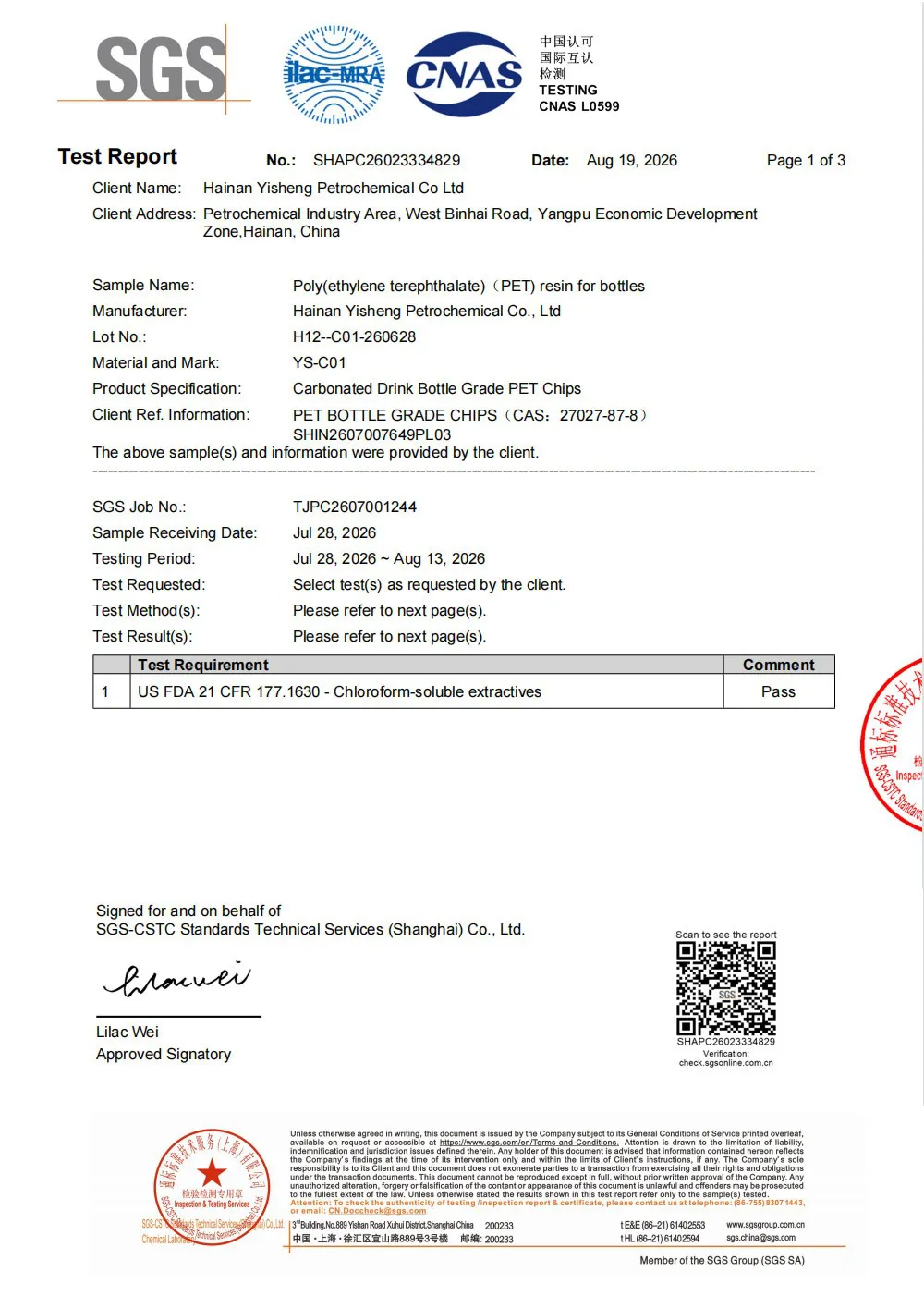
GMP (Good Manufacturing Practices) takes it a step further, especially for medical and pharmaceutical products. Our dust-free GMP compliant workshop is designed to prevent contamination at every stage. We wear full protective gear, monitor air quality, and sanitize equipment regularly. Why? Because even a tiny speck of dust can ruin a cell culture or throw off a test result. Labs trust us because they know our tubes are made in an environment as clean as their own.
Think of it this way: would you buy medicine from a factory that doesn't follow safety rules? Probably not. The same logic applies to cryotubes—your samples deserve the same level of care as pharmaceuticals.
Every lab has unique needs. Maybe you need tubes with a specific volume (like 0.5ml for tiny samples or 5ml for larger batches). Or perhaps you want barcodes pre-printed on the tubes to track samples more easily. That's where custom mold design for plastic bottles (and tubes!) comes in.
We've worked with labs of all sizes to create custom cryotubes that fit their exact workflows. Need a special cap color to color-code samples? No problem. Want a unique volume marking on the side? We can do that. We even offer free mold testing—so you can try out a prototype before committing to a full order. It's our way of saying, "We're invested in your success."
One lab I remember was studying rare bacteria and needed ultra-small 0.2ml cryotubes with extra-thick walls to prevent breakage. We designed a custom mold, tested it with their samples, and adjusted the wall thickness until it was perfect. Six months later, they told us those tubes had saved them from losing a entire colony of bacteria during a freezer malfunction. That's the power of customization—it turns "close enough" into "exactly what we need."
Let me share a few stories from labs we've worked with—because numbers and specs only tell part of the story. These are the moments that remind us why we do what we do.
A few years back, a vaccine research lab reached out to us after a bad experience with cheap cryotubes. They'd been storing early-stage vaccine samples in round bottom tubes from a no-name supplier. One day, during a routine check, they noticed several tubes had cracked, leaking sample into the freezer.,,,.
They switched to our conical bottom cryotubes, and haven't had a single leak since. "The difference in quality is night and day," their lab manager told me. "We used to hold our breath every time we opened the freezer. Now we don't even think about it."
Not all labs are big research facilities. A small veterinary clinic once contacted us needing cryotubes for storing animal blood samples. They were using round bottom tubes and struggling with sample loss—after centrifugation, they couldn't recover enough plasma to run their tests, so they had to collect more blood from the animals (stressful for the pets and time-consuming for the staff).
We recommended switching to conical bottom tubes. Within a month, they were recovering 20% more sample per tube. "We're drawing less blood, finishing tests faster, and the animals are calmer," the vet told me. "It's a win-win."
So, how do you decide between conical and round bottom? Let's simplify it:
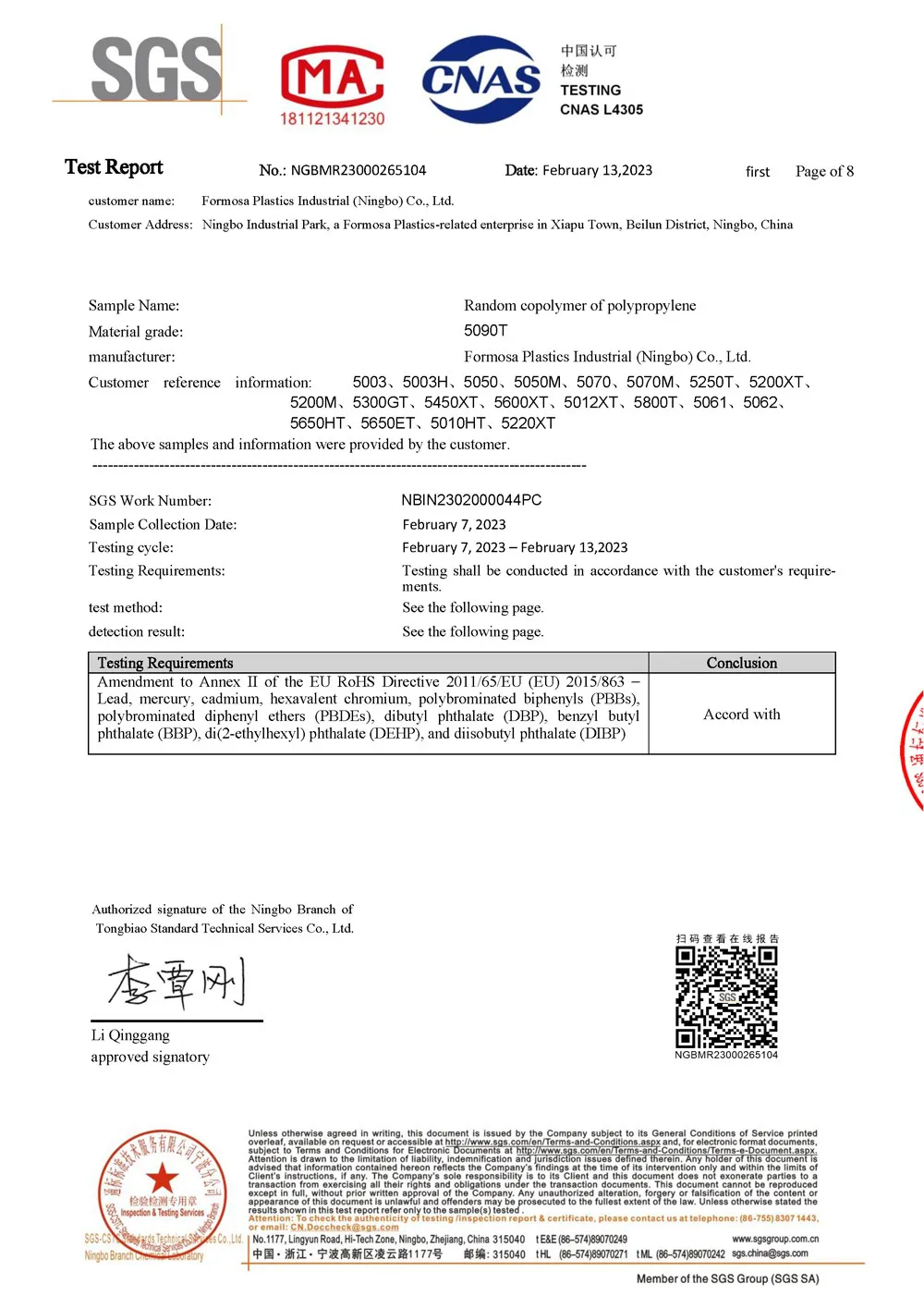
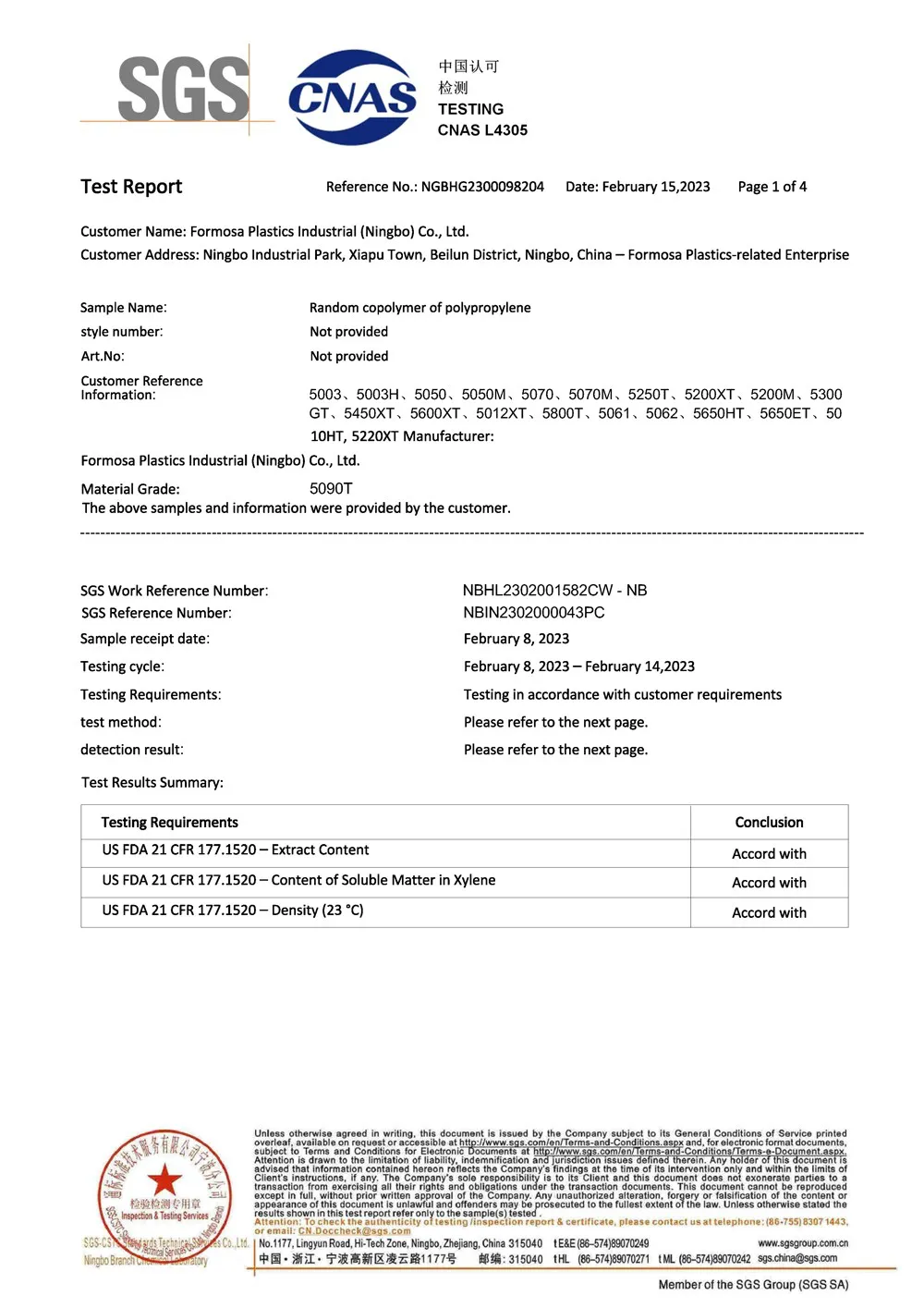
And remember: whatever shape you choose, always go with a reputable manufacturer. Look for ISO 9001 and GMP certifications, ask about material testing, and don't be afraid to request samples before buying in bulk. Your samples are too important to trust to cheap, untested products.
At the end of the day, we're not just selling tubes—we're selling peace of mind. We know that behind every cryotube is a researcher, a doctor, or a scientist working to make the world better. We take that responsibility seriously.
From our dust-free GMP workshop to our commitment to medical grade plastic, every part of our process is designed to give you confidence. We've been in the plastic packaging industry for years, and we've learned that quality isn't just a buzzword—it's the foundation of every successful partnership.
So whether you need conical or round bottom cryotubes, standard sizes or custom designs, we're here to help. Let's build something reliable together.
After all, your research deserves the best. And the best starts with a cryotube you can trust.