Email: info@mggpacking.com | Tel: +86-13510174848 ( Mr. Yao)


Essential oils have woven their way into our daily lives, from calming lavender diffused in bedrooms to invigorating peppermint in home offices, and even soothing tea tree oil in skincare routines. These potent plant extracts carry not just delightful aromas but also therapeutic properties—properties that are surprisingly fragile. Light, heat, and air can break down their molecular structure, diminishing their effectiveness and altering their scent. That's why choosing the right packaging isn't just about aesthetics; it's about preserving the very essence of what makes essential oils valuable. Among the many packaging options available, amber glass dropper bottles stand out as a timeless, reliable choice. And when paired with the assurance of ISO 9001 certification, they become more than just containers—they become a promise of quality. In this article, we'll explore why amber glass dropper bottles are the gold standard for essential oil packaging, the role of ISO 9001 certification in ensuring excellence, and how to select the perfect bottles for your brand or personal use.
Walk into any wellness store or browse an essential oil brand's website, and you'll likely notice a common theme: amber, cobalt blue, or green glass bottles. There's a reason for this color preference, and it's rooted in science. Essential oils are rich in volatile compounds—molecules that easily evaporate or react when exposed to certain elements. UV light, in particular, is a silent enemy. Sunlight and even artificial light contain UV rays that can cause oxidation, a chemical reaction that breaks down the oils' beneficial components. For example, citrus oils like bergamot and lemon are especially prone to photooxidation, which can make them irritate the skin or lose their bright, uplifting scent.
Amber glass acts as a natural shield. Its warm, honey-colored hue filters out 99% of UV radiation, creating a protective barrier that keeps light from reaching the oil inside. This isn't just a marketing gimmick; it's a practical solution backed by decades of industry experience. Clear glass, while visually appealing for showcasing vibrant oil colors, offers no such protection. Plastic bottles, too, have their drawbacks—some plastics can leach chemicals into the oil, especially when exposed to heat, and they're often less effective at blocking light. For anyone serious about preserving the integrity of their essential oils, amber glass is the clear choice.
But not all amber glass is created equal. The thickness of the glass, the quality of the raw materials, and the manufacturing process all impact its protective capabilities. A thin, poorly made amber bottle might still allow some light penetration, defeating the purpose. That's where working with a reputable essential oil dropper bottle supplier becomes crucial—one that understands the nuances of glass production and prioritizes quality at every step.
Imagine trying to dispense a few drops of clove oil into a diffuser using a wide-mouthed jar. You'd likely end up with too much oil, wasting a precious resource and overpowering the room with scent. Essential oils are concentrated—most applications require just a few drops, whether for aromatherapy, skincare, or DIY cleaning products. This is where dropper bottles shine. The combination of a narrow neck and a glass dropper allows for precise, controlled dosing, turning what could be a messy process into a seamless one.
The design of the dropper itself is deceptively simple but carefully engineered. A typical dropper consists of a glass pipette (the thin tube that dips into the oil) and a rubber bulb at the top. When you squeeze the bulb and release it, it creates a vacuum that draws the oil up into the pipette. Releasing the bulb slowly dispenses the oil drop by drop. This mechanism not only prevents waste but also ensures consistency—whether you're making a batch of homemade linen spray or measuring out oils for a skincare serum, you can trust that each drop is accurate.
For brands, this precision is especially important. Customers rely on consistent dosing to experience the intended benefits of the oil. A dropper that dispenses uneven drops can lead to user frustration and even product returns. That's why many suppliers offer calibrated glass dropper bottles—bottles with markings (like 0.5ml, 1ml) on the pipette to guide users in measuring exact amounts. These calibrated droppers are a favorite among aromatherapists, who often blend oils in specific ratios, and skincare brands that include essential oils in their formulations. For example, a facial oil might recommend 2-3 drops mixed with moisturizer; a calibrated dropper takes the guesswork out of that instruction.
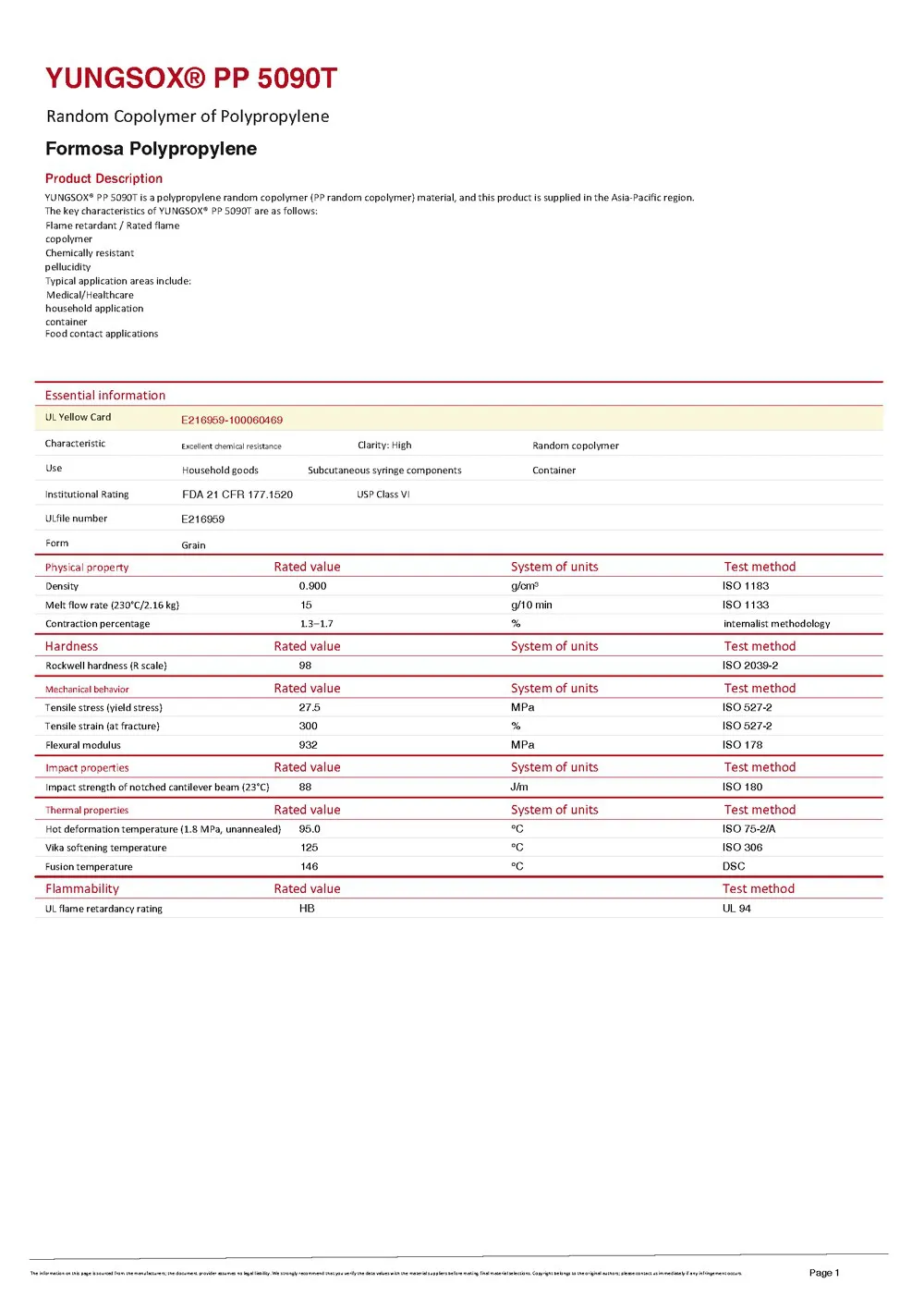
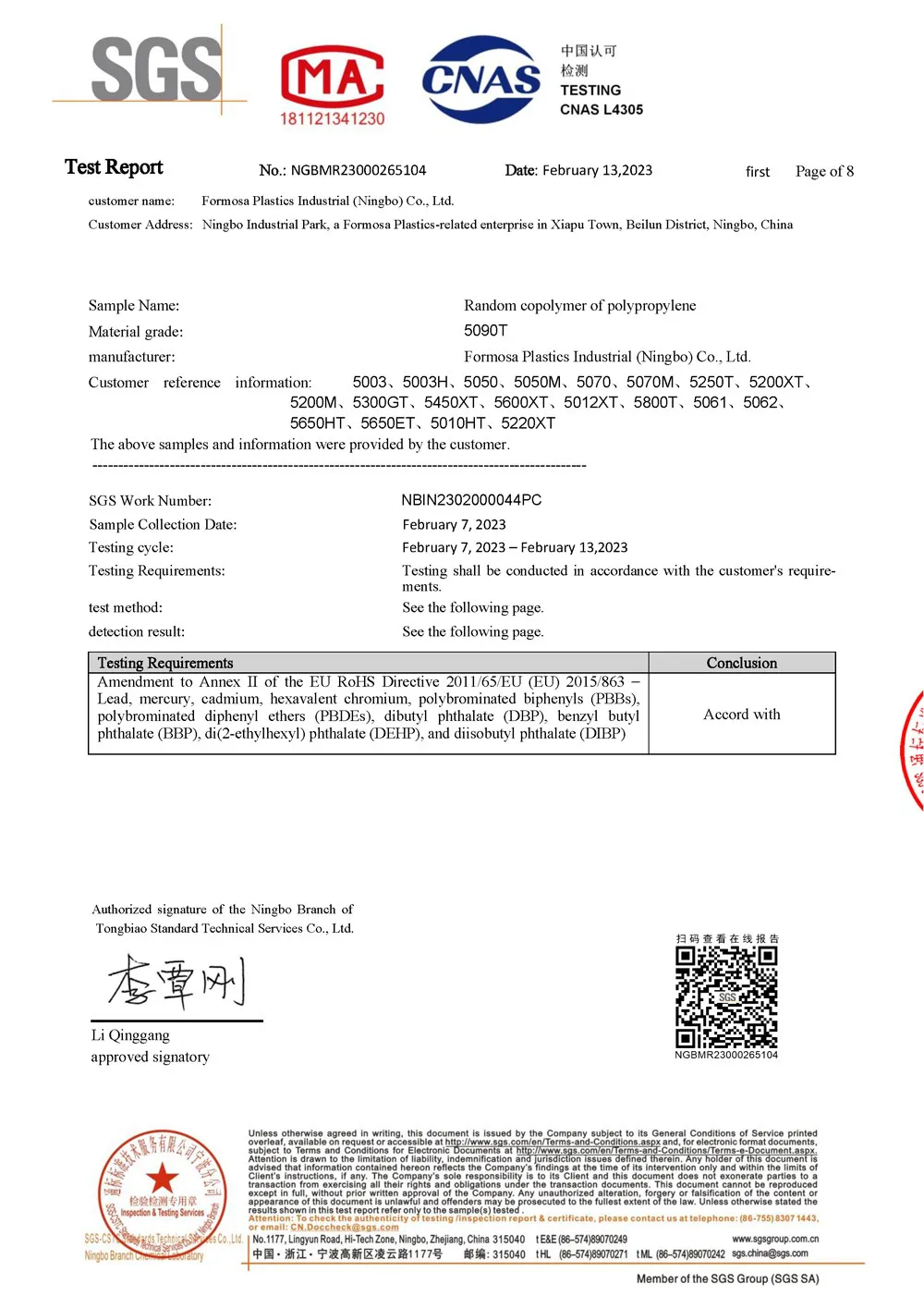
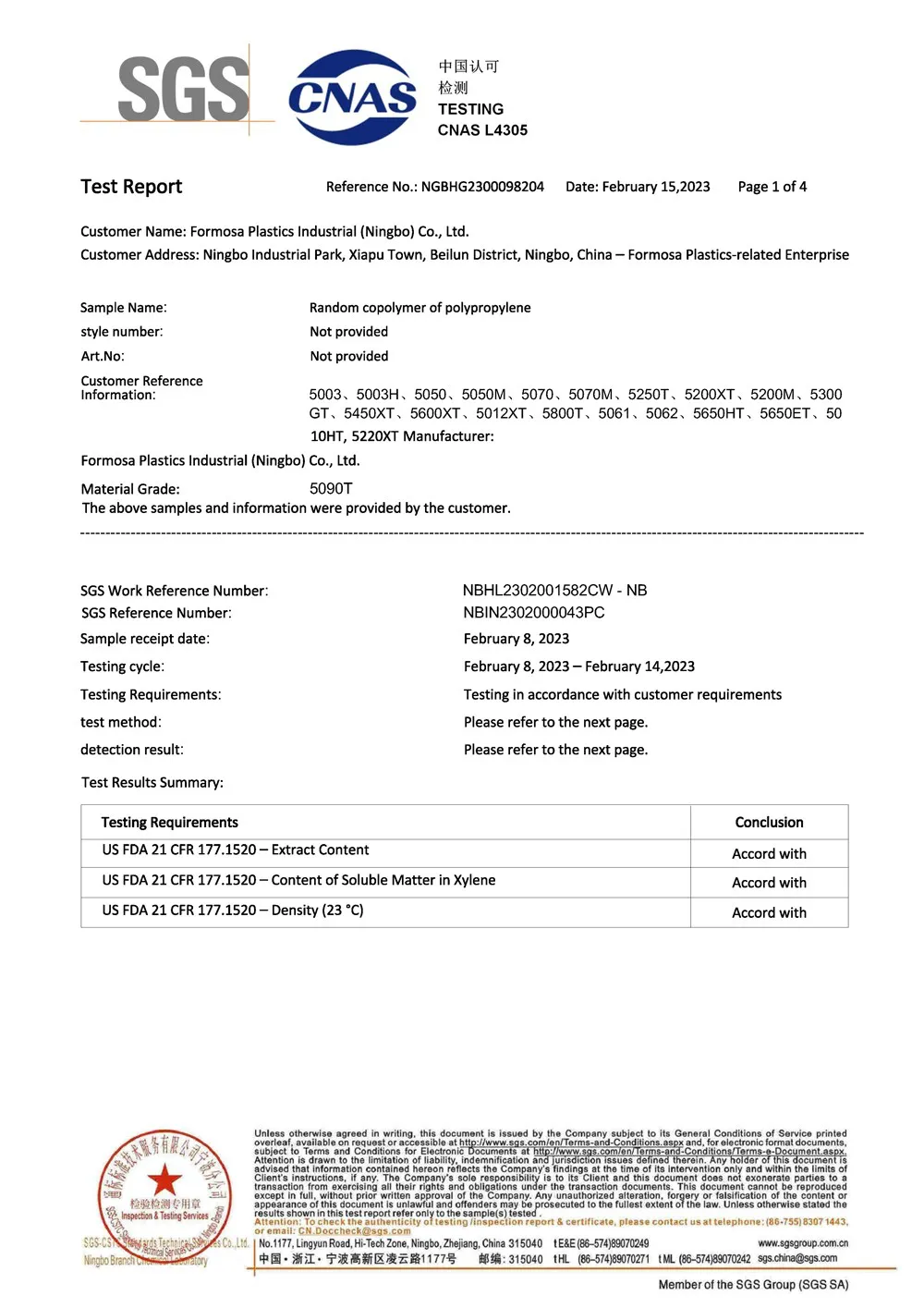
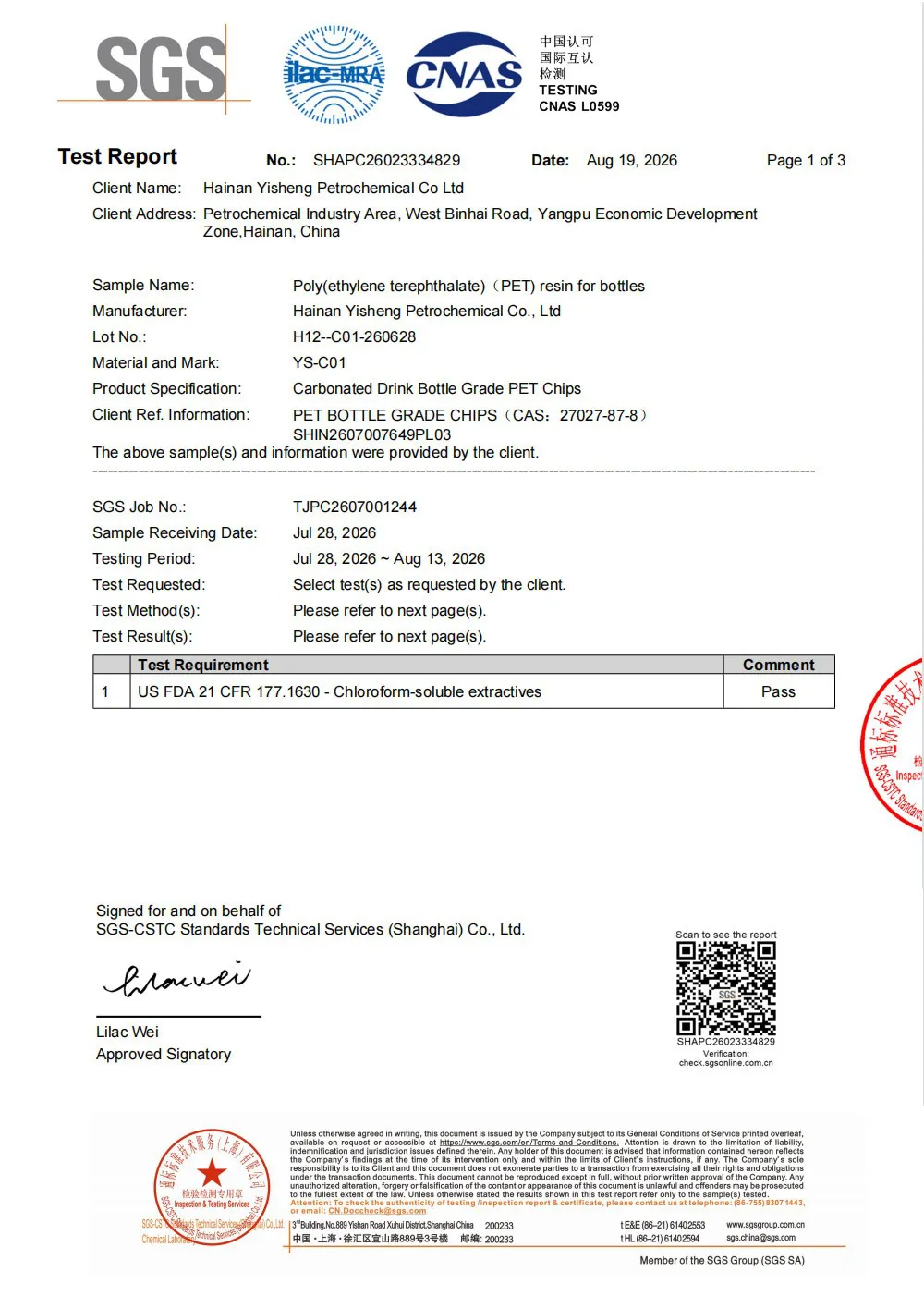
When you're shopping for amber glass dropper bottles, you might come across terms like "ISO certified" or "ISO 9001 compliant." At first glance, these certifications might seem like just another marketing buzzword, but they're actually a powerful indicator of quality. ISO 9001 is an international standard set by the International Organization for Standardization (ISO) that outlines requirements for a quality management system (QMS). It's not industry-specific—companies in manufacturing, healthcare, education, and more can become certified—but for packaging manufacturers, it means rigorous adherence to processes that ensure consistency, reliability, and customer satisfaction.
So, what does an ISO 9001 certified packaging factory do differently? Let's break it down. First, they have documented processes for every stage of production, from sourcing raw materials to inspecting finished products. This documentation ensures that no step is overlooked and that every bottle meets the same high standards. For example, when sourcing amber glass, an ISO 9001 factory will verify that the glass meets specific thickness and UV protection requirements, rather than just accepting whatever is cheapest. They'll also test the droppers for functionality—ensuring the rubber bulb creates a tight seal, the pipette doesn't break easily, and the drops dispense evenly.
Traceability is another key component. If a batch of bottles has an issue (say, a loose dropper cap), an ISO 9001 factory can trace it back to the specific production run, raw material supplier, or machine operator. This allows them to quickly identify and fix the problem, preventing defective products from reaching customers. For brands, this traceability is invaluable—it means you can trust that the bottles you receive are consistent, and if an issue does arise, the supplier has the systems in place to resolve it efficiently.
Perhaps most importantly, ISO 9001 certification is customer-focused. Certified factories regularly collect and analyze customer feedback to improve their processes. If a brand mentions that the dropper bulbs on their 30ml bottles are too stiff, the factory will investigate and adjust the manufacturing process to make them easier to squeeze. This commitment to continuous improvement ensures that the bottles evolve with the needs of essential oil users and brands.
Amber glass dropper bottles come in a range of sizes, each suited to different needs. While 10ml, 15ml, 30ml, and 60ml are the most common, you can find everything from tiny 2ml sample vials to large 120ml bottles for bulk storage. Let's take a closer look at some of the most popular sizes and their uses, with a special focus on the versatile 30ml option—a favorite among both brands and consumers.
| Size | Capacity | Dropper Type | Best For |
|---|---|---|---|
| 10ml | Approx. 200 drops | Standard or calibrated glass pipette | Travel-sized oils, sample vials, single-oil aromatherapy blends |
| 15ml | Approx. 300 drops | Standard or calibrated glass pipette | Daily-use oils (e.g., lavender for diffusers), small-batch skincare serums |
| 30ml | Approx. 600 drops | Calibrated glass pipette (common), rubber bulb | Most popular size for retail sales, bulk personal use, multi-purpose oils (aromatherapy + skincare) |
| 60ml | Approx. 1200 drops | Large glass pipette, reinforced rubber bulb | Bulk storage, refilling smaller bottles, professional use (e.g., spas, aromatherapy clinics) |
The 30ml amber glass dropper bottle deserves a spotlight. It strikes the perfect balance between portability and longevity—large enough to last several months with regular use, yet small enough to fit in a purse or travel bag. Many essential oil brands choose 30ml as their standard size because it offers good value for customers and reduces the need for frequent repurchasing. For example, a 30ml bottle of lavender oil might last a casual diffuser user 2-3 months, while a skincare enthusiast could use it up in 1-2 months when adding drops to moisturizer. The calibrated droppers often paired with 30ml bottles make them ideal for both personal and professional use—whether you're a hobbyist blending oils at home or a brand creating a line of organic skincare products.
Beyond size, there are other features to consider. Some bottles come with child-resistant caps, an important safety feature if you have little ones at home or plan to sell oils to families. Others offer different dropper designs—like plastic pipettes instead of glass, though glass is preferred for its inert properties (it won't react with the oil). You'll also find bottles with frosted or matte finishes for a luxury look, or clear amber glass that lets you see the oil level without compromising UV protection.
In a crowded market, branding is everything. Your packaging is often the first thing customers notice about your product, so it should reflect your brand's values and personality. Many essential oil dropper bottle suppliers offer private label and customization options, allowing you to turn a standard amber glass bottle into a unique extension of your brand. Whether you're a small business just starting out or an established company looking to refresh your packaging, these options can help you connect with customers on a deeper level.
Private label services typically include custom labeling, logo printing, and even custom bottle shapes (though this often requires a larger minimum order quantity). For example, you could have your brand name and logo printed directly on the bottle using silk-screening or hot stamping—a durable, professional look that won't fade or peel. If you prefer a more eco-friendly approach, you might opt for recycled paper labels with soy-based inks. Some suppliers also offer custom cap colors—matching your brand's signature hue to create a cohesive look across your product line.
Customization isn't just about aesthetics, though. It can also enhance functionality. For instance, if your brand specializes in aromatherapy blends for sleep, you might add a small "bedtime blend" label with usage instructions directly on the bottle. Or, if you sell oils for skincare, you could include a QR code that links to tutorial videos on how to incorporate the oil into a routine. These small touches make your product more user-friendly and memorable, encouraging customers to return.
When choosing a supplier for private label services, look for one with experience in the essential oil industry. They'll understand the unique needs of your products—like the importance of UV protection and precise droppers—and can guide you toward the best customization options. An ISO 9001 certified supplier is especially valuable here, as they'll ensure that your custom bottles meet the same quality standards as their standard offerings. No one wants a beautifully labeled bottle that leaks or fails to protect the oil inside!
Today's consumers are more environmentally conscious than ever, and essential oil users are no exception. Many are drawn to essential oils for their natural properties, so it's only fitting that they'd seek out packaging that aligns with those values. Amber glass dropper bottles are inherently sustainable—glass is 100% recyclable, and it can be recycled indefinitely without losing quality. Unlike plastic, which degrades over time and can release microplastics, glass is inert and won't harm the environment when disposed of properly.
But sustainability goes beyond the material itself. Many ISO 9001 certified packaging factories are also embracing eco-friendly manufacturing practices. This might include using renewable energy sources, reducing water waste, or sourcing raw materials from ethical suppliers. Some factories even offer PCR (post-consumer recycled) glass options—bottles made from recycled glass, which reduces the need for virgin materials and lowers carbon emissions. While PCR glass might have a slightly different texture than traditional glass, it offers the same UV protection and functionality, making it a great choice for brands prioritizing sustainability.
Another eco-friendly trend is refillable packaging. Many essential oil brands now offer "refill stations" in stores or sell large 60ml or 120ml bottles that customers can use to refill their smaller 10ml or 30ml bottles at home. This reduces packaging waste and encourages customer loyalty—after all, if someone has invested in your branded 30ml bottle, they're more likely to return to refill it than switch to a competitor. Amber glass dropper bottles are perfect for this model, as they're durable enough to withstand multiple refills.
With so many suppliers offering amber glass dropper bottles, how do you choose the right one? It starts with clarity about your needs. Are you looking for small quantities for personal use, or large bulk orders for a business? Do you need custom labeling or just standard bottles? What's your budget, and how important is sustainability to you? Answering these questions will help narrow down your options.
Here are a few key factors to consider:
Don't be afraid to ask for samples before placing a large order. A sample will allow you to test the bottle's quality firsthand—check the glass thickness, the dropper's functionality, and how well the cap seals. This small step can save you from costly mistakes down the line.
Essential oils are more than just products—they're a labor of love, whether you're distilling them yourself, blending them for customers, or simply enjoying their benefits at home. Protecting that labor means investing in packaging that preserves their potency, ensures precision, and reflects the care you've put into creating or selecting them. Amber glass dropper bottles, with their UV protection and controlled dosing, are the ideal choice. And when sourced from an ISO 9001 certified packaging factory, they offer peace of mind that every bottle meets the highest standards of quality.
Whether you're a small business owner building a brand or an essential oil enthusiast looking to store your collection, remember that your packaging is an investment in the oils' longevity and your own satisfaction. Take the time to research suppliers, ask questions, and prioritize quality over cost. After all, the best essential oil in the world is only as good as the bottle that holds it.
So, the next time you reach for that bottle of lavender or tea tree oil, take a moment to appreciate the amber glass and the dropper that makes it possible. Behind that simple container is a blend of science, craftsmanship, and commitment to quality—all working together to keep your essential oils as vibrant and effective as the day they were bottled.