Email: info@mggpacking.com | Tel: +86-13510174848 ( Mr. Yao)


Protecting Your Precious Formulas, One Spray at a Time
Imagine this: You've spent months perfecting a facial serum. You sourced organic rosehip oil from Bulgaria, added a dash of vitamin E for stability, and balanced the pH to suit sensitive skin. You're proud of the result—silky, nourishing, and packed with antioxidants. But when your customers start complaining that the serum turns brown after a week, or that its soothing effects fade too fast, you're left scratching your head. What went wrong?
The culprit might be simpler than you think: light. Many of the most valuable ingredients in cosmetics—think retinol, vitamin C, essential oils like bergamot or lemon, and even some natural extracts—are photosensitive. That means they break down when exposed to ultraviolet (UV) rays, losing potency, changing color, or even forming harmful byproducts. And in the beauty industry, where "freshness" and "efficacy" are everything, this isn't just a quality issue—it's a trust issue.
This is where packaging stops being just a pretty bottle and becomes a guardian of your product's integrity. For brands that refuse to compromise on ingredient quality, choosing the right packaging isn't an afterthought—it's a strategic decision. And if you're in the market for a solution that balances protection, functionality, and brand appeal, let's talk about something that's been a game-changer for cosmetic formulators worldwide: UV-protected amber spray bottles.
Amber has been used for centuries to protect light-sensitive substances. Ancient apothecaries stored herbs and potions in amber glass jars, noticing that their contents stayed fresher longer. Today, that same wisdom meets modern technology in amber spray bottles—and they're not just for aesthetics. Let's break down why they're the unsung heroes of cosmetic packaging for light-sensitive formulas.
Amber-tinted packaging works by absorbing and filtering out UV radiation, particularly the wavelengths between 290-400 nm that are most damaging to organic compounds. Whether made from glass or high-quality plastic (like PET or HDPE), the amber hue acts as a barrier, preventing light from penetrating the bottle and reaching your precious formula. This isn't just guesswork—laboratory tests show that amber containers can reduce UV-induced degradation by up to 98% compared to clear packaging, depending on the material thickness.
Protection is key, but let's not overlook the "spray" part. Spray bottles are a favorite among cosmetic brands for a reason: they deliver controlled, even application. Think about it—would you rather pour a few drops of facial mist from a jar and risk spilling, or press a nozzle for a fine, refreshing mist that covers your face in seconds? Spray bottles minimize waste, prevent contamination (no fingers dipping into the product), and make on-the-go use a breeze. For products like setting sprays, hair serums, or body mists, the spray mechanism isn't just convenient—it enhances the user experience.
And when you combine that functionality with amber's protective properties? You get a package that doesn't just store your product—it elevates it. Whether your customers are spritzing rose water on a busy commute or misting their hair before a workout, they'll associate that satisfying "hiss" of the spray with freshness and care.
In a market flooded with generic packaging, "one-size-fits-all" just doesn't cut it. Your brand has a story, a aesthetic, and a target audience—and your packaging should reflect that. That's where custom plastic spray bottles come into play. The right manufacturer doesn't just hand you a standard bottle; they work with you to create a package that's as unique as your formula.
Let's say you have a vision: a 100ml amber spray bottle with a matte finish, a metallic gold nozzle, and your logo embossed on the neck. Maybe you want a unique shape—something curved to fit comfortably in the hand, or with a flat base that won't roll off bathroom counters. How do you turn that vision into reality? It starts with custom mold design for plastic bottles.
The process begins with your ideas (or even a sketch). Using 3D modeling software, the design team creates a digital prototype, tweaking dimensions and details until it matches your vision. Then, they build a test mold—often with free testing, so you can see how the bottle feels, how the spray functions, and whether it fits your filling equipment. Once you're happy, the final mold is made, and production begins. It's a collaborative process, and the best manufacturers treat your brand's identity as seriously as you do.
Customization doesn't stop at shape. Think about the little details that make a product feel "premium":
"We wanted our lavender facial mist to feel like a 'little luxury'—something customers would display on their vanity, not hide in a drawer. The amber spray bottle with our gold foil logo did exactly that. It's become part of our brand's visual identity." — Sarah, founder of a small-batch organic skincare line
Not all amber spray bottles are created equal. The material, spray mechanism, and build quality can vary widely, and those differences affect everything from durability to user experience. To help you choose the right fit for your product, here's a breakdown of common specifications and how they align with different cosmetic needs:
| Capacity | Material | Spray Type | Best For | Key Features |
|---|---|---|---|---|
| 30ml | PET (Amber) | Fine mist | Travel-sized facial mists, perfume samples | Lightweight, shatterproof, UV protection, leak-proof cap |
| 100ml | HDPE (Amber) | Continuous spray | Hair serums, body oils, toners | Chemical-resistant, squeezable, durable for daily use |
| 120ml | Glass (Amber) | Atomizer spray | Luxury facial serums, essential oil blends | Premium feel, high UV protection, recyclable |
| 250ml | PET (Amber) | Trigger spray | Sunburn sprays, body mists, salon-use products | Large capacity, ergonomic trigger, adjustable nozzle |
One thing to note: While glass offers unparalleled UV protection and a premium look, plastic options like PET and HDPE are lighter, shatterproof, and often more cost-effective for bulk orders. For brands targeting eco-conscious consumers, many suppliers now offer PCR (post-consumer recycled) PET options, combining sustainability with functionality.
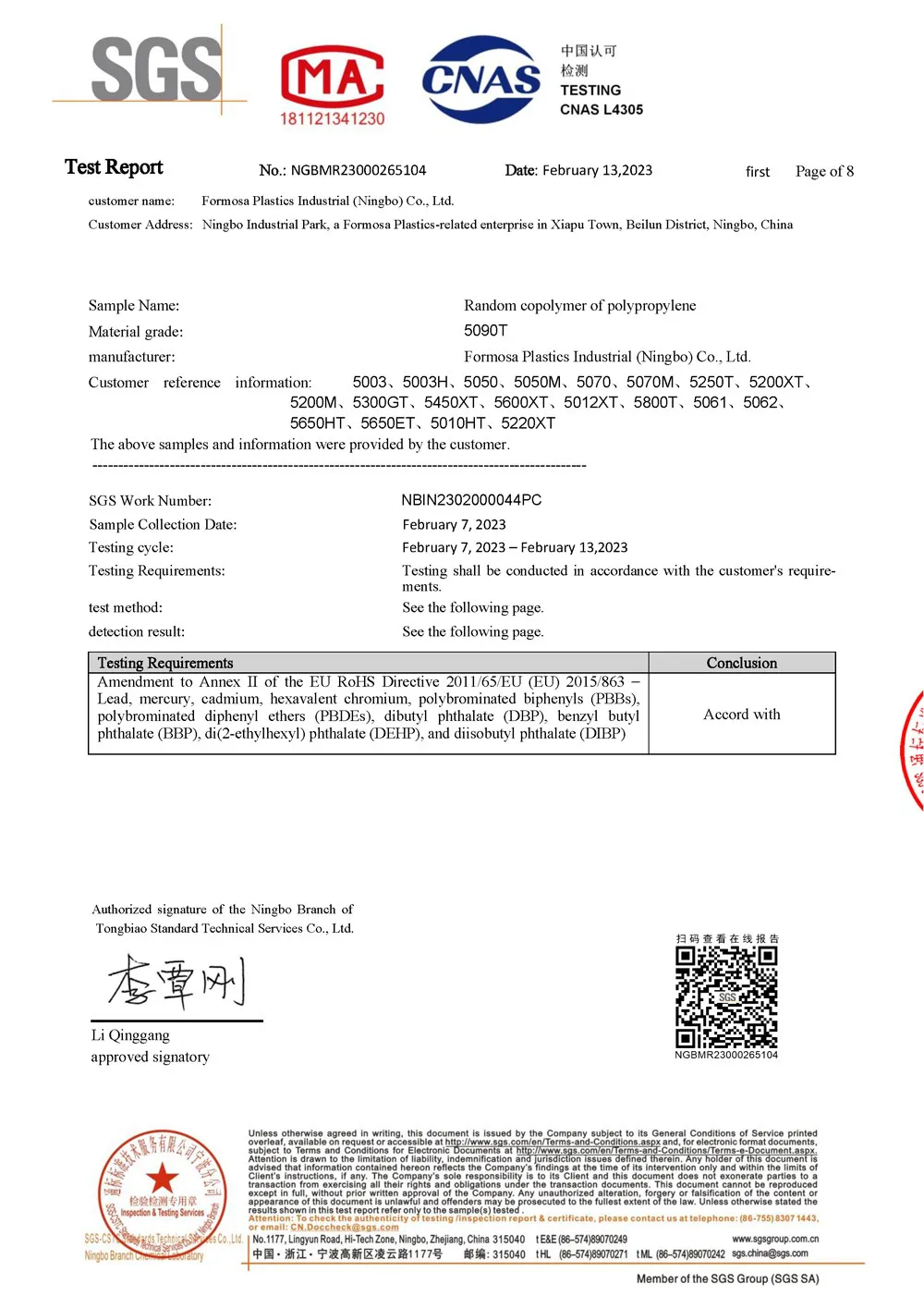
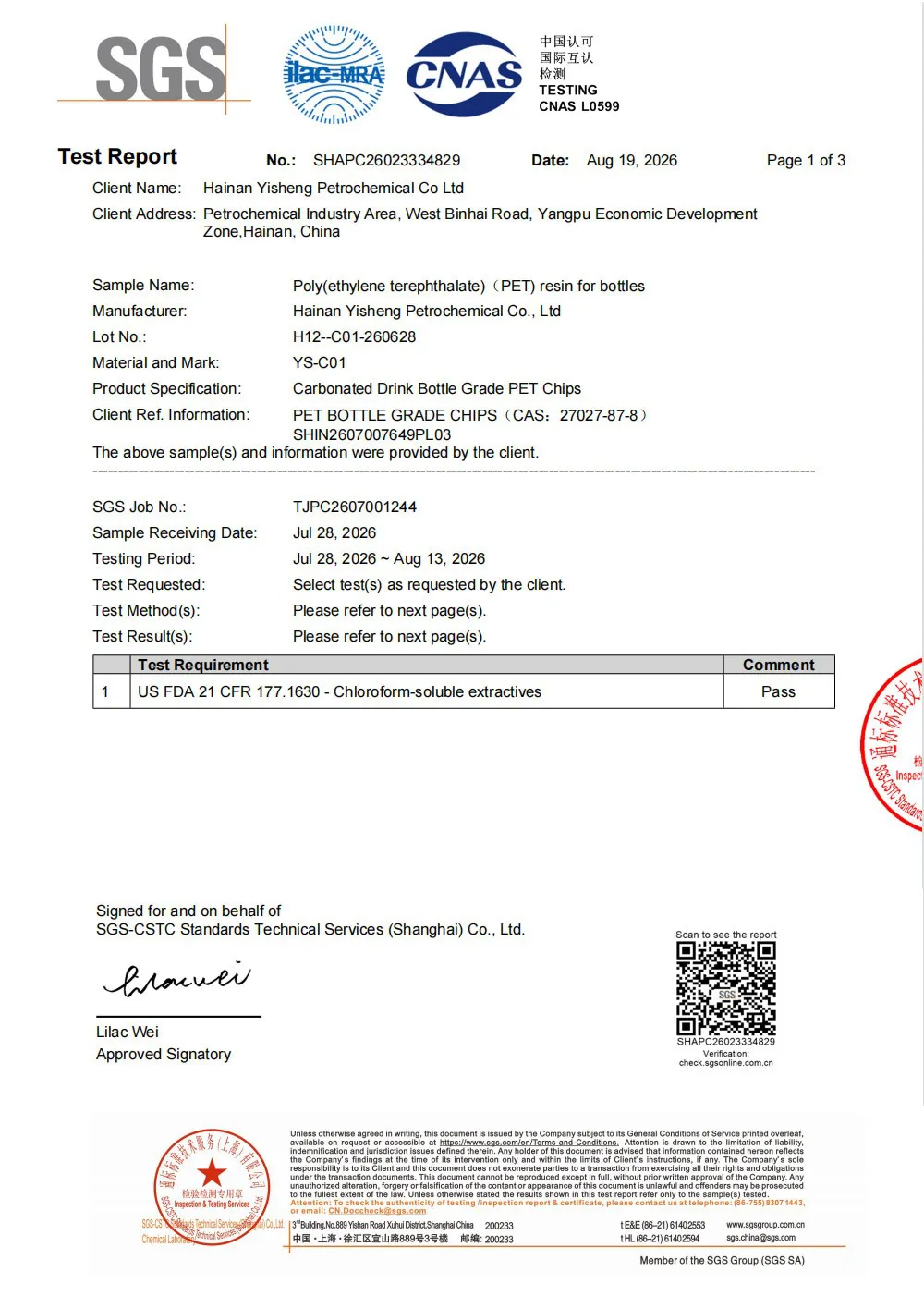
When you're trusting a supplier with protecting your formulas, "quality" isn't just a buzzword—it's a promise. And in the world of manufacturing, few promises carry as much weight as an ISO 9001 certification. But what does it actually mean for a packaging factory to be ISO 9001 certified, and why should it matter to you?
ISO 9001 is an international standard for quality management systems. It sets strict guidelines for everything from raw material sourcing to production processes to customer service. For a factory to earn this certification, it must prove that it consistently delivers products that meet customer and regulatory requirements. That means less risk of defects, more consistency in your orders, and a supplier who's committed to continuous improvement.
But certifications don't stop there. For cosmetic and pharmaceutical packaging, GMP (Good Manufacturing Practice) compliance is another critical checkmark. GMP ensures that products are made in a clean, controlled environment—think dust-free workshops, strict hygiene protocols, and traceable production lines. When your supplier has a GMP-compliant workshop, you're not just getting a bottle; you're getting a product that meets the same standards as medical-grade packaging, which is a huge plus if your formulas are sensitive or intended for sensitive skin.
Why does this matter for your brand? Because when you can tell your customers that your packaging is made in an ISO 9001 certified, GMP-compliant facility, you're not just selling a serum or mist—you're selling peace of mind. It's proof that you care about quality at every step, from formula to bottle.
Launching a new product is stressful enough without worrying about packaging delays or miscommunications. That's why partnering with a supplier who offers end-to-end support can make all the difference. Here's what a smooth collaboration might look like when you work with a custom plastic spray bottles manufacturer:
It starts with a conversation. You share your product details (formula viscosity, target audience, branding guidelines), and the supplier's design team helps translate your vision into a feasible concept. If you have a 3D drawing, great—if not, they can create one for you. Many suppliers even offer free mold testing at this stage, so you can tweak the design before full production.
Once the design is locked in, you'll receive a prototype. This is your chance to test the bottle: Does the spray mechanism work smoothly? Is the cap easy to open but secure enough to prevent leaks? Does the logo placement look right? Good suppliers welcome feedback here—they want the final product to be something you're proud of.
After prototypes are approved, production begins. During this phase, the best factories keep you in the loop with regular updates. They'll also conduct in-line quality checks: measuring bottle thickness, testing spray functionality, and inspecting for defects. By the time your order ships, you can trust that every bottle meets your specifications.
For international brands, shipping can be a headache. But experienced suppliers—especially those based in manufacturing hubs like Guangdong, China—have logistics down to a science. They handle customs documentation, offer flexible shipping options (air, sea, rail), and even help with bulk ordering discounts for B2B clients. And if you need to reorder or adjust your design later? They'll have your files on hand, making the process faster the second time around.
The beauty industry is evolving, and "sustainable" is no longer a niche trend—it's a consumer expectation. More and more brands are asking: Can we protect our formulas and the planet? The answer, happily, is yes—especially when you choose the right materials and supplier.
Many modern amber spray bottles are made from PCR (post-consumer recycled) plastic, which reduces reliance on virgin materials and cuts down on plastic waste. Some suppliers also offer bottles that are 100% recyclable, or even biodegradable options for brands looking to minimize their environmental footprint. And because amber bottles extend the shelf life of your products, they help reduce another kind of waste: product spoilage. When customers use up every last drop instead of tossing a half-used bottle that's gone bad, that's sustainability in action.
It's a win-win: You get a packaging solution that protects your formula, and your customers get to feel good about choosing a brand that aligns with their values.
If you're exploring international suppliers, you've probably noticed that China is a major player in the packaging industry. There are good reasons for that: decades of manufacturing expertise, a robust supply chain, and the ability to handle both small-batch custom orders and large-scale wholesale needs. For brands looking for plastic packaging supplier China options, here's what sets reputable Chinese manufacturers apart:
Of course, not all suppliers are created equal. That's why certifications like ISO 9001 and GMP compliance are so important—they're your guarantee that the factory meets global quality standards, no matter where it's located.
At the end of the day, UV-protected amber spray bottles are more than just containers. They're a bridge between your brand's values and your customers' needs. They protect the ingredients you're proud of, enhance the user experience, and tell a story about quality and care.
Whether you're a startup launching your first product or an established brand looking to upgrade your packaging, the right supplier will treat your project like their own. They'll listen to your needs, offer expert advice, and deliver a product that makes you think, "Yes—this is exactly what we imagined."
So if you're ready to stop worrying about light damage and start focusing on what you do best—creating amazing cosmetics—maybe it's time to explore what a custom, ISO-certified amber spray bottle can do for your brand. After all, your formula deserves to shine—and with the right packaging, it will.