Lab
Autoclavable Cryo Tubes: Ideal for Research & Clinical Applications
If you've ever spent time in a research lab or clinical setting, you know how much care goes into preserving valuable samples. Whether it's a vial of stem cells, a batch of vaccine candidates, or a patient's DNA sample, the right storage container can mean the difference between a successful experiment and a costly loss. That's where
autoclavable cryo tubes come in—they're designed to withstand extreme cold (down to -196°C in liquid nitrogen) and high-temperature sterilization, making them a staple in labs around the world.
Autoclavable cryo tubes aren't just any plastic containers. They're engineered with specific features to meet the demands of scientific research and clinical practice. Let's break down the key characteristics that set them apart:
First, material choice is critical. Most high-quality
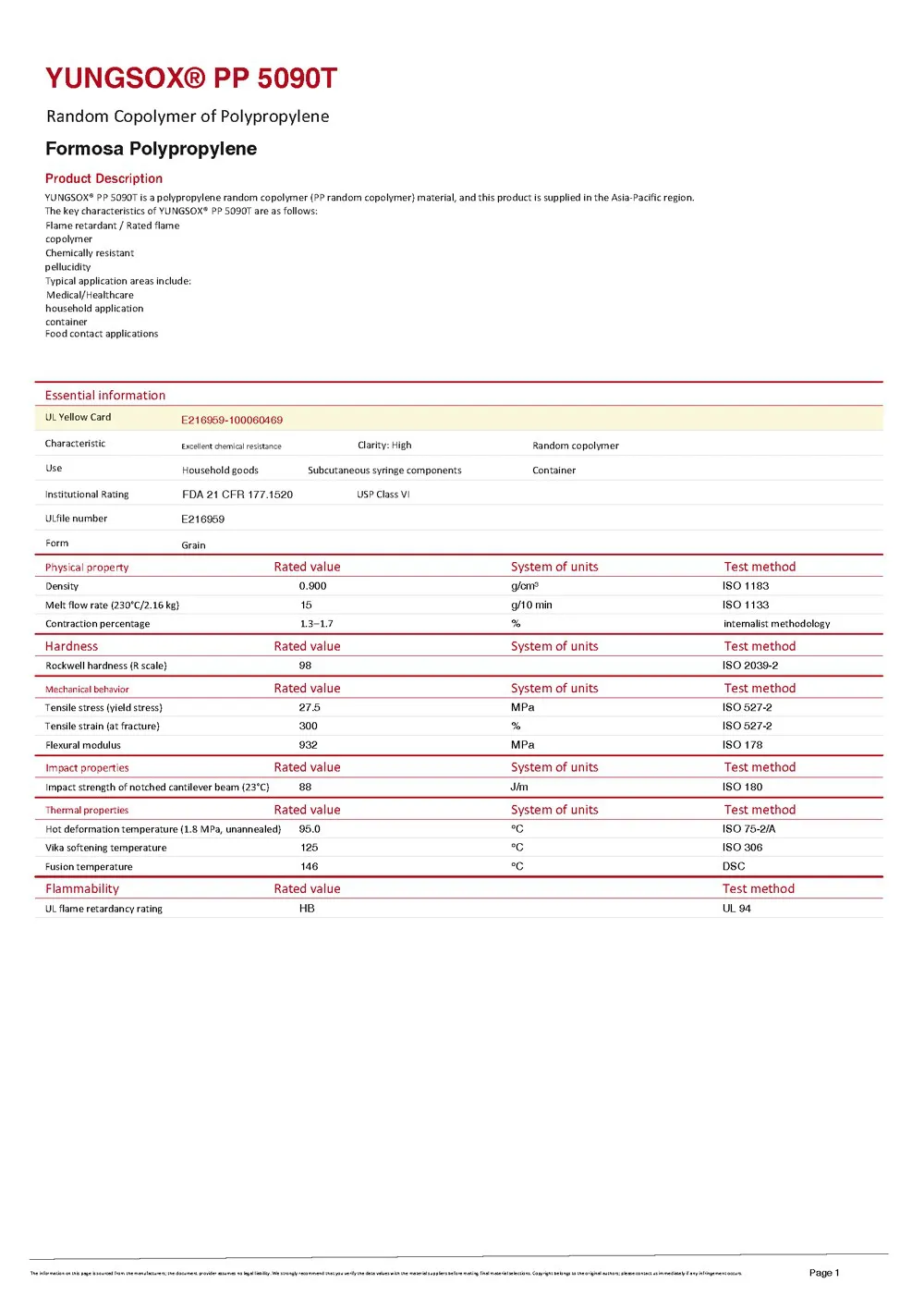
autoclavable cryo tubes are made from polypropylene (PP), a thermoplastic polymer known for its durability and resistance to both extreme cold and high heat. PP can handle autoclaving temperatures (up to 121°C) without deforming or releasing harmful chemicals, which is essential for maintaining sample sterility.
Another key feature is leak-proof closure. A good cryo tube should have an internal thread with a silicone gasket to create an airtight seal. This prevents liquid nitrogen from seeping into the tube (which can cause samples to expand and break the container) and keeps contaminants out. For clinical applications like vaccine storage, this seal is non-negotiable—even a tiny leak can ruin an entire batch of sensitive samples.
Autoclavability itself is a game-changer. Being able to sterilize the tubes in an autoclave means you can reuse them (if designed for it) or ensure new tubes are free of bacteria and microbes before use. This is especially important for experiments requiring sterile conditions, like cell culture or molecular biology assays.
Critical Applications in Research & Clinical Work
Autoclavable cryo tubes are used in a wide range of applications across research and clinical fields. Let's take a look at some of the most common uses:
**Cell Storage**: Researchers often store cells (like stem cells, cancer cells, or primary cells) in liquid nitrogen for long-term preservation.
Autoclavable cryo tubes are ideal for this because they can withstand extreme cold and are sterile, preventing cell contamination.
**Vaccine Development & Storage**: Clinical trials for vaccines require storing large numbers of vaccine vials in controlled conditions.
Autoclavable cryo tubes are used to hold vaccine samples, as they can be sterilized and are leak-proof—critical for maintaining vaccine integrity.
**Biobanking**: Biobanks store human biological samples (like blood, tissue, or DNA) for future research.
Autoclavable cryo tubes are a popular choice here because they're compliant with strict regulatory standards and can be labeled for traceability.
**Fertility Treatments**: In vitro fertilization (IVF) clinics use cryo tubes to store sperm and embryos. The leak-proof seal and autoclavable nature of these tubes ensure samples are safe and sterile, essential for successful IVF outcomes.
**Laboratory Reagent Storage**: Many labs store reagents (like enzymes, antibodies, or chemicals) in cryo tubes to keep them stable. Autoclavable tubes are preferred because they can be sterilized before use, reducing reagent contamination risk.
With so many options on the market, it can be tricky to pick the right
autoclavable cryo tubes for your needs. Here are some factors to consider:
**Size**: Cryo tubes come in various sizes, from 0.5ml to 5ml or more. The size you choose depends on your sample volume. For small cell samples, a 0.5ml or 1.8ml tube is usually sufficient. For larger samples like vaccine batches, a 5ml tube might be better.
**Closure Type**: Look for tubes with internal threads and silicone gaskets. These provide the best leak-proof seal. External threads are less reliable because they can catch on other tubes in storage, leading to leaks.
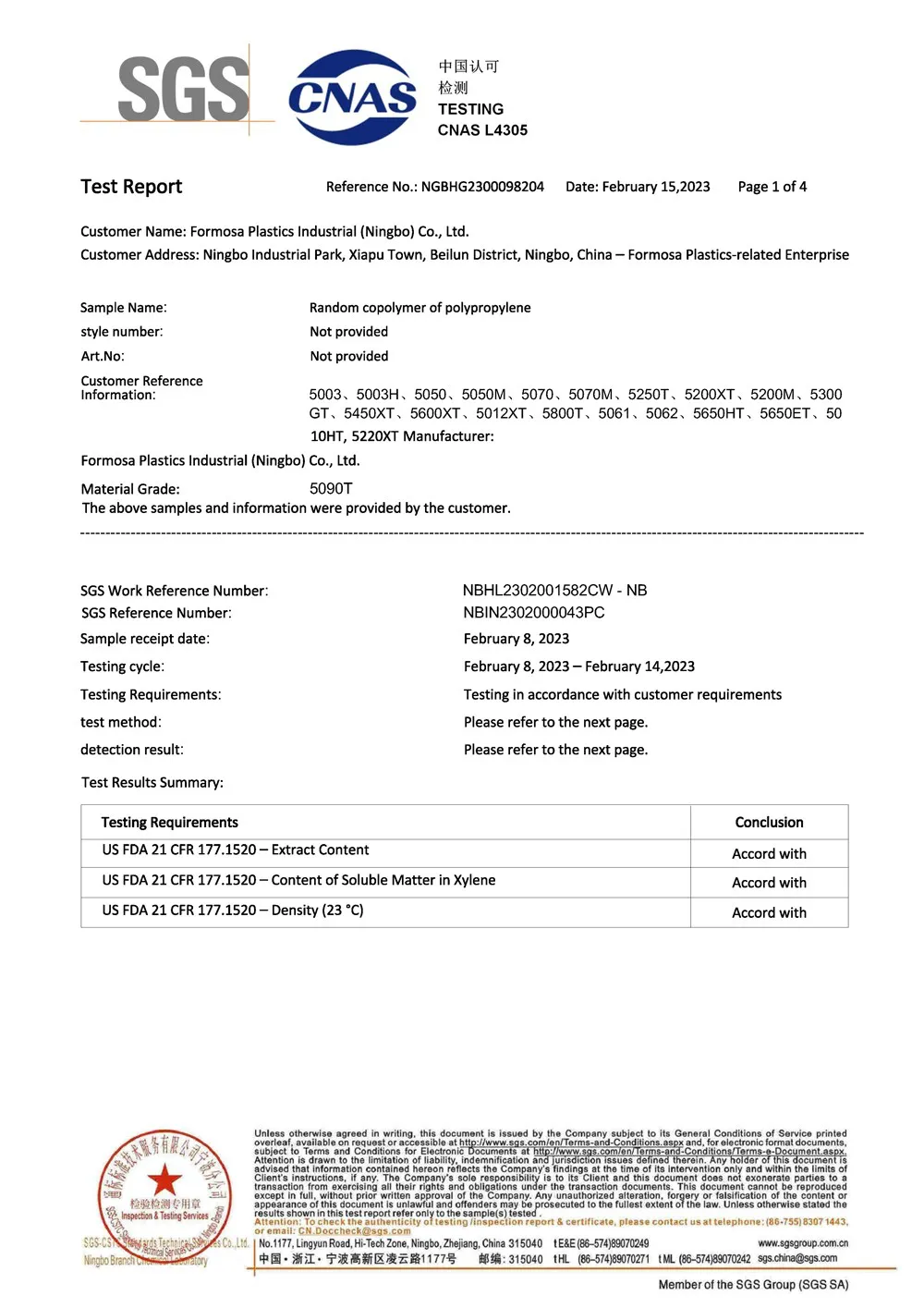
**Material**: Make sure the tubes are made from medical-grade PP. This ensures they're safe for biological samples and can handle autoclaving and cryogenic storage.
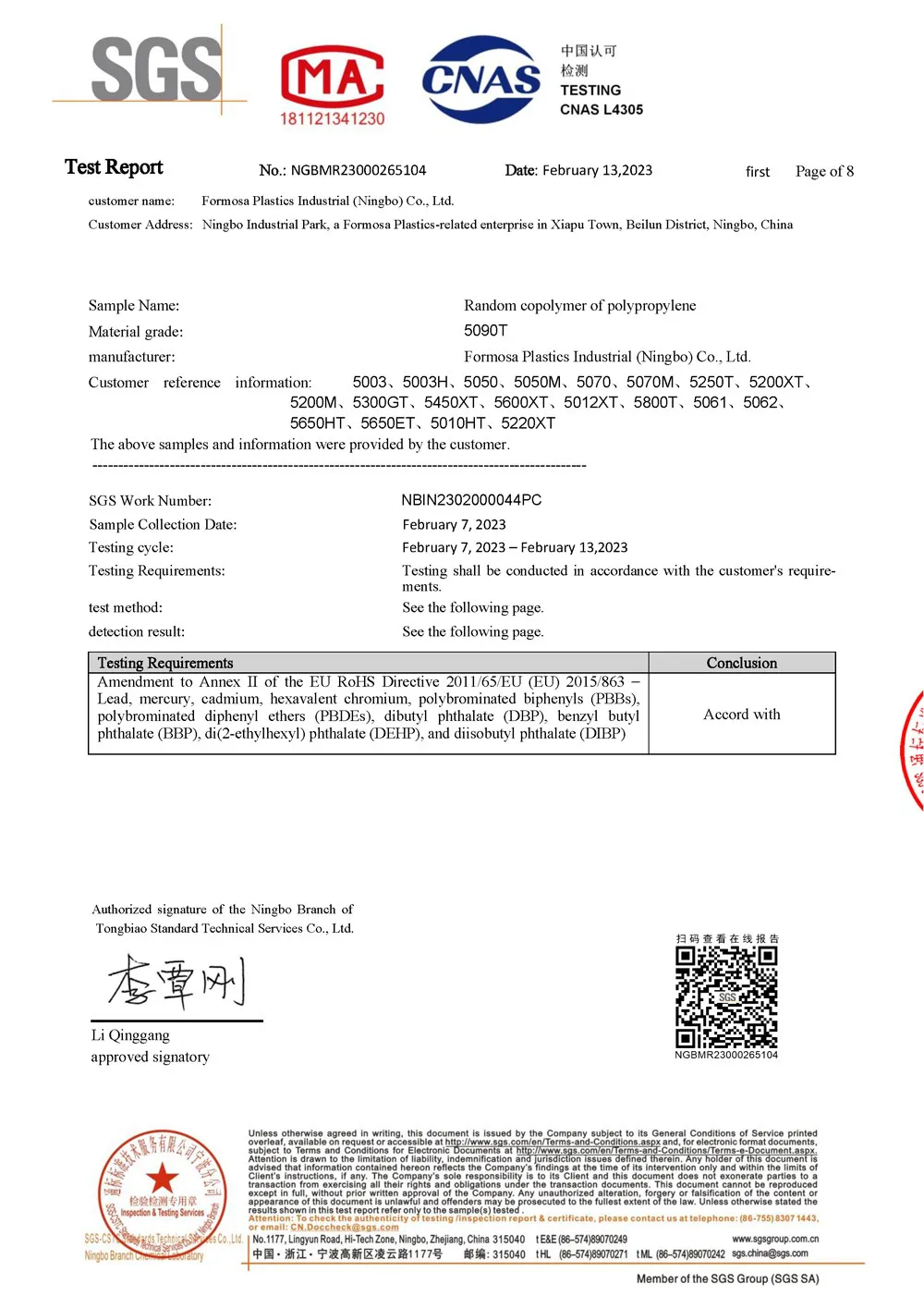
**Compliance**: Check if the manufacturer is ISO9001 certified and has GMP-compliant workshops. These certifications indicate the tubes are produced to high quality standards, essential for research and clinical applications.
**Customization**: If you need tubes with specific sizes or features (like custom labels or closures), look for a manufacturer that offers custom mold design. This allows you to get tubes tailored to your exact requirements.
A Deep Dive into High-Quality Manufacturing
The quality of
autoclavable cryo tubes starts with the manufacturing process. A reliable
cryogenic tubes manufacturer will follow strict guidelines to ensure their products meet the highest standards. Let's take a look at what goes into making a top-notch cryo tube:
**Medical-Grade Materials**: The first step is choosing the right material.
Medical grade plastic bottles (and tubes) are made from PP free of harmful chemicals like BPA and phthalates. This ensures tubes don't leach toxins into samples, critical for maintaining sample integrity.
**ISO9001 Certification**: An
iso9001 certified packaging factory follows a quality management system that ensures consistency and reliability. This means every batch of cryo tubes is tested to meet the same standards, so you can trust each tube will perform as expected.
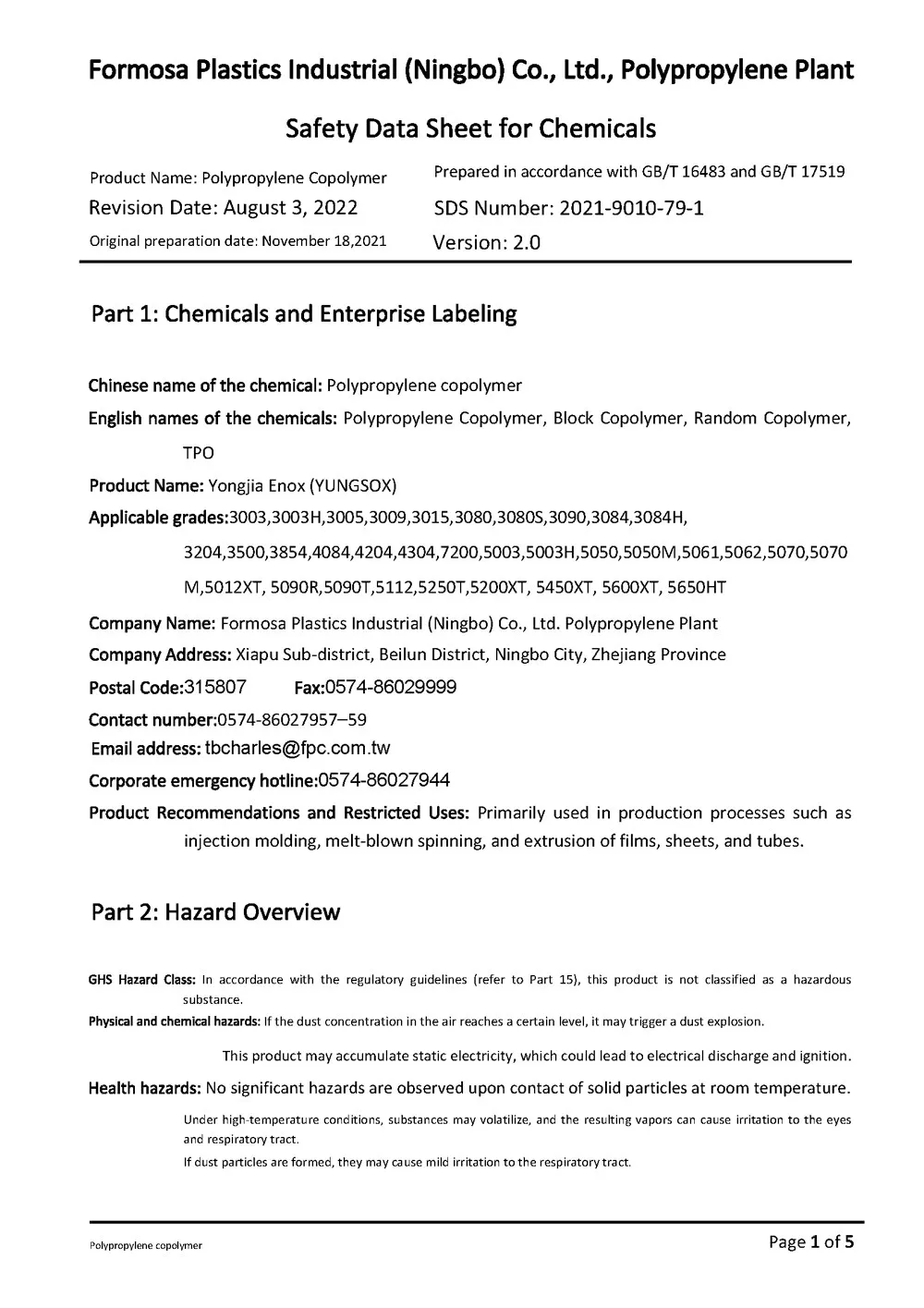
**GMP Compliant Workshops**: Dust-free gmp compliant workshops are essential for producing sterile cryo tubes. These workshops have controlled environments with low levels of dust and microbes, preventing contamination during manufacturing.
**Custom Mold Design**: If you need custom tubes, a manufacturer that offers
custom mold design for plastic bottles can create molds tailored to your specifications. This is useful for labs with unique sample storage needs or wanting to brand their tubes with a logo.
**Rigorous Testing**: Before leaving the factory, each batch of cryo tubes undergoes rigorous testing. This includes leak tests (to ensure airtight seals), autoclavability tests (to confirm high-temperature resistance), and cold resistance tests (to check liquid nitrogen tolerance).
|
Tube Size
|
Material
|
Closure Type
|
Autoclavable
|
Ideal Use Cases
|
Compliance
|
|
0.5ml
|
Medical-Grade PP
|
Internal Thread with Silicone Gasket
|
Yes
|
Small cell samples, DNA fragments
|
ISO9001, GMP
|
|
1.8ml
|
Medical-Grade PP
|
Internal Thread with Silicone Gasket
|
Yes
|
Stem cells, primary cell cultures
|
ISO9001, GMP
|
|
2ml
|
Medical-Grade PP
|
Internal Thread with Silicone Gasket
|
Yes
|
Vaccine samples, fertility treatments
|
ISO9001, GMP
|
|
5ml
|
Medical-Grade PP
|
Internal Thread with Silicone Gasket
|
Yes
|
Large cell batches, biobanking samples
|
ISO9001, GMP
|
Common Mistakes to Avoid When Using Cryo Tubes
Even the best
autoclavable cryo tubes can fail if not used correctly. Here are some common mistakes to watch out for:
**Not Checking for Leaks**: Before storing samples, always check tubes for leaks. Fill the tube with water and turn it upside down—if any water leaks out, the seal is faulty and shouldn't be used.
**Using Non-Autoclavable Tubes**: If you need sterile samples, never use non-autoclavable tubes. These can't handle high temperatures, so you can't sterilize them, increasing contamination risk.
**Improper Labeling**: It's easy to mix up samples if you don't label tubes correctly. Use waterproof labels and include sample name, date, and storage conditions. Some manufacturers offer custom labels or barcodes for easier traceability.
**Ignoring Storage Temperature**: Cryo tubes are designed for specific storage temperatures (usually -196°C for liquid nitrogen). Storing at higher temperatures can damage samples and reduce their shelf life.
**Overfilling the Tubes**: Don't fill tubes to the top—leave space for expansion. When samples freeze, they expand, so overfilling can cause tubes to crack or leak.
Future Trends in Cryo Tube Technology
The world of cryo tube technology is constantly evolving. Here are some trends we can expect to see in the coming years:
**Traceability**: Barcoding and RFID tags are becoming more common in cryo tubes. These allow researchers to track samples from collection to storage, reducing mix-up risks.
**Sustainability**: More manufacturers are using PCR recycled materials to make cryo tubes. This helps reduce plastic waste and is a step towards eco-friendly lab practices.
**Integrated Sensors**: Some companies are developing cryo tubes with integrated temperature sensors. These monitor sample temperature during storage, alerting researchers if there's a change that could damage the sample.
**Customization**: As labs become more specialized, demand for custom cryo tubes grows. Manufacturers are offering more options for custom sizes, closures, and labels to meet these needs.
Conclusion
Autoclavable cryo tubes are an essential tool for any research or clinical lab. They provide a safe, sterile, and reliable way to store valuable samples. When choosing a cryo tube, look for a manufacturer using medical-grade materials, with ISO9001 certification, and GMP-compliant products. Customization options like custom mold design can be useful for labs with unique needs.
By investing in high-quality cryo tubes, you ensure your samples are preserved properly and your experiments are successful. Whether you're storing cell samples for research, vaccine vials for clinical trials, or patient samples for biobanking, the right autoclavable cryo tube makes all the difference.
Let's take a closer look at GMP compliance importance. GMP stands for Good Manufacturing Practices, a set of guidelines ensuring products are consistently produced and controlled to quality standards. For clinical cryo tubes, GMP compliance is non-negotiable—clinical samples need sterile containers to prevent contamination, which could lead to incorrect test results or patient harm.
A
dust-free GMP compliant workshop has HEPA filters removing dust and microbes, controlled humidity/temperature to prevent plastic warping, regularly sterilized equipment, and workers in protective clothing to prevent cross-contamination. All these features ensure cryo tubes are sterile and safe for clinical use.
Material sourcing is another key aspect.
Medical grade plastic bottles are made from biocompatible PP, meaning it doesn't react with biological samples. For example, storing stem cells in non-medical grade tubes could cause cells to die or mutate, ruining experiments.
Custom mold design allows labs to get tubes in unique sizes or with specific features. If your lab needs a 3ml tube not available on the market, a manufacturer with custom mold capabilities can create it, tailoring to your exact needs.
Testing is crucial—leak tests ensure airtight seals, autoclavability tests confirm high-temperature resistance, cold resistance tests check liquid nitrogen tolerance, and chemical resistance tests ensure tubes handle reagents without corrosion. All these tests guarantee the tube's reliability.
Leak-proof closures are vital—leaky tubes can let liquid nitrogen in (breaking the tube), contaminants in (ruining samples), or hazardous materials out (posing safety risks). Internal threads with silicone gaskets are best for reliable seals.
Ease of use is also important—tubes should be easy to open/close with gloves. Internal threads are easier to grip than external ones, and silicone gaskets create tighter seals than rubber ones, resisting cold temperatures better.
Bulk purchasing saves money for labs storing large samples, and private label services allow branding with lab logos, making sample identification easier. These options add value to your cryo tube purchase.
In the end,
autoclavable cryo tubes are more than just containers—they're guardians of your valuable samples. Choosing the right manufacturer and product ensures your research and clinical work proceeds smoothly, with minimal risk of sample loss or contamination.