We've all been there: reaching for your shampoo bottle in the shower, only to find a sticky mess spreading across the shelf. Or opening your gym bag to discover conditioner leaking onto your clean clothes. These small frustrations can turn loyal customers into brand-switchers. The culprit? Often, it's the closure—the unsung hero of packaging. For shampoo and conditioner bottles, which endure daily use, travel, and humid environments, the right closure isn't just a detail; it's essential. Enter
20/410 disc top closures: compact, user-friendly, and engineered to be virtually leak-proof. In this article, we'll explore why these closures are becoming a staple for brands prioritizing customer satisfaction, diving into their design, technology, and why they outshine alternatives for everyday hair care products.
Let's start with the basics. A 20/410 disc top closure is that small, pressable cap you've likely used on shampoo bottles—flat, hinged, and dispensing product with a simple thumb press. The "20/410" refers to its size and thread finish: 20mm in diameter (compact yet sturdy) and a 410 thread pattern, a industry standard for personal care packaging. This sizing makes it ideal for medium bottles (think 150ml to 500ml), balancing portability with usability.
Disc top caps evolved from flip caps, solving their flaws—like weak hinges or inconsistent sealing. Early versions often failed after repeated use, but modern 20/410 closures feature "living hinges": a single-piece design where the hinge is integral to the cap (usually made of PP or HDPE). This eliminates loose parts, ensuring the hinge flexes without breaking, even after hundreds of presses. For shampoo and conditioner, which are used daily, this durability is key. No one wants a closure that cracks after a month of use.
While other sizes exist—18mm for travel bottles, 24/410 for larger jugs—20/410 hits the sweet spot. It's small enough for bathroom shelves but large enough to feel substantial. And unlike screw caps, which require two hands and risk loosening in transit, disc tops offer one-handed convenience. Wet, soapy hands? No problem—just press and dispense. It's the kind of intuitive design that makes customers think, "Why isn't everything this easy?"
The Leak-Proof Secret: Engineering That Stops Messes in Their Tracks
The real magic of
20/410 disc top closures lies in their leak-proof engineering. Let's break down how they keep even thick conditioner from escaping.
The Sealing Liner:
At the base of the closure, you'll find a thin liner—often aluminum foil or multi-layer polymer. When screwed on, this liner compresses against the bottle's rim, filling tiny gaps. For viscous products like conditioner, this creates an impenetrable barrier. Imagine it as a gasket: no gaps, no leaks, even when the bottle is upside down.
The Living Hinge:
Unlike older flip caps with separate hinges that loosened over time, the living hinge is molded as part of the cap. It flexes with each press but snaps back tightly, ensuring the disc sits flush when closed. This "double seal"—liner plus closed disc—prevents product from seeping out, even if the bottle is squeezed or dropped.
Rigorous Testing:
Manufacturers don't just claim leak-proof performance—they prove it. Closures undergo inversion tests (bottles upside down for 24 hours), drop tests (simulating bathroom falls), and temperature cycling (mimicking hot showers or cold luggage). If a 20/410 closure passes these, you can trust it to handle real-world chaos.
For example, consider a family with kids: shampoo bottles get knocked over, tossed in beach bags, and left in hot cars. A poorly sealed closure would leak, creating sticky messes and wasting product. But a 20/410 closure? It stays sealed, turning potential frustration into a "this brand gets me" moment.
Materials That Matter: Why PP and HDPE Rule for Disc Tops
A great design needs great materials.
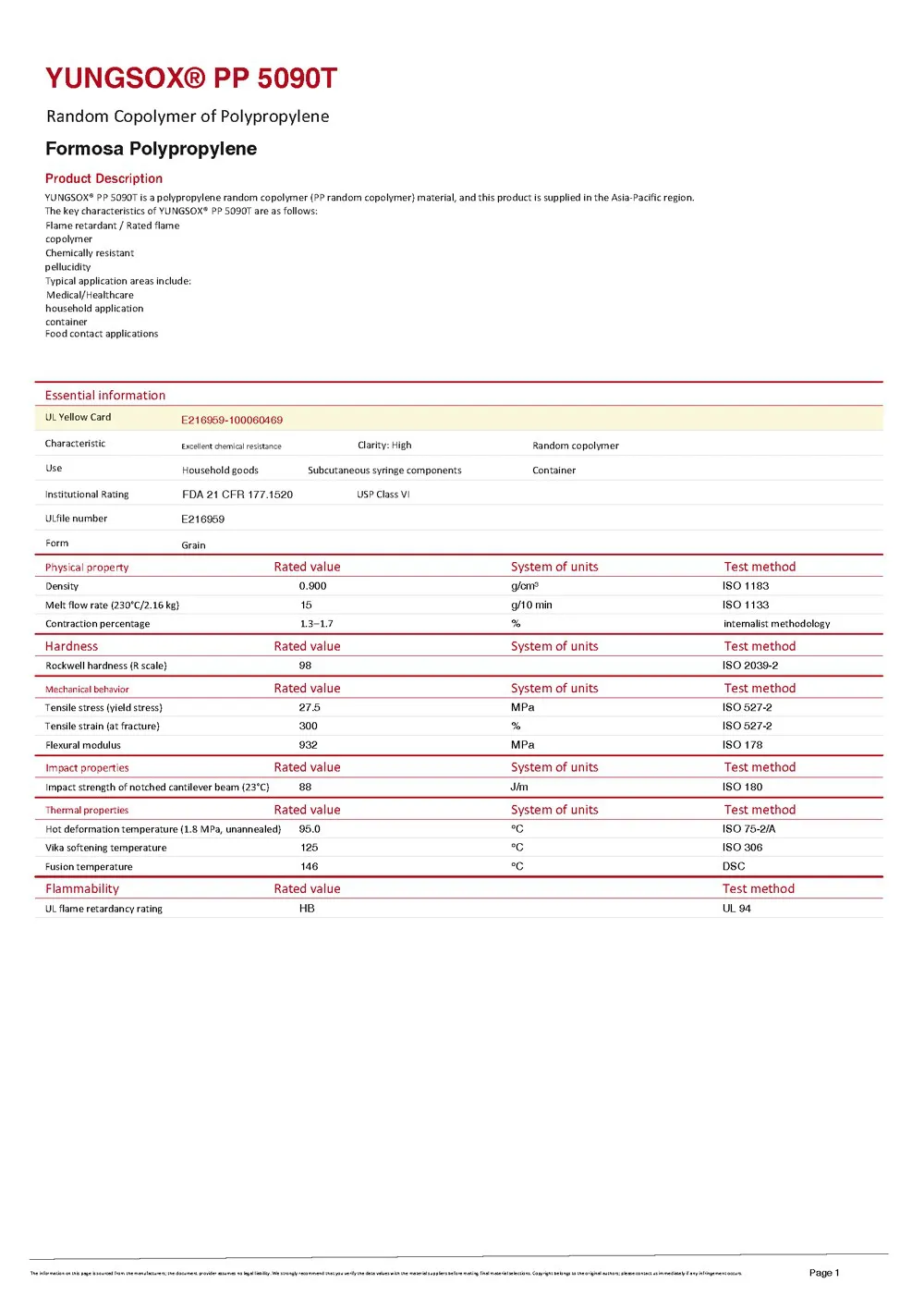
20/410 disc top closures are typically made from polypropylene (PP) or high-density polyethylene (HDPE)—plastics chosen for their unique properties:
PP (Polypropylene):
Flexible yet strong, PP excels for living hinges. It bends without cracking, ensuring the hinge lasts through daily use. It's also chemical-resistant, so harsh shampoos (with sulfates or fragrances) won't degrade it. Plus, it's lightweight and recyclable, aligning with sustainability goals.
HDPE (High-Density Polyethylene):
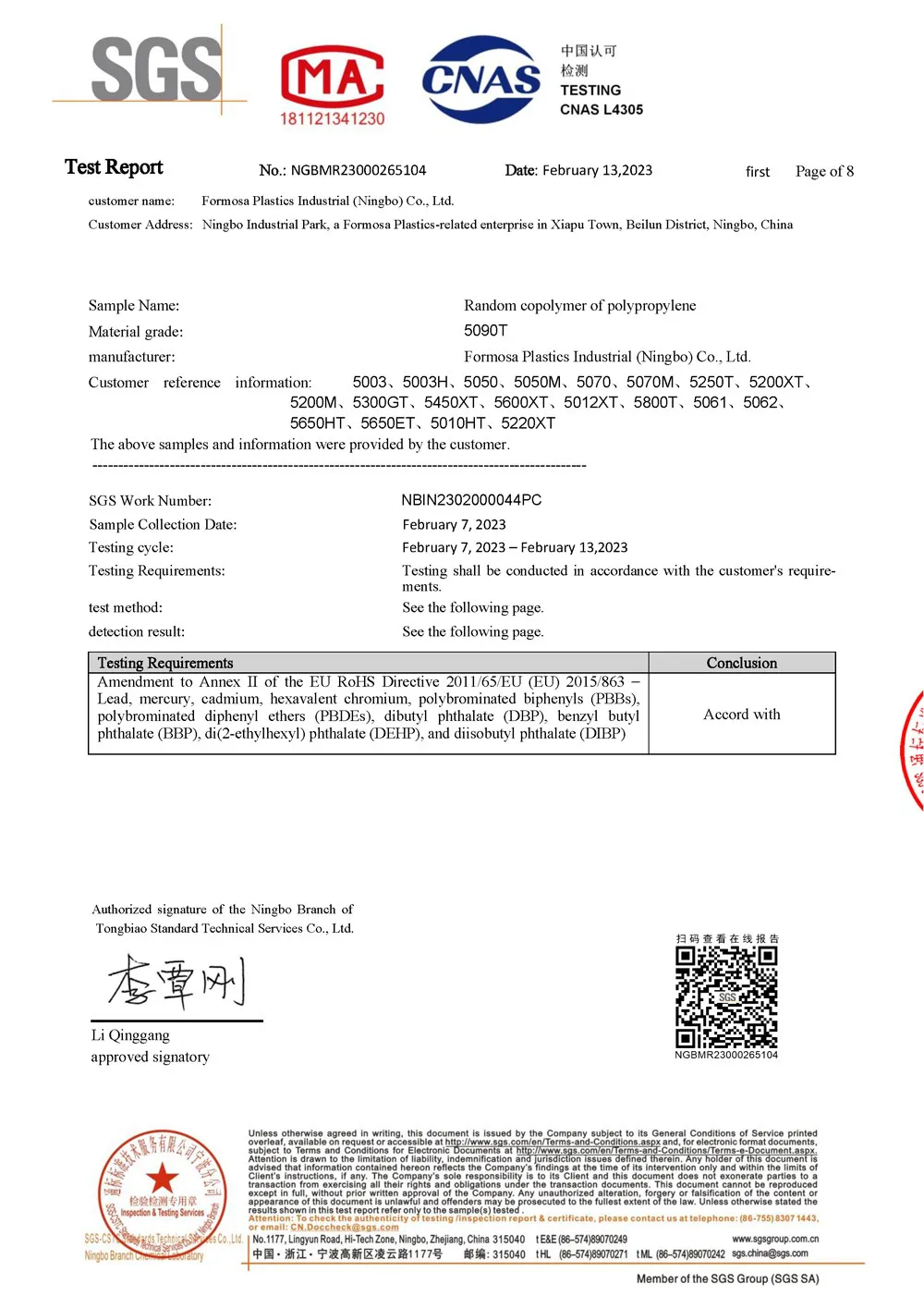
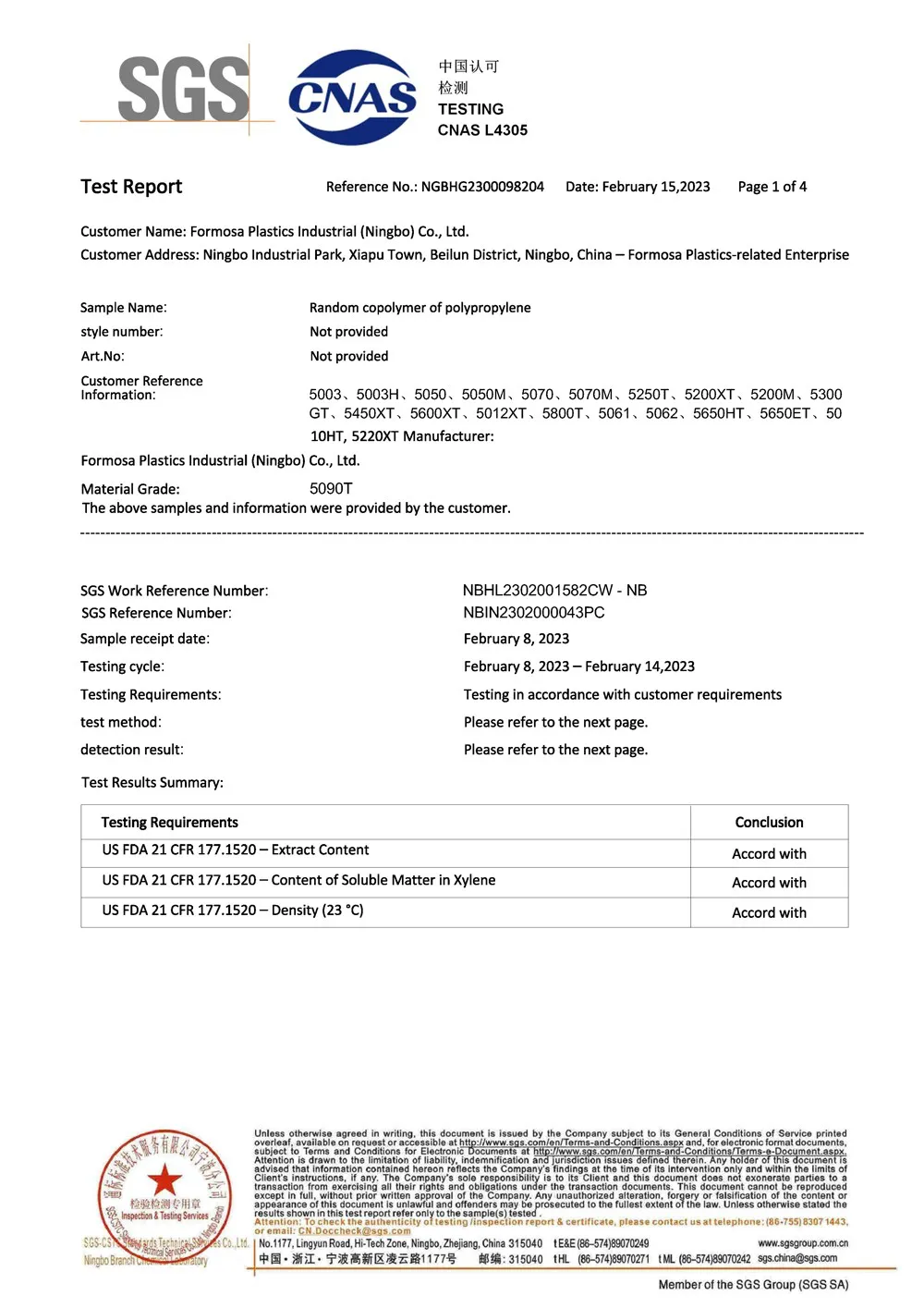
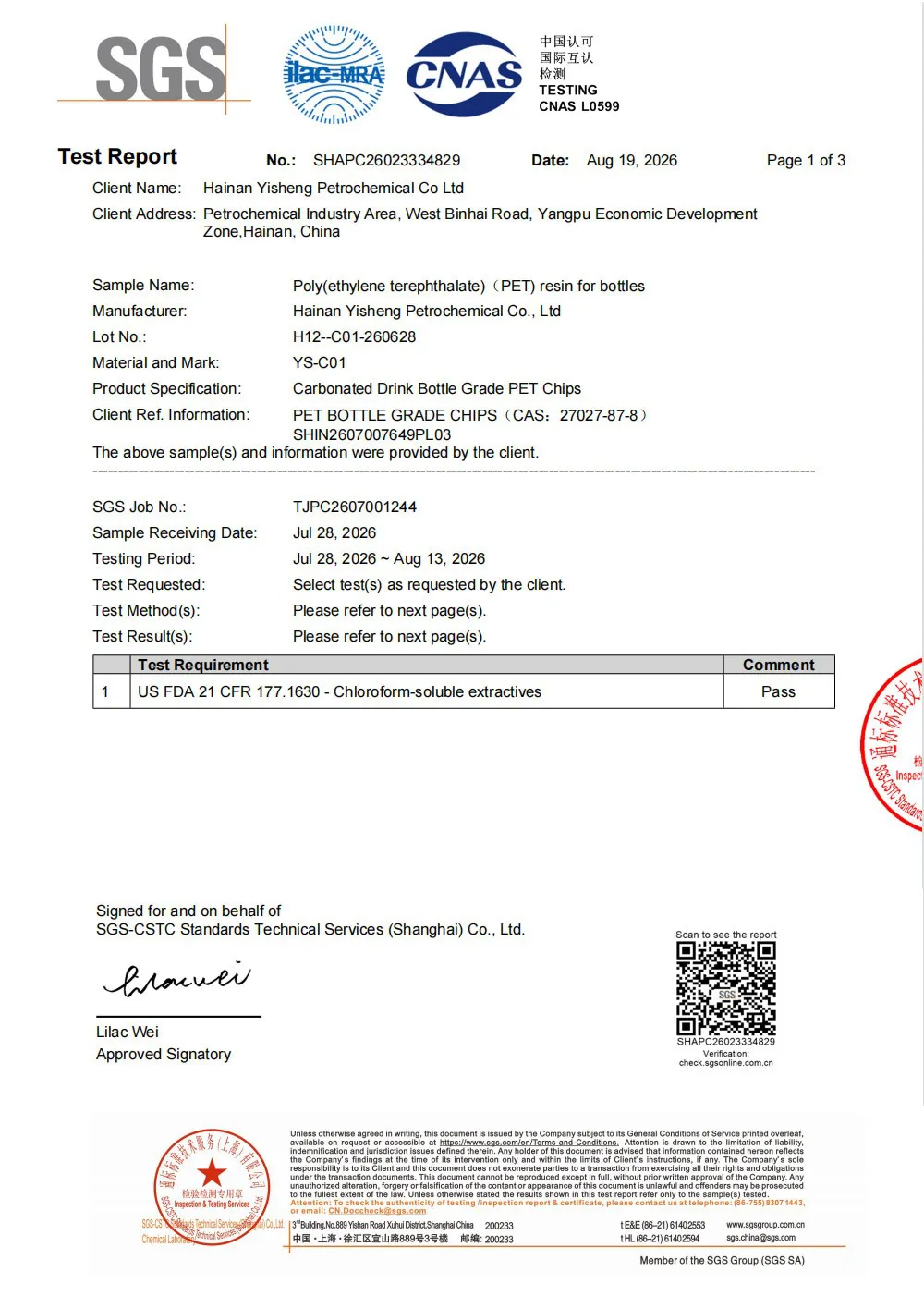
Sturdier than PP, HDPE offers a premium feel with its matte finish. It's impact-resistant—ideal for bottles that get dropped—and moisture-proof, making it perfect for humid showers. Like PP, it's BPA-free and FDA-compliant, so it's safe for contact with skin and hair products.
Both materials are easy to mold into custom shapes and colors, and many manufacturers now offer PCR (post-consumer recycled) options. For brands marketing eco-friendly lines, PCR PP/HDPE closures let them highlight sustainability without sacrificing performance. Imagine a "100% recycled" label on your closure—small detail, big consumer appeal.
Why Shampoo Brands Can't Get Enough of 20/410 Closures
Convenience, control, and durability—these are the pillars of
20/410 disc top closures' popularity. Let's unpack why they're a hit for shampoo and conditioner:
One-Handed Ease:
In the shower, fumbling with a screw cap while balancing a loofah is no fun. Disc tops dispense with a single thumb press—no twisting, no dropping. This is a game-changer for parents, people with mobility issues, or anyone rushing through morning routines.
Controlled Dispensing:
Ever squeezed too hard and ended up with a palmful of shampoo? 20/410 closures have a precision opening, releasing just enough product (no more, no less). This reduces waste (good for wallets and the planet) and makes the product feel premium—customers notice when they can dispense exactly what they need.
Travel-Ready:
Screw caps loosen in suitcases; disc tops don't. Their tight seal and secure hinge make them ideal for travel-sized bottles. Brands that offer mini versions (like 100ml for gym bags) rely on 20/410 closures to prevent leaks—no more ruined clothes or angry hotel guests.
Durability:
Bathroom humidity, drops, and daily use—20/410 closures stand up to it all. The living hinge resists fatigue, the seal stays tight, and PP/HDPE materials won't warp or crack. Customers can use the bottle from first use to last drop without the closure failing—a small detail that builds trust.
Customization: Making Your Closure Match Your Brand
Disc top closures aren't one-size-fits-all—they're a branding tool. Here's how brands customize them to stand out:
Colors:
Match your brand's Pantone shade for instant recognition. A lavender closure for a "calming" shampoo line? A bold teal for a "energizing" conditioner? The options are endless. Manufacturers use color-matching technology to ensure consistency across batches.
Finishes:
Glossy for vibrancy, matte for sophistication (and fingerprint resistance—key for bathroom products). Some brands opt for textured finishes, like a subtle grip, making the closure easier to open with wet hands.
Logos & Branding:
Embed your logo with embossing (raised), debossing (indented), or pad printing (ink transfer). Every press becomes a reminder of your brand—subtle, but effective for building loyalty.
Eco-Friendly Touches:
Use PCR plastic and highlight it on the closure (e.g., "30% Recycled"). For light-sensitive formulas, add UV-resistant additives to protect ingredients like natural oils.
The best part? Even small brands can customize. Many suppliers offer low MOQs for color-matching or logo printing, so you don't need a million-unit order to stand out.
How 20/410 Stacks Up Against Other Sizes
While 20/410 is versatile, other sizes exist. Here's how they compare, so you can choose the right fit:
|
Size
|
Diameter
|
Best For
|
Key Use Cases
|
Limitations
|
|
18mm
|
18mm
|
Travel bottles (50-150ml)
|
Sample sizes, gym toiletries
|
Too small for daily use; tiny opening may clog thick conditioner
|
|
20/410
|
20mm
|
Standard bottles (150-500ml)
|
Shampoo, conditioner, body wash
|
Not ideal for family-sized jugs (over 500ml)
|
|
24/410
|
24mm
|
Large bottles (500ml-1L)
|
Family-sized shampoo, household cleaners
|
Too bulky for small bottles; may feel awkward in hand
|
|
28/410
|
28mm
|
Jumbo bottles (1L+)
|
Industrial-use products, salon-sized conditioners
|
Overkill for everyday consumer use
|
For most shampoo and conditioner brands, 20/410 is the sweet spot. It's large enough for comfortable use but not so big that it dwarfs standard bottles. Unless you're selling salon-sized jugs, 20/410 offers the best balance of functionality and aesthetics.
Manufacturing Standards: Why Quality Matters
A leak-proof claim is only as good as the manufacturing behind it. Reputable 20/410 closures are made in facilities with strict quality control:
Raw Material Testing:
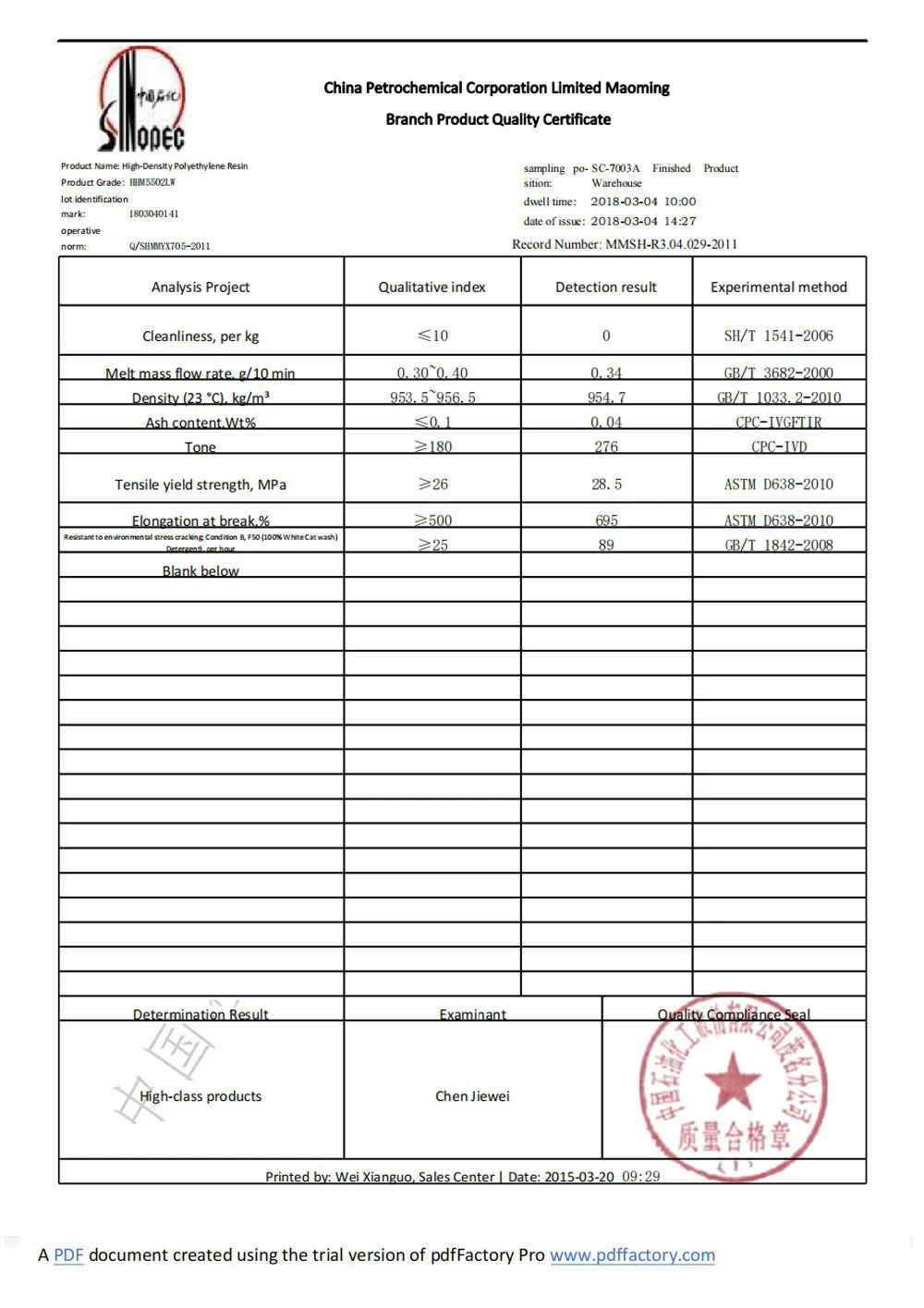
PP/HDPE resins are tested for purity, strength, and compliance with FDA/EU standards (no BPA, no contaminants). This ensures the closure won't react with shampoo ingredients or leach chemicals.
Precision Molding:
Injection molds are CNC-machined to exact specs, ensuring consistent threading and hinge strength. Even a 0.1mm error in the hinge can cause leaks, so manufacturers use high-tolerance molds and monitor temperature/pressure during molding.
Liner Application:
Liners (aluminum or polymer) are bonded via induction sealing, ensuring they stay in place. Misaligned liners cause leaks, so each closure is inspected post-application.
Performance Testing:
Before shipping, closures undergo inversion tests (24-hour upside-down trials), drop tests (1.2m onto concrete), and chemical compatibility tests (exposure to shampoo formulas for weeks). Only those passing all tests are approved.
Look for suppliers with ISO 9001 certification (quality management) and GMP-compliant workshops (dust-free, contamination-free). These certifications mean the factory prioritizes consistency and safety—critical for products that touch skin.
Why 20/410 Closures Are the Future of Hair Care Packaging
Consumer expectations are evolving: they want convenience, sustainability, and reliability. 20/410 closures deliver on all three:
User-Centric Design:
In a world of busy schedules, one-handed, leak-proof packaging isn't a luxury—it's expected. Brands that meet this expectation earn loyalty.
Sustainability:
PP/HDPE is recyclable, and PCR options let brands market eco-friendliness. Controlled dispensing also reduces waste, aligning with "zero-waste" trends.
Versatility:
They work for traditional, natural, or CBD-infused shampoos—no need to switch closures for different formulas. This adaptability ensures they'll remain relevant as trends shift.
Final Thoughts: Small Closure, Big Impact
20/410 disc top closures are more than a cap—they're a promise to customers: "We care about your experience." By preventing leaks, simplifying use, and aligning with branding, they turn packaging from an afterthought into a competitive advantage. Whether you're launching a new line or upgrading existing packaging, 20/410 closures offer the kind of reliability and convenience that keep customers coming back. After all, in the world of shampoo and conditioner, the best product experience starts—and ends—with a closure that just works.