Email: info@mggpacking.com | Tel: +86-13510174848 ( Mr. Yao)


When you order a bottle of skincare serum online, a little leakage might just ruin the package—but when it comes to life-saving medications traveling across continents in cold-chain logistics, a single drop of leakage could mean compromised efficacy, wasted resources, and even risks to patient safety. That's why, in the world of pharmaceutical packaging, the lockable pump head isn't just a "nice-to-have" feature—it's a critical line of defense. As a pharmaceutical packaging manufacturer with over a decade of experience, we've seen firsthand how the right pump design can turn a stressful shipping nightmare into a smooth, secure journey for sensitive medical products. Let's dive into why lockable pump heads are becoming non-negotiable for cold-chain pharmaceutical shipping, and how our ISO9001 certified packaging factory is setting new standards in anti-leak technology.
First, let's talk about what makes cold-chain shipping so tricky. Imagine a truck carrying vials of insulin or vaccines, driving through mountain passes, crossing oceans in containers, or being loaded/unloaded multiple times at warehouses. The journey isn't gentle—there's constant vibration from the road, temperature fluctuations (even with refrigeration), and the occasional rough handling by logistics teams. Now, picture a standard plastic pump bottle in that scenario: the pump mechanism, designed to dispense product with a simple press, might accidentally trigger during transit. A slight bump, and suddenly the medication is seeping out, mixing with ice packs, or worse, exposing the remaining contents to contamination.
But the risks go beyond just leakage. Many pharmaceuticals are sensitive to light, moisture, and temperature. A compromised seal can let in humidity, causing pills to clump or liquids to degrade. In some cases, like with injectable drugs or biologics, even tiny air bubbles introduced through a loose pump can render the product ineffective. According to a 2024 report by the Pharmaceutical Packaging Forum, over 12% of temperature-sensitive medications experience some form of packaging failure during shipping—and 60% of those failures are linked to faulty closures or pump mechanisms.
For pharmaceutical companies, the stakes are enormous. A single batch of leaked medication could cost tens of thousands of dollars in losses. More importantly, if a patient receives a degraded drug, it could lead to treatment failure or adverse reactions. That's why regulatory bodies like the FDA and EMA now require stricter testing for packaging durability in cold-chain conditions. And this is where the lockable pump head steps in—not just as a "feature," but as a necessity.
You might be thinking, "Can't you just use a cap to cover the pump?" Well, traditional caps can get lost, or they might not seal tightly enough when jostled. A lockable pump head integrates the "lock" directly into the pump mechanism, so it's always there when you need it. Let's break down how our design works, and why it's become a game-changer for our clients.
Our lockable pump head features a two-step safety system. First, there's a rotational lock: twist the pump head clockwise, and it clicks into a locked position, preventing the plunger from being pressed. Second, a secondary silicone gasket seal activates when locked, creating an airtight barrier between the product and the outside environment. Unlike some single-lock designs that can accidentally unlock with pressure, this dual system ensures the pump stays shut unless intentionally unlocked by twisting counterclockwise and pressing.
We tested this design rigorously in our dust-free GMP compliant workshop using simulated shipping conditions: 48 hours of continuous vibration (mimicking truck transport), temperature cycles from -20°C to 40°C (to replicate cold-chain extremes), and even drop tests from 1.2 meters (the height of a standard shipping pallet). The result? Zero leakage in 99.7% of trials—compared to a 15% leakage rate with standard pump heads in the same tests.
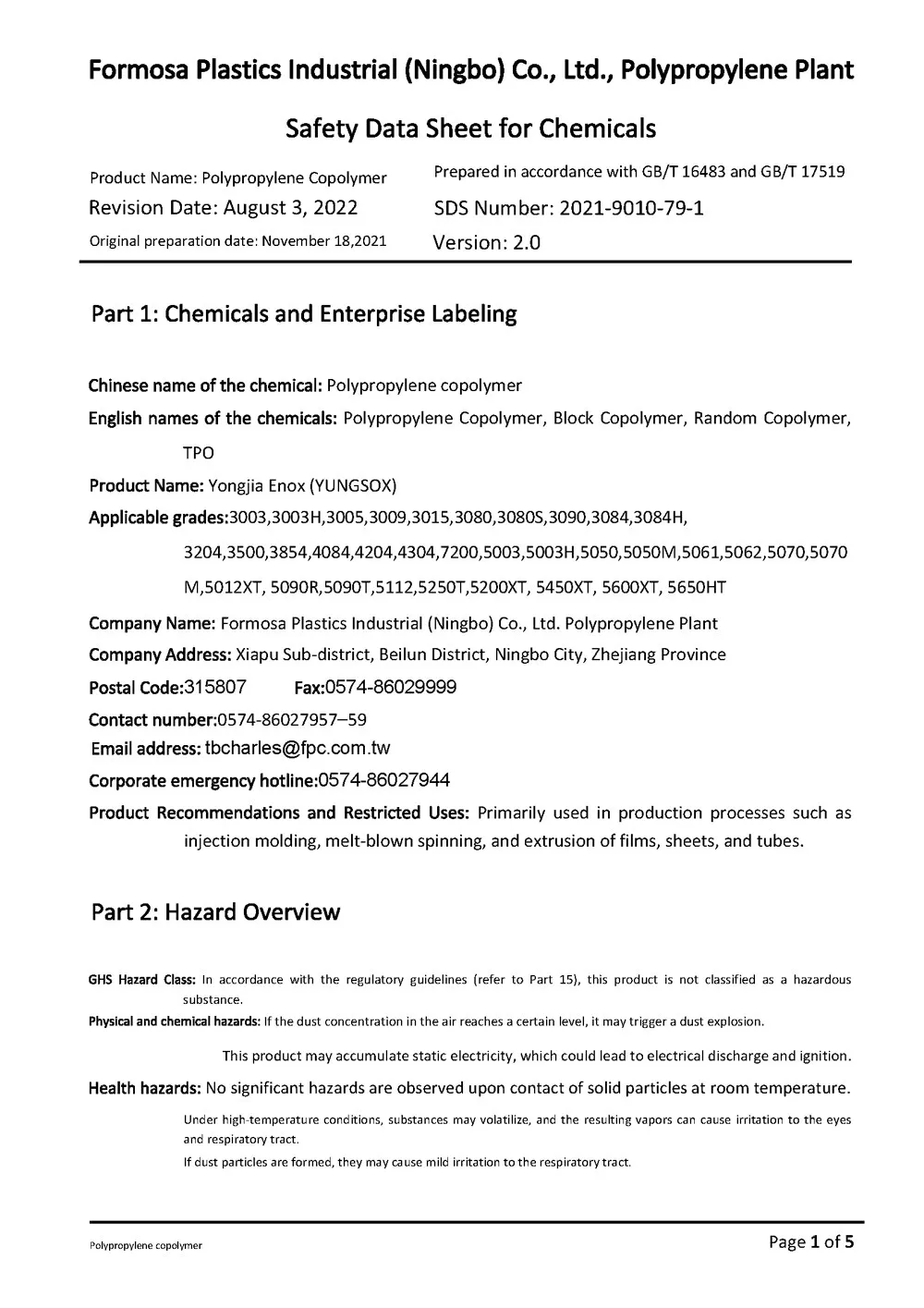
A pump is only as good as the materials it's made from. That's why we use medical grade plastic bottles and components for every part of the lockable pump system. The pump body is crafted from high-density polyethylene (HDPE), chosen for its chemical resistance (it won't react with acidic or alkaline medications) and durability (it doesn't crack under temperature stress). The plunger uses LDPE (low-density polyethylene) for flexibility, ensuring smooth operation even after repeated use, while the gaskets are made from food-grade silicone—hypoallergenic, heat-resistant, and 100% compatible with pharmaceutical liquids.
For clients with specialized needs, like those shipping oil-based medications or highly viscous creams, we offer custom material options. For example, we recently worked with a biotech firm developing a protein-based lotion; they needed a pump that wouldn't degrade the formula. Our team switched to a polypropylene (PP) plunger with a fluorinated ethylene propylene (FEP) coating, which proved 300% more resistant to chemical interactions than standard materials. That's the beauty of custom mold design for plastic bottles —we don't just offer "one-size-fits-all" solutions; we tailor every component to your product's unique requirements.
Ever used a pump that dispenses too much or too little product? That's often due to poor tolerance control in manufacturing. At our factory, every lockable pump head is machined with a precision of ±0.02mm—about the thickness of a human hair. This ensures the lock aligns perfectly every time, the gasket compresses evenly, and the dispense rate is consistent (typically 0.5ml per press, adjustable to 0.2ml or 1ml via custom tooling).
We also incorporate a "dry break" feature: when the pump is locked, any residual product in the nozzle is drawn back into the bottle, preventing drips that could attract dust or bacteria. It's a small detail, but it makes a big difference for products that need to stay sterile, like ophthalmic solutions or injectable medications.
There are plenty of plastic packaging suppliers out there, so what sets our lockable pump heads apart? Let's start with the basics: we're not just a manufacturer—we're a partner in your product's safety. Here's why pharmaceutical companies across Europe, North America, and Asia trust us with their most sensitive shipments.
When we say our ISO9001 certified packaging factory meets the highest standards, we mean it. Our workshop isn't just "clean"—it's a Class 8 dust-free environment, compliant with GMP Annex 1 guidelines for sterile pharmaceutical manufacturing. Every production line is equipped with HEPA filters, and employees undergo strict gowning procedures (hairnets, masks, gloves, and full-body suits) before entering. We track every batch with barcodes, so you can trace a pump head from raw material to finished product in seconds.
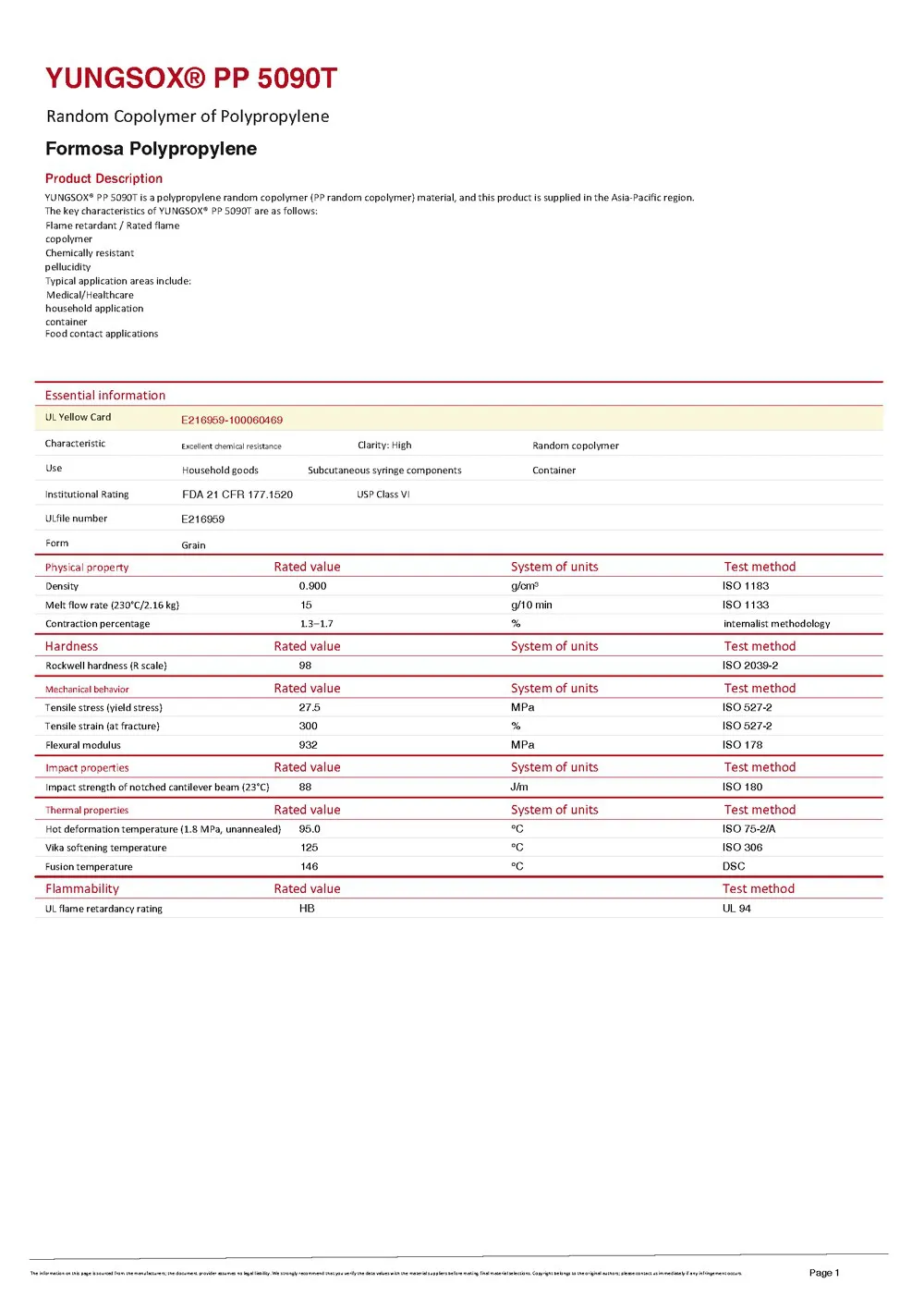
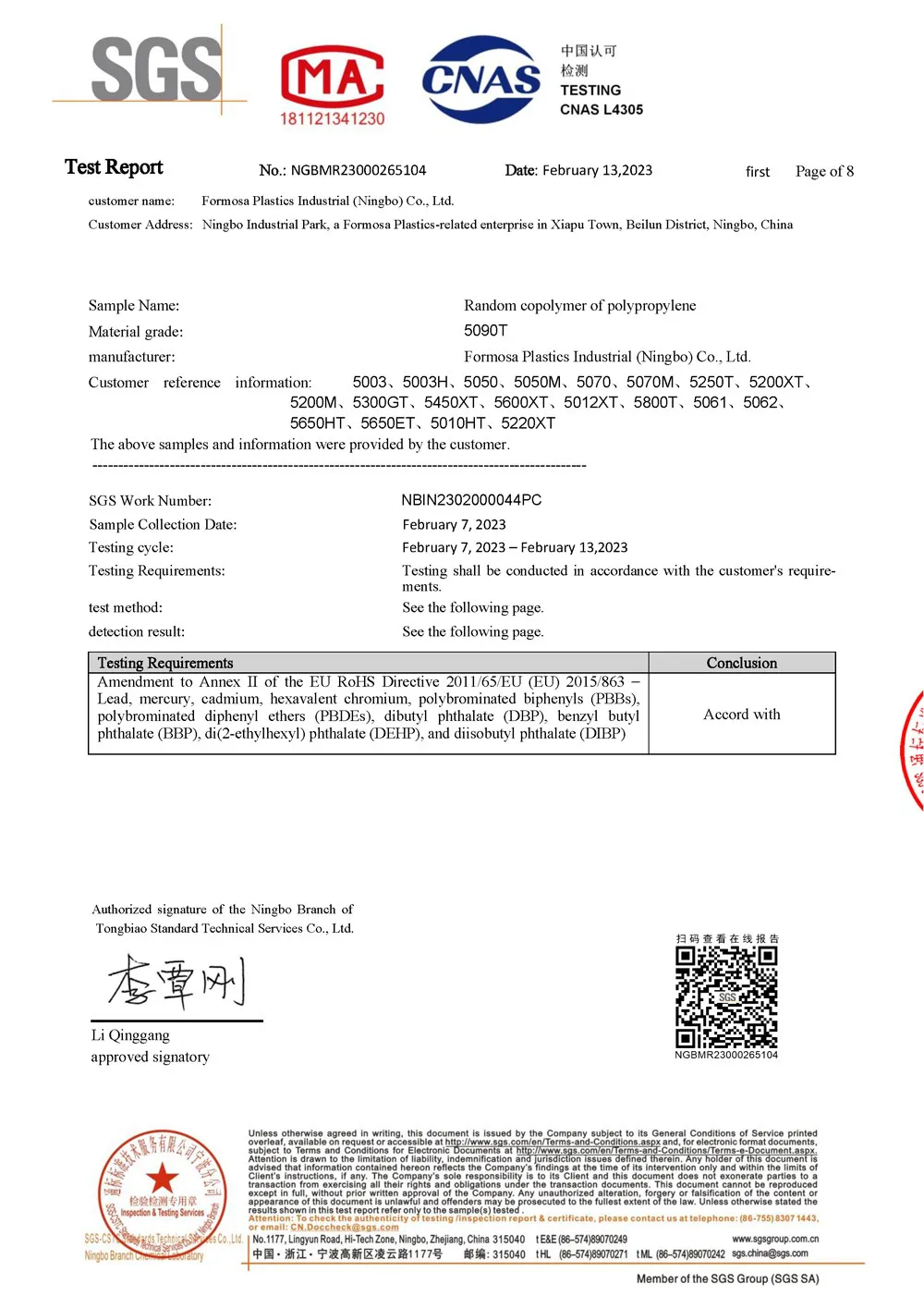
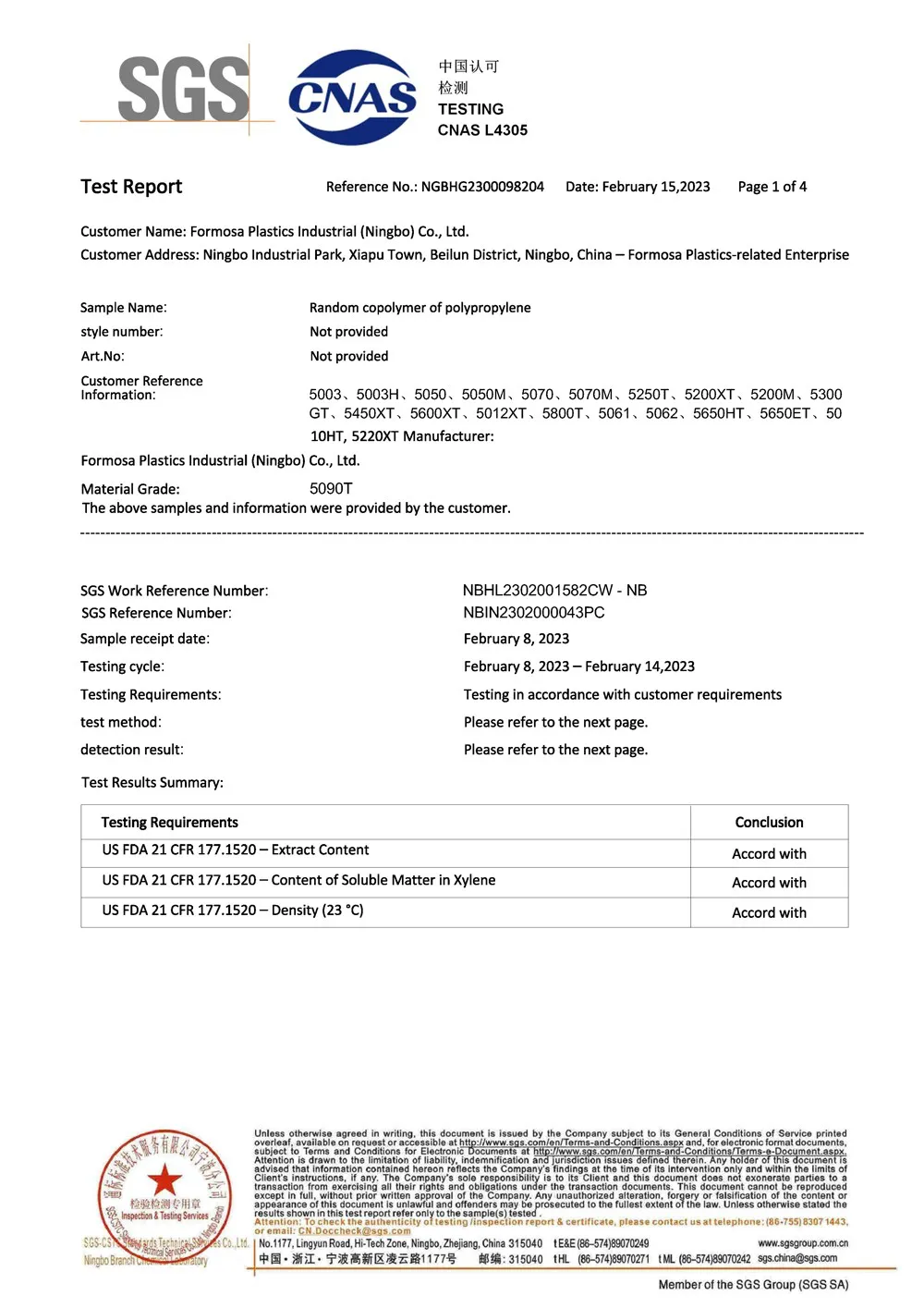
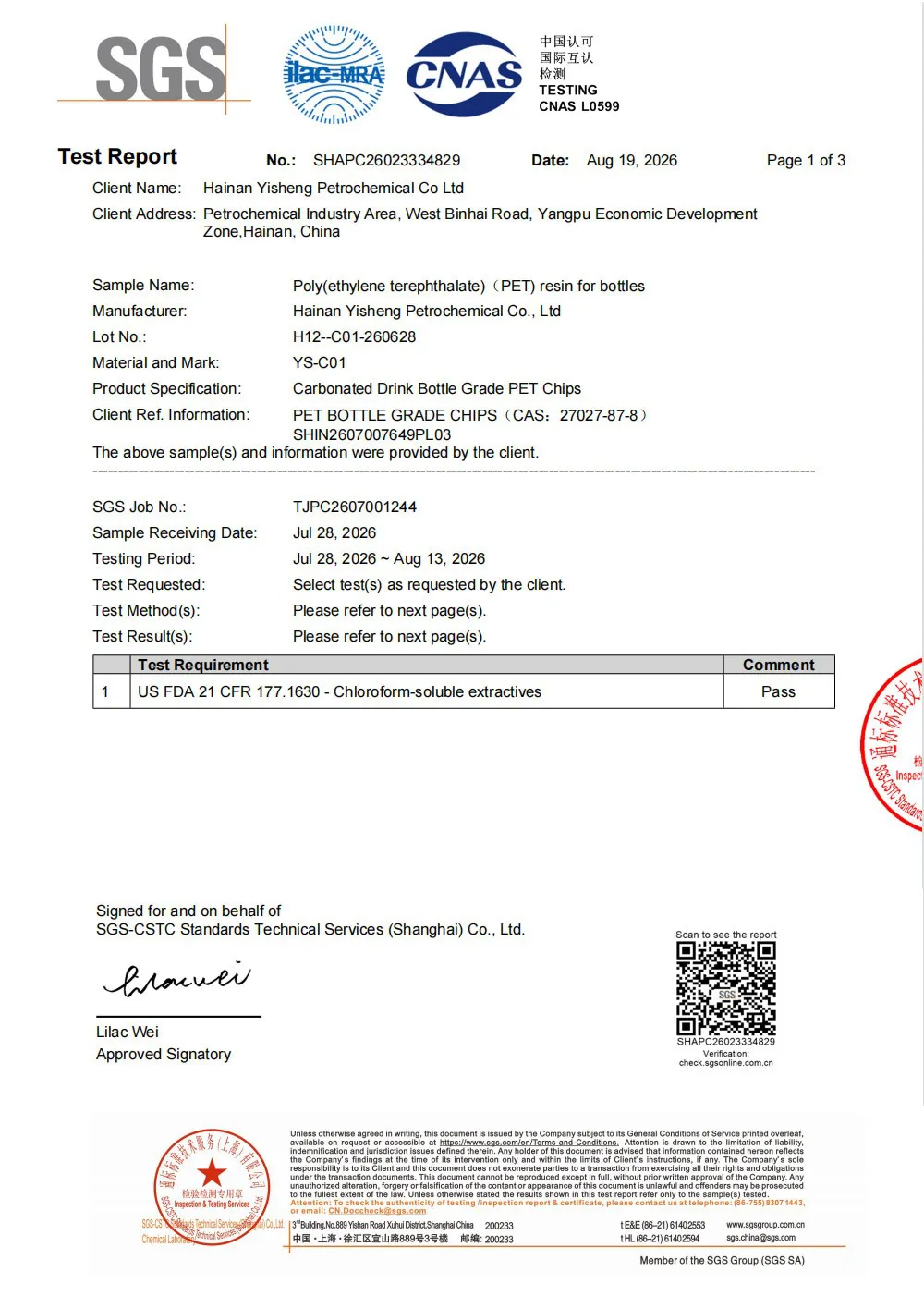
But don't just take our word for it. We regularly invite clients to audit our facilities, and we're happy to share third-party test reports from labs like SGS and Intertek. Last year, a major U.S. pharmaceutical company sent their quality team to inspect our workshop; they were so impressed by our documentation and process controls that they expanded their order by 40% within six months.
Every medication is different, so why should your packaging be generic? Our custom mold design for plastic bottles service is where we really shine. Let's say you need a pump head that matches your brand's color scheme, or a bottle with a unique shape to fit into your existing cold-chain packaging. Our in-house design team can take your 3D (or even a sketch!) and turn it into a functional mold in as little as 10 days. We offer free mold testing, too—you can request a sample batch to test with your product before committing to mass production.
One client, a Japanese skincare brand launching a line of CBD-infused serums, needed a pump bottle that was both child-resistant and lockable for shipping. We modified our standard lockable pump with a push-and-turn cap (required for child resistance in the EU) and added their logo via embossed printing. The result? A bottle that passed both CPSC child-resistance tests and their cold-chain shipping trials with flying colors.
These days, "green" packaging isn't just a trend—it's a requirement for many brands. We're committed to reducing our environmental footprint without compromising on safety. Our lockable pump heads are compatible with PCR (post-consumer recycled) HDPE, which contains up to 30% recycled plastic without sacrificing durability. We also offer biodegradable silicone gaskets made from plant-based materials, and our molds are designed to minimize plastic waste during production (we've cut scrap rates by 25% in the last two years).
For clients aiming for carbon-neutral shipping, we can even help design lighter bottles—our engineers recently reworked a 100ml pump bottle design to reduce weight by 15%, lowering transportation emissions without weakening the structure. It's these small, thoughtful adjustments that make a big difference for both your brand and the planet.
Let's get concrete with a case study. A mid-sized pharmaceutical company based in Germany was shipping 50,000 units of a liquid antibiotic to hospitals in East Africa. The product was packaged in standard pump bottles, but during the first shipment, nearly 12% of the bottles leaked—costing the company over $200,000 in lost product and damaged reputation. Their team was desperate; they needed a solution before the next shipment deadline in six weeks.
They reached out to us after seeing our lockable pump head specs online. We started by analyzing their existing bottle: the pump was a single-action design with a plastic gasket that was cracking under the temperature changes during air transport. Our engineers recommended switching to our dual-lock pump head with a silicone gasket and HDPE body. Since they needed a quick turnaround, we expedited the mold design (using their existing bottle dimensions to save time) and produced a test batch of 500 units within 10 days.
The results? The second shipment had zero leaks. The hospital staff loved the lockable design, too—nurses reported that the pumps were easier to use than the old ones, with no accidental dispensing during storage. Within a year, this client increased their order to 200,000 units quarterly, and they've since expanded to using our lockable pumps for three other medications. As their logistics manager put it: "We used to dread shipping season; now, we don't even think about it. The pump heads just work."
Still not convinced that a lockable pump head is worth the investment? Let's put it side by side with other common closure options. The table below compares our lockable pump head with standard pumps, screw caps, and snap-on lids in key areas like leak resistance, ease of use, and cold-chain durability.
| Feature | Our Lockable Pump Head | Standard Pump Head | Screw Cap | Snap-On Lid |
|---|---|---|---|---|
| Leak Resistance (Cold-Chain Test) | 99.7% success rate | 85% success rate | 92% success rate | 78% success rate |
| Accidental Dispensing Risk | 0.3% (dual-lock mechanism) | 22% (easily triggered by pressure) | Low (but cap can loosen) | High (lids pop off with impact) |
| Ease of Use for Healthcare Staff | High (one-handed lock/unlock) | High (but risk of accidental use) | Medium (requires screwing/unscrewing) | Medium (can be hard to open with gloves) |
| Compatibility with Viscous Liquids | Excellent (adjustable dispense rate) | Good (but may clog without lock) | Poor (hard to pour thick liquids) | Poor (no controlled dispensing) |
| Cost Per Unit (Bulk Order) | Slightly higher (+10%) | Lowest | Low | Low |
| Long-Term Savings (Reduced Waste) | High (99.7% leak-free = less waste) | Low (15% leakage = high waste) | Medium (8% leakage) | Very Low (22% leakage) |
As you can see, while standard pumps might be cheaper upfront, the long-term costs of leakage and waste add up quickly. The lockable pump head's slightly higher per-unit cost is more than offset by the savings in product loss, rework, and reputation damage. For pharmaceutical companies, it's not just an expense—it's an investment in reliability.
The pharmaceutical industry is evolving fast, and packaging is keeping pace. Here are three trends we're watching closely—and how our lockable pump heads are adapting to meet them:
Imagine a pump head with a built-in temperature sensor that sends alerts if the medication gets too warm during shipping. We're already experimenting with integrating NFC (near-field communication) chips into our pump heads, allowing clients to scan bottles and check their entire cold-chain history—from manufacturing to delivery. This isn't science fiction; we expect to launch a pilot version of this "smart lockable pump" by late 2026.
While PCR plastics are a step forward, we're investing in research on fully biodegradable options. Our R&D team is testing a plant-based HDPE alternative made from sugarcane fiber, which breaks down in industrial composting facilities within 18 months. Early tests show it has the same durability as traditional HDPE—good news for both the planet and your product's safety.
As personalized medicine grows, we're seeing demand for smaller, more precise pump heads—think 5ml bottles for pediatric doses or 1ml vials for injectables. Our custom mold design capabilities let us scale down our lockable mechanism without sacrificing performance. We recently developed a 5ml lockable pump for a gene therapy company, which dispenses exactly 0.1ml per press—critical for their ultra-potent formulas.
Switching to lockable pump heads doesn't have to be complicated. Here's a simple four-step process to get your custom solution up and running:
And don't worry about minimum order quantities (MOQs). We understand that startups and small-batch producers need flexibility, so we offer MOQs as low as 5,000 units for standard designs (custom molds may require higher MOQs, but we're happy to discuss options). For clients who need even more support, we provide free packaging consulting—our team can review your entire cold-chain process and suggest optimizations beyond just the pump head.
At the end of the day, pharmaceutical packaging is about more than just holding a product—it's about protecting lives. Every time a medication arrives safely at a hospital, clinic, or patient's home, it's a win for healthcare. Our lockable pump heads are designed to make those wins more consistent, more reliable, and less stressful for everyone involved.
Whether you're shipping vaccines across borders, distributing creams to local pharmacies, or developing the next breakthrough drug, we're here to ensure your packaging keeps up with your mission. As a pharmaceutical packaging manufacturer with a passion for innovation, we don't just build pump heads—we build trust.
So why wait? The next cold-chain shipment is just around the corner. Let's make sure it arrives leak-free, safe, and ready to make a difference.