Email: info@mggpacking.com | Tel: +86-13510174848 ( Mr. Yao)


Let's set the scene: It's 2 AM in the lab. You're hunched over a biosafety cabinet, carefully pipetting a precious cell culture into a cryogenic tube. This sample took six weeks to grow—countless late nights, precise temperature controls, and a few lucky breaks. You label it, cap it, and lower it into the liquid nitrogen tank. But as you walk away, a nagging thought creeps in: Is this tube really going to keep my sample safe? We've all heard the horror stories—tubes that crack at -196°C, caps that loosen, samples that leak and contaminate an entire rack. For researchers, that's not just a setback. It's months of work down the drain.
That's why choosing the right cryogenic storage tube matters. Not just any tube, but one that balances reliability, safety, and affordability. As a dedicated cryogenic tubes manufacturer with over 15 years in the plastic packaging industry, we've talked to hundreds of lab managers, researchers, and biobank directors. We know your top concerns: Will it leak? Is it sterile? Can I trust it with my most valuable samples? And let's be honest— Can we afford it without blowing the lab budget? Today, we're pulling back the curtain on our low-cost lab cryogenic storage tubes: the sterile, leak-proof solution designed to protect what matters most in your research.
Let's start with the obvious: Leaks happen. But in cryogenic storage, a leak isn't just messy—it's catastrophic. Imagine a tube failing in a liquid nitrogen tank. The sample spills, mixes with other samples, and suddenly you've lost not just one batch, but potentially dozens. Or worse, the leaked liquid nitrogen causes the tank's pressure to spike, creating a safety hazard. We've seen labs spend thousands on cleanup and sample replacement after a single faulty tube. So how do we stop this?
Our tubes feature a silicone gasket sealed design that's been tested to the extreme. Unlike cheap tubes that use thin rubber O-rings (which harden and crack over time), our silicone gaskets are engineered to maintain flexibility even at ultra-low temperatures. We compress them during capping to create a tight, uniform seal—no gaps, no weak spots. But don't just take our word for it. We run drop tests (from 3 feet onto concrete, because labs are busy places!), freeze-thaw cycles (from -196°C to room temp, 50 times in a row), and shaker tests (simulating transport vibrations). The result? Zero leaks. Ever. One university lab in Singapore even told us, "We used to lose 5% of samples monthly. With your tubes, it's down to 0.1%." That's the peace of mind we're after.
Picture this: You unbox a new batch of cryogenic tubes, crack one open, and notice a tiny dust particle floating inside. What do you do? Toss it? Sterilize it yourself? Either way, you're wasting time and money. In labs working with sensitive cell lines, bacteria, or viral samples, even a single contaminant can invalidate an entire experiment. That's why sterility isn't an add-on for us—it's the baseline.
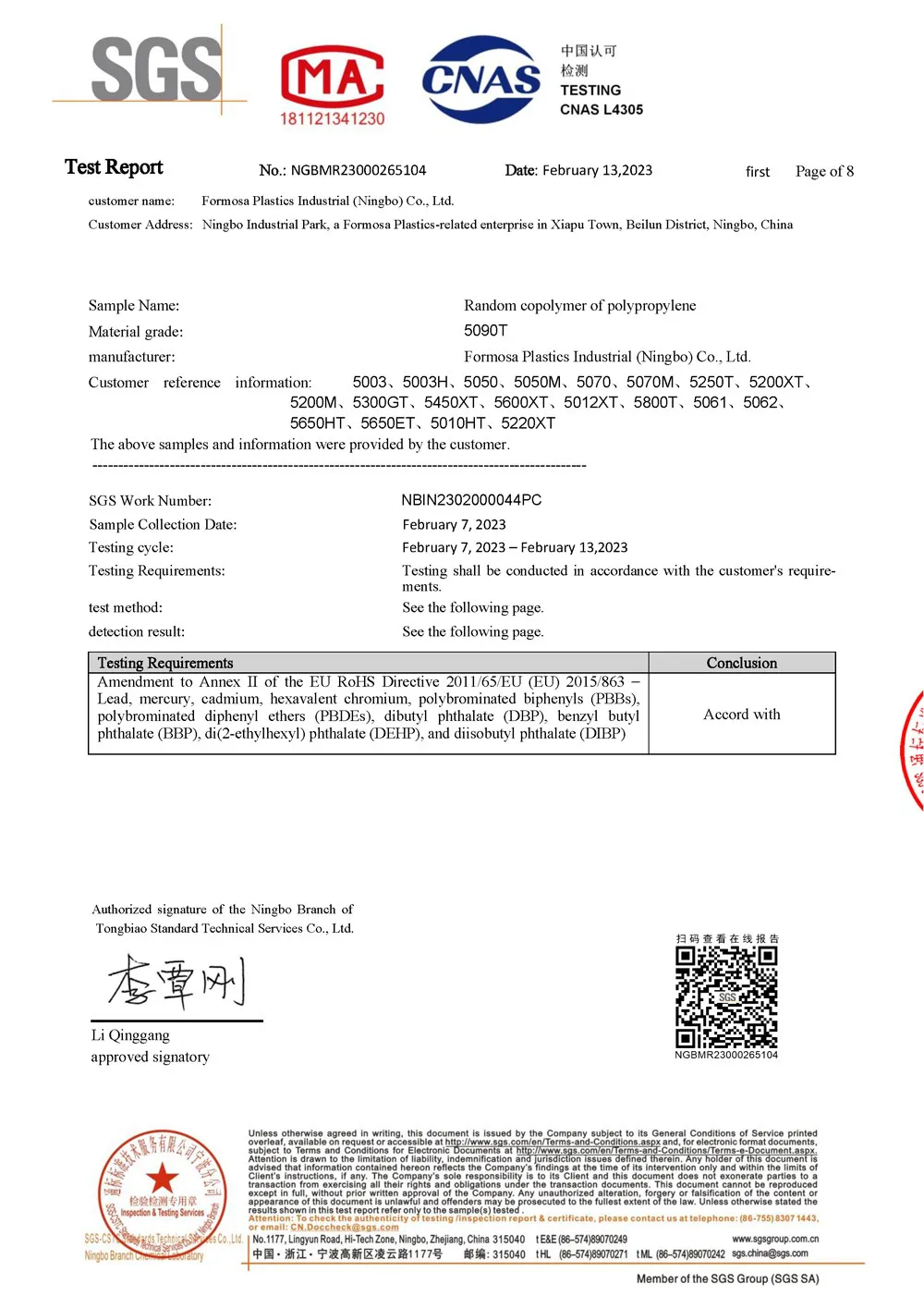
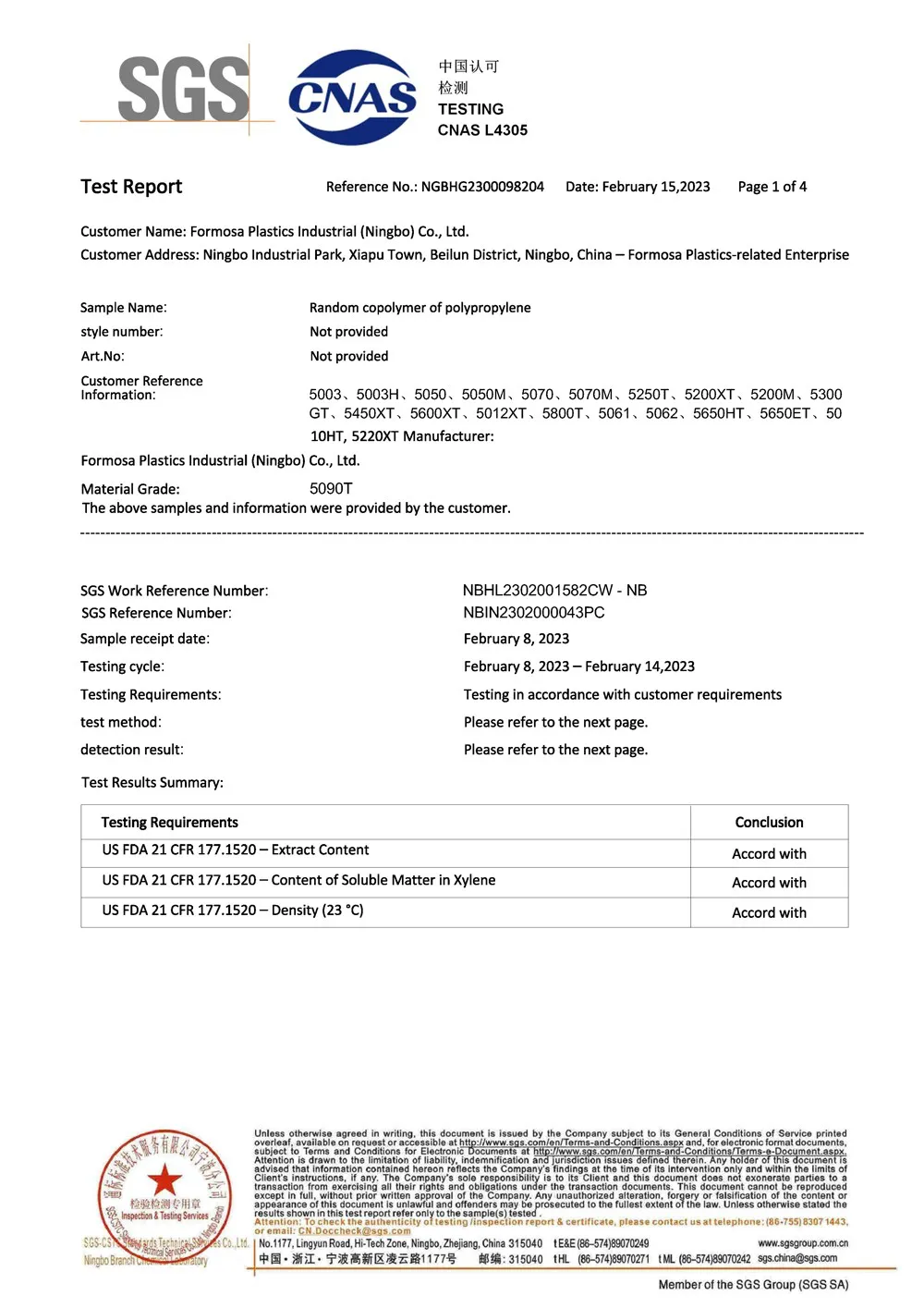
Every tube we make is sterilized using either EO (ethylene oxide) or gamma radiation—your choice. EO is great for heat-sensitive materials, while gamma radiation offers a higher sterility assurance level (SAL 10⁻⁶, if you're into the technical specs). But sterilization is only half the battle. We package each tube in tamper-evident, dust-free bags right after sterilization. That means when you open the box, the first time that tube is exposed to air is when you're ready to use it. No more "sterile" tubes that sat on a warehouse shelf collecting dust for months.
And since we operate a dust-free GMP compliant workshop , the manufacturing environment itself is a sterile zone. Our production lines are enclosed in HEPA-filtered air systems, and all workers wear full cleanroom gear—hairnets, masks, gloves, coveralls. We even test the air quality daily for particle counts. Why? Because we know that contamination can start long before the tube reaches your lab. It starts in the factory.
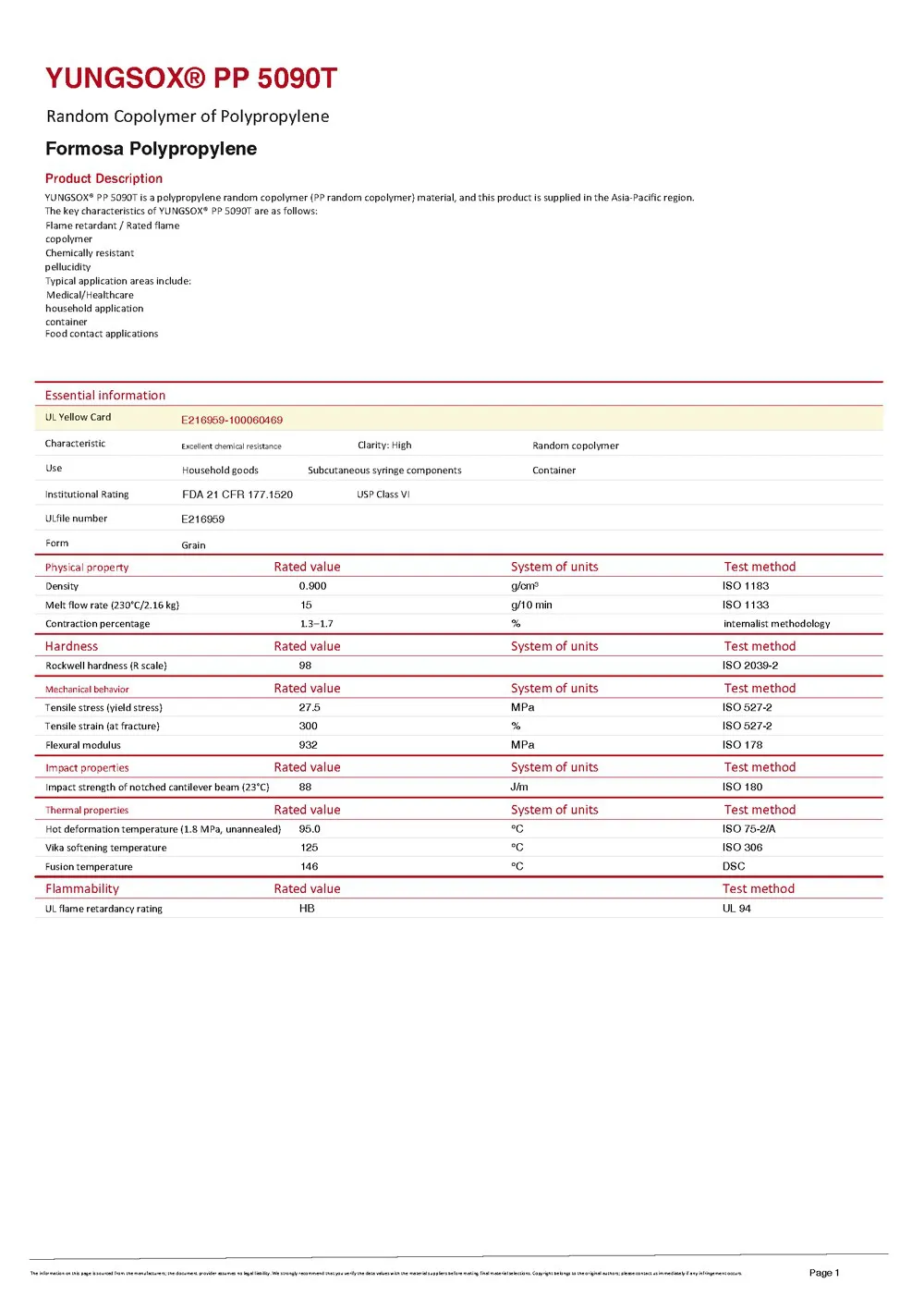
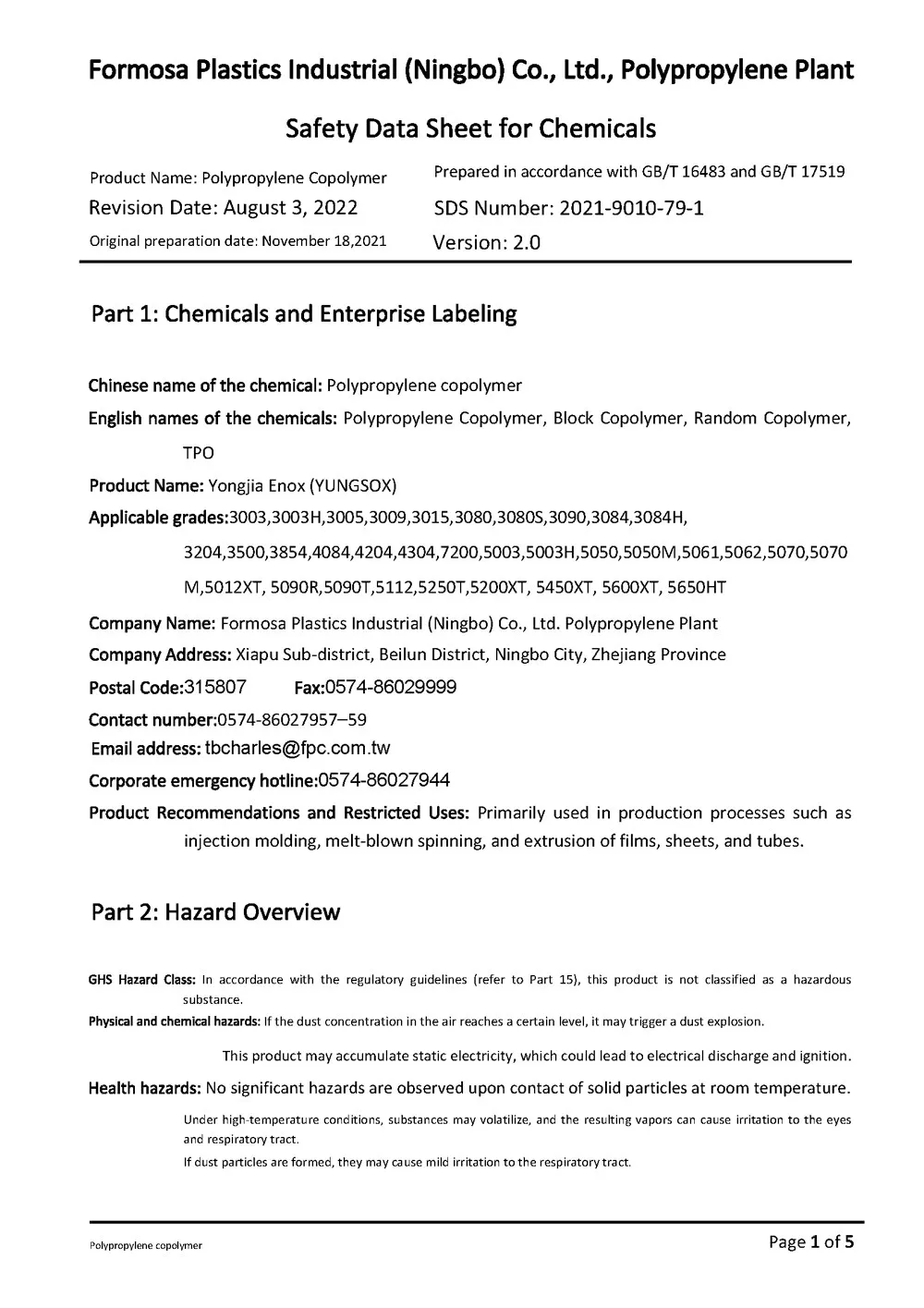
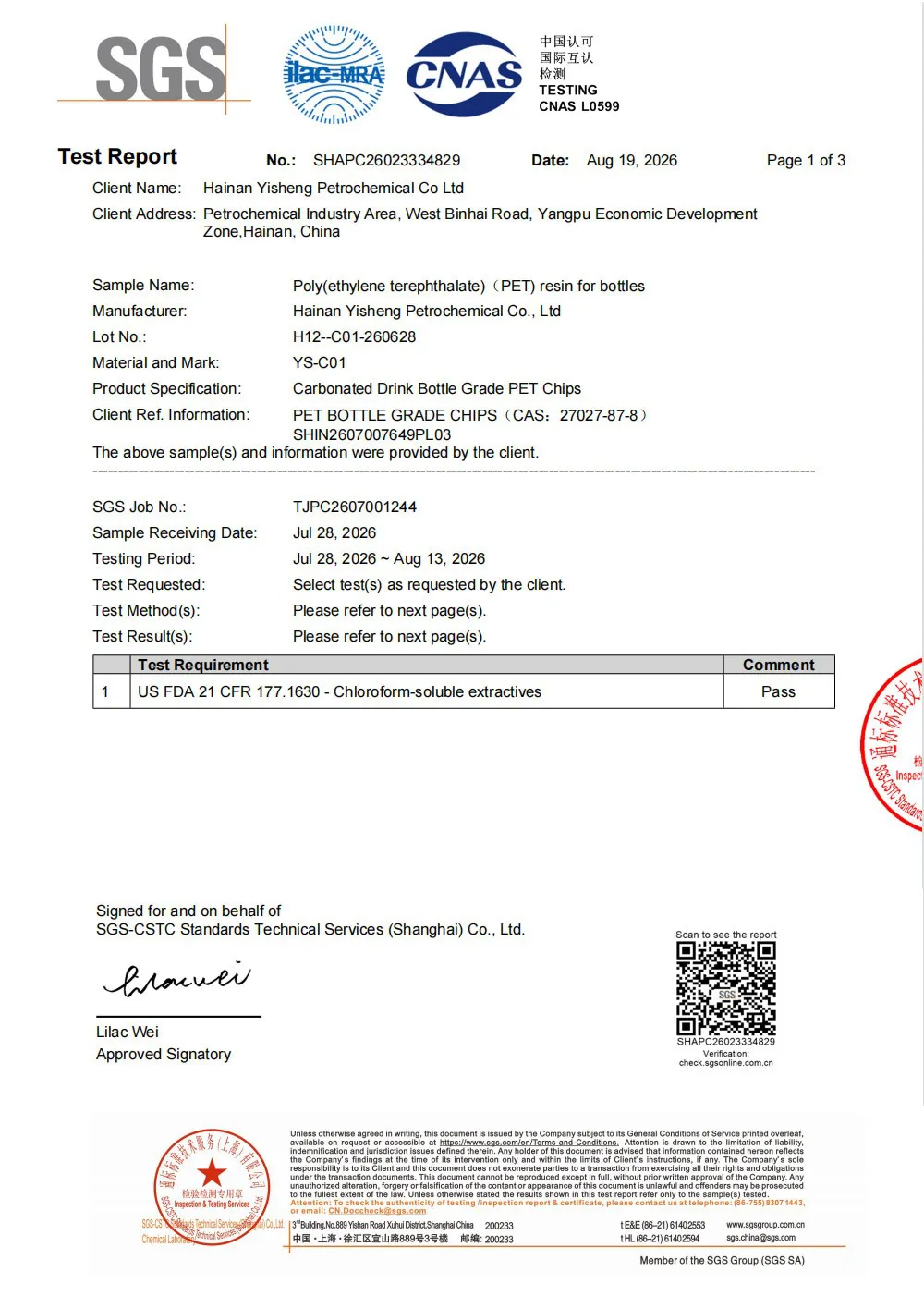
Not all plastics are created equal—especially when you're talking about storing samples at -196°C. Some cheap tubes use recycled or low-grade plastic that becomes brittle in liquid nitrogen, leading to cracks. Others leach chemicals into samples over time, altering pH or damaging delicate molecules. That's why we only use medical grade plastic bottles standards for our cryogenic tubes: 100% virgin polypropylene (PP).
PP is the gold standard for cryogenic storage for a reason. It's:
We once had a customer switch to us after their previous supplier's tubes started clouding and cracking after 3 months in storage. "The plastic turned white and brittle," they told us. "When we tried to open them, the tubes shattered in our hands." With PP, that doesn't happen. Our tubes stay clear, strong, and reliable—even after years in storage.
Labs come in all shapes and sizes, and so do your samples. A small biotech startup storing 0.5ml cell aliquots needs a different tube than a university biobank handling 5ml tissue samples. That's why we offer a range of to fit your workflow—not the other way around. Let's break down the options:
| Capacity | Thread Type | Bottom Design | Sterilization Method | Best For |
|---|---|---|---|---|
| 0.5ml | Internal | Conical | Gamma | Small cell pellets, PCR amplicons |
| 1.8ml | Internal/External | Conical/Round | EO/Gamma | Standard cell cultures, serum samples |
| 2ml | Internal | Conical | Gamma | Stem cells, viral vectors |
| 5ml | External | Round | EO | Tissue samples, bulk reagents |
Let's decode that table a bit. Thread type : Internal threads (where the cap screws inside the tube neck) are great for space-saving—they stack tighter in racks. External threads (cap screws over the neck) are easier to open with gloves on, a big plus during late-night sample retrievals. Bottom design : Conical bottoms let you pellet samples by centrifugation, so you can aspirate supernatant without disturbing the pellet. Round bottoms are better for samples that need to be mixed or vortexed before use.
And if you don't see your here? That's where our custom mold design for plastic bottles service comes in. We've worked with labs to create everything from 0.2ml micro-tubes for single-cell sequencing to 10ml tubes with extra-wide openings for tissue biopsies. No idea where to start? Our in-house design team can turn your 3D drawing (or even a rough sketch!) into a functional mold—with free mold testing to make sure it works before you commit to a full order.
You've heard the buzzwords: "ISO certified," "GMP compliant," "quality assured." But what do those terms actually mean for you? Let's cut through the jargon. As an ISO9001 certified packaging factory , we follow a strict set of quality management standards. That means every step—from raw material inspection to final shipping—is documented, tracked, and audited. If a batch of tubes fails a test, we don't just scrap it—we investigate why, fix the problem, and make sure it never happens again.
Our GMP compliant workshop takes it a step further. GMP (Good Manufacturing Practice) is the FDA's standard for medical devices and pharmaceutical packaging, and it's non-negotiable for us. Here's what that looks like on the ground:
Why does this matter? Because when you order from us, you're not just getting a tube—you're getting peace of mind that every single unit meets the same high standard. No "good enough" batches, no cutting corners. We're audited twice a year by third-party inspectors, and we're proud to say we've never failed an ISO or GMP audit. To us, that's not just a certification—it's a promise.
Let's address the elephant in the room: "If these tubes are so good, they must be expensive, right?" We get it—lab budgets are tight. You're already stretching funds for reagents, equipment, and salaries. The last thing you need is to overspend on storage tubes. But here's the thing: "low-cost" doesn't have to mean "low-quality." We've built our business on making premium tubes affordable, and here's how:
First, we're a factory-direct supplier. No middlemen, no distributors marking up prices. When you order from us, you're buying straight from the source—saving 20-30% compared to resellers. Second, we optimize our production process. We run our injection molding machines 24/7, which reduces energy costs and increases efficiency. We also buy raw materials in bulk, passing those savings on to you. And third, we don't nickel-and-dime you for extras. Need custom labeling? We can laser-etched your lab's name or sample ID for free on orders over 10,000 units. Want a specific color cap? No problem—we keep 10 standard colors in stock, with no minimum order for custom colors (though larger orders get even better pricing).
One customer, a public health lab in India, told us they switched to our tubes and saved $12,000 a year on their cryogenic storage budget. "We were paying double for a 'brand name' tube," they said. "Yours work just as well, and the savings let us hire a new research assistant." That's the impact we want to have—helping you do more science with less stress about costs.
You might be thinking, "These tubes sound great for academic labs, but what about my industry?" The truth is, our cryogenic tubes are used by a wide range of customers, all with one thing in common: they can't afford to lose samples. Here are just a few:
At the end of the day, cryogenic storage tubes are more than just plastic containers. They're the guardians of your research—protecting months (or years) of work, breakthrough discoveries, and even potential life-saving treatments. You shouldn't have to choose between quality and cost. With our sterile, leak-proof, low-cost cryogenic tubes, you don't have to.
We're not just a supplier—we're a partner. Whether you need 100 tubes for a small experiment or 100,000 for a biobank, we'll work with you to find the right solution. And if you ever have a problem? Our customer service team (based in both China and the US) responds to emails within 4 hours, and we offer a 100% satisfaction guarantee: if a tube leaks or fails, we'll replace it and refund your shipping cost. No questions asked.
So the next time you're staring at a rack of cryogenic tubes, wondering if they'll keep your samples safe, remember this: You deserve a tube that works as hard as you do. One that's sterile, leak-proof, and affordable. One that's backed by a factory with the certifications, experience, and commitment to quality to deliver on its promises. That's our cryogenic storage tube. Let's protect your research—together.