Email: info@mggpacking.com | Tel: +86-13510174848 ( Mr. Yao)


When it comes to topical medications—whether it's a soothing spray for eczema, a pain-relief mist for muscle aches, or an antiseptic solution for wound care—every detail matters. Patients and healthcare providers alike don't just need a container; they need a promise. A promise that the plastic holding their treatment won't leach harmful chemicals, that the spray mechanism will deliver the right dose every time, and that the packaging itself won't compromise the medication's effectiveness. That's where medical-grade BPA-free plastic spray containers come in—and why choosing the right manufacturer isn't just a business decision, but a commitment to safety.
At the heart of this commitment is understanding that topical medications are personal. They're used on sensitive skin, applied by children and the elderly, and often relied on daily. A subpar container could mean inconsistent dosing, contamination, or worse—undermining the trust between brands, healthcare professionals, and the people who depend on these products. For over a decade, we've focused on crafting spray containers that don't just meet industry standards, but exceed the expectations of those who need them most. Let's dive into what makes these containers essential, and how we ensure they stand up to the critical role they play.
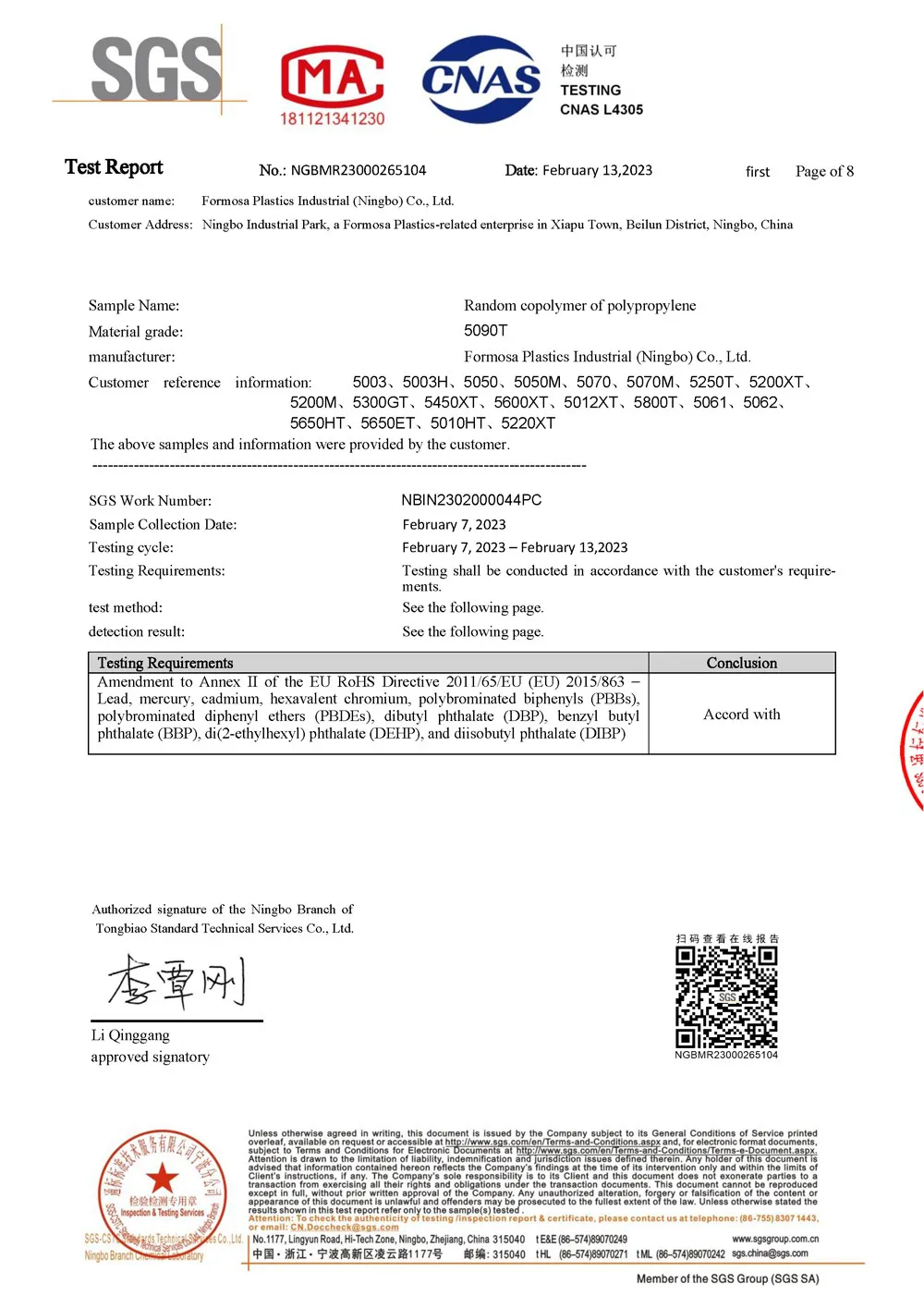
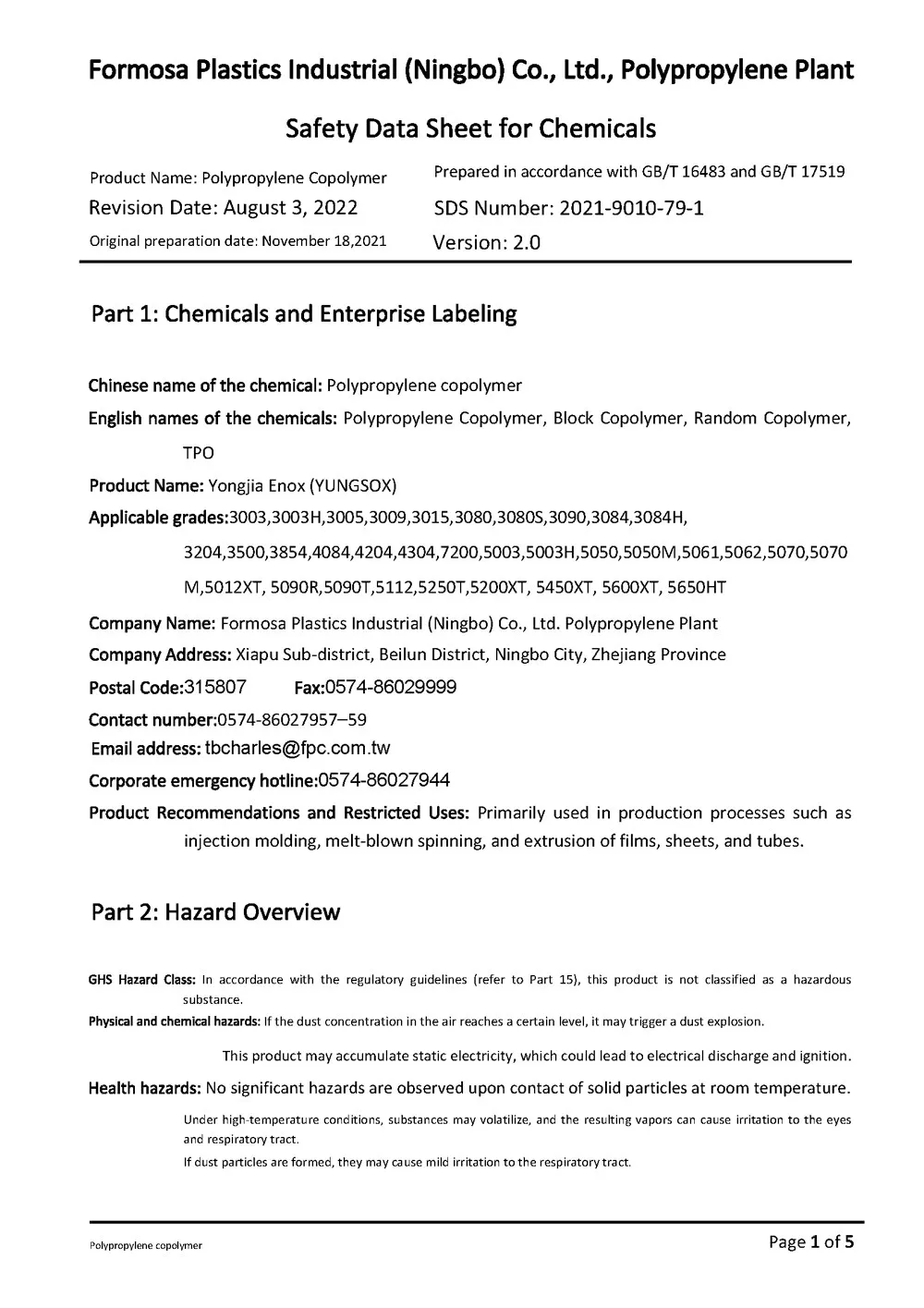
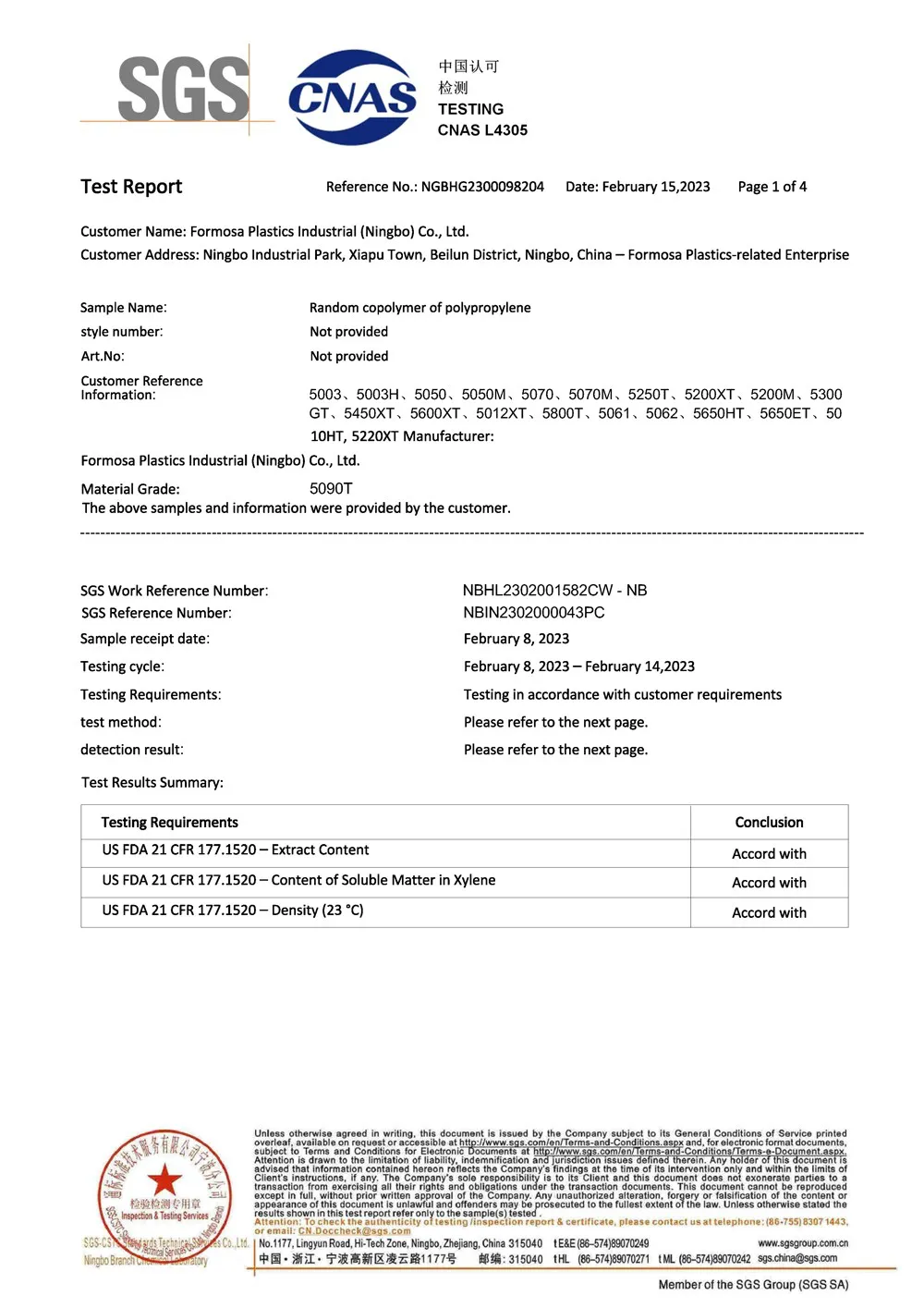
Not all plastic spray bottles are created equal. When we talk about "medical-grade," we're referring to a strict set of criteria that goes far beyond basic functionality. For topical medications, the container must be inert—meaning it won't react with the medication inside. It must be free of BPA (bisphenol A), a chemical linked to hormonal disruptions, and other harmful additives like phthalates. And it must be designed to prevent contamination, whether from bacteria, moisture, or external pollutants.
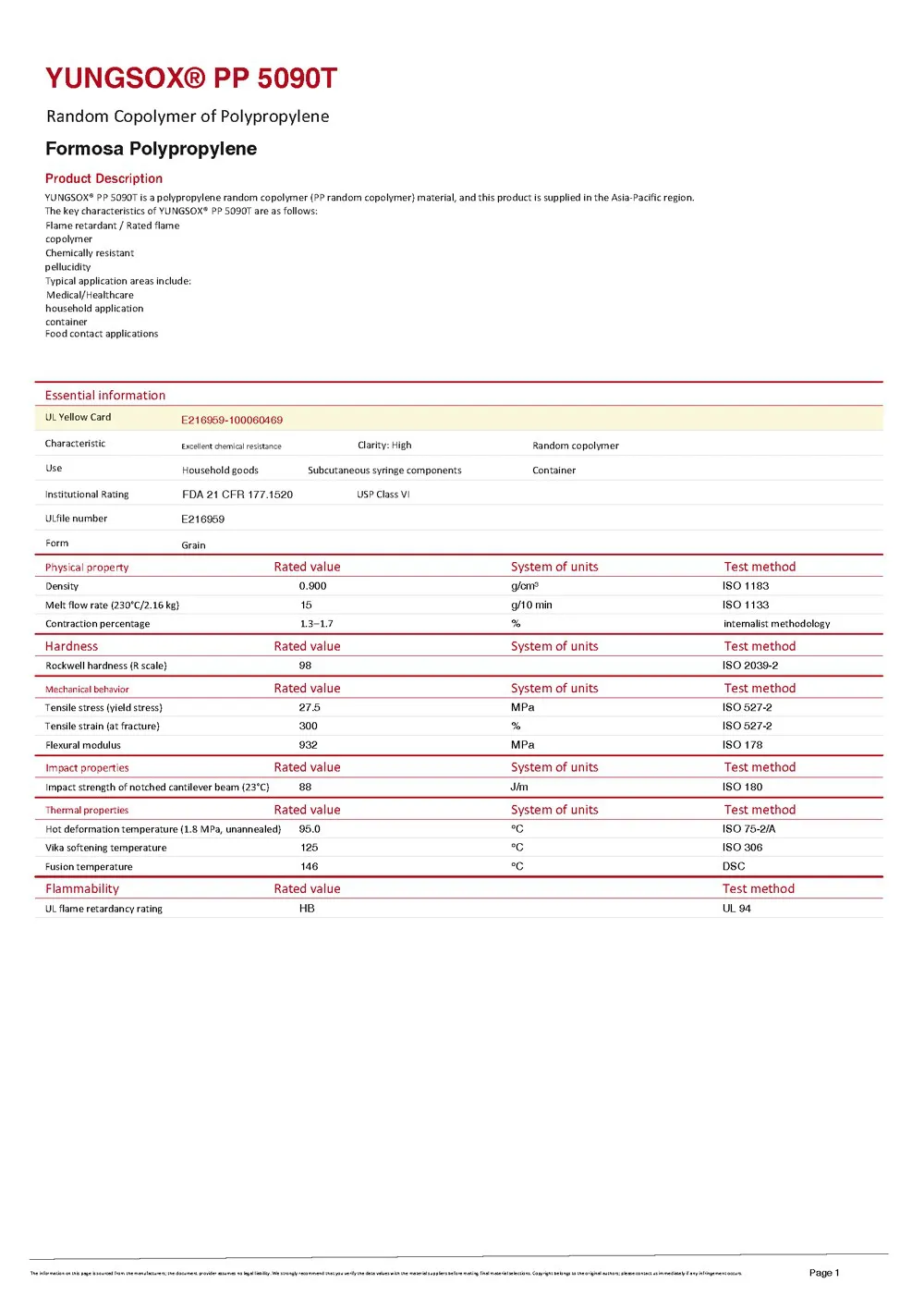
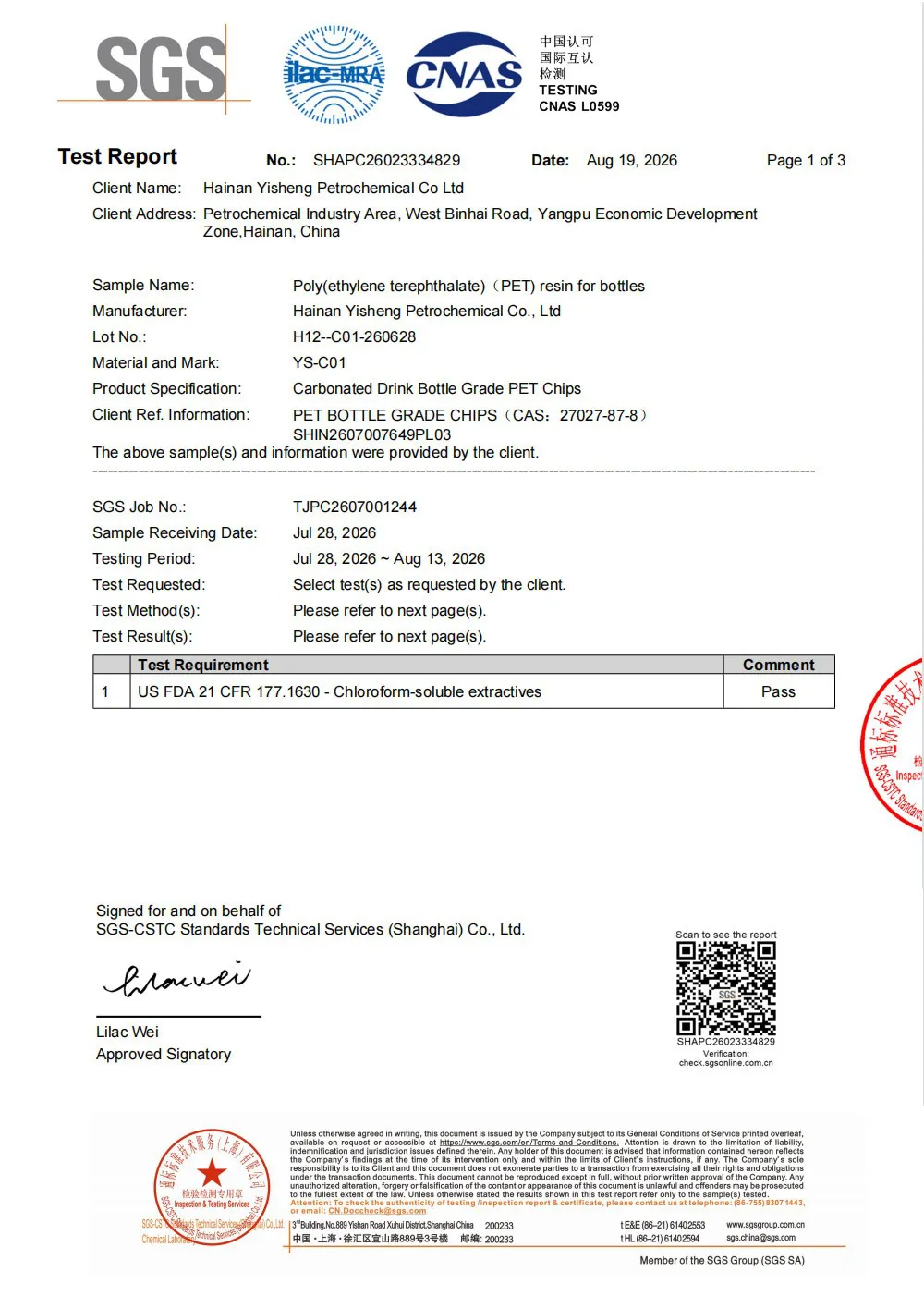
Our medical-grade spray containers start with the right materials. We primarily use HDPE (high-density polyethylene) and PET (polyethylene terephthalate), both of which are approved by global health authorities for medical use. HDPE, in particular, is a favorite for its chemical resistance—ideal for holding acidic or alcohol-based topical solutions without degradation. PET, on the other hand, offers clarity, making it easy for users to see the remaining medication level, while still maintaining BPA-free safety.
| Material | Key Benefits for Medical Use | Ideal Medication Types |
|---|---|---|
| HDPE | BPA-free, chemical-resistant, impact-resistant, opaque (protects light-sensitive meds) | Antiseptic sprays, pain-relief mists, topical antibiotics |
| PET | BPA-free, clear (easy dose visibility), lightweight, shatter-resistant | Cosmeceuticals, herbal sprays, low-viscosity topical treatments |
But material alone isn't enough. To truly be "medical-grade," the entire production process must adhere to rigorous standards. That's why our factory holds both ISO 9001:2015 certification and operates out of dust-free GMP-compliant workshops. These aren't just certifications on a wall—they're daily practices. From the moment raw materials arrive, they're tested for purity. During production, every spray bottle is inspected for defects, and the final products undergo leak testing, pressure testing, and chemical compatibility checks. We even simulate real-world conditions—exposing bottles to temperature changes and rough handling—to ensure they hold up when it matters most.
A spray container might seem simple, but the difference between a "good" and "great" design lies in the details—details that come from listening to what our clients (and their end-users) actually need. For example, many of our pharmaceutical clients mentioned that their elderly patients struggled with stiff spray triggers. In response, we redesigned our trigger mechanism to require 30% less force, making it easier for those with limited hand strength to use independently. Small changes, but ones that turn a functional container into one that respects the user's dignity.
Another common need is customization. No two topical medications are the same, and neither should their containers. Maybe a dermatology brand needs a 100ml spray bottle with a fine mist for facial serums, while a hospital supplier requires 500ml bottles with a wider spray pattern for disinfecting large areas. Our custom design service lets clients tailor everything from bottle size (30ml to 1000ml) and shape to the spray mechanism itself—whether it's a fine mist, a stream, or a continuous spray for extended use.
Labeling and branding matter too. For pharmacies and clinics, clear, smudge-proof labeling is essential to prevent medication errors. We offer options like silk-screen printing (resistant to water and alcohol) and embossed logos (for tactile identification, helpful for visually impaired users). And for brands looking to build recognition, custom colors and matte finishes add a professional touch without compromising safety.
Last year, a pharmaceutical company approached us with a problem: their new topical steroid spray was highly effective, but patients were complaining about inconsistent dosing. The spray would sometimes sputter, delivering too much medication in one area and too little in another. Worse, the bottle's narrow neck made it hard to clean, leading to residue buildup and contamination risks.
Our team worked directly with their (R&D) department, testing 12 different spray nozzle designs before landing on a solution: a dual-chamber system that separated the medication from the propellant until use, ensuring a smooth, consistent mist. We also widened the bottle neck and added a detachable nozzle for easy cleaning. The result? Patient complaints dropped by 85%, and the product went on to become a top-seller in its category. That's the power of design that listens.
Walk into our production facility, and you'll notice something immediately: it's quiet. Not the silence of inactivity, but the focused hum of a space designed for precision. Our dust-free GMP-compliant workshops are more than just clean—they're controlled environments where temperature, humidity, and air quality are monitored 24/7. Why does this matter for spray containers? Because even a single dust particle could contaminate a medication, especially for products used on open wounds or sensitive skin.
Every employee entering the workshop wears head-to-toe protective gear—hairnets, masks, gloves, and smocks—to prevent human contamination. Machinery is sanitized hourly, and production lines are isolated to avoid cross-contamination between different products. We even use HEPA filtration systems to remove 99.97% of airborne particles larger than 0.3 microns. It's a level of rigor that might seem excessive, but when you consider that these bottles could end up in hospitals, nursing homes, or family medicine cabinets, "excessive" becomes "essential."
Quality control doesn't stop at the workshop door, either. We maintain a dedicated lab where every batch of spray containers is tested for:
In today's world, safety can't exist in a vacuum—it has to coexist with responsibility. We believe that medical-grade packaging shouldn't come at the expense of the planet, which is why we've invested heavily in sustainable plastic packaging solutions. For starters, we use PCR (post-consumer recycled) plastic in select bottle lines, reducing our reliance on virgin materials without compromising strength or safety. Our HDPE bottles are fully recyclable, and we're working on biodegradable alternatives for non-medical-grade lines (though we're careful to ensure these meet the same safety standards before introducing them to medical clients).
We also focus on reducing waste in production. Our 3D mold design technology lets us create prototypes digitally, cutting down on material waste from traditional trial-and-error mold making. And our "right-size" approach means we help clients choose the smallest possible bottle that still holds their medication—reducing plastic use and shipping costs. For example, a client previously using 100ml bottles for a 60ml medication switched to our custom 70ml design, saving 30% on plastic per unit.
At the end of the day, choosing a plastic spray container manufacturer is about more than comparing specs and prices. It's about finding a partner who understands that your product isn't just a commodity—it's a lifeline for someone. Here's what sets us apart:
Whether you're a pharmaceutical company launching a new topical medication, a skincare brand expanding into medical-grade products, or a healthcare supplier looking for reliable, safe packaging, we're here to turn your needs into solutions. Because when it comes to the containers that hold life's essential treatments, "good enough" isn't— and never should be—enough.
Let's build something safe, together. Your patients, your brand, and the planet will thank you.