Email: info@mggpacking.com | Tel: +86-13510174848 ( Mr. Yao)


Imagine reaching for a bottle of nasal spray when allergies strike, or a facial mist to soothe sunburned skin. In that moment, you probably don't think much about the bottle itself—but you should. The container holding these sensitive liquids is a silent partner in their effectiveness. A subpar bottle can leach chemicals, clog, or fail to protect the formula from light, heat, or contamination. For pharmaceutical companies, skincare brands, and laboratories, this isn't just a quality issue; it's a matter of safety, compliance, and trust. That's where medical grade custom plastic mist spray bottles step in. They're not just packaging—they're precision-engineered guardians designed to keep sensitive liquids safe, pure, and potent, from factory to fingertips.
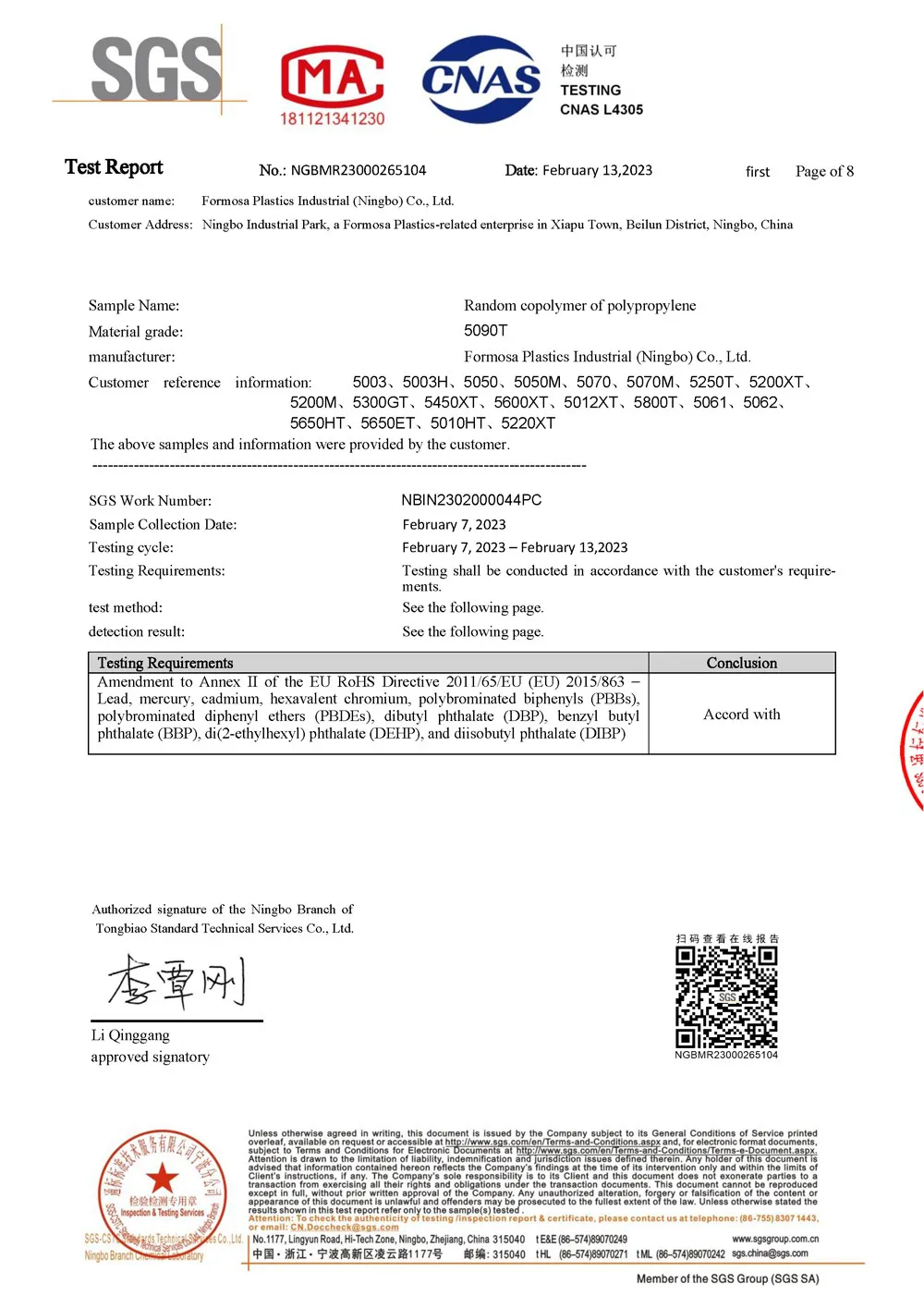
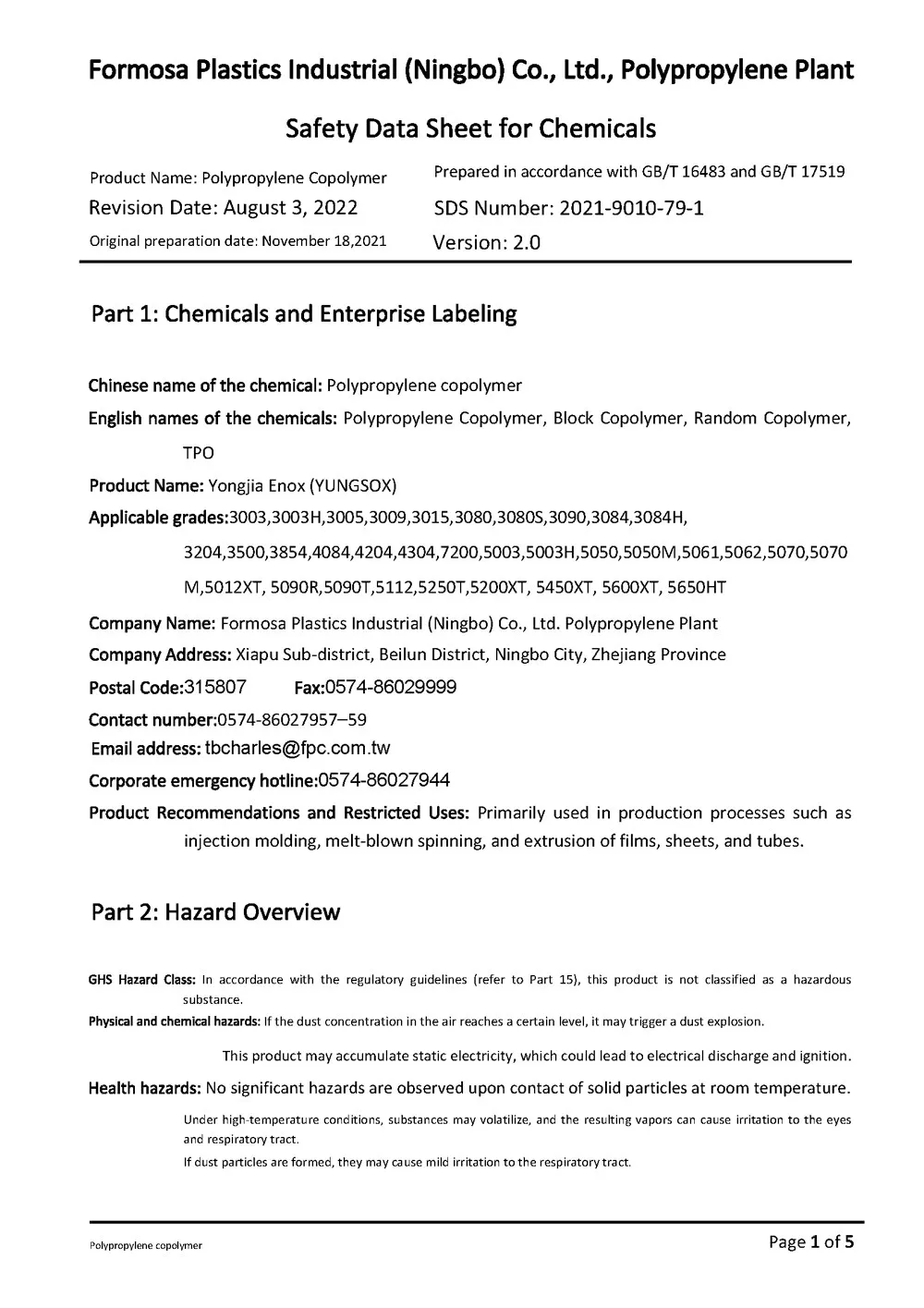
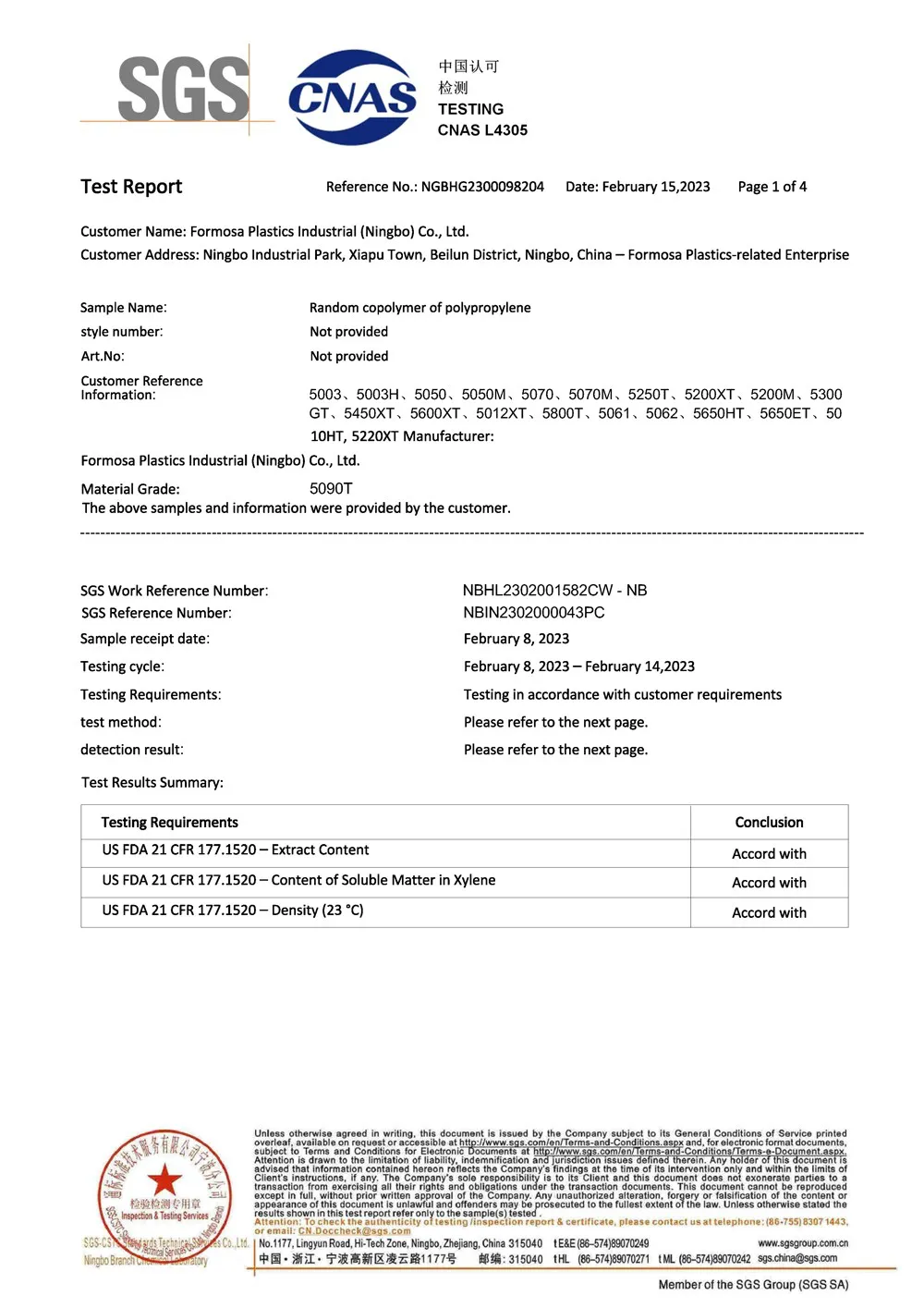
Walk through a pharmacy or beauty aisle, and you'll see dozens of bottles labeled "high quality" or "premium." But "medical grade" is a different standard entirely. It's not a marketing buzzword; it's a rigorous certification that ensures the bottle meets the strictest safety and performance criteria for sensitive applications. To earn this label, manufacturers must prove their bottles:
In short, medical grade means peace of mind. When you choose a medical grade spray bottle, you're choosing a container that's been vetted to protect both your product and the people who use it.
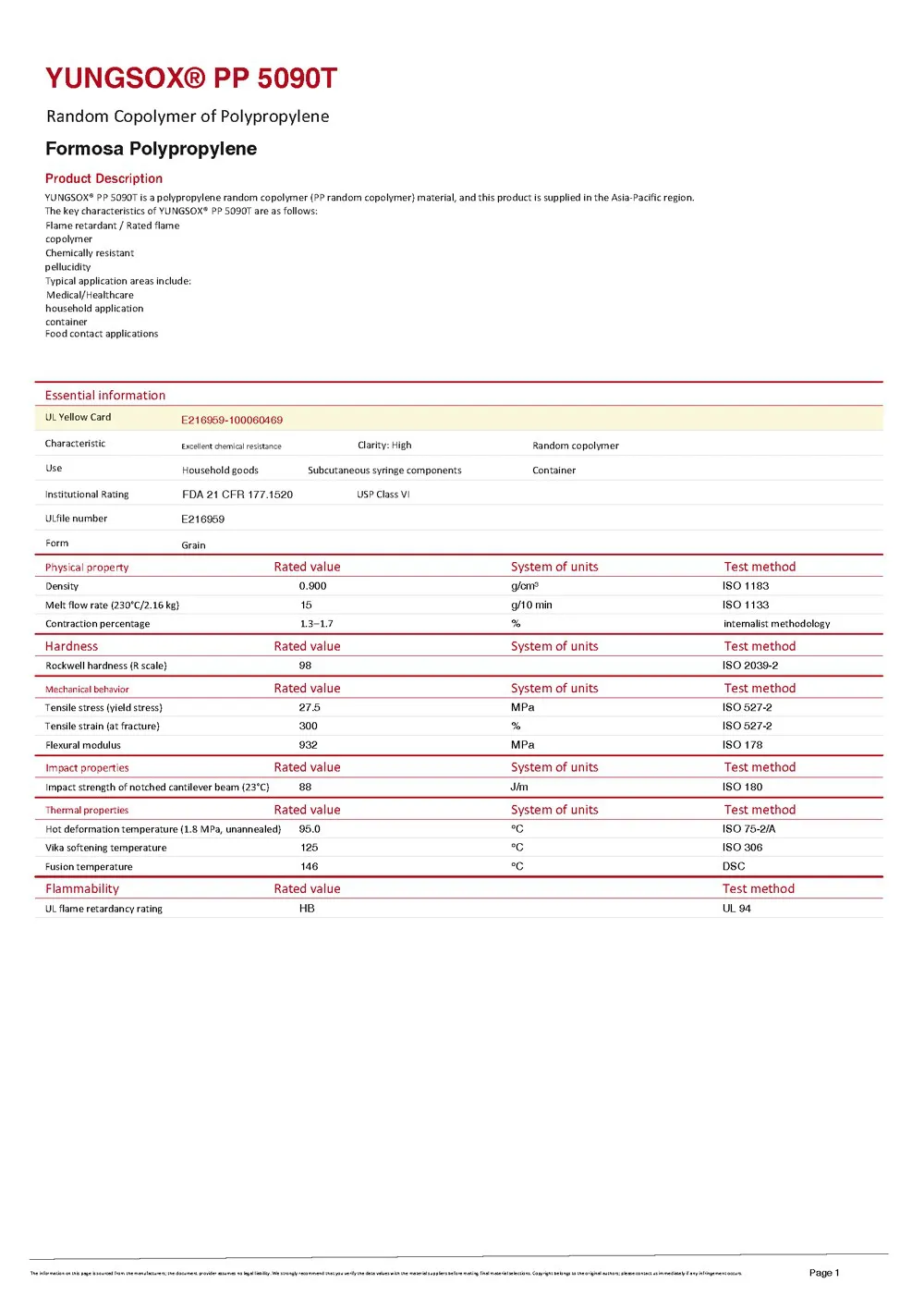
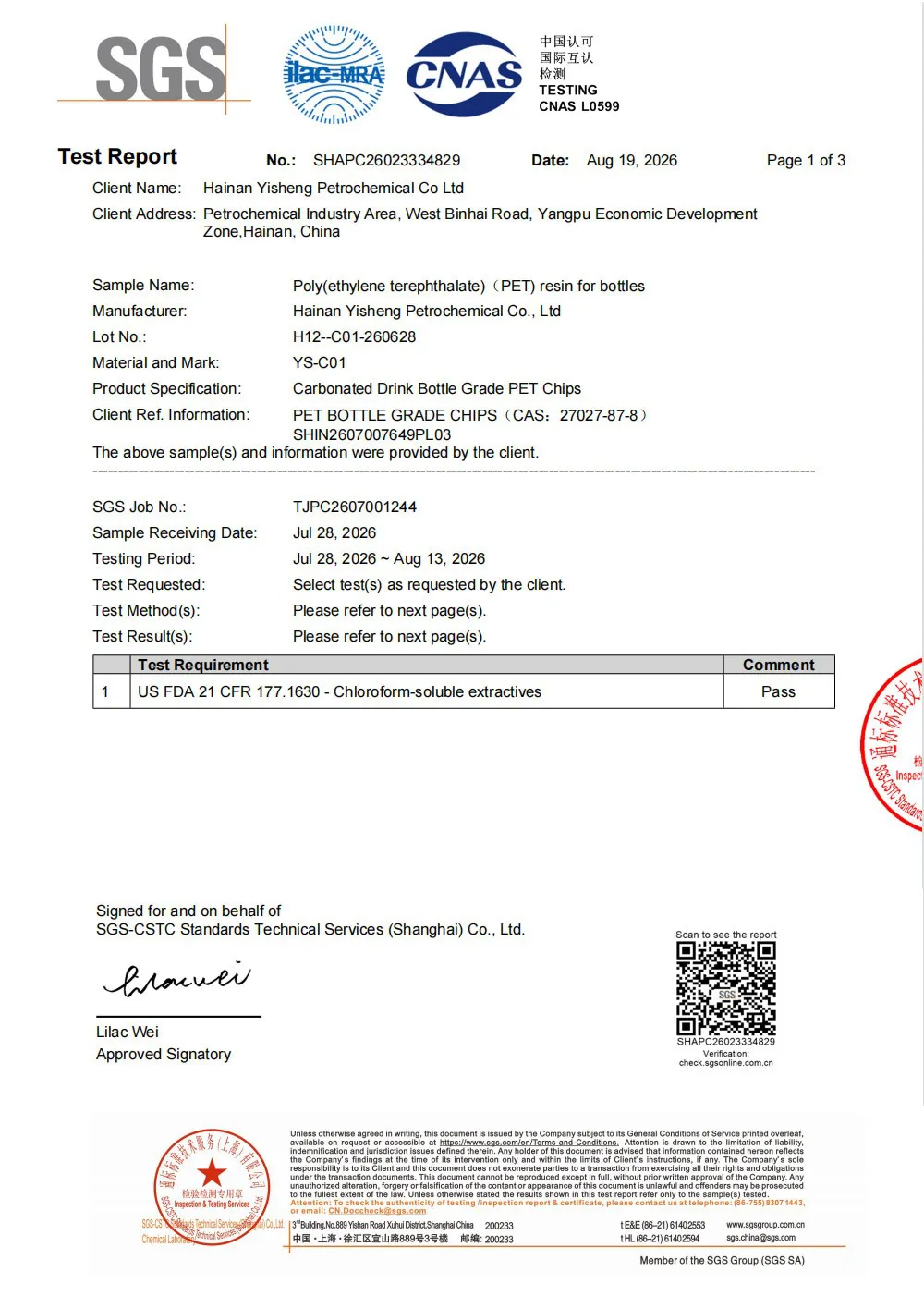
Not all plastics are created equal, especially when it comes to sensitive liquids. Two materials stand out for medical grade mist spray bottles: HDPE and PET. Each has unique strengths, making them ideal for different applications. Let's break down their differences to help you choose the best fit for your product.
| Material | Key Properties | Chemical Resistance | Impact Strength | Light Protection | Ideal Applications |
|---|---|---|---|---|---|
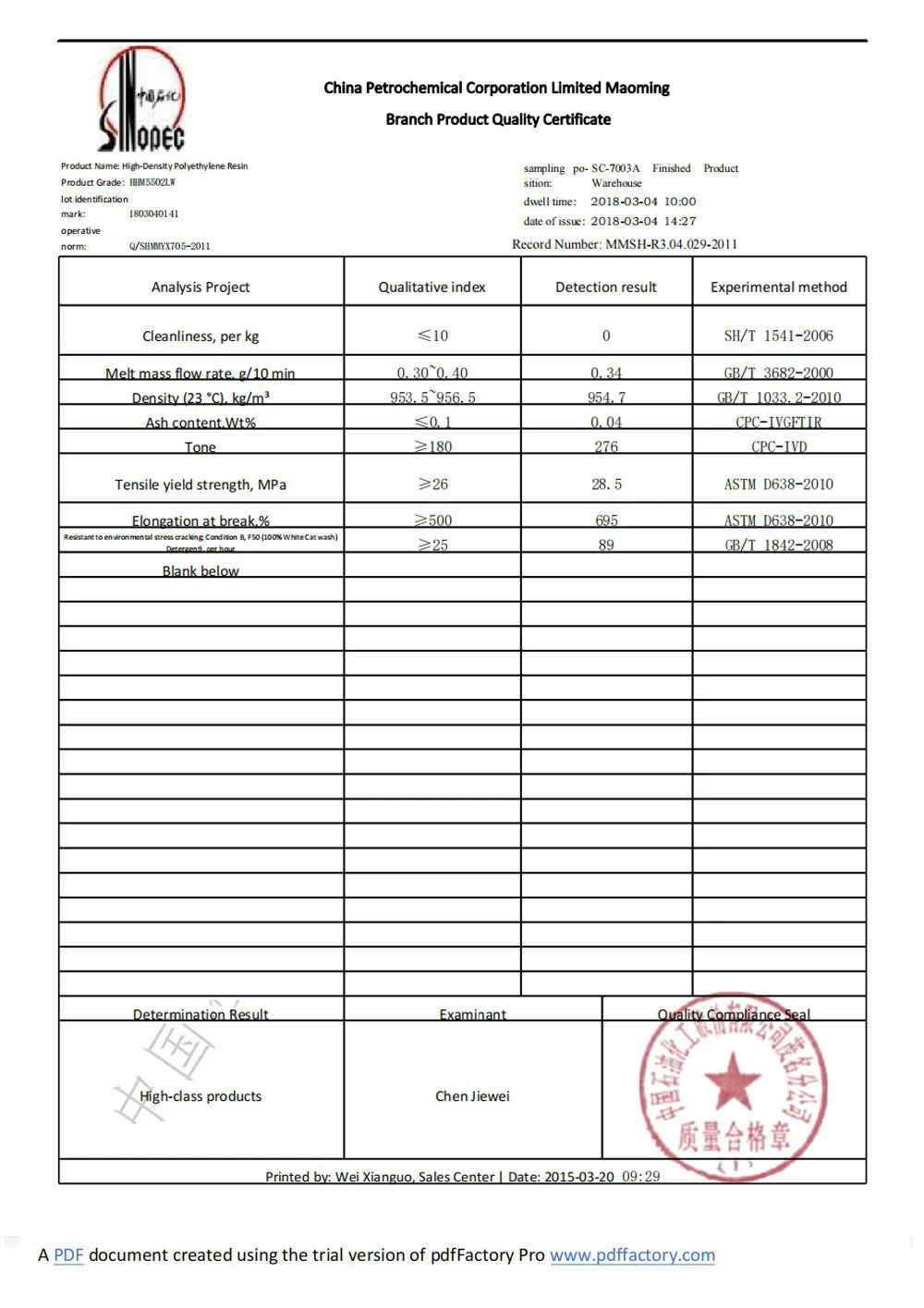
| HDPE (High-Density Polyethylene) | Stiff, opaque (natural color), heat-resistant up to 120°C | Excellent—resists acids, alkalis, and most solvents | High—withstands drops and rough handling | Good (natural opacity blocks UV light); can be tinted amber for extra protection | Pharmaceuticals (oral sprays, nasal medications), harsh chemicals, cleaning solutions |
| PET (Polyethylene Terephthalate) | Clear, lightweight, shatter-resistant | Good—resists water, oils, and mild chemicals | Moderate—less rigid than HDPE but still durable | Poor (clear); requires amber or colored tint for light-sensitive liquids | Skincare mists, facial serums, cosmetic sprays (where product visibility matters) |
For example, a pharmaceutical company producing a steroid nasal spray would likely choose HDPE for its chemical resistance and impact strength—critical for a product that might be tossed in a purse or shipped across the country. On the other hand, a luxury skincare brand with a rosewater mist might opt for PET, as its clarity lets customers see the product's delicate pink hue, while an amber tint protects the formula from UV damage.
Sensitive liquids come in all shapes, sizes, and formulations—and so should their packaging. Medical grade plastic mist spray bottles aren't one-size-fits-all; they're designed to be tailored to your product's unique needs. Here's how customization can elevate your packaging:
Whether you need 30ml bottles for travel-sized hand sanitizer or 500ml jugs for hospital-grade disinfectant, custom sizing ensures you're not paying for unused space or compromising on convenience. Smaller bottles (like 10ml or 15ml) are perfect for samples or single-use medical applications, while larger sizes (250ml–500ml) work for refills or institutional use.
Light is enemy number one for many sensitive liquids. Essential oils, vitamin C serums, and certain medications break down when exposed to UV rays, losing efficacy or turning rancid. Custom colors solve this problem: Amber or cobalt blue tints block harmful light, while clear bottles (for products that don't need light protection) let customers see the formula's texture or color. Even opaque white bottles can be useful—they hide discoloration in products that naturally change shade over time, maintaining a professional look.
Not all sprays are created equal. A nasal spray needs a fine, targeted mist to reach the sinuses, while a facial mist might require a wider, gentler spray for even coverage. Custom nozzles let you control the spray pattern (stream, mist, or foam), droplet size, and dosage. For pharmaceuticals, this precision is critical—imagine a medication that requires 0.1ml per spray; a poorly designed nozzle could dispense too much or too little, risking overdose or ineffectiveness.
The cap is the bottle's first line of defense against leaks and contamination. Options include:
Real-World Example: A skincare brand specializing in vitamin C serums approached a manufacturer needing a bottle that could protect their light-sensitive formula and deliver a fine mist. The solution? A 30ml amber PET bottle with a custom-designed mist nozzle and a tamper-evident cap. The amber color blocked UV rays, the PET kept the serum visible (so customers could see its vibrant orange hue), and the nozzle ensured the serum was applied evenly—no wasted product, no irritation from uneven spraying.
You could have the best materials and most innovative design, but without strict manufacturing controls, a "medical grade" bottle is just a plastic shell. That's why leading manufacturers invest in certifications and facilities that ensure consistency and purity. Two key standards set the bar:
ISO 9001 is the gold standard for quality management systems. An ISO 9001 certified packaging factory follows strict protocols for every step of production, from raw material sourcing to final inspection. This means:
For brands, this certification isn't just reassuring—it's often a requirement for selling in regulated markets like the EU or U.S.
Good Manufacturing Practices (GMP) are non-negotiable for medical and pharmaceutical packaging. A dust-free GMP compliant workshop is designed to minimize contamination risks. Think of it as a cleanroom for bottles: air is filtered to remove particles, staff wear gowns and gloves, and surfaces are sanitized regularly. Even the smallest detail matters—like using stainless steel equipment (which resists rust and bacteria) or designing production lines to avoid dead spaces where dust could collect. For products like injectable medications or sterile skincare serums, this level of sterility ensures the bottle itself doesn't introduce contaminants.
While "medical grade" might conjure images of hospitals and pill bottles, these versatile containers are used across industries. Any product that demands purity, precision, or compliance can benefit:
Active ingredients like retinol, hyaluronic acid, or CBD are sensitive to light, air, and heat. Medical grade spray bottles protect these formulas, ensuring they stay effective from the first use to the last. Brands also love the customization options—clear PET bottles showcase vibrant serums, while amber HDPE adds a premium, clinical feel to luxury lines.
Laboratories rely on precise measurements and contamination-free reagents. Medical grade spray bottles with calibrated nozzles (dispensing exact volumes) and chemical-resistant materials (like HDPE) are essential for experiments, where even a tiny impurity can ruin results.
Pets deserve safe packaging too. From flea sprays to wound care solutions, veterinary products often use medical grade bottles to ensure they're gentle on animals and effective for their intended use.
Harsh chemicals like bleach or disinfectants need bottles that won't corrode or leach. HDPE medical grade bottles stand up to these tough formulas, while custom nozzles (like trigger sprays) make application easier and safer.
In a world focused on reducing plastic waste, you might wonder: Can medical grade packaging be sustainable? The answer is a resounding yes. Forward-thinking manufacturers are blending safety with eco-consciousness through:
For example, a pharmaceutical company recently switched to PCR HDPE for their asthma inhaler bottles, cutting their carbon footprint by 30% without compromising on safety. Similarly, a skincare brand launched a refillable medical grade mist bottle, letting customers buy large refills and reuse the spray bottle—saving money and reducing waste.
Not all medical grade plastic spray bottle manufacturers are created equal. To ensure you're getting a product that meets your needs, look for a partner with:
Medical grade custom plastic mist spray bottles are the unsung heroes of sensitive liquid packaging. They protect medications that keep us healthy, serums that nourish our skin, and reagents that drive scientific breakthroughs. When you invest in these bottles, you're not just buying packaging—you're buying confidence. Confidence that your product will reach customers safely, work as intended, and reflect the care you put into creating it.
So the next time you pick up a spray bottle, take a moment to appreciate the engineering behind it. From the ISO 9001 certified factory where it was made to the dust-free GMP workshop that ensured its purity, every detail matters. And for brands, that detail is what turns customers into loyal advocates—because when you protect what's inside, you protect what matters most.