Email: info@mggpacking.com | Tel: +86-13510174848 ( Mr. Yao)


When it comes to liquid soap packaging, especially in settings where hygiene and safety are non-negotiable—think hospitals, clinics, or even high-end skincare brands—the bottle itself is more than just a container. It's a guardian of the product inside, ensuring purity from production to the moment it's used. That's where medical grade HDPE liquid soap pump bottles come in, and not all are created equal. Today, we're diving into what makes these bottles stand out, why certifications like ISO 9001 matter, and how a trusted partner can turn your packaging needs into a seamless, reliable solution.
Let's break down the material first—HDPE, or High-Density Polyethylene. You've probably heard the term before, but what does it mean for liquid soap packaging? For starters, HDPE is known for its toughness and chemical resistance. That's crucial because liquid soaps, especially medical-grade ones, often contain antibacterial agents, fragrances, or other active ingredients that can react with low-quality plastics. HDPE stands up to these chemicals without leaching or degrading, ensuring the soap inside stays effective and safe for use.
But it's not just about resistance. HDPE is also naturally opaque, which protects light-sensitive ingredients from UV damage—a small detail that makes a big difference in product shelf life. And let's talk about durability: these bottles can handle the rigors of daily use, from being dropped in busy hospital corridors to being squeezed repeatedly in bathroom sinks, without cracking or leaking. For medical settings where cross-contamination is a constant concern, a bottle that won't break and spill is non-negotiable.
Another plus? HDPE is lightweight. That might not sound like a big deal, but when you're shipping thousands of bottles or storing them in tight spaces, every gram counts. It reduces shipping costs and makes handling easier for everyone involved, from warehouse staff to end-users.
A great bottle is only as good as its pump, especially for liquid soap. Imagine pressing a pump and getting either a tiny dribble or a messy gush—frustrating, right? Medical grade pump bottles need precision. The pump should dispense a consistent amount of soap every time, reducing waste and ensuring users get just enough to clean their hands effectively.
Leakage is another big issue. A poorly designed pump can leak during shipping or storage, ruining the product and creating a mess. The best pumps use a dual-seal system: a primary seal to prevent soap from escaping around the pump stem and a secondary seal in the cap to keep the pump clean when not in use. That's the kind of attention to detail that turns a basic bottle into a reliable one.
And let's not forget about hygiene. The pump head itself should be easy to clean, with smooth surfaces that don't trap dirt or bacteria. Some designs even include a protective cover for the pump nozzle, which is a must in sterile environments like operating rooms or laboratories. These small features add up to a packaging solution that prioritizes both functionality and safety.
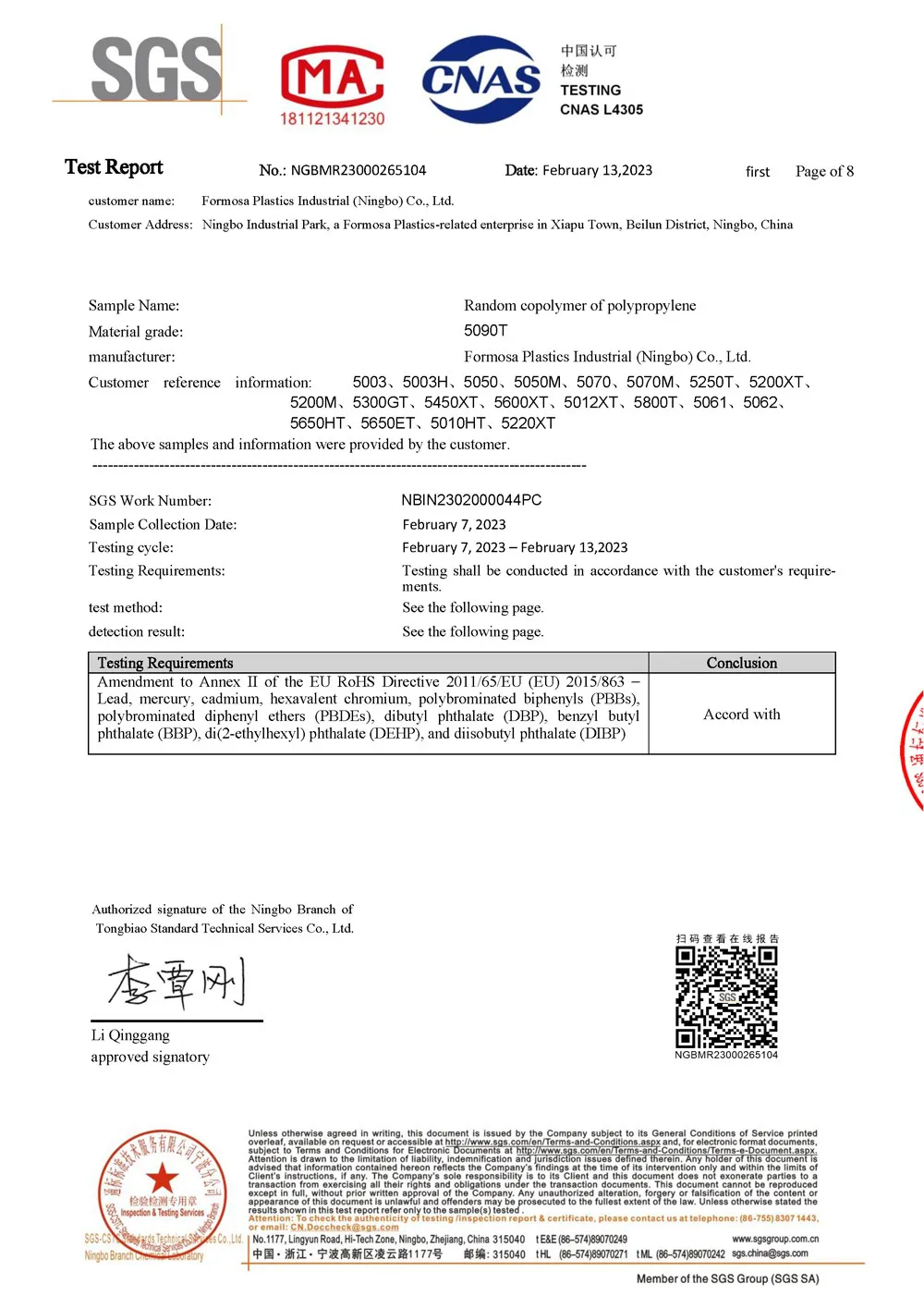
You've seen the labels—"ISO 9001 Certified" or "GMP Compliant"—but what do they really mean for you, the buyer? Let's start with ISO 9001. This certification isn't just a sticker; it's a guarantee that the manufacturer follows strict quality management systems. From raw material sourcing to production processes and final inspection, every step is documented and optimized to reduce errors and ensure consistency. When you work with an ISO 9001 certified packaging factory, you're not gambling on quality—you're partnering with a team that's committed to meeting international standards, every single time.
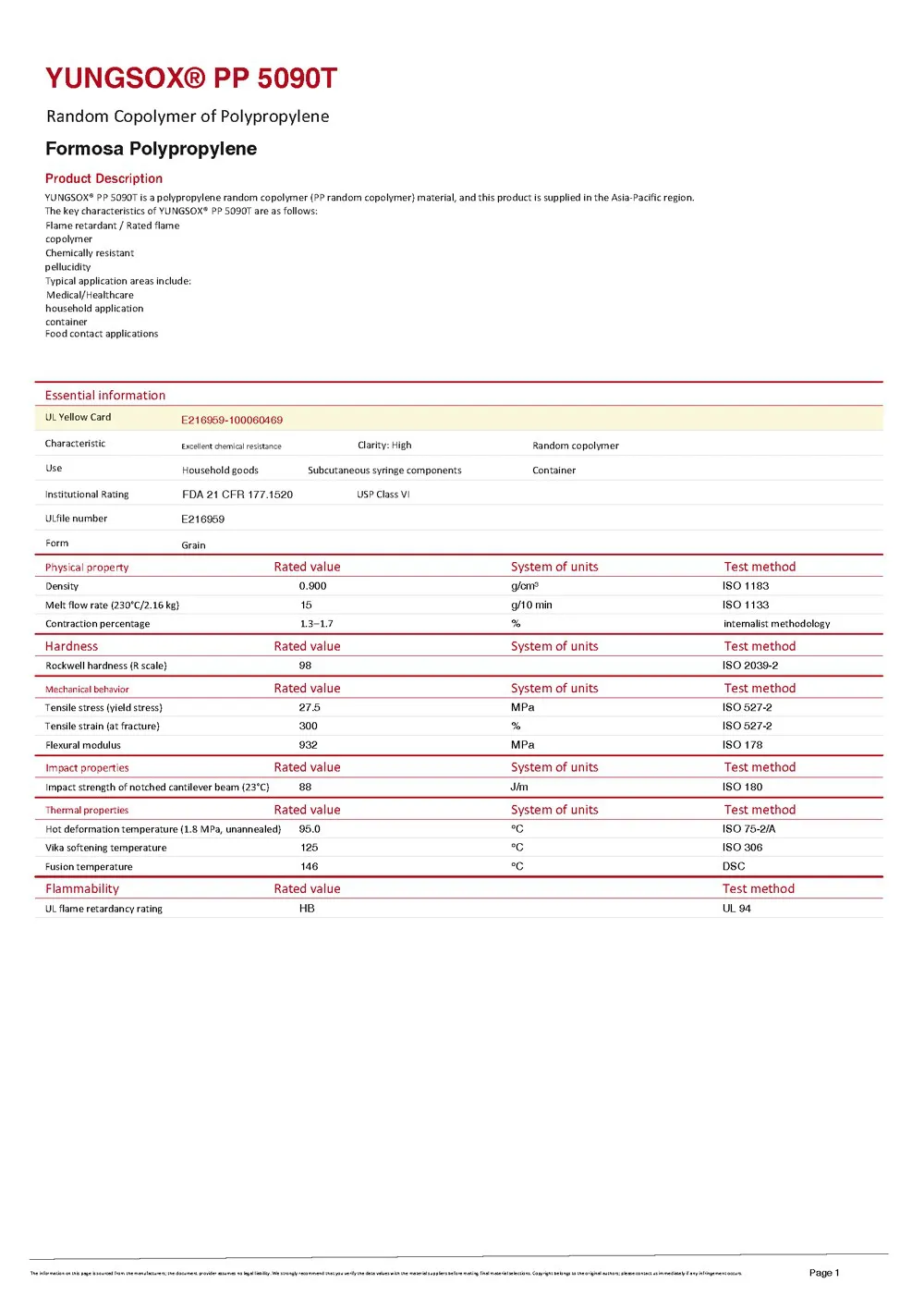
Then there's GMP, or Good Manufacturing Practices, specifically in a dust-free workshop. For medical-grade products, even tiny particles of dust or contaminants can compromise the sterility of the soap inside. A dust-free GMP compliant workshop is designed to prevent this, with controlled air flow, regular cleaning protocols, and strict employee hygiene standards. It's like a cleanroom for packaging, ensuring that from the moment the HDPE resin is melted and molded into a bottle to when the pump is attached and the bottle is sealed, the environment is as pure as the product it holds.
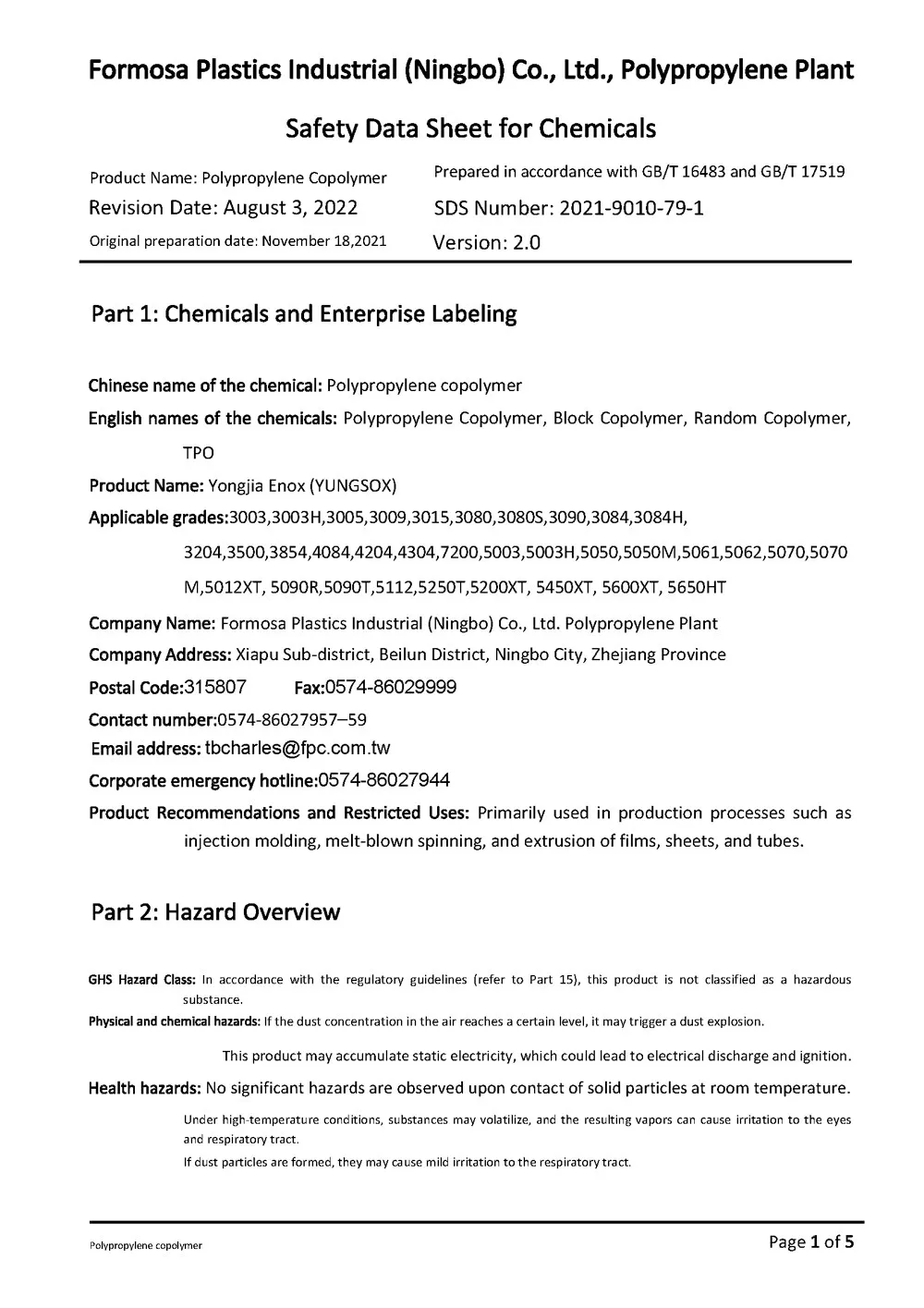
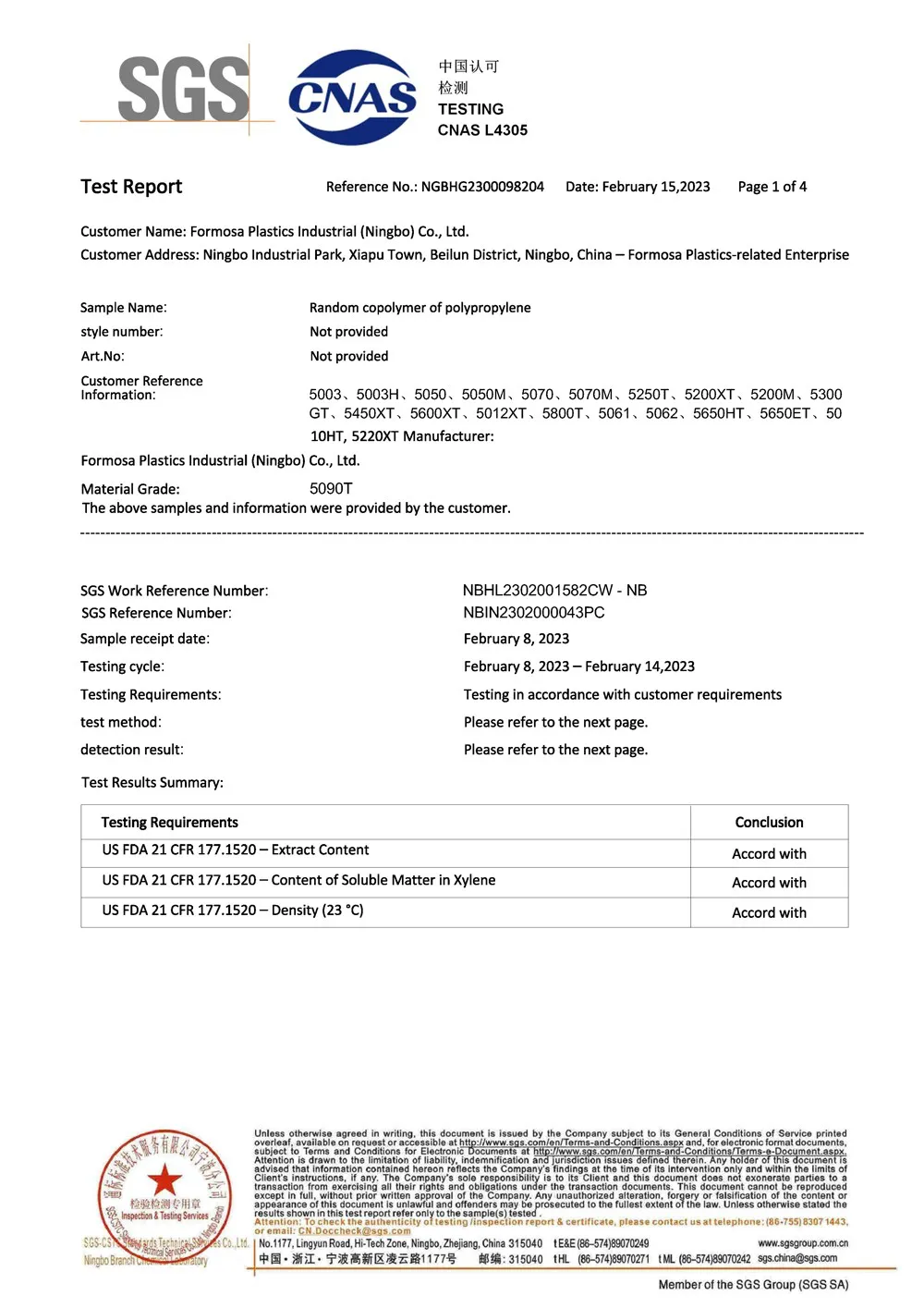
These certifications aren't easy to get, and they're even harder to maintain. They require regular audits, continuous improvement, and a culture of quality that runs through the entire company. For you, that means peace of mind—knowing that the bottles arriving at your facility meet the same high standards you set for your own products.
Maybe you're thinking, "I need a standard 500ml bottle for hand soap—why would I need customization?" Here's the thing: even "standard" needs can benefit from a tailored approach. Let's say you're a skincare brand launching a new liquid hand soap line. You want the bottle to match your brand's aesthetic—maybe a specific shade of blue, a matte finish, or a pump that feels luxurious to press. Or perhaps you're a medical supplier needing bottles with clear measurement markings for controlled dispensing in clinics. Customization turns a generic bottle into a brand asset and a functional tool.
A reliable custom plastic bottle manufacturer doesn't just add a logo; they start with your needs. It could be adjusting the bottle's shape for better grip (critical for healthcare workers wearing gloves), designing a pump that dispenses exactly 1ml per press to reduce waste, or adding child-resistant caps for products sold in households. Even small tweaks, like embossed branding or a unique closure, can make your packaging stand out while improving usability.
And the process? It should be straightforward. From sharing your initial idea (even a rough sketch works) to 3D mockups and prototype testing, a good partner guides you through each step. Many even offer free mold testing, so you can see and feel the bottle before committing to full production. That kind of flexibility turns "I need a bottle" into "I have a packaging solution that works for my product, my brand, and my customers."
While we're focusing on liquid soap, it's worth noting that medical grade HDPE pump bottles are just one piece of the puzzle. Many manufacturers specialize in a range of packaging solutions, from HDPE pill bottles (a staple in pharmacies and supplement brands) to skincare pump bottles for lotions and serums. This versatility is a huge advantage if you're looking to streamline your suppliers—working with one partner for multiple packaging needs reduces logistical headaches and ensures consistency across your product line.
For example, a pharmaceutical company might need HDPE pill bottles for tablets and medical grade pump bottles for liquid hand sanitizer. A cosmetic brand could pair their facial serum dropper bottles with matching pump bottles for their moisturizer line. When all these products come from the same factory, you can coordinate colors, materials, and quality standards, creating a cohesive brand experience from shelf to sink.
| Capacity Range | HDPE Grade | Pump Type | Sealing Technology | Certifications | Common Applications |
|---|---|---|---|---|---|
| 100ml – 1000ml | Medical-grade virgin HDPE | Lockable lotion pump (1cc – 2cc output) | Dual-seal with silicone gasket | ISO 9001, GMP, FDA-compliant | Hospital hand soap, surgical scrubs |
| 30ml – 250ml | Food-contact HDPE | Fine mist pump (adjustable spray) | Aluminum foil liner for moisture resistance | ISO 9001, LFGB (EU food contact) | Skincare toners, travel-size hand soap |
| 500ml – 1500ml | Heavy-duty HDPE | Foam pump (for soap dispensers) | Tamper-evident band | ISO 9001, GMP, CE | Industrial hand soap, institutional use |
This table gives you a snapshot of how different configurations cater to specific needs. Whether you're packaging a small batch of luxury hand soap for a boutique hotel or large-scale medical supplies for hospitals, there's a combination of size, pump type, and certification that fits.
We can't talk about plastic packaging today without mentioning sustainability. The good news? HDPE is one of the most recyclable plastics, and many manufacturers are stepping up their efforts to offer more eco-friendly options. This might include using PCR (Post-Consumer Recycled) HDPE in bottle production, designing bottles that are easier to disassemble for recycling, or offering refillable options to reduce single-use waste.
For brands looking to align with consumer demand for greener packaging, these efforts matter. Even small changes, like using 30% PCR material or switching to water-based inks for printing, can make a difference. And because sustainability shouldn't mean sacrificing quality, reputable factories ensure that recycled materials meet the same medical-grade standards as virgin HDPE—so you can feel good about your environmental impact without compromising on safety.
At the end of the day, medical grade HDPE liquid soap pump bottles are about trust. Trust that the bottle won't fail, that the product inside stays pure, and that your brand is represented by packaging that's as reliable as it is functional. Choosing the right partner—one with the certifications, customization capabilities, and commitment to quality—turns packaging from a chore into a competitive advantage.
Whether you're a small skincare brand launching your first product or a large medical supplier needing consistent, bulk orders, the difference lies in the details: the material quality, the precision of the pump, the rigor of the certification process, and the willingness to tailor solutions to your needs. So when you're ready to take the next step, remember—you're not just buying bottles; you're building a partnership that impacts every part of your product's journey, from factory to customer.