Email: info@mggpacking.com | Tel: +86-13510174848 ( Mr. Yao)


Walk through any hospital corridor, and you'll notice a small but mighty tool standing guard at every nurse's station, patient room door, and operating theater entrance: the sanitizer dispenser. In a world where a single touch can transmit pathogens, these unassuming containers are silent heroes in infection control. But not all sanitizer bottles are created equal. When it comes to healthcare settings—where precision, safety, and reliability can mean the difference between a sterile environment and a potential outbreak—medical-grade sanitizer lotion pump containers aren't just "packaging." They're critical components of a hospital's defense system.
As a pharmaceutical packaging manufacturer with decades of experience serving healthcare facilities worldwide, we've seen firsthand how the right pump container transforms daily workflows. Nurses rushing between patients need a bottle that dispenses exactly 1.5ml of sanitizer with a single press—no fumbling, no drips, no wasted product. Pediatric wards require containers that are sturdy enough to withstand tiny hands but safe enough to avoid sharp edges. In ICUs, where every surface must be meticulously cleaned, the bottle itself must be easy to wipe down without harboring bacteria. These aren't just "nice-to-haves"; they're non-negotiable requirements for healthcare environments.
In this article, we'll dive into what makes medical-grade sanitizer lotion pump containers indispensable for hospitals and clinics, from the materials that ensure chemical compatibility to the design features that support busy healthcare professionals. We'll explore how ISO 9001 certified packaging factory standards and dust-free GMP compliant workshop conditions guarantee consistency, and why custom mold design for plastic bottles allows us to tailor solutions to unique medical needs. Most importantly, we'll show how these containers do more than hold sanitizer—they protect staff, patients, and the integrity of healthcare systems.
Walk into a pharmacy or cosmetic store, and you'll find dozens of pump bottles labeled "sanitizer" or "antibacterial." But pick up a bottle from a hospital's supply closet, and you're holding something entirely different. The term "medical-grade" isn't a marketing buzzword—it's a promise of safety, consistency, and performance that's backed by rigorous testing and certification. For sanitizer containers in healthcare settings, this distinction is life-critical.
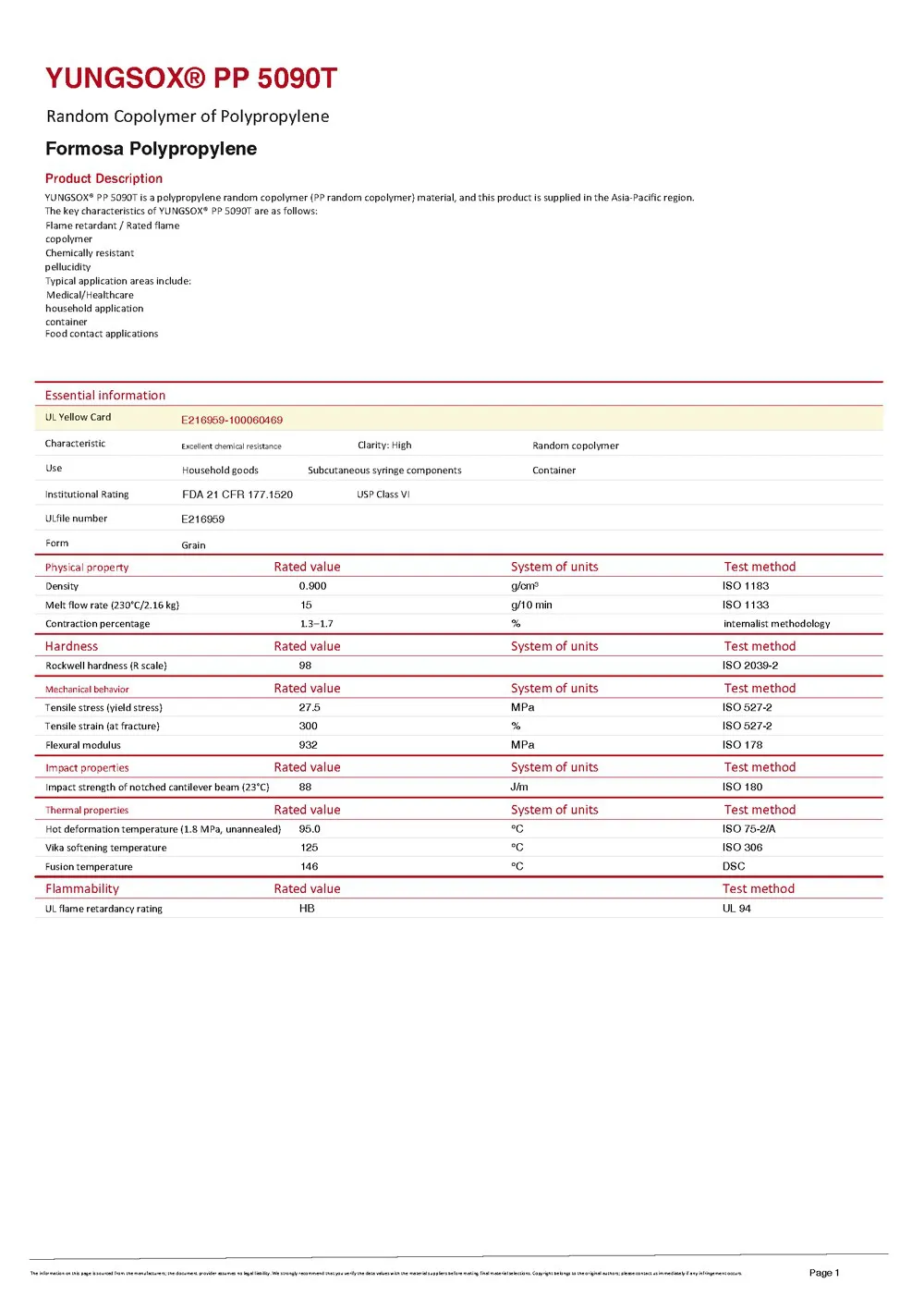
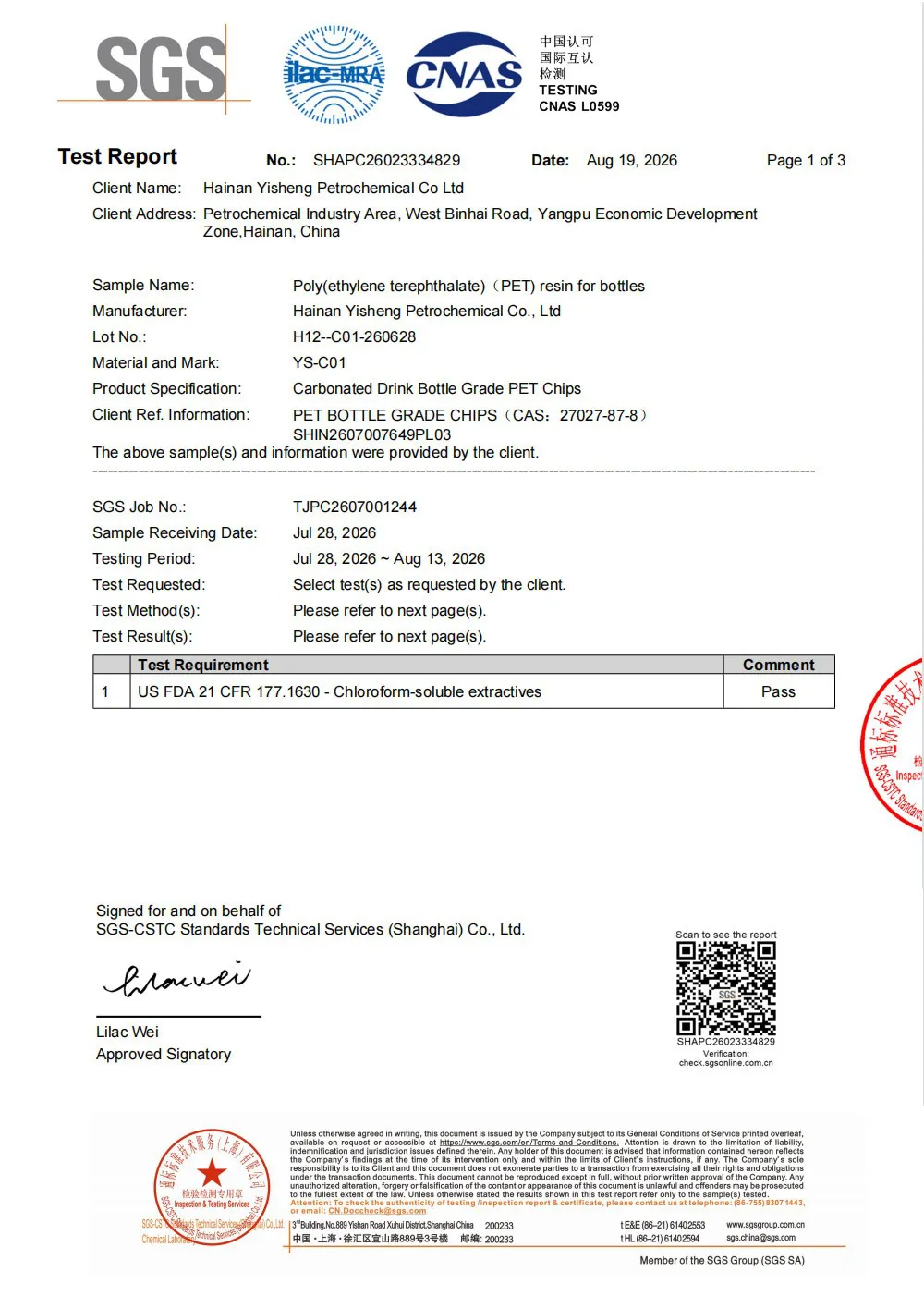
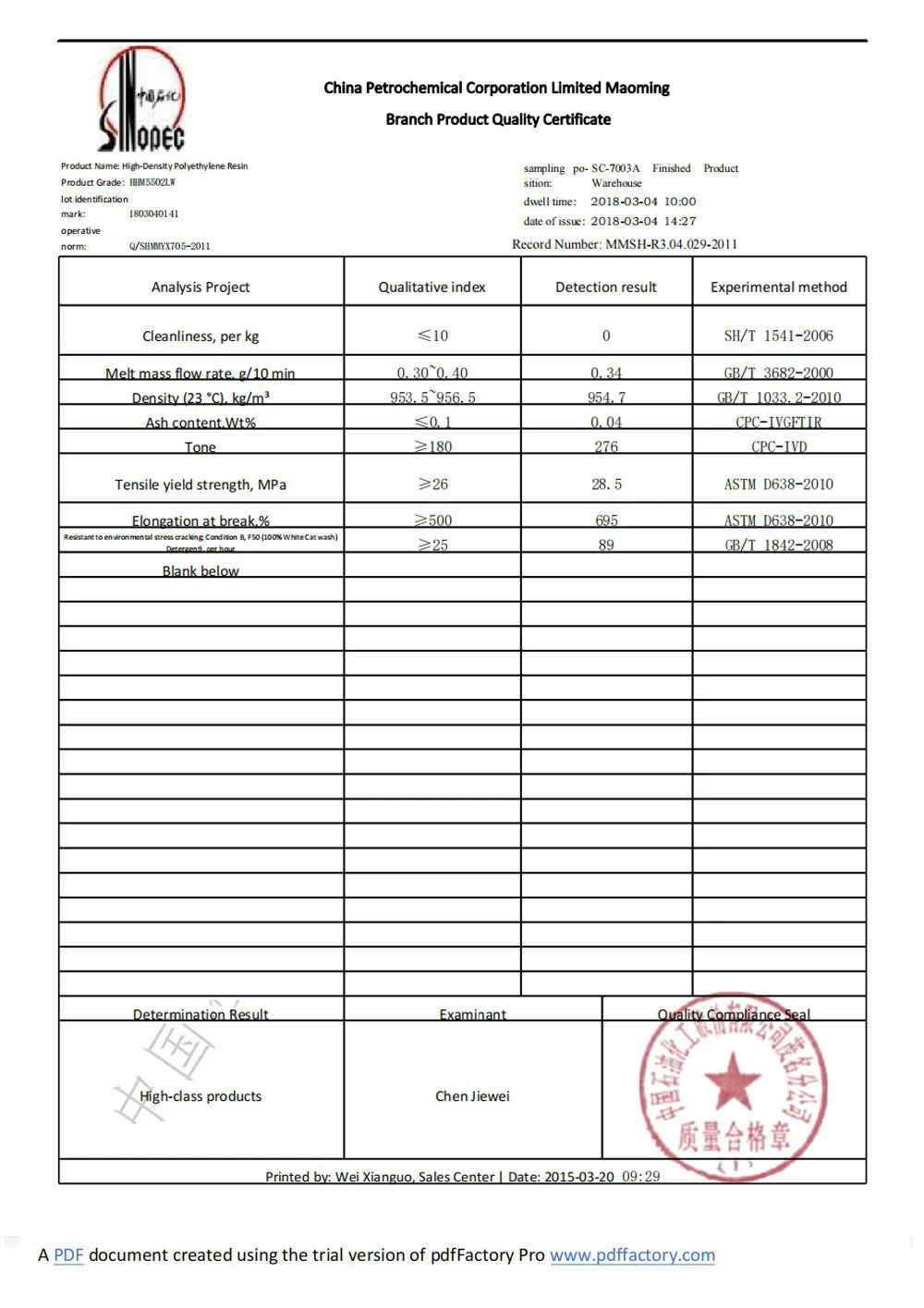
At the heart of any medical-grade container is the material it's made from. Our sanitizer lotion pump containers are crafted from high-density polyethylene (HDPE), a plastic renowned for its ability to stand up to the harsh chemicals found in medical-grade sanitizers—think alcohol, hydrogen peroxide, and quaternary ammonium compounds. Unlike lower-grade plastics that might crack, warp, or leach chemicals over time, HDPE forms a barrier that keeps the sanitizer pure and effective, even after months of use.
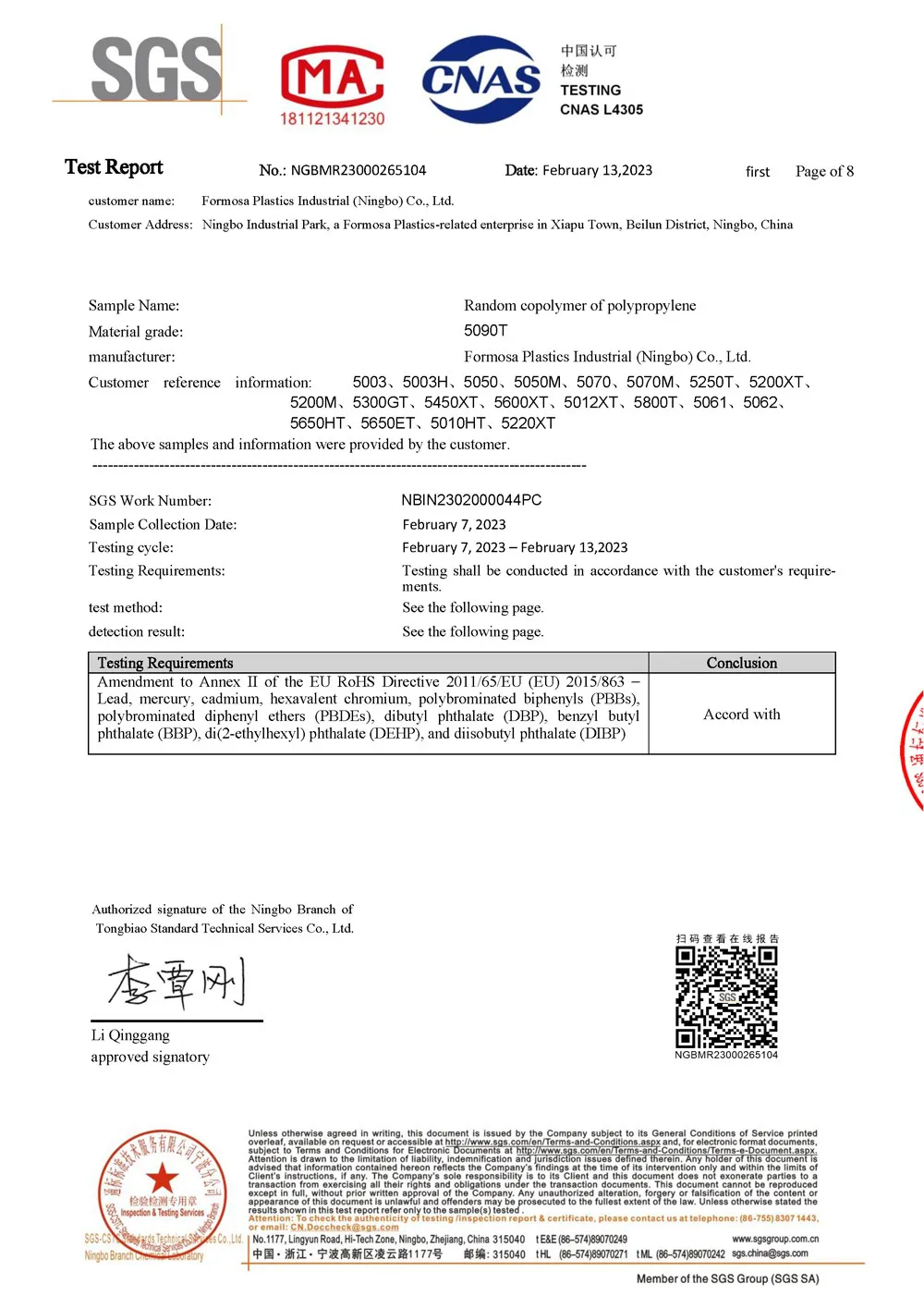
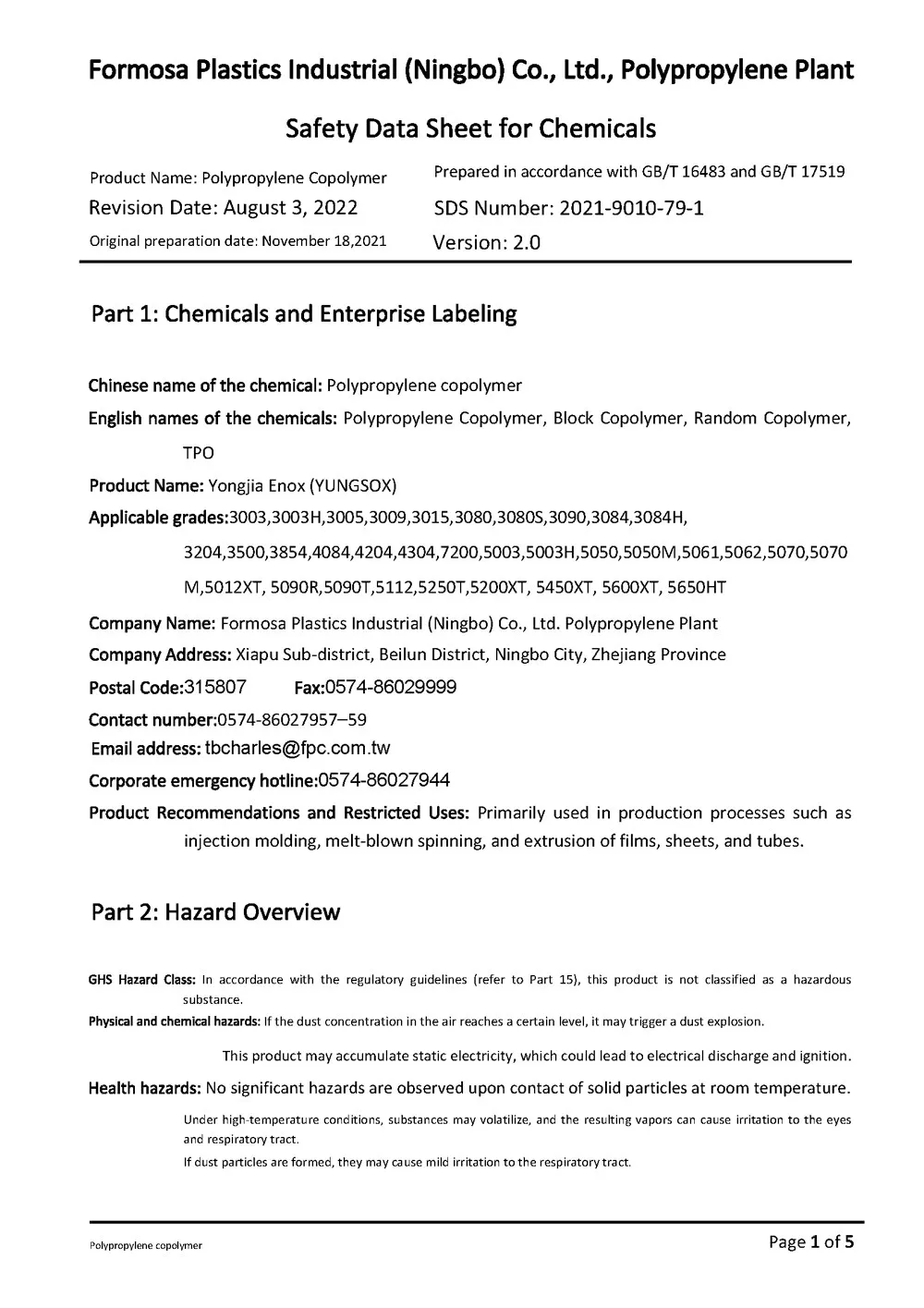
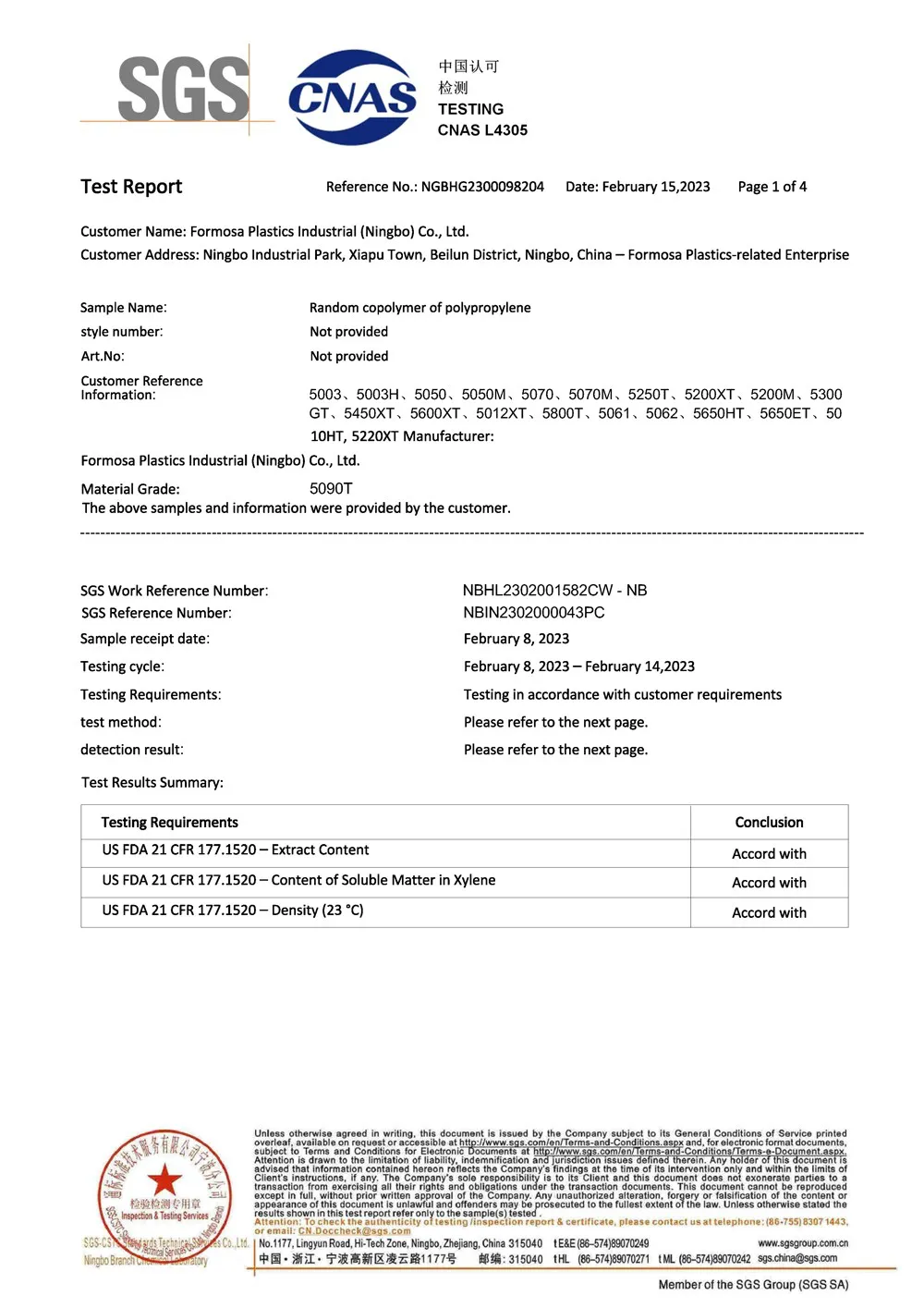
But it's not just about chemical resistance. Medical grade plastic bottles must also be non-toxic, BPA-free, and free from phthalates—substances that could compromise patient safety if they seep into the sanitizer. We source our HDPE from suppliers who meet strict pharmaceutical material standards, ensuring every batch is tested for heavy metals, residual solvents, and impurities before it ever reaches our production line.
Healthcare professionals don't have time to fight with packaging. A nurse in the middle of a code blue shouldn't struggle to press a stiff pump; a doctor making rounds shouldn't have to wipe up drips from a leaky bottle. That's why our pump containers are designed with the realities of hospital life in mind.
Take the pump mechanism, for example. We've engineered it to deliver a consistent 1.5ml dose with each press—enough to cover hands thoroughly but not so much that it's wasteful. The spring-loaded valve prevents backflow, which means no sanitizer gets sucked back into the bottle after dispensing, reducing the risk of contamination. And the pump head is designed to be easy to press even when wearing thick latex or nitrile gloves—a small detail that makes a big difference during long shifts.
Durability is another key factor. These bottles are dropped, knocked over, and stacked in supply carts daily. Our HDPE construction is shatterproof (unlike glass, which poses a safety hazard if broken) and resistant to dents, ensuring the container stays intact and the sanitizer remains sterile, even in the busiest environments.
Words like "medical-grade" only matter if they're verified by third-party organizations. That's why we're proud to operate as an ISO 9001 certified packaging factory —a designation that means our quality management system is audited annually to ensure we meet international standards for consistency, efficiency, and customer focus. But for healthcare packaging, ISO 9001 is just the starting point.
Our production facilities also comply with Good Manufacturing Practices (GMP), the gold standard for pharmaceutical packaging. GMP regulations govern everything from the cleanliness of our workshops to the training of our staff. Our dust-free GMP compliant workshop operates at Class 8 standards, meaning the air contains no more than 100,000 particles (0.5 microns or larger) per cubic foot—comparable to the air quality in a hospital's clean room. This level of control ensures that no contaminants, from dust to bacteria, make their way into the bottles during production.
Every batch of containers undergoes rigorous testing before leaving our factory: leak tests (to ensure no sanitizer escapes during transport), stress tests (to simulate months of use), and chemical compatibility tests (to confirm the plastic won't react with the sanitizer formula). We even test the pump's performance after 10,000 presses—more than the average bottle would see in a year—to ensure it never fails when a healthcare worker needs it most.
When you're designing a product for a hospital, "good enough" isn't enough. Every curve, every component, and every finish must be intentional—crafted to solve specific problems that healthcare professionals face daily. Our medical-grade sanitizer lotion pump containers are the result of years of collaboration with nurses, doctors, and hospital administrators, who've shared their frustrations, needs, and wish lists. The result? A container that doesn't just hold sanitizer, but makes the act of sanitizing easier, more efficient, and more reliable.
Imagine a supply cart being wheeled down a bumpy corridor, or a nurse hurrying to respond to a patient emergency, accidentally knocking over a sanitizer bottle. In a regular bottle, that could mean a slippery mess, wasted product, and even a safety hazard. Our pump containers feature a dual-seal design that eliminates leaks, even when the bottle is upside down or dropped.
The secret lies in the pump's base, where a silicone gasket forms a tight seal against the bottle's neck, and a check valve inside the pump prevents backflow. We've also added a protective collar around the pump head, which acts as a barrier if the bottle is tipped over, directing any potential drips back into the bottle rather than onto surfaces. For hospitals, this isn't just about convenience—it's about reducing the risk of slips, protecting equipment from sanitizer damage, and ensuring every drop of sanitizer is used for its intended purpose: keeping hands clean.
Healthcare workers wear gloves for hours on end, and those gloves—whether latex, nitrile, or vinyl—can make simple tasks, like pressing a pump, surprisingly difficult. A stiff or poorly designed pump might require extra force, leading to hand fatigue or even missed sanitizing steps when staff are in a rush. Our pump head is engineered with a large, wide button that's easy to locate by touch alone, and a spring mechanism that requires minimal pressure to activate—just 2.5 Newtons of force, compared to the 4-5 Newtons needed for many cosmetic pumps.
The shape of the bottle itself is also intentional. We've tested dozens of grips before settling on a contoured design that fits comfortably in both large and small hands, with a textured surface that provides extra traction—even when gloves are wet. The bottle's weight is balanced too: heavy enough to stay put on a busy cart, but light enough to carry during rounds. These might seem like small details, but in a profession where seconds count and hand strain is a common complaint, they add up to a big difference in daily workflow.
In a hospital, every surface is a potential breeding ground for bacteria—including the outside of sanitizer bottles. That's why our containers are designed to be effortlessly cleanable. The smooth, seamless exterior has no crevices or grooves where dirt, grime, or pathogens can hide, making it easy to wipe down with disinfectant wipes between uses. Even the pump head is removable, allowing staff to disassemble and deep-clean it if needed—though the design is so streamlined that most hospitals find a quick wipe with alcohol is sufficient.
We've also eliminated unnecessary features that could complicate cleaning, like decorative ridges or detachable labels. Instead, important information—like the bottle's capacity, material, and compatibility—are embossed directly into the plastic, ensuring they won't fade or peel off over time. This permanence is crucial in healthcare settings, where clear labeling helps prevent mix-ups and ensures staff can quickly verify the container's suitability for their sanitizer formula.
No two hospitals are exactly alike. A children's hospital might need smaller, more colorful bottles to make sanitizing feel less intimidating for young patients. A rural clinic with limited storage might prefer stackable designs to save space. A research hospital might require bottles with embossed logos or batch numbers for traceability. Thanks to our custom mold design for plastic bottles service, we can turn these unique needs into reality.
Our in-house mold design team works closely with hospitals to create bottles that fit their specific workflows. Need a bottle with a wider base to prevent tipping in a busy ER? We can adjust the mold. Want to add a frosted section to hide discoloration from colored sanitizers? We can do that too. We even offer custom printing options, like UV-cured labels that resist fading and scratching, so hospitals can brand the bottles with their name or safety reminders (e.g., "Sanitize Before Entering Patient Room").
And we don't just stop at the bottle itself. Our customization service extends to the pump mechanism, too. For example, some hospitals prefer a "lock-down" pump that can be sealed during transport to prevent accidental dispensing, while others need a larger pump for high-traffic areas to reduce refills. Whatever the request, our team can modify the design—often with minimal lead time, thanks to our 3D printing capabilities, which allow us to create and test new molds in days rather than weeks.
Hospitals are complex ecosystems, with each department and unit operating under its own set of rules, challenges, and priorities. What works in the ICU might not be ideal for the pediatric ward, and a busy outpatient clinic has different needs than a surgical suite. The beauty of our medical-grade sanitizer lotion pump containers lies in their versatility—they're designed to adapt to these varied environments, ensuring that no matter where sanitizing is needed, the container rises to the occasion.
In the ICU, patients are often immunocompromised, making infection control a matter of life and death. Sanitizer isn't just a "good habit" here—it's a protocol that's followed with military precision. Our containers for critical care settings prioritize sterility and accuracy above all else.
These bottles feature a tamper-evident seal that must be broken before first use, giving staff confidence that the container hasn't been opened or contaminated during transport. The pump is designed to dispense an exact 1.5ml dose every time—no more, no less—ensuring that staff use the amount recommended by the CDC for effective hand hygiene. And because ICU staff often move quickly between patients, the bottles are equipped with a "click-lock" cap that secures the pump when not in use, preventing accidental dispensing and keeping the pump head clean between uses.
Walk into a pediatric ward, and you'll notice the difference immediately: brighter colors, softer edges, and a focus on making medical environments feel less scary. Our sanitizer containers for kids' hospitals reflect this ethos, with designs that are both safe and engaging.
First and foremost, these bottles are 100% child-safe. The pump is designed to be difficult for small hands to activate (requiring more force than a typical child can exert), and the cap is secured with a child-resistant closure to prevent accidental ingestion. But we also add touches that make sanitizing feel like less of a chore: soft, rounded edges to prevent bumps and bruises, and customizable colors (think pastels or fun patterns) that match the ward's decor. Some pediatric hospitals even opt for bottles shaped like animals or cartoon characters—proven to make kids more willing to sanitize their hands before and after visits.
Outpatient clinics see a steady stream of patients, from adults with minor illnesses to seniors with chronic conditions. Sanitizer stations here need to be durable enough to withstand constant use, accessible to people of all abilities, and easy to refill.
Our clinic-focused containers are built tough: thicker HDPE walls to resist dents, a reinforced pump mechanism that holds up to frequent pressing, and a large 500ml capacity to reduce the need for constant refills. We also offer wall-mounted options, which free up counter space and ensure the bottle is always within reach—no bending or stretching required. For accessibility, the pump button is positioned at a height that's easy for wheelchair users to reach, and the lever is large enough to be activated with a forearm or elbow for patients who have difficulty using their hands.
Operating theaters are the most sterile environments in any hospital, where even the smallest contaminant can lead to surgical site infections. Sanitizer containers here must meet the strictest standards for cleanliness and compatibility with sterile protocols.
Our OR-specific bottles are designed with a "no-touch" philosophy: the pump head is covered with a disposable plastic shield that's changed between surgeries, and the bottle itself is wrapped in a sterile drape. The pump mechanism is completely sealed, preventing any backflow that could introduce contaminants into the sanitizer. We also offer bottles with a "foot pedal" activation option, allowing surgeons and nurses to sanitize their hands without touching the pump at all—keeping the sterile field intact.
When hospitals and clinics choose sanitizer containers, they have options. They could buy generic bottles from a big-box supplier, or repurpose containers designed for cosmetics or household cleaners. But those choices come with hidden risks: containers that leach chemicals, pumps that fail, or production standards that don't meet healthcare requirements. Partnering with a pharmaceutical packaging manufacturer —one that specializes in medical-grade products—isn't just about getting a better bottle; it's about investing in a partner who understands the unique challenges of healthcare and is committed to helping you overcome them.
Most packaging manufacturers focus on consumer goods—shampoo bottles, food containers, or cosmetic jars. They understand retail trends and shelf appeal, but they don't speak the language of healthcare. Terms like "USP Class VI certification," "cleanroom classification," or "bioburden testing" might as well be Greek to them. We, on the other hand, live and breathe healthcare packaging.
Our team includes former healthcare professionals and certified quality auditors who understand the regulatory landscape—from FDA guidelines to EU MDR requirements. When you tell us you need a container that's compatible with alcohol-based sanitizers, we don't just nod and say "we can do that"; we ask about the specific alcohol concentration, the presence of other active ingredients, and the storage conditions (refrigerated? Ambient?) to ensure the material and design are optimized. When you mention "traceability," we provide batch codes that link back to raw material certificates, production records, and test results—so you can track every bottle from our factory to your facility.
In healthcare, quality isn't a one-time check—it's a process that starts the moment raw materials arrive at our factory and ends when the bottles are delivered to your door. Our quality control system is built on the principle of "prevention, not correction": we catch issues before they become problems, rather than fixing them after the fact.
For example, when we receive a shipment of HDPE resin, we test it for density, melt flow rate, and chemical composition to ensure it meets our medical-grade specifications. During production, cameras and sensors monitor every bottle for defects like cracks, uneven walls, or misaligned pumps. After assembly, each bottle undergoes a "real-world" test: we fill it with a mock sanitizer solution, shake it vigorously, and invert it for 24 hours to check for leaks. And before shipping, we conduct a final audit of the batch, reviewing all test results and production records to ensure compliance with your requirements.
This level of scrutiny might seem excessive, but in healthcare, there's no room for error. A single faulty bottle could lead to a contaminated sanitizer, which could then lead to an outbreak—and that's a risk no hospital can afford to take.
Hospitals can't afford to run out of essential supplies, especially something as critical as sanitizer containers. That's why we've built our operations around reliability and scalability. Our Guangdong-based factory spans 20,000 square meters, with 10 production lines that can produce up to 5 million bottles per month. We maintain a safety stock of common sizes (like 250ml and 500ml) to ensure quick turnaround for urgent orders, and we offer flexible shipping options—from air freight for emergency needs to sea freight for cost-effective bulk orders.
But scalability isn't just about volume; it's about adaptability. During the height of the COVID-19 pandemic, when demand for medical-grade sanitizer containers skyrocketed, we reallocated resources to prioritize hospital orders, working around the clock to meet increased demand. When a hurricane disrupted shipping lanes, we rerouted orders through alternate ports to ensure on-time delivery. Our goal is to be more than a supplier—we're an extension of your supply chain, committed to keeping your facility stocked, no matter what challenges arise.
The healthcare industry is evolving, and so is the packaging that supports it. Today's hospitals aren't just focused on safety and performance—they're also prioritizing sustainability, digitalization, and patient-centered care. At the same time, new sanitizer formulas (like alcohol-free options for sensitive skin) and emerging technologies (like smart dispensers) are changing the way containers are designed and used. As a forward-thinking pharmaceutical packaging manufacturer , we're committed to staying ahead of these trends, developing solutions that meet both today's needs and tomorrow's challenges.
Hospitals generate millions of tons of waste each year, and plastic packaging is a significant contributor. We're working to reduce this impact by developing sustainable alternatives that don't compromise on medical-grade performance. For example, we now offer bottles made from PCR (post-consumer recycled) HDPE, which uses 70% less energy to produce than virgin plastic and reduces reliance on fossil fuels. These PCR bottles undergo the same rigorous testing as our virgin HDPE containers, ensuring they're just as chemical-resistant, durable, and safe.
We're also exploring biodegradable options, like PLA-based plastics, for non-critical applications (e.g., single-use bottles for outpatient clinics). While biodegradable plastics aren't yet suitable for long-term storage of harsh sanitizers, they're a promising solution for short-term use cases, where the container is disposed of after a single patient visit.
One of the biggest challenges in healthcare is ensuring that staff and patients actually use sanitizer consistently. Smart packaging could be the answer. We're currently developing bottles with built-in sensors that track usage—recording how often the pump is pressed, when the bottle is refilled, and even sending alerts when it's running low. This data can help hospitals identify "blind spots" in sanitizing compliance (e.g., a ward where usage is consistently low) and target education or infrastructure improvements.
Another innovation is QR code integration: each bottle features a unique QR code that, when scanned, provides staff with instant access to safety data sheets, refill instructions, and even training videos on proper hand hygiene. For patients, scanning the code could link to educational content about why sanitizing is important—helping to encourage compliance.
Finally, we're focusing on making sanitizer containers more patient-friendly, especially for vulnerable populations. For example, we're developing bottles with larger, high-contrast labels and braille text for visually impaired patients and staff. We're also creating "grab-and-go" mini bottles (30ml) that patients can take with them during hospital stays, encouraging sanitizing outside of designated stations. And for patients with limited mobility, we're designing wall-mounted dispensers that can be activated with a forearm or elbow, eliminating the need for manual pumping.
These innovations aren't just about convenience—they're about dignity. By making sanitizing easier and more accessible, we're helping patients feel more in control of their health, which can lead to better outcomes and higher satisfaction.
When you think about hospital equipment, sanitizer containers might not top the list of "glamorous" tools. They don't save lives directly, like ventilators or defibrillators, and they don't make headlines, like cutting-edge surgical robots. But in the fight against healthcare-associated infections (HAIs)—which affect millions of patients worldwide each year—they're indispensable. A reliable, well-designed sanitizer container ensures that healthcare workers can clean their hands quickly and effectively, that patients and visitors can access sanitizer when they need it, and that the sanitizer itself remains pure and potent.
At our core, we don't just manufacture bottles—we manufacture trust. Trust that the container holding the sanitizer is safe, that the pump will work when it's needed most, and that the design has been thoughtfully crafted to support the hardworking people on the front lines of healthcare. From our ISO 9001 certified packaging factory to our dust-free GMP compliant workshop , from our medical grade plastic bottles to our custom mold design for plastic bottles , every aspect of our operation is focused on one goal: helping hospitals and clinics provide the safest possible care.
So the next time you walk into a hospital and see a sanitizer bottle on the wall or a nurse's cart, take a moment to appreciate it. It might look simple, but it's a product of years of expertise, rigorous testing, and a deep understanding of what healthcare needs. And if that bottle bears our name, you can be confident that it's not just meeting the standard—it's setting it.