Email: info@mggpacking.com | Tel: +86-13510174848 ( Mr. Yao)


Let's start with a scenario many hair care brand owners know all too well: You've spent months formulating the perfect argan oil serum—rich in antioxidants, precisely balanced for frizzy hair, and tested on 500+ users who swear by its results. You launch with sleek bottles, vibrant labels, and a marketing campaign that highlights every botanical ingredient. But within weeks, you start getting messages: "The serum feels watery now," "The cap won't stay closed in my gym bag," "I can't get the last drop out without struggling." Sound familiar?
Here's the thing no one tells you about hair care products: Your formula's success depends just as much on what's outside the bottle as what's inside. Packaging isn't just a pretty face—it's the unsung hero that protects your ingredients, shapes user experience, and even influences whether customers repurchase. And when it comes to hair care, where products range from thick conditioners to lightweight serums, the right closure can make or break that relationship.
That's where disc top caps with 1-layer aluminum foil liners come in. Not the flashiest part of your packaging, but ask any brand that's switched to them, and they'll tell you: These small, unassuming caps have quietly solved some of their biggest headaches. Let's dive into why they're becoming a staple for hair care brands worldwide—and why the right manufacturer can turn this "small detail" into a competitive edge.
If you've ever fumbled with a twist-off cap while holding a wet hairbrush in one hand, you already understand the first big win of disc top caps: convenience. Unlike screw caps that require two hands and precise alignment, disc tops open with a simple press—perfect for busy mornings, post-shower rush, or when you're mid-styling and need a quick product boost.
But convenience is just the start. Let's break down why hair care brands are ditching traditional closures for these little workhorses:
Quick Poll: How many times have you abandoned a hair product because the packaging annoyed you? Be honest—we've all been there. Now imagine if your product's cap was so easy to use, customers looked forward to applying it. That's the power of user-centric design.
Okay, so disc top caps are convenient—but what makes the 1-layer aluminum foil liner so special? Let's get technical, but in a way that won't make your eyes glaze over. Think of the liner as the cap's secret weapon—the part that does the heavy lifting to keep your product fresh, safe, and effective.
Most standard caps use foam or paper liners, which are cheap but fall short in two critical areas: moisture resistance and barrier protection. Hair care formulas often contain delicate ingredients—like hydrolyzed keratin, vitamin E, or essential oils—that break down when exposed to air, humidity, or light. A foam liner might keep liquid from spilling, but it won't stop air from seeping in over time, turning your once-potent serum into a lackluster version of itself.
Aluminum foil liners, on the other hand, are like a mini vault for your formula. Here's how that single layer works:
But why 1-layer specifically? You might see 2-layer or 3-layer liners marketed as "better," but here's the truth: For most hair care products, 1 layer is all you need—and it's often the smarter choice. Extra layers add unnecessary bulk, making the cap harder to open and increasing production costs. A high-quality single aluminum foil layer balances protection, flexibility, and affordability—perfect for everything from daily conditioners to premium hair oils.
| Closure Type | Air Protection | Moisture Resistance | Ease of Use | Best For |
|---|---|---|---|---|
| Screw Cap (Foam Liner) | Low – Air seeps in over time | Moderate – Absorbs humidity | Low – Requires two hands | Budget-friendly, non-sensitive formulas |
| Disc Top (No Liner) | Very Low – No barrier | Low – Leaks common | High – One-handed use | Disposable samples, short-shelf-life products |
| Disc Top (1-Layer Aluminum Foil) | High – Oxygen-tight seal | High – Blocks humidity | High – One-handed, easy press | Serums, oils, conditioners, all hair care types |
Let's say you're sold on disc top caps with aluminum liners. Now what? Walk into any packaging supplier's catalog, and you'll see rows of generic white caps—functional, but hardly memorable. But here's the mistake brands make: treating closures as an afterthought. Your cap is one of the first things customers touch when using your product. Why not make it yours ?
A manufacturer that offers custom mold design for plastic bottles and closures can turn that plain cap into a brand signature. Think about it: Do you want a matte black cap to match your luxury "no-frills" branding? A rose gold finish to appeal to your Gen Z audience? A unique shape that fits perfectly in hand for your "ergonomic" hair tool line? All of this is possible—without breaking the bank.
Take mold design, for example. Maybe your conditioner is thicker than average, so you need a wider orifice to dispense it smoothly. Or your scalp serum bottle is extra tall, and a standard cap makes it tip over. A good manufacturer won't just say "we can do that"—they'll send you 3D renderings, let you test a prototype, and tweak the mold until it's exactly right. One brand we worked with wanted their cap to have a subtle embossed logo that "pops" when pressed; three rounds of adjustments later, their customers now mention it in reviews: "Love the little logo detail—it feels so premium!"
And it's not just about looks. Customization can solve practical problems too. Need your cap to fit a 24/410 neck finish (the industry term for "standard bottle size")? Or maybe a 28/415 for your jumbo-sized conditioner? A supplier with in-house mold capabilities can adapt to any neck size, ensuring a snug fit that prevents leaks. They can even add features like tamper-evident bands (that satisfying "snap" when first opened) or child-resistant locks if your product contains strong actives.
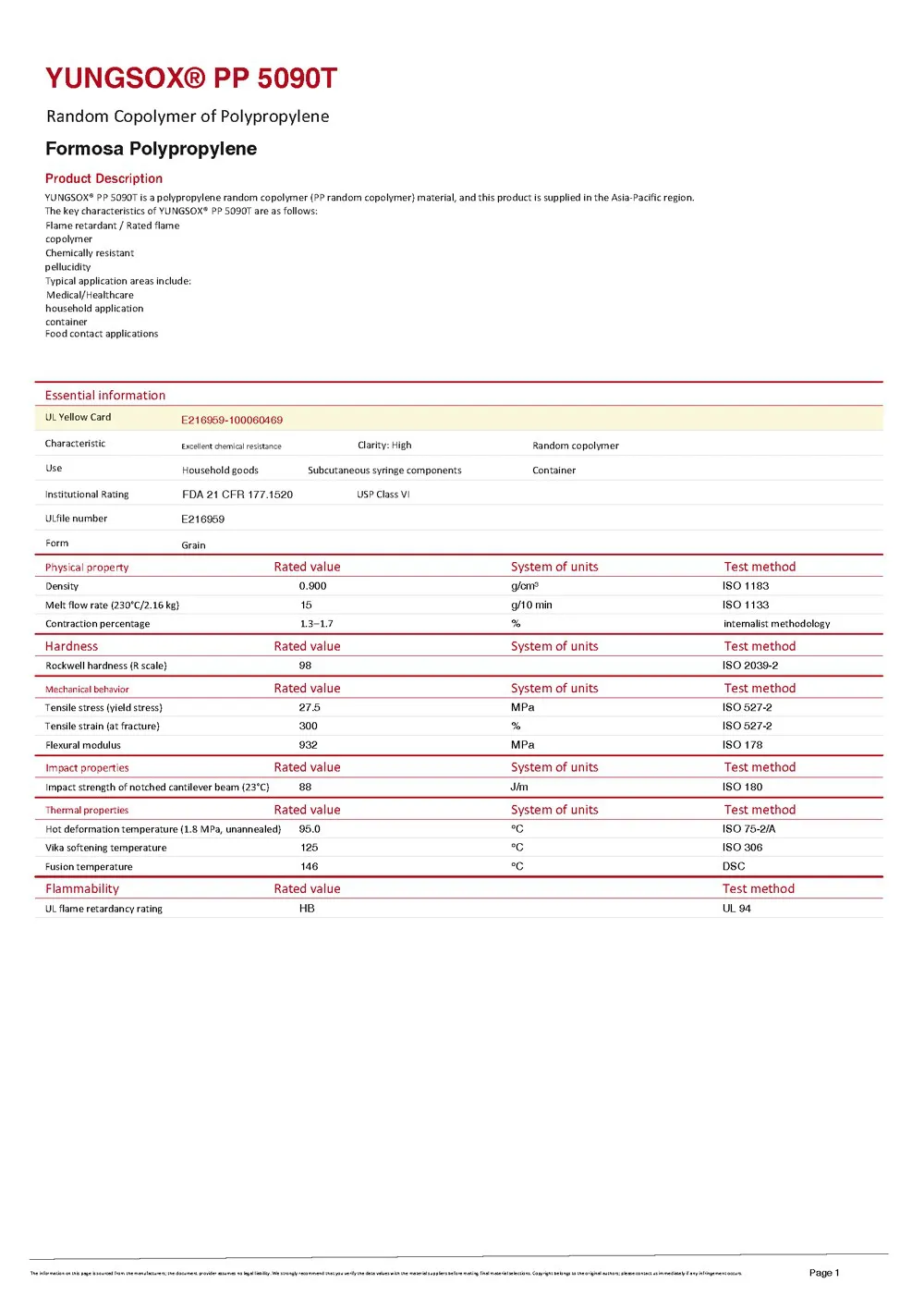
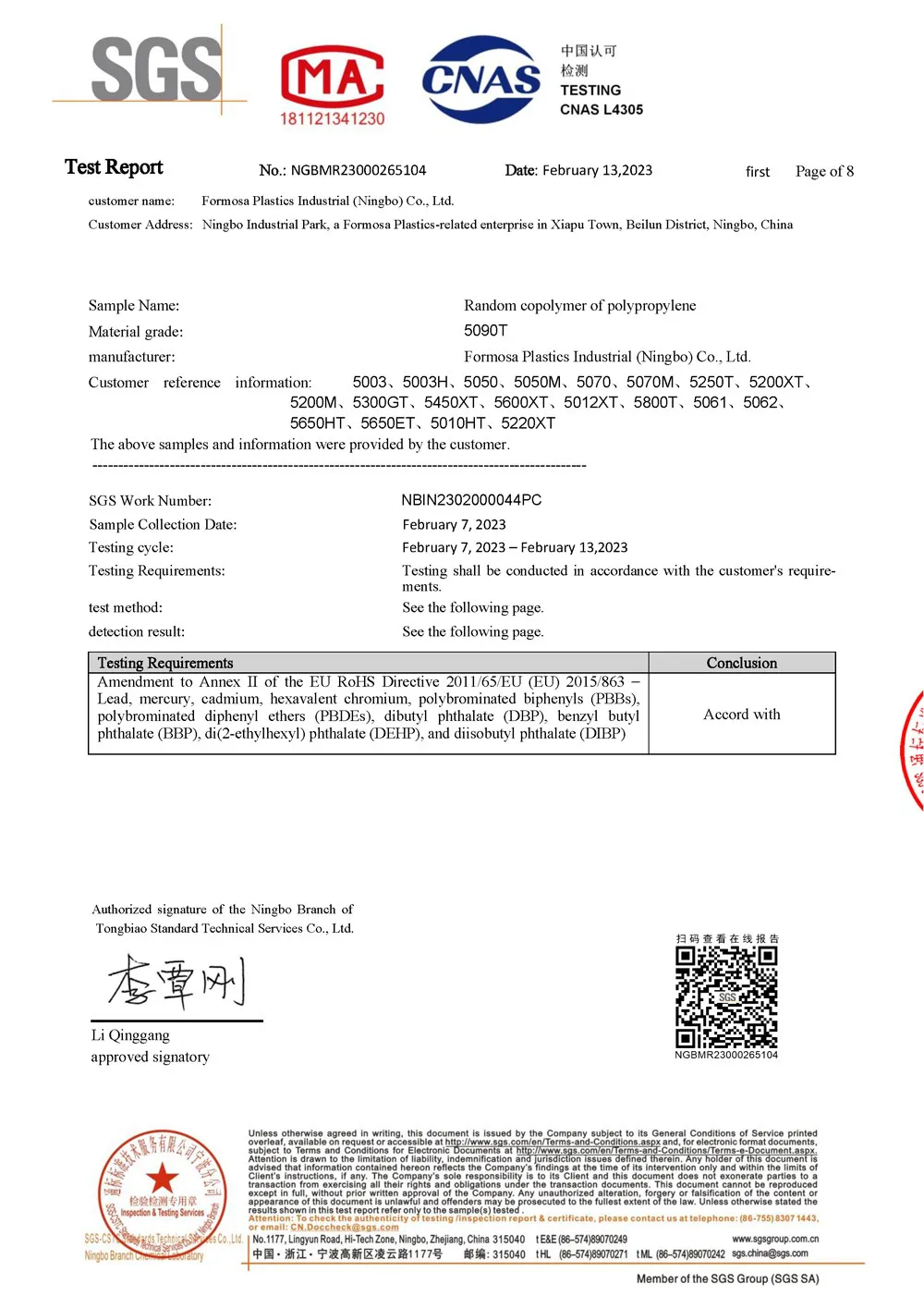
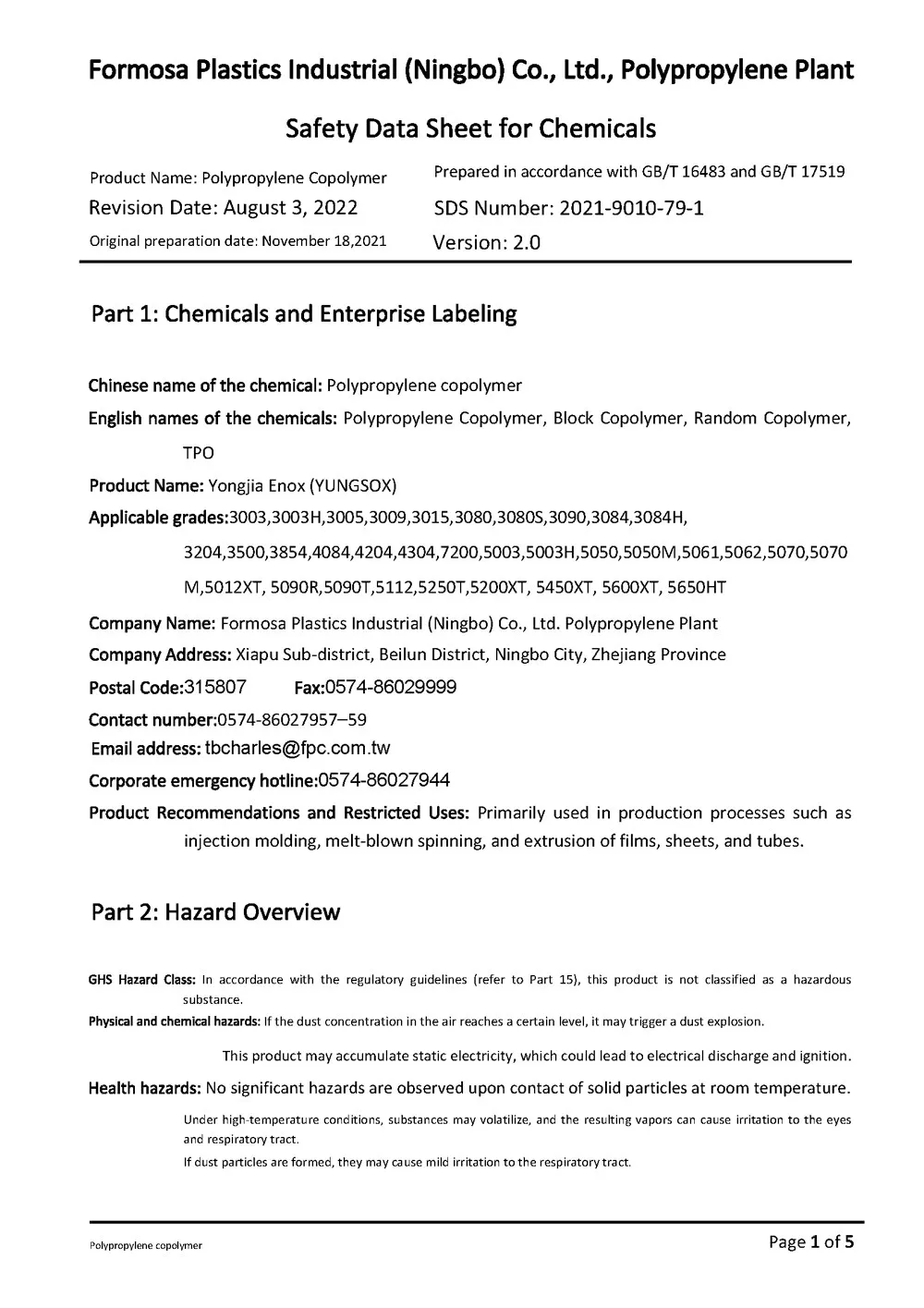
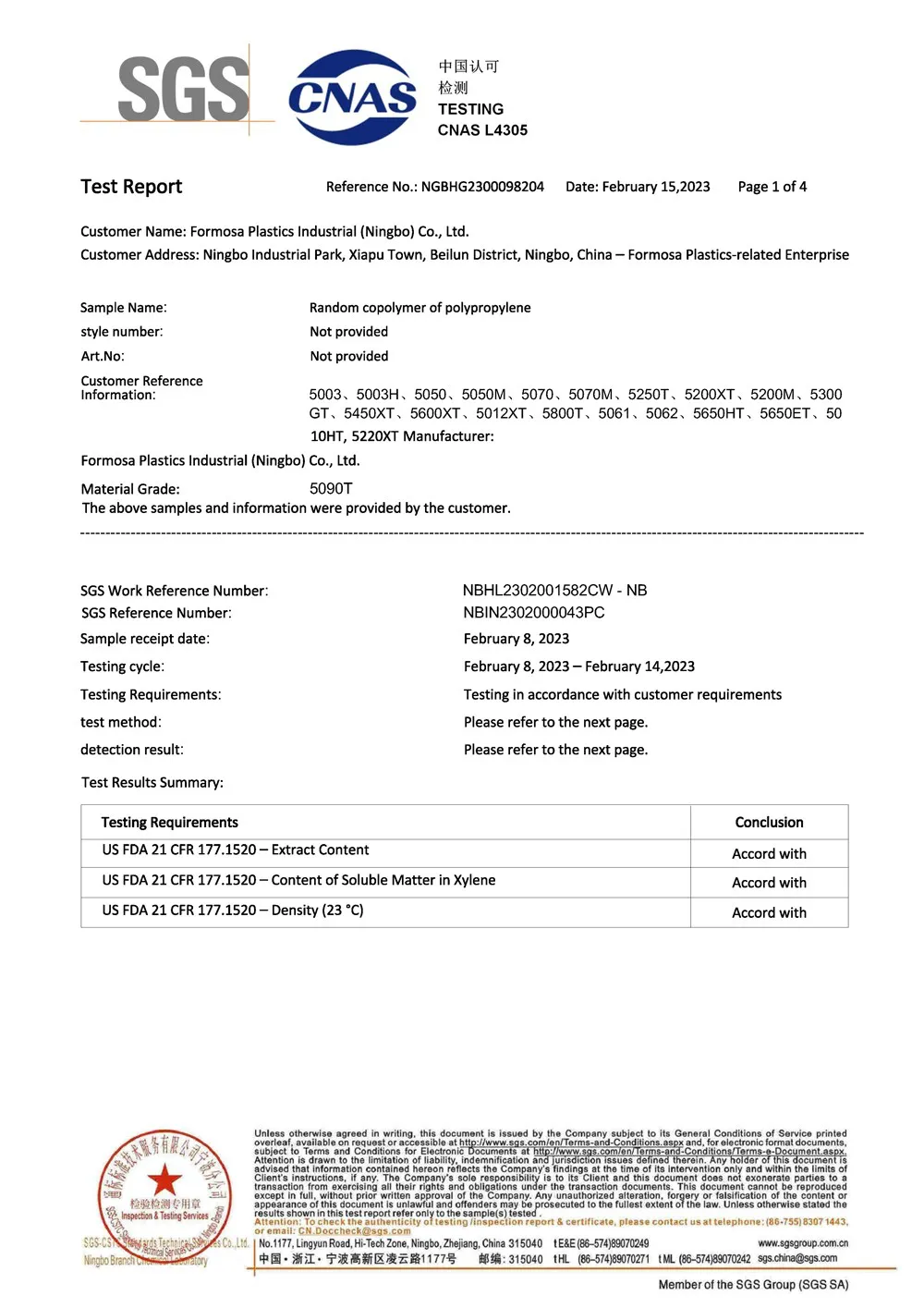
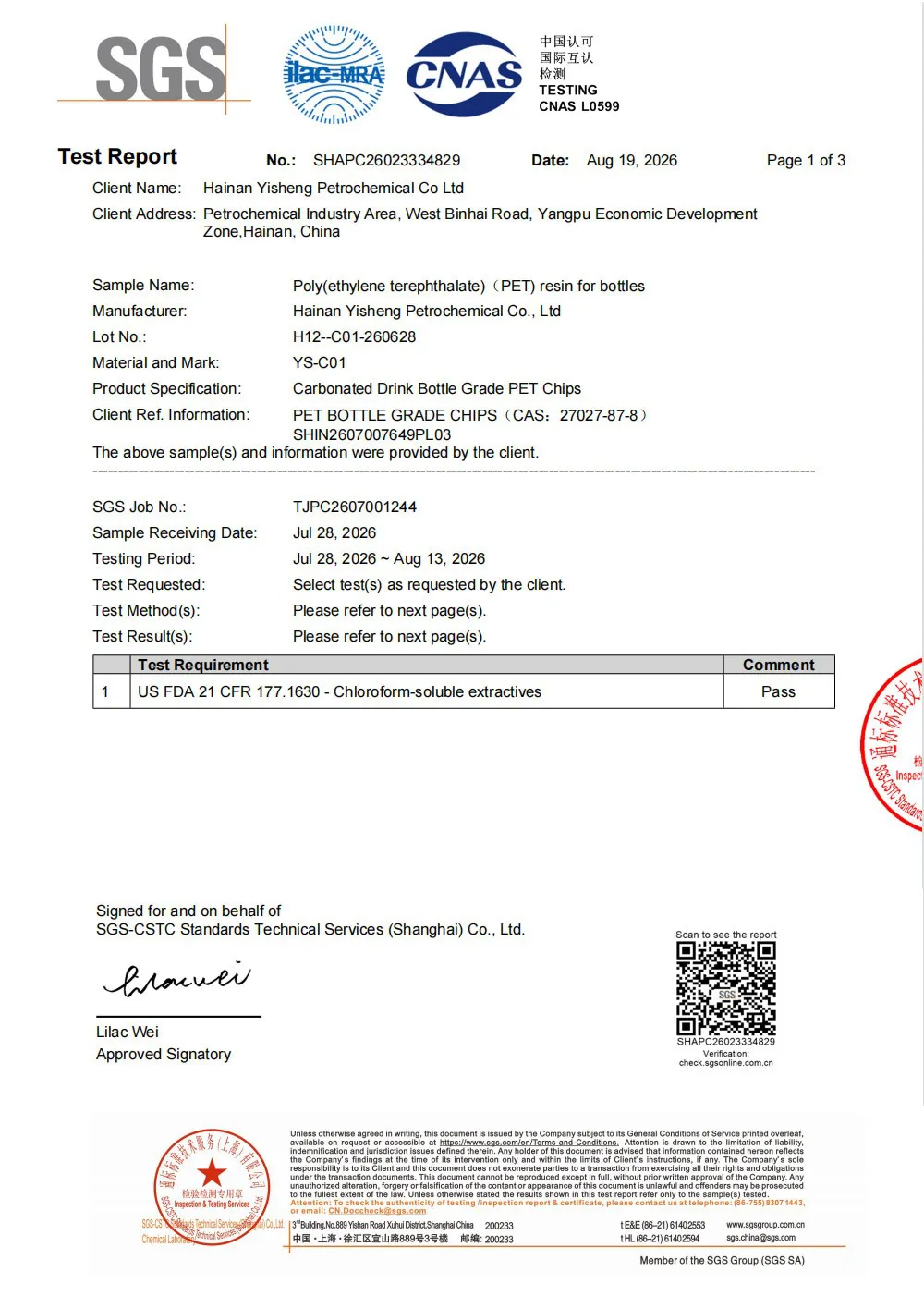
Let's talk about the elephant in the room: "Made in China" stereotypes. We've all heard horror stories—caps that crack after a month, liners that peel off, factories that cut corners to hit deadlines. But here's the reality: Not all manufacturers are created equal. The difference between a supplier that treats quality as a checkbox and one that builds it into every step? Certifications like ISO 9001 and GMP compliance.
ISO 9001 isn't just a certificate on a wall—it's a system that ensures consistency. When a factory is ISO 9001 certified, it means every cap undergoes the same rigorous checks: weight tests (to ensure materials are consistent), pressure tests (to simulate drops and squeezes), and seal tests (submerging capped bottles in water to check for leaks). No more "batch 1 was perfect, batch 2 leaks"—because the process is documented, repeatable, and audited regularly.
Then there's GMP compliance—short for Good Manufacturing Practices. For hair care products, which often contain natural ingredients or actives that can harbor bacteria, a dust-free GMP compliant workshop isn't optional. Imagine a facility where air is filtered 10 times per hour, workers wear full-body suits and hairnets, and every surface is sanitized daily. That's where your caps are being made. No dust, no contaminants, no risk of your product getting compromised during packaging.
We once had a client who switched to us after a batch of caps from another supplier caused their scalp serum to mold. The culprit? The previous factory didn't control humidity in their workshop, so moisture got trapped between the liner and cap during assembly. In our GMP workshop, humidity is kept at 45-55% year-round—no more mold, no more frantic emails from customers.
These certifications aren't just for "big brands," either. Small to medium brands need them most. When you're competing with giants, trust is your biggest asset. Being able to say "our packaging is made in an ISO 9001, GMP-certified facility" on your website or product page isn't just a line—it's proof that you care about quality as much as you care about your formula.
You might be wondering: Are disc top caps with aluminum liners a "one-trick pony," or do they work for all hair care products? The short answer: They're surprisingly versatile. Let's break down which products shine with this closure—and why:
And let's not forget about sustainability—a hot topic in hair care right now. While plastic packaging gets a bad rap, the right supplier can offer PCR (post-consumer recycled) plastic options for the caps themselves. Combine that with a 1-layer aluminum liner (which uses less material than multi-layer alternatives), and you've got a closure that's both effective and eco-friendlier. One brand we with recently switched to PCR plastic caps and saw a 20% increase in social media engagement—customers love supporting brands that walk the sustainability talk.
Here's the reality of packaging: You can buy disc top caps from dozens of suppliers online. But the ones who thrive aren't just selling caps—they're selling peace of mind. They're the ones who answer your emails at 8 PM because you need to adjust an order. Who send you a sample of a new liner material "just in case" your formula changes. Who visit your factory to understand your production line, so there are no surprises when you scale up.
When you're choosing a wholesale plastic bottles for cosmetics and closures supplier, ask yourself: Do they see your brand's success as their own? Or are they just looking to move inventory? The difference shows up in the details: the free mold testing, the proactive quality checks, the willingness to customize even small orders (because not every brand needs 100,000 caps right away).
So, to circle back to that argan oil serum we mentioned earlier: Imagine if, instead of complaints, you got messages like "Love how easy this is to use in the shower!" or "The serum is still as thick as my first bottle!" That's the impact of choosing the right closure. It's not glamorous, but it's foundational. And in a market where customers have endless options, foundational details are what turn casual buyers into loyal fans.
At the end of the day, your hair care product is more than a bottle of liquid—it's a promise to your customers: "I care about your hair, and I care about your experience." Don't let your packaging break that promise. Invest in closures that protect your formula, delight your users, and reflect the care you put into every ingredient. Your brand (and your customers) will thank you.