Email: info@mggpacking.com | Tel: +86-13510174848 ( Mr. Yao)


Let's start with a scenario many brands and labs face: You've developed a breakthrough serum—maybe it's a vitamin C formula for skincare lines, a medicinal tincture for holistic clinics, or a reagent for research labs. It's effective, in demand, and your customers are asking for larger sizes. They're tired of repurchasing small 1oz or 2oz bottles every week; they want something that lasts, something that makes sense for both their budget and their daily routine. That's where 16oz dropper bottles come in.
But here's the catch: Not all large dropper bottles are created equal. When you're dealing with (dà róngliàng—large volume) liquids—especially those that need precise dosing, like serums or medical solutions—you can't just slap a dropper on any plastic bottle. The material needs to be safe, the dropper needs to be accurate, and the entire package needs to protect the formula from contamination, light, and leaks. That's why medical grade, GMP-compliant 16oz dropper bottles have become the unsung heroes for brands that refuse to compromise on quality.
In this article, we're diving deep into why these bottles matter, what makes a truly reliable 16oz dropper bottle, and how partnering with an ISO 9001 certified packaging factory with a dust-free GMP workshop can transform your bulk packaging game. Whether you're a skincare brand scaling up production, a pharmaceutical company distributing liquid medications, or a lab needing consistent reagent storage, this is your guide to getting it right.
First, let's talk about size. Why 16oz (that's 473ml, for those keeping track) instead of, say, 32oz or sticking with smaller bottles? The answer lies in balance. 16oz is large enough to meet the needs of bulk users—think spas that go through 5 bottles of facial serum a week, or clinics that dispense herbal tinctures to dozens of patients daily—but not so large that it becomes cumbersome. It fits easily on shelves, is lightweight enough for shipping, and most importantly, it's designed with a dropper that can handle consistent, precise dosing without getting clogged or messy.
For skincare brands, 16oz dropper bottles are a game-changer for private label lines. Imagine offering your customers both travel-size 1oz bottles for on-the-go and 16oz refills for home use. It's eco-friendly (less packaging waste), cost-effective (bulk pricing for customers), and builds loyalty—who doesn't love a brand that makes their life easier? And for medical and lab settings, accuracy is non-negotiable. A 16oz bottle with a calibrated dropper ensures that every dose is exactly what it needs to be, whether it's 0.5ml of a skincare serum or 2ml of a lab reagent.
Pro Tip: 16oz dropper bottles aren't just for liquids! They're also ideal for thick formulas like facial oils, hair serums, or even some pharmaceutical suspensions—thanks to wide-neck designs that prevent clogging and droppers with adjustable flow rates.
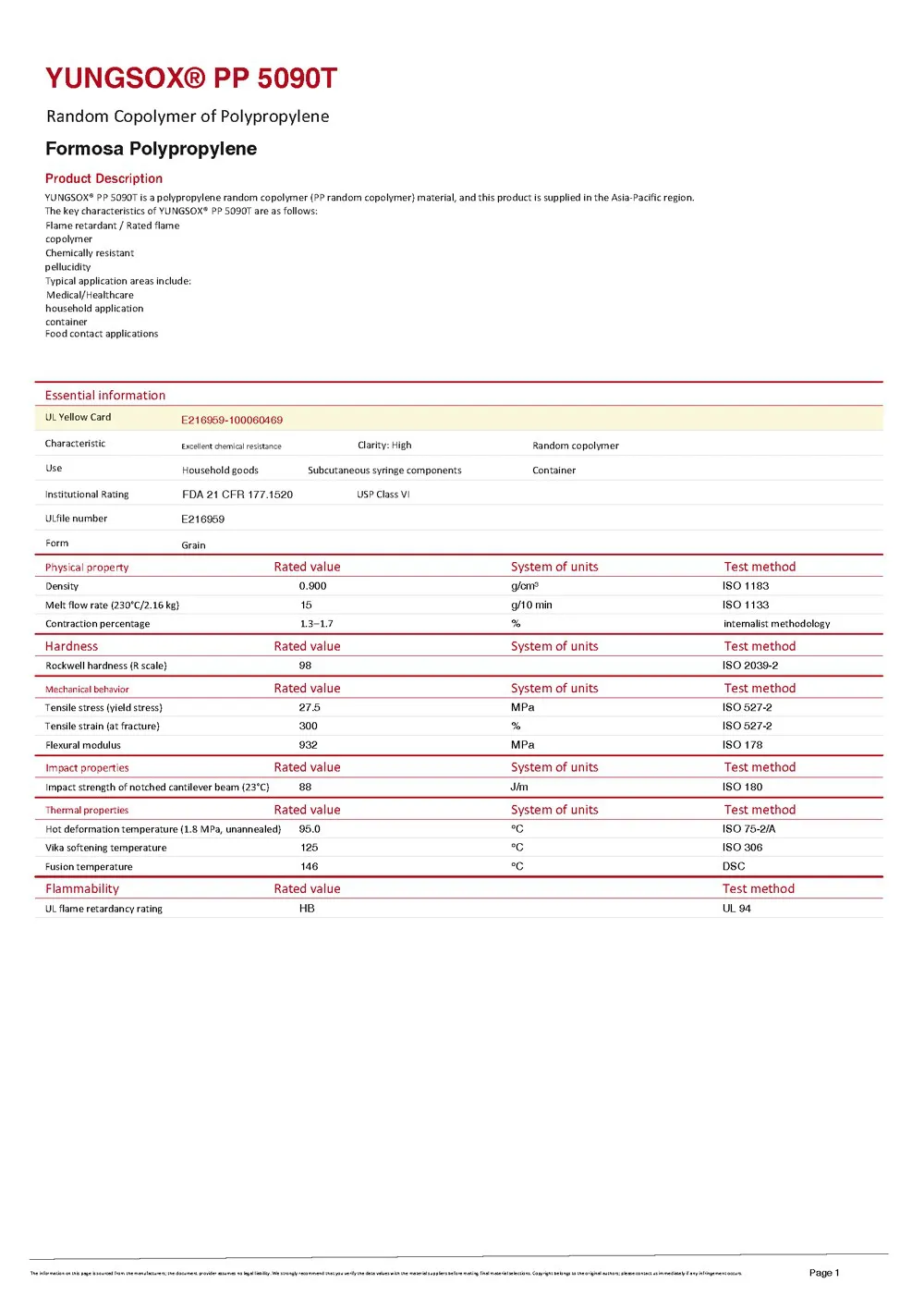
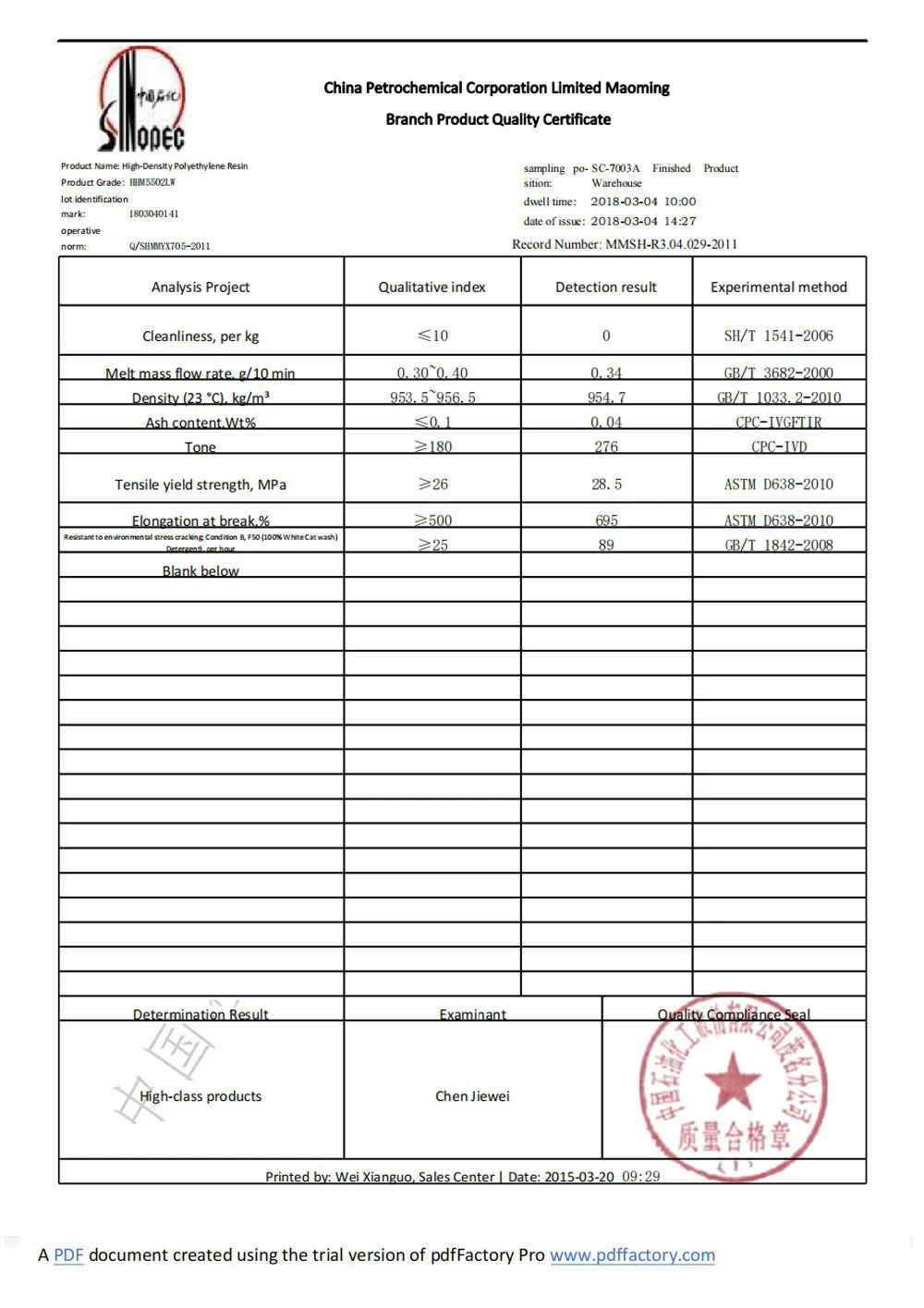
Let's get technical—but in a way that matters to you. When we say "medical grade plastic bottles," we're not just throwing around a buzzword. This term means the bottles are made from materials that meet strict safety standards, ensuring they won't leach chemicals into your formula, react with active ingredients, or degrade over time. For 16oz dropper bottles, the most common material is HDPE (High-Density Polyethylene), and for good reason.
HDPE is a workhorse in the packaging world, and for bulk serums, it's practically perfect. It's chemical-resistant, so it won't interact with ingredients like retinol, hyaluronic acid, or essential oils—common in both skincare and medicinal formulas. It's also shatterproof (unlike glass, which can be risky for large, heavy bottles) and lightweight, which cuts down on shipping costs. Plus, HDPE is opaque, which helps protect light-sensitive formulas from UV damage—no more worrying about your vitamin C serum oxidizing before it even reaches customers.
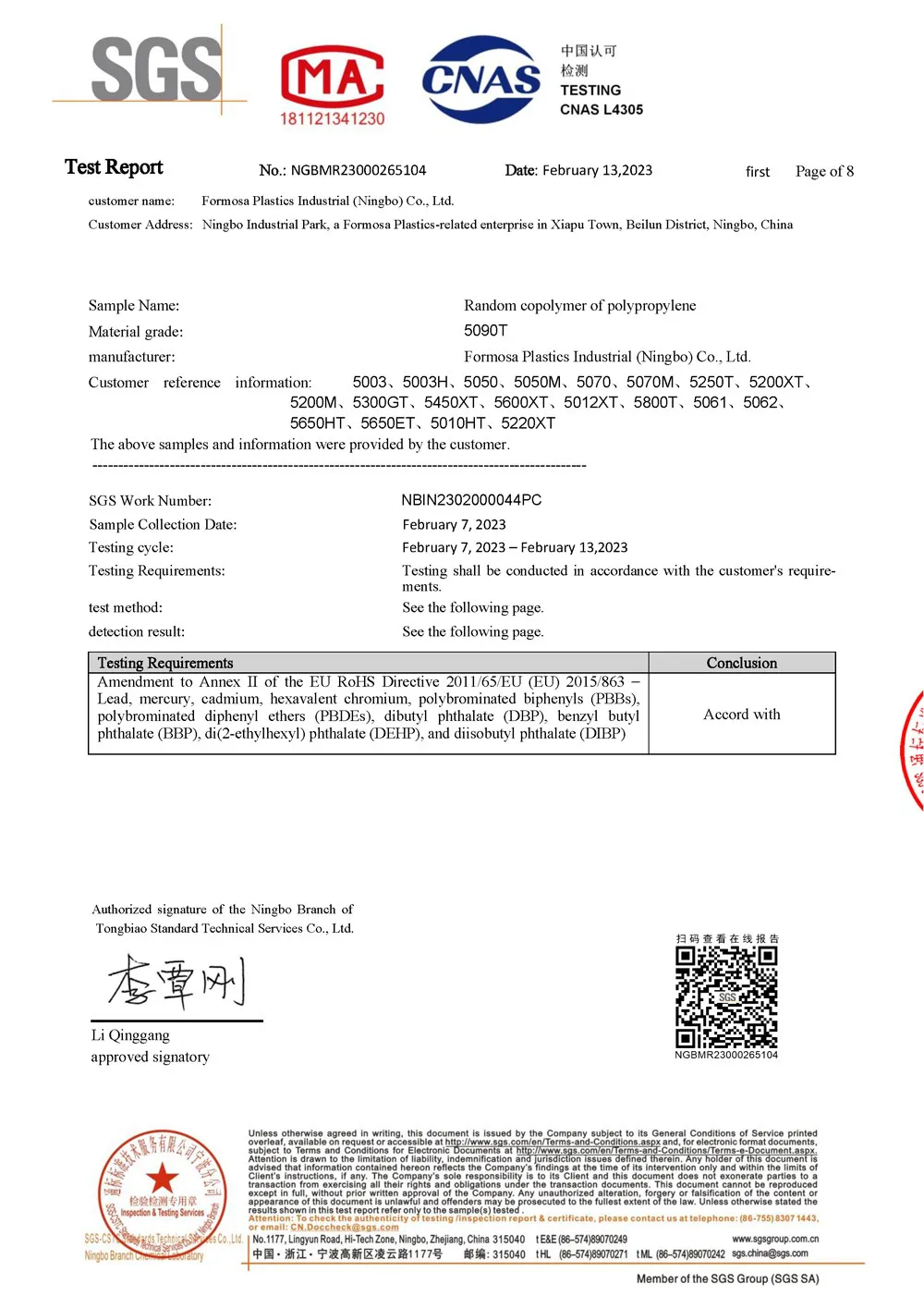
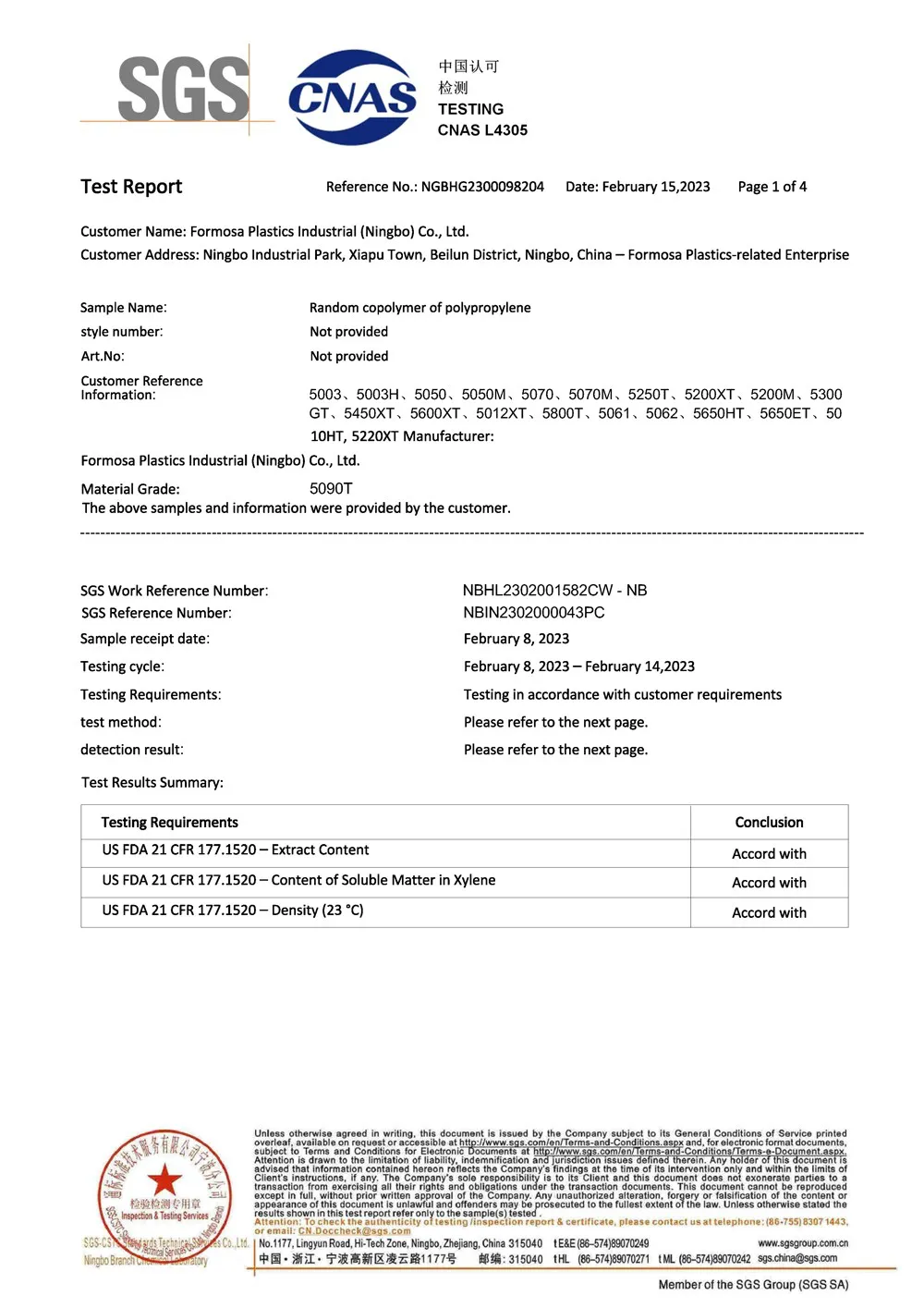
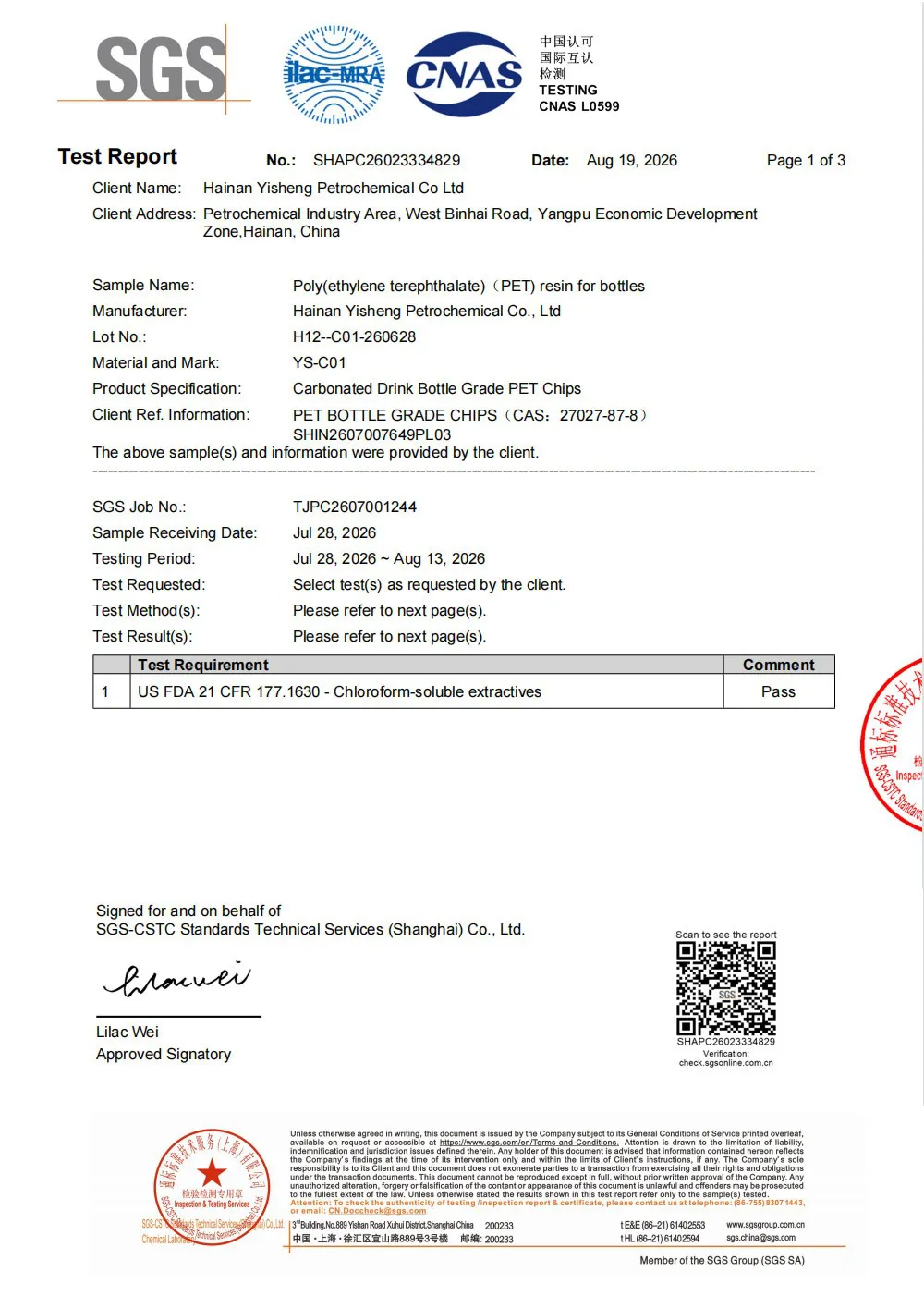
But here's the thing: Not all HDPE is created equal. To be truly medical grade, the resin used must be FDA-approved for direct contact with pharmaceuticals and cosmetics. That means no recycled materials that might contain impurities, no additives that could leach, and a manufacturing process that's tightly controlled. This is where partnering with an ISO 9001 certified packaging factory becomes critical—their quality management system ensures every batch of HDPE meets these strict standards.
Ever wondered what "GMP compliant" really means for your bottles? GMP stands for Good Manufacturing Practices, and it's all about cleanliness, consistency, and safety. A dust-free GMP workshop isn't just a room with a few air filters—it's a controlled environment where every detail is monitored to prevent contamination.
Picture this: The production line is enclosed in a Class 100,000 cleanroom (that's industry talk for "fewer than 100,000 particles per cubic foot of air"—for reference, a typical office has millions). Employees wear full-body gowns, hairnets, and gloves. All equipment is sanitized daily, and the air is filtered through HEPA systems to remove dust, bacteria, and other contaminants. Even the water used to clean the bottles is purified to pharmaceutical standards.
Why does this matter for your 16oz dropper bottles? Because when you're filling them with serums that go on skin or into the body, any contamination—even a tiny dust particle—can ruin the formula or, worse, harm the end user. A GMP workshop ensures that from the moment the plastic resin arrives to the second the bottle is sealed, your product stays pure. It's not just about meeting regulations; it's about protecting your brand's reputation and the trust your customers place in you.
Here's a secret: The best packaging isn't just functional—it's an extension of your brand. That's why custom mold design for plastic bottles isn't a luxury; it's a necessity for brands that want to stand out. Whether you need a unique bottle shape, a branded dropper, or specific features like embossed logos, the right factory can turn your vision into reality.
Let's say you want your 16oz dropper bottle to have a curved silhouette that fits perfectly in hands, or a unique neck design that makes pouring easier. The process starts with your idea—maybe a sketch, maybe a reference image, or maybe you already have a 3D model. The factory's design team will take that and refine it, ensuring it's not just beautiful but also functional (think: easy to fill, stable on shelves, compatible with standard filling machines).
Once the design is locked in, they'll create a test mold—usually using aluminum, which is faster and cheaper than steel for prototypes. Then, they'll produce a small batch of bottles for you to test: Check the fit of the dropper, test how the bottle feels in hand, fill it with your formula to see if there are any leaks or dosing issues. And here's the best part: Reputable factories offer free test molds, so you can tweak the design as much as you need without wasting money on final tooling until it's perfect.
For example, we once worked with a skincare brand that wanted their 16oz dropper bottle to have a matte finish and a raised logo on the neck. The first test mold had a logo that was too shallow—you could barely feel it. We adjusted the mold, ran another test batch, and nailed it. Now, their bottles are instantly recognizable on shelves, all because they invested in custom design.
| Custom Feature | Process | Benefits |
|---|---|---|
| Bottle Shape | 3D design → Test mold → Final steel mold | Brand differentiation, ergonomic handling |
| Color Matching | Pantone color mixing, in-mold coloring | Aligns with brand colors, consistent across batches |
| Embossed/Debossed Logos | Mold engraving | Permanent branding, premium look |
| Dropper Calibration | Custom dropper tip design, flow rate testing | Precise dosing (e.g., 0.5ml per drop) |
| Private Label Printing | Silkscreen printing, hot stamping | Full brand storytelling (ingredients, usage instructions) |
Custom mold design is just the start—private label options let you take branding to the next level. Imagine your 16oz dropper bottle arriving at customers' doors with your logo printed in gold foil, your brand colors on the cap, and a label that tells your story. It's not just packaging; it's a marketing tool.
Printing options are endless: Silkscreen printing works for bold, vibrant colors and is durable enough to withstand moisture (important for bathroom shelves). Hot stamping adds a metallic finish—gold, silver, rose gold—that feels luxurious, perfect for high-end skincare lines. For a more eco-friendly option, there's also in-mold labeling, where the label is integrated into the bottle during manufacturing, so there's no extra plastic waste from stickers.
And let's not forget the dropper itself! You can customize the color of the rubber bulb, the length of the pipette (to reach the bottom of the bottle, even when it's almost empty), and even add your logo to the dropper cap. Small touches, but they make a big difference in how customers perceive your brand.
You might be thinking, "This all sounds great, but is a 16oz dropper bottle really right for my business?" Let's break down the top industries and use cases where these bottles shine.
Skincare brands are loving 16oz dropper bottles for two big reasons: refills and professional use. Think about it: A luxury spa might use 5 bottles of facial serum a week on clients. Buying 1oz bottles is expensive and wasteful; a 16oz bulk bottle cuts costs by up to 40% and reduces packaging waste. At the same time, many brands are launching "refill stations" in stores, where customers can bring their empty small bottles and refill them from a 16oz dropper bottle—eco-friendly and customer-friendly.
For at-home users, 16oz bottles are perfect for serums they use daily. Take facial oil: A few drops a day, and a 16oz bottle can last 6 months or more. Customers love the value, and brands love the repeat purchases (when they run out, they'll come back for another bulk bottle!).
Medical clinics and compounding pharmacies often need large bottles of liquid medications—think herbal tinctures, cough syrups, or topical treatments. These formulas require precise dosing (e.g., "1ml twice daily"), which is where the dropper becomes essential. A medical grade 16oz dropper bottle ensures the medication stays pure, the dropper delivers accurate doses, and the bottle is durable enough to withstand frequent use in busy clinics.
We once worked with a holistic clinic that needed a 16oz dropper bottle for their signature immune-support tincture. They required the dropper to deliver exactly 0.5ml per drop, and the bottle to have child-resistant caps (to meet safety regulations). With custom mold design and testing, we created a bottle that met all their needs—now, they order 500 units at a time, saving time and money on restocking.
Labs deal with sensitive liquids daily—reagents, samples, solvents—and they need packaging they can trust. 16oz dropper bottles are ideal for storing larger volumes of these liquids, especially when precise pipetting is needed. The medical grade HDPE ensures no chemical reactions, the tight-sealing caps prevent evaporation, and the opaque material protects light-sensitive reagents. Plus, with custom labeling options, labs can print batch numbers, expiration dates, and safety info directly on the bottle—critical for compliance.
You might be wondering, "Why source 16oz dropper bottles from China?" The answer is simple: expertise, customization, and value. China has been a leader in plastic packaging for decades, with factories that specialize in everything from custom mold design to large-scale production. For B2B buyers—whether you're a brand, a distributor, or a clinic—this means access to high-quality, medical grade bottles at competitive prices, with the flexibility to customize every detail.
But not all China manufacturers are the same. Look for one with a proven track record: ISO 9001 certification (to ensure quality management), GMP compliance (for clean production), and experience exporting to your market (whether it's the EU, US, or Southeast Asia). A good factory will also have English-speaking sales and design teams, so there's no miscommunication when discussing custom molds or private label options.
Pro Tip: Ask for samples! Any reputable manufacturer will send you test bottles so you can check the quality, test the dropper, and ensure it works with your formula. Don't skip this step—it's the best way to avoid surprises down the line.
We can't talk about packaging in 2025 without mentioning sustainability. Customers are more eco-conscious than ever, and brands are under pressure to reduce their environmental footprint. The good news? 16oz dropper bottles can be part of the solution.
While medical grade HDPE isn't biodegradable (yet), it is 100% recyclable—and because these are large bottles, they reduce the number of small bottles that end up in landfills. Many factories now offer PCR (Post-Consumer Recycled) HDPE options for brands that want to use recycled materials without compromising on quality (though PCR may not be suitable for medical grade applications, where purity is critical). Additionally, lightweight HDPE reduces carbon emissions during shipping compared to glass or heavier plastics.
Some brands are even using 16oz dropper bottles as part of their "zero-waste" initiatives, encouraging customers to reuse the bottles for other purposes—like storing homemade cleaning solutions or DIY skincare mixes—once they're empty. It's a small step, but it builds goodwill and shows customers you care about more than just sales.
At the end of the day, 16oz dropper bottles are more than just containers—they're a tool to grow your business, protect your formulas, and delight your customers. But to get it right, you need more than just a "bottle supplier"—you need a partner who understands your needs, has the expertise to deliver medical grade quality, and the flexibility to customize every detail.
Whether you're a skincare brand scaling up, a clinic needing reliable medication packaging, or a lab storing sensitive reagents, the right 16oz dropper bottle can transform how you operate. It's about precision, safety, and brand trust—all wrapped up in a package that's as functional as it is memorable.
So, what's next? Reach out to a manufacturer with ISO 9001 and GMP certifications, discuss your custom needs, and request samples. Test the bottles with your formula, check the dropper for accuracy, and see how the design aligns with your brand. When you find the right partner, you'll wonder how you ever managed with small bottles.
Here's to big batches, big solutions, and big success—one 16oz dropper bottle at a time.