When it comes to packaging, especially for products that go on or in the body—like medicines, serums, or essential oils—details matter more than you might think. A single flaw in the container could compromise the product inside, affect user trust, or even lead to safety issues. That's why today, we're diving deep into a packaging solution that's become a staple for both pharmaceutical and cosmetic brands: the
1oz dropper bottle with tamper-evident cap
. Whether you're a small startup looking to launch your first herbal supplement line or a large pharmaceutical company scaling production, understanding what makes a high-quality
dropper bottle can make or break your product's success.
At its core, this isn't just a "bottle"—it's a bridge between your brand promise and the end user. It needs to protect the formula, make dosing precise, and tell your brand's story at a glance. And that's where working with the right
pharmaceutical packaging manufacturer
comes in. In this article, we'll walk through everything from the design nuances of tamper-evident caps to the art of custom labeling, and why choosing a partner with expertise in
medical grade plastic bottles
and
custom mold design for plastic bottles
can transform your packaging from functional to unforgettable.
The Unsung Hero of Packaging: Why 1oz Dropper Bottles Matter
Let's start with the basics: size. Why 1oz? For many products, especially those in the pharmaceutical and cosmetic spaces, 1oz (or roughly 30ml) hits the sweet spot. It's portable enough for travel (think TSA-friendly for skincare serums), yet large enough to provide real value to customers. It's also a common size for products that require controlled dosing—like liquid medicines, CBD tinctures, or facial oils—where users need to measure small amounts accurately.
But what really sets the
1oz dropper bottle apart is its versatility. Unlike a standard bottle with a cap, the dropper mechanism turns "pouring" into "precision." Each dropper can be calibrated to deliver a specific volume—say, 0.5ml per squeeze—making it easier for users to follow dosage instructions. For pharmaceutical companies, this isn't just convenient; it's often a regulatory requirement. And for cosmetic brands, it elevates the user experience, turning a simple application into a ritual.
Now, let's talk about the star feature: the tamper-evident cap. You've probably seen it before—the thin, ring-like seal around the cap that breaks when you twist it open for the first time. It seems small, but that little seal is a powerhouse for trust. In the pharmaceutical industry, tamper evidence is non-negotiable; it's how you assure patients that their medication hasn't been opened or altered since leaving the factory. For cosmetic brands, it's a silent promise that the formula inside is fresh and untouched. Without it, even the best product can leave users wondering, "Is this safe?"
Breaking Down the Design: What Makes a Tamper-Evident Cap Reliable?
Not all tamper-evident caps are created equal. A cheaply made cap might break prematurely, leaving your product vulnerable, or be so difficult to remove that users get frustrated and switch brands. So what should you look for in a well-designed cap? Let's break it down:
Visible and Audible Confirmation:
The best tamper-evident caps don't just "look" sealed—they
feel
sealed. When the user twists the cap, there should be a clear "snap" or "pop" as the seal breaks. This auditory cue reinforces that the product is freshly opened.
Durable Sealing Liner:
Underneath the cap, you'll often find a liner—usually made of aluminum foil or food-grade plastic—that creates an airtight barrier. This isn't just for tamper evidence; it also prevents moisture, oxygen, or contaminants from seeping into the bottle. For products like essential oils or liquid medications, which can degrade with exposure to air, this liner is critical.
Consistency in Application:
During production, the cap needs to be applied with the right amount of pressure. Too loose, and the seal might not hold; too tight, and the cap could crack or become impossible to open. This is where working with a factory that uses automated capping machines—like our
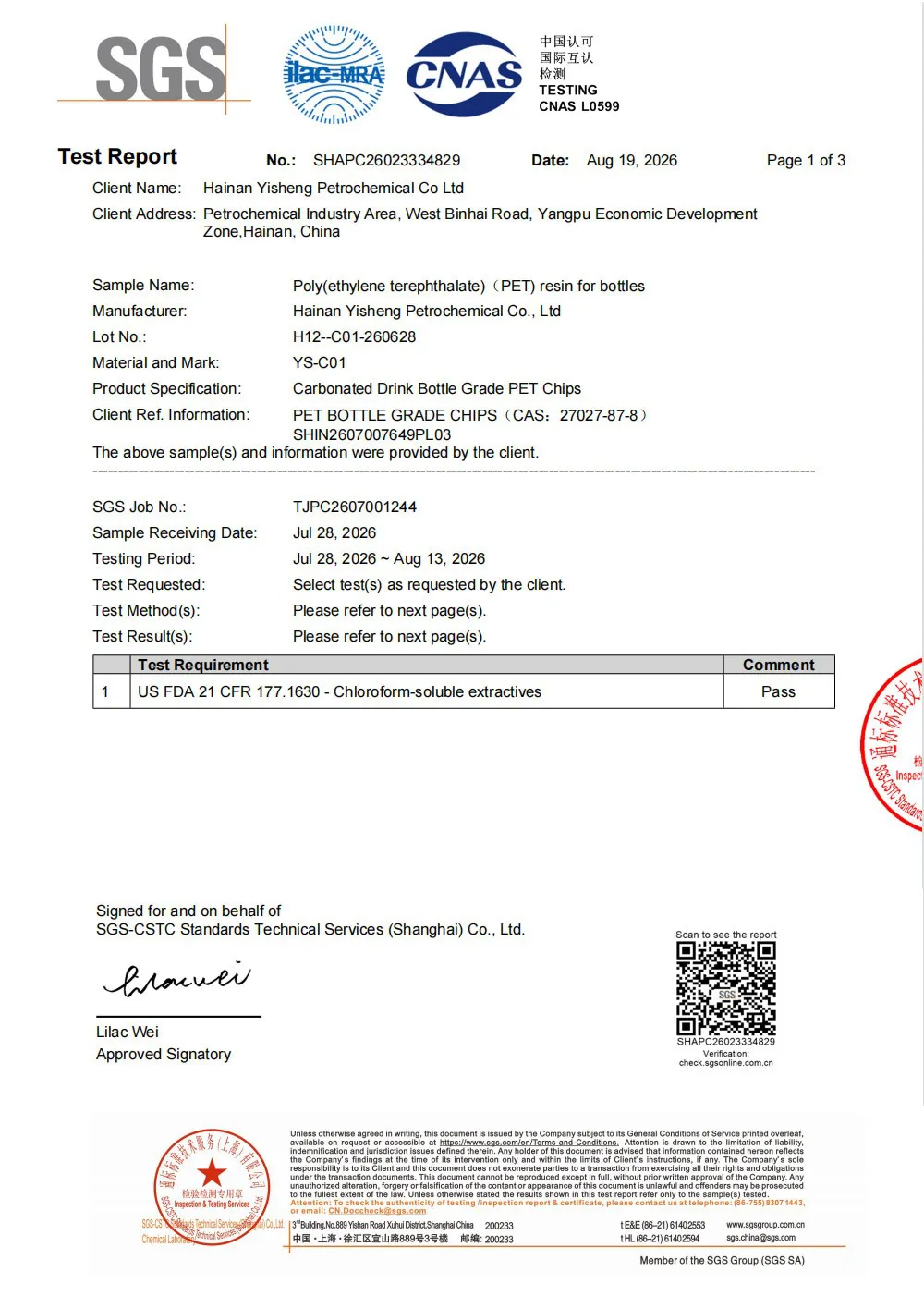
ISO9001 certified packaging factory
—ensures every bottle meets the same high standard.
To put this in perspective: imagine a customer picking up your
1oz dropper bottle at a pharmacy. They twist the cap, hear that satisfying "crack," and see the tamper ring fall away cleanly. In that split second, they're not just opening a bottle—they're confirming that your brand prioritizes their safety. That's the power of good design.
Material Matters: Why Medical Grade Plastic is Non-Negotiable
When it comes to
dropper bottles, the material of the bottle itself is just as important as the cap. For pharmaceutical and skincare products, "plastic" isn't a one-size-fits-all term. You need
medical grade plastic bottles
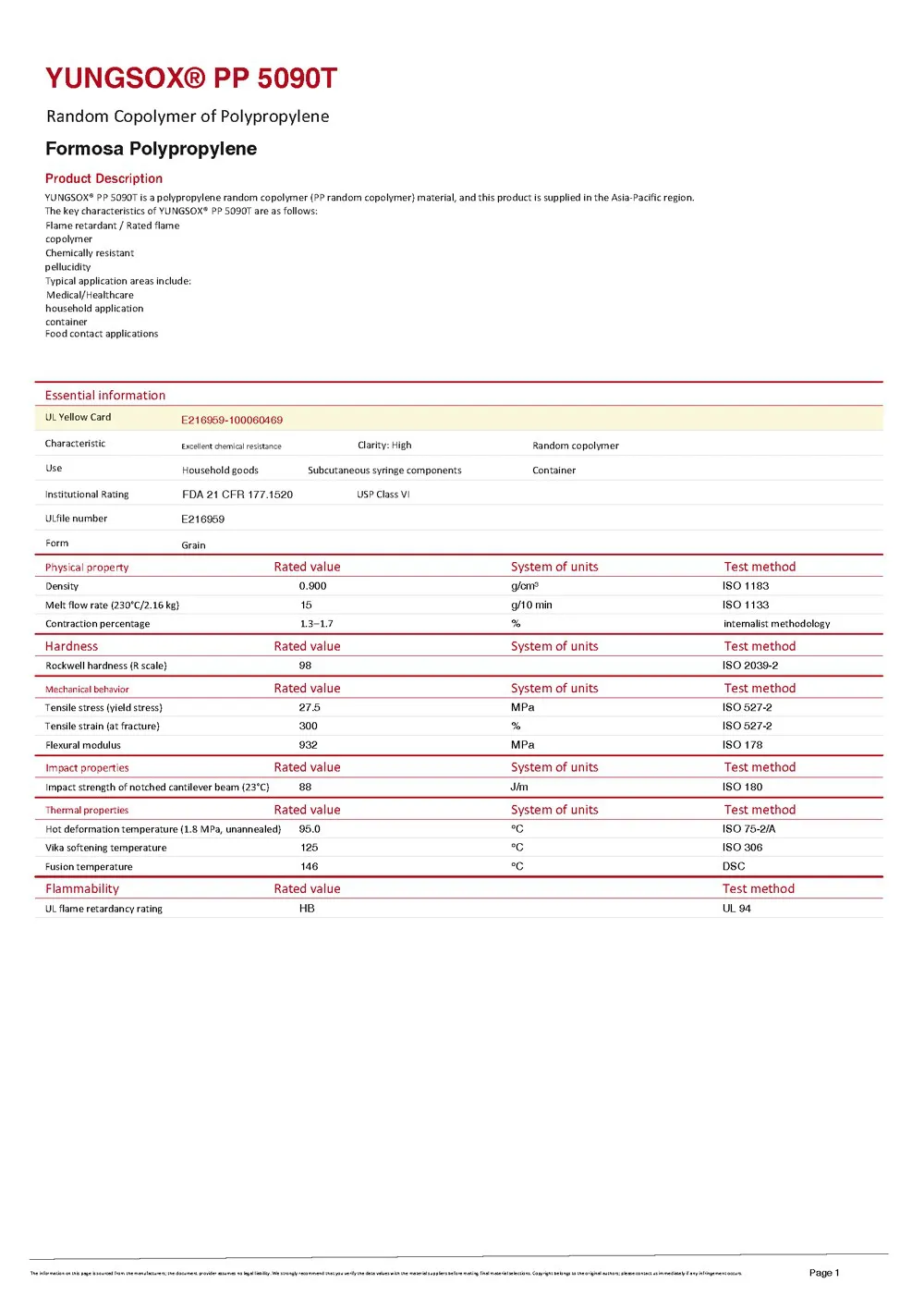
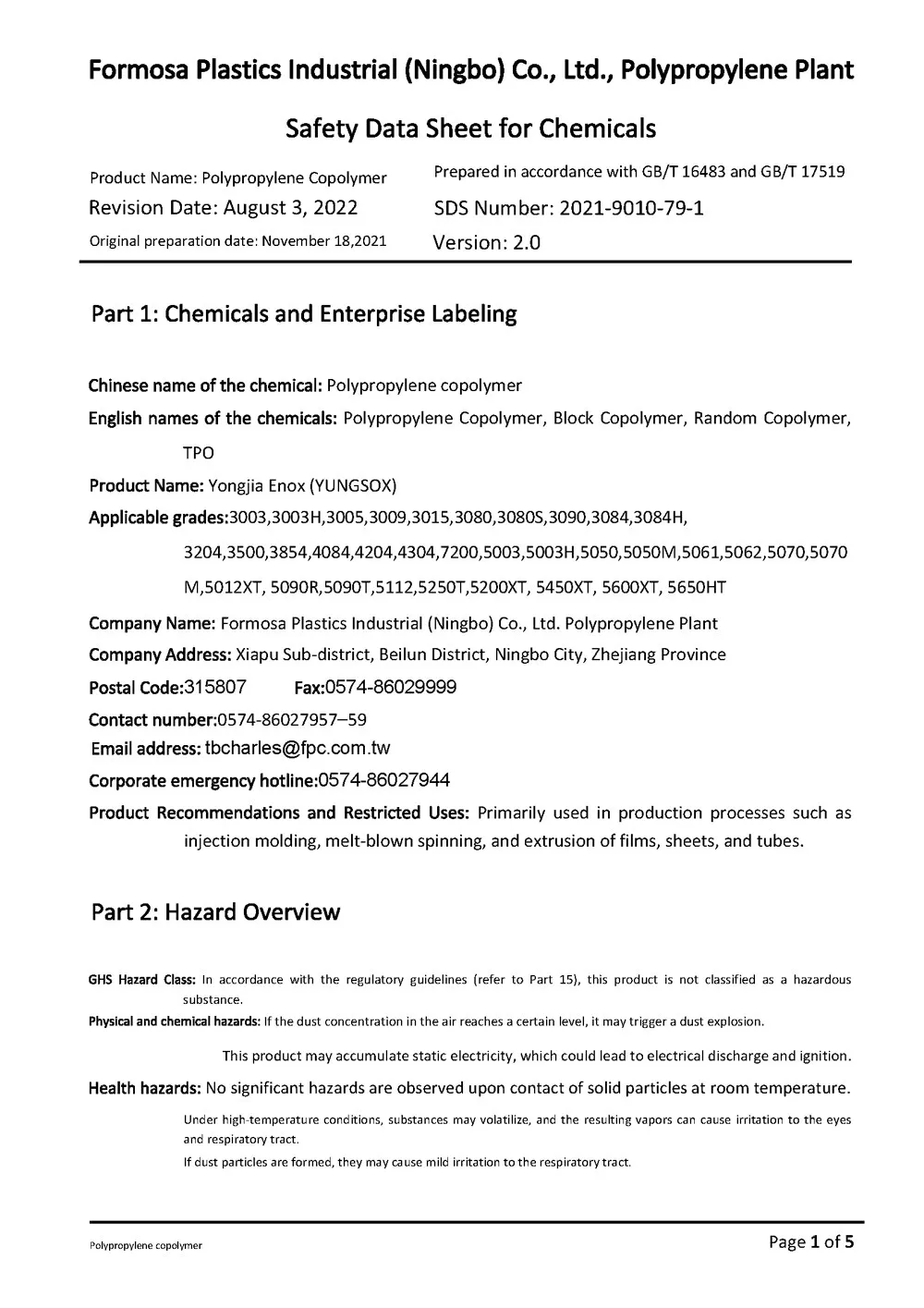
—materials that are tested to meet strict safety standards, won't leach chemicals into the formula, and can withstand the unique properties of your product (think pH levels, viscosity, or alcohol content).
|
Material
|
Best For
|
Key Advantages
|
Considerations
|
|
HDPE (High-Density Polyethylene)
|
Liquid medicines, vitamins, CBD tinctures
|
Chemically resistant, lightweight, shatterproof, recyclable
|
Not ideal for oils that require UV protection (pair with amber coloring)
|
|
PET (Polyethylene Terephthalate)
|
Cosmetic serums, essential oils (clear formulas)
|
High clarity (shows off product color), strong barrier against gases
|
Less flexible than HDPE; may crack with extreme temperature changes
|
|
Borosilicate Glass
|
Light-sensitive formulas (e.g., retinol, herbal extracts)
|
Chemically inert, UV-resistant (with amber tint), reusable
|
Heavier, more fragile, higher cost for large-scale production
|
For most pharmaceutical applications, HDPE is a top choice—and for good reason. It's resistant to acids, alcohols, and oils, which means it won't react with common ingredients like vitamin C or CBD. It's also lightweight, which cuts down on shipping costs, and shatterproof, reducing the risk of breakage during transit. Plus, as an
hdpe pill bottles supplier
, we've seen firsthand how HDPE's durability makes it a favorite for both prescription and over-the-counter medications.
But here's the thing: even with the right material, the bottle's design can undermine its performance. For example, if the neck of the bottle is too narrow, the dropper might get stuck; if it's too wide, the product could oxidize faster. That's where
custom mold design for plastic bottles
comes into play. A skilled design team can tweak everything from the bottle's curvature to the thickness of the walls to ensure it works seamlessly with your formula.
Custom Labeling: Turning a Bottle into a Brand Ambassador
Let's be honest: in a crowded market, your packaging is often the first thing customers notice. A plain, unlabeled bottle might be functional, but it won't make someone stop and say, "I need that." Custom labeling is how you turn a generic container into a reflection of your brand's identity—whether that's sleek and minimalist, bold and vibrant, or clinical and trustworthy.
Printing Techniques for Every Brand Vibe:
From silk-screen printing for a matte, high-end finish to digital printing for intricate designs, the right technique can elevate your label. For example, a skincare brand might opt for gold foil stamping to convey luxury, while a pharmaceutical company might use crisp, bold text to highlight dosage instructions. We've even worked with clients who wanted raised, embossed logos—adding a tactile element that makes the bottle feel premium in the hand.
Compliance Meets Creativity:
For pharmaceutical products, labels aren't just about aesthetics—they're about compliance. You need to include batch numbers, expiration dates, and dosage information clearly and legibly. But that doesn't mean they have to be boring! Our design team often works with brands to integrate mandatory info into the overall label design—using color blocks or typography to make even the "fine print" feel intentional.
Private Label Options:
If you're a retailer or distributor looking to white-label products, private label packaging is a game-changer. We've helped countless clients create custom labels that include their logo, brand colors, and even QR codes linking to product videos—all without the hassle of managing a full in-house design team.
One of our favorite recent projects? A small herbal remedy company that wanted their 1oz
dropper bottles to feel like "apothecary chic." We used amber HDPE for UV protection, added a vintage-style silk-screen print with hand-drawn botanical illustrations, and finished it off with a matte black tamper-evident cap. The result? Their bottles now stand out on shelves, and customers often post photos of them on social media—turning packaging into free marketing.
Beyond the Bottle: The Power of Custom Mold Design
Here's a secret most brands miss: great packaging starts with the mold. The mold is the blueprint for your bottle—it determines the shape, the thickness, the placement of the threads for the cap, and even how the dropper fits inside. If you settle for a generic, off-the-shelf mold, you're limiting your bottle's potential to stand out. But with
custom mold design for plastic bottles
, you can create a shape that's uniquely yours.
Let's say you're launching a line of premium essential oils. A standard cylindrical
dropper bottle might work, but what if you designed a bottle with a curved, ergonomic grip? Suddenly, using the product becomes more comfortable, and the unique shape makes it instantly recognizable on a shelf. Or maybe you're a pharmaceutical company that wants to reduce waste—custom mold design can help you create a bottle that uses 10% less plastic without compromising strength.
At our factory, the mold design process starts with a conversation. We'll ask about your product's viscosity (is it a thick serum or a thin oil?), your target audience (are they seniors who need easy-grip bottles?), and your brand values (do you prioritize sustainability?). Then, our engineers create 3D renderings, which we'll tweak until you're happy. The best part? We offer free mold testing—so you can see a physical prototype before committing to mass production. This not only saves you money in the long run but ensures the final product is exactly what you envisioned.
Inside the Factory: What Makes an ISO9001 & GMP Compliant Workshop Different?
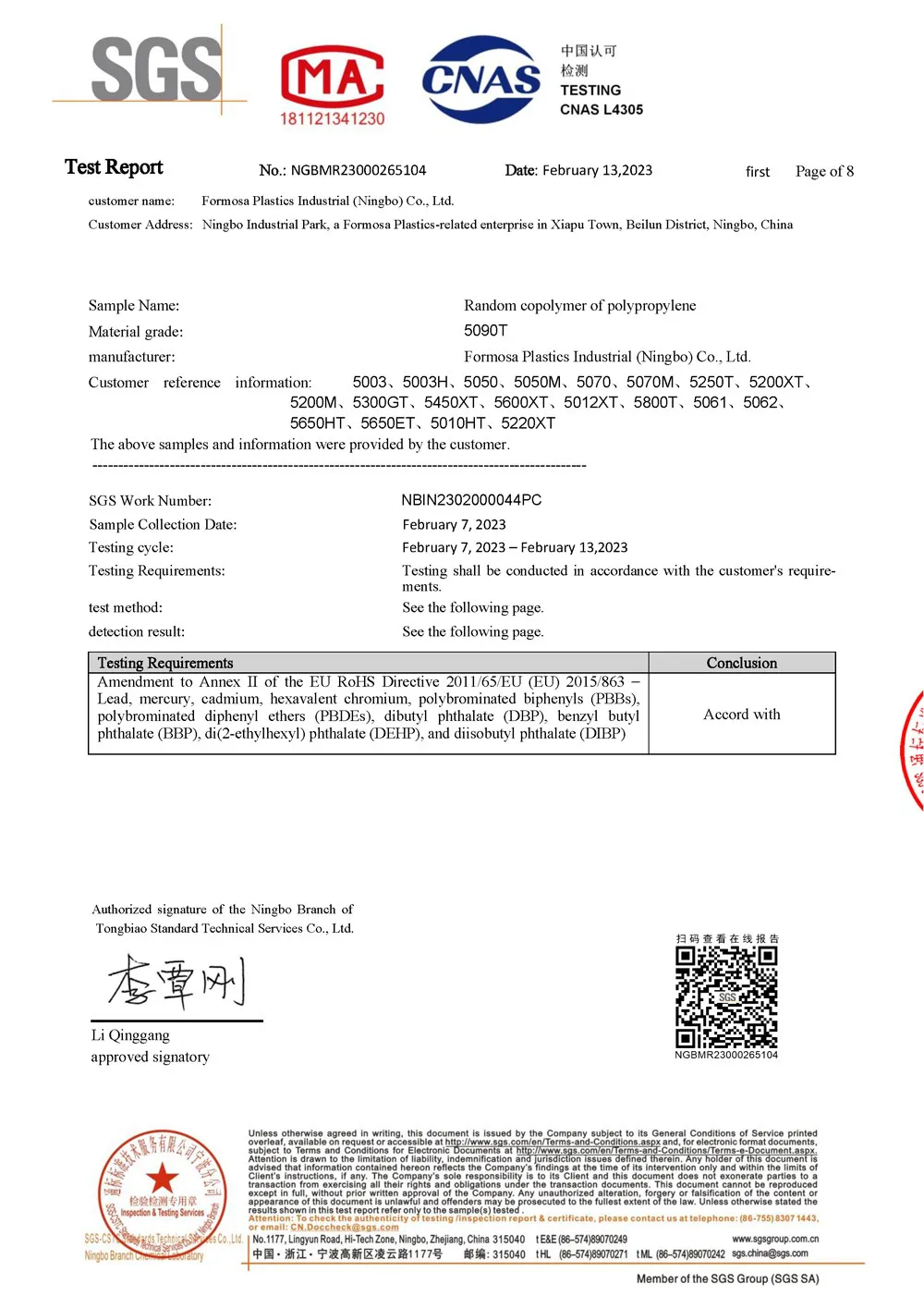
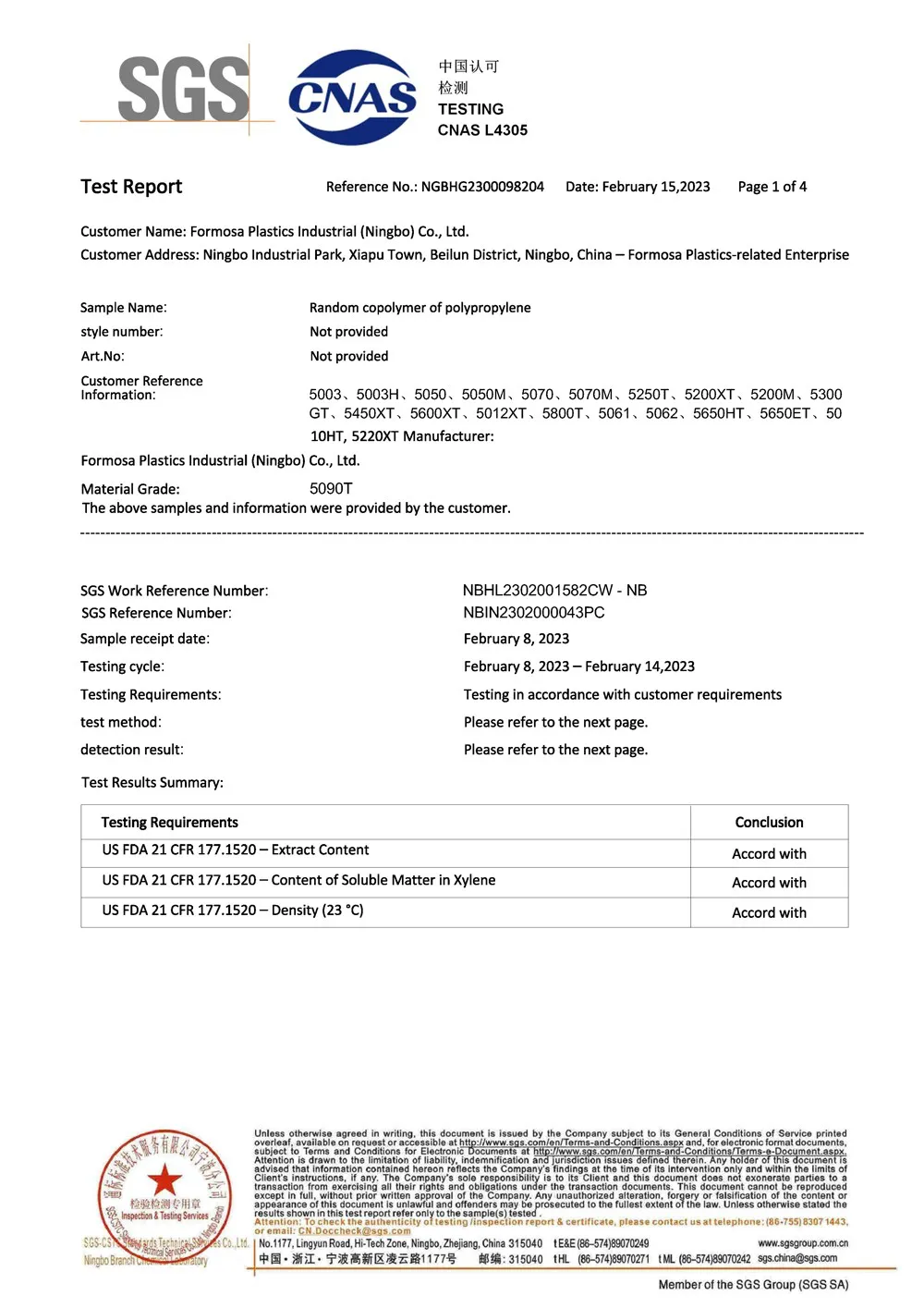
When you're trusting a factory with your packaging, you're not just trusting their design skills—you're trusting their ability to produce safely and consistently. That's why certifications like ISO9001 and GMP (Good Manufacturing Practices) aren't just "nice-to-haves"—they're proof that the factory has systems in place to maintain quality, no matter how big or small your order is.
Dust-Free GMP Compliant Workshops:
For pharmaceutical packaging, even a speck of dust can contaminate a product. Our GMP-certified workshops are designed to minimize airborne particles, with HEPA filters, positive air pressure, and strict gowning protocols for staff. When we say "dust-free," we mean it—we regularly test air quality to ensure it meets the same standards as hospital operating rooms.
Quality Control at Every Step:
From the moment raw materials arrive (we test every batch of plastic resin for purity) to the final inspection before shipping, there are checkpoints to catch issues early. For example, our QA team uses specialized equipment to test the seal strength of tamper-evident caps—ensuring they're tight enough to prevent leaks but not so tight they're user-unfriendly.
Traceability:
In the unlikely event of a recall, you need to know exactly where each bottle came from. Our ISO9001 system tracks every batch from production to shipment, with detailed records of materials, machine settings, and inspection results. This level of transparency isn't just for compliance—it gives you peace of mind.
To put it simply: when you work with a factory that cuts corners on compliance, you're rolling the dice with your brand's reputation. A single contaminated bottle or a cap that fails could lead to product recalls, negative reviews, or even legal issues. Investing in a certified partner is investing in your brand's future.
From Small Batch to Mass Production: Flexibility for Every Brand
One of the biggest myths about custom packaging is that it's only for large brands with deep pockets. But the reality is, whether you need 500 bottles for a product launch or 500,000 for a nationwide rollout, the right
custom plastic bottle manufacturer
should scale with you.
For startups or small businesses, we often recommend starting with a small batch to test the market. Our minimum order quantity (MOQ) for custom 1oz
dropper bottles is just 1,000 units—low enough to keep costs manageable but high enough to ensure the quality is consistent. As you grow, we can ramp up production quickly, thanks to our 10+ production lines and in-house mold shop. We've even helped clients go from a 5,000-unit order to 500,000 units in six months—without sacrificing lead time or quality.
It's also worth mentioning that flexibility isn't just about quantity—it's about adaptability. Maybe you launch with a clear HDPE bottle but later decide to switch to amber for UV protection. Or you want to add a new closure option, like a child-resistant cap, for a line of pediatric medications. With our in-house design and mold-making capabilities, we can pivot quickly, saving you time and money compared to switching suppliers.
Sustainability: The Future of Plastic Packaging
In recent years, "sustainable packaging" has gone from a buzzword to a consumer expectation. Customers—especially younger generations—want to know that the products they buy align with their values, and that includes packaging. The good news? You don't have to sacrifice functionality for sustainability. There are plenty of ways to make your 1oz
dropper bottles more eco-friendly, without compromising on safety or design.
PCR (Post-Consumer Recycled) Plastics:
Using plastic made from recycled materials is one of the easiest ways to reduce your carbon footprint. We offer PCR HDPE and PET options that meet the same medical grade standards as virgin plastic—so you can market your product as "sustainable" without cutting corners on quality.
Lightweighting:
By optimizing the mold design, we can reduce the amount of plastic used in each bottle by up to 15%—cutting down on waste and lowering shipping costs (since lighter packages require less fuel to transport).
Recyclable Design:
We avoid unnecessary components (like non-recyclable liners or mixed-material caps) to ensure the entire bottle can be recycled. We also provide guidance on how to communicate recycling instructions to customers—like adding a "recycle me" symbol on the label.
One client, a natural deodorant brand, recently switched to our PCR HDPE
dropper bottles and saw a 20% increase in sales—attributed in part to their new "sustainable packaging" marketing campaign. It just goes to show: sustainability isn't just good for the planet—it's good for business.
Frequently Asked Questions (FAQs)
Q: How long does it take to produce custom 1oz
dropper bottles with tamper-evident caps?
A: Lead times depend on the complexity of your order. For standard bottles with existing molds, production takes about 10–15 days. For custom mold designs, add 2–3 weeks for mold creation and testing. We always provide a detailed timeline upfront, and our project managers keep you updated every step of the way.
Q: Can I get a sample before placing a full order?
A: Absolutely! We offer free samples of standard bottles, and for custom designs, we can create a prototype for a small fee (which is refundable if you place a bulk order). Sampling is crucial—we want you to hold the bottle, test the dropper, and ensure it works with your formula before committing.
Q: What's the difference between "medical grade" and "food grade" plastic?
A: Medical grade plastic meets stricter standards for purity and biocompatibility, ensuring it won't react with pharmaceuticals or bodily fluids. Food grade plastic is safe for food contact but may not undergo the same rigorous testing for chemical resistance. For pharmaceutical products, always opt for medical grade.
Q: Do you offer international shipping?
A: Yes! As a
China plastic bottle exporter
, we ship to over 50 countries worldwide. We work with trusted logistics partners to handle customs clearance and ensure on-time delivery. For large orders, we can also arrange sea freight to reduce costs.
Q: Can I mix and match bottle colors, caps, and labels in one order?
A: Of course! Many clients order multiple variations (e.g., amber bottles for serums and clear bottles for oils) in a single order to streamline production. Just let us know your needs, and we'll create a custom quote.
Why Choose Us as Your Packaging Partner?
At the end of the day, there are plenty of factories that can make "a bottle." But what sets us apart is our obsession with the details—the ones that turn a functional container into a brand asset. Here's why clients across the globe choose us:
End-to-End Expertise:
From mold design to final shipping, we handle every step in-house. No middlemen, no delays, and no surprises.
Compliance You Can Trust:
Our ISO9001 and GMP certifications aren't just pieces of paper—they're ingrained in how we work. We regularly audit our processes to ensure we're exceeding industry standards.
Design for Your Audience:
We don't just "make what you ask for"—we help you design packaging that resonates with your customers. Our team includes both engineers and marketers, so we balance functionality with brand appeal.
Transparent Pricing:
No hidden fees. We provide detailed quotes upfront, including mold costs, production, and shipping—so you can budget with confidence.
Whether you're just starting to explore packaging options or you're ready to place an order, we're here to help. Reach out today to schedule a free consultation, and let's turn your vision for the perfect
1oz dropper bottle into reality. After all, your product deserves packaging that's as exceptional as the formula inside.