Email: info@mggpacking.com | Tel: +86-13510174848 ( Mr. Yao)


First things first—let's decode that number: 24/410. It might look like random digits, but in the world of packaging, it's a universal language. The "24" refers to the diameter of the cap in millimeters, so this cap is 24mm wide. The "410" is all about the thread finish—the part that screws onto the bottle neck. The first number ("4") tells you the thread's diameter in eighths of an inch (so 4/8 = 0.5 inches), and the second number ("10") indicates the thread's height. Put simply, 24/410 is a standard size that fits a huge range of bottles, making it super versatile for all kinds of products. But why does that matter? Well, if you're a brand looking to switch up your packaging or expand your product line, using a standard size like 24/410 means you won't have to redesign your bottles from scratch. It's a practical choice that saves time and money, which is probably why it's one of the most popular sizes in the industry.
Now, let's put that into perspective. There are smaller caps, like the 18mm or 20/410, and larger ones, like the 28/410. Each has its place—smaller caps work great for travel-size toiletries or mini skincare products, while larger ones are better for big bottles of household cleaners. But 24/410 hits that sweet spot. It's big enough to fit comfortably in your hand, so even people with larger hands or limited dexterity can open it easily, but not so big that it looks clunky on a sleek cosmetic bottle. It's the Goldilocks of cap sizes: just right for most everyday products.
| Cap Size | Best For | User Convenience | Seal Strength |
|---|---|---|---|
| 18mm | Small vials, travel-size serums | Harder to grip for some users | Good for small volumes |
| 20/410 | Travel toiletries, mini shampoos | Decent grip, but smaller opening | Reliable for liquids |
| 24/410 | Shampoos, lotions, body washes, skincare | Easy grip, wide opening for thick products | Excellent—ideal for daily use |
| 28/410 | Large bottles, household cleaners | Bulky for small hands | Very strong, but overkill for cosmetics |
As you can see, 24/410 isn't just popular by accident. It balances usability, versatility, and functionality in a way that other sizes can't always match. And when you pair that with the disc top design? That's where the real magic happens.
Let's get into the star of the show: the disc top itself. Unlike traditional screw caps that you have to twist multiple times, disc top caps (also called "flip-top" or "press-top" caps) have a small tab that you flip open with your thumb. No twisting, no prying—just a quick press and flip. And the 24/410 version takes this a step further with its "easy twist-off" feature. Wait, twist-off? But I thought it was a flip-top. Let me clarify: the cap screws onto the bottle neck like a regular cap (so it's secure during shipping), but once it's on, you don't need to unscrew it every time. You just flip the disc top open to use the product, and press it closed when you're done. The "twist-off" part refers to how easy it is to remove the entire cap if you need to—say, for refilling the bottle or deep cleaning it. It twists off smoothly with minimal effort, which is a huge plus for consumers who like to reuse containers (and let's be real, that's most of us these days).
But what makes the flip action itself so satisfying? It's all in the hinge design. The best 24/410 disc top caps have a hinge that's flexible but sturdy, so it flips open to about 90 degrees—enough to get your fingers in there to squeeze out product, but not so far that it bends or breaks over time. And when you press it closed, there's a satisfying "click" that lets you know it's sealed tight. That click isn't just for show; it's a sign that the cap is creating a proper seal, which keeps the product inside fresh and prevents leaks. Trust me, there's nothing worse than pulling a bottle out of your gym bag and finding it leaked all over your towel. With a well-designed disc top cap, that's a problem of the past.
Another detail that gets overlooked? The shape of the flip tab. It might seem trivial, but a tab that's too small or too thin can be hard to grip, especially with wet hands or if you have long nails. The 24/410 caps we're talking about here have a tab that's just the right size—not too big that it sticks out and gets caught on things, but big enough to flip easily. Some even have a slight texture or ridge on the tab for extra grip. It's these little touches that turn a basic cap into a user-friendly tool.
You might think of disc top caps as being just for shampoo bottles, but they're actually everywhere. Let's walk through some common (and not-so-common) places you'll find 24/410 caps in action:
From facial cleansers to body lotions, 24/410 disc top caps are a staple in the beauty world. Imagine your favorite lotion bottle—chances are, it has a cap like this. Why? Because when you're in a hurry, you don't want to mess with a complicated cap. You just flip, squeeze, and go. Brands love them too because they look clean and modern, which fits with the sleek aesthetic of most skincare lines. Plus, they're great for products that need to be dispensed in small amounts, like serums or spot treatments—you can control the flow easily without spilling.
Think about hand sanitizer bottles, baby shampoo, or even pet shampoo. These products are used frequently, often by kids or in messy situations (like bath time with a wiggly toddler). A 24/410 disc top cap makes them easy for little hands to open (with supervision, of course) and quick for parents to close. And for products like hand sanitizer, which you might use multiple times a day, that easy flip action saves time and frustration.
You might not realize it, but some (pharmaceutical packaging) uses disc top caps too—especially for topical medications like ointments or liquid antiseptics. The key here is the seal: these caps need to keep the medication sterile and free from contamination. That's where features like aluminum foil liners come in (more on that later). For patients who need to apply medication multiple times a day, an easy-to-open cap can make a big difference in sticking to their routine. Nobody wants to struggle with a cap when they're not feeling well, right?
The bottom line? 24/410 disc top caps are versatile. They work for luxury serums, everyday shampoos, and even medical products. That's why they're a go-to for so many brands looking for reliable, user-friendly cosmetic packaging solutions.
Not all 24/410 disc top caps are created equal. You could pick up a cheap one from a discount store and a premium one from a reputable supplier, and the difference would be night and day. So what should you look for if you're a brand (or even a curious consumer)? Let's break it down:
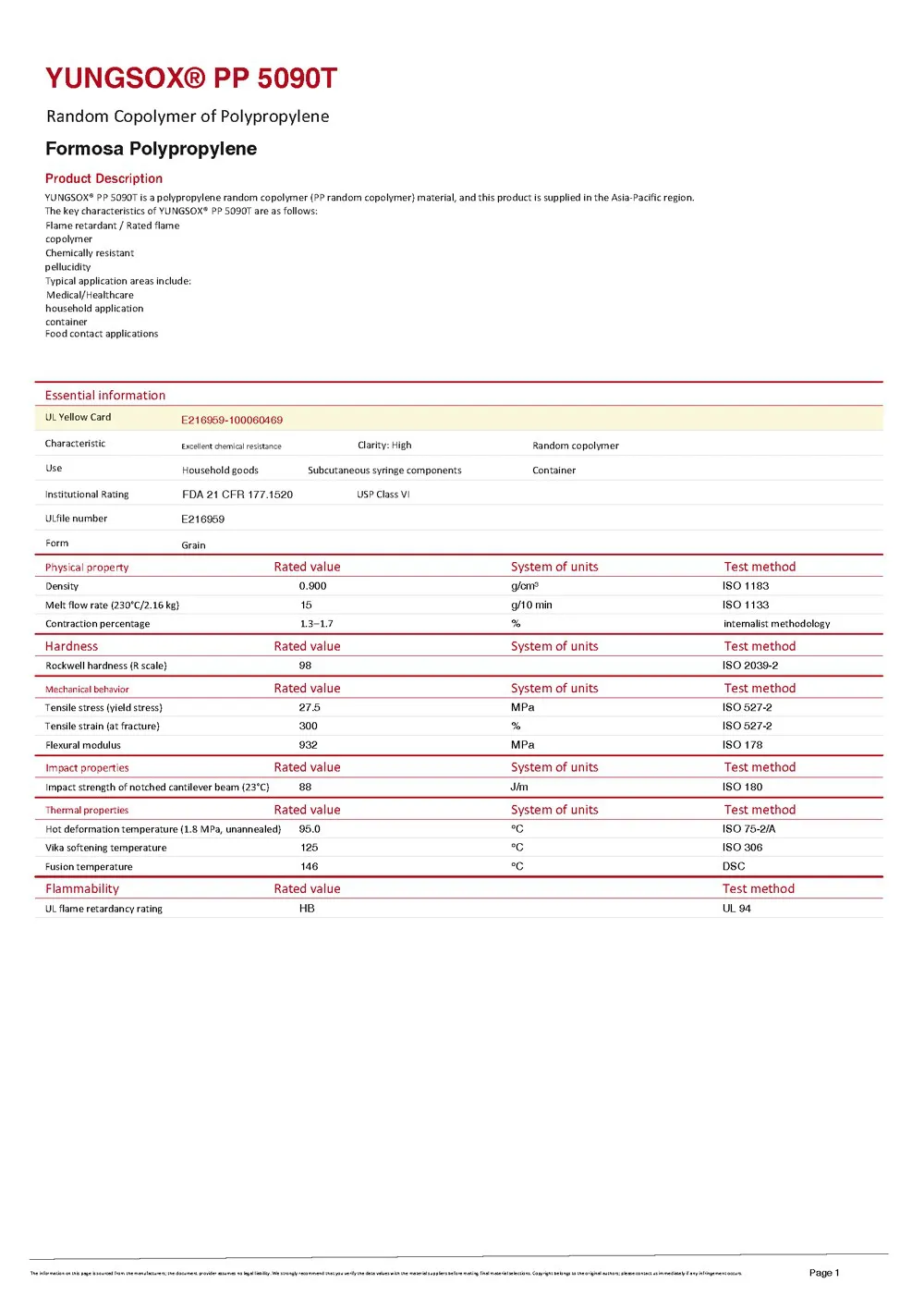
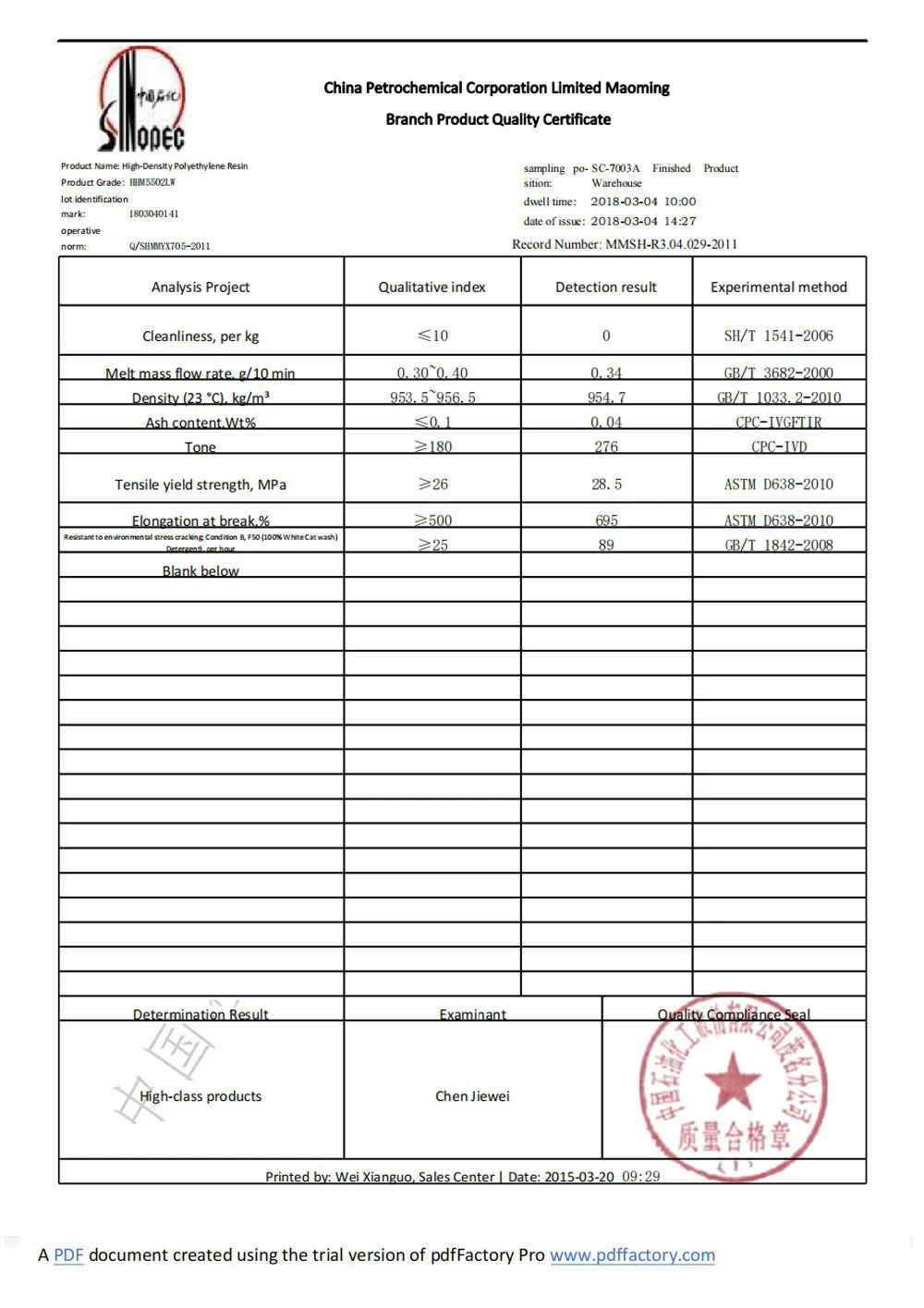
Most disc top caps are made from either polypropylene (PP) or high-density polyethylene (HDPE). Both are durable and resistant to chemicals, but PP is a bit stiffer, which can make the hinge more stable over time. HDPE is slightly more flexible, which might be better for caps that need to bend a lot. Either way, the material should feel sturdy—no flimsy plastic that bends or cracks easily. You want a cap that can handle being dropped, squeezed, and opened/closed hundreds of times without giving up.
Here's a feature you might not notice until you open a new bottle: the liner inside the cap. Many 24/410 disc top caps come with an aluminum foil liner, which is pressed against the bottle neck when the cap is screwed on. This liner creates an airtight, moisture-proof seal that keeps the product fresh and prevents leaks. It's especially important for products that are sensitive to air or moisture, like natural skincare products with no preservatives or medications that need to stay sterile. When you first open a bottle, you'll hear a slight "pop" as the liner breaks—that's the sound of a fresh, unopened product. Without that liner, you might as well be storing your lotion in a sieve.
In today's world, consumers want to know their products haven't been tampered with. That's why many 24/410 caps come with tamper-evident bands or tabs. These are small plastic rings that stay attached to the bottle neck when you first twist off the cap. If the ring is broken, you know the product might have been opened before you bought it. It's a simple feature, but it goes a long way in building trust between brands and customers. Plus, it's required by law for some pharmaceutical and cosmetic products, so it's non-negotiable for many brands.
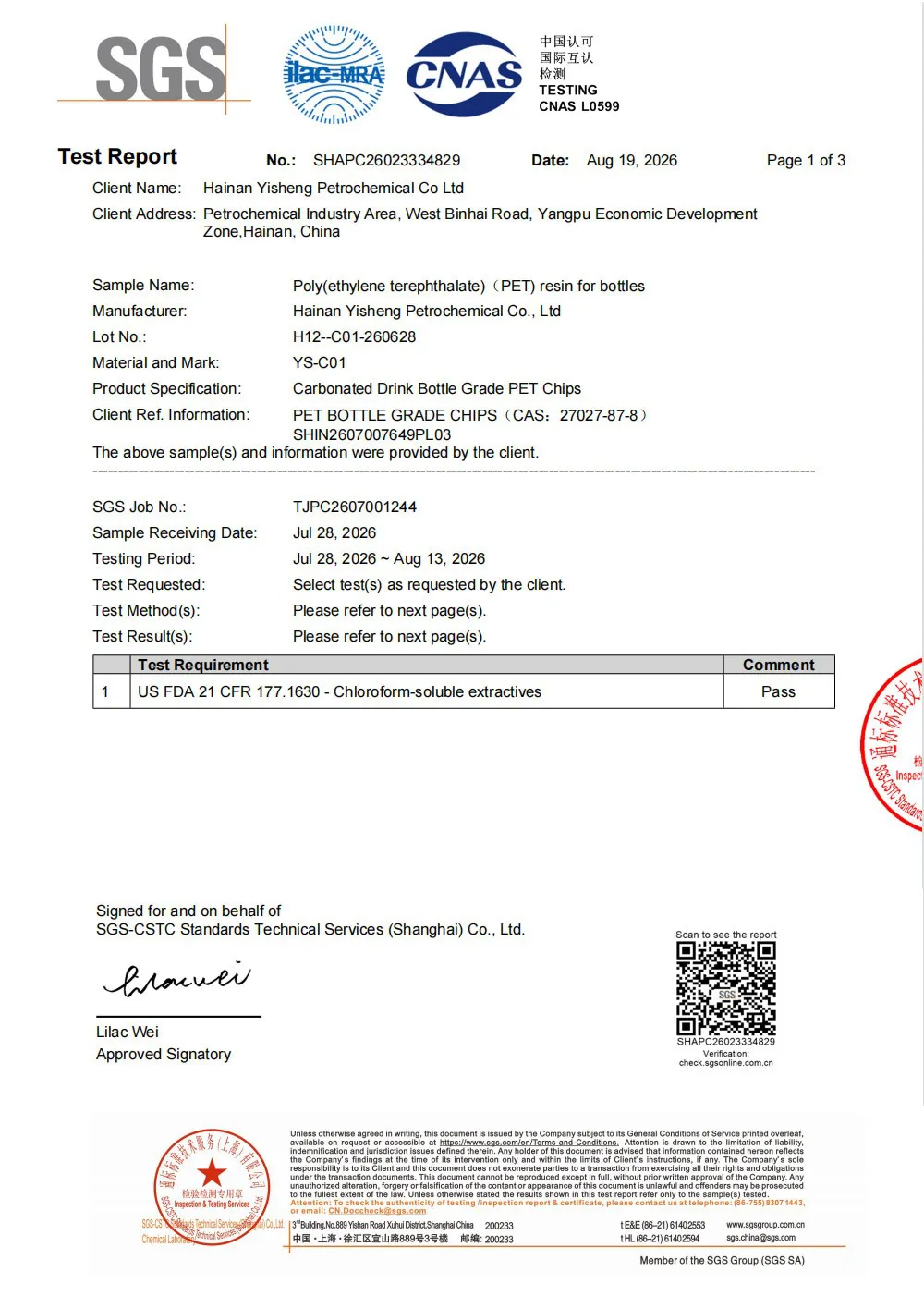
Ever wondered how those little caps go from an idea to a finished product on your bathroom shelf? It's a process that combines art, science, and a whole lot of precision. Let's take a peek inside an iso9001 certified packaging factory to see how it all happens.
It all starts with a design. Engineers use 3D modeling software to create a digital version of the cap, tweaking details like the hinge strength, the size of the flip tab, and the shape of the seal. Once the design is finalized, they create a prototype using a 3D printer. This prototype is tested rigorously—they'll open and close it hundreds of times to check the hinge, screw it onto different bottle necks to ensure a snug fit, and even drop it from waist height to see if it cracks. Only when the prototype passes all these tests do they move on to making the mold.
The mold is like a stamp that shapes the plastic into the cap. It's usually made from steel or aluminum and can cost thousands of dollars, but it's worth it because it can produce millions of caps. The mold has to be incredibly precise—even a tiny imperfection can lead to caps that don't seal properly or break easily. That's why many manufacturers offer custom mold design for plastic bottles and caps, so they can create a mold that's tailored to your exact specifications.
This is where the magic happens. Plastic pellets (either PP or HDPE) are melted down into a liquid and injected into the mold under high pressure. The mold is then cooled, and the solid cap is ejected. The whole process takes just a few seconds per cap, so a single machine can produce thousands of caps per hour. But speed doesn't mean cutting corners—especially in a dust-free gmp compliant workshop. These workshops are kept super clean, with air filtration systems to remove dust and contaminants. That's crucial for caps that will be used with cosmetics or pharmaceuticals, where even a tiny speck of dust could ruin the product.
After the caps are molded, they go through assembly. If they have liners, the liners are added at this stage—usually by a machine that presses them into the cap. Then, each cap is inspected for defects: cracks in the hinge, misaligned threads, or liners that aren't properly attached. Caps that don't pass inspection are recycled (more on sustainability later), so nothing goes to waste. Finally, the caps are packaged and shipped to brands, ready to be screwed onto bottles and sent to stores.
We can't talk about plastic packaging these days without mentioning sustainability. Plastic gets a bad rap, but the truth is, not all plastic is created equal. Many manufacturers are stepping up their game to make more eco-friendly options, and 24/410 disc top caps are no exception.
One of the biggest trends is using PCR (post-consumer recycled) plastic. This is plastic that's been from things like water bottles or food containers, melted down, and turned into new caps. Using PCR plastic reduces the amount of new plastic being made, which saves energy and cuts down on landfill waste. Some manufacturers even offer caps made from 100% PCR plastic, so you can have a cap that's functional and kind to the planet.
Another option is biodegradable or compostable plastics, though these are still a bit rare for caps (they tend to be stiffer and not as durable). But even small changes, like using lighter-weight plastic (which uses less material) or designing caps that are easier to recycle (no mixed materials), can make a difference. Plus, since 24/410 caps are so versatile, they encourage consumers to reuse bottles—just refill and go, which cuts down on overall waste.
At the end of the day, sustainability is a journey, not a destination. But it's encouraging to see so many brands and manufacturers prioritizing it. After all, we all want to enjoy our favorite products without feeling guilty about the planet.
Okay, so you're sold on 24/410 disc top caps. Now, where do you get them? You could order from a generic supplier, but there are a few reasons why working with a custom plastic bottle manufacturer is worth it. For one, they understand the entire packaging ecosystem—they don't just make caps; they make bottles too. That means they can ensure your cap and bottle work together perfectly, with no leaks or fit issues. They also have the expertise to help you customize your cap to match your brand, whether that's through color, logo, or special finishes.
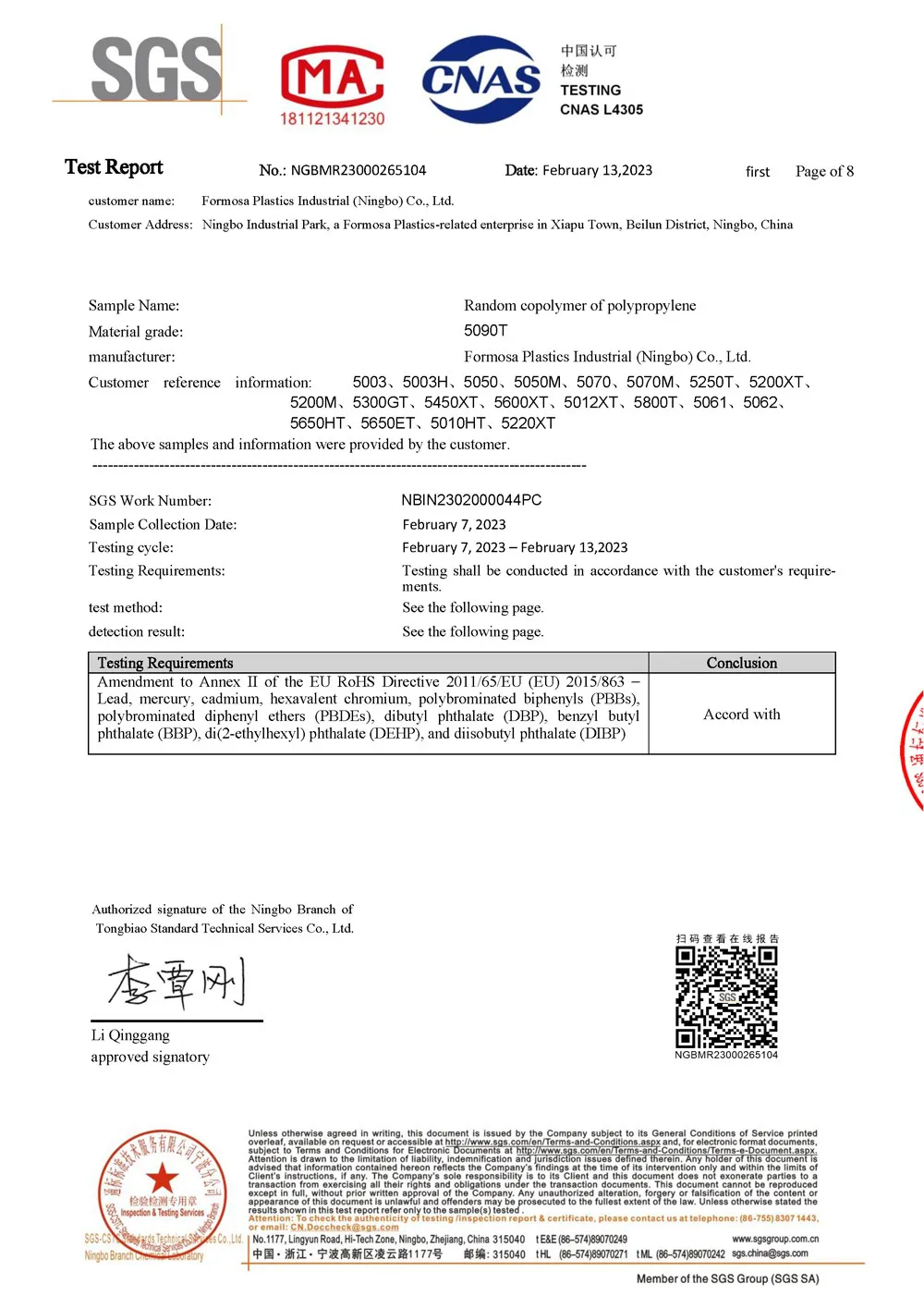
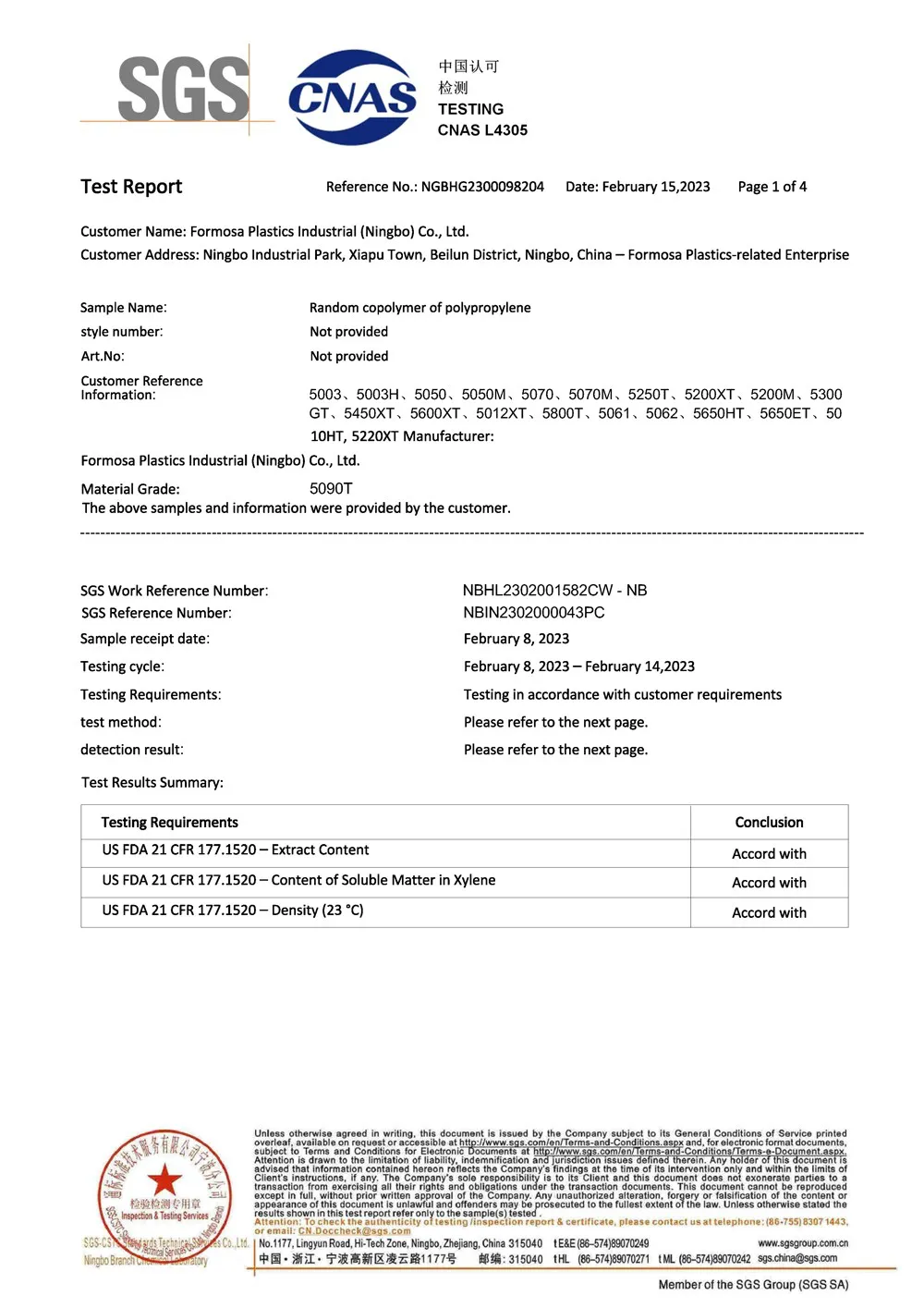
Then there's quality control. A reputable manufacturer will have strict testing processes in place to ensure every cap meets high standards. They'll also be certified by organizations like ISO 9001, which means their production processes are consistent and reliable. And if you're making products that need to meet pharmaceutical or cosmetic regulations, working with a manufacturer that has a dust-free GMP compliant workshop is non-negotiable. It gives you peace of mind knowing your caps are being made in a clean, controlled environment.
Finally, there's the personal touch. A good manufacturer will work with you every step of the way, from design to delivery. They'll answer your questions, offer advice based on their experience, and even help you troubleshoot if something goes wrong. It's not just a transaction; it's a partnership.
At the end of the day, the 24/410 plastic disc top cap might seem like a small part of the packaging puzzle, but it's one that has a huge impact on the user experience. It's the difference between a product that's a joy to use and one that frustrates you every time. It's the reason you might pick one shampoo over another at the store—subconsciously, you remember how easy it was to open the last bottle with that smooth-flipping cap.
Whether you're a brand looking to upgrade your packaging or a consumer who just appreciates good design, it's worth taking a moment to appreciate the thought and engineering that goes into these little caps. From the 24/410 size that fits so many bottles, to the hinge that flips open with just the right amount of resistance, to the custom colors and logos that make your brand stand out—every detail matters.
So the next time you flip open a bottle of lotion or shampoo, take a second to look at the cap. Chances are, it's a 24/410 disc top cap, quietly making your life a little easier, one flip at a time. And if you're a brand? Invest in a great cap. Your customers will thank you for it.