Email: info@mggpacking.com | Tel: +86-13510174848 ( Mr. Yao)


When it comes to laboratory work, precision isn't just a requirement—it's the foundation of reliable results. Whether you're measuring reagents for a critical experiment, storing sensitive samples, or preparing formulations that demand exact dosages, the tools you use matter. That's where 2oz dropper bottles with pipettes come into play. These small but mighty containers have become indispensable in labs worldwide, offering a perfect blend of accuracy, durability, and convenience. In this guide, we'll take a deep dive into what makes these bottles so essential, how they're designed to meet the rigorous demands of laboratory environments, and why choosing the right supplier can make all the difference in your workflow.
First things first: let's clarify what we're talking about. A 2oz dropper bottle is a container with a capacity of approximately 60 milliliters (since 1 fluid ounce equals about 30ml). What sets it apart is the integrated pipette—a thin, calibrated tube attached to a rubber or plastic bulb that allows for precise liquid transfer. Unlike generic droppers, these pipettes are designed with accuracy in mind, often featuring clear markings to measure small volumes, making them ideal for applications where even a fraction of a milliliter can affect outcomes.
But not all dropper bottles are created equal. The best ones combine high-quality materials, thoughtful engineering, and strict manufacturing standards to ensure they perform consistently in lab settings. Let's break down the key components that make a 2oz dropper bottle with pipette stand out.
When selecting a dropper bottle for laboratory use, the material of the bottle itself is just as important as the pipette. Labs deal with a wide range of substances—acids, bases, solvents, oils, and biological samples—each with unique chemical properties that can react with certain materials. Here's a closer look at the most common materials used for 2oz dropper bottles and when to choose each:
| Material | Key Features | Best For | Limitations |
|---|---|---|---|
| Borosilicate Glass | Heat-resistant, chemical inert, transparent, low thermal expansion | Acids, solvents, high-temperature applications, light-sensitive samples (with amber tint) | Heavier than plastic, more fragile if dropped |
| Soda-Lime Glass | Cost-effective, good clarity, moderate chemical resistance | Non-corrosive solutions, general lab use, storage of stable compounds | Less heat-resistant than borosilicate, may react with strong acids |
| HDPE (High-Density Polyethylene) | Lightweight, shatterproof, resistant to many chemicals | Alkaline solutions, oils, personal care formulations, fieldwork (portability) | Not transparent, can absorb some organic solvents |
| PET (Polyethylene Terephthalate) | Clear, lightweight, good impact resistance | Water-based solutions, cosmetics testing, temporary storage | Not suitable for strong solvents or high temperatures |
For most laboratory applications, borosilicate glass is the gold standard. Its ability to withstand sudden temperature changes (think moving from a hot water bath to a cold storage fridge) and resistance to chemical corrosion makes it ideal for handling volatile or reactive substances. Many labs opt for amber borosilicate glass when working with light-sensitive materials like essential oils, vitamins, or certain pharmaceuticals, as the tint blocks UV rays that can degrade the contents over time.
Plastic options like HDPE or PET are popular in settings where durability and portability are priorities—for example, field research or student labs where breakage is a concern. They're also a budget-friendly choice for less critical applications, though they may not offer the same level of chemical resistance as glass.
What truly makes these bottles "high precision" is the pipette itself. A well-designed pipette isn't just a tube with a bulb—it's a tool calibrated to deliver consistent volumes, even with viscous liquids or small dosages. Let's explore the features that set a quality pipette apart:
Imagine trying to measure 0.5ml of a rare reagent without clear markings—you'd be guessing at best, risking wasted materials or inaccurate results. That's why calibrated glass dropper bottles are a staple in professional labs. The pipettes in these 2oz bottles feature precise (kèdù—graduations) etched or printed onto the glass, typically in increments of 0.1ml or 0.25ml, allowing users to measure volumes as small as 0.1ml with confidence.
But calibration isn't a one-and-done process. Reputable manufacturers test each pipette against strict standards, often aligning with USP (United States Pharmacopeia) or EP (European Pharmacopoeia) guidelines for accuracy. This ensures that when the pipette says "1ml," it delivers exactly that—no more, no less.
The bulb at the top of the pipette might seem like a simple component, but its design affects how easily you can control the flow of liquid. Rubber bulbs are traditional and offer good elasticity, making them easy to squeeze and release for precise suction. However, for labs working with oils or solvents that can degrade rubber, plastic bulbs (often made of LDPE or silicone) are a better choice—they're chemical-resistant and longer-lasting.
Ergonomics also play a role. A bulb that's too small can tire out fingers during repetitive use, while one that's too large may be hard to control for delicate measurements. The best pipettes strike a balance, with bulbs sized to fit comfortably in the hand and provide consistent pressure for smooth liquid transfer.
Leakage isn't just messy—it can ruin samples, contaminate workspaces, or even pose safety risks if the liquid is hazardous. That's why the connection between the pipette and the bottle matters. High-quality dropper bottles feature a tight-fitting pipette that seals securely when inserted, preventing leaks even when the bottle is tipped or transported. Some models also include a secondary cap that fits over the pipette, adding an extra layer of protection against dust, moisture, and accidental spills.
Chemical compatibility is another key consideration. The pipette's material (usually glass or plastic) must be resistant to the liquids it will hold. For example, a plastic pipette might degrade when used with strong solvents like acetone, while a glass pipette would hold up perfectly. Reputable suppliers provide detailed chemical compatibility charts to help labs choose the right pipette for their specific needs.
While these bottles are designed with laboratory precision in mind, their utility extends far beyond academic or industrial labs. Let's explore some of the most common applications where 2oz dropper bottles with pipettes shine:
In chemistry labs, these bottles are used to store and dispense reagents, solvents, and standards. Their precise pipettes make them ideal for preparing serial dilutions, where even a small error can throw off an entire experiment. Biologists rely on them for handling cell cultures, staining solutions, and buffer preparations, where contamination control is critical—the tight seal and sterile manufacturing (in GMP-compliant facilities) help prevent microbial growth.
During drug development, researchers need to test formulations with exact dosages. 2oz dropper bottles allow for precise measurement of active pharmaceutical ingredients (APIs) and excipients, ensuring consistency across batches. They're also used to store small quantities of experimental drugs for stability testing, with amber glass options protecting light-sensitive compounds from degradation.
It's not just labs that demand precision—essential oil enthusiasts and aromatherapists rely on calibrated dropper bottles to create custom blends. Whether mixing lavender oil for relaxation or tea tree oil for skincare, getting the ratio right is key to both efficacy and safety. That's why essential oil dropper bottle suppliers often recommend 2oz sizes for home or small-batch use—they're large enough to hold a useful amount but small enough to handle easily.
Skincare labs and small-batch cosmetic makers use these bottles to develop serums, facial oils, and hair treatments. The pipette allows for precise addition of active ingredients like vitamin C or hyaluronic acid, ensuring each bottle of product contains the exact concentration needed for results. Private label brands also favor them for sampling—2oz is the perfect size for customers to try a product before committing to a larger bottle.
From high school chemistry classes to university research labs, 2oz dropper bottles are a teaching staple. Their durability (especially plastic options) and ease of use make them ideal for students learning basic lab techniques, while the calibrated pipettes help reinforce lessons about measurement and accuracy.
Every lab, business, or project has unique requirements. Maybe you need bottles with your company logo for branding, or specialized (kèdù—graduations) for a specific protocol. That's where custom mold design for plastic bottles and other customization services come in. Reputable manufacturers offer a range of options to make these 2oz dropper bottles work for you:
While standard clear or amber bottles work for most applications, some labs or businesses need custom colors for organization (e.g., blue for acids, green for bases) or branding. Manufacturers can match specific Pantone colors, or add frosted finishes for a more professional look. For plastic bottles, custom mold design allows for unique shapes—whether you need a narrower neck for better control or a flat base for stability on lab racks.
For businesses selling essential oils, cosmetics, or lab supplies, adding a logo to the bottle or cap is a great way to build brand recognition. Options include silk-screen printing (durable and vibrant), hot stamping (for metallic finishes), or embossed logos (subtle and professional). Some suppliers even offer custom labels with batch numbers or safety information, helping with traceability and compliance.
While standard pipettes work for most liquids, viscous substances like oils or gels may require wider-bore pipettes for easier transfer. Manufacturers can adjust the pipette diameter or bulb size to accommodate specific liquids, ensuring smooth, precise dispensing every time. For labs working with hazardous materials, pipettes with built-in filters can prevent accidental inhalation or contamination.
If you're ordering in large quantities—say, for a university lab or a cosmetic brand—dropper bottles wholesale options can save time and money. Suppliers often offer bulk packaging options like shrink-wrapped trays or cartons with dividers to prevent breakage during shipping. Some even provide private label services, allowing you to customize the entire package, from the bottle to the outer box.
In lab work, there's no room for cutting corners on quality. That's why choosing an iso9001 certified packaging factory is non-negotiable. ISO 9001 is an international standard that ensures a manufacturer has a robust quality management system in place, from raw material sourcing to final inspection. But what does that mean for you?
An ISO 9001 certification means the factory follows strict processes to ensure each bottle meets the same high standards. Raw materials are tested for purity and durability, production lines are regularly calibrated, and finished products undergo rigorous inspections (including leak testing, calibration checks, and visual quality control). This consistency is critical when you're relying on the same bottle design for months or years of experiments.
For labs working with pharmaceuticals, medical devices, or food-grade materials, GMP (Good Manufacturing Practices) compliance is a must. GMP-certified facilities maintain dust-free workshops, strict hygiene protocols, and detailed documentation to prevent contamination. This is especially important for medical grade plastic bottles or glass droppers used in pharmaceutical applications—you can trust that the bottles are free from impurities that could affect your samples or products.
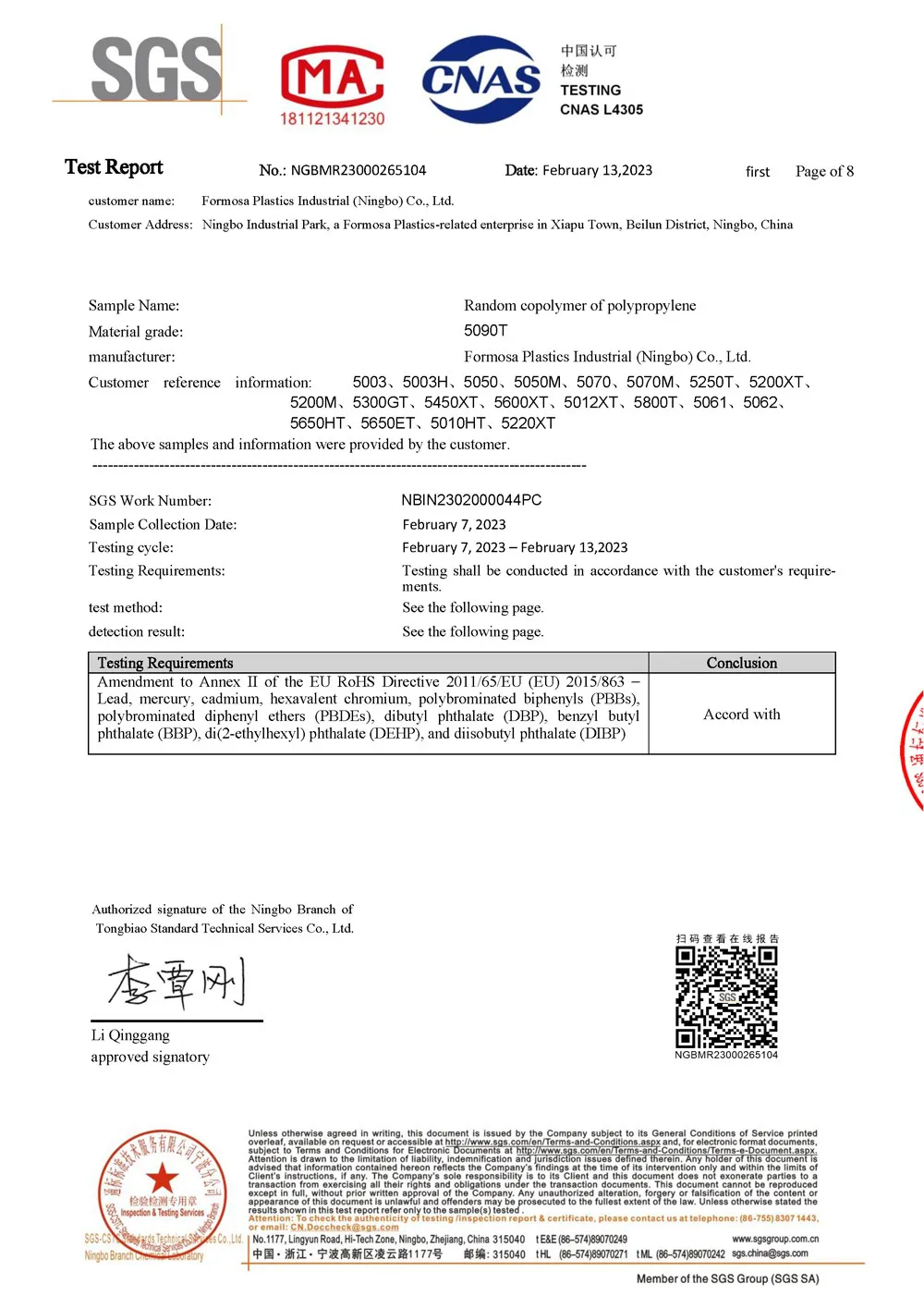
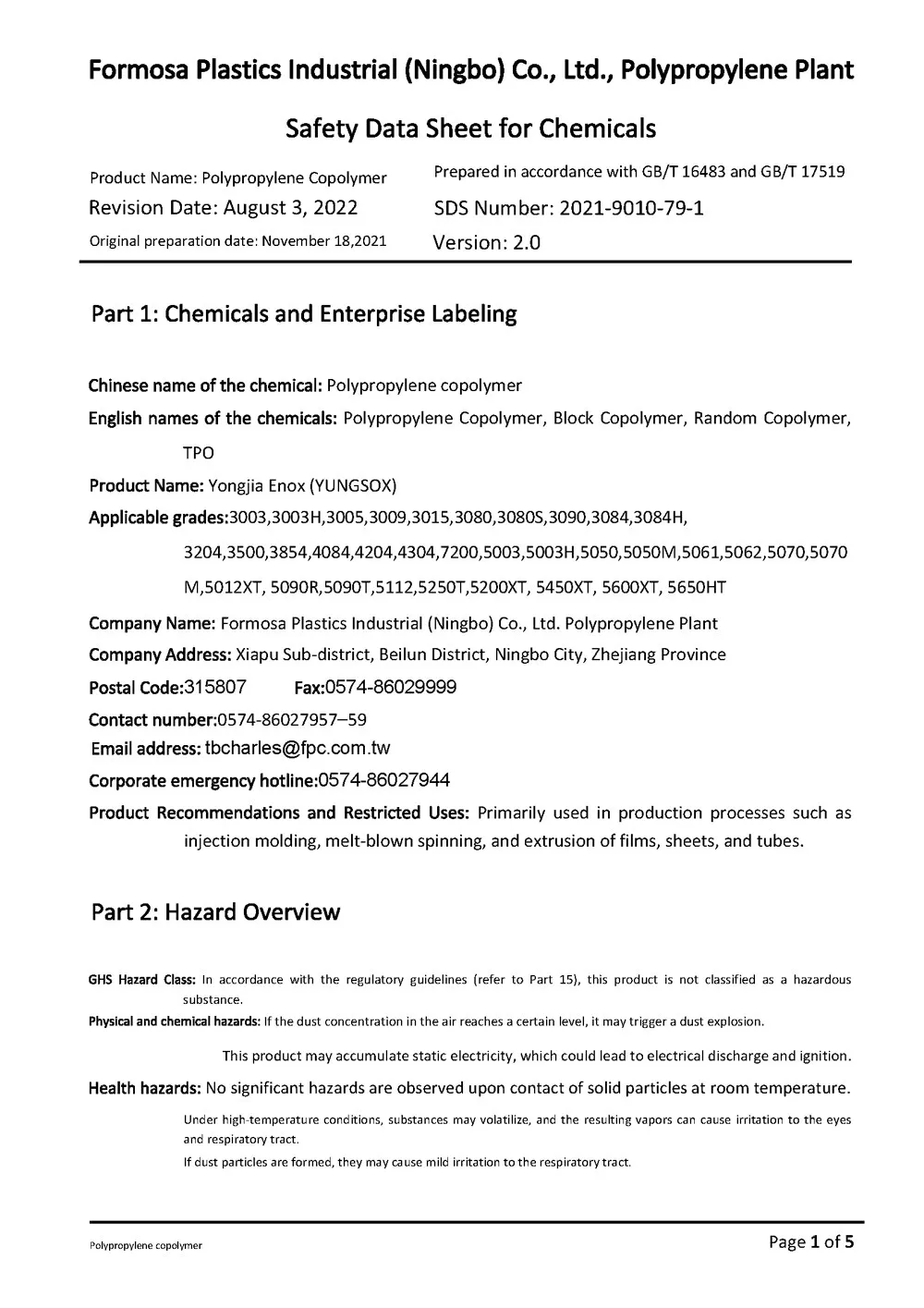
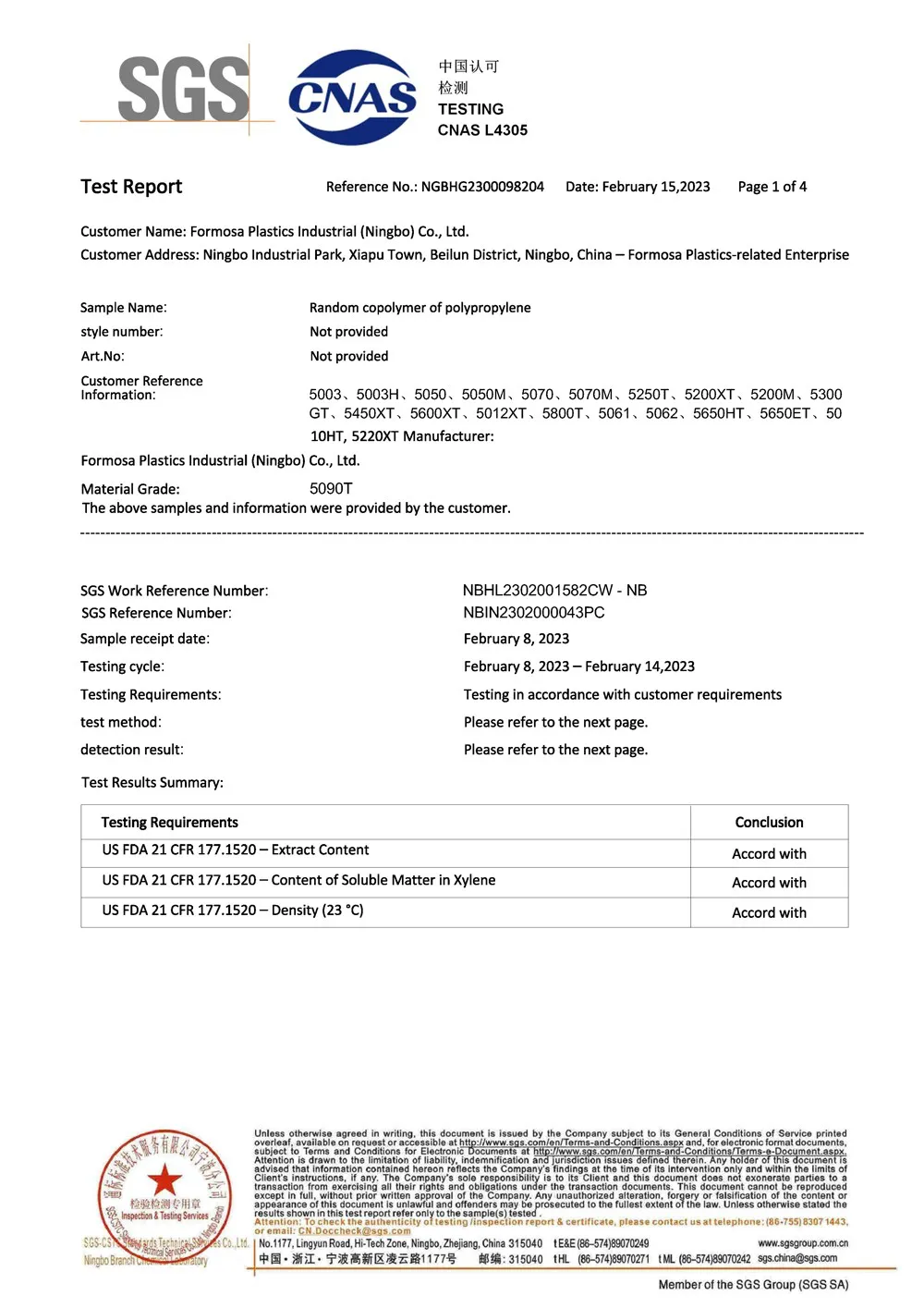
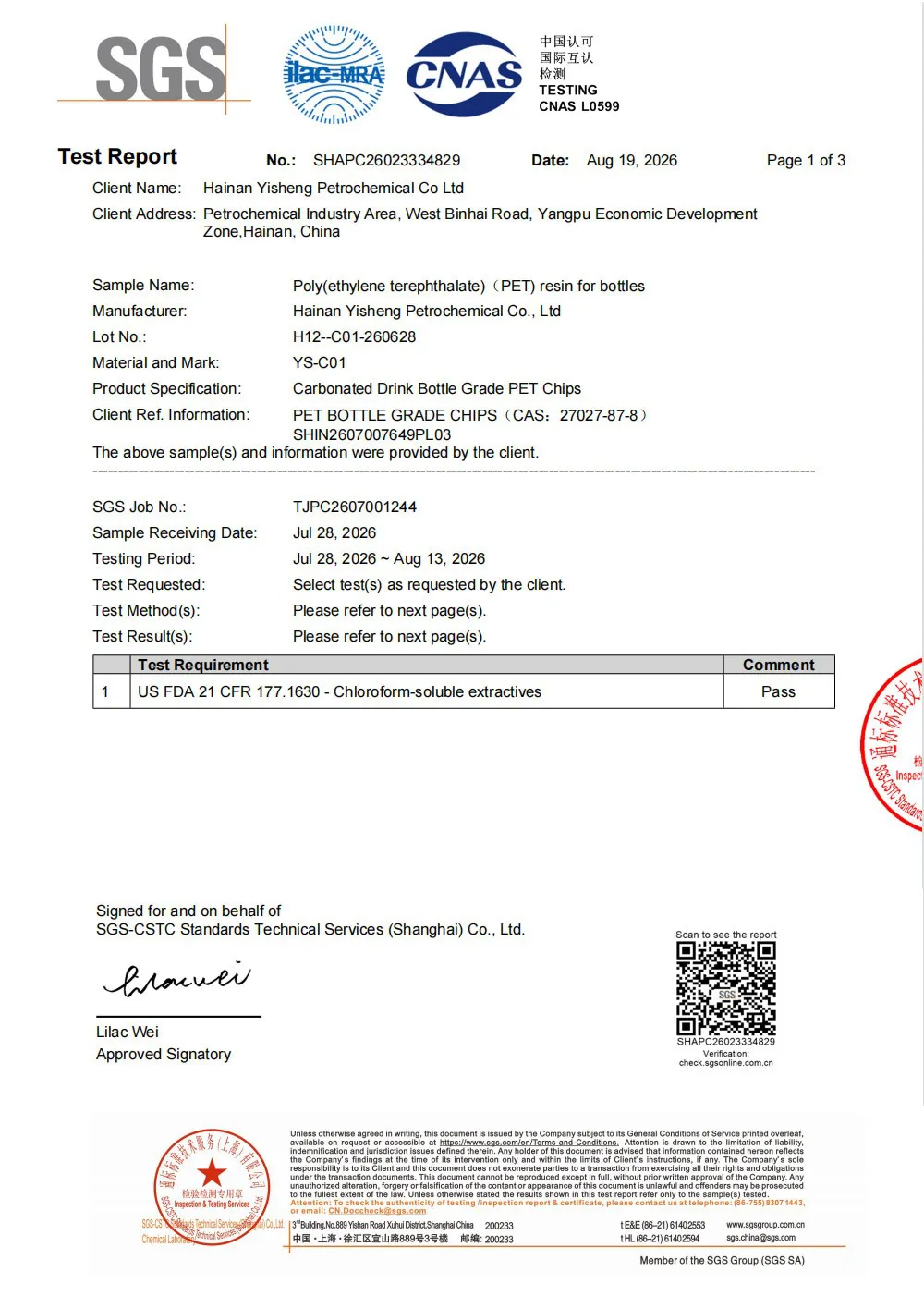
Reputable manufacturers provide material safety data sheets (MSDS) for all components, from the glass or plastic of the bottle to the rubber or silicone of the pipette bulb. These documents confirm that the materials are non-toxic, chemical-resistant, and compliant with regulations like FDA (for cosmetics and pharmaceuticals) or REACH (for European markets). Some even conduct third-party testing for heavy metals, leachables, and microbial contamination, giving you peace of mind that your bottles are safe to use with sensitive samples.
In today's world, sustainability isn't just a buzzword—it's a responsibility. Labs and businesses alike are looking for ways to reduce their environmental footprint, and that includes the tools and containers they use. Here's how modern 2oz dropper bottle manufacturers are stepping up:
Glass dropper bottles are fully recyclable, and many manufacturers use recycled glass (PCR—Post-Consumer Recycled) in their production. Plastic bottles can also be made from PCR materials, reducing reliance on virgin plastic. Additionally, these bottles are designed to be reusable—simply clean them with appropriate solvents or autoclave (for heat-resistant glass) and they're ready for another round of use, cutting down on waste.
Sustainable manufacturing goes beyond materials. Many factories now use energy-efficient machinery, water recycling systems, and low-VOC (volatile organic compound) inks for printing, reducing their carbon footprint. Some even offset emissions through reforestation projects or renewable energy purchases.
When ordering dropper bottles wholesale, bulk packaging options reduce the need for excess cardboard, plastic wrap, or filler materials. Some suppliers use biodegradable or compostable packaging materials, further lowering environmental impact.
With so many suppliers out there, what makes a manufacturer stand out? Here's why labs, businesses, and researchers around the world trust us for their 2oz dropper bottles with pipettes:
We've been in the packaging industry for over 20 years, specializing in lab and cosmetic packaging. Our team understands the unique challenges of precision measurement and chemical compatibility, and we use that expertise to design better bottles.
Our iso9001 certified packaging factory and dust-free GMP compliant workshop ensure every bottle meets the highest quality standards. We invest in the latest technology, from automated calibration machines to 3D printing for custom mold design, to deliver consistent, reliable products.
We don't just sell bottles—we partner with our customers. Our team works with you to understand your needs, whether it's a custom color, specialized pipette, or bulk order. We offer free samples so you can test the bottles before committing, and our responsive customer support is always available to answer questions or resolve issues.
As a China plastic bottle exporter, we ship to over 50 countries worldwide, with competitive pricing and fast lead times. But we also maintain local offices in key regions to provide personalized support, ensuring smooth communication and on-time delivery.
2oz dropper bottles with pipettes may seem like simple tools, but they play a crucial role in advancing research, ensuring product quality, and enabling innovation. From the calibrated glass dropper bottles that help labs make breakthrough discoveries to the essential oil dropper bottles that let small businesses thrive, these containers are more than just vessels—they're partners in precision.
When choosing your next batch, remember to prioritize quality, customization, and sustainability. Look for an iso9001 certified packaging factory with a track record of excellence, and don't hesitate to ask about custom options that can make your workflow more efficient. After all, in a world where details matter, the right tools can make all the difference.
Ready to elevate your lab work, product line, or project? Reach out to learn more about our 2oz dropper bottles with pipettes, or explore our range of calibrated glass dropper bottles and wholesale options today. Your precision deserves nothing less.