Email: info@mggpacking.com | Tel: +86-13510174848 ( Mr. Yao)


Crafting packaging that protects, complies, and connects with your brand's commitment to quality
When it comes to pharmaceutical products, the packaging isn't just a container—it's a critical line of defense between your medication and the outside world. It safeguards potency, ensures dosage accuracy, and communicates trust to both healthcare providers and patients. For many pharmaceutical brands, 500ml pill bottles hold a unique place in their product lineup, often used for larger-dose medications, extended-treatment regimens, or institutional use. But not all 500ml pill bottles are created equal. The difference lies in customization—specifically, the marriage of high-density polyethylene (HDPE) material with precision mold design, and a commitment to pharma-grade standards. In this article, we'll dive into what makes custom 500ml HDPE pill bottles an essential choice for pharmaceutical brands, focusing on the art and science of mold design, child-resistant safety, and the uncompromising quality standards that set reputable manufacturers apart.
Before we get into mold design, let's talk about the star material here: HDPE. You've probably heard of it—it's the same plastic used in milk jugs, detergent bottles, and yes, many medication containers. But what makes it particularly suited for 500ml pill bottles in the pharmaceutical industry? Let's break it down.
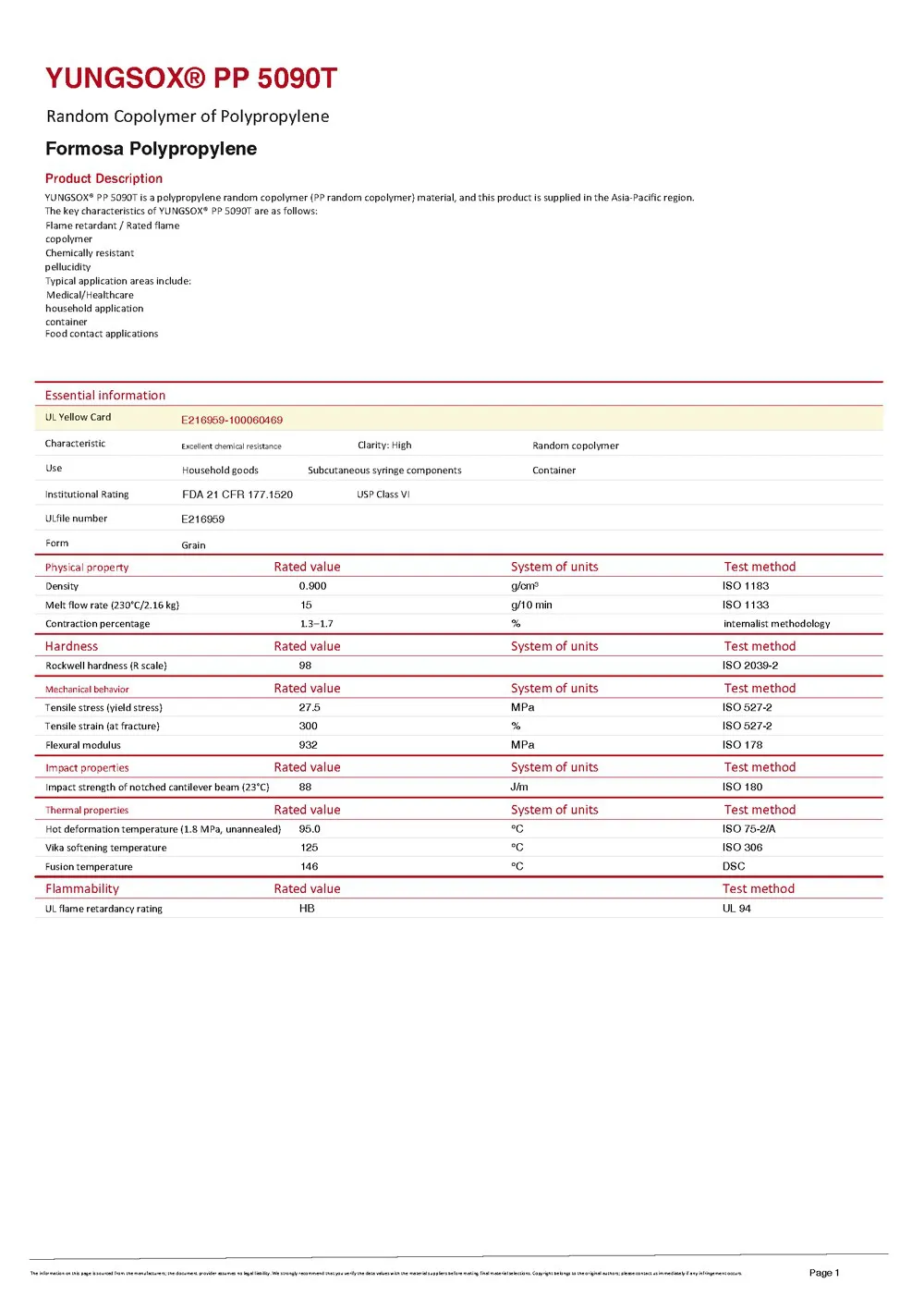
First, HDPE is inherently resistant to chemicals. Pharmaceuticals, whether tablets, capsules, or powders, can be sensitive to external elements—moisture, oxygen, even trace chemicals from the packaging itself. HDPE creates a barrier that keeps these elements out, ensuring the medication remains stable and effective from the factory to the patient's medicine cabinet. That's a big deal when you're dealing with products that directly impact health.
Then there's durability. 500ml bottles are larger, which means they might take more of a beating during shipping and handling—stacked in warehouses, jostled in transit, or opened and closed repeatedly by pharmacists or patients. HDPE is tough; it doesn't shatter like glass, and it resists cracking or denting under normal conditions. For institutional settings like hospitals or long-term care facilities, where bottles might be used frequently, this durability translates to less waste and more reliable packaging.
Lightweight is another win. Compared to glass, HDPE reduces shipping costs and makes the bottles easier for patients to handle, especially those with limited mobility. And let's not forget recyclability—HDPE is one of the most widely recycled plastics, aligning with the growing demand for sustainable packaging solutions in healthcare.
| Material | Chemical Resistance | Durability | Weight | Sustainability |
|---|---|---|---|---|
| HDPE | Excellent (resists most pharmaceuticals) | High (shatterproof, impact-resistant) | Lightweight | Recyclable, PCR options available |
| PET | Good (but less resistant to strong acids/bases) | Moderate (can crack under pressure) | Lightweight | Recyclable, lower PCR availability |
| Glass | Excellent (chemically inert) | Low (shatters easily) | Heavy | Recyclable, high energy cost to produce |
As the table shows, HDPE balances performance, practicality, and sustainability in a way that's hard to beat for 500ml pharmaceutical pill bottles. But even the best material needs the right mold to truly shine.
Here's where things get really interesting: custom mold design for plastic bottles isn't just about shaping plastic—it's about engineering a container that meets your brand's exact needs while adhering to strict pharmaceutical regulations. Think of the mold as the blueprint for your bottle. A poorly designed mold can lead to weak spots, inconsistent wall thickness, or even leaks—all things that could compromise the medication inside. On the flip side, a well-crafted mold results in a bottle that's reliable, consistent, and tailored to your product.
So, what goes into designing a custom mold for a 500ml HDPE pill bottle? Let's walk through the process.
Every pharmaceutical brand has unique needs. Maybe you're packaging a medication that's sensitive to light, so you need an opaque bottle. Or perhaps you require a specific neck finish to fit a child-resistant cap. Maybe your brand guidelines call for a unique shape that stands out on pharmacy shelves. The mold design process starts with a deep dive into these requirements: volume (500ml, but are there variations?), material thickness, color, label placement, and any special features like embossed logos or dosage markings.
Once the requirements are clear, the manufacturer will create a 3D model of the bottle using computer-aided design (CAD) software. This digital blueprint allows both parties to visualize the final product and make adjustments before any physical mold is created. It's like test-driving a car before buying it—you can tweak the shape, adjust the neck diameter, or refine the base design to ensure stability. After the 3D model is approved, a prototype is made, often using 3D printing or a temporary mold. This prototype is then tested for functionality: Does it hold exactly 500ml? Is the neck finish compatible with the cap? Does the bottle stand upright without tipping?
With the prototype approved, it's time to create the actual mold. Molds for HDPE bottles are typically made from high-grade steel or aluminum, chosen for their durability and heat resistance (HDPE melts at around 130°C, so the mold needs to withstand high temperatures). The mold is precision-machined to ensure every detail—from the bottle's curves to the threads on the neck—is exact. This is where experience matters: a manufacturer with expertise in pharmaceutical packaging will know how to design the mold to prevent common issues like "sink marks" (indentations caused by uneven cooling) or "flash" (excess plastic around the edges).
Even with careful planning, the first test run with the new mold might reveal minor issues. Maybe the wall thickness is inconsistent, leading to weak spots, or the cooling time needs adjustment to prevent warping. The manufacturer will run small batches, inspect each bottle for defects, and make tweaks to the mold or production process as needed. For pharmaceutical applications, this testing phase is especially rigorous—every bottle must meet exact specifications to ensure safety and compliance.
When it comes to medication packaging, safety is non-negotiable—and that's where hdpe pill bottles with child-resistant cap come into play. Every year, thousands of children accidentally ingest medications, often because they can easily open standard bottle caps. Child-resistant (CR) caps are designed to prevent this by requiring a specific combination of pressure and twisting that most young children can't master, while still being accessible to adults, including seniors with limited hand strength.
Integrating a CR cap into a 500ml HDPE pill bottle isn't as simple as screwing on a different lid, though. The mold design must account for the cap's dimensions and functionality. The neck of the bottle, for example, needs precise threading to ensure the CR cap fits securely and operates correctly. If the threads are even slightly off, the cap might not "lock" properly, compromising safety.
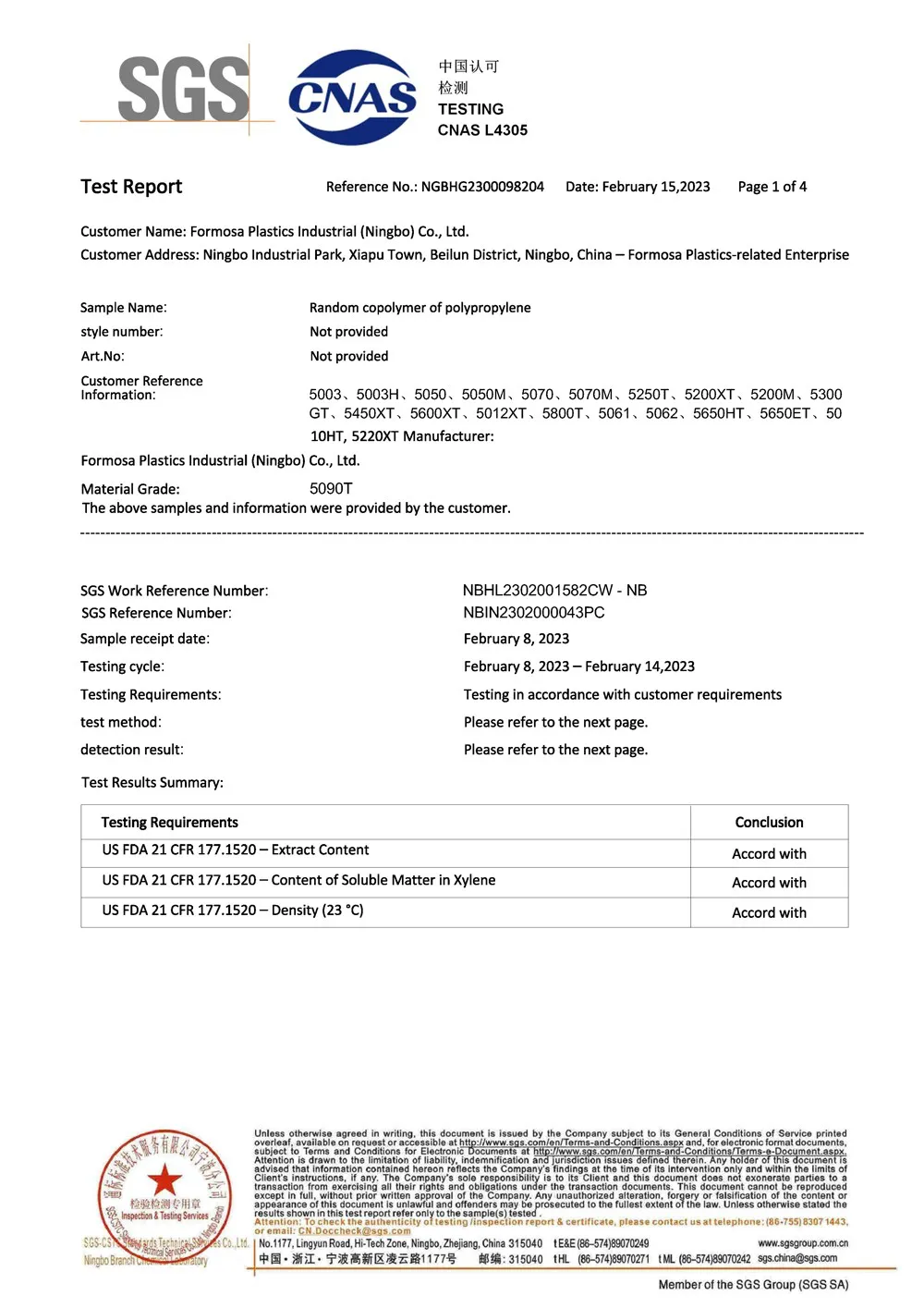
Manufacturers also have to consider regulatory standards. In the U.S., the Consumer Product Safety Commission (CPSC) mandates that CR packaging meet specific testing criteria—including that 85% of children under 5 can't open the package within 5 minutes, while 90% of adults can open it within 10 minutes. Similar standards exist in the EU (EN 14375) and other regions. This means the mold design for the bottle's neck and the cap itself must work in harmony to pass these tests.
One common challenge? Balancing child resistance with adult usability. A cap that's too difficult for seniors to open defeats the purpose of medication adherence. Reputable manufacturers address this by testing CR caps with diverse user groups, including older adults and individuals with arthritis, to ensure the design is both safe and accessible.
Pharmaceutical packaging isn't just about looks or even functionality—it's about meeting the highest quality standards to protect patients and comply with regulations. That's why choosing a manufacturer with the right certifications and facilities is crucial. Let's break down what "pharma-grade" really means.
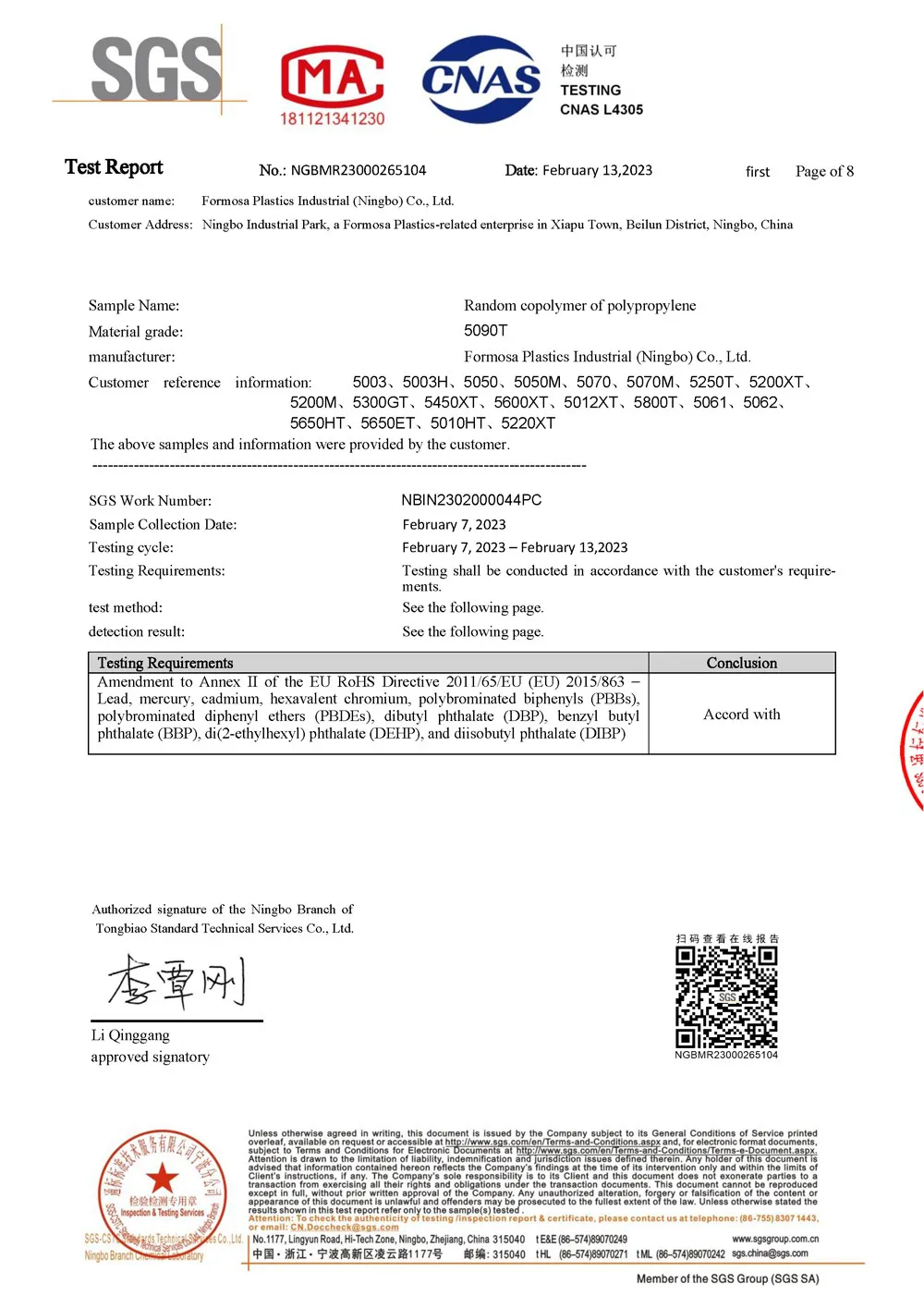
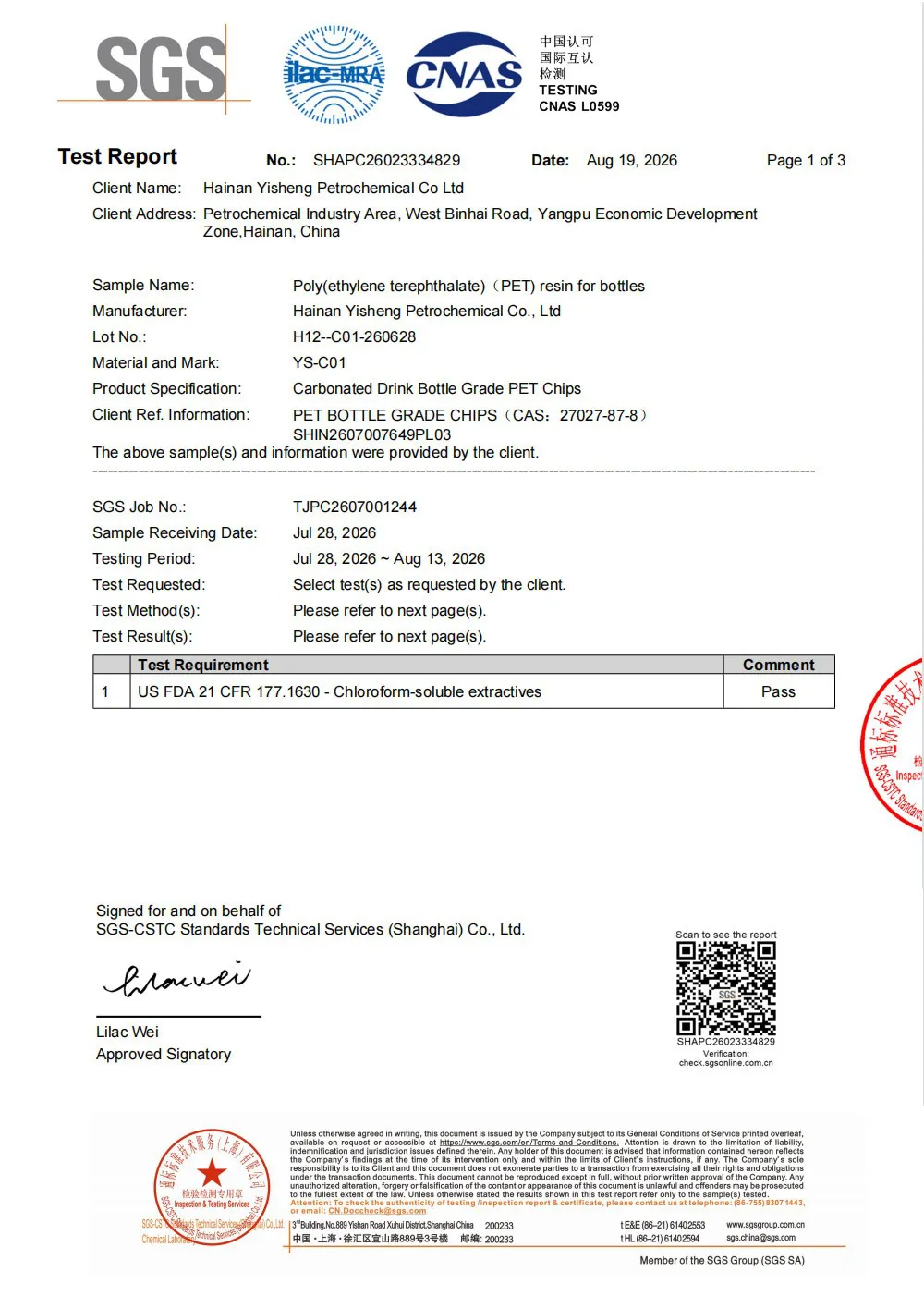
An iso9001 certified packaging factory adheres to a set of international standards for quality management systems. This means the manufacturer has processes in place to consistently produce products that meet customer and regulatory requirements. From mold design to production to shipping, every step is documented, monitored, and continuously improved. For pharmaceutical brands, this certification provides peace of mind that the 500ml HDPE pill bottles will be consistent batch after batch.
Good Manufacturing Practices (GMP) are the gold standard for pharmaceutical production, and that extends to packaging. A dust-free gmp compliant workshop is designed to minimize contamination risks. Think HEPA filtration systems, controlled humidity and temperature, and strict gowning protocols for workers. In these environments, even microscopic particles— which could potentially contaminate medications—are kept to a minimum. For 500ml pill bottles, which often hold large quantities of medication, this level of cleanliness is critical to ensuring product purity.
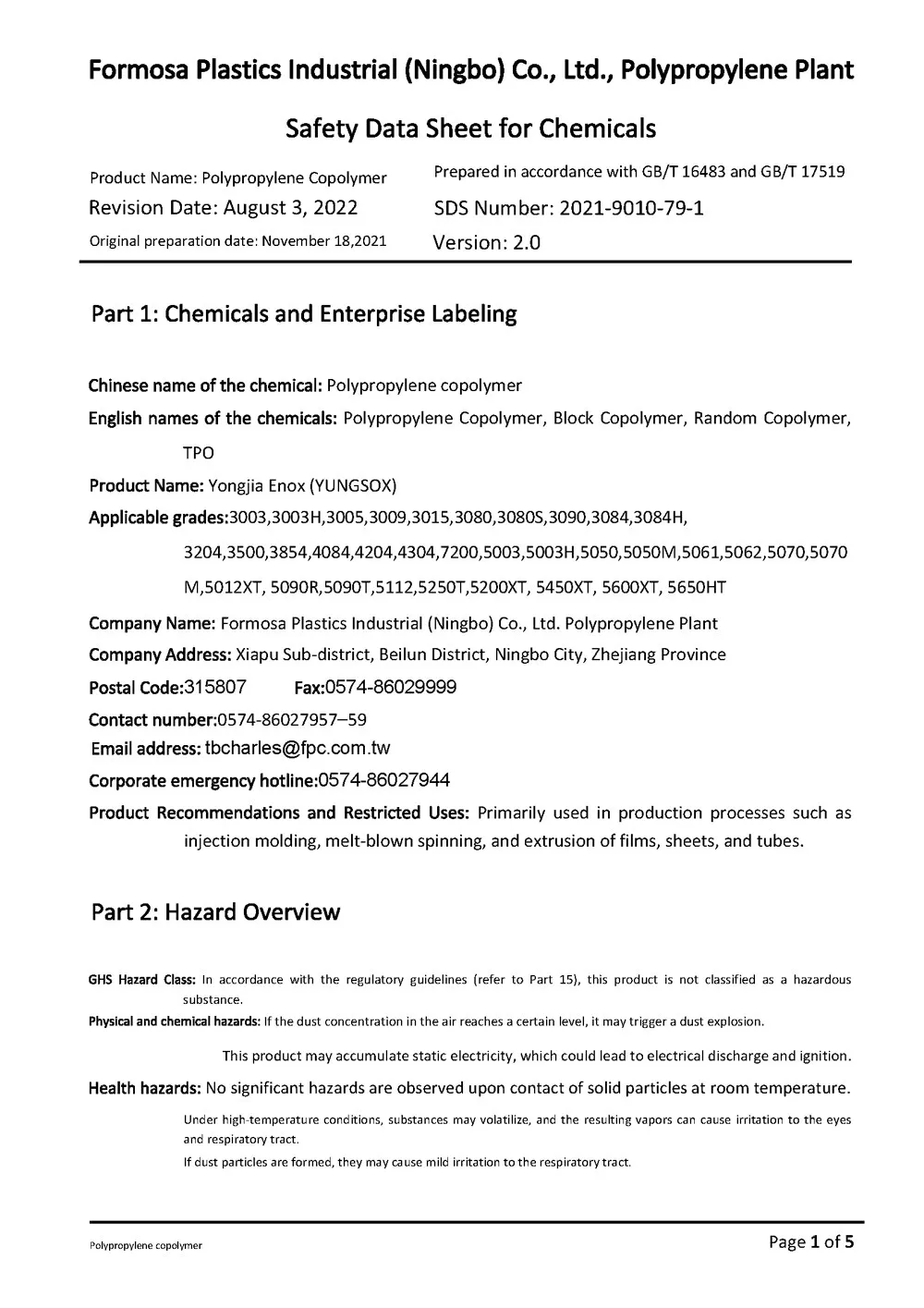
Beyond certifications and clean facilities, pharma-grade plastic medicine bottles undergo rigorous testing to ensure they meet specifications. This includes:
These tests aren't just box-checking exercises—they're essential to ensuring the packaging performs as intended, protecting both the medication and the people who use it.
Today's pharmaceutical brands aren't just focused on safety and compliance—they're also prioritizing sustainability. Patients and healthcare providers alike are increasingly choosing brands that demonstrate environmental responsibility, and packaging plays a big role in that. So, how do manufacturers of 500ml custom HDPE pill bottles balance pharma-grade quality with sustainability?
One approach is using post-consumer recycled (PCR) HDPE. PCR HDPE is made from recycled plastic bottles, reducing the need for virgin plastic and lowering carbon emissions. Many manufacturers now offer bottles with up to 100% PCR content, without compromising the material's chemical resistance or durability. For pharmaceutical brands, this is a tangible way to reduce their environmental footprint.
Another focus is on lightweighting—designing bottles with thinner walls (while maintaining strength) to use less plastic overall. Advanced mold design techniques make this possible by ensuring even wall thickness, eliminating unnecessary material without weakening the bottle.
Some manufacturers are also exploring biodegradable additives, though these must be used cautiously in pharmaceutical applications to ensure they don't interact with medications. For now, PCR HDPE remains the most widely adopted sustainable solution, offering a proven balance of performance and eco-friendliness.
To put all this into perspective, let's look at a hypothetical but realistic example. A mid-sized generic pharmaceutical company, let's call them "MediCare Labs," wanted to launch a new line of 500ml prescription medications for chronic conditions. Their goals? Improve patient safety, enhance brand recognition, and reduce their environmental impact.
MediCare's team knew off-the-shelf bottles wouldn't cut it. They needed a custom solution, so they partnered with a manufacturer specializing in pharmaceutical packaging—one with an iso9001 certified packaging factory and dust-free gmp compliant workshop .
The process started with material selection: HDPE was chosen for its chemical resistance and recyclability. Next, the design team worked on a custom bottle shape with subtle brand embossing and a wide label panel for clear dosage instructions. The mold design phase focused on ensuring uniform wall thickness to prevent warping and precise neck threading for a child-resistant cap.
Testing was a key part of the process. The prototype bottles underwent leak testing, drop testing, and compatibility testing with the specific medications they'd hold. The CR caps were tested with both child and adult panels to ensure compliance with CPSC standards.
The result? A 500ml HDPE pill bottle that was not only safe and compliant but also visually distinct on pharmacy shelves. By using 30% PCR HDPE, MediCare reduced their carbon footprint by an estimated 25% compared to virgin plastic. And the custom mold design allowed for a more ergonomic shape, making the bottle easier for patients with arthritis to grip.
Within six months of launch, MediCare reported positive feedback from pharmacists and patients alike—with many noting the bottle's "premium feel" despite being a generic product. The child-resistant caps also gave parents peace of mind, while the clear label panel reduced medication errors.
So, you're convinced that custom 500ml HDPE pill bottles are the way to go for your pharmaceutical brand. Now, how do you choose the right manufacturer? Here are key factors to consider:
At the end of the day, 500ml custom HDPE pill bottles are about more than just holding medication. They're about protecting patients, building brand trust, and demonstrating a commitment to quality and sustainability. From the precision of custom mold design for plastic bottles to the safety of hdpe pill bottles with child-resistant cap , every detail matters.
For pharmaceutical brands, partnering with a manufacturer that understands these nuances—one with the certifications, expertise, and dedication to pharma-grade quality—can make all the difference. Whether you're launching a new product or upgrading existing packaging, investing in custom HDPE pill bottles is an investment in your brand's reputation and, most importantly, in the health and safety of the patients who rely on your medications.
As the pharmaceutical industry continues to evolve, so too will packaging standards. By staying ahead of trends—like increased use of PCR materials, smarter child-resistant designs, and more sustainable production processes—your brand can position itself as a leader in both quality and responsibility. After all, when it comes to medication packaging, good enough never is.