Email: info@mggpacking.com | Tel: +86-13510174848 ( Mr. Yao)


In the world of personal care, packaging is more than just a container—it's the first handshake between your brand and your customer. When it comes to deodorants, that first impression matters deeply. Think about it: a customer reaches for a deodorant on a store shelf, their fingers brushing against the packaging, their eyes lingering on its shape and color before they even read the label. For brands, this moment is an opportunity to tell a story—one of quality, personality, and values. And in this crowded market, the 60g round deodorant package has emerged as a quiet champion, blending functionality, aesthetics, and brand flexibility in a way that resonates with both brands and consumers.
But what makes the 60g round design so special? And how can brands leverage custom plastic packaging to turn this simple container into a powerful brand asset? Let's dive in.
At first glance, a round deodorant container might seem like a basic choice. But simplicity, when done right, is anything but ordinary. The 60g round shape has become a favorite for a reason: it's human-centric . Unlike angular or irregular designs, a round container fits naturally in the palm of the hand. Whether your customer is rushing to get ready in the morning or packing for a trip, the smooth, curved edges feel intuitive—no sharp corners digging into pockets or awkward grips during application. It's a small detail, but in a product used daily, comfort matters.
Then there's shelf presence. In a sea of rectangular and square packages, a round design stands out. Its symmetry is visually pleasing, and the 60g size hits the sweet spot between portability and product volume—enough to last a reasonable time (about 1–2 months for regular use) without feeling bulky. For brands targeting eco-conscious consumers, the compact size also aligns with "right-sized" packaging, reducing unnecessary plastic waste.
But the real magic of the 60g round design lies in its versatility. It's a blank canvas. Whether your brand is bold and vibrant or minimalist and understated, the round shape adapts. It works for roll-on deodorants, twist-up sticks, and even refillable systems—making it a go-to for brands looking to expand their product lines without overhauling their packaging identity.
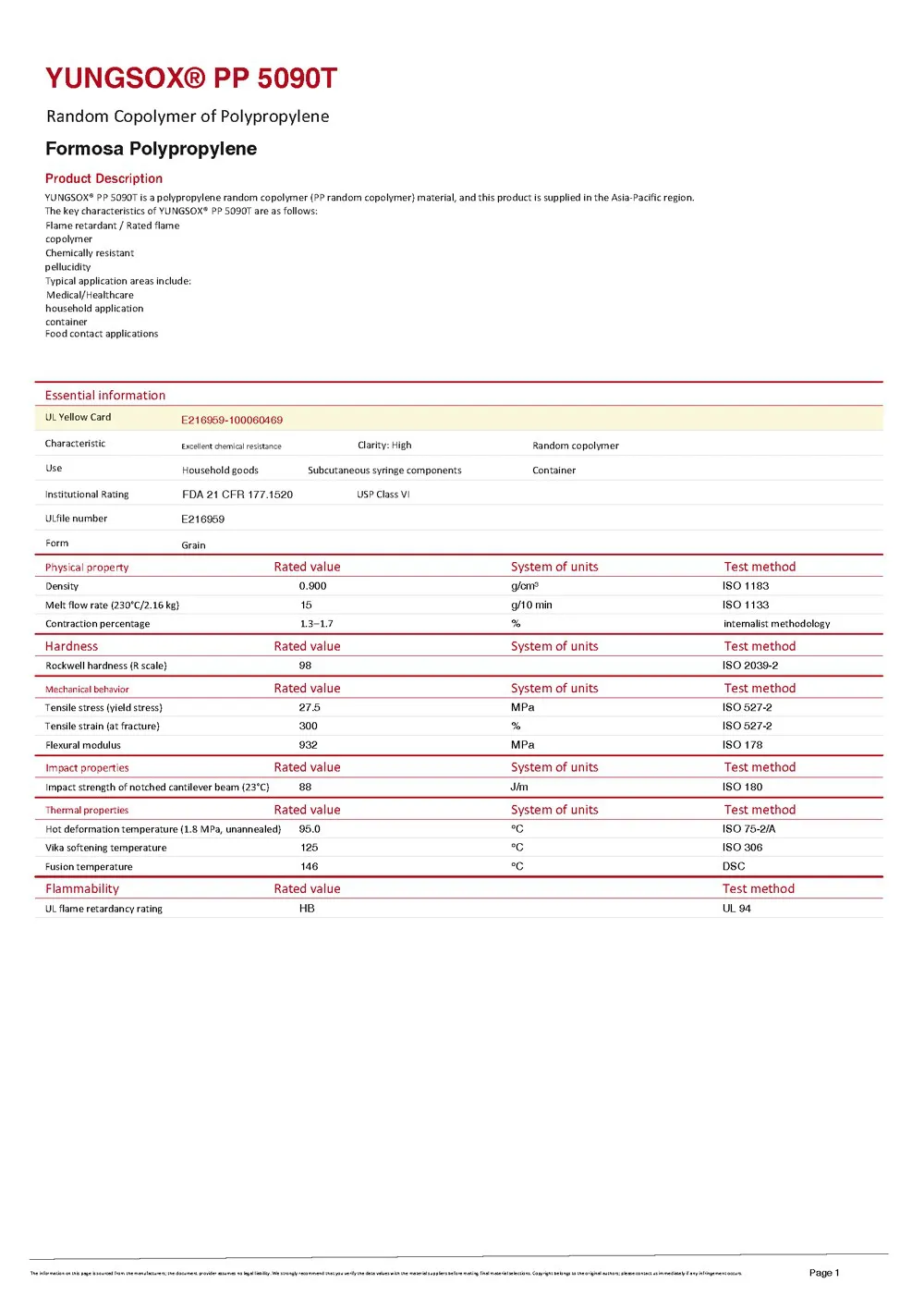
When it comes to plastic deodorant packaging, not all materials are created equal. The choice of plastic impacts everything from the container's feel and durability to its sustainability profile—and, ultimately, how your brand is perceived. For 60g round deodorant packages, two materials rise to the top: HDPE (High-Density Polyethylene) and PCR (Post-Consumer Recycled) plastic.
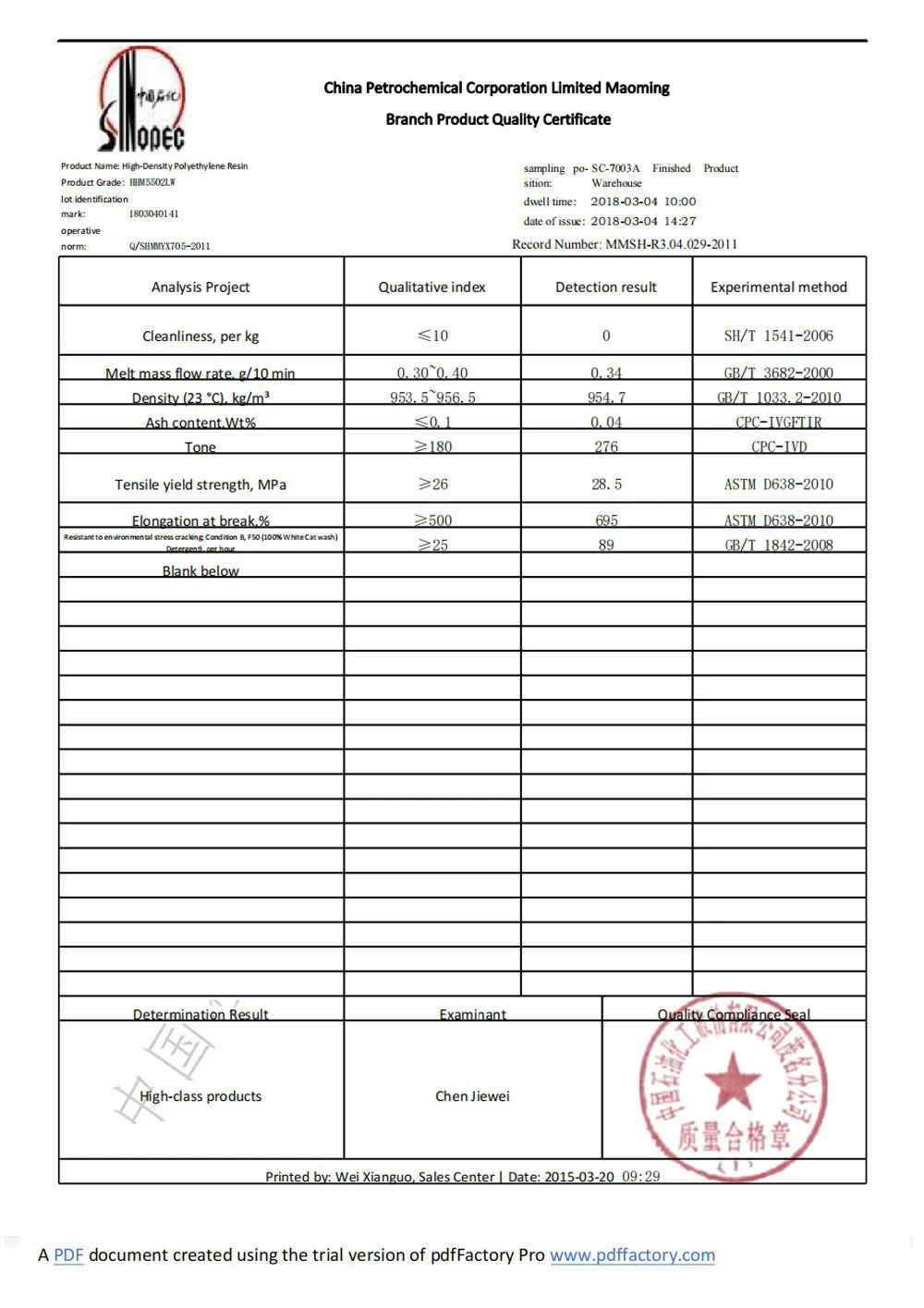
HDPE is a workhorse in the packaging world, and for good reason. It's lightweight yet sturdy, resistant to chemicals (critical for deodorant formulas), and has a smooth, slightly matte texture that feels premium in the hand. It's also easy to color-match, so brands can tie their packaging directly to their brand palette—whether that's a soft pastels for a clean, natural line or bold neons for a youthful, energetic vibe.
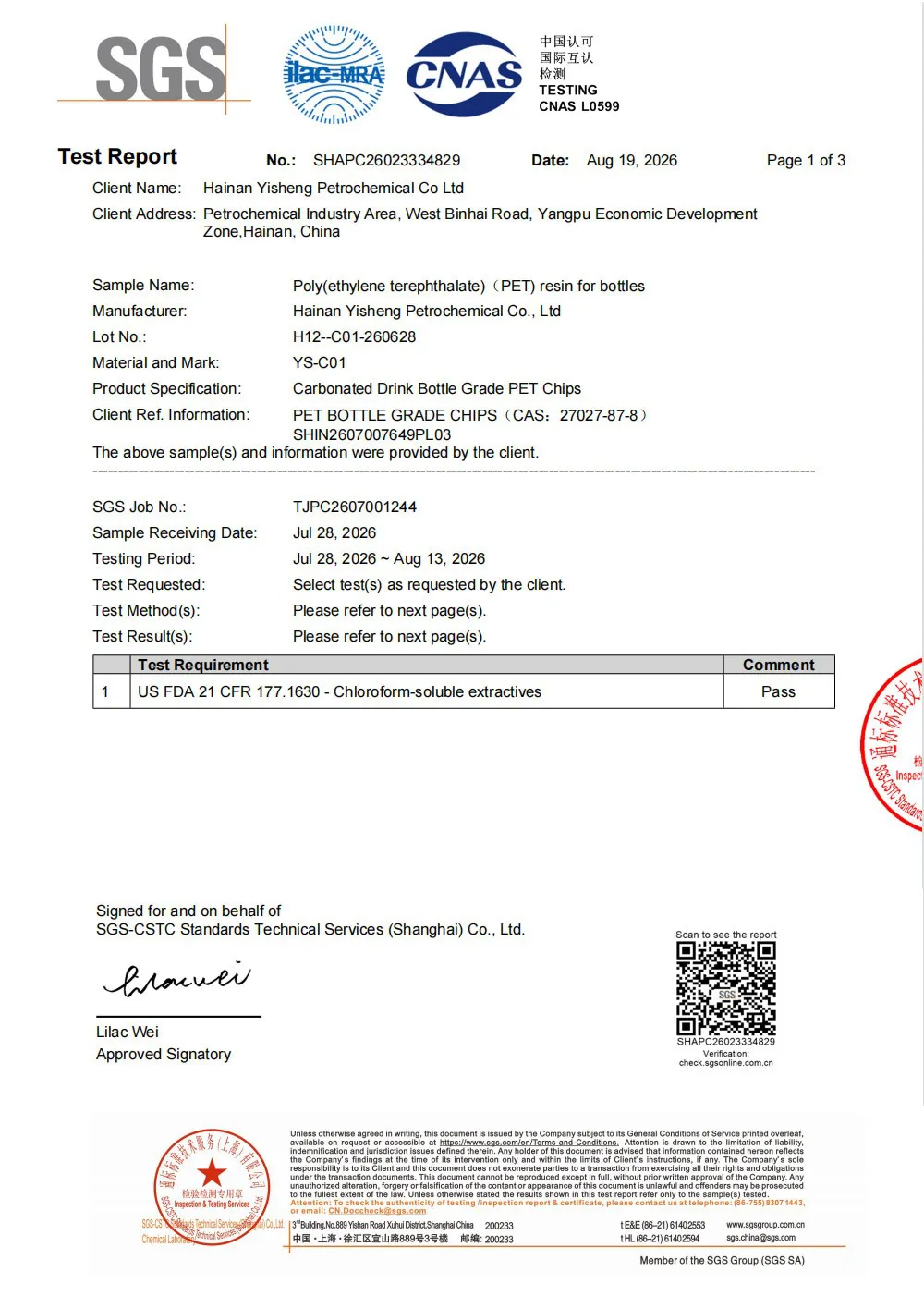
But in 2025, sustainability isn't just a trend—it's a expectation. That's where PCR plastic comes in. As part of sustainable plastic packaging solutions , PCR plastic is made from recycled consumer waste (like old water bottles), giving new life to materials that would otherwise end up in landfills. For brands looking to reduce their carbon footprint, PCR is a powerful tool. It doesn't compromise on quality, either: modern PCR formulations offer the same durability and finish as virgin plastic, but with the added benefit of a lower environmental impact. Imagine telling your customers that their deodorant packaging is made from 30% recycled plastic—that's a story that builds trust.
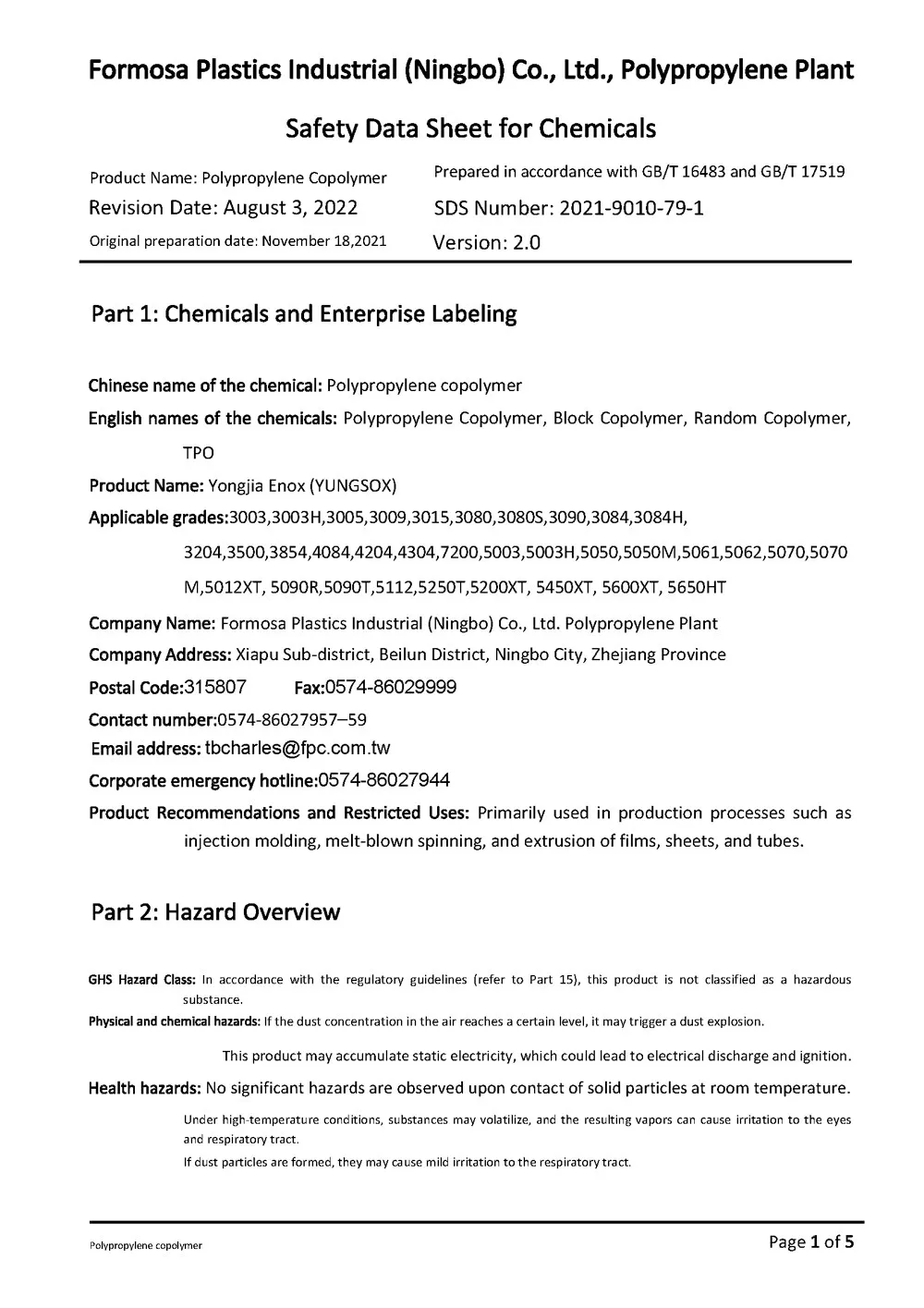
Another consideration? Compatibility with deodorant formulas. Whether your product is an aluminum-free stick, a natural cream, or a gel-based formula, the plastic must protect the product from moisture, heat, and light. HDPE and PCR both excel here, creating a barrier that keeps formulas fresh from the first use to the last. And for brands experimenting with sensitive-skin formulas, plastic's inert nature means no chemical interactions—so your product stays exactly as you intended it.
In a market where dozens of deodorants line the shelves, "blending in" is the kiss of death. That's why customization is non-negotiable. The 60g round deodorant package isn't a one-size-fits-all solution—it's a starting point, and with the right partner, you can transform it into something uniquely yours. Let's break down the possibilities.
While the "round" in 60g round deodorant packaging suggests a classic shape, custom mold design for plastic bottles lets brands push the boundaries of what "round" can be. Maybe you want a subtle curve in the body to mimic your brand's logo, or a textured grip pattern for better handling. Perhaps you're dreaming of a unique base that makes the deodorant stand out when placed on a bathroom counter. With custom mold design, these ideas become reality.
The process starts with a conversation: your brand's story, your target audience, and the message you want your packaging to convey. From there, designers create 3D prototypes, allowing you to test the feel and look before finalizing the mold. It's a collaborative process, and the result is a package that's as unique as your brand—no more generic, cookie-cutter containers.
Color is one of the most powerful tools in packaging design. It evokes emotion, triggers brand recognition, and even influences purchasing decisions. With custom plastic packaging, brands can match their deodorant containers to their exact brand colors using Pantone matching—so that signature "ocean blue" or "soft sage" on your website is exactly what customers see on the shelf.
Finish matters, too. A glossy finish feels modern and energetic, while a matte finish exudes sophistication. For a tactile experience, soft-touch coatings add a velvety texture that customers can't help but notice. Some brands even opt for dual finishes—matte on the body, glossy on the cap—to create contrast and depth. The goal? To make your packaging feel like an extension of your brand personality.
For many brands, especially emerging ones, private label plastic packaging is a game-changer. It allows you to take a high-quality, custom-designed container and make it unmistakably yours—without the hassle of building a manufacturing facility from scratch. Private labeling includes everything from logo placement (embossed, debossed, or printed) to custom text (ingredients, slogans, or usage instructions) and even QR codes that link to your brand's story or sustainability efforts.
Imagine a 60g round deodorant package with your logo subtly embossed on the cap, your brand name printed in your signature font, and a small QR code on the bottom that, when scanned, takes customers to a video about your commitment to sustainability. That's private labeling done right—it turns a simple container into a brand ambassador.
| Customization Feature | Benefit to Your Brand | Example Options |
|---|---|---|
| Mold Design | Unique shape that stands out on shelves | Curved body, textured grip, custom base |
| Color | Instant brand recognition | Pantone-matched shades, two-tone designs |
| Finish | Tactile and visual appeal | Matte, glossy, soft-touch, metallic |
| Branding | Reinforces brand identity | Embossed/debossed logos, printed text, QR codes |
Today's consumers don't just want to buy products—they want to buy into brands that share their values. When it comes to deodorant packaging, sustainability is no longer optional. But "sustainable" can mean different things to different people, and brands need to go beyond buzzwords to deliver real change. The 60g round deodorant package, with its focus on efficiency and adaptability, is uniquely positioned to support these efforts.
We've already touched on PCR plastic, but sustainability goes deeper than materials. Refillable designs, for example, are gaining traction as part of the circular economy. Imagine a 60g round deodorant stick that comes with a reusable outer case—customers buy a full stick, then purchase refill inserts when they run out. This reduces plastic waste by up to 70% over traditional packaging, and it builds loyalty: customers invest in your brand's case, then keep coming back for refills.
Lightweighting is another key strategy. By optimizing the thickness of the plastic without compromising durability, brands can reduce the amount of material used per package. A 60g round deodorant doesn't need to be heavy to be sturdy—modern engineering allows for thinner walls that still protect the product, cutting down on plastic use and transportation emissions (since lighter packages mean fewer trucks on the road).
And let's not forget recyclability. Even with PCR content, packaging should be easy for consumers to recycle. That means avoiding unnecessary layers (like non-recyclable liners) and clearly labeling the plastic type (e.g., "HDPE #2") so recycling facilities can process it correctly. Brands that take this step show customers they're serious about closing the loop—not just talking about sustainability, but making it easy for consumers to participate.
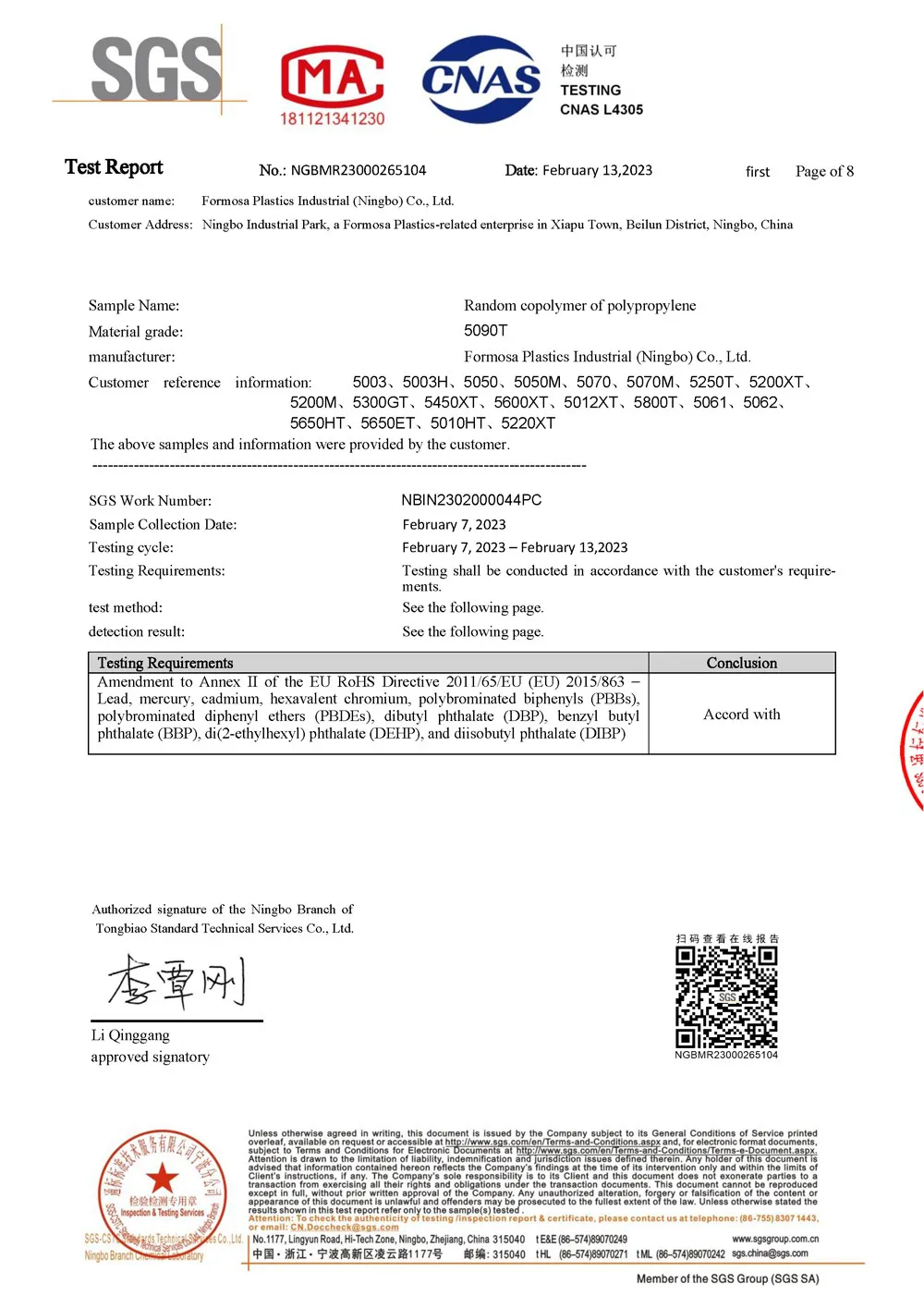
Customization and sustainability are critical, but they mean little if the packaging itself is flimsy, inconsistent, or unsafe. For brands, partnering with a manufacturer that prioritizes quality is non-negotiable. That's where ISO 9001 certified packaging factory comes into play.
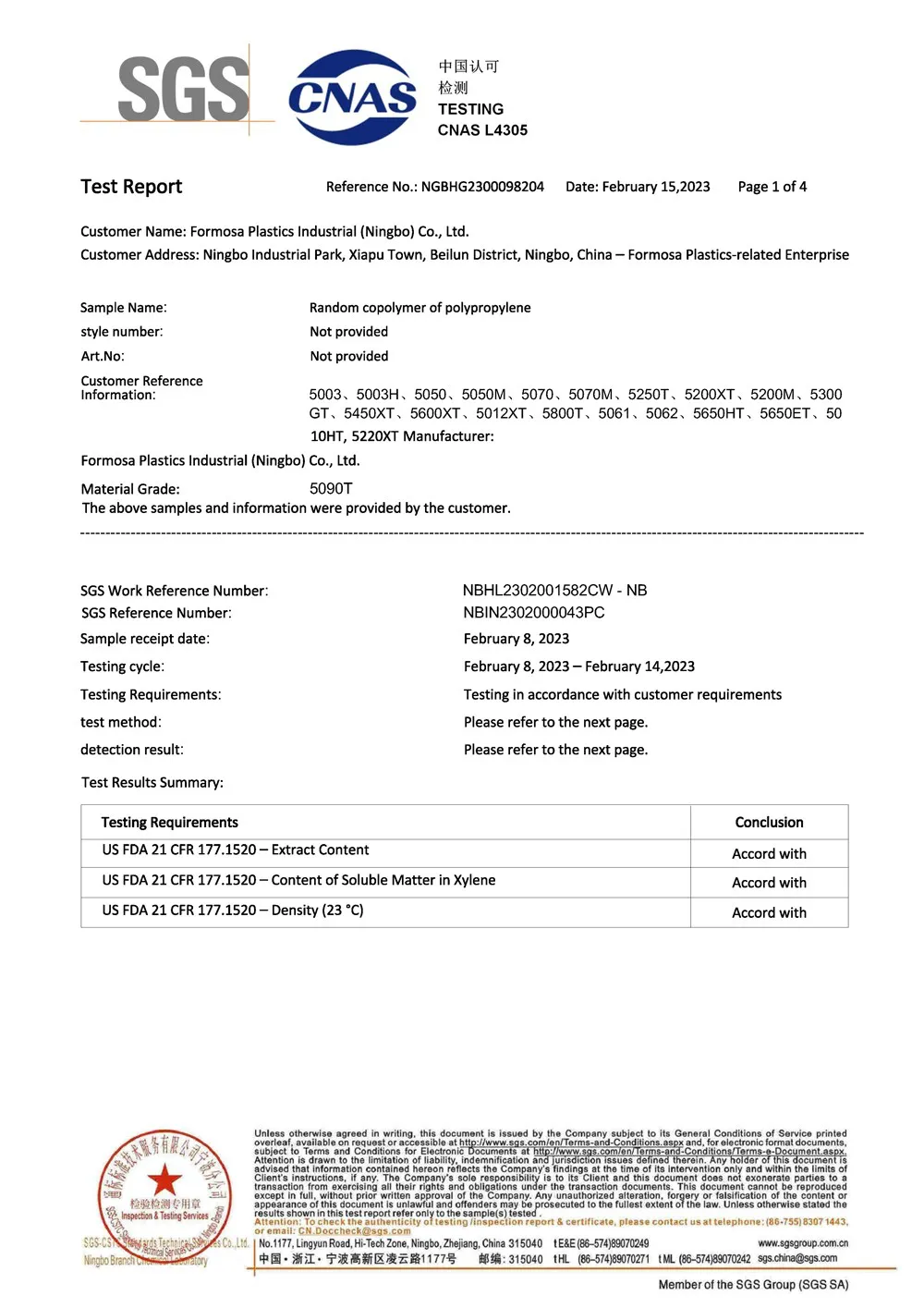
ISO 9001 is an international standard for quality management systems, ensuring that a factory follows strict processes for design, production, and customer service. For deodorant packaging, this translates to consistency: every 60g round container that leaves the factory will have the same color, the same finish, and the same durability as the last. It means rigorous testing—checking for cracks, leaks, and compatibility with deodorant formulas—to ensure the packaging protects the product from production to purchase.
But ISO 9001 isn't just about consistency; it's about accountability. Certified factories are audited regularly, so brands can trust that the sustainability claims (like PCR content) are backed by data, not just marketing. It also means better communication: from the initial design phase to delivery, there's a clear process in place to keep brands informed and address any issues quickly.
For consumers, this quality translates to peace of mind. They know that the deodorant they're buying is packaged in a container that's safe, reliable, and made with care. And for brands, that trust is invaluable—it turns first-time buyers into repeat customers.
As personal care trends evolve, so too will deodorant packaging. We're already seeing brands experiment with innovative features: smart labels that track usage, biodegradable additives that help plastic break down faster, and even modular designs that let customers mix and match scents in a single package. But at the heart of these innovations, the 60g round design remains a constant—adaptable, user-friendly, and ready to evolve with the times.
For brands, the message is clear: packaging is an investment, not an expense. A well-designed, custom 60g round deodorant package can elevate your brand, attract loyal customers, and even drive sales. It's about more than holding deodorant—it's about telling your brand's story, one container at a time.
So, whether you're launching a new deodorant line or refreshing an existing one, remember: the right packaging isn't just a container. It's a conversation starter. And with custom round design plastic bottles, that conversation can be one your customers won't forget.