Crafting a medical-grade cryogenic tube is a journey that demands uncompromising attention to detail—one that begins long before the first plastic pellet is melted. At an iso9001 certified packaging factory, the process is governed by strict quality management systems, ensuring consistency from batch to batch. But what truly sets apart a trusted manufacturer is their commitment to clean manufacturing environments, starting with a dust-free GMP compliant workshop.
Inside the GMP-Compliant Workshop: Where Cleanliness Meets Precision
Imagine stepping into a facility where the air is filtered to remove particles as small as 0.5 microns, where workers wear head-to-toe cleanroom attire, and every surface is sanitized hourly. This isn't a hospital operating room—it's the production floor for cryogenic tubes. GMP (Good Manufacturing Practice) compliance isn't just a certification here; it's a culture. Every step, from material handling to packaging, is documented, monitored, and audited to ensure no contaminants enter the process.
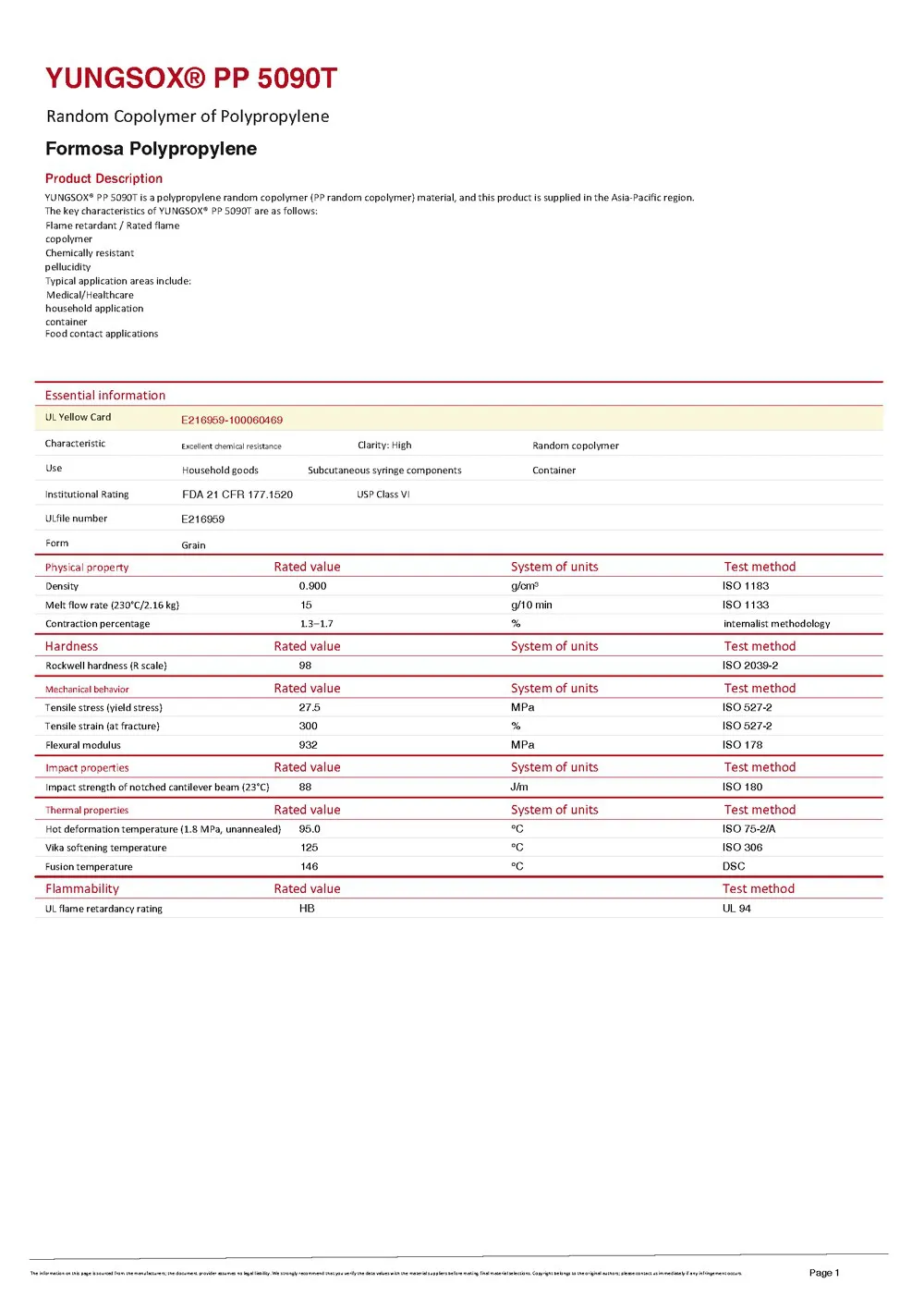
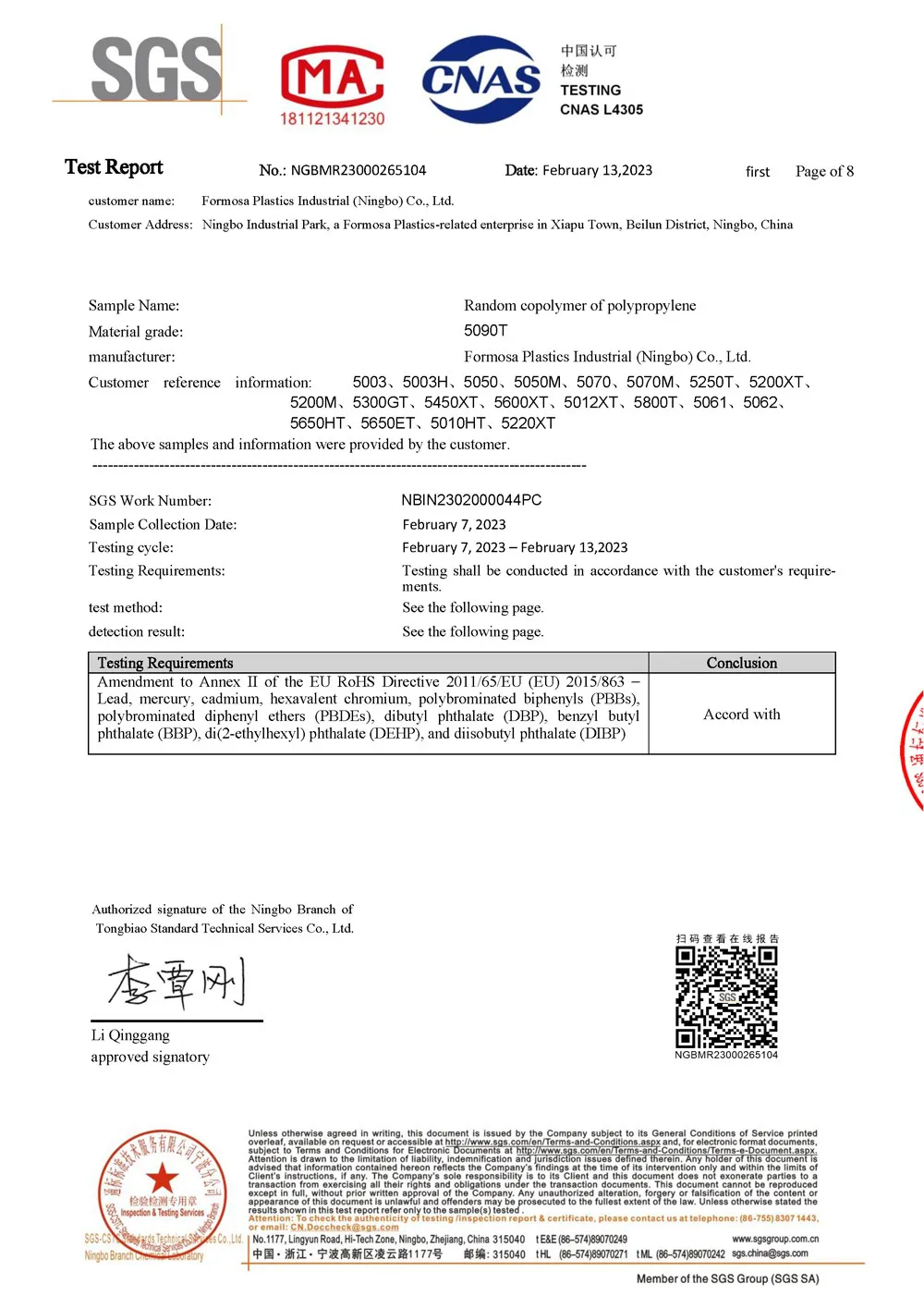
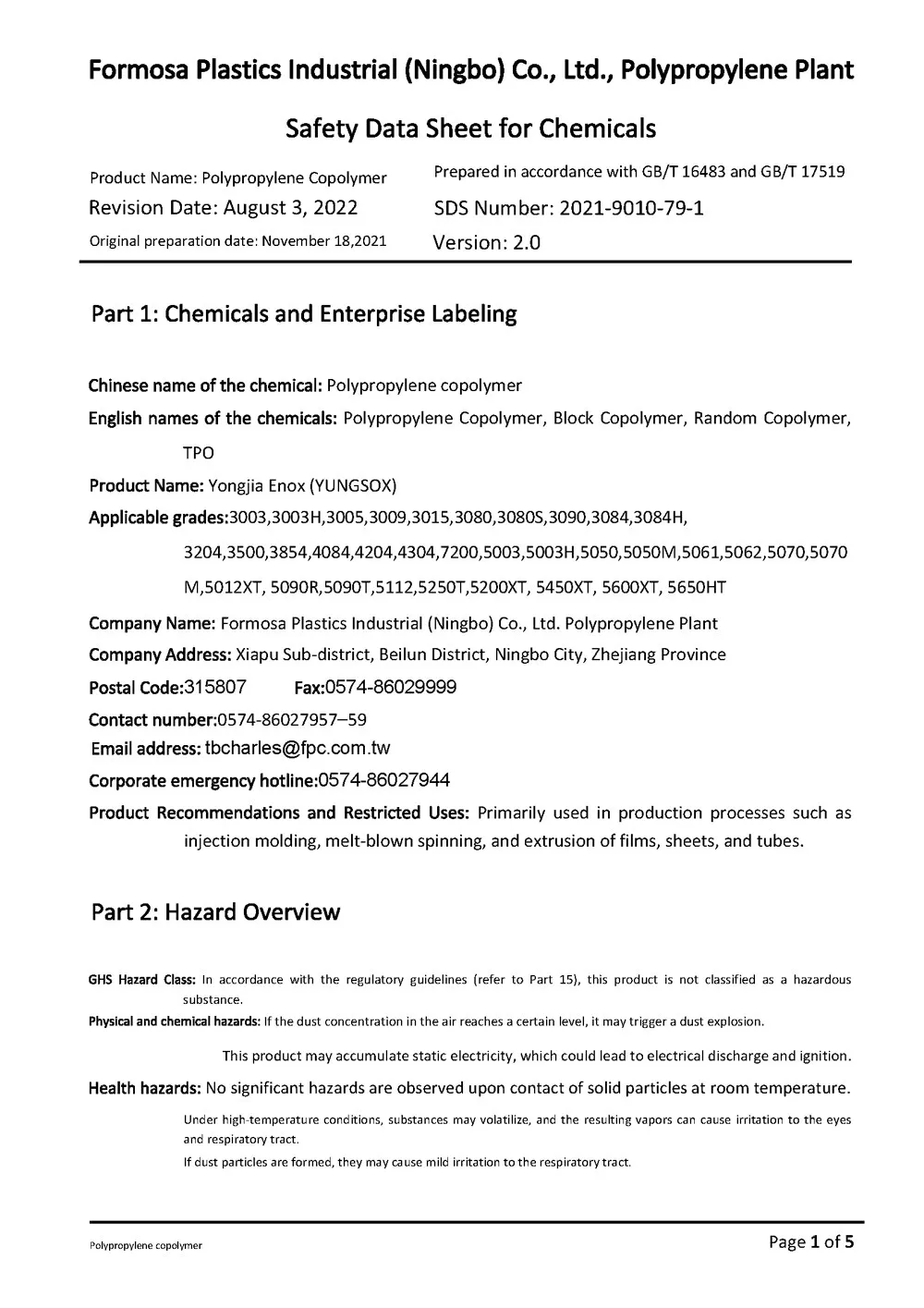
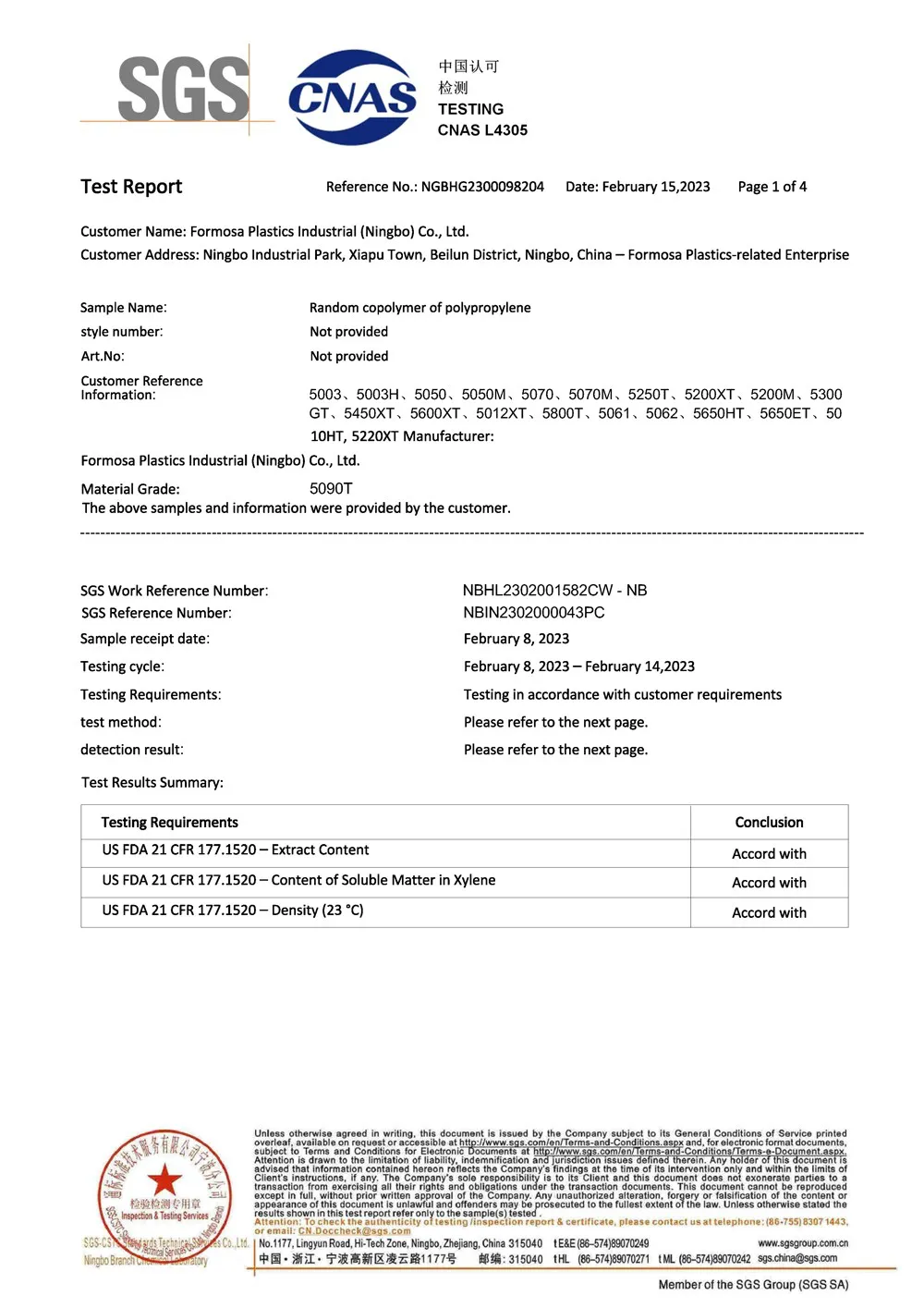
Raw materials arrive pre-certified, with certificates of analysis (CoAs) verifying their medical-grade status and freedom from heavy metals, phthalates, and other harmful substances. They're stored in sealed containers to prevent dust or moisture exposure until they're fed into the injection molding machines. These machines, calibrated to exacting tolerances, shape the tubes and caps in a single, seamless process, minimizing the risk of defects like thin walls or uneven threading.
After molding, tubes undergo 100% visual inspection using automated cameras and manual checks. Any tube with even a minor flaw—a pinhole, a scratch, or an off-center thread—is immediately rejected. Then comes sterilization: EO gas sterilization ensures deep penetration into every crevice of the tube, eliminating microorganisms without damaging the plastic. Post-sterilization, tubes are packaged in moisture-proof, tamper-evident bags to maintain sterility until they reach the end user.
"We once had a client in Europe who needed custom-labeled cryogenic tubes for a clinical trial. They required barcode labels that could withstand repeated freezing and thawing cycles without smearing. Our team worked with their logistics department to test three different label materials, running 50 freeze-thaw cycles on each, until we found the perfect solution. That's the level of partnership we believe in—not just selling a product, but solving problems."