Email: info@mggpacking.com | Tel: +86-13510174848 ( Mr. Yao)


When it comes to pharmaceuticals, trust is everything. Patients rely on medications to heal, ease discomfort, or manage chronic conditions, and behind every dose is a promise of safety. But what about the container that holds those medications? It's easy to overlook the bottle, but in reality, it's a silent guardian—protecting the integrity of the product from manufacturing to the moment it's opened by the user. That's where natural HDPE bottles come in. Unbleached, free from unnecessary chemicals, and designed with medical precision, these bottles aren't just packaging; they're a commitment to purity. Let's dive into why natural HDPE has become the gold standard for pharmaceutical packaging, and how it's changing the game for drug manufacturers and patients alike.
First things first: HDPE, or High-Density Polyethylene, is a type of plastic you've probably encountered dozens of times without realizing it. It's the material in milk jugs, detergent bottles, and yes—many pharmaceutical containers. But not all HDPE is created equal. Natural HDPE, the kind we specialize in, is different because it's unbleached. That means no harsh chemicals or dyes are added during production, leaving the plastic in its original, translucent off-white color. Why does that matter? Let's break it down.
Think about it like this: If you were baking a cake, you'd want the ingredients to be pure—no extra additives that don't belong. The same logic applies to medication packaging. A bleached plastic bottle might look brighter, but that whiteness often comes from chemicals like titanium dioxide, which can leach into the product over time, especially when in contact with certain medications. Natural HDPE skips that step, so what you see is what you get: a clean, neutral container that won't interfere with the medication inside.
But it's not just about avoiding chemicals. HDPE itself is a rockstar material for pharmaceuticals. It's resistant to moisture, which is critical for keeping pills and capsules dry and effective. It's also lightweight but durable, so bottles can withstand the bumps and drops that happen during shipping without cracking or leaking. And unlike glass, which is heavy and breakable, HDPE bottles are shatterproof—making them safer for both manufacturers and end-users, especially in settings like hospitals or homes with children.
Another key perk? HDPE is chemically inert. That means it won't react with most medications, whether they're acidic, alkaline, or oil-based. For example, if you're packaging a liquid cough syrup or a powdery antibiotic, you don't want the bottle to interact with the formula and change its composition. Natural HDPE plays nice with almost everything, ensuring the medication stays exactly as the pharmacist intended.
Pharmaceutical packaging isn't something you can DIY in a garage. The industry has strict rules, and for good reason—lives depend on it. That's why when we talk about natural HDPE bottles, we're not just talking about a material; we're talking about a whole ecosystem of quality control and compliance. Let's start with the basics: medical grade plastic bottles. What does that term even mean?
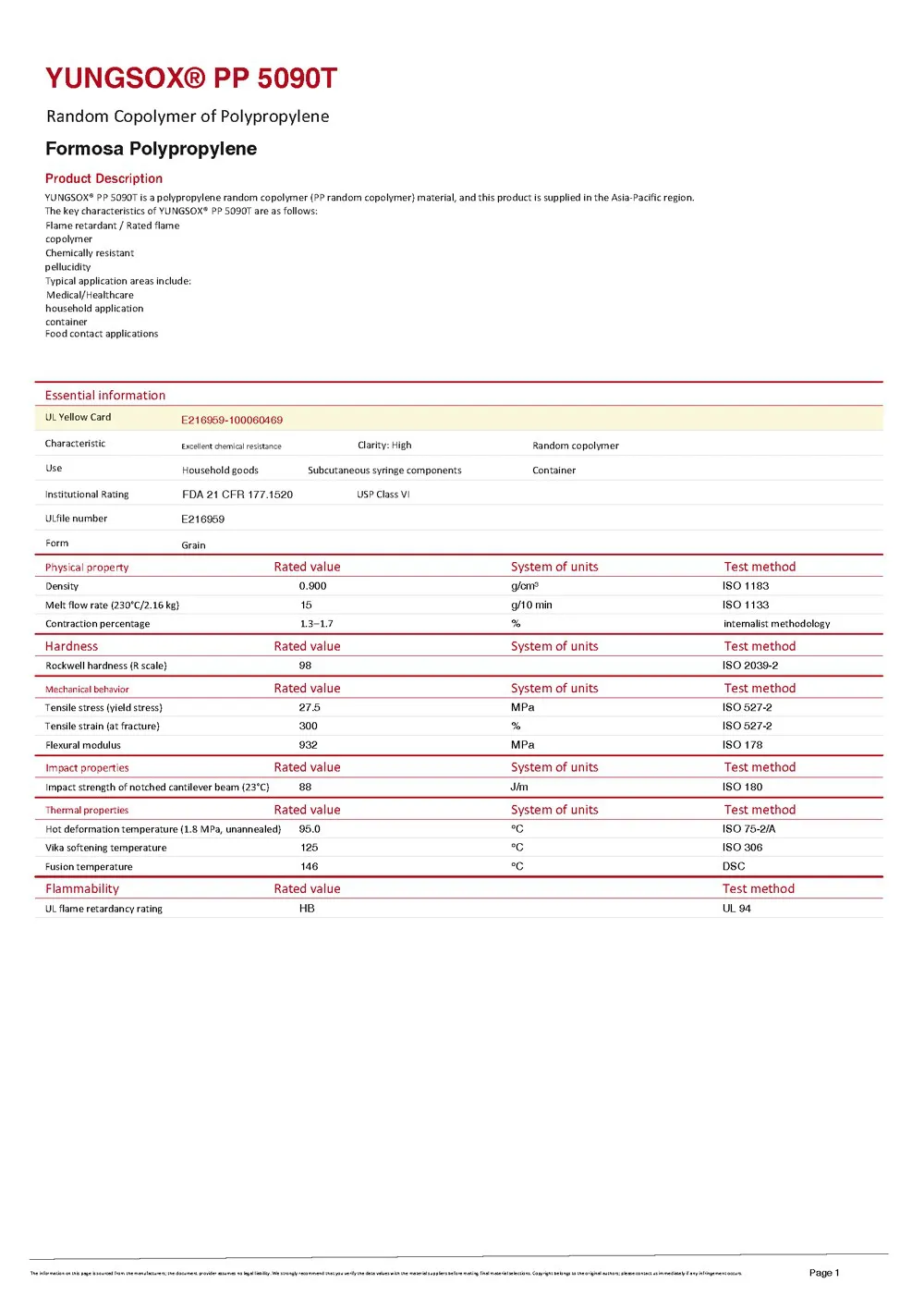
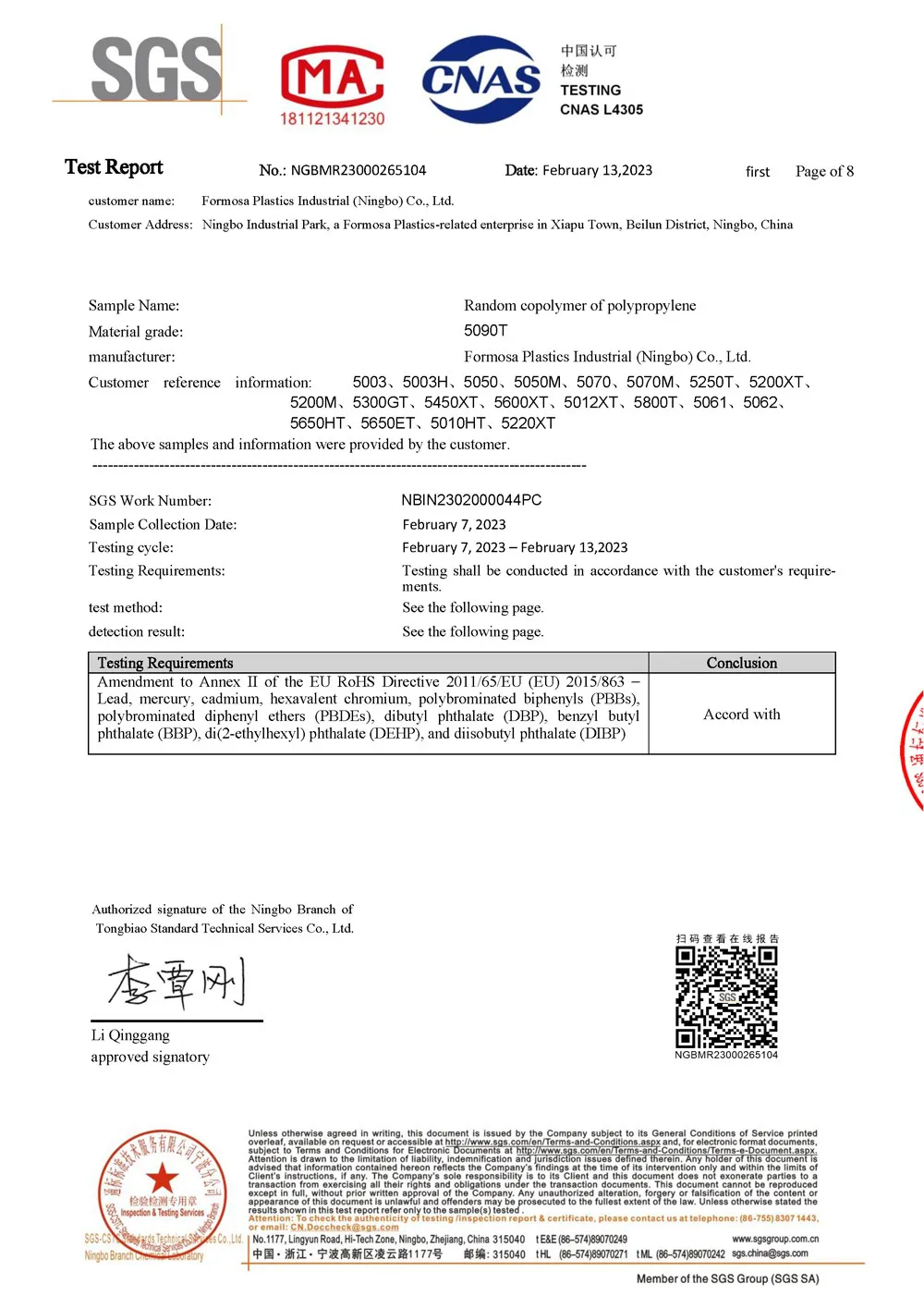
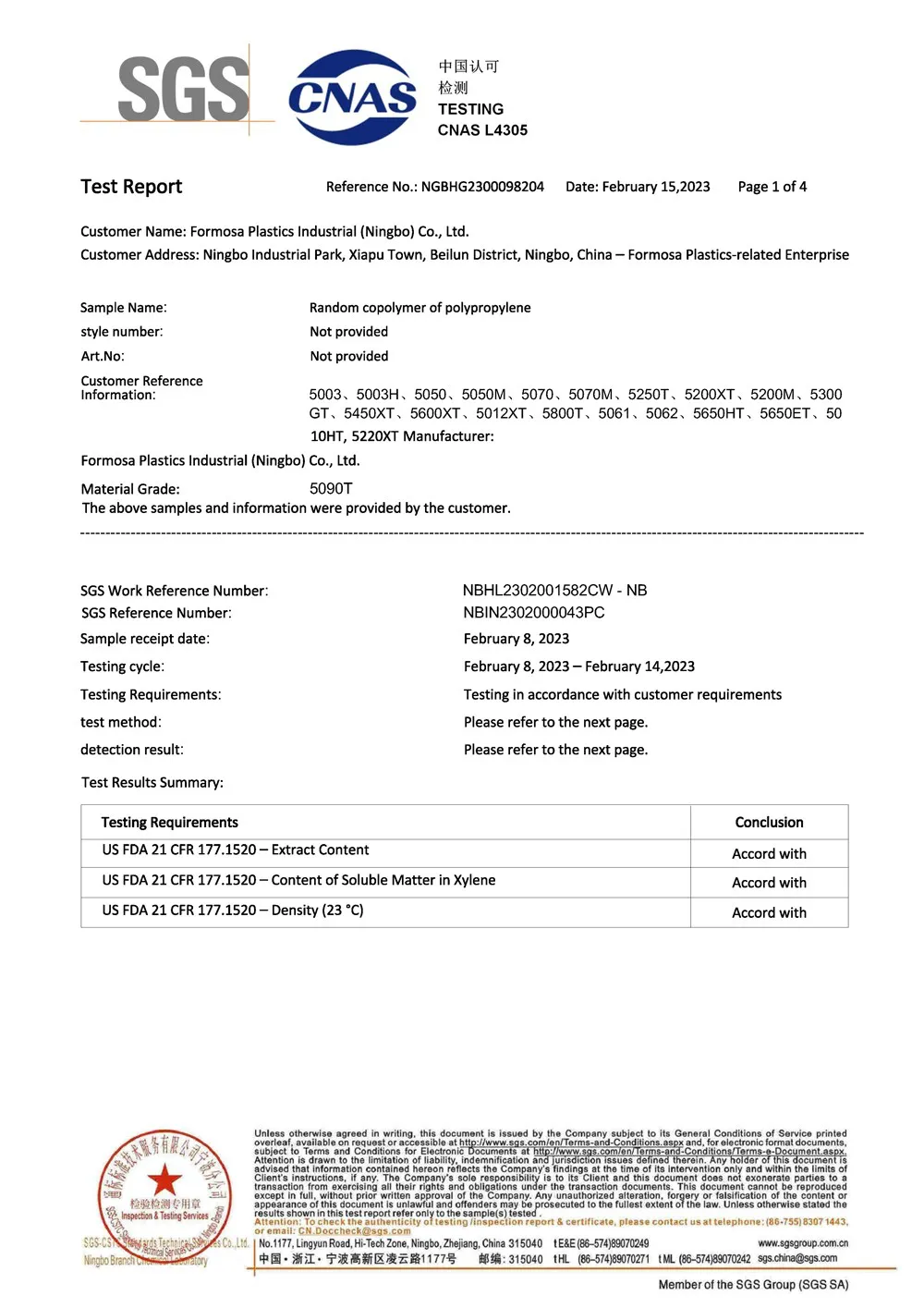
Medical grade plastic is plastic that's been tested and certified to meet specific safety standards for use in healthcare. For us, that means our HDPE bottles aren't just "good enough"—they're held to the highest benchmarks. We're talking about being free from BPA, phthalates, and other harmful substances. It means passing rigorous tests for leaching, where we check if any chemicals from the plastic migrate into the medication (spoiler: they don't, because natural HDPE is so stable). And it means being compatible with sterilization processes, whether that's gamma radiation, ethylene oxide, or heat—critical for medications that need to stay sterile until use.
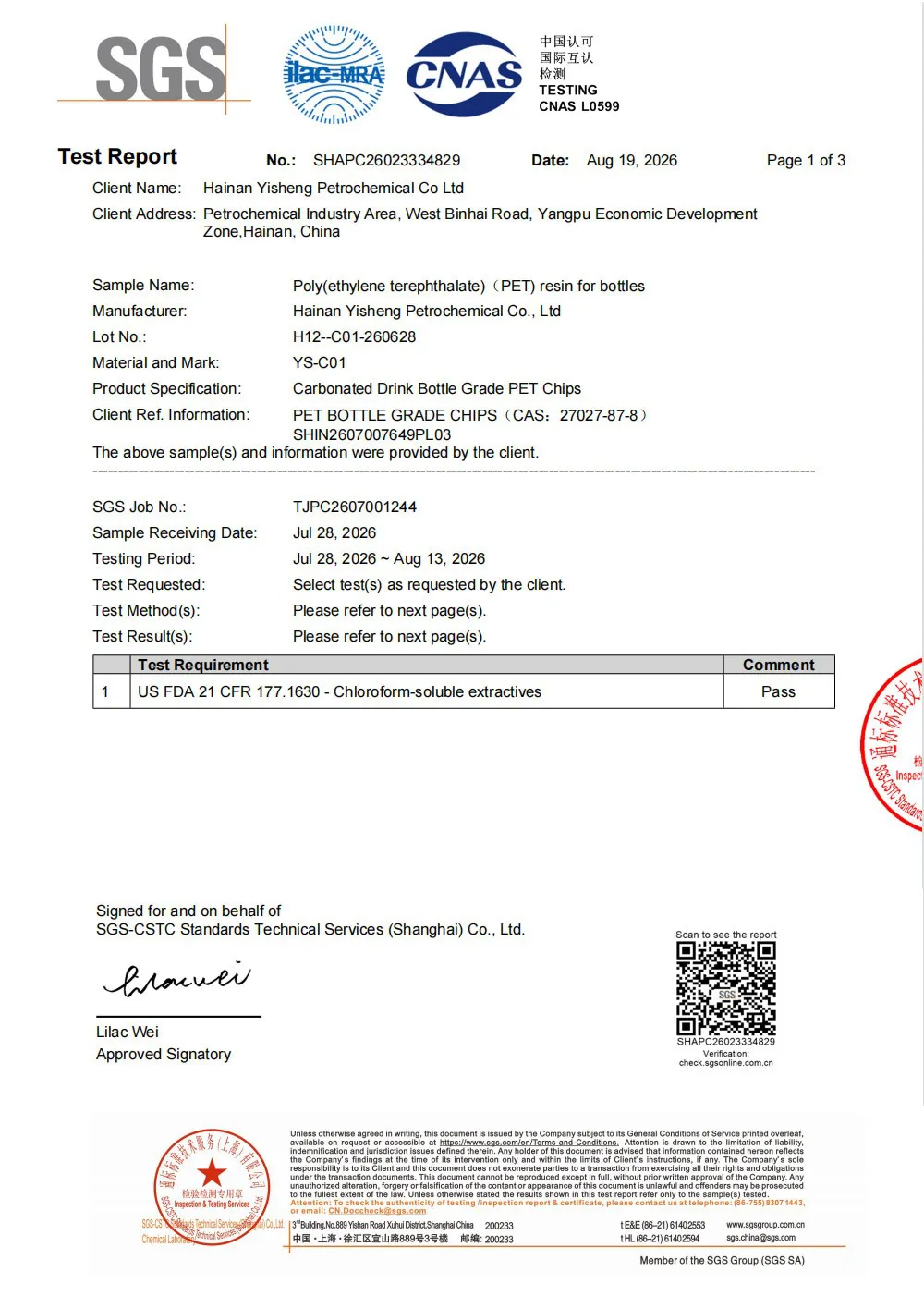
Then there are the certifications. As an iso9001 certified packaging factory, we follow a set of international standards for quality management. That translates to consistent processes: every batch of bottles is checked for defects, every machine is calibrated regularly, and every employee is trained to spot issues before they become problems. But ISO 9001 is just the start. For pharmaceutical packaging, GMP compliance is non-negotiable. GMP, or Good Manufacturing Practices, is all about ensuring products are made in a way that minimizes risk of contamination. And that's where our dust-free gmp compliant workshop comes into play.
"A dust-free workshop isn't just a clean room—it's a controlled environment where temperature, humidity, and air quality are monitored 24/7. We use HEPA filters to remove 99.97% of particles 0.3 microns or larger, and employees wear full-body suits, masks, and gloves to prevent any accidental contamination. Because when you're making bottles that hold life-saving medications, even a single speck of dust could compromise the product."
So why does all this matter to you, the pharmaceutical company or brand? Because compliance isn't just about checking boxes. It's about reducing risk. When you work with a supplier who takes GMP and ISO 9001 seriously, you're not just getting a bottle—you're getting peace of mind. You know that the packaging won't be the reason a batch of medication is recalled, and you can focus on what you do best: creating treatments that help people.
Pharmaceuticals come in all shapes and sizes—from tiny pills that need child-resistant caps to liquid medications that require precise droppers. That's why one-size-fits-all packaging just doesn't work. As a pharmaceutical packaging manufacturer, we pride ourselves on offering custom solutions that fit your exact needs. Let's talk about how we turn your vision into reality, starting with the basics: the bottle itself.
First, there's mold design. Maybe you need a bottle with a unique shape to stand out on pharmacy shelves, or a specific neck size to fit a particular cap. Our in-house mold design team can create 3D models based on your drawings, and we even offer free mold testing to make sure the design works before full production. No guesswork, no surprises—just a prototype you can hold, test, and tweak until it's perfect.
Then there are the extras that make a bottle functional. Need a child-resistant cap to prevent accidental ingestion? We've got you. How about a tamper-evident seal, so patients know the bottle hasn't been opened before? That's standard. For liquid medications, we can add calibrated droppers or measuring cups that snap onto the bottle, making it easier for users to get the right dose. And if you want to add your brand logo or important information like dosage instructions, we can do that too—whether it's through silk-screen printing, embossed logos, or even thermal transfer for a high-end look.
| Customization Option | What It Does | Common Uses |
|---|---|---|
| Child-Resistant Caps | Requires adult-level dexterity to open, preventing kids from accessing medication | Prescription pills, controlled substances |
| Embossed Logos | 3D logo raised on the bottle surface for brand recognition | Over-the-counter medications, brand-focused products |
| Tamper-Evident Seals | Breaks when opened, indicating if the bottle has been tampered with | All pharmaceutical products, especially OTC |
| Custom Bottle Sizes | From 10ml sample bottles to 500ml bulk containers | Travel-sized meds, hospital bulk supplies |
But customization isn't just about aesthetics or safety features. It's about solving problems. For example, we had a client who needed a bottle for a liquid medication that's sensitive to light. Natural HDPE is naturally opaque enough to block some light, but we took it a step further by adding a UV inhibitor to the plastic, giving the bottle extra protection against sunlight. Another client needed a bottle that could withstand freezing temperatures for a vaccine—so we adjusted the HDPE formula to make it more flexible at low temps, preventing cracks when stored in cold environments.
And let's not forget about our hdpe pill bottles supplier expertise. Pills and capsules have unique needs: they need to stay dry, they need to be easy to dispense, and they often need to be counted accurately. Our HDPE pill bottles come in a range of sizes, from small 30ml bottles for sample packs to large 500ml containers for pharmacies. We can add features like moisture-absorbing desiccants inside the cap to keep pills fresh, or smooth inner walls that make it easy to pour out exactly the right number of tablets. Plus, with our custom printing options, you can include expiration dates, dosage instructions, or even QR codes that link to patient information—all directly on the bottle.
It's one thing to talk about the features of natural HDPE bottles, but it's another to see them in action. Let's look at a few real-world scenarios where these bottles shine, and why they've become the go-to choice for pharmaceutical companies around the world.
Scenario 1: Pediatric Medications Parents know the struggle of keeping medications away from curious toddlers. That's why child-resistant caps are a must for most pediatric meds. Our natural HDPE bottles can be paired with a variety of child-resistant closures, from push-and-turn caps to squeeze-and-twist designs. But we also understand that seniors or patients with limited hand strength need easy-open options. That's why we offer dual-purpose caps: child-resistant for safety, but with a "senior-friendly" mode that makes opening easier for those who need it. It's all about balancing safety and accessibility.
Scenario 2: Long-Term Storage Medications Some medications, like antibiotics or certain vitamins, need to stay potent for months or even years. Natural HDPE's moisture resistance is a game-changer here. Unlike paperboard or low-quality plastics that let in humidity, HDPE creates a barrier that keeps moisture out. We had a client who was struggling with pills clumping together in their old packaging—after switching to our HDPE bottles with desiccant caps, their clumping rate dropped by 95%. That's not just a win for the client; it's a win for patients who rely on those pills to work when they need them.
Scenario 3: Travel-Sized Medications When patients travel, they need packaging that's compact, leak-proof, and TSA-friendly. Our small HDPE bottles (think 60ml or 100ml) are lightweight and durable, making them perfect for carry-on bags. We've even designed bottles with built-in measuring cups in the cap, so patients can take their medication on the go without needing extra tools. And because HDPE is recyclable, travelers can feel good about disposing of empty bottles responsibly.
Scenario 4: Specialized Pharmaceuticals Not all medications are pills or liquids. Take cryogenic tubes, for example—these are used to store biological samples like blood, DNA, or vaccines at ultra-low temperatures (-196°C in liquid nitrogen). While cryogenic tubes are a different product than HDPE pill bottles, they share the same commitment to quality. We use medical-grade polypropylene for these tubes, with silicone gaskets to ensure a tight seal and prevent contamination. And just like with our HDPE bottles, every cryogenic tube is tested in our GMP workshop to ensure it can withstand extreme conditions.
These days, sustainability isn't just a buzzword—it's a priority for consumers, regulators, and brands alike. Patients want to know that the medications they take aren't harming the planet, and pharmaceutical companies are under pressure to reduce their environmental footprint. So where does natural HDPE fit into this? Let's start with the obvious: HDPE is one of the most recyclable plastics out there.
Natural HDPE, in particular, is easier to recycle because it doesn't have added dyes or chemicals. When recycled, it can be turned into new bottles, toys, or even plastic lumber. But we're not stopping at recyclability. We're also exploring ways to use PCR (Post-Consumer Recycled) HDPE in our bottles. PCR HDPE is made from plastic that's already been used and recycled, reducing the need for virgin plastic and cutting down on waste. Right now, we offer bottles with up to 30% PCR content, and we're working to increase that number as technology improves.
But sustainability isn't just about the material—it's about the entire lifecycle of the product. We've optimized our manufacturing processes to reduce energy use: our factories run on solar power where possible, and we've invested in energy-efficient machinery that uses less electricity. We also minimize waste by reusing excess plastic from production, and we work with logistics partners who use eco-friendly shipping methods (think cargo ships instead of planes, and recyclable packaging materials).
Here's the thing: Sustainable packaging shouldn't mean sacrificing quality. A lot of eco-friendly alternatives on the market are flimsy or don't offer the same protection as traditional plastic. But natural HDPE? It's durable, recyclable, and still meets all the medical-grade standards we've talked about. It's a win-win: you get a safe, reliable bottle, and the planet gets a break.
We also believe in transparency. When we say a bottle is "sustainable," we can back it up with data: how much PCR content it contains, how much energy was used to make it, and how it can be recycled. We even provide clients with a sustainability report for their packaging, so they can share that information with their customers and stakeholders. Because at the end of the day, sustainability is a team effort—and we're proud to be part of your team.
So, you need pharmaceutical packaging, and you're considering natural HDPE. Why choose us? Let's cut to the chase: we're not just a supplier—we're a partner. We've been in the industry for over a decade, working with pharmaceutical companies of all sizes, from startups to global brands. We know the challenges you face: tight deadlines, strict regulations, and the need to balance quality with cost. Here's how we address those:
But don't just take our word for it. Here's what one of our clients, a mid-sized pharmaceutical company that specializes in pediatric medications, had to say:
"Working with this team has been a game-changer for us. Their natural HDPE bottles are not only safer for kids (no harsh chemicals!) but the custom child-resistant caps they designed have reduced our customer complaints by 80%. Plus, their sustainability efforts align with our brand values, which has been a hit with our eco-conscious customers. We're not just clients—we're partners, and that makes all the difference."
At the end of the day, pharmaceutical packaging is about trust. You trust us to deliver bottles that protect your products, and your customers trust you to deliver medications that help them. When you choose natural HDPE from a supplier who prioritizes quality, compliance, and sustainability, you're not just getting a bottle—you're investing in that trust.
Natural HDPE bottles are more than just a trend—they're the future of pharmaceutical packaging. Unbleached, medical-grade, and designed with both safety and sustainability in mind, they check all the boxes: protecting medications from contamination, meeting strict regulatory standards, and reducing environmental impact. And when you pair that with custom solutions, a commitment to quality, and a partner who understands your needs, you get packaging that doesn't just hold your product—it enhances it.
So whether you're launching a new medication, rebranding an existing product, or simply looking for a more reliable packaging supplier, we're here to help. Let's work together to create bottles that make a difference—for your brand, for your customers, and for the planet. After all, when it comes to pharmaceuticals, the smallest details matter. And the bottle? It's one detail you can't afford to get wrong.