Email: info@mggpacking.com | Tel: +86-13510174848 ( Mr. Yao)


Every time a patient twists open a pill bottle or a caregiver prepares medication, there's an unspoken promise in that simple action: the product inside is safe, pure, and exactly as intended. For pharmaceutical and healthcare brands, this promise isn't just a marketing slogan—it's the foundation of trust. And at the heart of keeping that promise lies an often-overlooked hero: the sealing liner. In the world of medical packaging, a non-toxic, tasteless, and contamination-free sealing liner isn't just a "nice-to-have"; it's the line between safety and risk, between patient confidence and doubt.
As someone who's worked closely with pharmaceutical and cosmetic packaging for years, I've seen firsthand how small details like sealing liners can make or break a product's reputation. A single case of contamination due to a faulty liner can erode trust built over decades. That's why, as a leading player in this industry, we've made it our mission to redefine what "safe sealing" means—combining science, precision, and an unwavering commitment to patient well-being. In this article, we'll dive deep into the world of non-toxic sealing liners for pharmaceuticals, exploring why they matter, how they're made, and why choosing the right partner matters just as much as the product itself.
Let's start with the basics: what exactly does a sealing liner do? At its core, it's the thin layer between the bottle cap and the container, creating an airtight, moisture-resistant barrier that protects the contents from external threats. But in pharmaceuticals, its role goes far beyond "keeping things fresh." It's a critical defense against a range of risks that could compromise the medication's efficacy or safety.
Consider this: many medications are sensitive to oxygen, moisture, or even trace chemicals. A subpar sealing liner might react with the medication over time, leaching harmful substances or altering the formula. Or worse, it might fail to block out bacteria or mold, turning a life-saving drug into a health hazard. For patients with chronic conditions who rely on daily medication, or for vulnerable populations like the elderly or infants, these risks aren't just theoretical—they're life-altering.
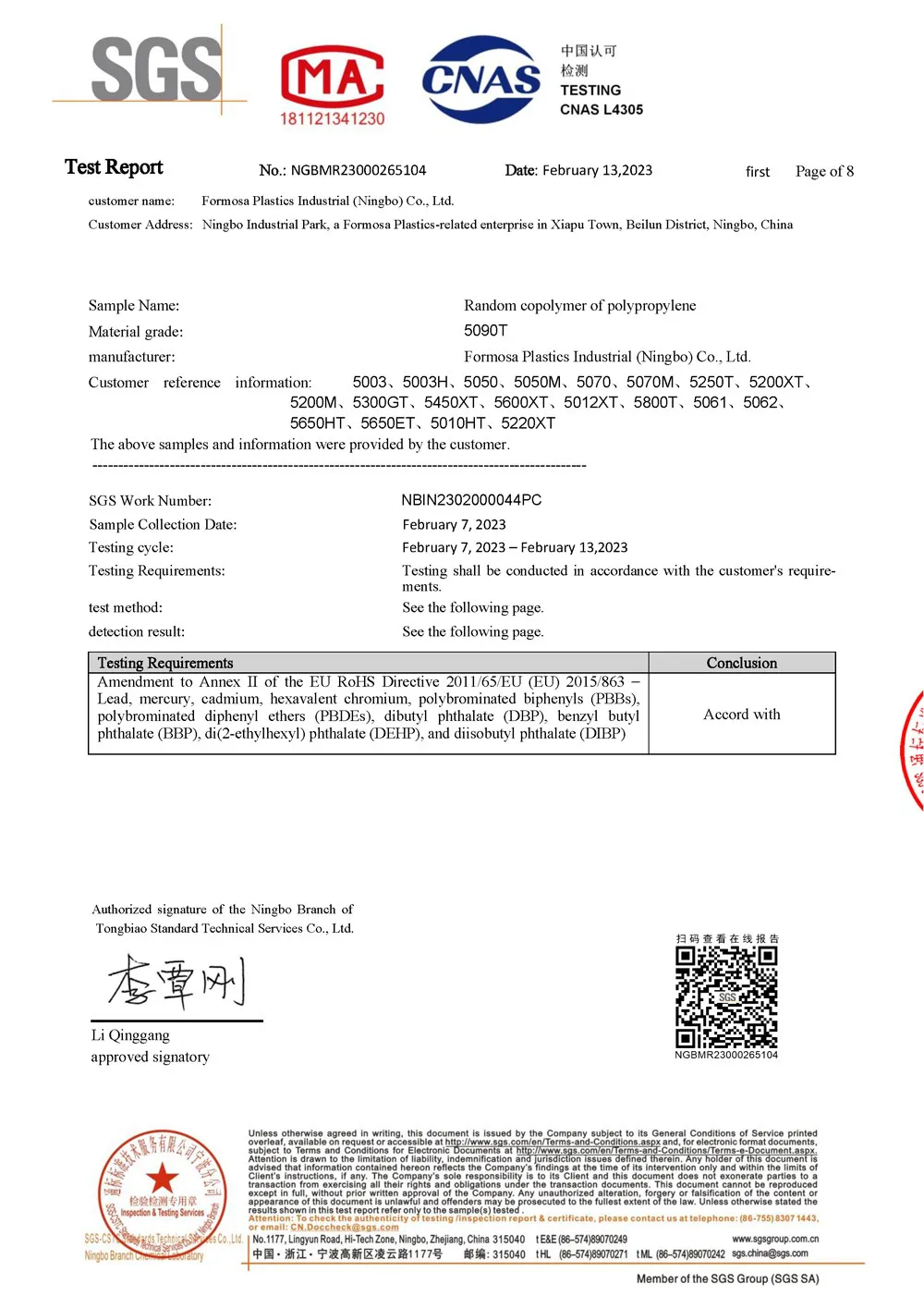
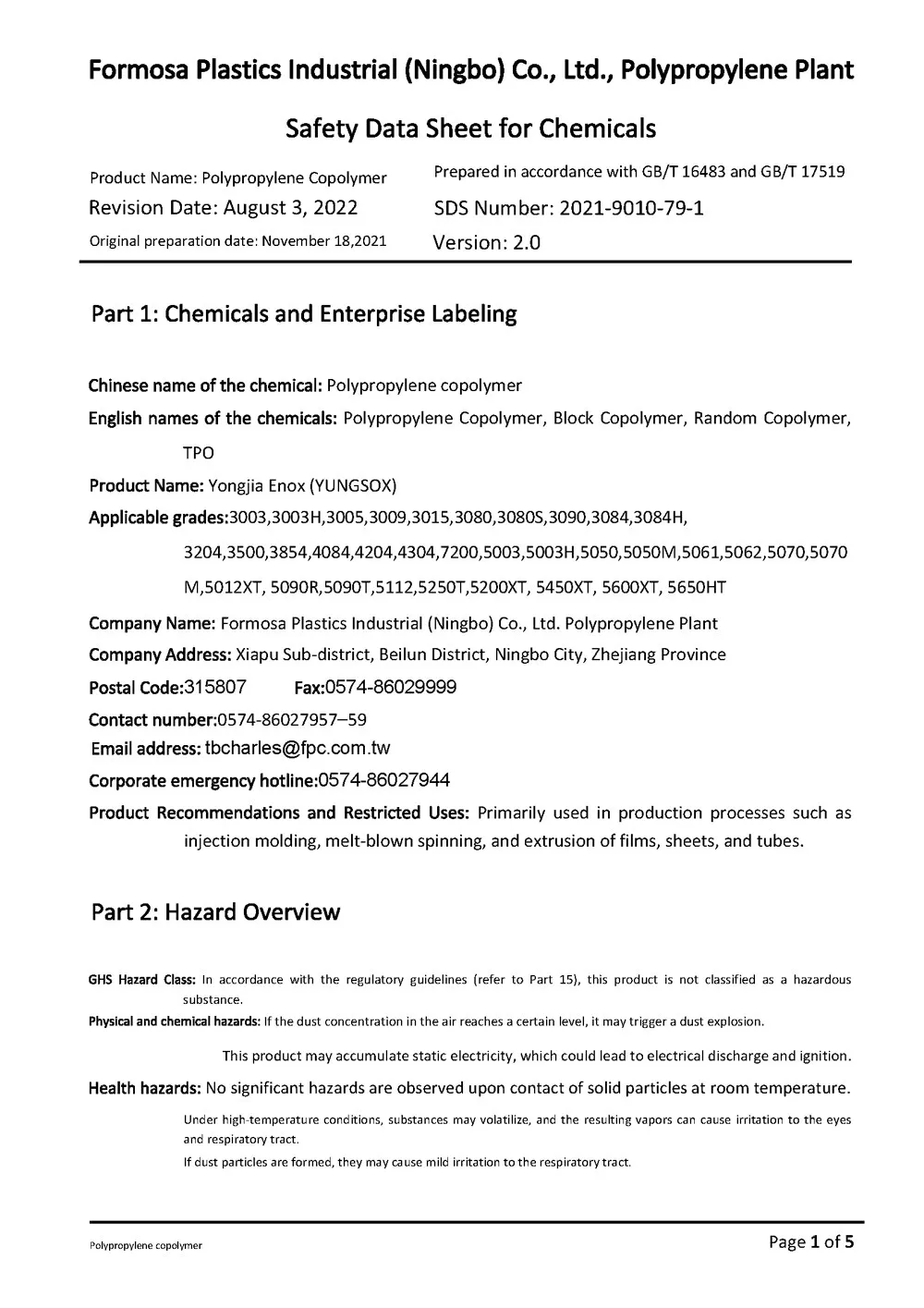
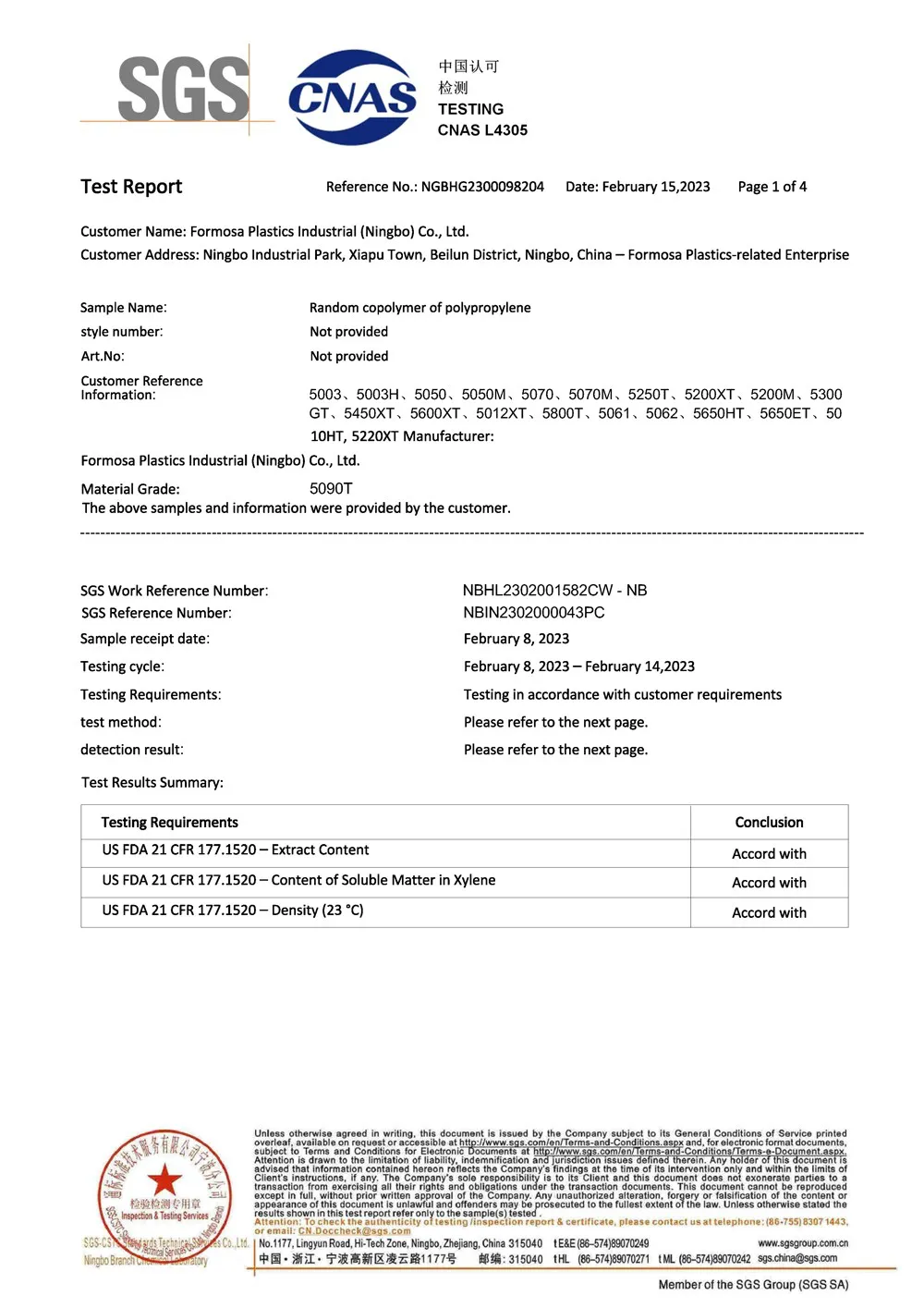
Historically, the industry has faced its share of wake-up calls. From early plastic liners that released unpleasant tastes into pills to liners that degraded under temperature changes, these issues highlighted the need for stricter standards. Today, regulatory bodies like the FDA and EMA don't just set guidelines for the medications themselves—they demand rigorous testing for every component of the packaging, including liners. A liner that isn't "tasteless" might seem like a minor issue, but for patients who already struggle with medication adherence, a bitter or off-putting taste from the liner could lead them to skip doses. And "non-toxic" isn't just a buzzword; it's a legal requirement, with liners needing to pass stringent biocompatibility tests to ensure they don't introduce harmful substances into the product.
For us, understanding these risks isn't just about meeting regulations—it's about empathizing with the end users. We think about the parent giving their child a daily vitamin, the senior managing multiple prescriptions, or the researcher storing life-saving samples in cryogenic tubes. Each of these scenarios demands a liner that works with the product, not against it. That's why we've invested years in perfecting liners that don't just "meet" standards but set new ones.
Not all sealing liners are created equal. The material chosen for a liner depends on the medication's type (solid, liquid, powder), storage conditions (refrigerated, room temperature, frozen), and even the container material (HDPE, PET, glass). But when it comes to pharmaceuticals, three priorities always rise to the top: non-toxicity, tastelessness, and chemical stability.
Let's break down the materials we trust most, and why they're the backbone of our non-toxic sealing solutions:
| Sealing Liner Material | Key Benefits | Ideal For | Why We Choose It |
|---|---|---|---|
| Polyethylene (PE) Foam | Soft, flexible, excellent moisture barrier, chemical inert | HDPE pill bottles, solid medications, vitamins | PE foam is naturally tasteless and odorless, making it perfect for oral medications where taste matters. Its flexibility ensures a tight seal even on slightly irregular bottle rims. |
| Polypropylene (PP) with Aluminum Foil | High oxygen barrier, heat-resistant, tamper-evident | Liquid medications, injectables, sensitive formulations | The aluminum layer adds an extra barrier against oxygen and light, while PP ensures no chemical interaction. Ideal for medications that need long-term stability. |
| Silicone-Coated Paper | Heat-sealable, eco-friendly, excellent for dry powders | Antacid powders, herbal supplements, dry formulations | Silicone coating prevents sticking and ensures easy opening, while the paper base adds sustainability benefits—important for brands focused on green packaging. |
| PTFE (Teflon) Laminates | Extreme chemical resistance, high temperature tolerance | Strong acids, alkalis, or medications stored at high/low temps | For the most sensitive or aggressive formulations, PTFE offers unmatched inertness. We use it for specialized medical products like cryogenic tubes, where stability under freezing conditions is critical. |
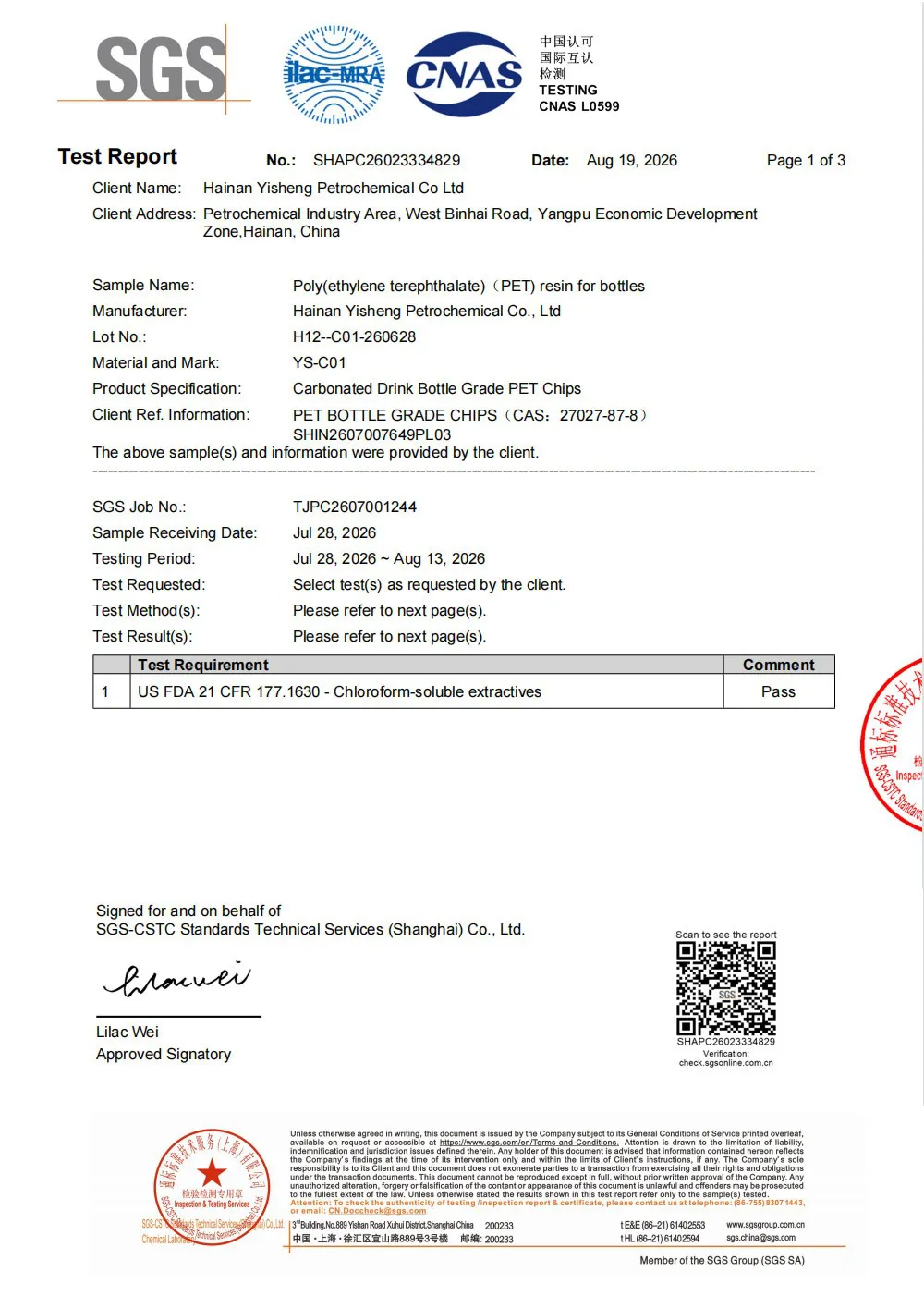
One of the biggest myths we hear is that "all plastic liners are the same." Nothing could be further from the truth. Low-quality liners might use recycled plastics with unknown additives, or adhesives that leach chemicals over time. We've seen cases where budget liners developed a "plastic-y" taste in vitamin bottles, leading to customer complaints and product recalls. That's why we source only virgin-grade materials and subject every batch to rigorous testing—from initial material selection to final product approval.
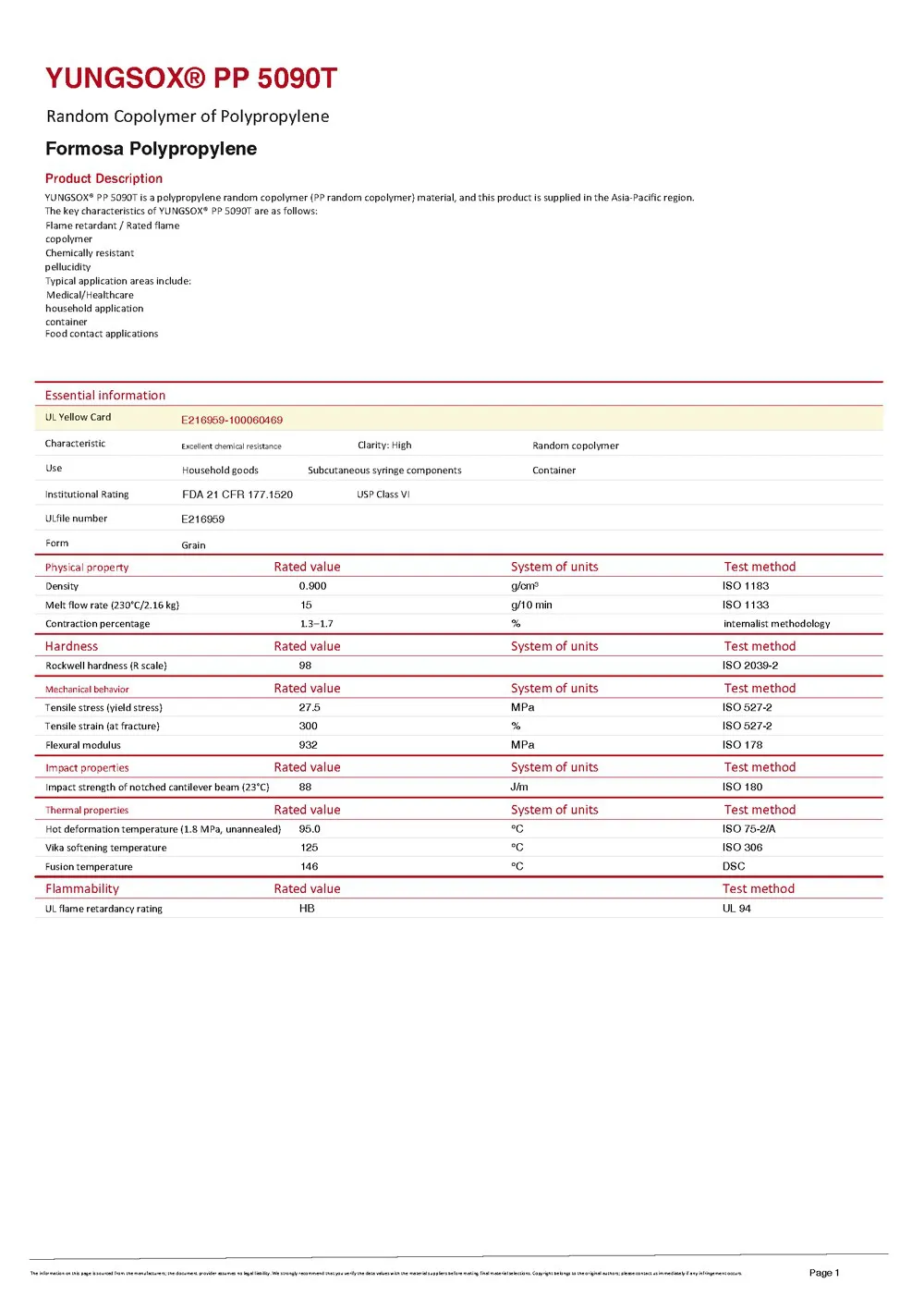
Take our HDPE pill bottles, for example. These are among the most common pharmaceutical containers, used for everything from over-the-counter painkillers to prescription medications. The liner here needs to be soft enough to form a tight seal but tough enough to withstand repeated opening and closing. We opt for PE foam liners with a food-grade adhesive, ensuring that even after months of storage, the pills inside taste (and are) exactly as they should be—no off-flavors, no contamination, just pure medication.
For more specialized products like cryogenic tubes, the stakes are even higher. These tubes store biological samples at temperatures as low as -196°C, and any failure in the seal could ruin years of research or even compromise patient samples. Our solution? A PTFE-lined cap that remains flexible even at extreme cold, ensuring a leak-proof seal that researchers can trust with their most valuable work.
Choosing the right material is just the first step. To truly deliver non-toxic, contamination-free liners, the manufacturing process itself must be held to the same high standards. In pharmaceuticals, "good enough" isn't good enough—and that's where our ISO 9001 certified packaging factory and dust-free GMP compliant workshop come into play.
Let's walk through a typical day in our production facility. The process starts long before any liner is made: with raw material inspection. Every batch of PE foam, aluminum foil, or adhesive arrives with a certificate of analysis (COA), but we don't stop there. Our lab team performs additional tests for heavy metals, residual solvents, and chemical leaching—even if the supplier has already certified it. Why? Because we believe in verifying, not just trusting.
Once materials pass inspection, they move to the production floor—but not just any production floor. Our workshop is designed to GMP standards, meaning it's a controlled environment with strict air filtration, regular cleaning protocols, and personnel gowning requirements (think hairnets, gloves, and sterile suits). Even the smallest particle of dust could compromise a liner's integrity, so we maintain positive air pressure and HEPA filtration systems to ensure the air is cleaner than most hospital operating rooms.
Real-World Impact: The Time a "Small" Dust Particle Cost a Brand Millions
A few years back, a pharmaceutical client came to us after a costly recall. Their previous supplier's liners had been contaminated by dust during production, leading to visible particles in some pill bottles. The recall cost them over $2 million in lost product and damage to their reputation. When we took over their production, we invited their quality team to tour our GMP workshop. They were shocked to see the level of control—from air quality monitors to automated production lines that minimize human contact. Within six months, their complaint rate dropped to zero. That's the difference a controlled environment makes.
Production itself is a blend of precision machinery and human oversight. Our sealing liners are die-cut to exact specifications, with machines calibrated to ensure uniform thickness and adhesion. For custom projects—like a client needing a liner for an oddly shaped bottle—we use 3D modeling to design the perfect fit, then test prototypes in our in-house lab. We never send a liner to production without first testing it under real-world conditions: temperature cycling, humidity exposure, and compatibility with the client's specific medication.
Quality control doesn't end when the liner is made, either. Every batch undergoes (random sampling) for seal strength, chemical leaching, and taste neutrality. We even conduct "shelf life" tests, storing lined bottles with placebo medications for months to ensure the liner remains stable over time. And because we're ISO 9001 certified, every step—from material receipt to shipping—is documented, so clients can trace the journey of their liners if needed.
For us, this level of rigor isn't overkill—it's the bare minimum. When you're dealing with products that impact people's health, there's no room for shortcuts. Our team includes pharmacists, materials scientists, and quality control experts who don't just follow standards—they help write them. We're constantly investing in new technology, like automated inspection systems that use AI to detect even microscopic defects, ensuring that every liner that leaves our factory is as close to perfect as humanly possible.
In the pharmaceutical and personal care industries, no two products are exactly alike. A liner that works for a 100ml HDPE pill bottle might not be right for a 5ml dropper bottle of eye serum, just as a liner for room-temperature tablets might fail in a cryogenic tube. That's why we've built our reputation on offering custom solutions, not just off-the-shelf products.
Our custom process starts with a simple conversation: What's your product? How is it stored? What are your biggest concerns? From there, our design team works with clients to create a liner that addresses their specific needs. For example, a client producing a liquid herbal supplement in glass dropper bottles needed a liner that was gentle enough for glass (to avoid scratching) but strong enough to prevent leakage. We developed a PE foam liner with a silicone coating, which provided the flexibility of foam and the non-stick properties of silicone—solving their problem in just two weeks.
Another common request is for tamper-evident liners. In today's market, patients and regulators alike demand clear proof that a product hasn't been opened or tampered with. Our solution? Liners with a frangible seal that breaks upon first opening, leaving a visible mark. For one pediatric medication client, we went a step further, adding a "press-to-seal" feature that makes it easy for parents to reseal the bottle after use—combining safety with convenience.
| Product Type | Custom Liner Solution | Client Challenge | Outcome |
|---|---|---|---|
| HDPE Pill Bottles (Child-Resistant Caps) | PE Foam with Tamper-Evident Tab | Need for child safety + clear tamper indication | Liner passes ASTM child-resistance tests; tamper tab visible to parents. |
| Cryogenic Tubes (-196°C Storage) | PTFE-Coated Aluminum Foil | Seal failure at extreme low temperatures | Leak-proof seal maintained after 6 months of cryogenic storage. |
| Liquid Antibiotic Bottles (Glass) | Silicone-Coated PP | Glass bottle rim damage from rigid liners | Flexible liner prevents scratching; no chemical interaction with antibiotic. |
| Herbal Supplement Jars (Airtight Storage) | Aluminum Foil + PE Foam Hybrid | Need to block oxygen and moisture for 2-year shelf life | Product stability maintained; no degradation detected in accelerated aging tests. |
One of the most rewarding parts of custom work is collaborating with clients to solve problems they thought were unsolvable. A few years ago, a medical device company approached us with a unique challenge: they needed a liner for a diagnostic test kit that would be shipped worldwide, exposed to everything from extreme heat in the Middle East to freezing cold in Canada. The liner had to maintain its seal regardless of temperature fluctuations and couldn't add any weight to the kit (critical for shipping costs). Our team spent weeks testing different material combinations before landing on a thin, lightweight aluminum foil-PP hybrid that flexed with temperature changes and maintained its barrier properties. Today, that liner is used in over 50 countries, helping healthcare workers diagnose diseases faster and more accurately.
For us, custom solutions aren't about charging more—they're about ensuring our clients' products succeed. We offer free initial consultations, 3D design mockups, and even small-batch prototyping so clients can test liners before committing to large orders. And because we have our own in-house mold design and manufacturing capabilities, we can turn around custom liners in weeks, not months. In an industry where time-to-market is critical, this speed can be a game-changer.
At this point, you might be thinking, "Okay, I get it—sealing liners are important, materials and manufacturing matter, and custom solutions are key." But here's the thing: even with the best materials and processes, none of this works if you're partnering with a manufacturer who doesn't share your commitment to safety and quality.
We've worked with enough clients who've been burned by "cheap" suppliers to know the warning signs: vague answers about testing, reluctance to share manufacturing processes, or a "one-liner-fits-all" approach. These suppliers might offer lower prices upfront, but the hidden costs—recalls, damaged reputation, lost customers—almost always outweigh the savings.
So what should you look for in a pharmaceutical packaging manufacturer? Here are the questions we encourage clients to ask:
For us, being a partner means more than just delivering products. It means being there when clients have questions at 2 a.m., helping them navigate regulatory hurdles, and even suggesting improvements they might not have considered. For example, when a client was struggling with high shipping costs for their large pill bottles, we suggested a slimmer liner design that reduced weight by 15%—saving them over $100,000 a year in freight. That's the kind of partnership we strive for: one where we're invested in their success, not just their order.
At the end of the day, the goal is simple: to create packaging that patients never have to think about. When someone picks up a medication bottle, they should focus on getting better, not worrying about what's in the liner. That's the vision that drives everything we do—and why we're proud to be a trusted partner to pharmaceutical brands around the world.
Non-toxic, tasteless, and contamination-free sealing liners might not be the most glamorous part of pharmaceutical packaging, but they're undeniably one of the most critical. They're the silent guardians that ensure medications reach patients in the same pure, effective state they left the factory. For healthcare brands, investing in high-quality liners isn't just a regulatory requirement—it's a commitment to the patients who rely on their products.
As a medical grade plastic bottles manufacturer with decades of experience, we've learned that excellence in packaging isn't about one big innovation—it's about a thousand small details done right. From the materials we choose to the GMP workshop where we make them, from the custom solutions we design to the partnerships we build, every decision is guided by one question: What would we want if this were our medication, our family member taking it?
If you're in the market for pharmaceutical packaging, don't overlook the sealing liner. It might be small, but its impact is enormous. And when you're ready to partner with a manufacturer who sees safety not as a checkbox, but as a promise, we're here. After all, in healthcare, trust is everything—and trust starts with the seal.