Email: info@mggpacking.com | Tel: +86-13510174848 ( Mr. Yao)


The Unsung Guardian of Medication Safety You Can Trust
When you pick up a bottle of pills from the pharmacy, your focus is probably on the medication itself—not the tiny layer of material between the cap and the bottle. But here's the truth: that unassuming sealing liner is the silent bodyguard of your medication's safety. It's the barrier that keeps moisture out, prevents contamination, and ensures the pills inside stay as effective as the day they were made. For pharmaceutical packaging, where even the smallest flaw can risk patient health, settling for anything less than a non-toxic, tasteless, odor-free sealing liner simply isn't an option.
As a pharmaceutical packaging manufacturer with over a decade of experience, we've seen firsthand how critical these liners are. From HDPE pill bottles holding daily vitamins to cryogenic tubes storing life-saving biological samples, every container relies on its sealing liner to maintain integrity. And in an industry where regulations are strict and stakes are high, cutting corners on this component is never an option.
Let's break down why these three properties are non-negotiable for pharmaceutical sealing liners. It's not just about meeting standards—it's about respecting the trust patients and healthcare providers place in pharmaceutical packaging.
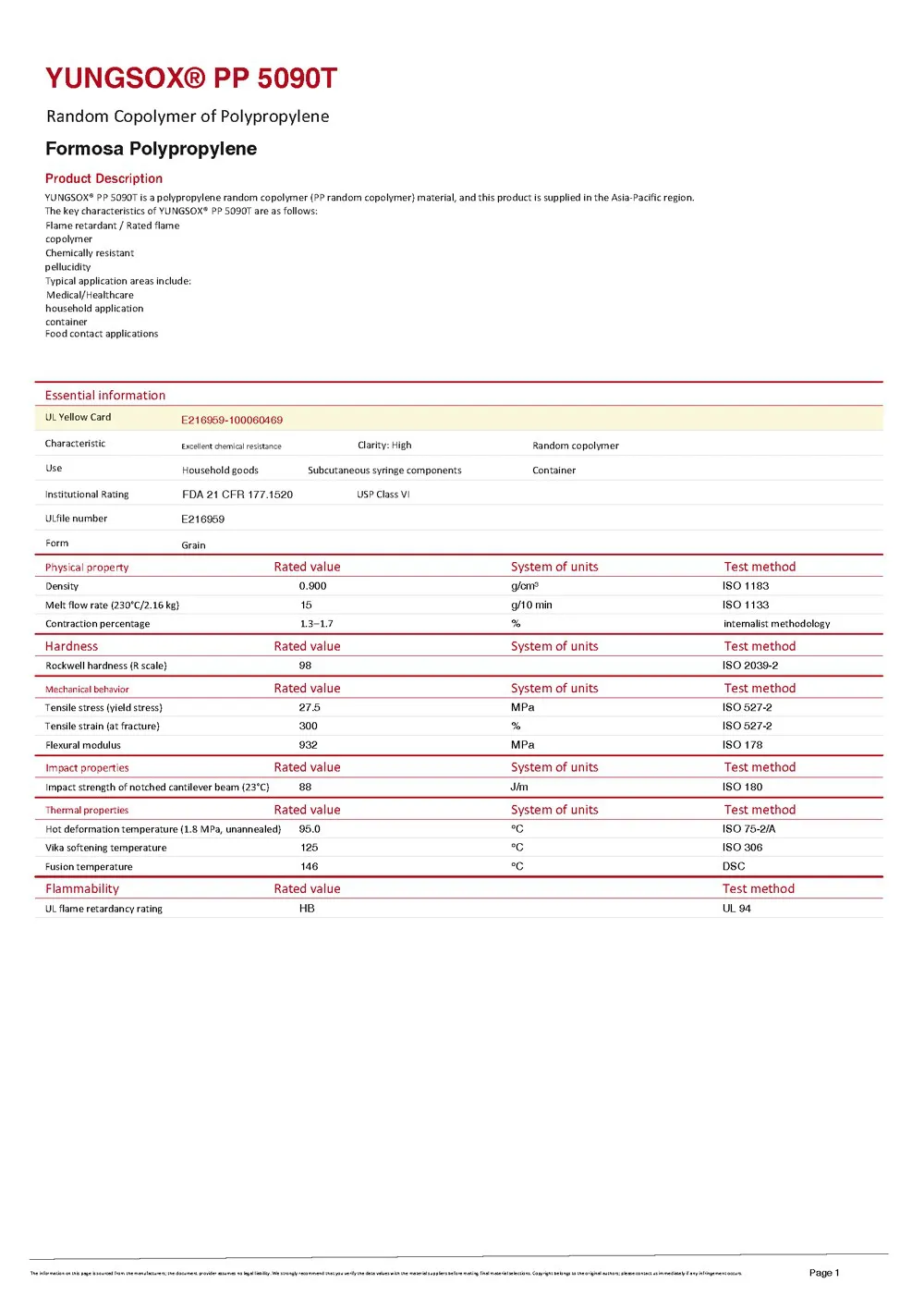
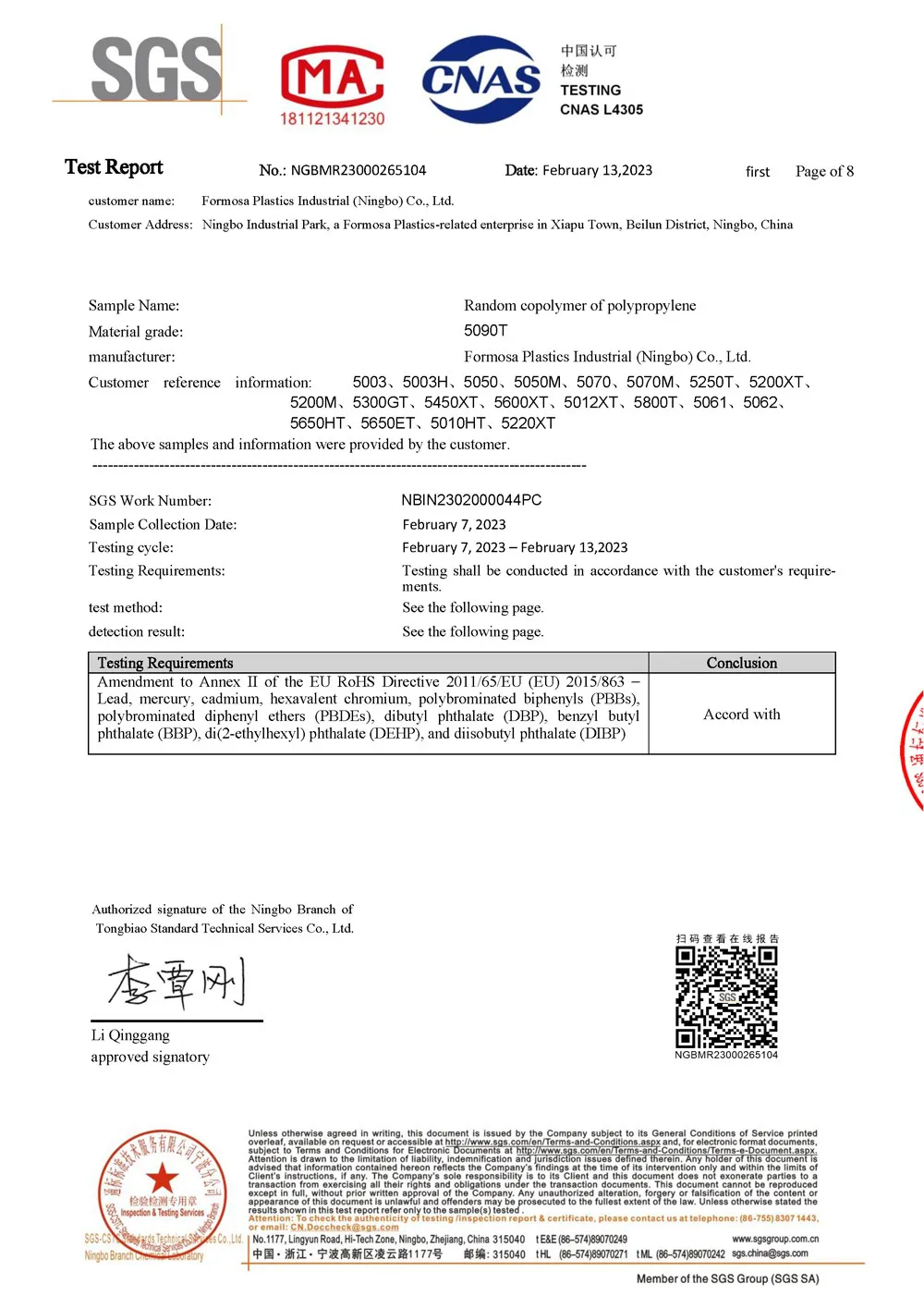
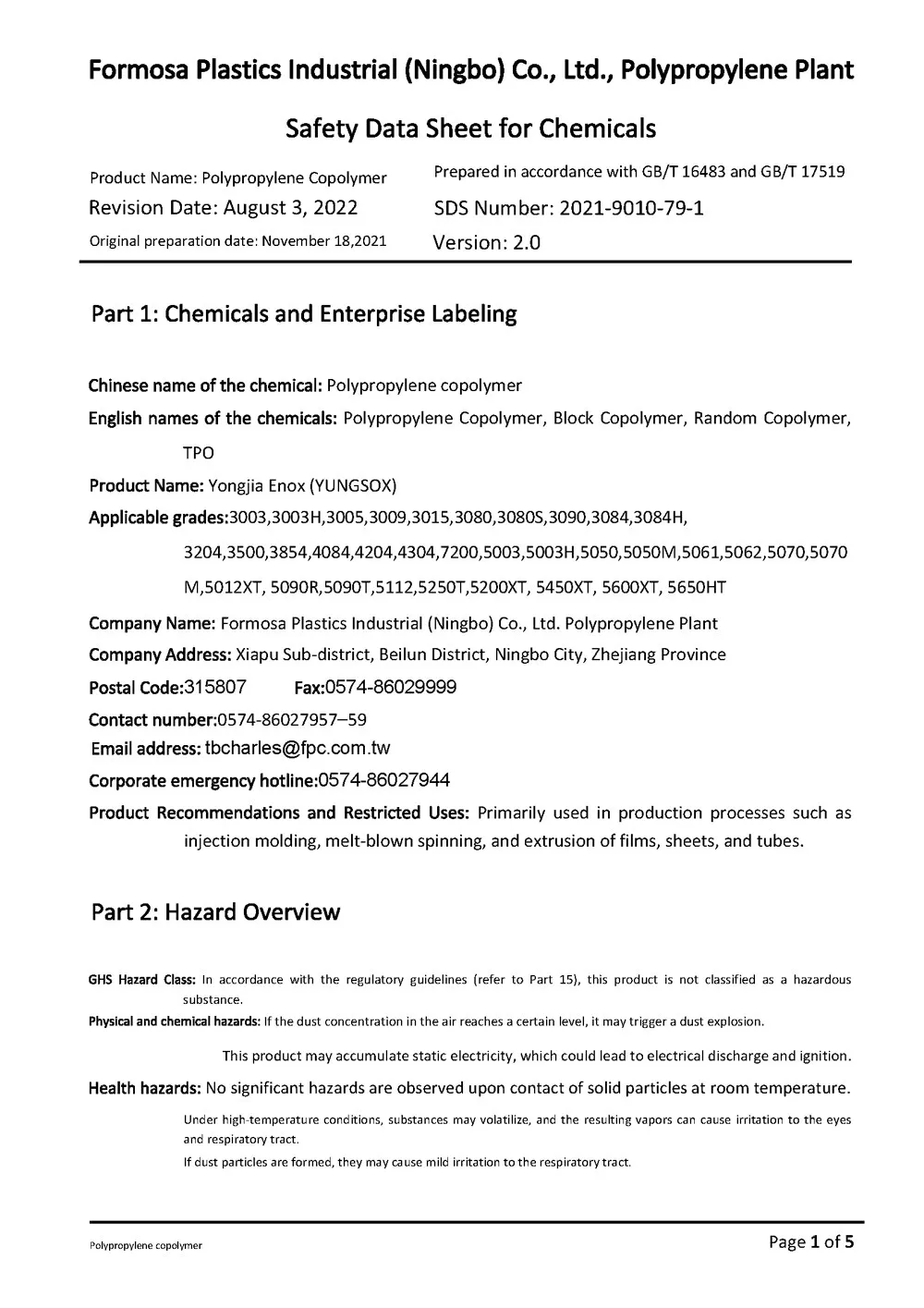
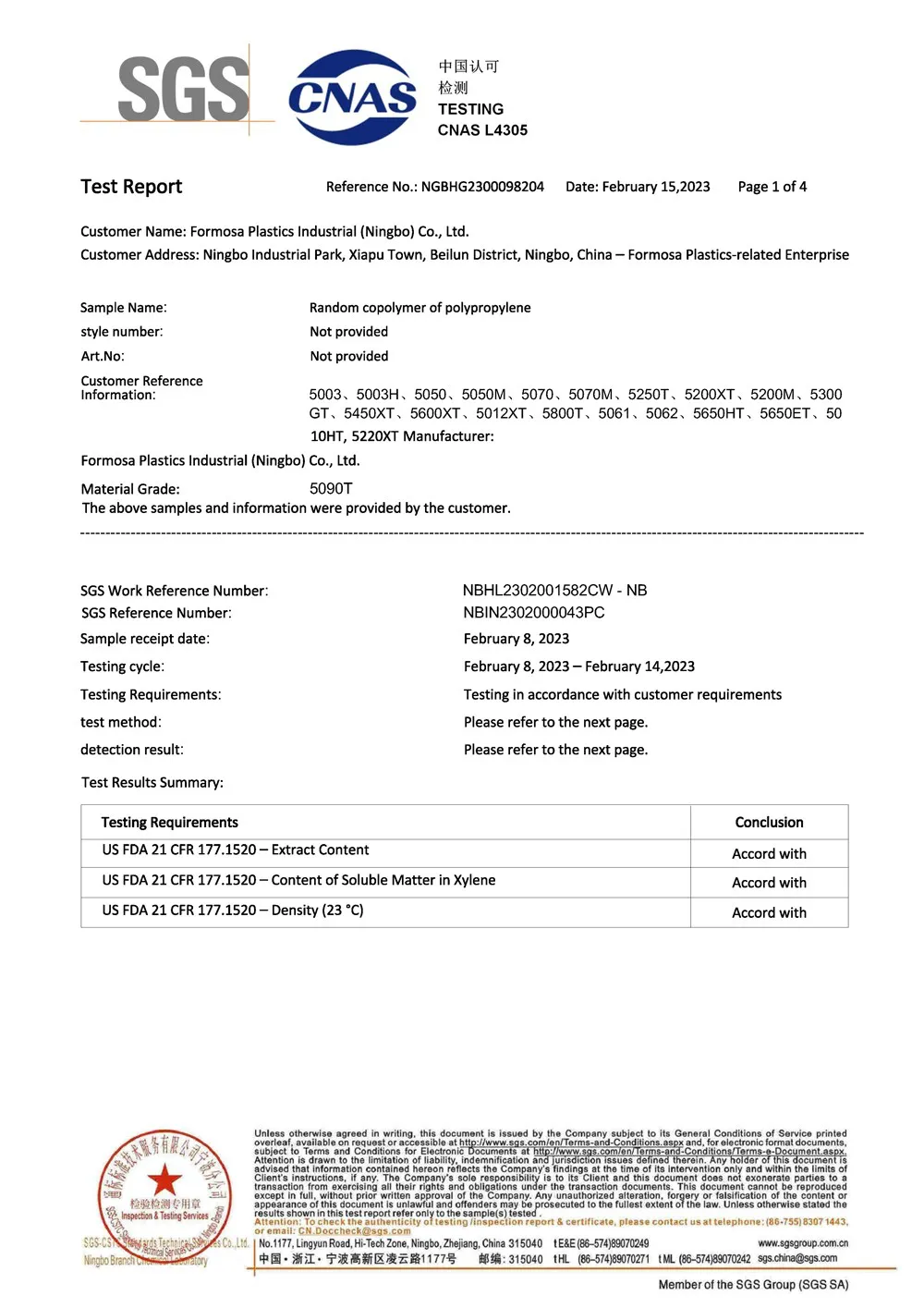
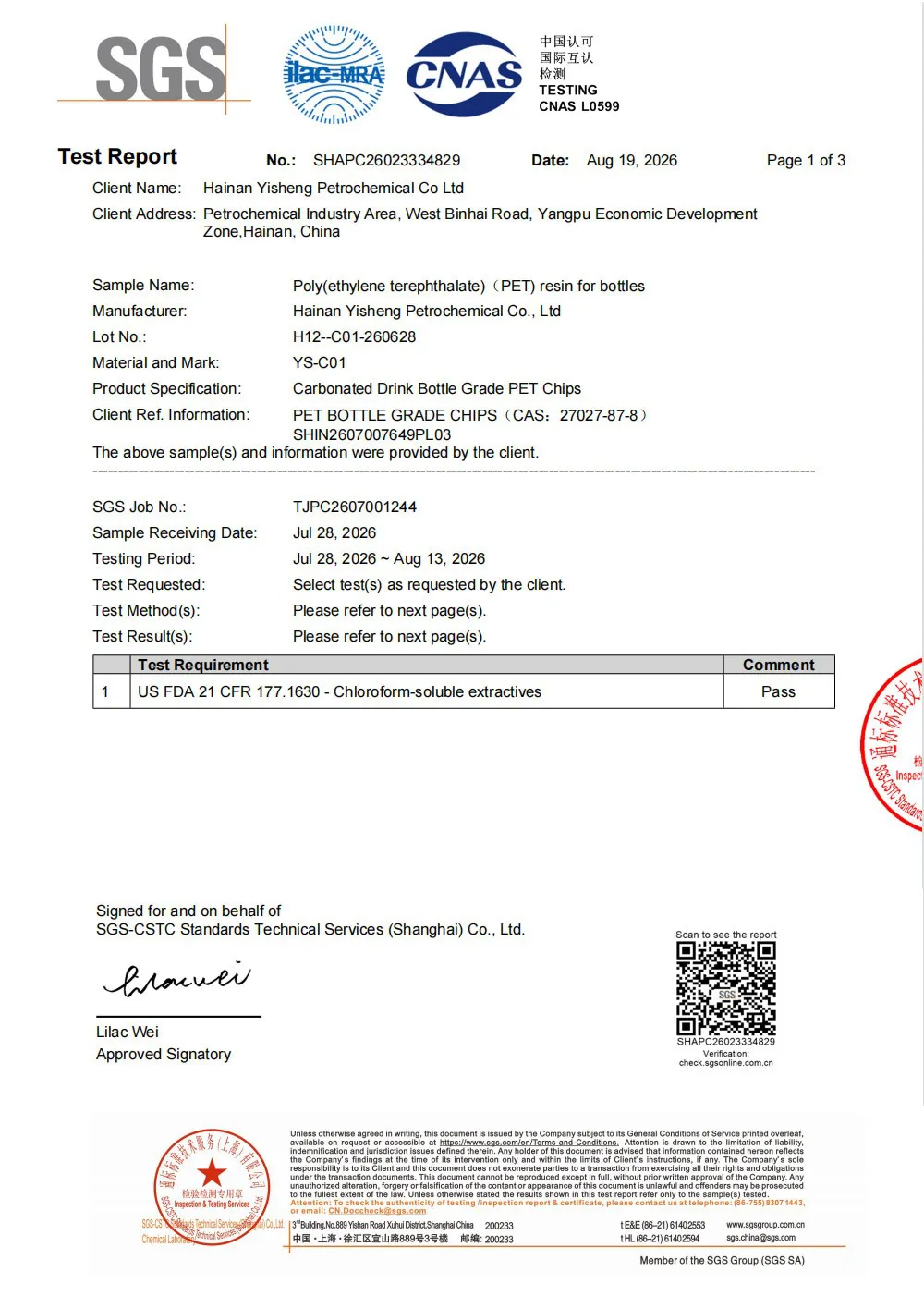
Imagine a scenario where a sealing liner leaches harmful chemicals into the medication. Even trace amounts could react with active ingredients, reduce efficacy, or worse, cause adverse reactions. That's why our liners are made from medical-grade materials rigorously tested to ensure they contain no BPA, phthalates, or other toxic substances. We source raw materials only from suppliers with proven track records, and every batch undergoes (third-party) testing for heavy metals, residual solvents, and migration—because "safe enough" isn't enough when lives are on the line.
Have you ever opened a bottle and noticed a strange plastic smell? That's a red flag. For pharmaceuticals, especially oral medications, any off-taste or odor can make patients hesitant to take their doses—compromising treatment adherence. Our sealing liners are designed to be completely inert. They don't absorb or release odors, and they won't transfer any taste to the medication, even after long-term storage. Whether it's a bottle of children's chewable vitamins or a container of sensitive antibiotics, the only thing patients should notice is the medication itself.
| Property | Our Sealing Liners | Standard Liners (Industry Average) |
|---|---|---|
| Toxicity | Medical-grade materials, ISO 10993 compliant | May contain BPA or phthalates; limited testing |
| Taste/Odor | No detectable taste or odor (per ASTM E1870 testing) | Possible residual plastic or chemical smell |
| Temperature Resistance | -80°C to 121°C (suitable for cryogenic & sterilization) | Limited range (-20°C to 60°C typical) |
| Certifications | ISO 9001, GMP, FDA compliant | Basic food contact certification only |
Creating a sealing liner that's truly non-toxic, tasteless, and odor-free isn't just about choosing the right materials—it's about controlling every step of the manufacturing process. That's where our iso9001 certified packaging factory and dust-free gmp compliant workshop come into play. Let's pull back the curtain and see how we turn raw materials into reliable guardians of pharmaceutical safety.
It all starts with material selection. We work exclusively with suppliers who provide full traceability for their resins and additives. Every batch of plastic resin is tested for purity before it even enters our facility. Once approved, the materials move to our compounding area, where they're mixed with FDA-approved additives to enhance flexibility and sealing performance—no mystery chemicals here, just ingredients that meet the strictest global standards.
Next, the material is fed into specialized extrusion machines in our dust-free GMP workshop. Why dust-free? Because a single speck of dust in the liner could compromise the seal or contaminate the medication. Our workshop maintains Class 8 cleanliness standards (that's fewer than 100,000 particles per cubic foot of air—cleaner than most hospital operating rooms!). Employees wear full-body (cleanroom suits), hairnets, and shoe covers, and every tool is sanitized before use.
We don't just test our liners at the end of production—we test them at every stage. During extrusion, samples are taken hourly to check thickness uniformity (even a 0.1mm variation can affect sealing). After forming, each liner undergoes a peel-test to ensure it bonds properly with the cap, and a leak-test using compressed air to simulate real-world conditions. Finally, random samples from each batch are sent to our in-house lab for taste and odor evaluation, where trained panelists follow ASTM E1870 protocols to detect even the subtlest off-notes.
For clients with specialized needs—like those requiring cryogenic tubes for storing frozen biological samples—we go the extra mile. These liners undergo freeze-thaw cycling (-80°C to room temperature, 50 cycles) to ensure they maintain flexibility and seal integrity, even after repeated temperature shocks. It's this level of detail that has made us a trusted hdpe pill bottles supplier and cryogenic tubes manufacturer for pharmaceutical companies worldwide.
Theory is important, but real impact happens when these liners are put to work in the field. Let's look at a few key applications where our non-toxic, tasteless, odor-free sealing liners shine—and why they've become the first choice for pharmaceutical and healthcare brands.
As a leading hdpe pill bottles supplier , we know that pill bottles are often used for daily medications—think blood pressure pills, cholesterol reducers, or vitamins that patients take for months at a time. Over that period, the seal must remain intact to prevent moisture from seeping in (which can cause pills to clump or degrade) and to keep the medication free from outside odors. Our liners, paired with HDPE's inherent chemical resistance, create a barrier that maintains pill freshness from the factory to the patient's medicine cabinet.
One of our clients, a major vitamin manufacturer, switched to our liners after receiving complaints about a "plastic taste" in their chewable tablets. After testing our liners, they saw a 90% reduction in taste-related complaints—and their customer retention rates improved as a result. Sometimes, the smallest change makes the biggest difference.
Cryogenic tubes are a niche but critical product—used to store everything from stem cells to vaccine samples at temperatures as low as -196°C (liquid nitrogen temperature). At these extremes, many materials become brittle and lose their sealing ability. Our liners, however, are formulated to remain flexible even in deep freeze, ensuring that samples stay uncontaminated and viable for years. We recently worked with a biotech firm developing a new cancer treatment, providing cryogenic tubes with custom liners that could withstand 500 freeze-thaw cycles without leaking. For them, reliable sealing wasn't just a quality metric—it was a requirement for their research to succeed.
Many pharmaceutical containers require child-resistant (CR) caps to prevent accidental ingestion. But CR caps can be tricky—they need to be difficult for kids to open but easy for adults, especially seniors with limited hand strength. Our sealing liners are designed to work seamlessly with CR caps, maintaining the cap's safety features while ensuring a tight seal. We offer free (mold testing) for clients developing custom CR caps, helping them balance safety, usability, and sealing performance.
At the end of the day, pharmaceutical packaging isn't one-size-fits-all. Your product might need a specific bottle shape, a unique cap design, or a liner that works with an unusual medication formula. That's why we don't just sell sealing liners—we offer end-to-end custom solutions, from (mold design) to final production.
Whether you need a specialized bottle for a new drug delivery system or a custom cap to match your brand's aesthetic, our in-house (mold design team) can bring your vision to life. We accept 3D (3D drawings) in all major formats (STEP, IGES, STL), and our engineers will work with you to optimize the design for manufacturability and sealing performance. Best of all, we offer (free mold testing) to ensure the final product meets your expectations before full production begins.
Sustainability is no longer a nice-to-have—it's a must. That's why we're proud to offer medical grade plastic bottles made from PCR (post-consumer recycled) materials, without compromising on safety or performance. Our PCR HDPE pill bottles have the same chemical resistance and sealing capabilities as virgin HDPE, but with a 30% lower carbon footprint. We're also exploring biodegradable liner options for non-critical applications, because protecting patients shouldn't mean harming the planet.
There are plenty of pharmaceutical packaging manufacturer options out there, but what sets us apart is our commitment to your success. We don't see ourselves as just a supplier—we see ourselves as an extension of your team. When you work with us, you get:
At the end of the day, pharmaceutical packaging is about more than just holding a product—it's about protecting lives. And when it comes to protecting lives, we believe there's no room for compromise. Our non-toxic, tasteless, odor-free sealing liners are more than a component; they're a promise of safety, reliability, and care. So if you're looking for a partner who takes your product's safety as seriously as you do, let's talk. Together, we can create packaging that patients trust—and that helps your brand succeed.